Top 4 Gorges around Parco naturale regionale della Lessinia
Canyons around Parco naturale regionale della Lessinia are located in the province of Verona, Italy, a region characterized by impressive geological formations and karst features. This natural park showcases a landscape shaped by millennia of water erosion, resulting in deep gorges and unique rock formations. The area is known for its diverse natural environment, including extensive forests and varied ecosystems. It offers opportunities to explore significant geological monuments and archaeological sites.
Best canyons around Parco naturale regionale della Lessinia
- The…
Last updated: July 13, 2026
Vajo di Passo Risterle
Highlight (Segment) • Gorge
Translated by Google •
Tip by

Vajo Squaranto Trail
Highlight • Trail
Translated by Google •
Tip by

Sign up now to discover places like this
Get recommendations on the best single tracks, peaks, & plenty of other exciting outdoor places.
Sign up for free
Vajo di Bellori and Fosse
Highlight (Segment) • Gorge
Translated by Google •
Tip by

Vajo dell'Anguilla (887 m)
Highlight • Gorge
Translated by Google •
Tip by

View of the Squaranto Cliff
Highlight • Viewpoint
Translated by Google •
Tip by

Start today with a free account
Your next adventure awaits.
Login or Signup
Popular around Parco naturale regionale della Lessinia
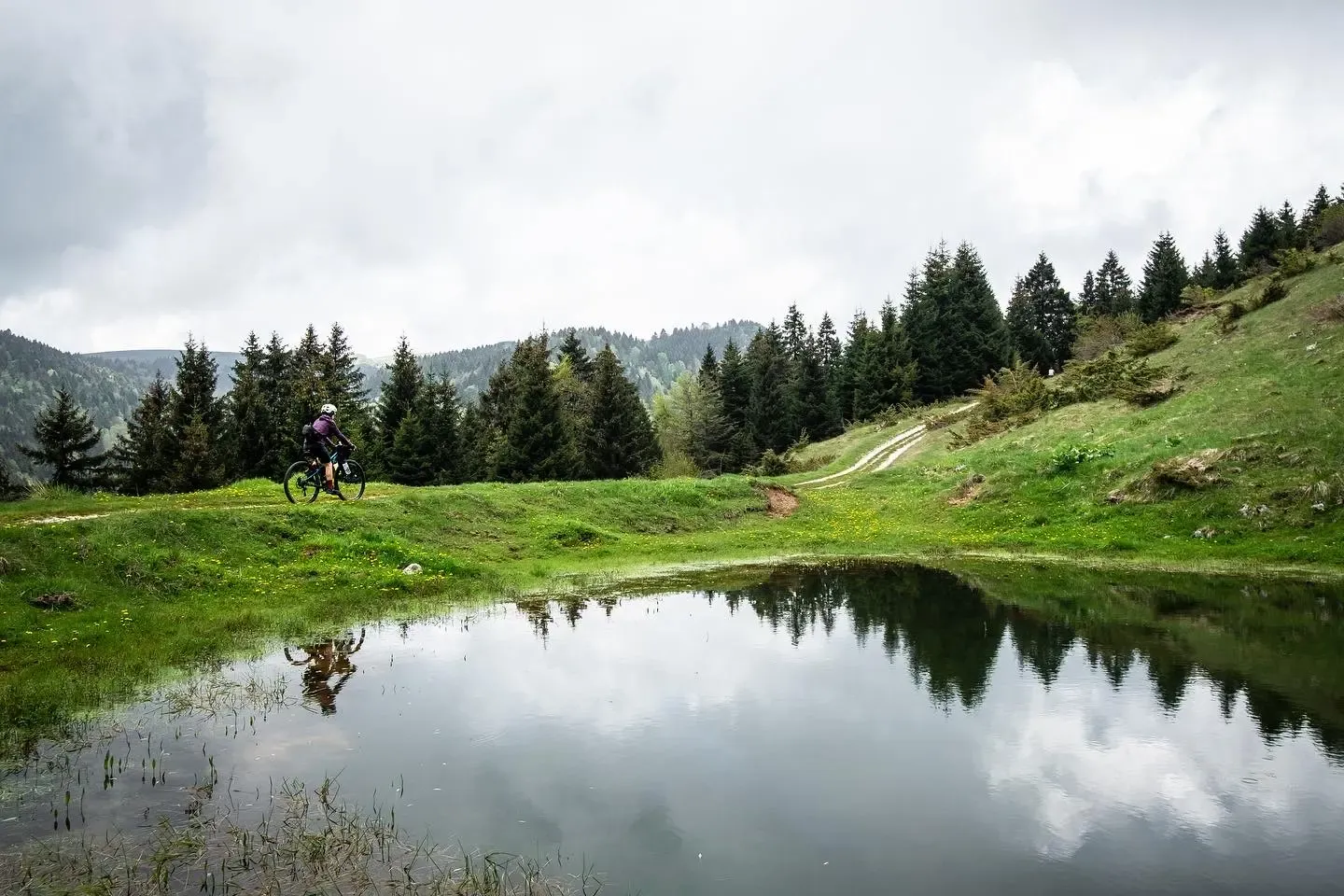
In the mountains a stone's throw from Verona - Lessinia by mountain bike
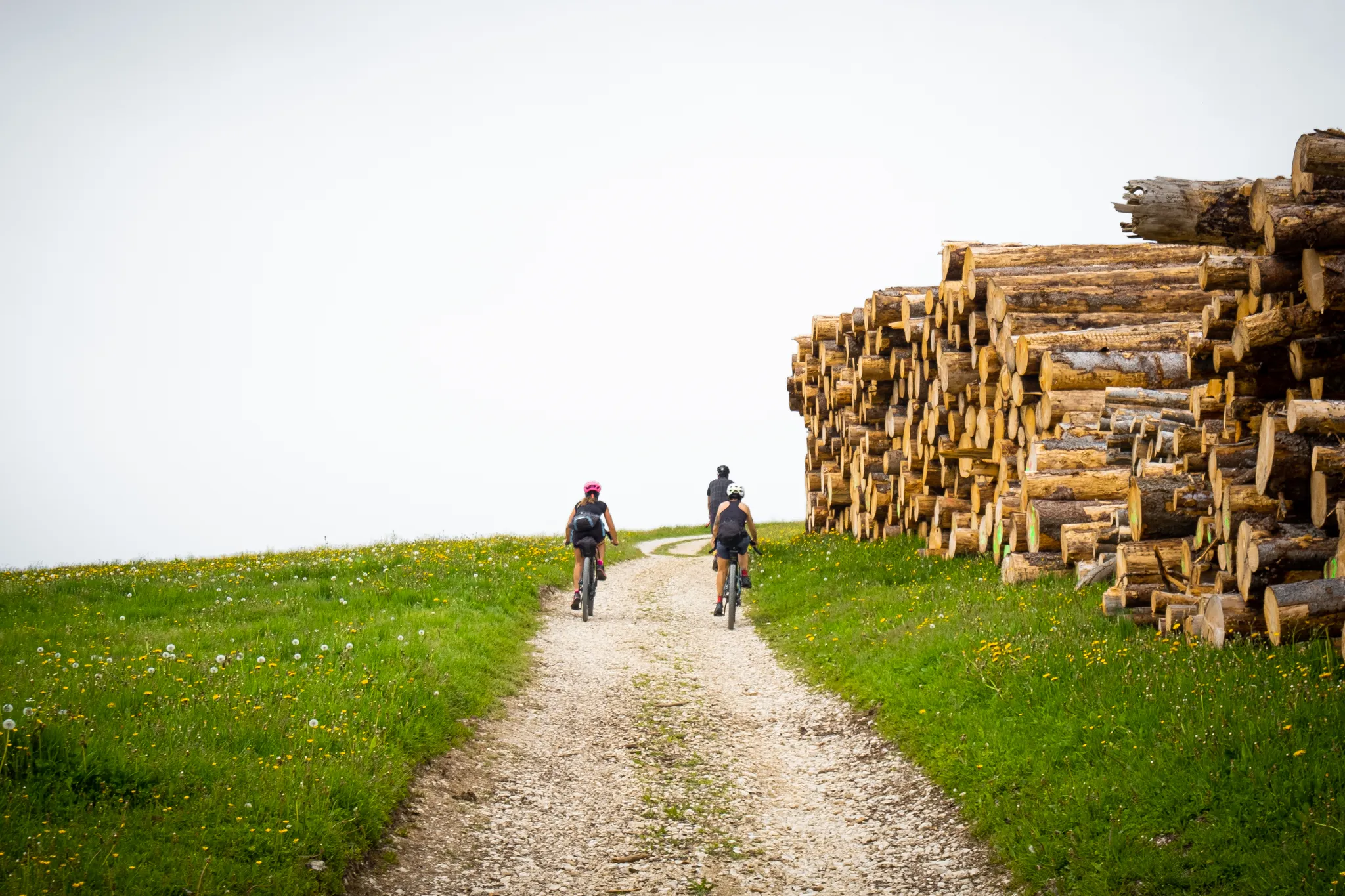
Via delle Prealpi – On the way with the MTB in the Venetian Prealps
Hiking around Parco naturale regionale della Lessinia
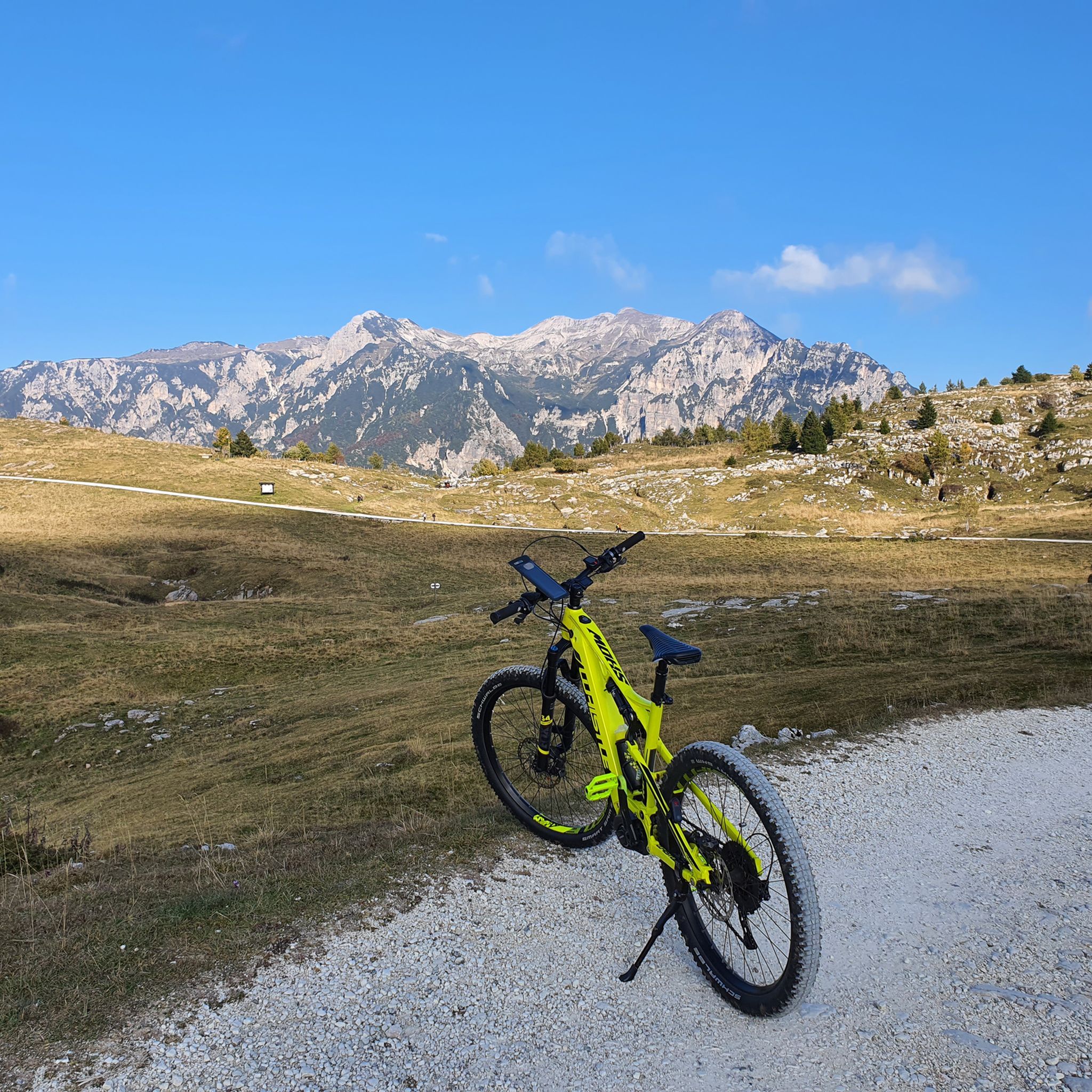
MTB Trails around Parco naturale regionale della Lessinia
Road Cycling Routes around Parco naturale regionale della Lessinia
Running Trails around Parco naturale regionale della Lessinia

Gravel biking around Parco naturale regionale della Lessinia
Cycling around Parco naturale regionale della Lessinia

Mountain Hikes around Parco naturale regionale della Lessinia
Other adventures around Parco naturale regionale della Lessinia


Tips from the Community

Trail 121 is a beautiful route for climbing the Tre Croci chain in one go. It begins in the woods, but as it climbs, it becomes increasingly rugged, rocky, and technical, passing rocky spires and panoramic vantage points. It ends with frequent switchbacks on a spectacular, increasingly narrow ravine, all the way to the Rìstele Pass. Accessing it from above and descending it is also very impressive, perhaps even more so: the view from the pass is impressive, with the steep trail seemingly ending in the void! The trail originated as a military mule track during World War I, part of the Italian defense system that controlled the border with the Austro-Hungarian Empire (now the border with Trentino).
0
0

As I called it, the home of the Anasazi. After leaving the bike, a shelter can be reached along a narrow ledge with a cable. To reach it, be prepared to carry your bike on your shoulders for a 50 m difference in altitude that you will practically have to climb. Not for all
0
0
Descent from the Squaranto ditch is a rock garden that is not difficult. A few kilometers to travel along the riverbed
0
0

Path surrounded by greenery, on the bed of the river Squaranto. Predominantly rocky terrain, sheltered from sunlight, with a slight but constant slope. Very calm.
1
0

The whole path is part of the Vajo dell'Anguilla, but this is the only sign showing the altitude, which, in my opinion, is always useful to know.
2
1


Beautiful road not too busy in the middle of the vajo and often shaded ... you can see the bridge of veja
2
1
Frequently Asked Questions
What are some notable natural attractions in the Lessinia canyons region?
The Parco Naturale Regionale della Lessinia is home to several impressive geological formations. Key attractions include the majestic Vajo di Bellori and Fosse, which offers views of the Ponte di Veja, a natural rock arch. Another unique spot is the Valle delle Sfingi, known for its monolithic rock formations resembling sphinxes, sculpted by karst erosion. The Vajo dell'Anguilla also stands out as a deep, wild gorge within the Foresta dei Folignani.
Are there any historical or archaeological sites within the canyons of Lessinia?
Yes, the region has historical significance. The Ponte di Veja, visible from the Vajo di Bellori and Fosse, features caves that were shelters for prehistoric humans, yielding archaeological findings. Additionally, the Vajo di Passo Risterle follows what was originally a military mule track from World War I, part of the Italian defense system.
What kind of terrain can I expect when exploring the canyons around Parco Naturale Regionale della Lessinia?
The terrain varies significantly. For instance, the Vajo Squaranto Trail features predominantly rocky terrain along the bed of the Squaranto river. In contrast, the Vajo di Passo Risterle becomes increasingly rugged, rocky, and technical as it climbs, passing rocky spires. The Vajo dell'Anguilla transitions from a humid valley floor to sunny pastures, showcasing diverse environments.
Are there family-friendly trails among the Lessinia canyons?
While specific 'family-friendly' categories aren't listed for all canyons, the Valle delle Sfingi is known for offering an easy and accessible trek suitable for families, with its magical landscape sculpted by natural forces. Always check the difficulty ratings for specific routes before heading out with children.
What is the best time to visit the Lessinia canyons?
The Lessinia region, including its canyons, is generally best visited during spring, summer, and early autumn. These seasons offer more favorable weather for hiking and exploring. During these times, you can enjoy the diverse vegetation and comfortable temperatures. Winter can bring snow and colder conditions, making some trails more challenging or inaccessible.
What outdoor activities can I do near these canyons?
Beyond exploring the canyons themselves, the Parco Naturale Regionale della Lessinia offers a variety of outdoor activities. You can find numerous waterfall hikes, mountain hikes, and road cycling routes throughout the park. These nearby guides provide options for different sports and difficulty levels.
Are there any scenic viewpoints within the Lessinia canyons?
Yes, several canyons offer scenic viewpoints. The Vajo di Passo Risterle, for example, features panoramic vantage points along its rugged ascent. The view from the Rìstele Pass is particularly impressive, overlooking the steep trail. The Vajo di Bellori and Fosse also provides views of the iconic Ponte di Veja natural arch.
What makes the Vajo dell'Anguilla unique among the Lessinia canyons?
The Vajo dell'Anguilla is considered one of the wildest and lesser-known areas of the Lessinia Natural Park. It's a deep gorge traversing the extensive Foresta dei Folignani, offering an immersive experience in pristine nature. The canyon's environment transitions dramatically from a humid valley floor to sunny pastures, and its formations are rich in fossils. Educational boards along the path explain the area's formation and wildlife.
What is the difficulty level of trails in the Lessinia canyons?
The difficulty levels vary. For instance, the Vajo di Passo Risterle is described as a challenging gorge, becoming rugged and technical as it climbs. The Vajo Squaranto Trail is rated as intermediate, while the Vajo di Bellori and Fosse is also intermediate. It's advisable to check specific route details for their difficulty ratings before planning your visit.
What do visitors enjoy most about the canyons in Parco Naturale Regionale della Lessinia?
Visitors appreciate the diverse natural beauty and unique geological formations. The shaded roads and views of natural wonders like the Ponte di Veja in Vajo di Bellori and Fosse are highly rated. The peaceful, green surroundings and rocky terrain of trails like the Vajo Squaranto Trail are also popular. For those seeking a challenge, the rugged and panoramic routes of Vajo di Passo Risterle offer a rewarding experience.
Can I find circular walks through the Lessinia canyons?
Yes, some areas within the Lessinia canyons offer circular walking routes. For example, hiking routes through the Vajo dell'Anguilla are often circular, connecting to other points of interest like Malga Lessinia and Vajo dei Modi, allowing for a comprehensive exploration of the area.
Most popular routes around Parco naturale regionale della Lessinia
Most popular attractions around Parco naturale regionale della Lessinia

Get inspired with the komoot mobile app


Explore more
Already discovered everything in this region? See additional gorges around Parco naturale regionale della Lessinia for your next adventure:
