Top 5 Caves around Parco naturale regionale Dune costiere da Torre Canne a Torre San Leonardo
Best caves around Parco naturale regionale Dune costiere da Torre Canne a Torre San Leonardo are primarily ancient rupestrian settlements and underground structures. This regional natural park, located in Puglia between Ostuni and Fasano, features diverse natural landscapes and significant archaeological heritage. The "caves" here are often human-made or adapted shelters, including crypts, dwellings, and underground olive mills, carved into the soft tuff limestone. These sites offer a tangible connection to the past, illustrating how ancient civilizations utilized the natural…
Last updated: July 13, 2026
Lamacornola Rock Settlement and Caves
Highlight (Segment) • Historical Site
Translated by Google •
Tip by

Trappeto dell'Arco Hypogeum Olive Mill
Highlight • Historical Site
Translated by Google •
Tip by

Sign up now to discover places like this
Get recommendations on the best single tracks, peaks, & plenty of other exciting outdoor places.
Sign up for free
Tavola dei Paladini Cave
Highlight • Cave
Translated by Google •
Tip by
San Giacomo Cave
Highlight • Cave
Translated by Google •
Tip by

Rock Church of San Giacomo
Highlight • Religious Site
Translated by Google •
Tip by
Start today with a free account
Your next adventure awaits.
Login or Signup
Popular around Parco naturale regionale Dune costiere da Torre Canne a Torre San Leonardo
Cycling around Parco naturale regionale Dune costiere da Torre Canne a Torre San Leonardo
Road Cycling Routes around Parco naturale regionale Dune costiere da Torre Canne a Torre San Leonardo
Hiking around Parco naturale regionale Dune costiere da Torre Canne a Torre San Leonardo
MTB Trails around Parco naturale regionale Dune costiere da Torre Canne a Torre San Leonardo
Running Trails around Parco naturale regionale Dune costiere da Torre Canne a Torre San Leonardo

Gravel biking around Parco naturale regionale Dune costiere da Torre Canne a Torre San Leonardo
Tips from the Community

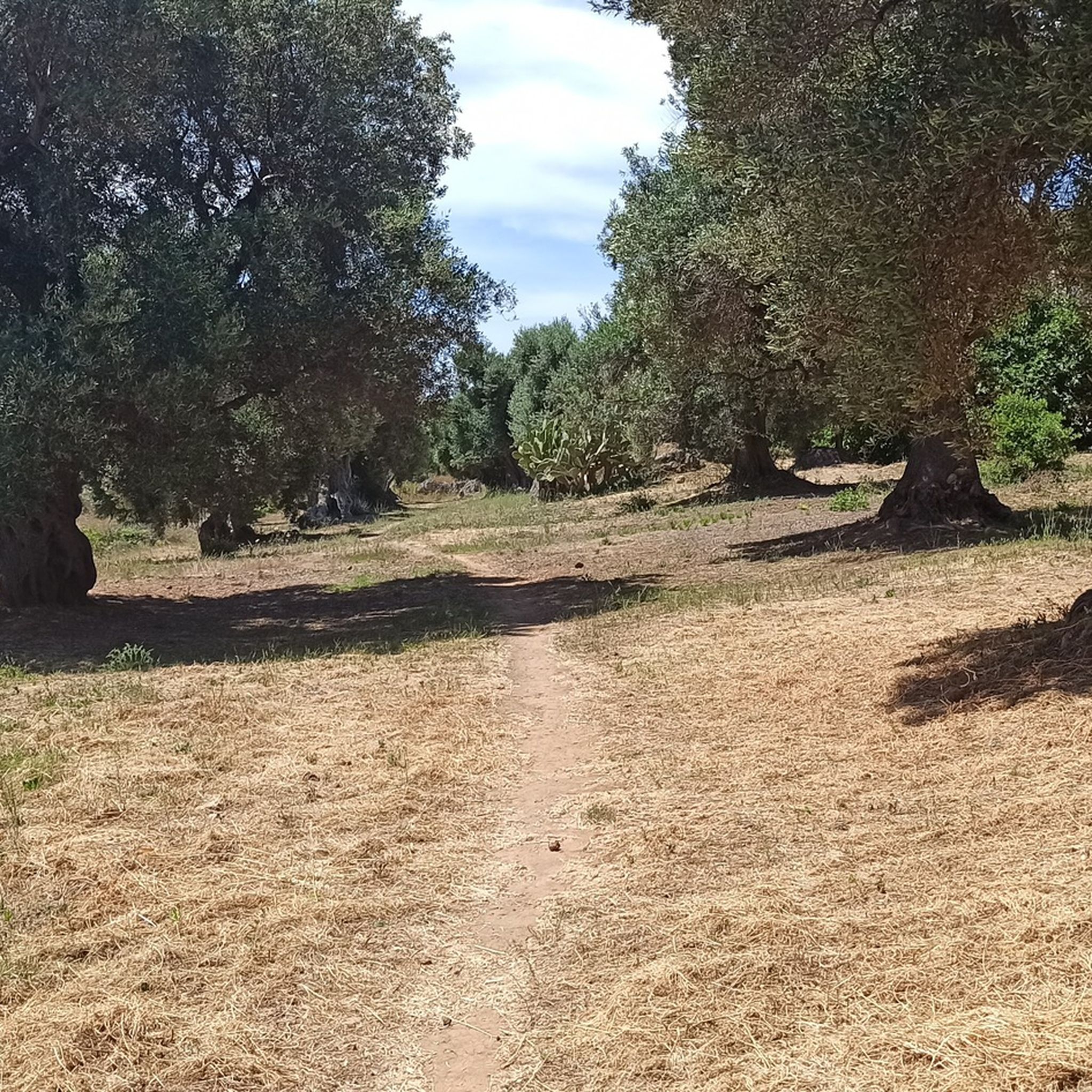
Church of San Giacomo Among pastures and centuries-old olive groves, we reach the Torre Bianca farm and shortly thereafter the remains of the CHURCH of SAN GIACOMO, a place of worship on the cliff, cited by various sources from the sixteenth century. The proximity to the Via Traiana made it an obligatory stop for pilgrims who, on their return from the Holy Land, concluded their itinerary in San Giacomo di Compostela in Spain.
1
0
Near the Dolmen there is a small "lamia", a typical rural building surrounded by a spontaneous botanical garden, with figs and prickly pears, mulberries, vines, capers, carob trees. With a few steps, and a careful look, you will also be able to identify a "cave house" carved into the rock.
1
0
CHURCH of SAN GIACOMO, place of worship on the cliff, cited by various sources from the 16th century. The proximity to the Via Traiana made it an obligatory stop for pilgrims who, on their return from the Holy Land, concluded their itinerary in San Giacomo di Compostela in Spain.
1
0
Cave-villages, cave-churches, cave-shops, trapeti-caves belong to the civil, religious and artistic history of this region. The suggestive and unusual rocky paths reveal the treasures of underground Puglia hidden in the ravines of the ground. The rock settlements offer a real journey through time and space. An intertwining of paths and caves, a village built on various levels of the rocky ridges that host them, where it is still possible to reconstruct the life of the communities that lived there. The well, the oil mill, the cemetery and the church around which life pulsated highlight the links existing between the underground settlements and the territory, the caves not only as places of mystical asceticism but also centers of life and work.
2
1
Artificial underground cavity almost certainly used as an oil mill or used as a post station
2
0
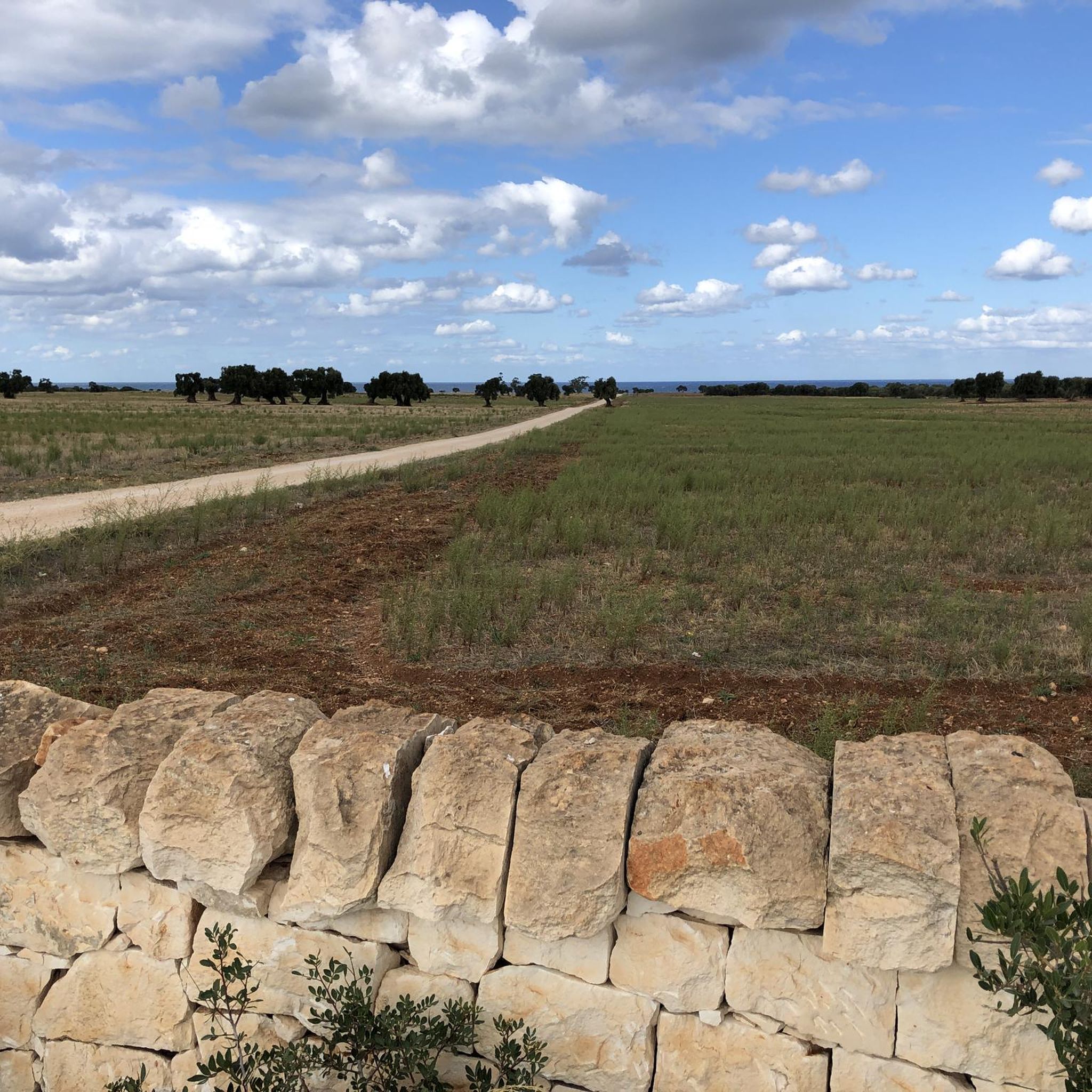
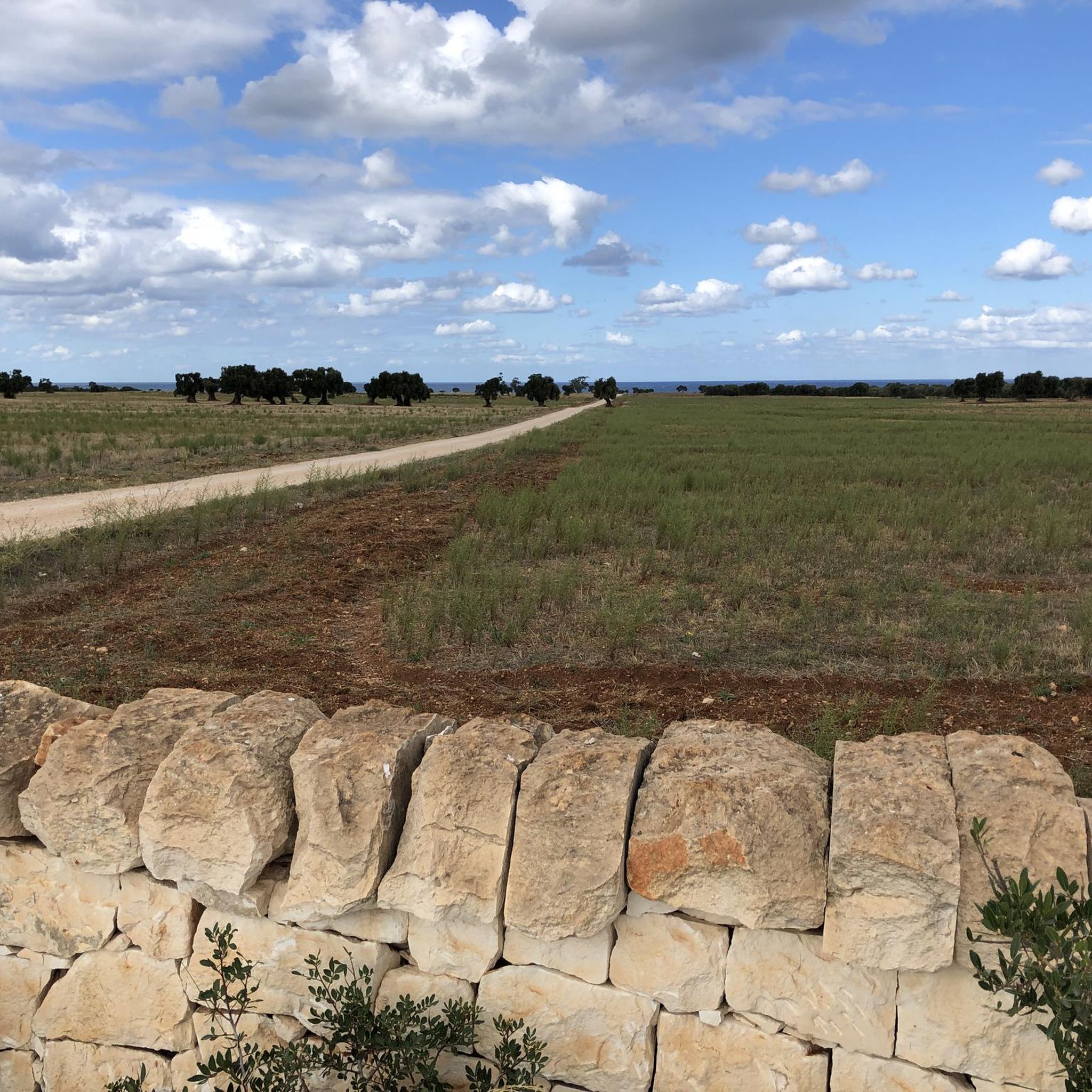
Along the road we find on the right almost at the edge of the blade known as Torre Bianca a Trappeto known as the Arco placed between extensive arable land with sparse olive trees whose crown is shaped like a flag by the mistral wind creating a suggestive landscape similar to an African savannah . We have news of this mill in 1519 in a description of the properties of the bishop's canteen of Ostuni of which it was part. It was called the "trappeto dell’arco" in reference to the toponym of the district which was already called "degli Archi" in the thirteenth century, crossed by a road indicated with the same term. Qualified as "ancient" in the land registry of 1608, it is "ruined" in the following one of 1613.
1
0

From the dirt road of the caves of San Giacomo, go along the bridge entering on a dirt road, up to a sudden right turn into a downhill single track that leads straight to the cave.
2
0
It begins as a natural watercourse from the "Spennati" district; follows as a watercourse, in some points contained by human intervention through the districts "Casamassima" and "Spagnulo" to reach the Lamacornola farm where the real blade begins and ends along the coast of the Adriatic Sea Pilone (San Leonardo River). In this blade there are two underground trappets and some caves.
6
1
Frequently Asked Questions
What kind of 'caves' can I expect to find in Parco naturale regionale Dune costiere?
The 'caves' in this region are primarily ancient rupestrian settlements and underground structures, rather than large natural caverns. You will discover human-made or adapted shelters, including crypts, dwellings, and underground olive mills, carved into the soft tuff limestone. These sites offer a unique glimpse into the historical and archaeological heritage of the area.
What is the historical significance of the caves in Parco naturale regionale Dune costiere?
The caves hold significant historical and archaeological value, showcasing how ancient civilizations utilized the natural landscape for shelter, worship, and sustenance. They provide a tangible connection to the past, illustrating the lives of people from various historical periods, including Roman and medieval times, who adapted these rock formations for their needs.
Are there any ancient underground olive mills to visit?
Yes, the region is known for its ancient subterranean olive mills. A notable example is the Trappeto dell'Arco Hypogeum Olive Mill, which has records dating back to 1519. These mills are significant examples of the region's agricultural heritage and offer insight into traditional olive oil production.
Can I explore ancient dwellings or religious sites carved into the rock?
Absolutely. The area features numerous rupestrian settlements that include ancient dwellings and religious spaces. For instance, the Lamacornola Rock Settlement and Caves offers a journey through a village built on various levels of rocky ridges where communities once lived. You can also visit the Rock Church of San Giacomo, a historical place of worship on a cliff, cited from the 16th century.
Are there hiking trails that lead to these cave sites?
Yes, some cave sites are accessible via trails. For example, the CAI 730 trail, known as Lamacornola, runs along the bed of the 'lama' and touches various rock settlements, including the Lamacornola Rock Settlement and Caves. You can find more hiking opportunities in the region by exploring the Running Trails around Parco naturale regionale Dune costiere guide, which includes routes like 'Insediamento di Lama Pilone'.
What natural features can I observe around the caves?
The caves are often situated within the characteristic 'lame' of the Apulian countryside, which are small erosive furrows or karst blades. These geological features highlight the natural landscape of the Murge area. While exploring, you might also encounter spontaneous botanical gardens with figs, prickly pears, mulberries, and carob trees, as mentioned near the Tavola dei Paladini Cave.
What other outdoor activities can I do near the caves?
Beyond exploring the cave sites, the region offers various outdoor activities. You can find numerous cycling routes, including touring and road cycling, as well as running trails. For example, you can explore routes from the Cycling around Parco naturale regionale Dune costiere guide or the Road Cycling Routes around Parco naturale regionale Dune costiere guide.
Are there any natural caves in the region?
While the region is primarily known for its rupestrian settlements, there are also natural cave formations. An example is San Giacomo Cave, a natural cave located along a single track and accessible from a dirt road, offering an exploration opportunity within the region's geological features.
What do visitors enjoy most about exploring the cave sites in this park?
Visitors appreciate the profound historical and archaeological significance of these sites. They enjoy the unique opportunity to connect with the past and witness how ancient civilizations adapted to and utilized the natural landscape for shelter, worship, and sustenance. The intertwining of paths and caves, revealing ancient communities, is a highlight for many.
Is it possible to find a 'cave house' in the area?
Yes, you can find examples of 'cave houses' carved into the rock. Near the Tavola dei Paladini Cave, for instance, you can identify a small 'cave house' alongside a typical rural building known as a 'lamia'.
What is the best time to visit the caves in Parco naturale regionale Dune costiere?
The region of Puglia generally experiences mild winters and hot summers. Spring (April-May) and autumn (September-October) are often ideal for exploring the outdoor cave sites, offering pleasant temperatures for walking and discovery. During these seasons, the weather is typically comfortable for extended visits.
Are the cave sites suitable for families with children?
Many of the rupestrian settlements and historical cave sites offer an engaging educational experience for families. Exploring these ancient dwellings and structures can be a fascinating way for children to learn about history and archaeology in an interactive setting. However, some paths might be uneven, so comfortable footwear is recommended.
Most popular routes around Parco naturale regionale Dune costiere da Torre Canne a Torre San Leonardo
Most popular attractions around Parco naturale regionale Dune costiere da Torre Canne a Torre San Leonardo

Get inspired with the komoot mobile app


Explore more
Extend your search for the best caves by checking out these guides of the top ones around Parco naturale regionale Dune costiere da Torre Canne a Torre San Leonardo:
