Top 6 Lakes around Poleski Park Narodowy
Lakes around Poleski Park Narodowy are characterized by a flat landscape featuring numerous lakes, ponds, and swamps. This area is known for its unique European ecosystem of peat bogs and forest peat communities. Established to protect these vital water and peat bog ecosystems, the park gained international recognition as a wetland of international importance. The lakes are integral to this environment, supporting diverse flora and fauna.
Best lakes around Poleski Park Narodowy
- The most popular lakes is Lake Łukie,…
Last updated: July 13, 2026
Perehod Trail
Highlight • Trail
Translated by Google •
Tip by

Lake Łukie
Highlight • Lake
Translated by Google •
Tip by
Sign up now to discover places like this
Get recommendations on the best single tracks, peaks, & plenty of other exciting outdoor places.
Sign up for free
Moszne Lake Boardwalk
Highlight • Trail
Translated by Google •
Tip by
Observation tower
Highlight • Viewpoint
Translated by Google •
Tip by
Viewing platform
Highlight • Viewpoint
Translated by Google •
Tip by
Sign up for free to discover even more lakes around Poleski Park Narodowy.
Sign up for free
Already have an account?
Start today with a free account
Your next adventure awaits.
Login or Signup

Tips from the Community

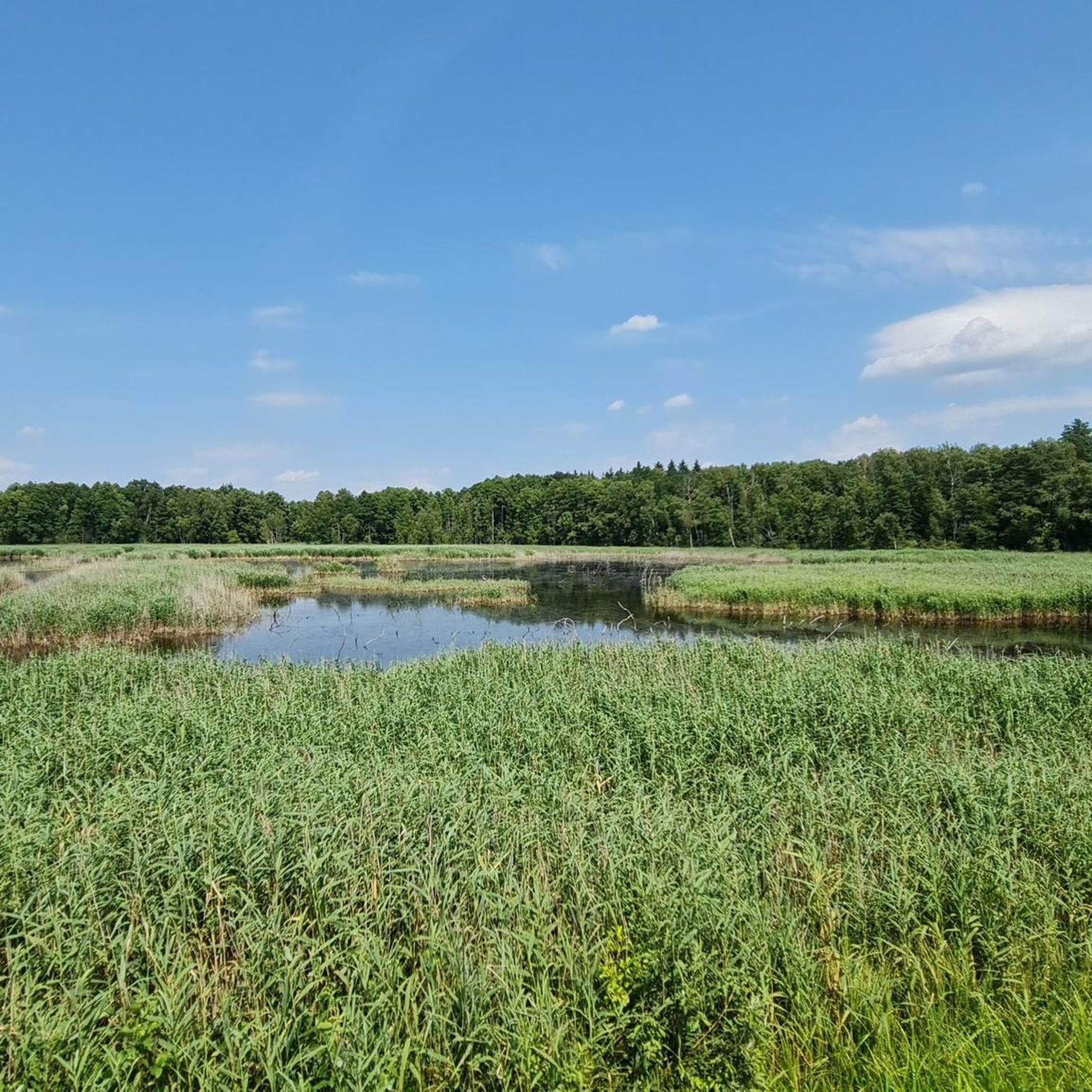
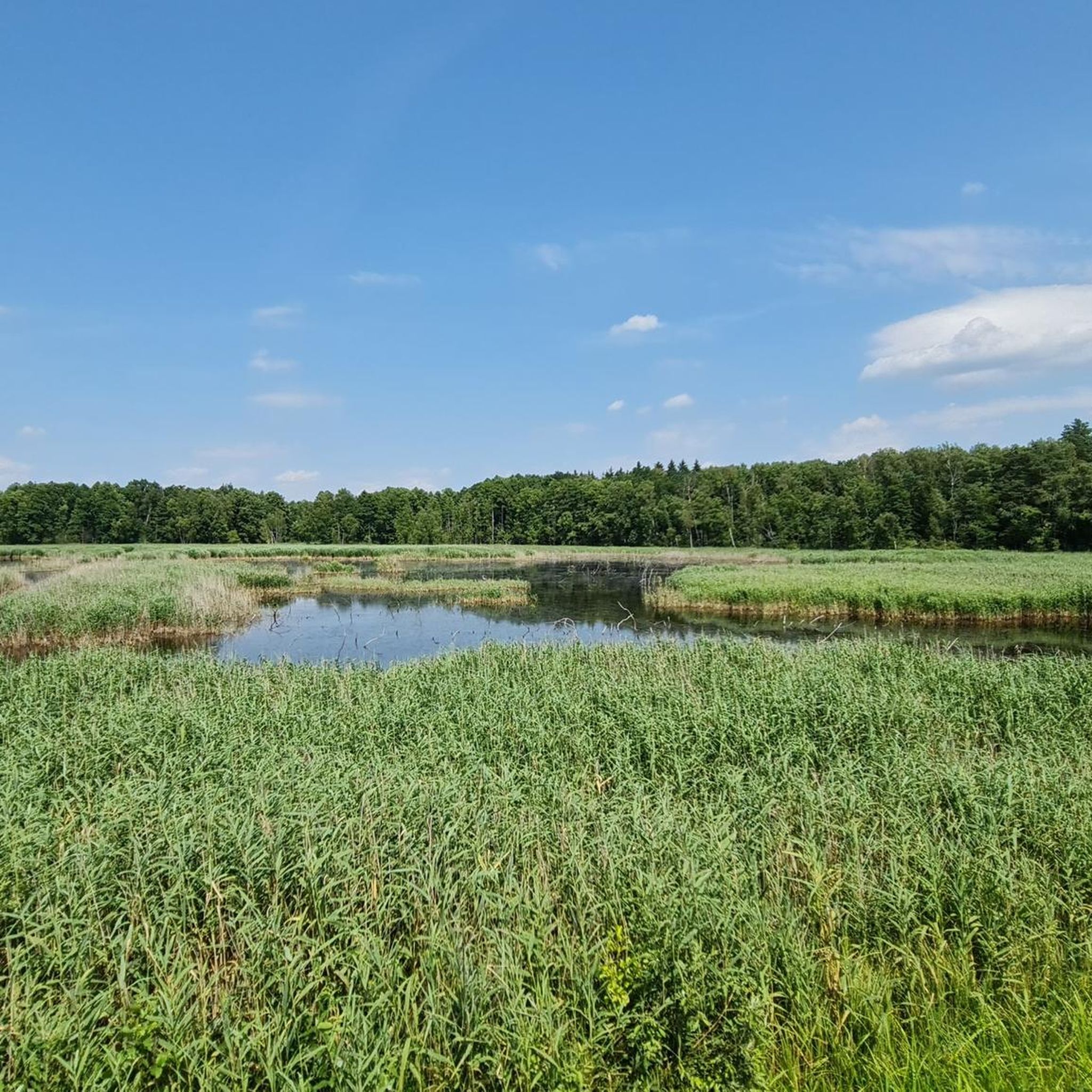
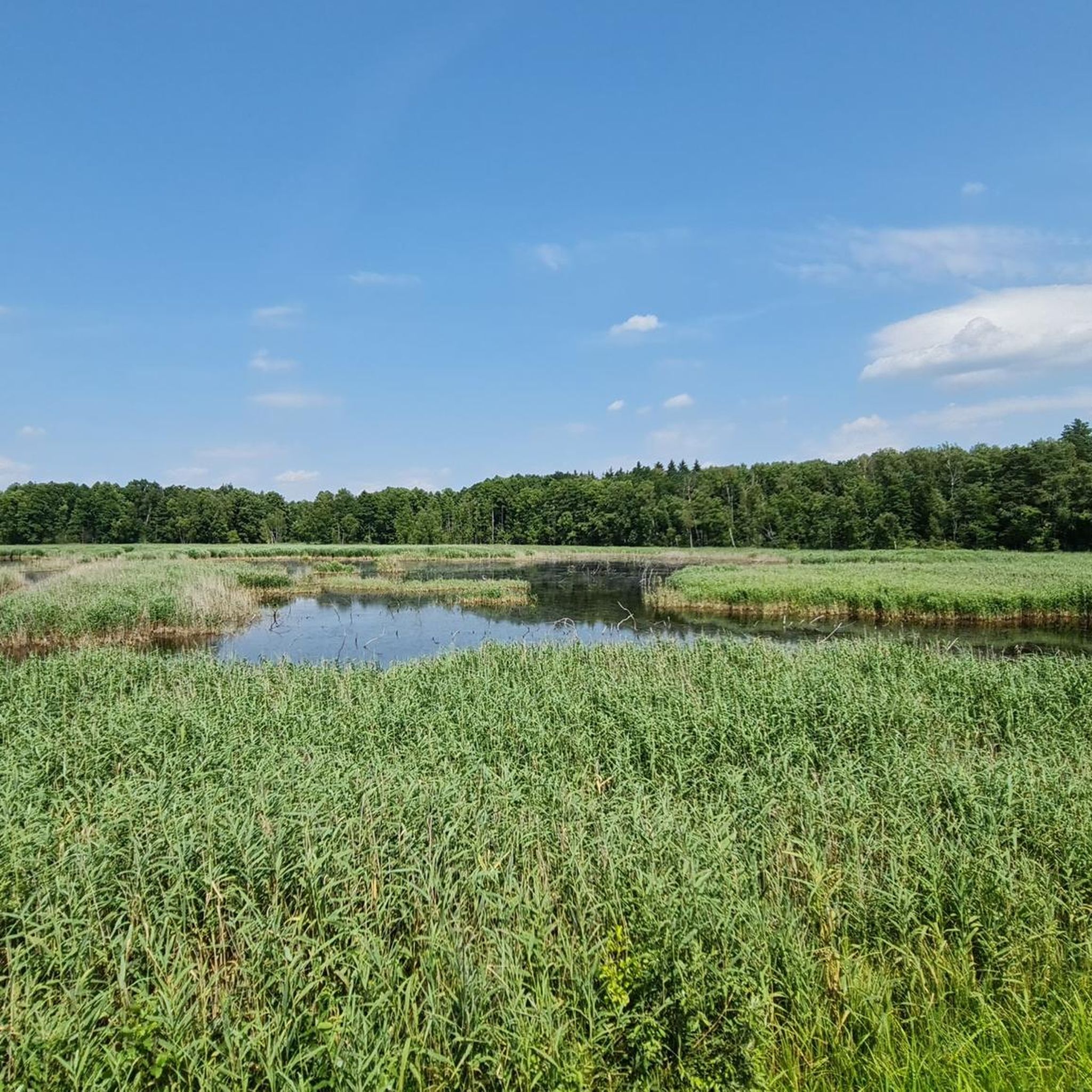
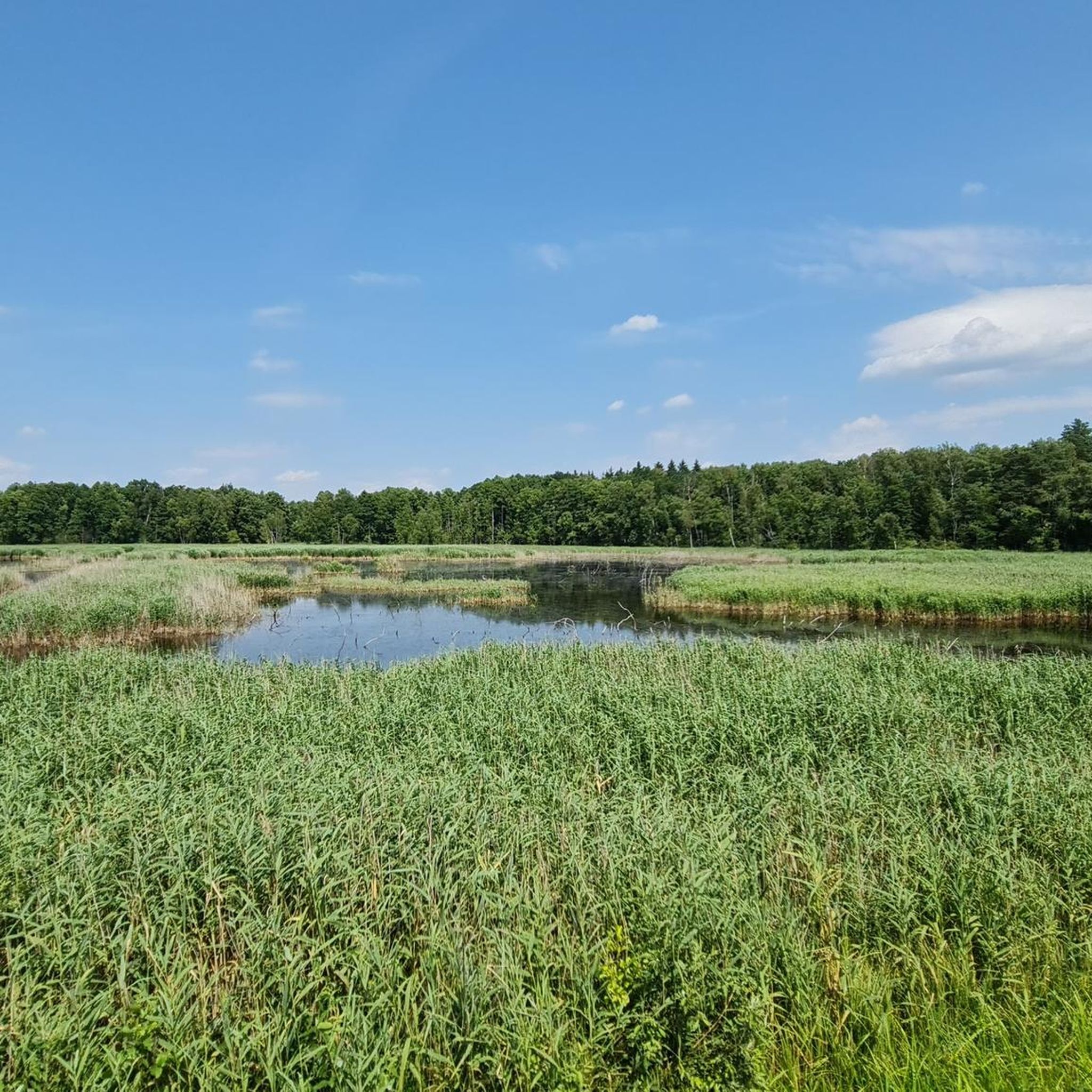
One of the two observation towers on the "Perehod" path. From the tower we have an excellent view of the surrounding ponds and typical vegetation. If you listen to the sounds of the forest, you can hear the characteristic sound of "blowing into a bottle", it is a bittern - a bird from the heron family, one of the inhabitants of this area.
2
0
The "Perehod" path is a treat for ornithologists, but lovers of beautiful landscapes will also not be disappointed. It is a nature trail that leads between the Pieszowolskie Ponds. In addition to many species of birds such as cormorants, cranes, herons and even kingfishers, we can also observe the European pond turtle. The path leads along dirt roads, there are no footbridges like on other paths in the Polesie National Park, but they are also friendly to people in wheelchairs and families with children (except on days after rain, because the roads become muddy). Remember that entry to the path is subject to a fee, you can buy a ticket at the Educational and Administrative Center and the Educational and Museum Center, as well as via the eParki.pl platform at https://poleskipn.eparki.pl/.
4
0
The viewing platform on the overgrowing Moszna Lake is located among peat pits - former peat excavation pits. We can observe cranes from above. Remember to watch out for lizards, grass snakes and the pit viper (which is poisonous), especially in the summer when we can see them basking in the sun.
2
0
The overgrowing Moszna Lake is the biggest attraction of the "Dominik" path. We can reach it via wooden footbridges that will take us right to the water. Part of the lake's surface is covered with a blanket of vegetation, the so-called they will weave. We can see plants such as insectivorous sundews, flowering orchids, and marsh cranberries.
2
0
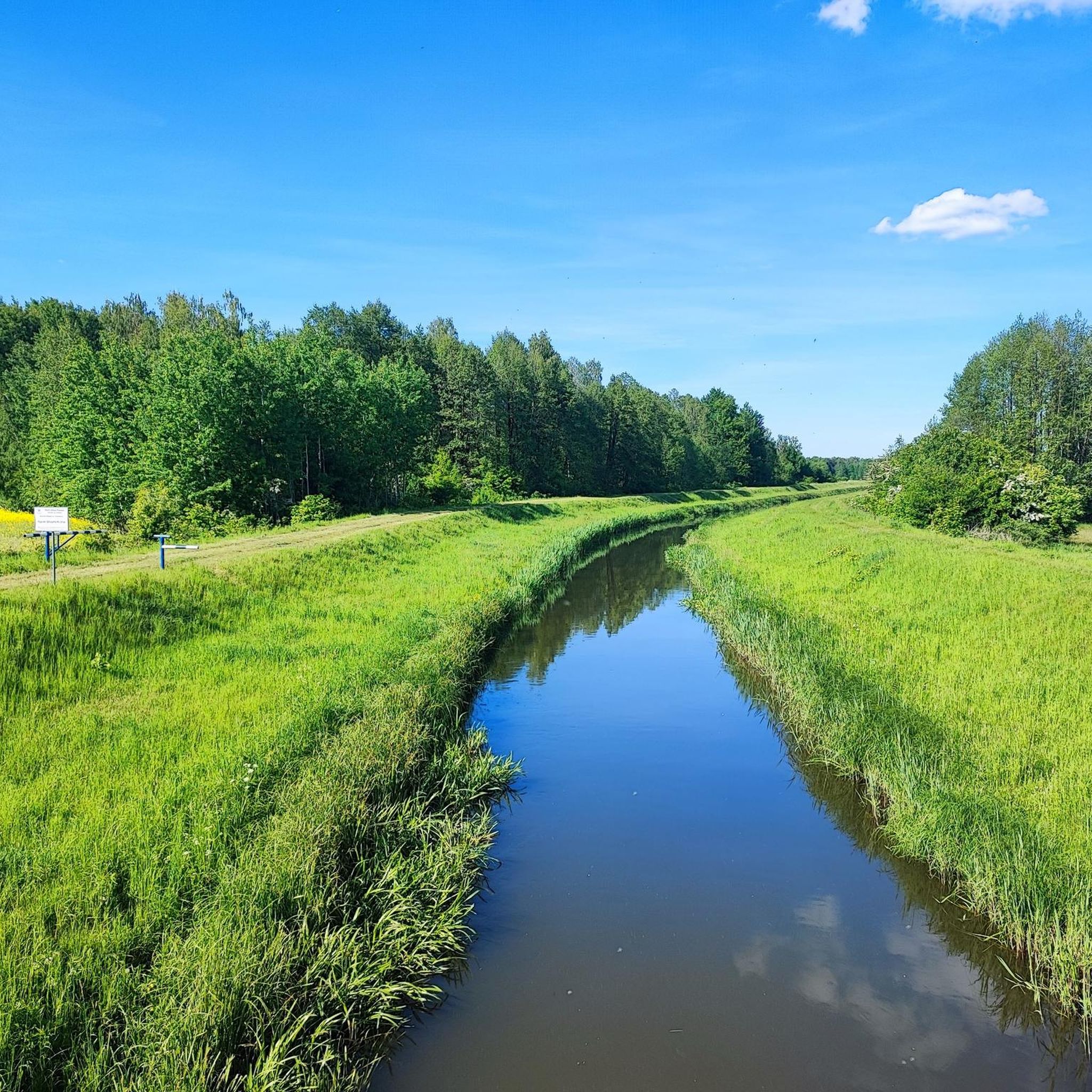
Lake Łukie is one of the largest reservoirs in the Polesie National Park, which offers beautiful landscapes and diverse ecosystems. It is a popular place for nature lovers and tourists who want to enjoy peace and observe the local fauna and flora. We can reach this view point on the pier via the "Spławy" nature trail, less than 4 kilometers from the Educational and Museum Center of the Polesie National Park.
2
0

Nice lake, shelter, fireplace and beautiful swamps all around
1
0
Beautiful lake, you can see sundew.
0
0
Frequently Asked Questions
What makes the lakes around Poleski Park Narodowy unique?
The lakes in Poleski Park Narodowy are part of a distinctive flat landscape featuring numerous lakes, ponds, and swamps, surrounded by peat bogs and forest peat communities. This unique European ecosystem is sometimes referred to as a substitute for tundra. Many of the lakes, like Jezioro Moszne, are shallow and dystrophic, characterized by a gradual overgrowing process with floating mats of peat-forming vegetation, known as 'splea'.
Which lakes are particularly good for nature observation?
For nature observation, Lake Łukie is excellent for observing diverse ecosystems and local fauna and flora. Moszne Lake Boardwalk offers a close-up view of the unique overgrowing process of Jezioro Moszne, where you can spot rare plants like insectivorous sundews and flowering orchids. The park's wetlands are also a sanctuary for various wildlife, including cranes and elk.
Are there accessible trails around the lakes for visitors with disabilities or families with strollers?
Yes, the "Dominik Oak" nature trail, which highlights Jezioro Moszne, has parts adapted for disabled visitors. Similarly, the Perehod Trail, leading between the Pieszowolskie Ponds, is generally friendly to people in wheelchairs and families with children, though it can be muddy after rain.
What kind of wildlife can I expect to see near the lakes?
The lakes and surrounding wetlands are rich in wildlife. You might spot various bird species such as cormorants, cranes (featured on the park's coat of arms), herons, kingfishers, and even the elusive bittern. The park is also a significant sanctuary for elk and, along with Sobiborski Landscape Park, hosts the largest marsh turtle population in Poland. Keep an eye out for lizards and grass snakes, especially near viewing platforms.
What are the best options for birdwatching around the lakes?
The Perehod Trail is a treat for ornithologists, offering opportunities to see cormorants, cranes, herons, and kingfishers. There are also observation towers along this path that provide excellent views of the ponds and vegetation, where you can listen for the characteristic sound of the bittern.
Are there any specific plants or unique flora to look out for?
Yes, the unique wetland ecosystems around the lakes support rare boreal plants. You can find species such as downy willow, swamp willow, *Betula humilis*, round-leaved sundew, bog-rosemary, and northern Labrador tea. The Moszne Lake Boardwalk is a great place to see insectivorous sundews and flowering orchids.
What outdoor activities can I do near these lakes?
Beyond exploring the lakes themselves, you can enjoy various outdoor activities. There are numerous hiking trails, such as the easy "Spławy" nature trail leading to Lake Łukie, and the "Dominik Oak" nature trail around Jezioro Moszne. For cycling enthusiasts, there are gravel biking routes available, ranging from easy to difficult. You can find more details on these activities in the hiking guide and gravel biking guide for Poleski Park Narodowy.
Are there any viewpoints or observation platforms to get a better perspective of the lakes?
Yes, there are several excellent viewpoints. On the Perehod Trail, you'll find observation towers offering panoramic views of the surrounding ponds and vegetation. Additionally, there is a viewing platform on the overgrowing Jezioro Moszne, situated among former peat excavation pits, which is a great spot to observe cranes.
Is there an entrance fee for the trails or the park?
Yes, entry to some paths, such as the Perehod Trail, is subject to a fee. You can purchase tickets at the Educational and Administrative Center, the Educational and Museum Center, or conveniently via the eParki.pl platform at https://poleskipn.eparki.pl/.
What is the best time of year to visit the lakes in Poleski Park Narodowy?
The park's unique ecosystems, with their diverse flora and fauna, offer something to see throughout the year. Spring and summer are ideal for birdwatching and observing the rare plants in bloom, while autumn brings beautiful colors to the surrounding forests and peat bogs. The specific conditions, such as muddy trails after rain, should be considered when planning your visit.
What is the significance of Poleski Park Narodowy being a RAMSAR site?
Poleski Park Narodowy gained international recognition under the RAMSAR Convention in 2002 as a wetland of international importance. This designation highlights its critical role, particularly for waterfowl habitat, and underscores the global significance of its unique water and peat bog ecosystems, which the park was established to protect.
Most popular routes around Poleski Park Narodowy
Most popular attractions around Poleski Park Narodowy

Get inspired with the komoot mobile app


Explore more
Still not found your perfect lake around Poleski Park Narodowy? Check out the guides of these regions to see even more beautiful places.
