Top 5 Castles around Ria Formosa
Best castles around Ria Formosa offer a journey through centuries of history along Portugal's southern coast. This region is characterized by its unique lagoon system, barrier islands, and diverse ecosystems. The area's strategic importance led to the construction of numerous defensive structures, from ancient walls to medieval fortresses. These sites provide insights into the cultural heritage and past conflicts of the Algarve.
Best castles around Ria Formosa
- The most popular castles is Coastal tower 🏰 Luz de Tavira, a…
Last updated: June 29, 2026
Cacela Velha — Historic Village and Fortress
Highlight • Historical Site
Translated by Google •
Tip by

Church of Our Lady of the Assumption of Cacela Velha
Highlight • Religious Site
Translated by Google •
Tip by

Sign up now to discover places like this
Get recommendations on the best single tracks, peaks, & plenty of other exciting outdoor places.
Sign up for free
Forte de Cacela - Largo Ibn Darraj Al-Qastalli
Highlight • Castle
Translated by Google •
Tip by

Forte de Cacela
Highlight • Castle
Translated by Google •
Tip by

Coastal tower 🏰 Luz de Tavira
Highlight • Castle
Translated by Google •
Tip by

Sign up for free to discover even more castles around Ria Formosa.
Sign up for free
Already have an account?
Start today with a free account
Your next adventure awaits.
Login or Signup
Other adventures around Ria Formosa

Tips from the Community

It's definitely worth stopping here, and even taking a break. Unfortunately, the church is often closed, and the "fortress" next to it is also inaccessible.
1
0

Nice walk in nature with beautiful views and silence.
1
0

Beautiful view.
1
1

Great view over the offshore beach benches / the sea and the little "detour" is absolutely recommendable.
0
0

The information about when the church was built varies between the 16th century, 1726 and the period after the great earthquake in 1755.
2
0
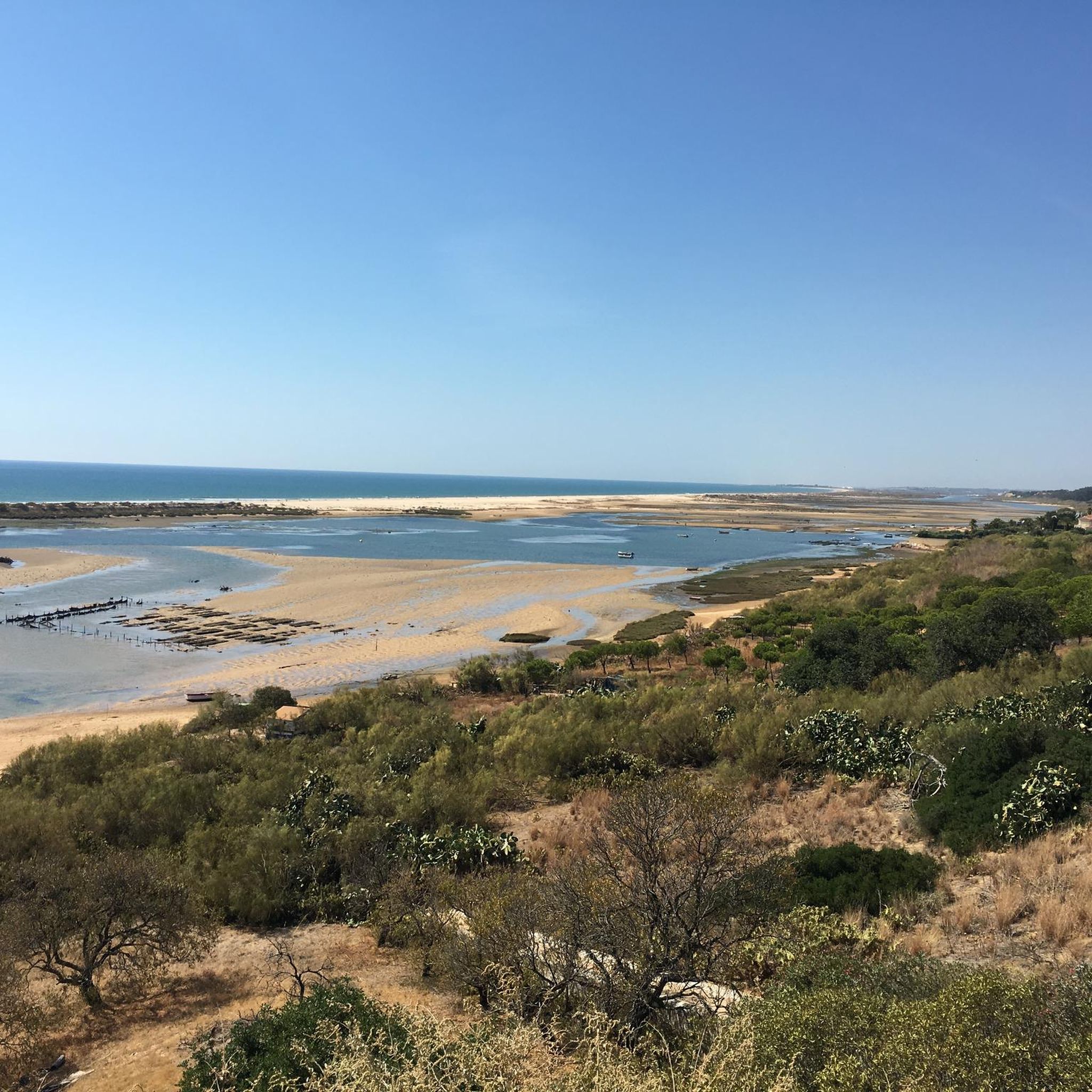
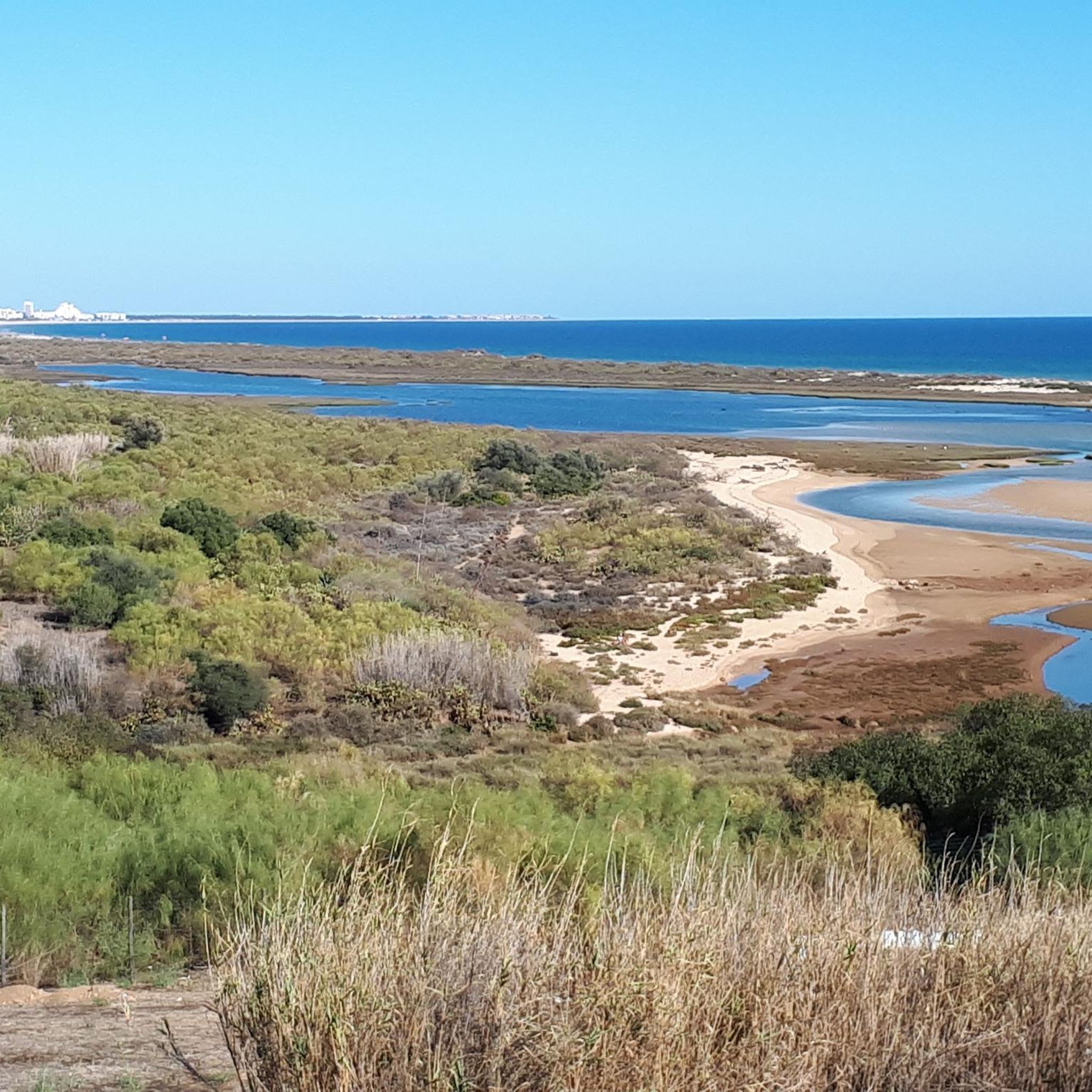
A well-restored village with a church, a fortress and a great view of the easternmost lagoon of the Ria Formosa.
4
0

Church stands on the ruins of the medieval church. Built in 1538 in honor of “Our Lady of the Assumption” - Nossa Senhora da Assuncao.
2
0

In Roman times this was an important port. Therefore, a fortress tower called Torre Aires was built so that the port city could be protected from here.
1
1
Frequently Asked Questions
What is the historical significance of castles and fortresses in the Ria Formosa region?
The castles and fortresses in the Ria Formosa region are historically significant as they reflect centuries of strategic importance along Portugal's southern coast. They served as crucial defensive structures against pirate attacks and invasions, showcasing a rich tapestry of influences from Phoenician, Roman, Arab, and Christian periods. Sites like the Cacela Velha Fortress and Tavira Castle highlight this multi-layered history.
Which castles offer the best panoramic views of the Ria Formosa lagoon and coastline?
For breathtaking panoramic views, you should visit Cacela Velha — Historic Village and Fortress, which offers stunning vistas of the lagoon, coast, and natural park, especially at sunset. Tavira Castle also provides magnificent views over the city, the Gilão River, and the expansive Ria Formosa Natural Park. The Forte de Cacela - Largo Ibn Darraj Al-Qastalli also boasts an impressive panoramic view over the mouth of the Ria Formosa.
Are there any ancient Roman or Moorish remnants visible at these castle sites?
Yes, several sites reveal ancient Roman and Moorish influences. Tavira Castle, for instance, has origins dating back to Phoenician walls and was later rebuilt during the Arab period. The Faro City Walls (Muralhas de Faro) incorporate Roman foundations, Byzantine octagonal towers, and Arab arched gateways, offering a tangible journey through Faro's diverse past. The Cacela Velha Fortress was originally built by Arabs in the 10th century.
What is the best time of year to visit the castles around Ria Formosa?
The best time to visit the castles around Ria Formosa is generally during the spring (April-May) and autumn (September-October) months. During these periods, the weather is pleasantly mild, making it ideal for exploring historical sites and enjoying outdoor activities without the intense heat of summer or the occasional heavy rains of winter. The natural beauty of the Ria Formosa is also vibrant during these seasons.
Can I visit the interior of all fortresses in the region?
No, not all fortresses allow interior access. For example, the interior of the Forte de Cacela - Largo Ibn Darraj Al-Qastalli is occupied by the Fiscal Guard (GNR) and is not accessible to the public, though its exterior and panoramic views are well worth visiting. The Fort of São João da Barra has been converted into a luxury boutique hotel, offering a unique accommodation experience rather than public historical tours.
Are there family-friendly castles or historical sites in the Ria Formosa area?
Many of the castle sites in the Ria Formosa area are family-friendly, offering open spaces and historical exploration. Tavira Castle, with its enchanting gardens and free admission, is a great option for families. The village of Cacela Velha, with its charming streets and fortress exterior, also provides an engaging historical experience for all ages.
What outdoor activities can I do near these castles?
The Ria Formosa region offers numerous outdoor activities near its historical sites. You can find excellent hiking opportunities, such as the Waterfall hikes around Ria Formosa, with routes like the 'Tavira Roman Bridge – Old/Roman Bridge 🌉 Tavira loop'. There are also extensive options for MTB Trails around Ria Formosa and Cycling around Ria Formosa, including routes like the 'Atlantic Coast Route: Ria Formosa Loop'.
Are there natural features or wildlife to observe near the castles?
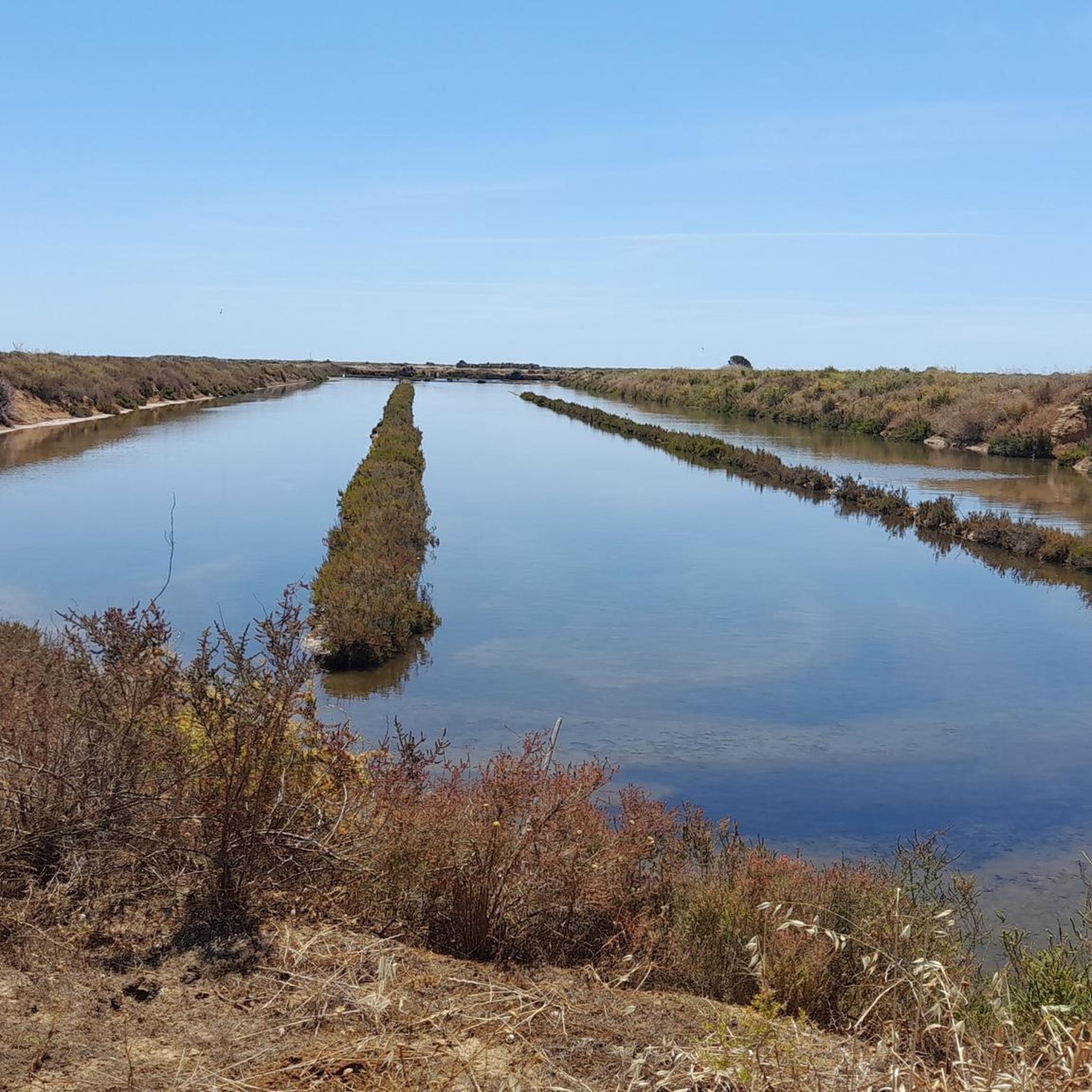
Yes, the castles are often situated amidst the stunning natural beauty of the Ria Formosa. Near the Forte de Santo António de Tavira (Forte do Rato), you can explore picturesque pink salt flats, which are a natural wonder and an excellent spot for birdwatching. The panoramic views from places like Cacela Velha often encompass the diverse ecosystems of the lagoon and its barrier islands, home to various bird species.
What are the parking options at these castle sites?
Parking availability varies by location. In smaller villages like Cacela Velha, you can typically find street parking or designated small parking areas near the historical sites. For larger towns like Tavira or Faro, there are usually public car parks within walking distance of the castle or city walls. It's advisable to check local signage for specific parking regulations and fees.
Are there public transport options to reach castles near Faro?
Yes, Faro is a central hub with public transport connections. You can use local buses or trains to reach towns like Tavira, which hosts Tavira Castle. For sites like the Faro City Walls, they are located within the historic center of Faro, easily accessible by walking from the city's main transport hubs. For more remote locations, a combination of public transport and a short taxi ride or walk might be necessary.
What do visitors enjoy most about the castles and fortresses in Ria Formosa?
Visitors frequently highlight the breathtaking panoramic views, especially over the Ria Formosa lagoon and the Atlantic Ocean. The rich historical atmosphere, with remnants of Roman, Moorish, and Christian eras, is also a major draw. Many appreciate the tranquil settings of villages like Cacela Velha and the opportunity to combine historical exploration with the natural beauty of the region.
Can I find cafes or restaurants near these historical sites?
Yes, most of the castle sites are located in or near charming towns and villages that offer a variety of cafes and restaurants. In Cacela Velha, you'll find traditional eateries. Tavira, with its castle, boasts numerous dining options along the Gilão River. Faro's old town, encircled by its ancient walls, is also rich with cafes and restaurants where you can enjoy local cuisine.
Most popular routes around Ria Formosa
Most popular attractions around Ria Formosa

Get inspired with the komoot mobile app


Explore more
Looking for the best castles somewhere else? Discover other guides around Ria Formosa:
