Top 8 Lakes around Ria Formosa
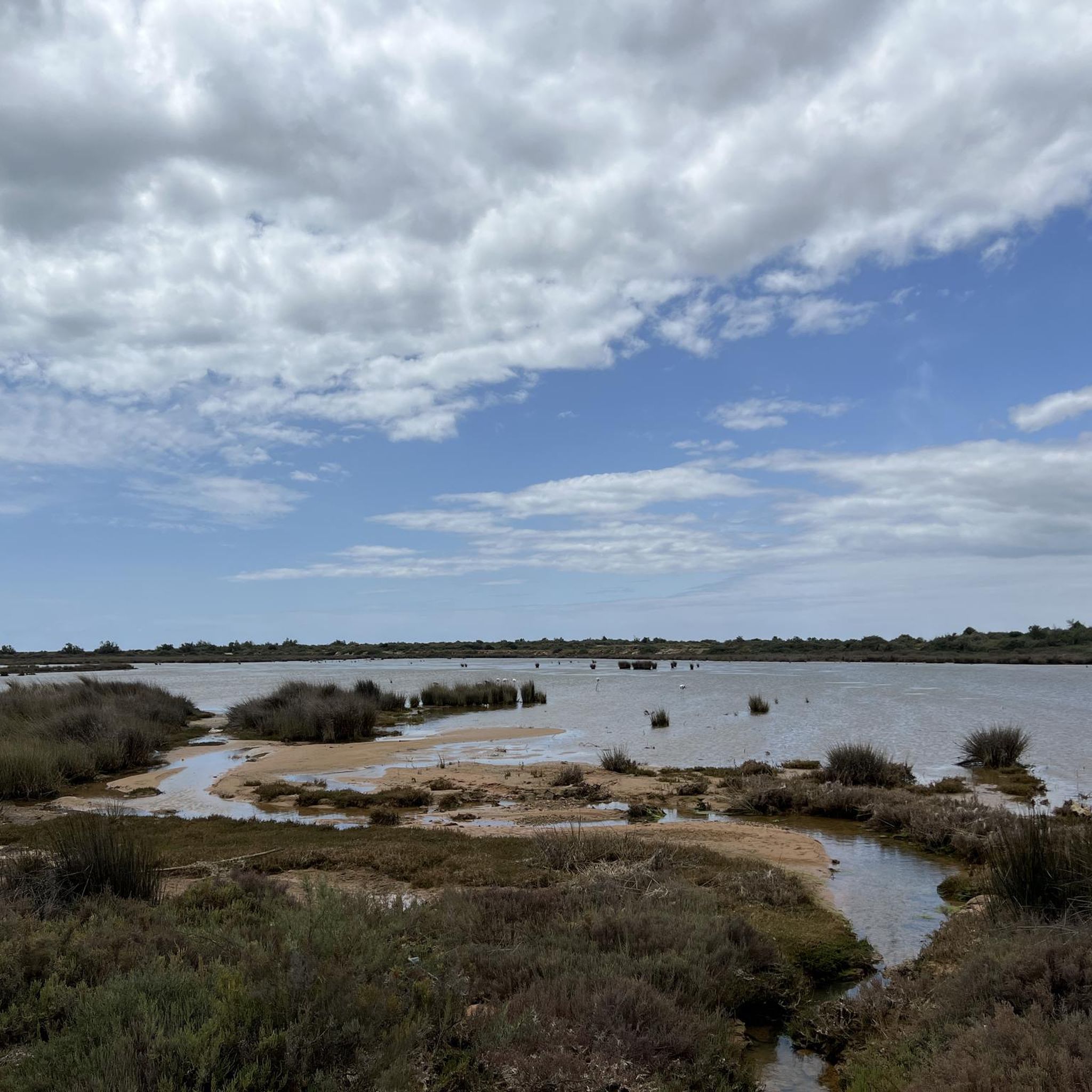
Best lakes around Ria Formosa are characterized by an intricate and dynamic system of coastal lagoons, barrier islands, channels, marshes, and sandbanks. This 60-kilometer-long wetland is recognized as one of Portugal's natural wonders and is a protected area due to its ecological significance. The ever-changing landscape is shaped by winds, currents, and tides, offering diverse habitats and a rich biodiversity. It is a sanctuary for diverse flora and fauna, including numerous migratory birds.
Best lakes around Ria Formosa
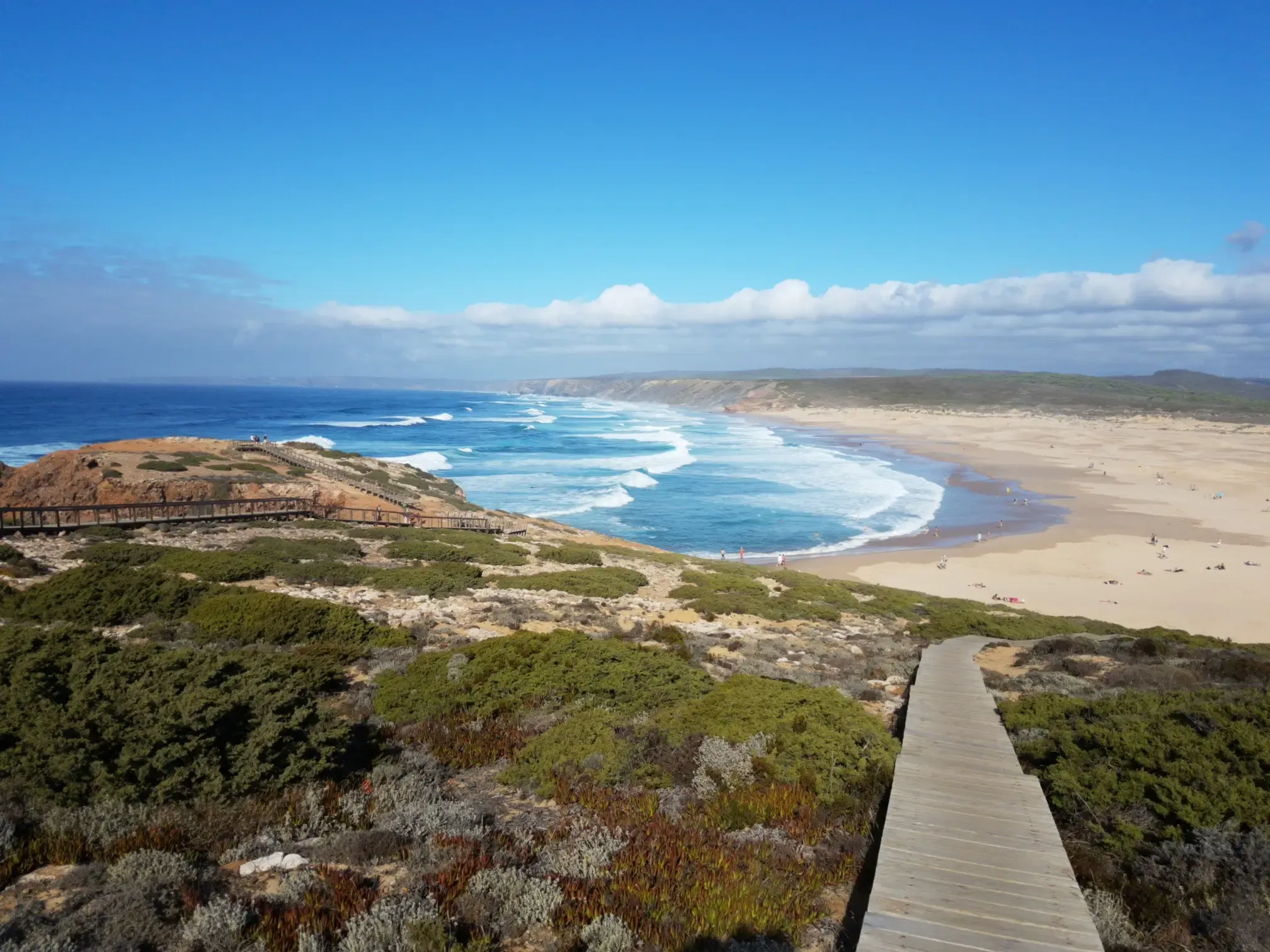
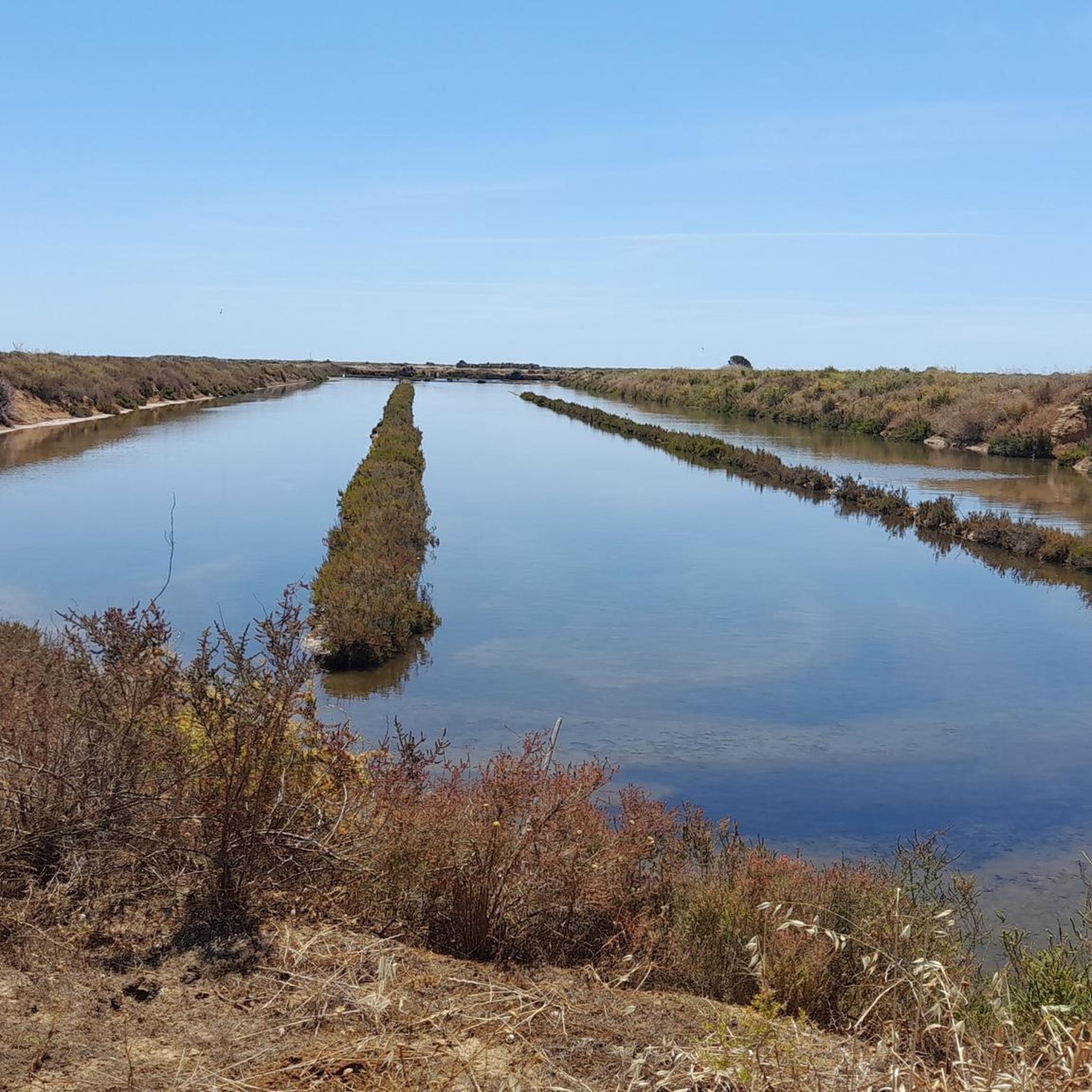
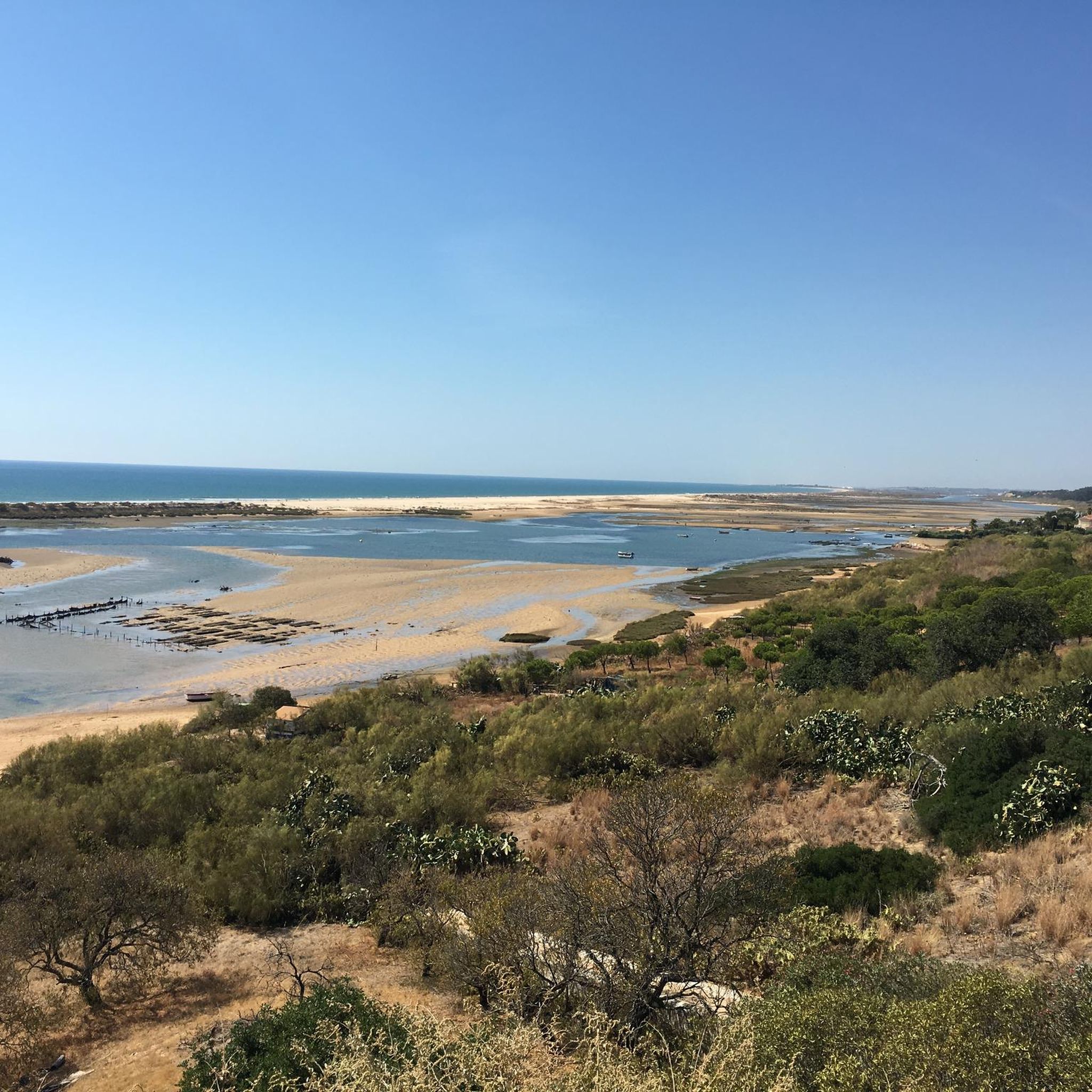
- The most popular lakes is Ria Formosa Natural Park, a natural monument that offers diverse natural environments including barrier islands and salt marshes. It is a sanctuary for biodiversity, home to over 300 bird species.
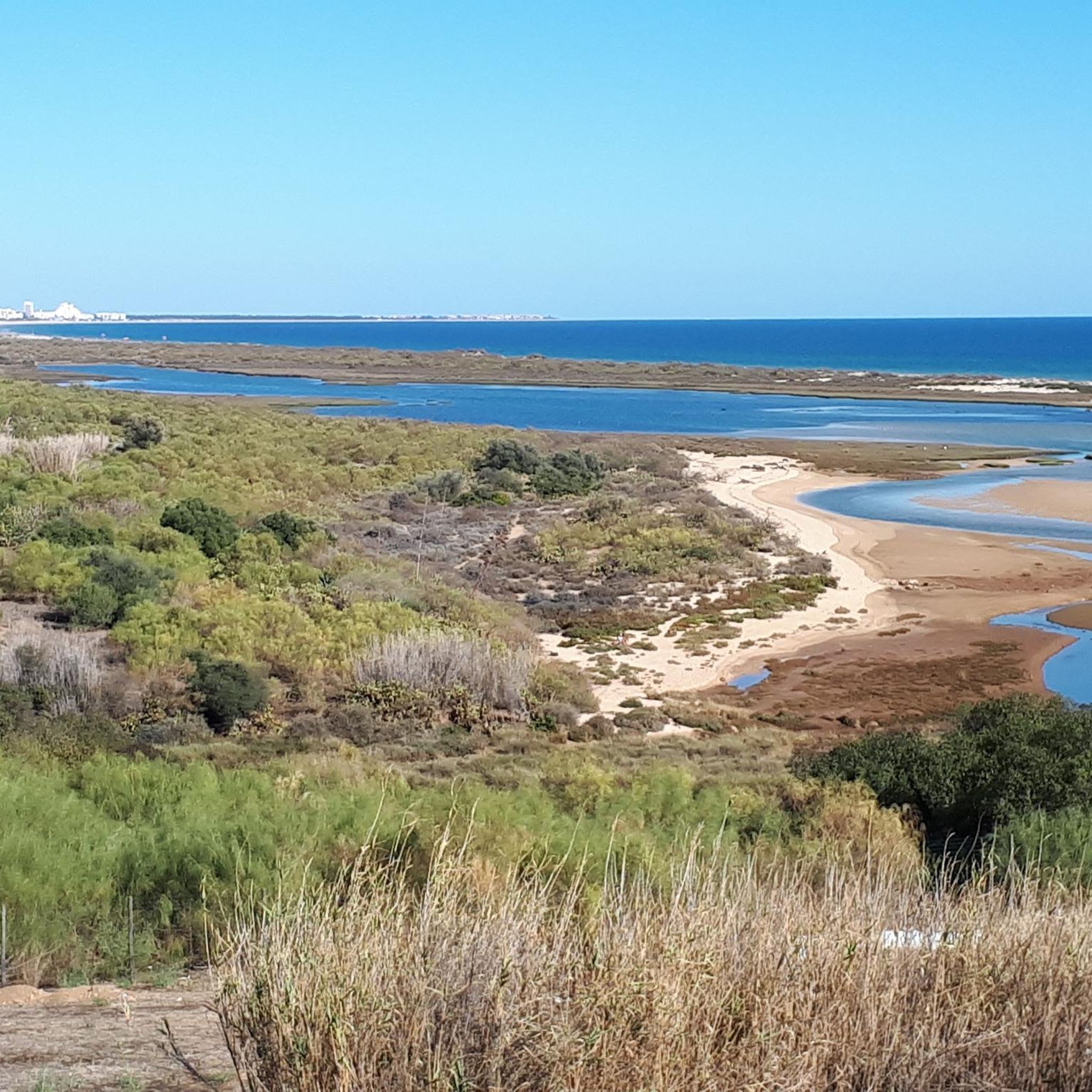
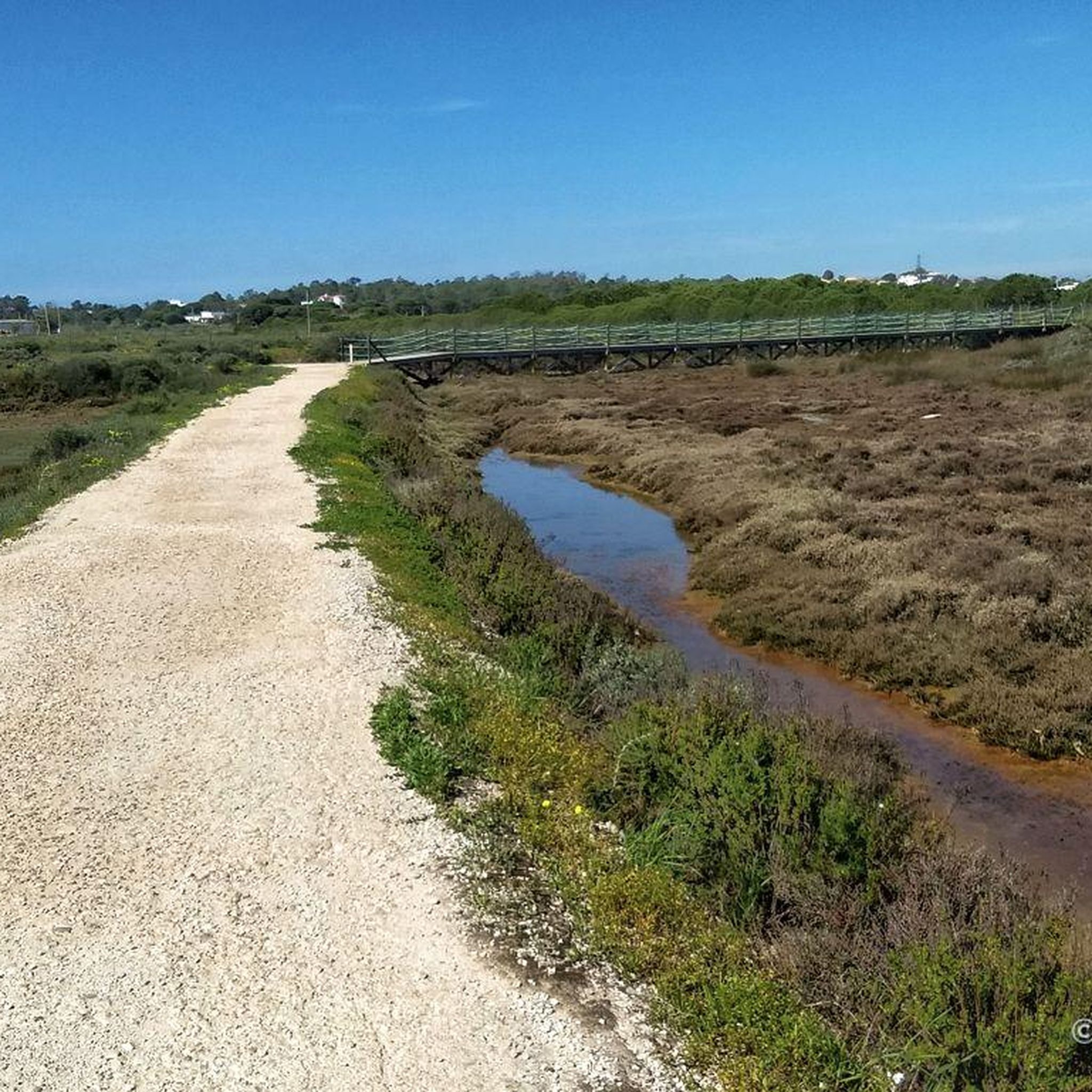
- Another must-see spot is Birdwatching 🐦 Ancão Estuary, Natural Park, a viewpoint. Storks, flamingos, and other bird species can be observed here, often from well-maintained wooden footbridges.
- Visitors also love Cacela Beach, a beach within the Ria Formosa system. This beach is known for its pristine condition and shallow, calm waters.
- Ria Formosa is known for its coastal lagoons, marshlands, and estuaries. These areas provide a variety of environments to see and explore, from tranquil waters to dynamic tidal flats.
- The lakes around Ria Formosa are appreciated by the komoot community, with more than 150 upvotes and over 110 photos shared by visitors.
Last updated: June 29, 2026
Ria Formosa Natural Park
Highlight • Natural Monument
Tip by

Ria Formosa Natural Park
Highlight • Natural Monument
Translated by Google •
Tip by

Sign up now to discover places like this
Get recommendations on the best single tracks, peaks, & plenty of other exciting outdoor places.
Sign up for free
Cacela Beach
Highlight • Beach
Translated by Google •
Tip by

Birdwatching 🐦 Ancão Estuary, Natural Park
Highlight • Viewpoint
Tip by

Ria Formosa Natural Park 🌳
Highlight • Natural Monument
Tip by
Sign up for free to discover even more lakes around Ria Formosa.
Sign up for free
Already have an account?
Start today with a free account
Your next adventure awaits.
Login or Signup
Other adventures around Ria Formosa

Tips from the Community

At low tide it is teeming, crabs are active everywhere 🦀
0
0

The Ria Formosa, a wetland of international importance, is a labyrinth of channels, islands, marshes and sandbanks that stretches for 60 km, specifically between the beaches of Garrão and Manta Rota, on the Algarve coast. Its diverse ecosystems attract a wide variety of animals, including, of course, numerous species of birds such as the purple crake, the park's symbol. If you want to admire this bird with its magnificent plumage and learn all about the protected area, start your visit with a visit to the Marim Environmental Education Centre. There you will receive information on the most suitable hiking trails and the shelters where you can hide to observe the different species in their natural environment. The park also organizes trips on an old boat that was originally used for tuna fishing. https://www.visitportugal.com/en/content/parque-natural-da-ria-formosa
1
1
Giant replica of a shore crab.
1
0
Its diverse ecosystems attract a wide variety of animals, including numerous bird species such as the purple crake, the park's symbol. If you want to admire this bird with its magnificent plumage and learn all about the protected area, start your visit with a visit to the Marim Environmental Education Centre. There you will receive information on the best hiking trails and the shelters where you can hide to observe the different species in their natural environment. The park also organises trips on an old boat originally used to catch tuna. One of the friendliest and most trusting animals you will come across here is the Portuguese Water Dog. This is a long-haired breed of dog that used to help fishermen with their work, diving to the nets and bringing in the fish that got caught in them. In addition to fishing, salt production and the gathering of mollusks and shellfish are traditional activities of the inhabitants of the estuary, who have never lacked ingenuity and craftsmanship. This is how the recipes for delicious gastronomic specialties such as fish soup and rice with razor clams were created, which you can try in the restaurants by the sea. visitportugal.com/de/content/parque-natural-da-ria-formosa
3
0
The wonderful nature park begins right next to the airport. Despite the airport's proximity, you can find a variety of different birds.
3
0

The Ria Formosa Natural Park is a popular breeding ground for numerous bird species such as herons, spoonbills, cormorants, cranes and storks. Flamingos can also be seen here. The natural park is also home to purple gallinules, which can only be found in this part of the country.
2
1
The Ria Formosa, an internationally important wetland, is a labyrinth of channels, islands, marshes and sandbanks that stretches for 60 km, more precisely between the beaches of Garrão and Manta Rota, on the Algarve coast. Source: https://www.visitportugal.com/de/content/parque-natural-da-ria-formosa
4
0

Great vantage point for bird watching.
2
0
Frequently Asked Questions
What kind of 'lakes' can I expect to find in the Ria Formosa region?
The Ria Formosa is not characterized by traditional individual lakes but rather by an intricate and dynamic system of coastal lagoons, barrier islands, channels, marshes, and sandbanks. This 60-kilometer-long wetland is a protected area, offering diverse habitats and a rich biodiversity. You'll explore these unique lagoon environments, such as the Ria Formosa Natural Park and the Ria Formosa Marshlands.
What are the best places for birdwatching in Ria Formosa?
The Ria Formosa is an internationally important wetland and a sanctuary for numerous migratory birds. A prime spot for birdwatching is the Birdwatching 🐦 Ancão Estuary, Natural Park, where you can observe storks, flamingos, and other species, often from well-maintained wooden footbridges. The Ria Formosa Natural Park itself is known for its diverse ecosystems attracting a wide variety of animals, including the purple crake.
Are there opportunities for hiking or walking around the Ria Formosa lagoons?
Yes, the Ria Formosa offers many trails for walking and hiking. The Ludo Trail, accessible from the entrance to the Praia de Faro strip of land, is a popular route for hikers and cyclists, featuring paved paths and wooden boardwalks. You can find various hiking options, including easy walks like the Santa Maria Boardwalk Trail or moderate routes such as the Fuseta Harbour – Fuseta Salt Pans loop. Explore more options on the Hiking around Ria Formosa guide.
What outdoor activities can I do in the Ria Formosa Natural Park besides hiking?
Beyond hiking, the calm waters of the lagoons are perfect for activities like stand-up paddleboarding, kayaking, and solar-powered boat tours. Cycling is also very popular, with routes like the 'Ciclovia de Tavira' offering opportunities to observe wildlife. You can find various cycling routes, including the Atlantic Coast Route: Ria Formosa Loop, on the Cycling around Ria Formosa guide.
Which areas are best for a tranquil, unspoiled nature experience in Ria Formosa?
For true tranquility and unspoiled nature, consider visiting Ilha Deserta (Barreta Island). As its name suggests, it's largely uninhabited, offering pristine, extensive stretches of sand and dunes. It's an ideal escape for those seeking quiet solitude and observing natural flora and fauna. The Ilha Deserta trail allows for exploration of its moving dunes.
Are there family-friendly spots within the Ria Formosa?
Many areas within Ria Formosa are family-friendly. Ria Formosa Natural Park is generally considered family-friendly. Ilha da Armona is also a great spot for families, especially its calmer lagoon beach, Praia da Fuseta. The wooden footbridges at Birdwatching 🐦 Ancão Estuary, Natural Park are also suitable for families to observe birds.
What makes the Ria Formosa landscape unique?
The Ria Formosa's landscape is unique due to its constantly shifting nature. Shaped by winds, currents, and tides, the islands, sandbars, and channels create an ever-changing environment. It's a dynamic system of coastal lagoons and barrier islands, recognized as one of Portugal's natural wonders and a protected area for its ecological significance.
Can I find traditional fishing communities or cultural experiences in the Ria Formosa?
Yes, Ilha da Culatra is a barrier island that hosts small, traditional fishing communities. Visiting offers a glimpse into the local way of life, where you can enjoy fresh seafood in its restaurants and experience a more laid-back island vibe. Beyond tourism, the Ria Formosa supports economic activities like seafood farming and traditional mollusk gathering.
What is the best time of year to visit the Ria Formosa for wildlife observation?
The Ria Formosa is an internationally important wetland and an Important Bird Area (IBA), hosting numerous migratory birds. Winter is an excellent time for birdwatching, as over 20,000 birds can be present. However, the park offers diverse wildlife year-round, including chameleons, Egyptian mongooses, and one of the densest seahorse populations.
How can I explore the barrier islands of Ria Formosa?
The barrier islands, such as Ilha Deserta, Ilha da Culatra, Ilha da Armona, and Ilha de Tavira, are typically accessed by ferry or boat tours from towns like Faro, Olhão, and Tavira. Some, like Ilha de Faro (a peninsula), are more easily accessible by road. Exploring these islands allows you to experience their unique beaches and natural beauty.
Are there any beaches within the Ria Formosa system?
Yes, the Ria Formosa system includes several beautiful beaches. Cacela Beach, located at the eastern end, is known for its serene environment and shallow waters. Other notable beaches are found on the barrier islands like Ilha da Armona (including Praia da Fuseta) and Ilha de Tavira (featuring Praia do Barril). Ilha de Faro also offers both ocean waves and calmer lagoon waters.
What kind of wildlife can I expect to see in Ria Formosa?
The Ria Formosa is a biodiversity hotspot. You can expect to see a wide array of bird species, especially migratory birds like flamingos and storks, and some of Europe's last remaining nesting grounds for species like the Purple Swamphen. Beyond birds, the park is home to chameleons, Egyptian mongooses, and boasts one of the densest seahorse populations in the world.
Where can I experience the traditional local life and fresh seafood?
For an authentic experience of traditional local life and delicious fresh seafood, visit Ilha da Culatra. This barrier island is home to small, traditional fishing communities where you can enjoy local cuisine. Towns like Olhão and Tavira, bordering the Ria Formosa, also offer excellent opportunities to savor local seafood specialties like fish soup and rice with razor clams.
Most popular routes around Ria Formosa
Most popular attractions around Ria Formosa

Get inspired with the komoot mobile app


Explore more
Still not found your perfect lake around Ria Formosa? Check out the guides of these regions to see even more beautiful places.
