Top 6 Gorges around Peneda-Gerês National Park
Best canyons around Peneda-Gerês National Park offers diverse canyoning experiences within Portugal's only national park. The region features rugged terrain, pristine waterways, and natural landscapes. It is characterized by hidden waterfalls, granite gorges, and clear lagoons. The park provides various canyoning options suitable for different skill levels.
Best canyons around Peneda-Gerês National Park
- The most popular canyons is Swimming spot in Peneda-Gerês National Park, a river and gorge with multiple bathing spots. Visitors can take a break on the rocks next to the bridge and observe the rapids.
- Another must-see spot is Rio Cabril Crossing, a river and gorge featuring a ford. This location allows for crossing the river, which can have significant water levels depending on the season.
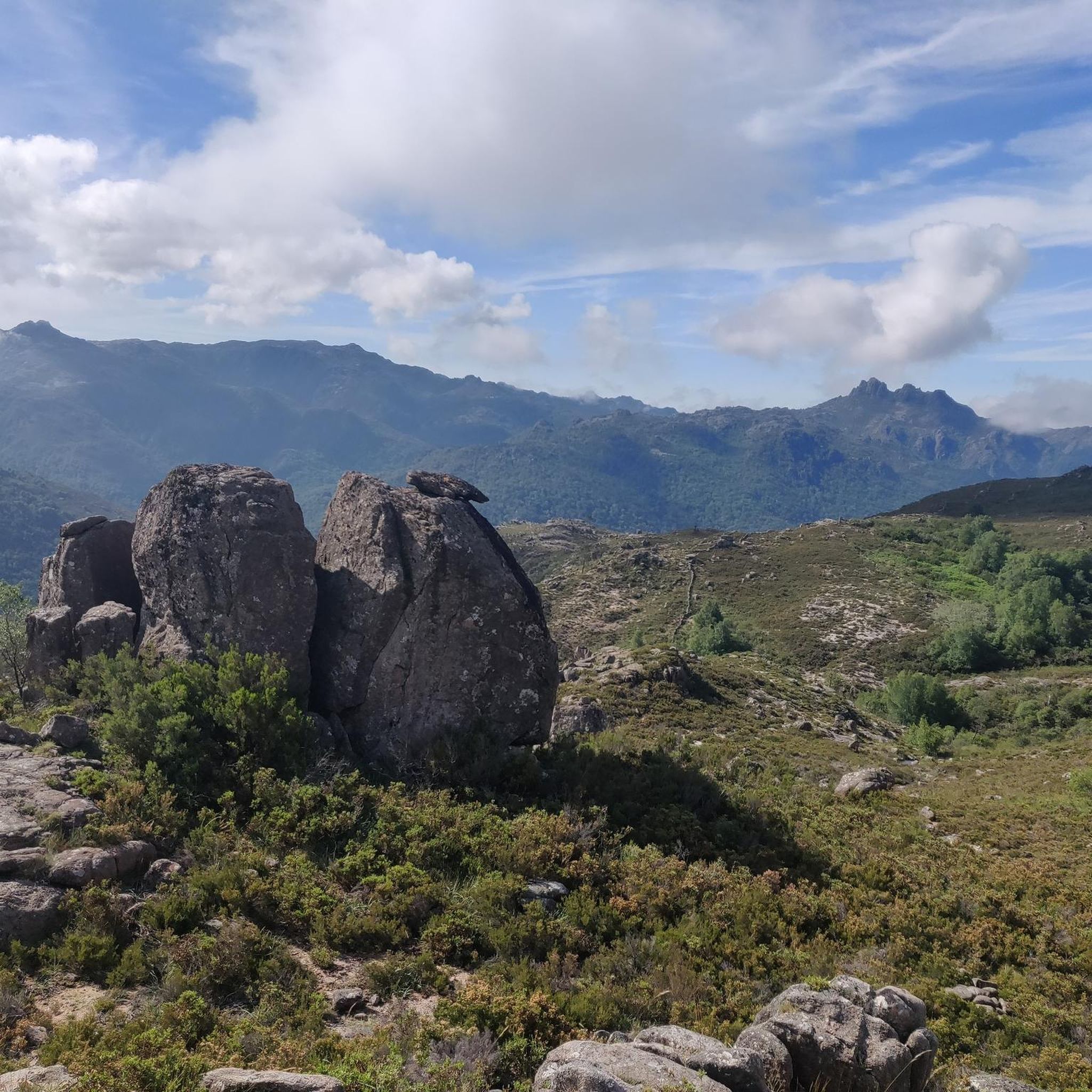
- Visitors also love Fenda da Calcedónia, a challenging gorge and natural monument. It offers panoramic views over the Homem River valley and the Gerês mountains, with trails passing through native forests and rocky areas.
- Peneda-Gerês National Park is known for its natural slides, jumps, and rappelling opportunities. The area provides a variety of canyons, from those suitable for beginners to more technical routes for experienced enthusiasts.
- The canyons around Peneda-Gerês National Park are appreciated by the komoot community, with 47 upvotes and 55 photos shared across the highlights.
Last updated: June 29, 2026
Fenda da Calcedónia
Highlight • Gorge
The descent, however...described in Komoot as well-maintained hiking trails, no special skills required. It's an overgrown trail with (very) high steps and scree sections. Very good fitness and surefootedness are required to safely navigate it. The less than three hours for the loop is also very ambitious. At the end of the descent, there was a dog park with some very aggressive dogs running loose on the trail; we felt like we barely made it through unscathed. Next time, I'd turn around at the Slut and take the same route back.
Be sure to bring plenty of drinks.
Great scenery, very tiring.
Translated by Google •
Tip by

Swimming spot in Peneda-Gerês National Park
Highlight • River
Translated by Google •
Tip by

Sign up now to discover places like this
Get recommendations on the best single tracks, peaks, & plenty of other exciting outdoor places.
Sign up for free
Rio Cabril Crossing
Highlight • River
Translated by Google •
Tip by

Vale de Teixeira
Highlight • Gorge
Translated by Google •
Tip by

Rocky riverside trail at Portela do Homem
Highlight (Segment) • Trail
Translated by Google •
Tip by

Sign up for free to discover even more gorges around Peneda-Gerês National Park.
Sign up for free
Already have an account?
Start today with a free account
Your next adventure awaits.
Login or Signup
Popular around Peneda-Gerês National Park
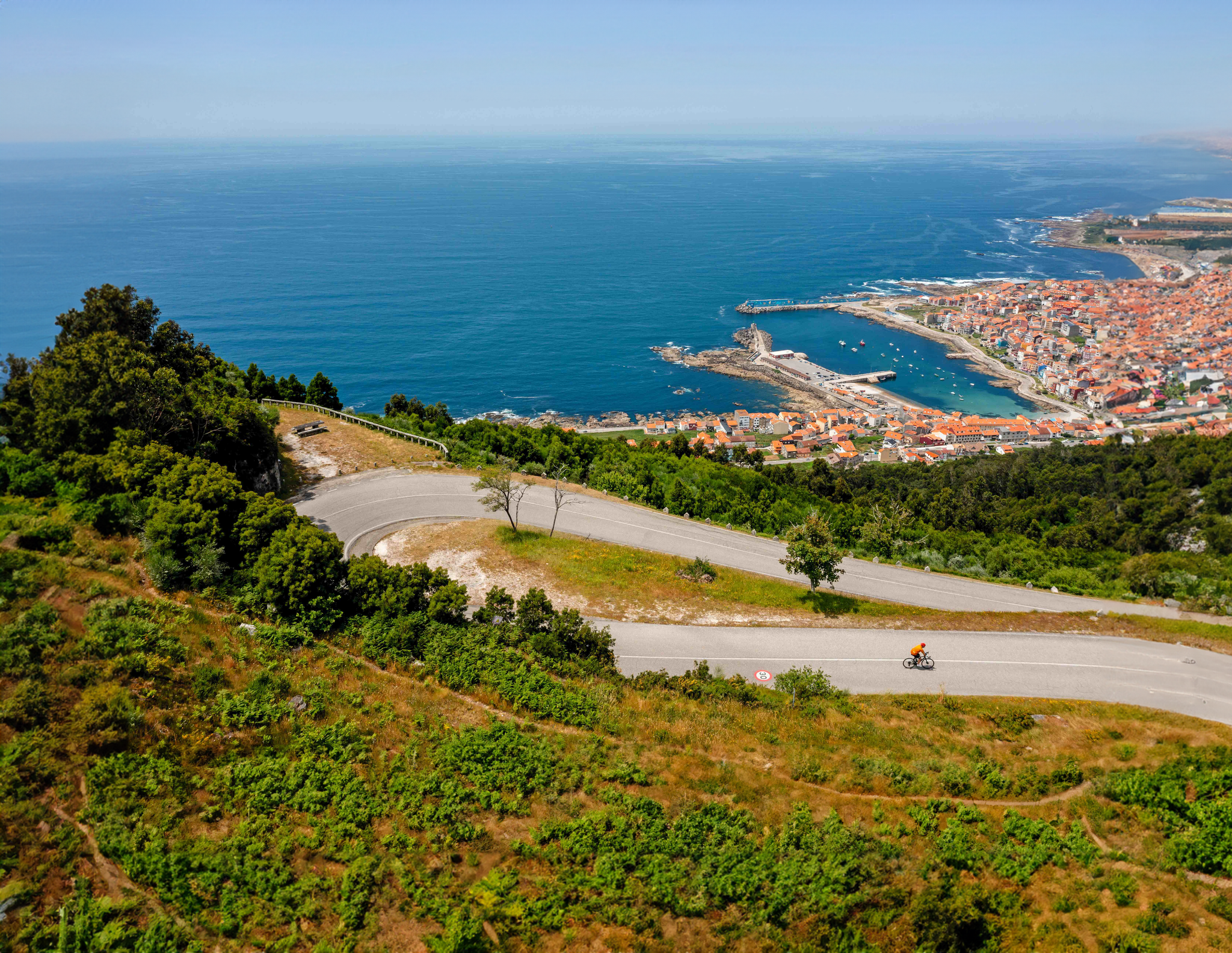
With TOUR in Northern Portugal
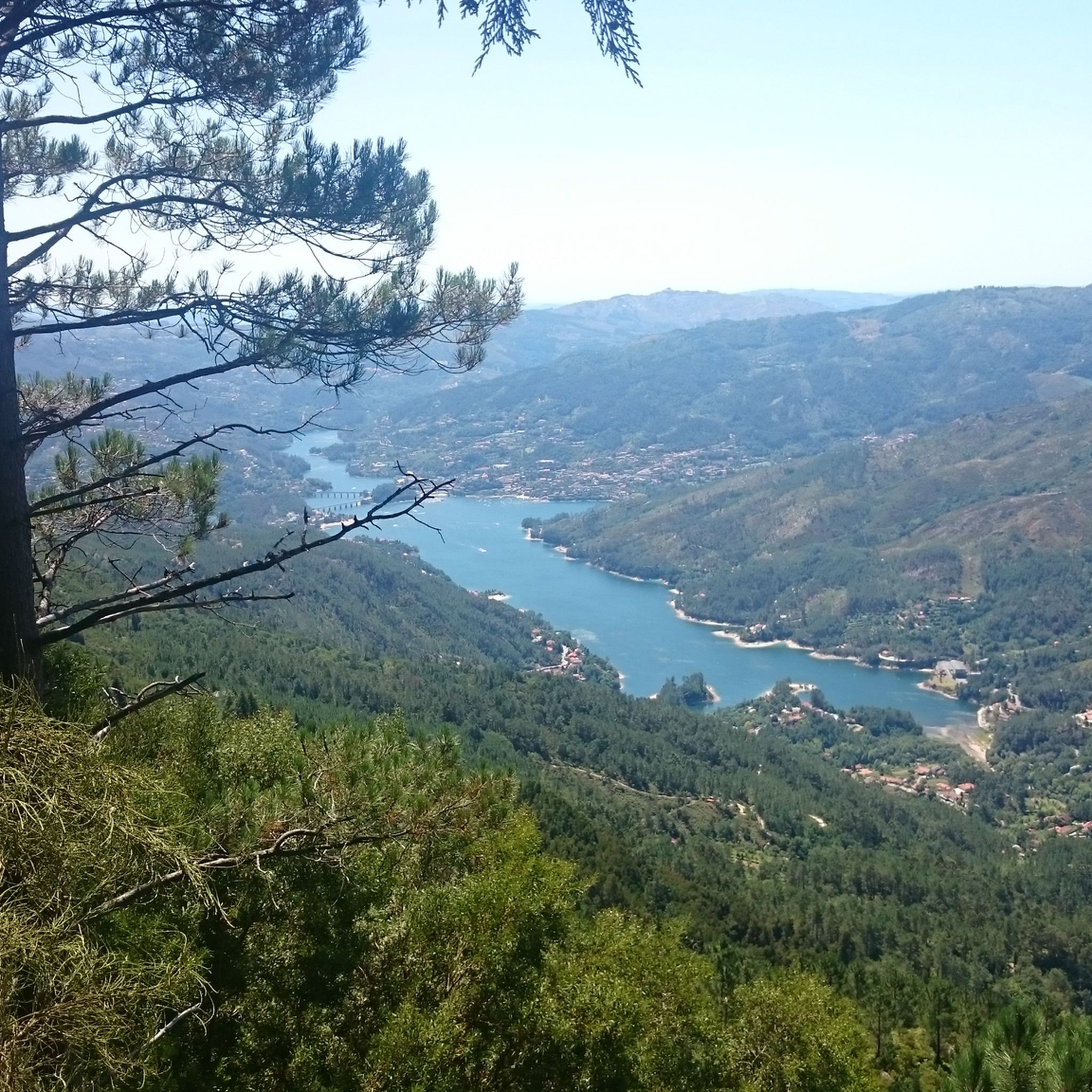
Hiking around Peneda-Gerês National Park
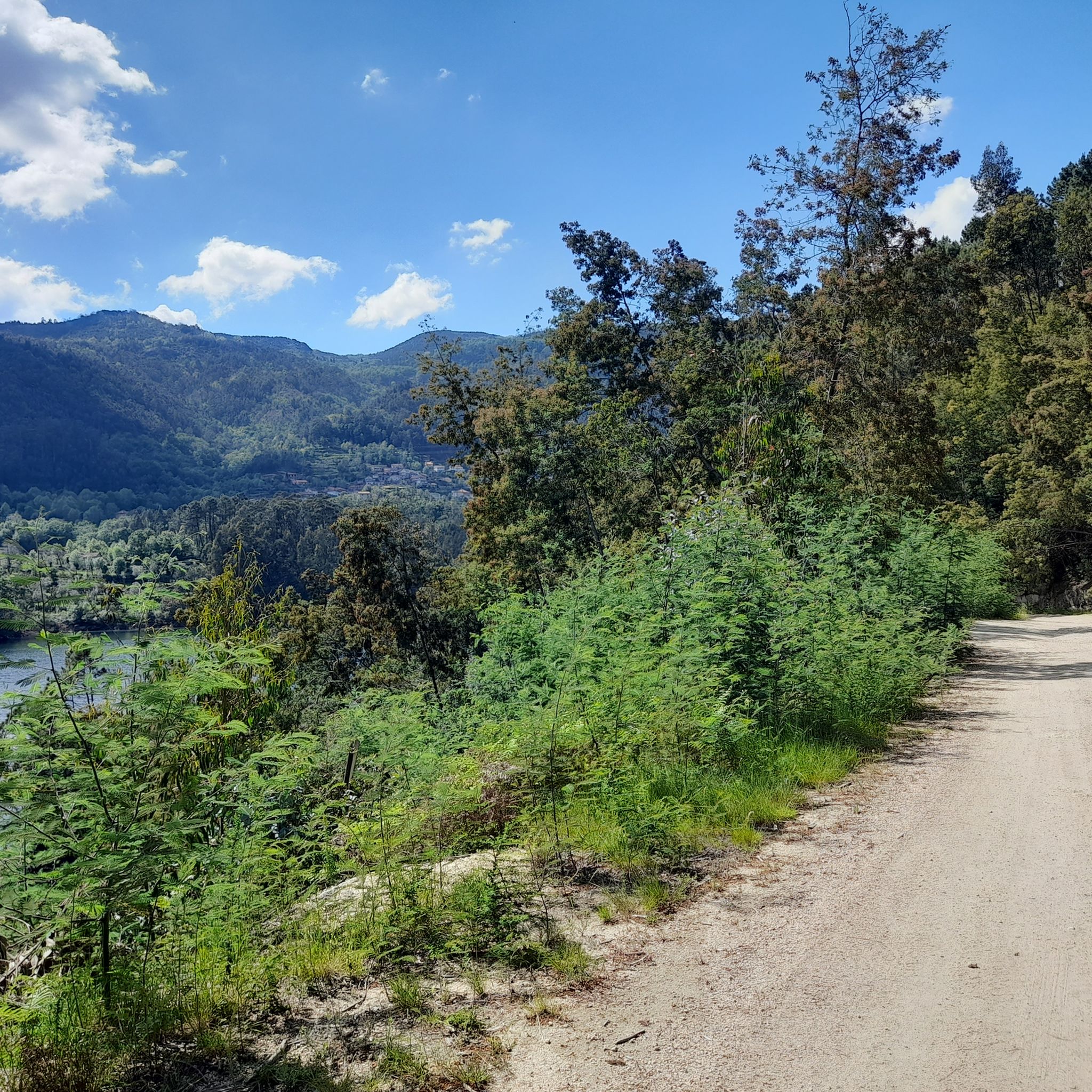
MTB Trails around Peneda-Gerês National Park
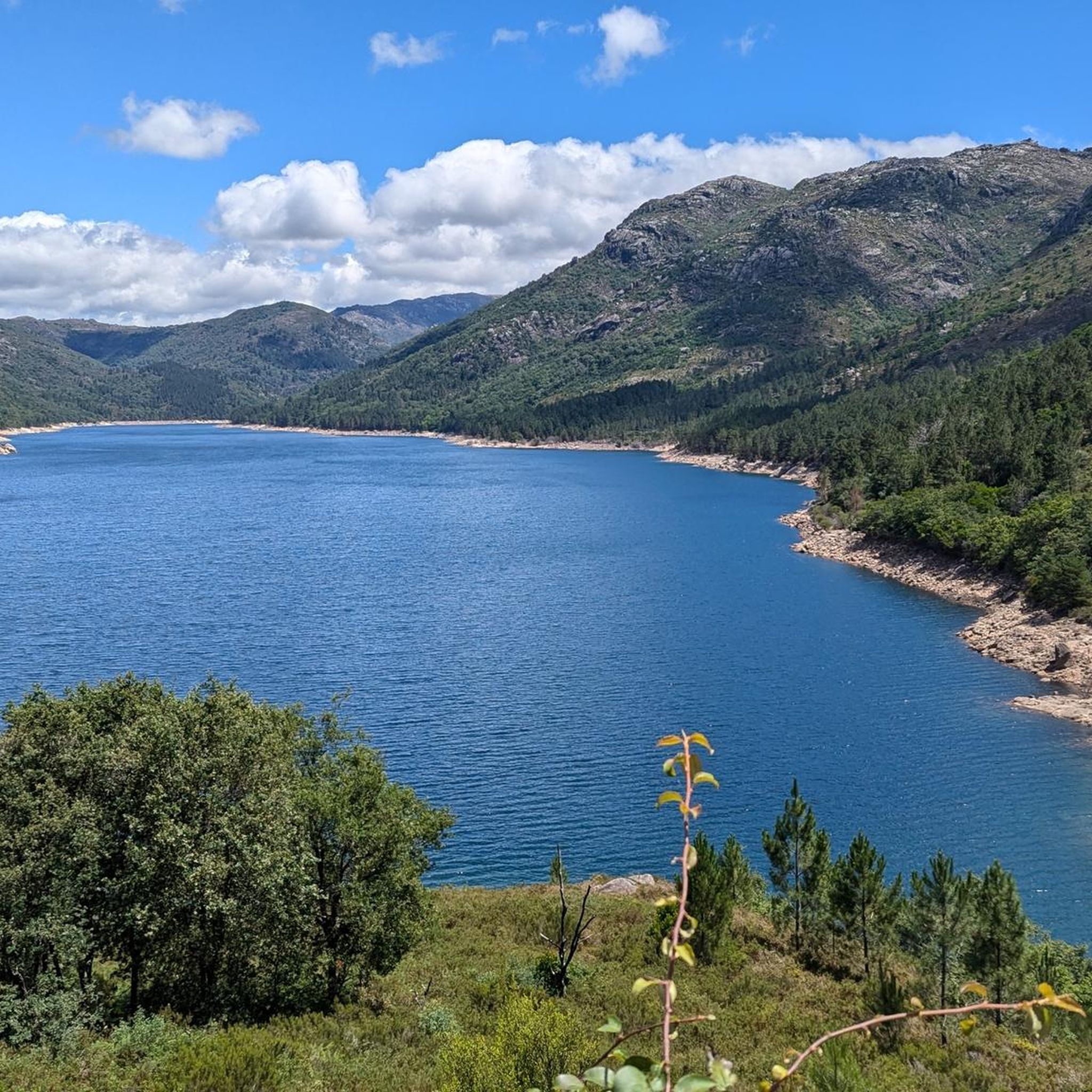
Running Trails around Peneda-Gerês National Park
Road Cycling Routes around Peneda-Gerês National Park
Cycling around Peneda-Gerês National Park

Gravel biking around Peneda-Gerês National Park
Mountain Hikes around Peneda-Gerês National Park
Other adventures around Peneda-Gerês National Park

Tips from the Community

The Chalcedony Trail (PR1 TBR – Trilho da Cidade da Calcedonia) is one of the most iconic routes in Peneda-Gerês National Park, located in Covide (Braga), within the municipality of Terras de Bouro. It leads to the ruins of the City of Chalcedony, an ancient pre-Roman hill fort high in the mountains. It offers panoramic views over the Homem River valley and the Gerês mountains. The trail passes through native forests, rocky areas, and natural viewpoints.
2
0

The Calcedonia Crack is one of those passages that seems to have come straight out of an old fairy tale: a monumental crack between two granite giants. For those who like a challenge, the route involves climbing and jumping between huge blocks fitted together at the base. Going up is easier than going down: there is more support, more traction, and less hesitation. There is no need to cross it (the trail elegantly skirts the crack) but, for the more adventurous, facing this crack is almost a ritual: a mix of adrenaline, vertigo and raw landscape that leaves its mark on those who pass by.
1
1

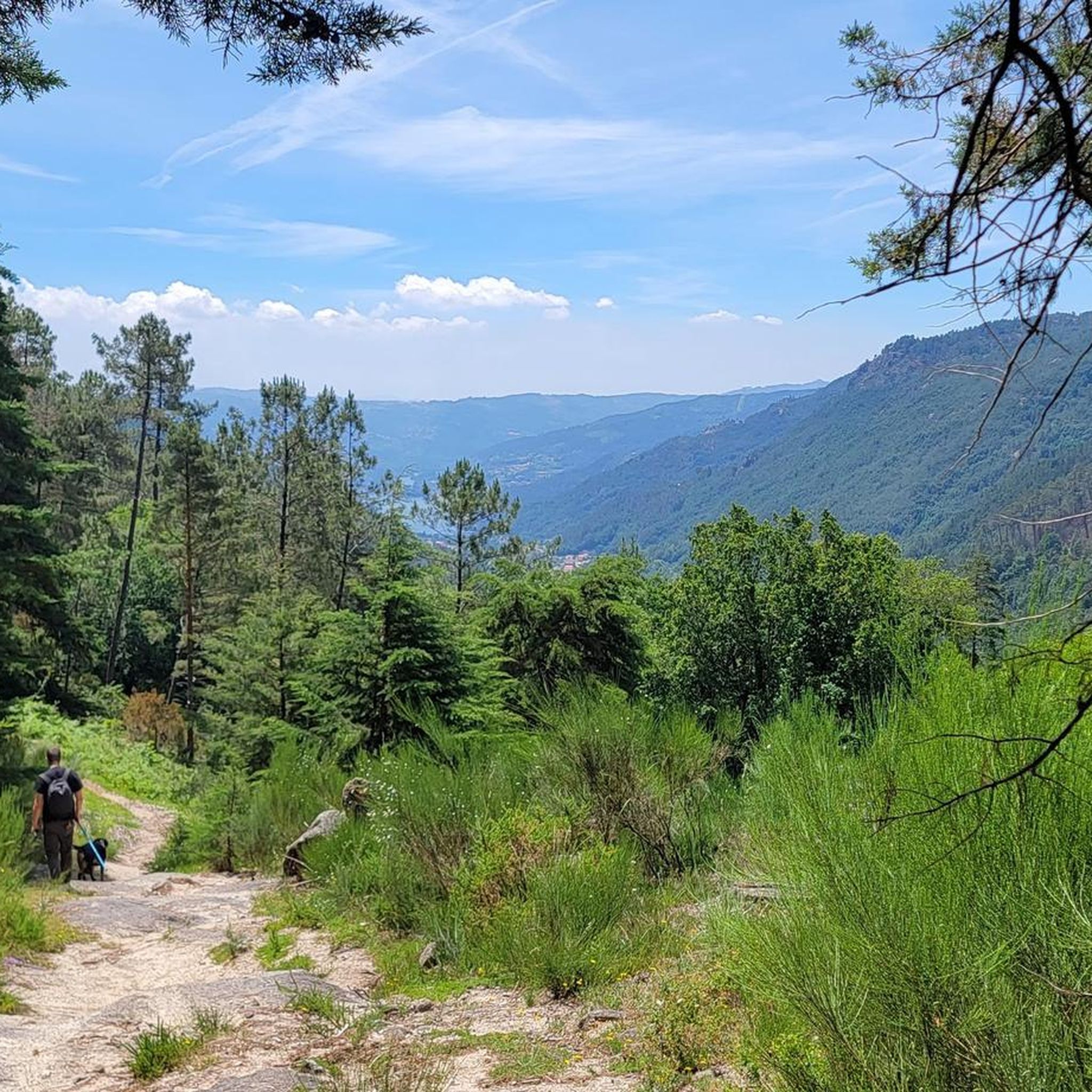
We hiked the Covid loop (yellow and red lines) clockwise. The ascent was OK. The rocky landscape was spectacular. The Slut was also impressive, but considering the many rocks, it was just another somewhat more exclusive highlight among many. The descent, however...described in Komoot as well-maintained hiking trails, no special skills required. It's an overgrown trail with (very) high steps and scree sections. Very good fitness and surefootedness are required to safely navigate it. The less than three hours for the loop is also very ambitious. At the end of the descent, there was a dog park with some very aggressive dogs running loose on the trail; we felt like we barely made it through unscathed. Next time, I'd turn around at the Slut and take the same route back. Be sure to bring plenty of drinks. Great scenery, very tiring.
2
0


don't go off track
0
2

Everything in view
0
0

frontier workers
0
2
Frequently Asked Questions
What are the best canyons for beginners and families in Peneda-Gerês National Park?
For beginners and families, Rio Varziela is an excellent choice. It offers a fun experience with natural slides, jumps, and rappelling opportunities, where all obstacles are optional. Its beautiful green lagoons and clear waters make it very appealing. Another great option for swimming and enjoying the water is the Swimming spot in Peneda-Gerês National Park, which features multiple bathing spots and rapids.
Which canyons offer a more challenging experience for experienced enthusiasts?
Experienced canyoning enthusiasts seeking a challenge should consider Rio Poio. Located in the Serra do Alvão, it's known as one of mainland Portugal's most technical canyons, featuring narrow, steep sections, seven rappels between 10 and 30 meters, and the majestic 60-meter Cascata Cai d'Alto waterfall. Rio de Castro also presents a greater challenge than Rio de Frades, with longer abseils and more significant jumps.
What natural features can I expect to see in the canyons of Peneda-Gerês National Park?
The canyons in Peneda-Gerês National Park are rich in natural beauty, featuring hidden waterfalls, granite gorges, and crystal-clear lagoons. You'll encounter impressive rappels, natural slides, and deep pools perfect for jumping. Specific highlights include the wild character of Rio de Frades with its striking turquoise lagoons and bare schist landscapes, and the breathtaking 7-meter waterfall concealed within a cave in Rio Laboreiro.
Are there any notable viewpoints or scenic spots within the canyon areas?
Yes, the region offers stunning viewpoints. For instance, Fenda da Calcedónia, a challenging gorge and natural monument, provides panoramic views over the Homem River valley and the Gerês mountains. You can also find beautiful scenery and opportunities to watch rapids at the Swimming spot in Peneda-Gerês National Park.
What is the best time of year for canyoning in Peneda-Gerês National Park?
Canyoning in Peneda-Gerês National Park is generally best enjoyed during the warmer months, typically from late spring through early autumn. This period offers more favorable weather conditions, higher water levels from spring melts, and pleasant temperatures for water activities. Always check local weather conditions and water levels before planning your trip.
What other outdoor activities can I do near the canyons in Peneda-Gerês National Park?
Beyond canyoning, Peneda-Gerês National Park offers a wide range of outdoor activities. You can explore numerous hiking trails, including challenging routes like the Trilho da Calcedónia (PR 1). The area is also popular for road cycling and mountain biking, with various routes available for different skill levels.
Are there specific hiking trails near the canyons?
Yes, there are several hiking trails that allow you to explore the rugged terrain surrounding the canyons. The area around Fenda da Calcedónia features trails passing through native forests and rocky areas. For more options, you can find detailed information on running and hiking trails in the wider Peneda-Gerês National Park region.
What should I wear or bring for a canyoning trip in Peneda-Gerês?
For canyoning, it's essential to wear appropriate gear. This typically includes a wetsuit (often provided by tour operators), a helmet, and sturdy, closed-toe shoes with good grip that can get wet. It's also advisable to bring a swimsuit, a towel, a change of clothes, and plenty of water. For technical canyons like Rio Poio, specialized equipment for rappelling will be necessary.
Are permits required for canyoning in Peneda-Gerês National Park?
Peneda-Gerês National Park is a protected area, and certain activities, especially those in more sensitive or restricted zones, may require permits or be subject to specific regulations. It is highly recommended to check with local authorities, park management, or a certified canyoning guide service beforehand to understand any permit requirements or access restrictions for your chosen canyoning route.
What do visitors enjoy most about the canyons in Peneda-Gerês National Park?
Visitors frequently praise the stunning natural beauty, the thrill of the adventure, and the pristine quality of the water. Many enjoy the opportunity for wild swimming and exploring hidden spots. The diverse range of experiences, from the family-friendly slides of Rio Varziela to the challenging rappels of Rio Poio, ensures there's something for everyone. The komoot community has shared 55 photos and given 47 upvotes across the highlights, reflecting the area's popularity.
Is it possible to cross rivers or encounter significant water levels in the canyons?
Yes, river crossings are a common feature in the canyons of Peneda-Gerês. For example, the Rio Cabril Crossing is a ford where water levels can be significant, especially depending on the season. Always be prepared for varying water conditions and exercise caution when crossing.
Most popular routes around Peneda-Gerês National Park
Most popular attractions around Peneda-Gerês National Park

Get inspired with the komoot mobile app


Explore more
Already discovered everything in this region? See additional gorges around Peneda-Gerês National Park for your next adventure:
