Top 4 Caves around Velebit
Best caves around Velebit are found within the Velebit mountain range in Croatia, a karstic region known for its dramatic landscapes both above and below ground. This area harbors some of the world's most significant and deepest caves. The unique geology of Velebit creates diverse subterranean environments, attracting both experienced speleologists and curious visitors.
Best caves around Velebit
- The most popular caves is Manita Peć Cave, a cave that features structures and formations over eighty thousand years old. It is the only cave in Paklenica National Park open and equipped for visitors.
- Another must-see spot is Mamet Cave, a natural monument. This cave has the largest entrance in Croatia, measuring 60 x 70 meters, and is bell-shaped towards the bottom.
- Visitors also love Paklenica Underground City, a man-made monument. This site features underground tunnels built between 1950 and 1953, now transformed into a presentation center with interactive exhibits.
- Velebit is known for deep pits, extensive cave systems, and accessible show caves. The region offers a variety of subterranean environments to see and explore.
- The caves around Velebit are appreciated by the komoot community, with 95 upvotes and 136 photos shared by users.
Last updated: June 28, 2026
Manita Peć Cave
Highlight • Cave
Translated by Google •
Tip by

Paklenica Underground City
Highlight • Cave
Translated by Google •
Tip by

Sign up now to discover places like this
Get recommendations on the best single tracks, peaks, & plenty of other exciting outdoor places.
Sign up for free
Rocky path to the cave in Paklenica National Park
Highlight • Trail
Translated by Google •
Tip by

Mamet Cave
Highlight • Cave
Translated by Google •
Tip by

Mamet Pit (Jama Mamet)
Highlight • Cave
Jama Mamet is such a daylight shaft or pothole, a wide almost circular opening in the barren karst, 45m by 55m wide, which is more than 200m deep. The vertical shaft opens in a depth of about 70 meters, the diameter increases and it looks like the inside of a bell. The floor is pretty huge, 81m from north to south and 77m from east to west. The croatian term jama means pit, which is in contrary to the Slovenian term jama, which normally means a horizontal cave. Horizontal caves would be called Špilja or pecina in Croatian.
The biggest pits on earth are often a destination for base jumpers. There have been various such events in Mexico's Sotano de la Golondrinas. And in Europe it is Mamet Cave, which is the dream destination of all base jumpers. The most famous event was in 2004, when Austrian base jumper Felix Baumgartner jumped into the pit.
Obviously this 200m deep pit is extremely dangerous, even for good climbers and cavers. So we do not recommend to enter it, we even recommend to be very carefull at the rim. Nevertheless we recommend a visit to the impressive entrance, although it requires some mountaineering. The view is breathtaking as it is possible to see the bottom of the pit.
Tip by

Start today with a free account
Your next adventure awaits.
Login or Signup

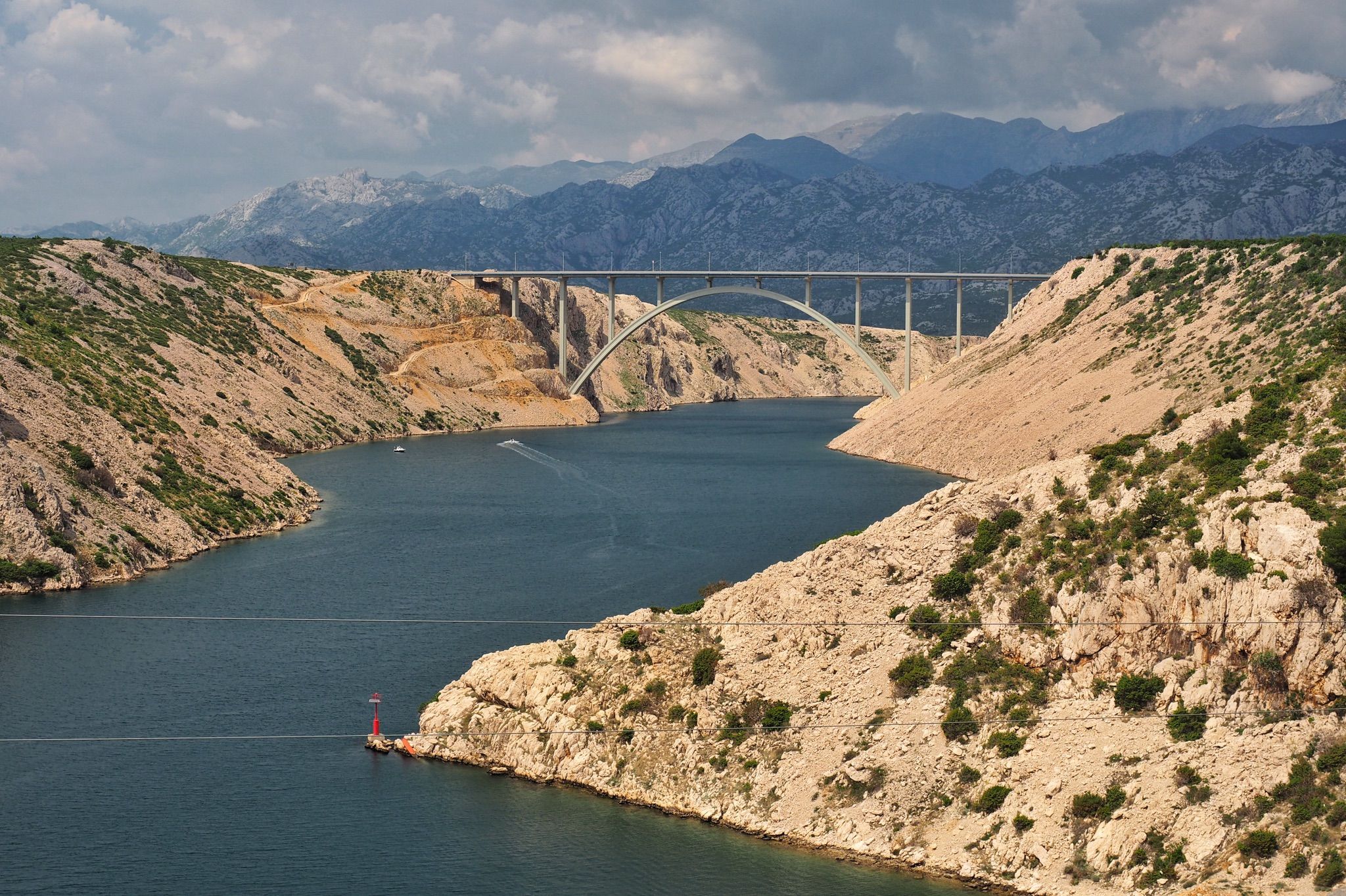
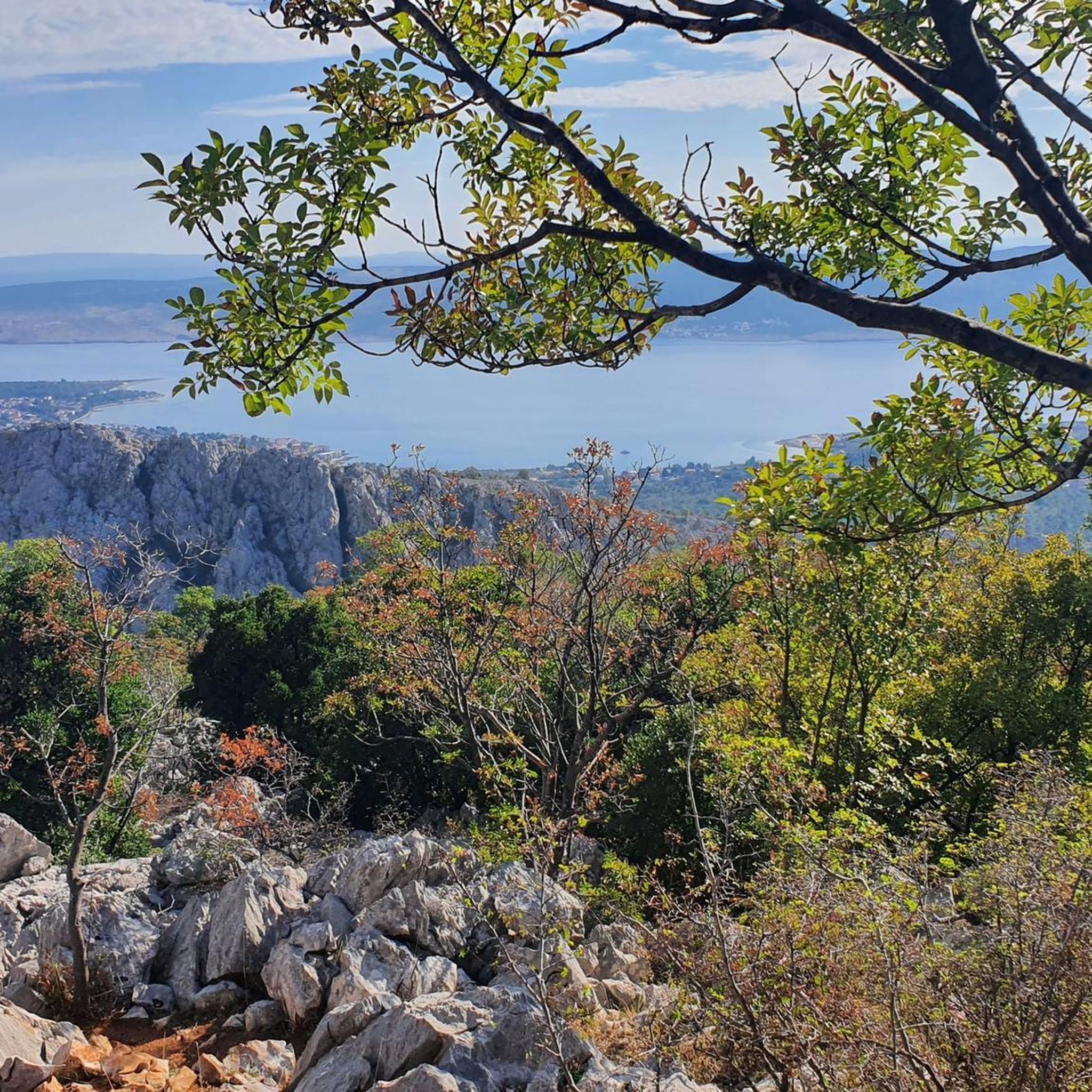
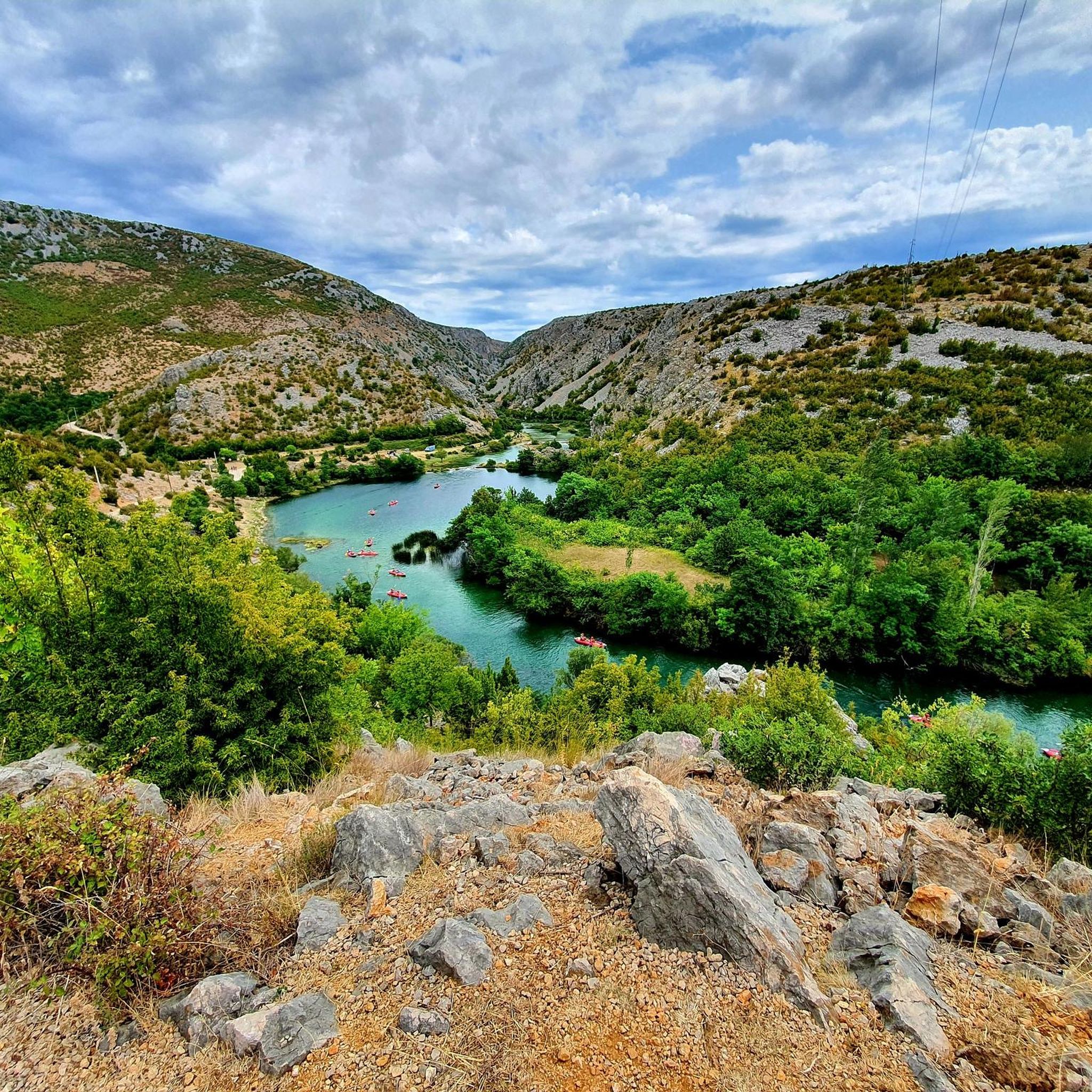
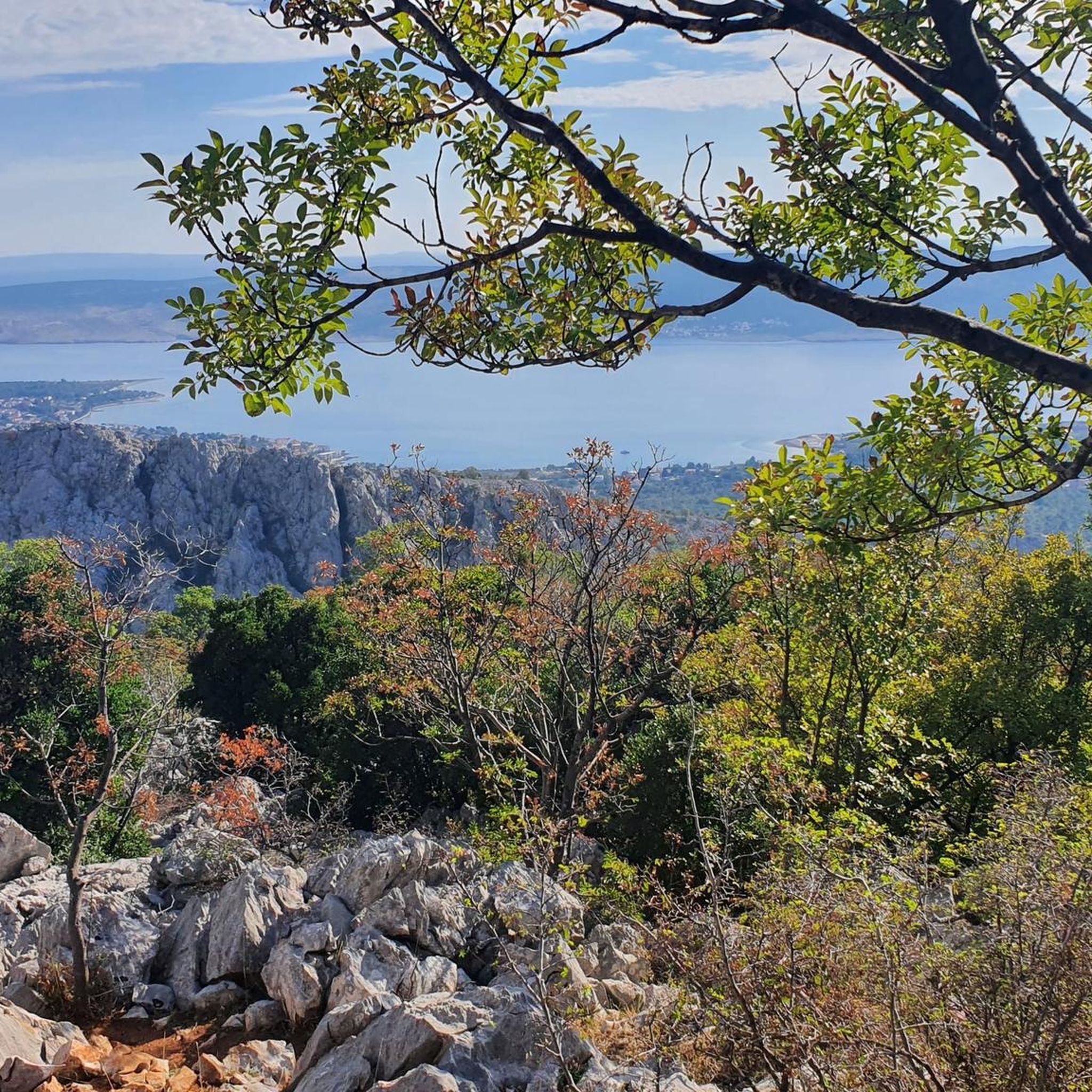


Tips from the Community

A great cave. The entrance fee is €5, but there's only a limited viewing window, from 10:00 AM to 1:00 PM on opening days. You should inquire at the national park entrance before climbing.
9
0

At the Kosirica junction, there's a beautiful viewpoint. If you walk around the rocks, you can sit and enjoy the view.
1
0

The tickets are quite expensive for the offer they offer
2
1

The cave has the largest entrance in Croatia (60 x 70 m) and is bell-shaped towards the bottom, the dimensions of which are 87 x 157 m at a depth of 206 meters. Sunlight only reaches the bottom. http://speleologija.eu/mamet/index.html
1
0

There is interesting information about the history of the gorge here.
1
0

In the canyon of Velika Paklenica, there are underground tunnels popularly called "Bunkers", which were built in the period from 1950 to 1953. The tunnels were built by the Yugoslav army during the political crisis between Yugoslavia and the Soviet Union (USSR). What was hidden behind the walled shafts in the Velika Paklenica canyon was a closely guarded secret until the beginning of the Homeland War in 1991, when the Croatian Army began to use the space of over 1,500 square meters as a warehouse. After the end of the Homeland War, the public institution "Paklenica National Park" gets this space for permanent use. Seeing the great potential in the mentioned space as early as 2000, the Park administration began to transform it into a presentation center. In August 2016, visitors finally got the chance to see the product of many years of work, as the "Underground City of Paklenica" presentation center was officially opened. Visitors can currently enjoy the "Small Climbing Center", which is located in a multifunctional hall, which includes an artificial rock where they can make their first climbing moves. In the hall, there are several screens on the walls with which they can learn about climbing in an interactive and fun way with the "Little Climbing Dictionary", "A Brief History of Climbing" and "Knot Tying School". In the second part of the center, visitors can find out information about the first climbers in Paklenica, and find out details from the life of Dragutin Brahm, who is known as the first climber in Paklenica. Visitors can learn about the work of the Croatian Mountain Rescue Service and hear interesting stories from the rescuers about their experiences, and their premises are also located nearby because they take care of the safety of visitors during the season. In the final part of the center, in addition to the "Backpack" exhibit, visitors can once again read advice on good preparation for hiking and check whether they have all the necessary equipment before going on a hike. As part of the Visitor Center, there is a souvenir shop and the "Bunker" coffee bar.
1
1
For orientation night exercises, the path to the Manita Furnace Cave was used
0
0

Cave with guided half-hour tour, to protect the cave only between 10 a.m. and 1 p.m.
2
1
Frequently Asked Questions
Which caves in Velebit are suitable for general tourists and families?
For general visitors and families, the Manita Peć Cave in Paklenica National Park is an excellent choice. It is the only cave in the park equipped for visitors, featuring impressive formations. The Cerovac Caves, located near Gračac, also offer an accessible and engaging experience with guided tours through their Lower and Upper sections, showcasing stalactites, stalagmites, and prehistoric findings. Additionally, the Paklenica Underground City provides a unique, family-friendly experience with interactive exhibits in former military tunnels.
What are the best times to visit the Velebit caves?
The Cerovac Caves maintain a cool temperature of 7-10°C, making them a refreshing visit, especially during warmer months. For Manita Peć Cave, it's crucial to check opening hours in advance, as they can be restricted. Generally, spring and autumn offer pleasant weather for exploring the surrounding areas and accessing the caves, avoiding the peak summer heat or potential winter closures.
Are there any caves in Velebit known for their historical or archaeological significance?
Yes, the Cerovac Caves are a significant archaeological site. They contain findings from the Iron Age, a fossil human bone, and are one of Croatia's largest cave bear sites. Visitors can still observe claw marks from ancient cave bears on the walls. The Paklenica Underground City is a man-made historical site, consisting of tunnels built between 1950 and 1953, now transformed into a presentation center.
What unique geological features can be found in the Velebit caves?
Velebit is a karstic region known for its dramatic landscapes both above and below ground. The caves feature impressive stalactites, stalagmites, and diverse speleothems, formed by constant water dripping over thousands of years. Deep pits like Lukina jama and Slovačka jama are characterized by extreme verticality and microclimatic layers, including ice up to 560 meters deep. The Velebita Cave System contains the 'Vertikala Divke Gromovnice,' an impressive subterranean shaft.
What kind of wildlife or unique species can be found in the Velebit caves?
The Velebit caves are significant for biospeleological research. Lukina jama, for instance, is home to unique species such as the subterranean leech Erpobdella mestrovi and the air-breathing land snail Zospeum tholussum. These extreme environments support specialized cave-dwelling organisms adapted to the unique conditions.
Are there opportunities for advanced caving or speleological exploration in Velebit?
Velebit is a prime location for advanced caving and speleological research. Systems like Lukina jama – Trojama, Kita Gaćešina – Draženova puhaljka, Slovačka jama, and the Velebita Cave System are among the deepest and longest in the world, attracting highly experienced speleologists and scientific expeditions due to their extreme depths, complex morphology, and challenging vertical drops. Patkov Gušt is also notable for its continuous vertical shaft.
What outdoor activities and routes are available near the Velebit caves?
The Velebit region offers diverse outdoor activities. You can find numerous hiking trails, such as those leading to Manita Peć Cave, which takes about 1.5 hours from the parking lot in Velika Paklenica. For more extensive exploration, consider routes from the Hiking around Velebit guide. There are also options for Gravel biking around Velebit and Running Trails around Velebit, offering various difficulty levels and scenic views.
What should I bring for a cave trip in Velebit?
For tourist-accessible caves like Manita Peć Cave or Cerovac Caves, sturdy shoes are recommended due to potentially smooth or uneven paths. A light jacket is advisable as cave temperatures are consistently cool (7-10°C). For more challenging or advanced caving, specialized equipment and guidance from experienced speleologists are essential.
Are there any cafes or restaurants near the accessible caves in Velebit?
Near the Paklenica Underground City, there is the 'Bunker' coffee bar within the Visitor Center. For other accessible caves like Manita Peć Cave, which is located within Paklenica National Park, you might find amenities in nearby towns like Starigrad. For the Cerovac Caves, amenities would be available in the nearby town of Gračac.
What is the significance of Mamet Cave?
Mamet Cave, also known as Jama Mamet, is a natural monument famous for having the largest entrance in Croatia, measuring 60 x 70 meters. It is a bell-shaped pit that widens towards the bottom, reaching a depth of over 200 meters. Sunlight only reaches the bottom, creating a dramatic visual. It's a significant site for speleologists and has even been a destination for base jumpers due to its impressive vertical shaft.
Are permits required for cave exploration in Velebit?
For tourist-accessible caves like Manita Peć Cave or Cerovac Caves, an entrance fee is typically required. For deeper, more challenging cave systems like Lukina jama or Kita Gaćešina, permits are generally required, and exploration should only be undertaken by experienced speleologists with proper authorization and equipment due to the extreme conditions and conservation efforts.
What makes the Velebit mountain range unique for caving?
The Velebit mountain range is a karstic wonderland, meaning its geology is primarily limestone, which is highly susceptible to dissolution by water. This process creates extensive and deep cave systems. The Dinaric Alps' geological conditions, combined with the region's significant elevation changes, have led to the formation of some of the world's deepest and longest caves, characterized by impressive vertical shafts and complex networks, making it a unique geological and biological treasure trove.
Most popular routes around Velebit
Most popular attractions around Velebit

Get inspired with the komoot mobile app


