Top 7 Caves around National Park Sierra Cazorla, Segura y Villas
Best caves around National Park Sierra Cazorla, Segura y Villas are found within the largest protected area in Spain, a UNESCO Biosphere Reserve. This region is characterized by magnificent karstic formations of dolomitic limestone. The dissolving action of water has created a diverse landscape of caves, ravines, and waterfalls. The park's geology features extensive karstic formations, resulting in numerous caves and hydrological features.
Best caves around National Park Sierra Cazorla, Segura y Villas
- The most popular caves is Malena Waterfall…
Last updated: July 12, 2026
Malena Waterfall
Highlight • Waterfall
Translated by Google •
Tip by

Cueva del Agua
Highlight • Cave
Translated by Google •
Tip by
Sign up now to discover places like this
Get recommendations on the best single tracks, peaks, & plenty of other exciting outdoor places.
Sign up for free
Cave of the Virgin of Tíscar and Waterfall
Highlight • Cave
Translated by Google •
Tip by

La Toba Spring
Highlight • River
Translated by Google •
Tip by

Cerrada de la Alcantarilla Tunnel
Highlight • Structure
Translated by Google •
Tip by

Sign up for free to discover even more caves around National Park Sierra Cazorla, Segura y Villas.
Sign up for free
Already have an account?
Start today with a free account
Your next adventure awaits.
Login or Signup
Popular around National Park Sierra Cazorla, Segura y Villas
Badlands 2021 — 750km of gravel in the Spanish deserts
Bikepacking the mountains and deserts of Andalucía
12 hiking gems throughout Spain
Through the Borosa Gorge to the highest peak of the Sierra de Segura
Jaén, inland paradise – three Tours from Cazorla
Bikepacking in Andalusia – Europe's gravel paradise
European Divide Trail across the Iberian Peninsula – central
Transhumance in the Sierra de Segura – hiking the GR 144
Wild and free Andalusia – Transandalus through the interior
Mountains and olive groves in the Sierra de Segura – GR 146
Other adventures around National Park Sierra Cazorla, Segura y Villas


Tips from the Community

The Cueva del Agua in Santiago-Pontones is an impressive karst formation located in the Sierra de Segura, in Jaén. This cave is known for its natural beauty and spectacular surroundings, which include waterfalls and rich vegetation.
5
0

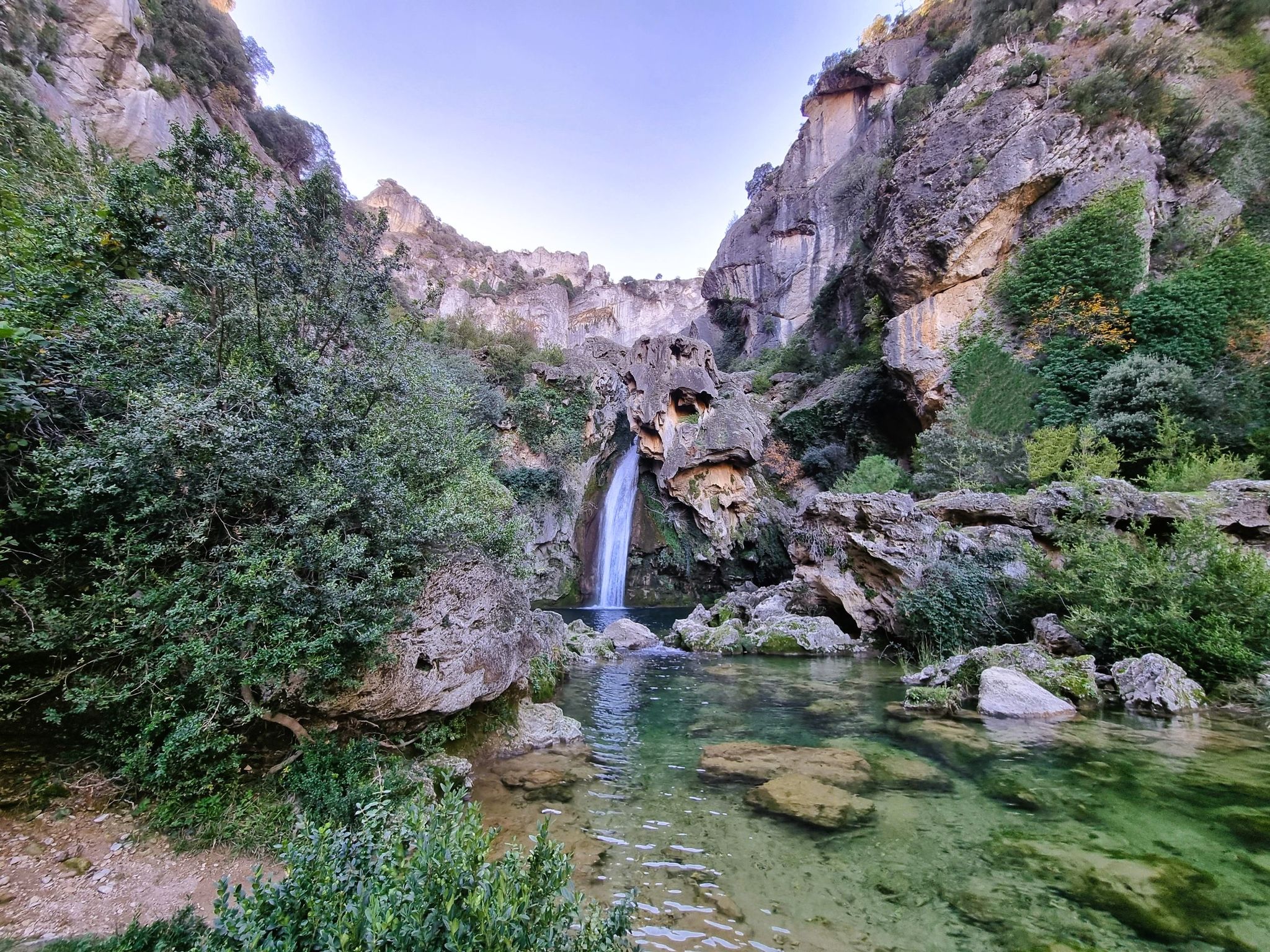
The route to the Malena Waterfall begins in Cazorla and is ideal for the whole family. It is a circular route that follows the Cerezuelo River. Along the way, you will enter a narrow gorge, crossing wooden bridges and enjoying the rich riverside vegetation. The first section of the trail will take you to the Malena waterfall itself. Near the waterfall is the Cueva de la Malena, which, according to the elders, was a refuge for bandits during the time of the reconquest. The cave is also shrouded in legends, such as that of the Tragantía, whose song warned: “I am the tragantía, daughter of the Moorish king; "Whoever hears me sing will not see the light of day." Since then, the cave has remained virtually inaccessible due to undergrowth that makes access difficult.
6
0

It is a tunnel built to channel water from the reservoir both for irrigation and for human consumption. It appears that it has not been used for many years and its construction is very deteriorated.
17
0
This spring located in the village of La Toba, flows very cold water in summer and warm in winter (although the water is always at the same temperature), inviting anyone to cool off or fill up with fresh water.
1
0

Right next to the village of La Toba is the so-called Nacimiento de la Toba, a birthplace with singular beauty where water flows from a cave. Later, the water thrown by this source runs through the village of La Toba until it falls over a waterfall, which in times of rain when the riverbed is abundant, presents one of the most striking landscapes in Santiago-Pontones. To access the Nativity of La Toba we must drive to the village of La Toba and then walk a little until we find the Nativity. The village can be reached by taking the Despiernacaballos road, whose intersection is located on the road that connects Santiago de la Espada and Pontones or from Santiago de La Espada taking the road that takes us to Miller, JV-7107, once Once we arrive at Las Juntas de Miller we will continue along the JF-7038 highway that will take us to La Toba. During the trip along both routes we will be able to enjoy wonderful landscapes.
19
0

Cave that is located at the foot of Cerro de los Carboneras and to the south of the Sierra de Quesada we find this cave that gave rise to the Santuario de Tiscar to the north of the cave.
1
0
At the entrance to Poyotello –a small and singular village belonging to the municipality of Santiago Pontones– a path starts that continuously descends and will take us to the water cave. From the Cueva del Agua we can continue the path, which always runs parallel to the Segura riverbed until it ends at the village of Huelga Utrera.
13
0
Frequently Asked Questions
Which caves are suitable for families in National Park Sierra Cazorla, Segura y Villas?
The route to the Malena Waterfall, which is near the Cueva de la Malena, is ideal for families. It's a circular path along the Cerezuelo River, featuring wooden bridges and lush riverside vegetation, making it a pleasant and accessible experience.
Are there caves with historical or legendary significance in the region?
Yes, the Cueva de la Malena, located near the Malena Waterfall, is steeped in local legend. Elders say it served as a refuge for bandits during the Reconquista and is associated with the mythical 'Tragantía,' a Moorish king's daughter whose song was said to bring misfortune.
What kind of geological formations can I expect to see in the caves?
The region is known for its magnificent karstic formations of dolomitic limestone. Caves like Cueva del Agua in Tíscar, also known as the 'Gruta de las maravillas,' feature spectacular limestone formations, whimsical stalactite structures, and impressive waterfalls during the ice-melting season.
Are there hiking trails that lead to or pass by these caves?
Yes, several hiking trails are available. For instance, the route to the Malena Waterfall is a circular path. You can also find more extensive hiking options in the area, such as the Borosa River Route or the Huelga Utrera - Cueva del Agua - Pontones Trail. For more details, explore the Hiking around National Park Sierra Cazorla, Segura y Villas guide.
What is the best time of year to visit the caves in Sierra Cazorla?
The ice-melting season can be a particularly spectacular time to visit caves like Cueva del Agua, as it boasts impressive and deafening waterfalls. Generally, spring and autumn offer pleasant weather for exploring the park's natural wonders.
What other natural features can I find near the caves?
The park is rich in hydrological features. Near the Cave of the Virgin of Tíscar, you'll find a canyon with vertical walls and numerous waterfalls where the Tíscar River flows. The La Toba Spring also features water flowing from a cave, leading to a beautiful waterfall.
Are there any less-known or hidden caves worth exploring?
Beyond the more prominent sites, the Los Anguijones Caves (Cuevas de Los Anguijones) on the right bank of the Segura River are described as 'fantastic giants' abodes.' Their impressive size and natural architecture offer a captivating sight, showcasing the powerful erosive forces that shaped the region.
What do visitors appreciate most about the caves in this region?
Visitors frequently appreciate the natural beauty and spectacular surroundings, including waterfalls and rich vegetation. The powerful display of water's sculpting power on soluble stone, as seen in places like the Cave of the Virgin of Tíscar, is also a highlight.
Can I find viewpoints near the caves?
Yes, many of the cave locations are situated within scenic landscapes that offer viewpoints. For example, the Cave of the Virgin of Tíscar is at the foot of Cerro de los Carboneras, providing scenic vistas of the surrounding area.
Are there opportunities for wild swimming near the caves?
Near the Malena Waterfall, a pool forms at its base where, when enough water accumulates, it is possible to bathe. This offers a refreshing experience after exploring the nearby Cueva de la Malena.
What is the difficulty level for exploring these caves and their surroundings?
The difficulty varies. The path to the Malena Waterfall is considered family-friendly. However, some cave access, like the Cueva de la Malena itself, can be challenging due to overgrown vegetation. The Cave of the Virgin of Tíscar has walkways and wooden railings for safety, making it more accessible. Always check specific route details for difficulty.
Are there any mountain biking trails near the caves?
While not directly leading into caves, the National Park Sierra Cazorla, Segura y Villas offers numerous mountain biking opportunities in the wider area. You can find trails like 'Miradores del Río Guadalquivir' or routes around the Tranco de Beas reservoir. For more information, consult the MTB Trails around National Park Sierra Cazorla, Segura y Villas guide.
Most popular routes around National Park Sierra Cazorla, Segura y Villas
Most popular attractions around National Park Sierra Cazorla, Segura y Villas

Get inspired with the komoot mobile app


Explore more
Extend your search for the best caves by checking out these guides of the top ones around National Park Sierra Cazorla, Segura y Villas:
