National Park Hoces del Alto Ebro y Rudrón
National Park Hoces del Alto Ebro y Rudrón
Top 7 Caves around National Park Hoces del Alto Ebro y Rudrón
Best caves around National Park Hoces del Alto Ebro y Rudrón are found within a region characterized by its karst landscape and deep canyons carved by the Ebro and Rudrón rivers. This natural park features diverse ecosystems and dramatic limestone cliffs, making it a significant area for geological exploration. The presence of subterranean formations contributes to the region's unique hydrology and provides habitats for various cave-dwelling fauna. Exploring these natural and historical subterranean sites offers insights into the area's geology…
Last updated: July 12, 2026
Turquoise Pools and Waterfalls of Orbaneja del Castillo
Highlight • Waterfall
Translated by Google •
Tip by

Pozo Azul de Covanera
Highlight • Natural Monument
Translated by Google •
Tip by

Sign up now to discover places like this
Get recommendations on the best single tracks, peaks, & plenty of other exciting outdoor places.
Sign up for free
La Cucarada Cave
Highlight • Cave
Translated by Google •
Tip by
Huidobro Copper Mine: Los Altos Mine
Highlight • Structure
Translated by Google •
Tip by

CuevaDelAgua
Highlight • Cave
Translated by Google •
Tip by
Sign up for free to discover even more caves around National Park Hoces del Alto Ebro y Rudrón.
Sign up for free
Already have an account?
Start today with a free account
Your next adventure awaits.
Login or Signup
Popular around National Park Hoces del Alto Ebro y Rudrón
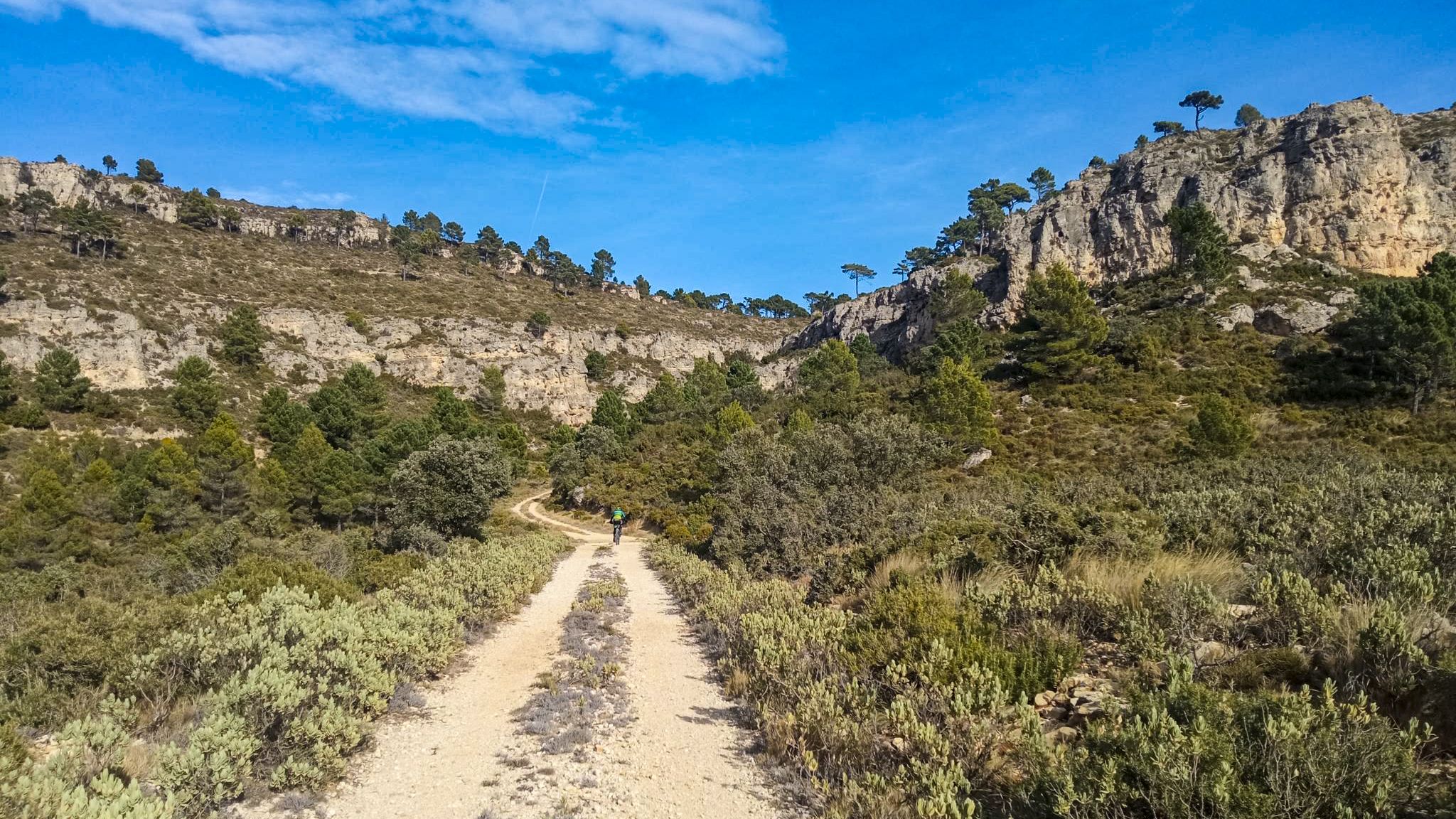
10 gravel routes to discover hidden gems in Spain
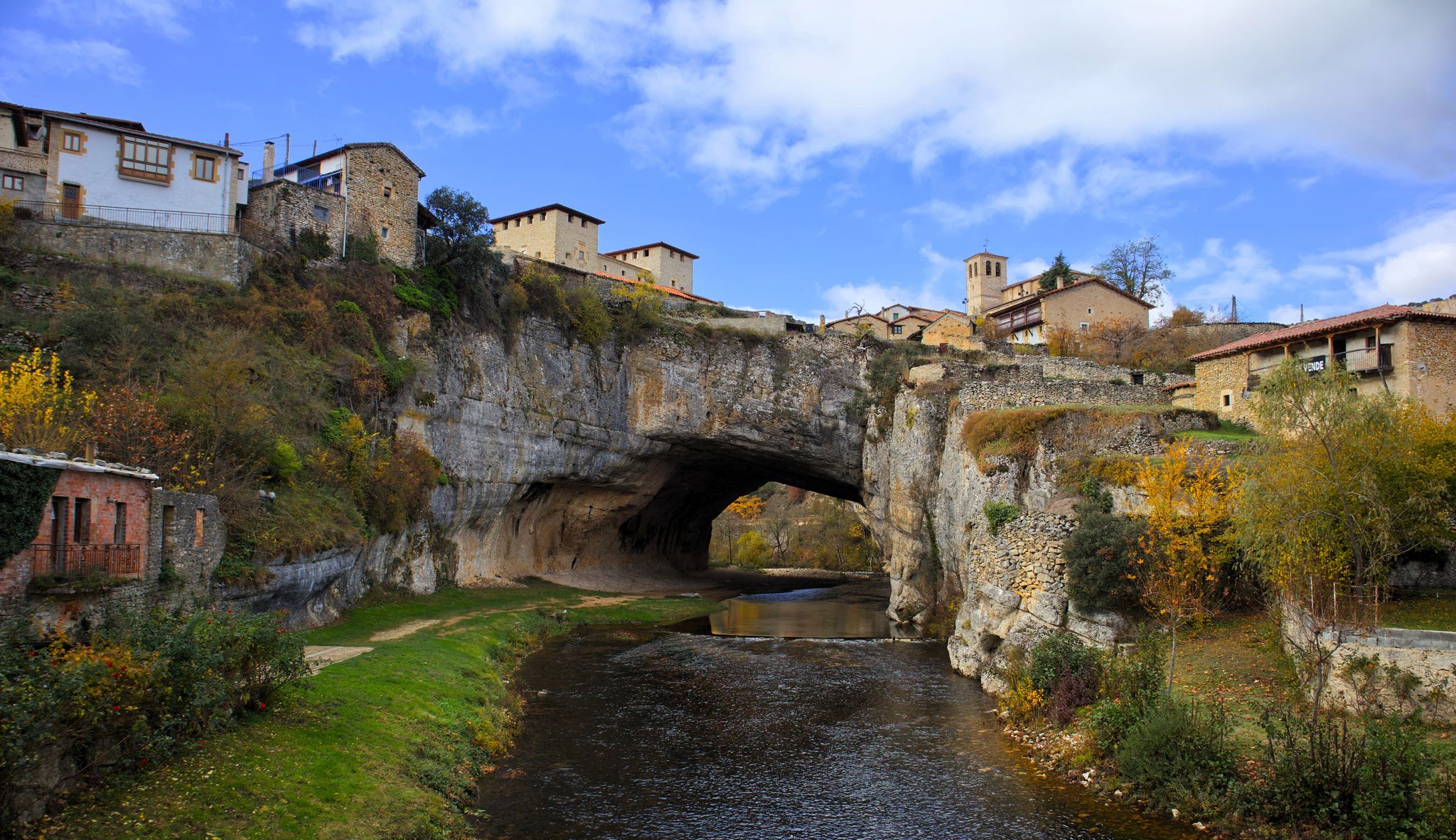
Endless valleys and historic villages – Route of the Senses (GR 85)
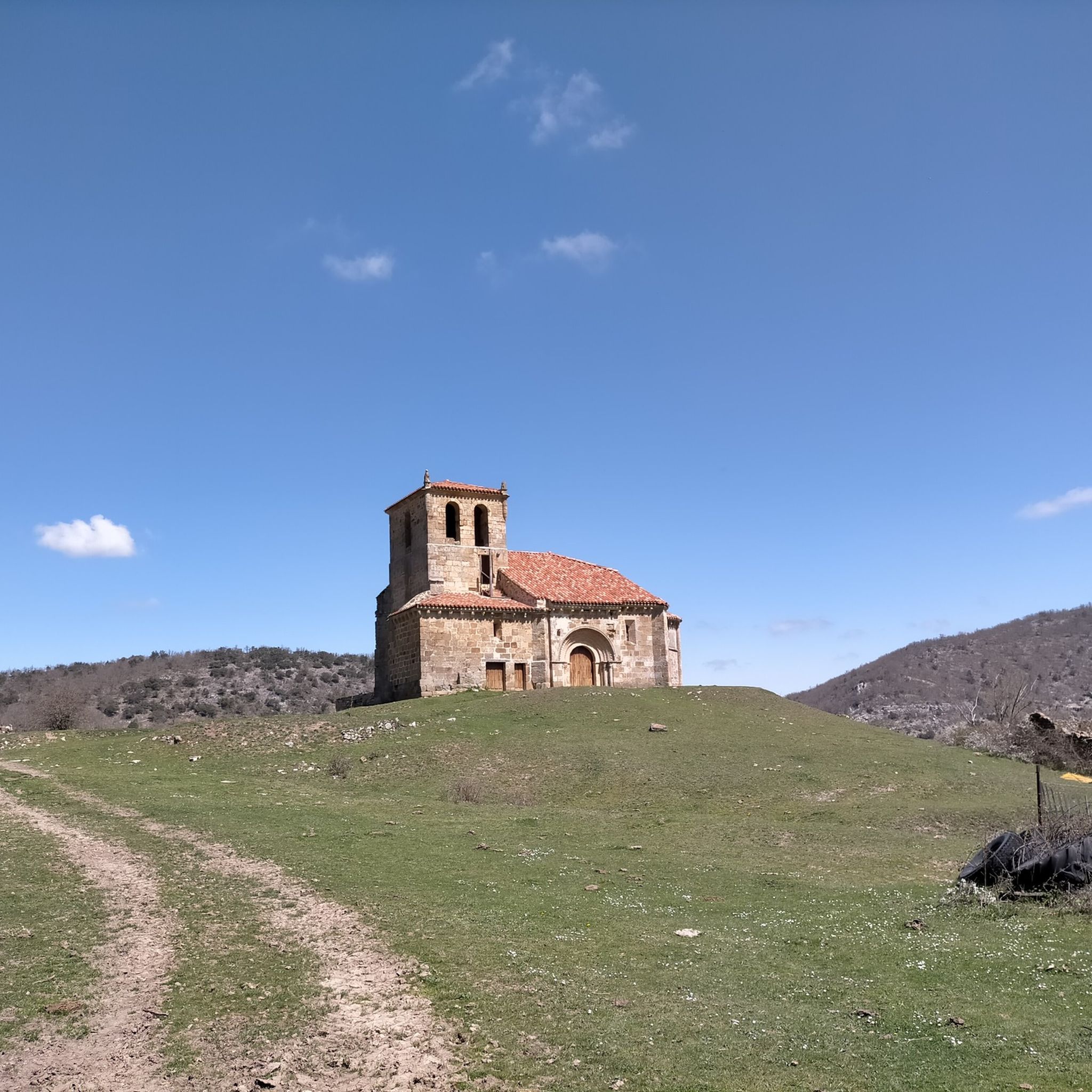
Hiking around National Park Hoces del Alto Ebro y Rudrón
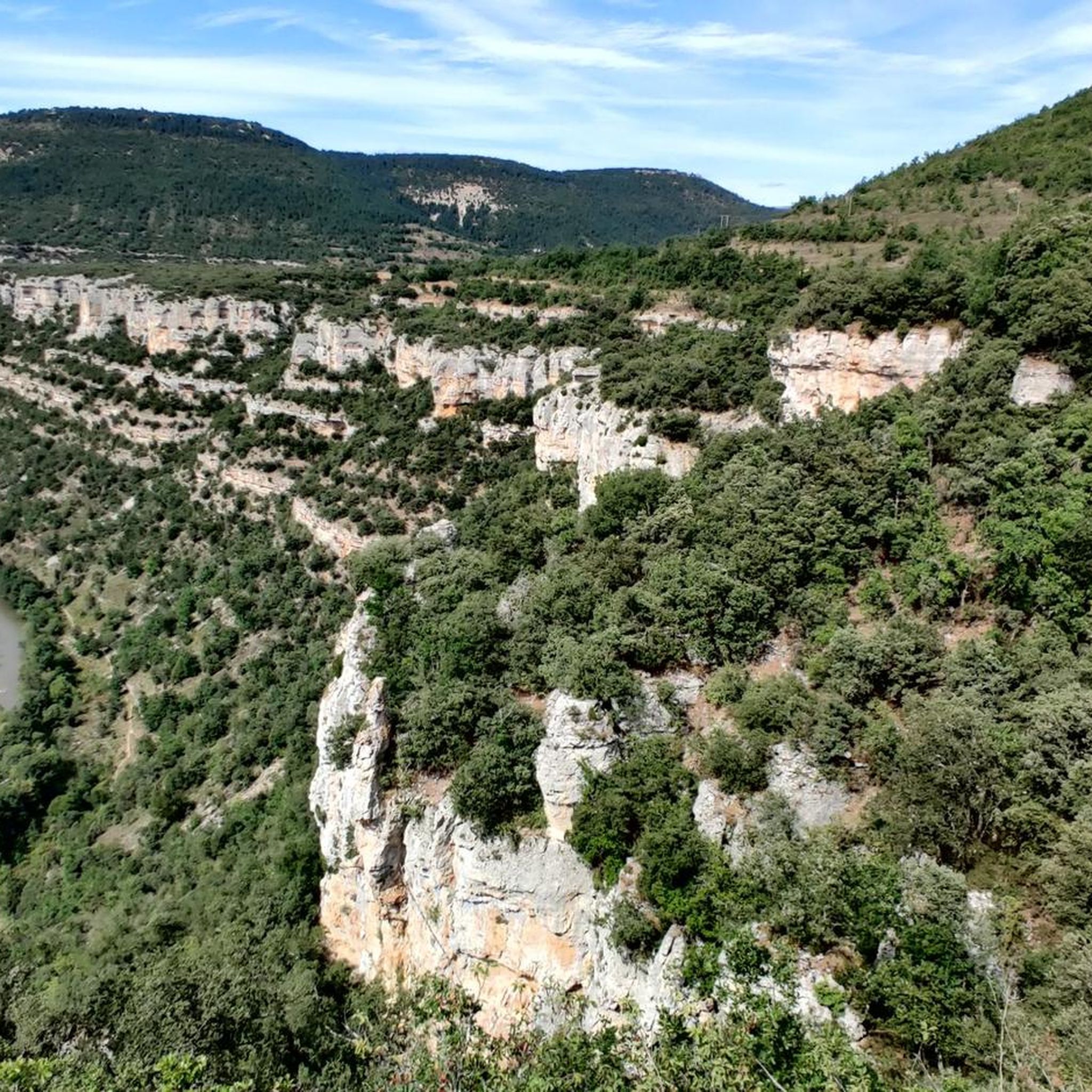
MTB Trails around National Park Hoces del Alto Ebro y Rudrón
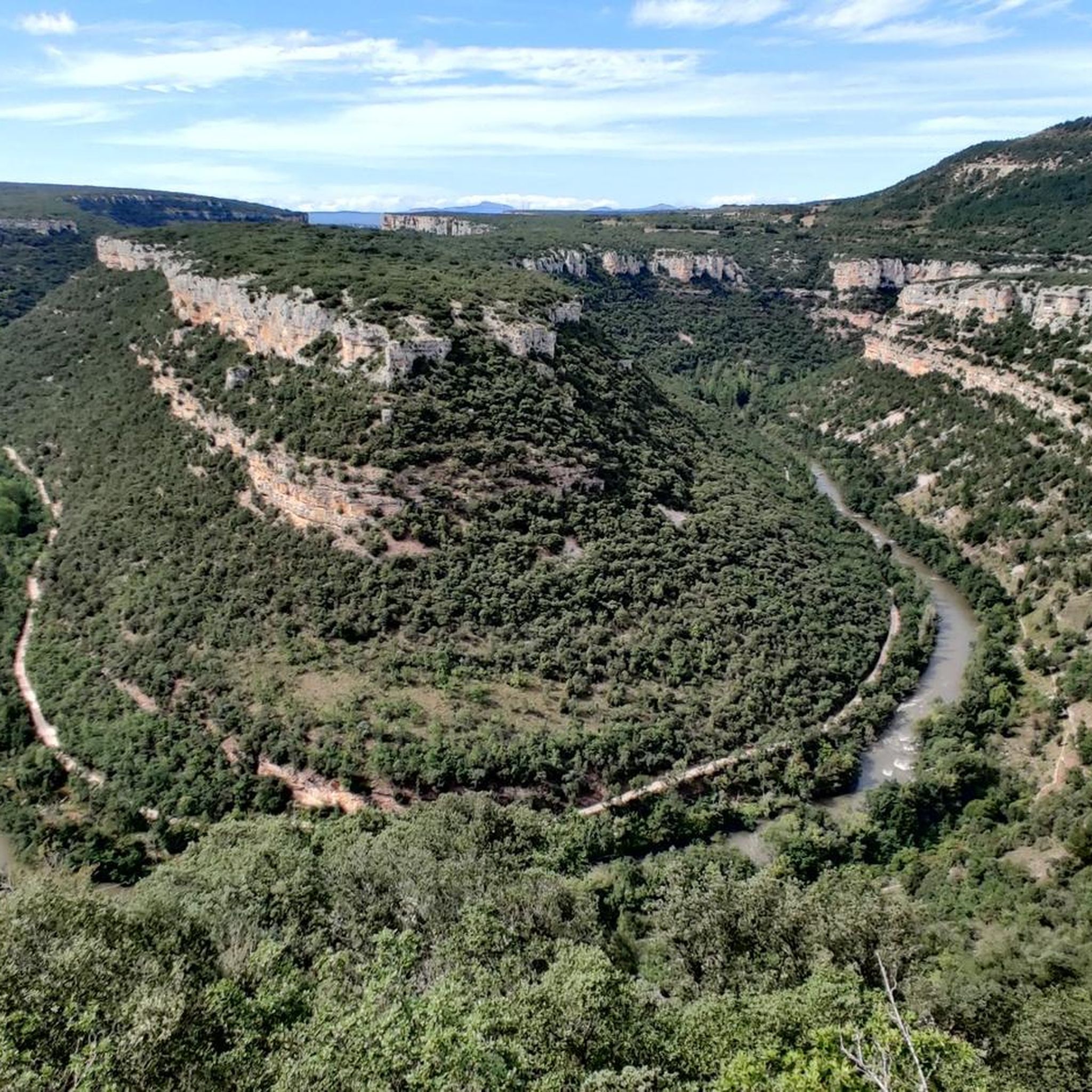
Running Trails around National Park Hoces del Alto Ebro y Rudrón

Gravel biking around National Park Hoces del Alto Ebro y Rudrón
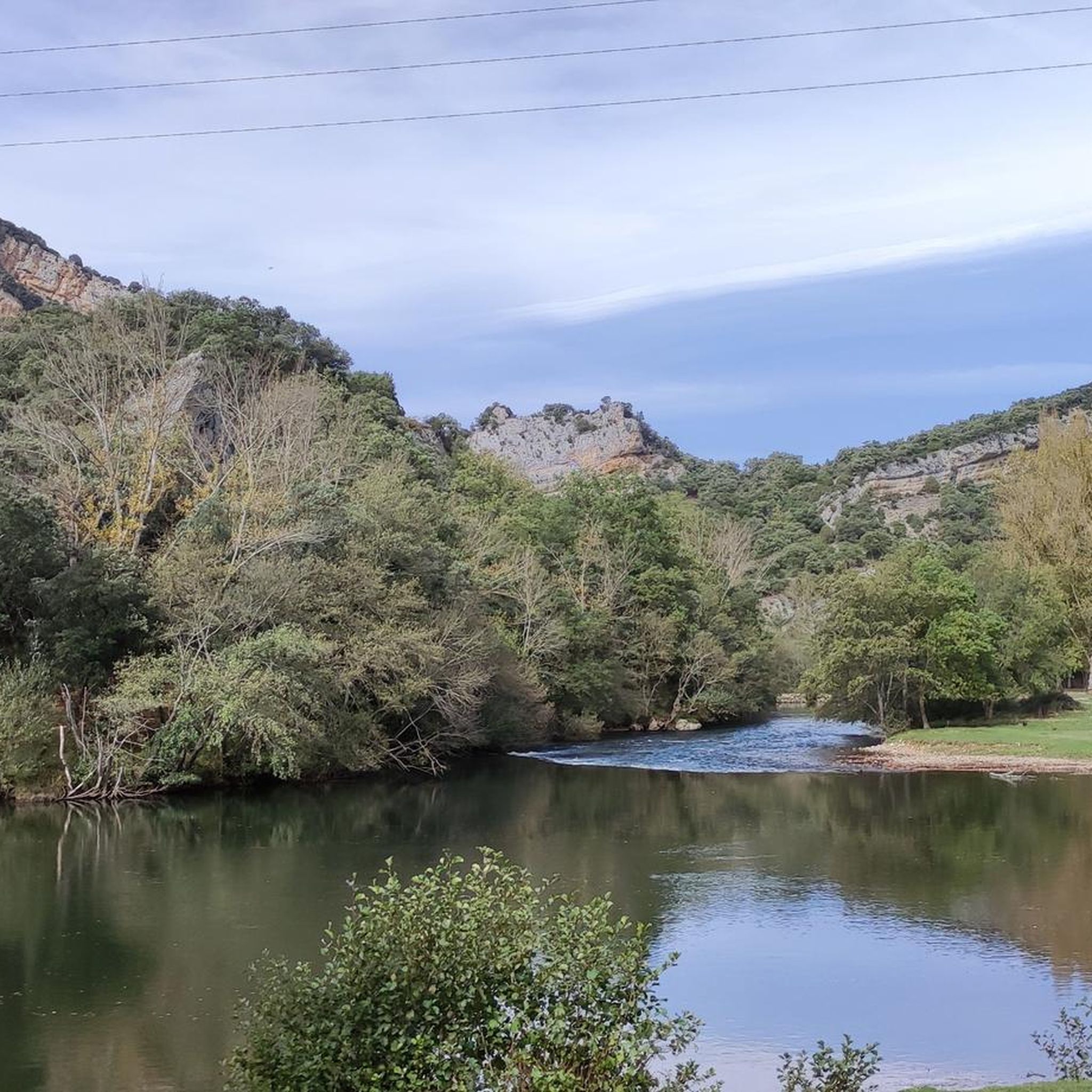
Road Cycling Routes around National Park Hoces del Alto Ebro y Rudrón
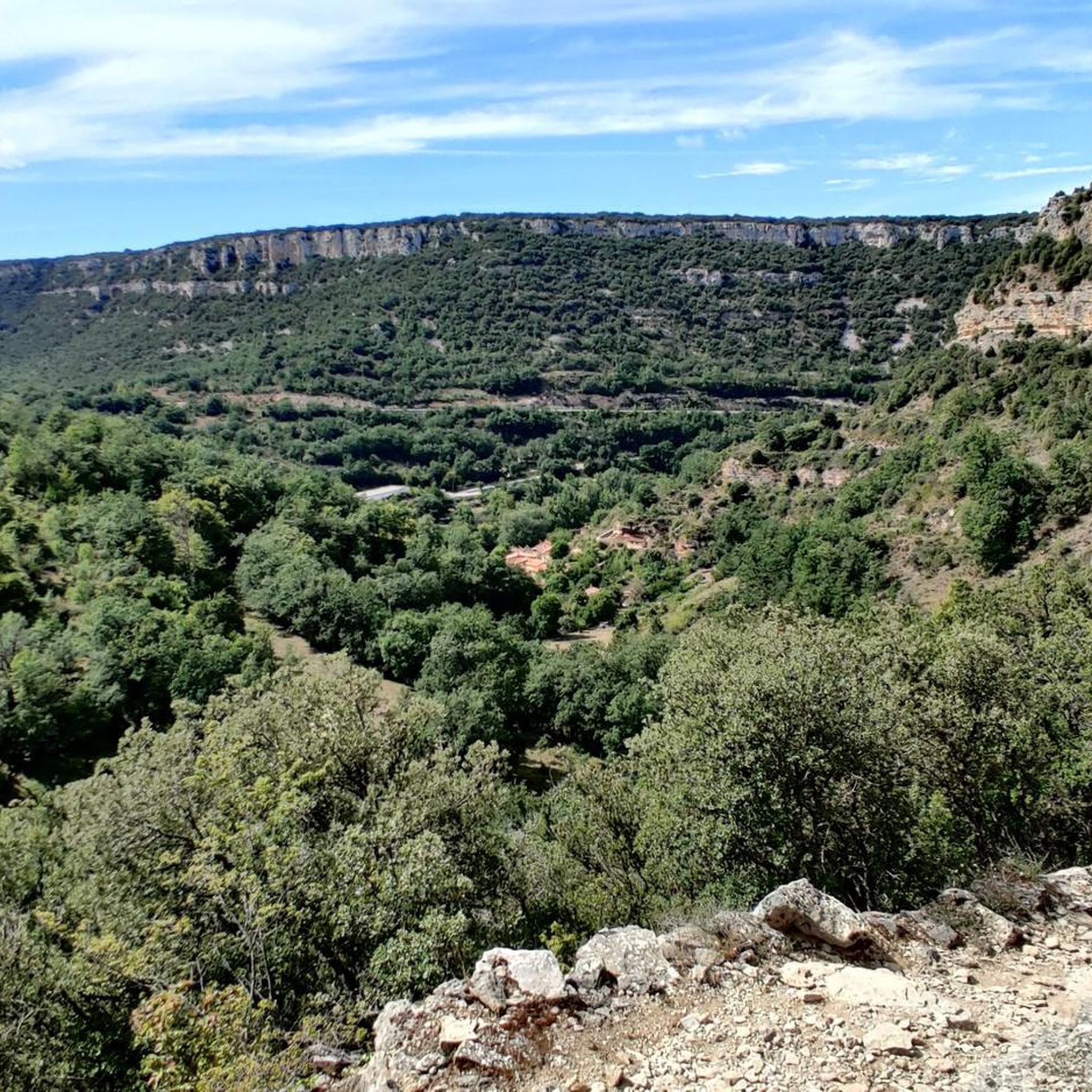
Cycling around National Park Hoces del Alto Ebro y Rudrón
Other adventures around National Park Hoces del Alto Ebro y Rudrón


Tips from the Community

The waterfall springs from the Cueva del Agua from a height of over 20 meters, at the base of the rocky cirque that embraces the village, originating from an aquifer located in the subsoil of the Páramo de Bricia, and it leaps everywhere, dividing the village into two halves, the Villa and the Puebla, and descends among the stone houses, creating a most photogenic scene.
2
0

A spectacular area for hiking trails
0
0

From various shades of blue, ranging from turquoise to a dark ultramarine in the deepest part. To reach the well, there's a half-kilometer walk along a beautiful path that even has a cave entrance. When we arrived, it was a beautiful day, with people swimming and a caving group who had put on their diving suits and were exploring the depths of the underwater cave. A spectacle.
2
1

Natural wonder of the karst environment of Castilla León in the province of Burgos
3
0

It's amazing! You can walk 100-200 metres inside, guided by fixed lights, and see the passage of an underground river. Definitely something worth seeing.
3
1
It is beautiful on its own, but if we add the depths of the town from which it arises... visit it!
7
0

The Orbaneja del Castillo waterfall is unique because it crosses the same town, dividing it into two parts: La Villa and La Puebla. The waterfall emerges from the Cueva del Agua and falls into the Ebro River in an impressive 25-meter drop, creating a most picturesque karst landscape.
4
2

This copper mine has been exploited since the 18th century, and its activity ended in 1960. The metal is found in blue/green stones that are believed to have already been mined in the Neolithic for their aesthetic value.
0
0
Frequently Asked Questions
What are the most notable natural caves to visit in National Park Hoces del Alto Ebro y Rudrón?
The region is rich in natural caves formed by its karst landscape. The Cueva del Agua in Orbaneja del Castillo is a significant karstic resurgence where an underground river emerges, feeding the village's famous waterfall. Another unique natural monument is Pozo Azul de Covanera, known for its intensely blue water emerging from a deep spring.
Are there any caves with historical significance in the area?
Yes, the Cuevas de los Portugueses, also known as Eremitorio del Arroyo de las Torcas, offer a unique historical insight. These are ancient eremitic complexes carved into a sandstone wall, dating back possibly to the 8th or 9th century. They served as hermitages and dwellings for monks and later as temporary housing for Portuguese workers, giving them their modern name. You can explore the various rooms and passages near Trespaderne.
Can I explore the Cueva del Agua in Orbaneja del Castillo?
Yes, a short, illuminated section of the Cueva del Agua is open to visitors, offering a glimpse into its unique hydrological activity. While much of the extensive system requires specialized caving, the publicly accessible part provides a fascinating experience of water shaping the landscape and its direct connection to the village's charm.
What kind of geological features can I expect to see in the caves of this National Park?
The caves in National Park Hoces del Alto Ebro y Rudrón are primarily karstic, meaning they are formed by water erosion through limestone. You'll encounter features like underground rivers, resurgences (where underground rivers emerge), deep springs, and intricate galleries. The park's dramatic limestone cliffs and gorges are a direct result of this geology.
Are there any family-friendly cave experiences or easy access points?
For an easily accessible and family-friendly experience, the publicly open section of the Cueva del Agua in Orbaneja del Castillo is a good option. It's illuminated and offers a short walk inside, directly connected to the picturesque village and its waterfall. The historical Cuevas de los Portugueses also offer an accessible walk-through experience.
What do visitors enjoy most about the caves in National Park Hoces del Alto Ebro y Rudrón?
Visitors frequently highlight the stunning natural beauty and unique hydrological phenomena. The turquoise water pools and waterfalls emerging from the Cueva del Agua in Orbaneja del Castillo are particularly popular. The intense blue color of Pozo Azul de Covanera is also a major draw, with many describing it as spectacular.
Are there any caves related to historical mining activities?
Yes, the Huidobro Copper Mine: Los Altos Mine is a historical site where copper exploitation is documented from at least the 18th century. It's believed to have been in operation since the Neolithic period for its attractive bluish-green rocks. Visitors can explore its passageways and appreciate its historical significance.
What outdoor activities can I combine with a visit to the caves?
The National Park Hoces del Alto Ebro y Rudrón offers numerous outdoor activities. You can find many hiking trails, including the 'Ebro Canyon Trail: Orbaneja del Castillo Loop' or 'Pozo Azul y la Cascada la Fuentona — circular desde Covanera'. For cycling enthusiasts, routes like the 'Ebro Canyon Trail' or 'Pozo Azul de Covanera – La Cañada Waterfall loop' are available. You can find more details on these activities in the hiking guide and cycling guide for the region.
Is there a cave known for its unique grotto formations?
Yes, La Cucarada Cave, located near the town of Tubilla del Agua in the Rudrón Canyon, is appreciated for its grotto formations. It's part of an area known for its natural features, including waterfalls and hiking trails.
What is the best time of year to visit the caves in this region?
The National Park Hoces del Alto Ebro y Rudrón is generally pleasant to visit during spring and autumn when temperatures are mild and the natural landscape is vibrant. Summer can also be good, especially for the cooler temperatures inside the caves. After heavy rainfall, the Cueva del Agua's waterfall is particularly impressive due to higher water levels.
Are there any easy hiking trails that include cave access or views?
Yes, there are several easy hiking trails. For instance, the 'View of Orbaneja del Castillo' loop from Castillo de Orbaneja is an easy route that offers views of the village and the waterfall emerging from the Cueva del Agua. The 'Pozo Azul Trail' loop from Covanera is also an easy option to reach the stunning Pozo Azul. More easy routes can be found in the easy hikes guide.
What should I wear when visiting the caves?
Even in summer, the temperature inside caves can be significantly cooler than outside, and humidity levels are often high. It's advisable to wear layers, including a light jacket or sweater, and comfortable, sturdy shoes with good grip, as surfaces can be uneven or damp.
Most popular routes around National Park Hoces del Alto Ebro y Rudrón
Most popular attractions around National Park Hoces del Alto Ebro y Rudrón

Get inspired with the komoot mobile app


Explore more
Extend your search for the best caves by checking out these guides of the top ones around National Park Hoces del Alto Ebro y Rudrón:
