Top 8 Castles around Parc Natural de la Serra d'Espadà
Castles around Parc Natural de la Serra d'Espadà are situated in a region known for its Mediterranean forests, cork oaks, and pine trees. This area in Castellón, Spain, features historic fortresses, many with Muslim origins, offering insights into the region's past. These sites provide elevated positions with views of the surrounding valleys and natural landscapes. The park's terrain offers various routes for exploring these historical landmarks.
Best castles around Parc Natural de la Serra d'Espadà
- The most popular castles is…
Last updated: June 28, 2026
Castro Castle
Highlight • Castle
Translated by Google •
Tip by

Jinquer
Highlight • Historical Site
**Ruins of the old …
Translated by Google •
Tip by

Sign up now to discover places like this
Get recommendations on the best single tracks, peaks, & plenty of other exciting outdoor places.
Sign up for free
Benalí Castle
Highlight • Castle
Translated by Google •
Tip by

Views of the Castle of Eslida
Highlight • Viewpoint
Translated by Google •
Tip by
Almonecir Castle
Highlight • Castle
Translated by Google •
Tip by

Sign up for free to discover even more castles around Parc Natural de la Serra d'Espadà.
Sign up for free
Already have an account?
Start today with a free account
Your next adventure awaits.
Login or Signup
Popular around Parc Natural de la Serra d'Espadà
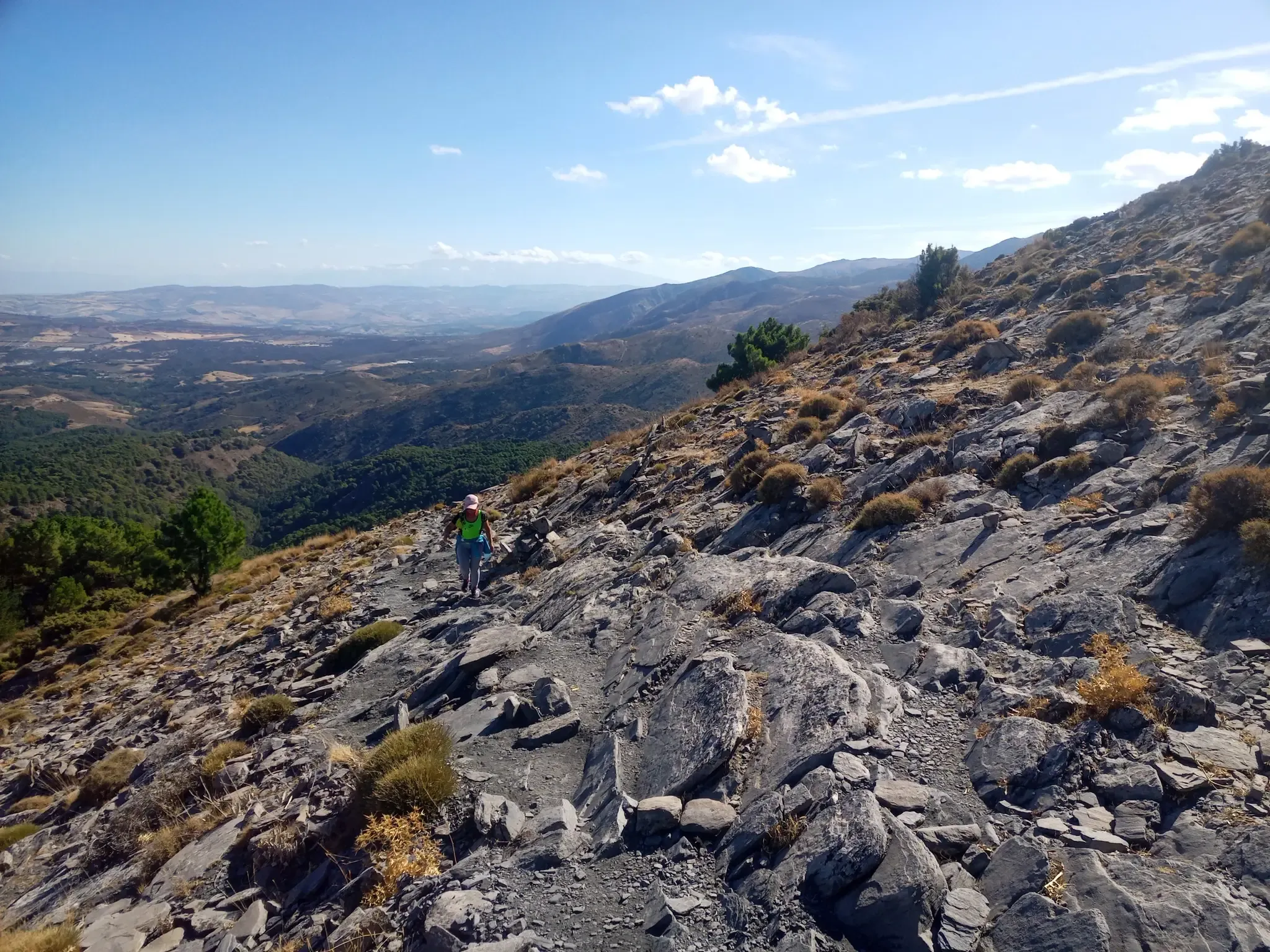
12 hiking gems throughout Spain
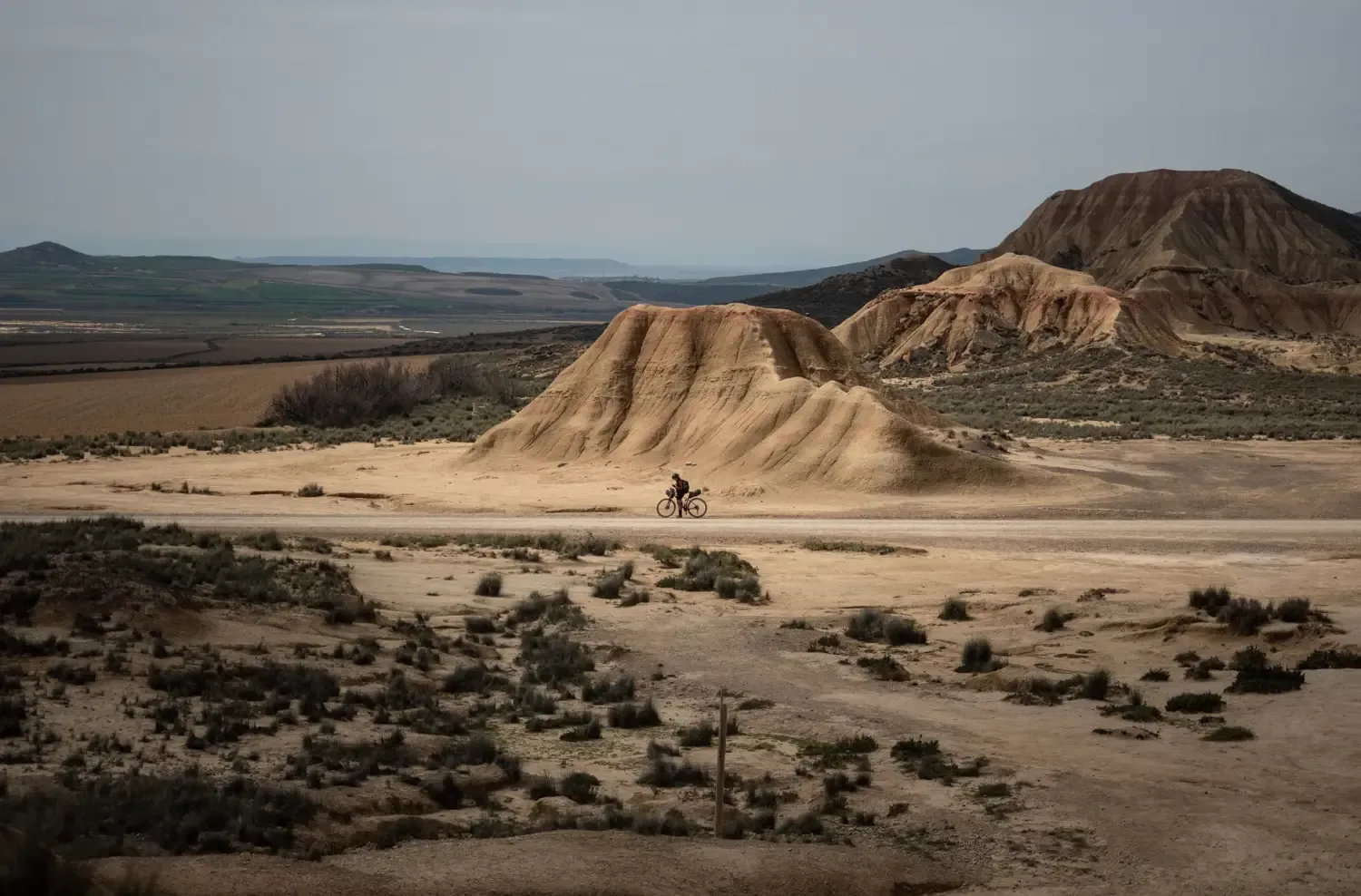
9 mountain biking routes in undiscovered Spain
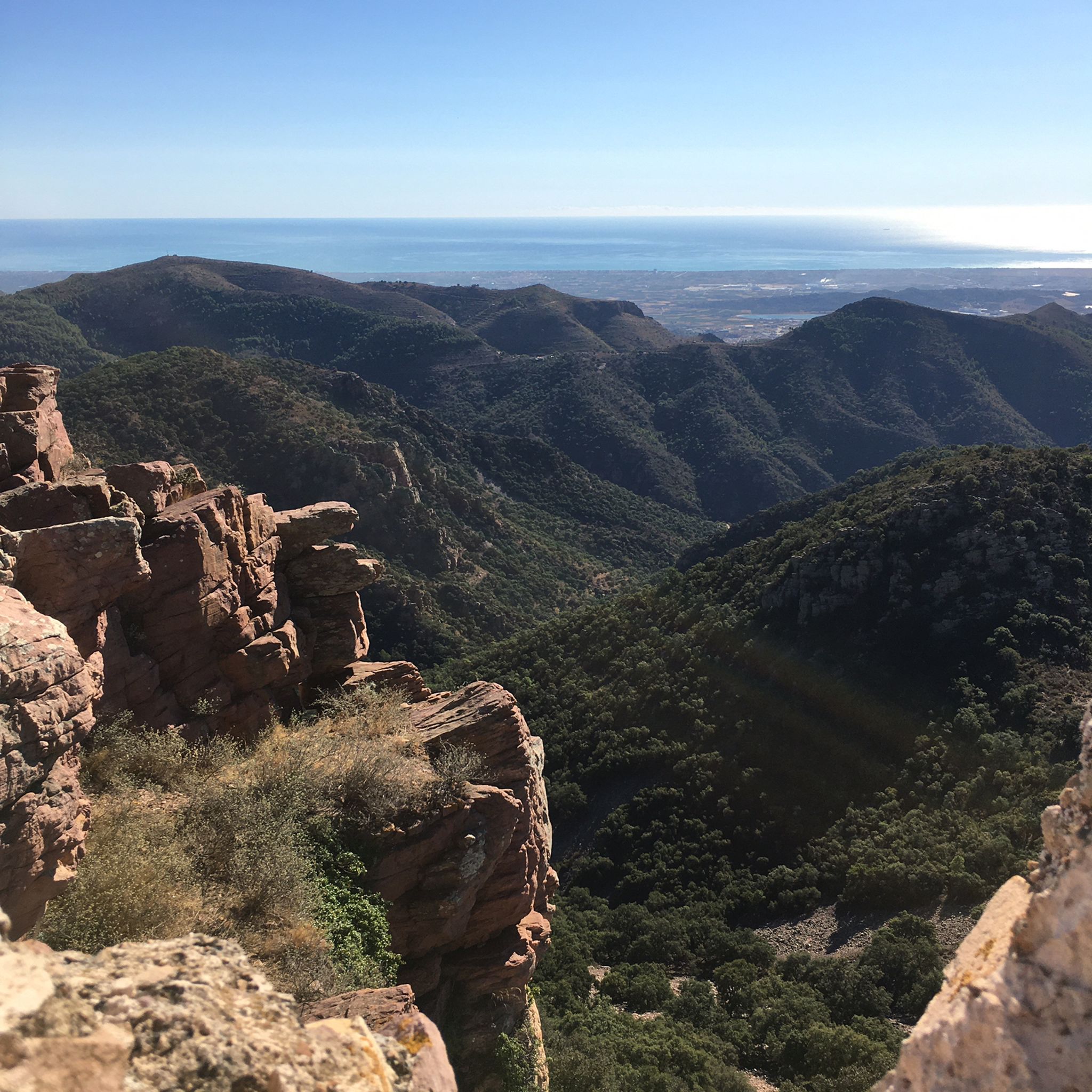
Hiking around Parc Natural de la Serra d'Espadà
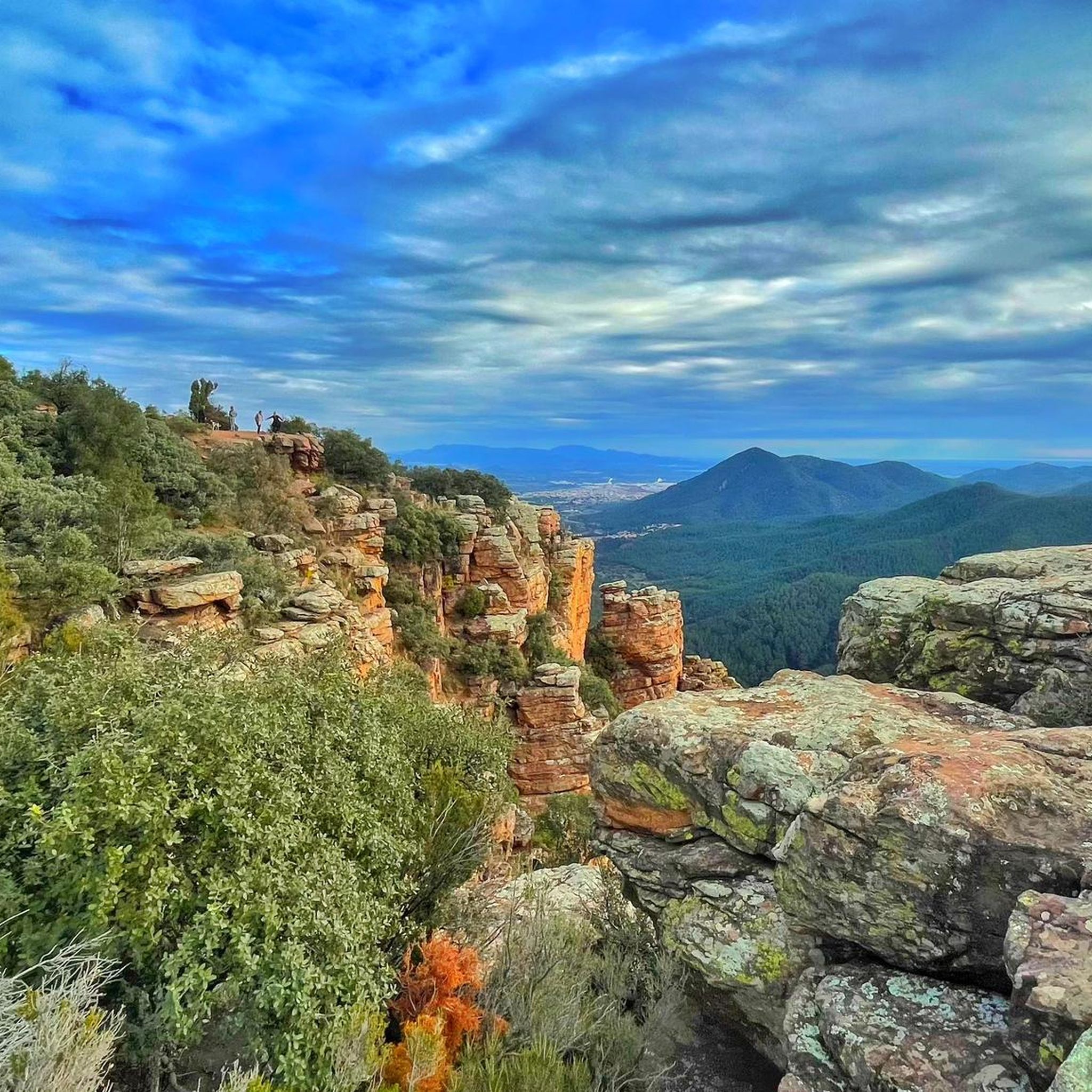
Running Trails around Parc Natural de la Serra d'Espadà
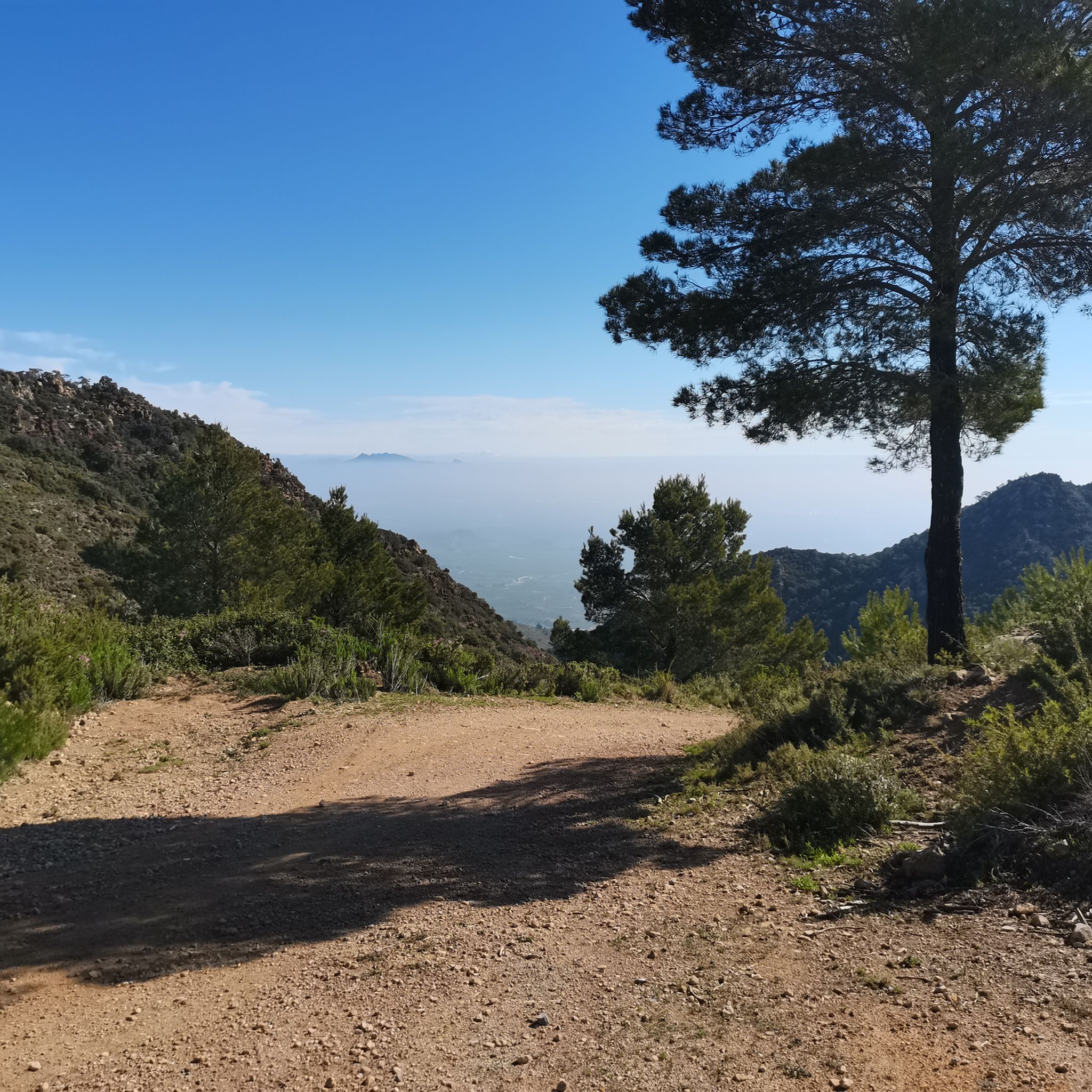
MTB Trails around Parc Natural de la Serra d'Espadà
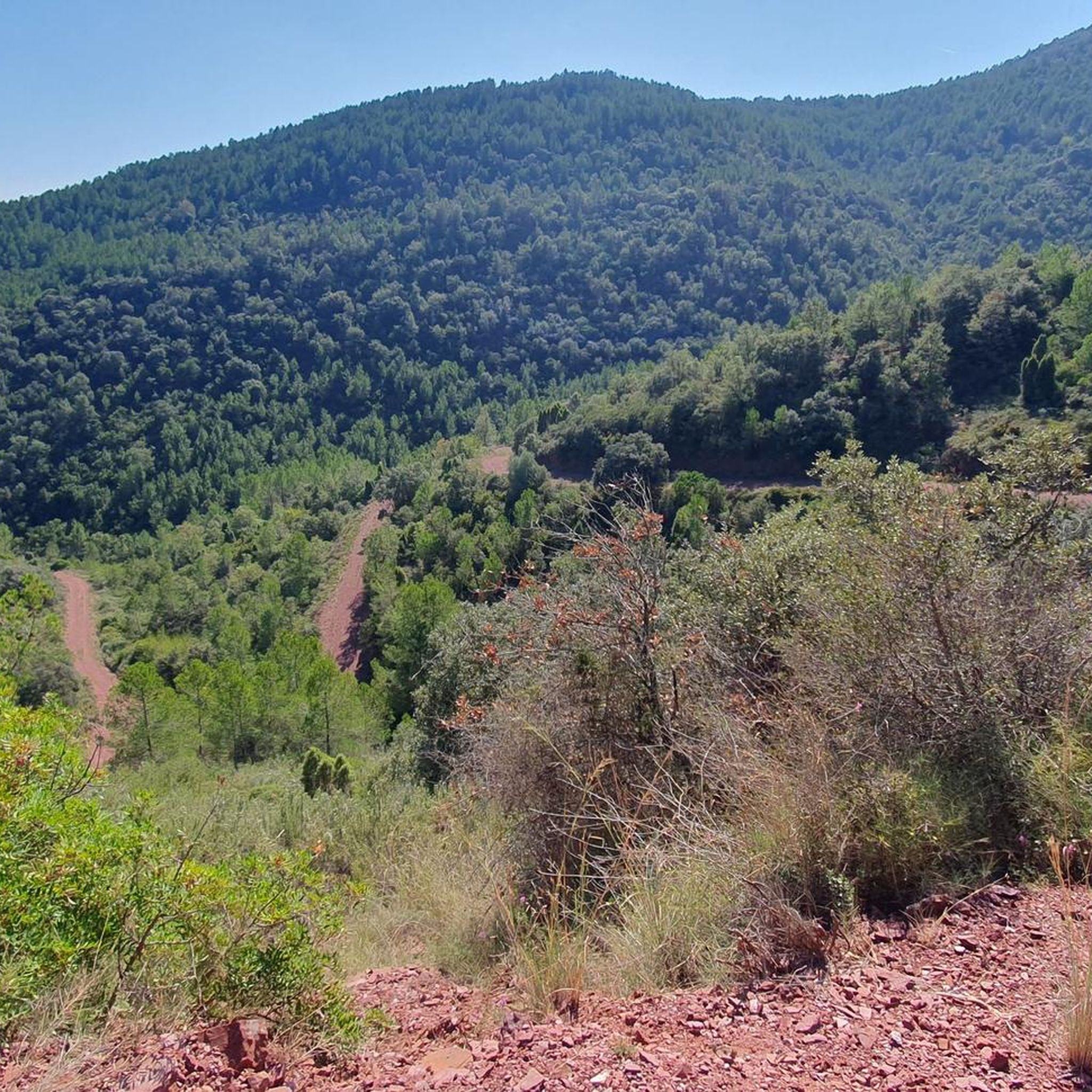
Cycling around Parc Natural de la Serra d'Espadà
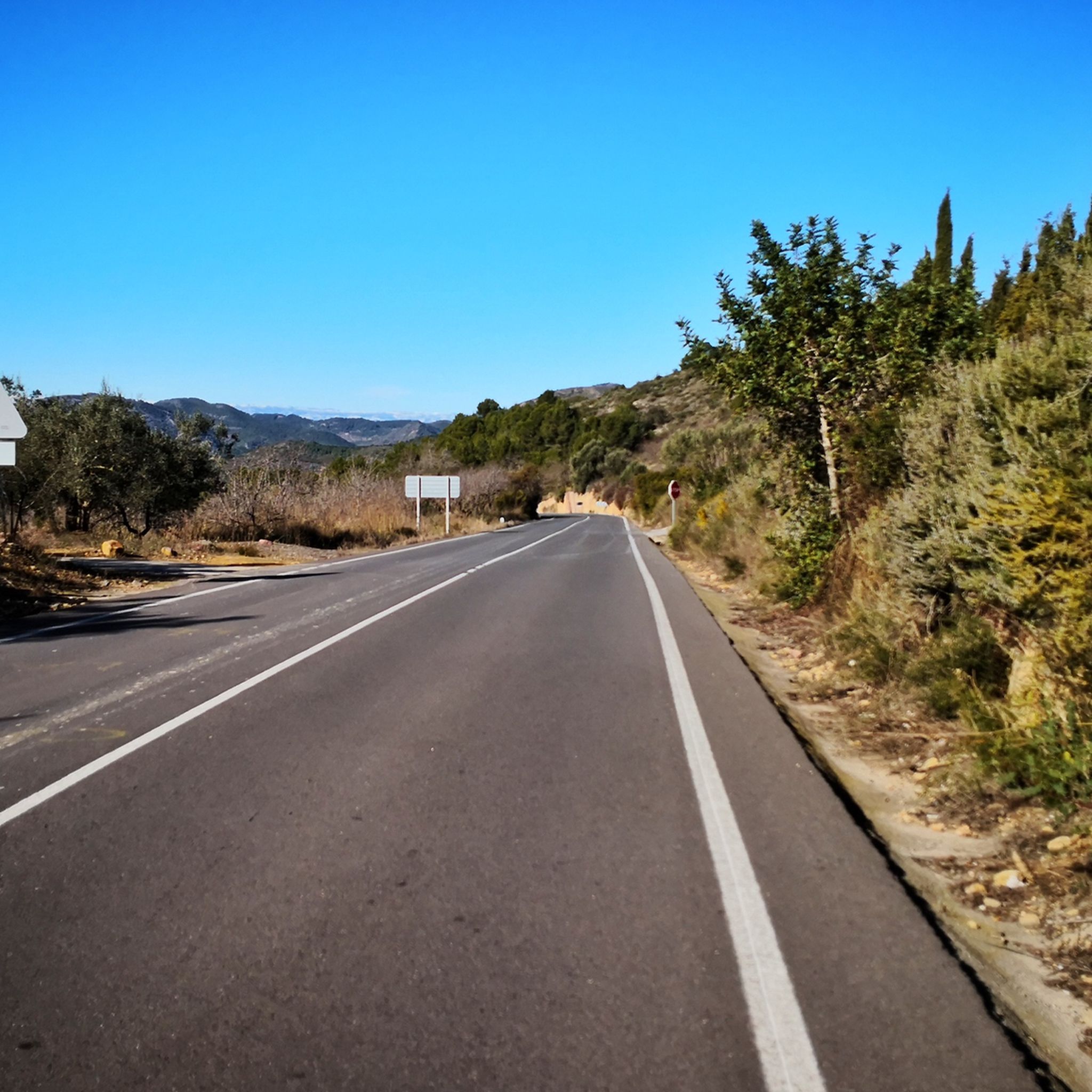
Road Cycling Routes around Parc Natural de la Serra d'Espadà

Gravel biking around Parc Natural de la Serra d'Espadà
Other adventures around Parc Natural de la Serra d'Espadà

Tips from the Community

A beautiful walking area, but quite steep in some places.
0
0

After the Reconquista, many castles in the region were modified or rebuilt to adapt to Christian styles and needs.
7
0

The Castro Castle, an Arab fortress with an impressive watchtower at a height of about 780 m, was a fundamental bastion of the Moorish resistance at the time of their expulsion. It was taken by the Duke of Segorbe and General Cavanilles after the Castillo de Aín had also fallen. It was also used in the Carlist Wars. The castle covers an area of about 2,000 m2, where two parts can be distinguished: the "Albacar", a fortified refuge for the inhabitants of the towns dependent on the fortress; and on the other side, the castle itself, which presided surrounded by a large keep that was demolished in 1938 during the Civil War. The views are impressively beautiful.
9
0
Ain Castle is of Arabic origin and was built in the 13th century. There they lived in peace and harmony, developed the cultivation of olive trees and plantations, introduced the irrigation system and exploited the natural resources.
6
0

This memorial complex has been created by the Alcudia de Veo City Council with the help of the Generalitat Valenciana (Department of Justice) and with the collaboration of various people and associations. The objective is to raise awareness about the devastating effects of war and the importance of conserving and disseminating heritage as a vehicle for transmitting our Historical Memory.
0
0
To get here the ideal is to do it from Alcudia de Veo. Taking the CV-215 in the direction of Algimia de Almonacid, at km 1 is the entrance to the Jinquer path. Following this path, you will reach the uninhabited area of Jinquer, where a few meters before the general information panel where the route begins is located. Once here, it is advisable to start the itinerary from the Jinquer desert, then take the path that passes next to Puntal del Gordo and end on the heights of Almenarilla, in the hills known as "Las Dos Tetas". The route passes between pines, holm oaks, cork oaks, poplars, chestnut trees and oaks in the heart of the Sierra de Espadán Natural Park, and allows you to enjoy privileged views over the coastal plain. In addition, it has indications along the way and explanatory panels together with some vestiges.
0
0
The Jinquer-La Almenarilla Memorial Complex is located just 3 km west of the town of Alcudia de Veo; It is made up of four places where the Civil War left a mark that is still visible today, more than eight decades later: The Jinquer hamlet, of Arab origin, was evacuated during the Spanish Civil War and definitively abandoned after the war, remaining frozen in time.
0
0

Ruins of the Castillo de Castro, a place from where incredible panoramic views of the mountains are obtained, a reward for the effort to climb up there.
8
0
Frequently Asked Questions
What kind of history do the castles in Parc Natural de la Serra d'Espadà offer?
The castles in the Serra d'Espadà region are rich in history, many with Muslim origins dating back to the 10th-12th centuries. They served as strategic defensive structures and played significant roles during the Reconquista and later conflicts like the Carlist Wars. You can explore ruins that evoke their original grandeur and learn about the area's past through their architecture and locations.
Are there well-preserved castles to visit in the region?
Yes, Almonecir Castle is a military-style castle from the 12th century that is well-preserved. Another excellent example is Onda Castle, known for its impressive size and good condition, which also houses a Museum of Archaeology and History with unique Muslim plasterwork. Admission to Onda Castle is free.
Can I find panoramic views from these castles?
Absolutely. Many castles, like Castro Castle, are perched on elevated positions, offering stunning panoramic views of the surrounding mountains, valleys, and even the Mediterranean Sea on clear days. Mauz Castle also provides commanding views of the area, making them popular spots for hikers and photographers.
Are there hiking opportunities around the castles?
Yes, the castles are often integrated into scenic hiking trails. For instance, the hike to Castro Castle passes through lush Mediterranean forests. The village of Aín, home to Benalí Castle, is a starting point for numerous routes through cork oak and pine forests. Mauz Castle is also reachable via trails winding through the natural park's characteristic cork tree forests.
What kind of natural landscapes can I expect to see when visiting these castles?
The castles are set within the Parc Natural de la Serra d'Espadà, a region known for its Mediterranean forests, cork oaks, and pine trees. You'll encounter rugged peaks, deep valleys, and diverse flora, providing a beautiful natural backdrop to the historical sites. Many trails offer views over the coastal plain.
Are there other outdoor activities besides hiking near the castles?
Yes, the Parc Natural de la Serra d'Espadà offers a variety of outdoor activities. You can find numerous road cycling routes, gravel biking trails, and mountain biking (MTB) trails throughout the park. For more details on these activities, you can explore the Road Cycling Routes, Gravel Biking, and MTB Trails guides for the region.
What is the best time of year to visit the castles in Serra d'Espadà?
The best time to visit is typically during spring (April-May) and autumn (September-October) when the weather is milder and more pleasant for hiking and exploring. Summers can be very hot, while winters are generally mild but can be cooler and wetter, especially at higher elevations.
Are there any lesser-known or 'hidden gem' historical sites worth exploring?
Yes, the ruins of the old castle and town of Jinquer offer a unique experience. This hamlet, of Arab origin, was evacuated during the Spanish Civil War and abandoned, remaining frozen in time. It's a poignant historical site that can be visited on foot or by mountain bike, offering a glimpse into the region's past.
Are the castles generally accessible for families or those with limited mobility?
Many of the castles, being ancient ruins on elevated terrain, involve hiking or walking on uneven paths. While some, like Onda Castle, may offer more accessible areas, the journey to others, such as Castro Castle or Eslida Castle, can be steep and challenging. It's advisable to check specific castle details if accessibility is a concern.
How long does it typically take to visit a castle?
The duration of a visit can vary. For castles that are mostly ruins and require a hike, like Castro Castle or Mauz Castle, you might spend 2-4 hours including the ascent and descent, plus time to explore the site and enjoy the views. For more developed sites like Onda Castle with a museum, you could easily spend 1-2 hours exploring the castle grounds and exhibitions.
Can I find cafes or places to eat near the castles?
While specific cafes are not always directly adjacent to the castle ruins themselves, many castles are located near or within charming villages such as Aín or Onda. These villages typically offer local restaurants and cafes where you can enjoy traditional cuisine and refreshments after your exploration.
Most popular routes around Parc Natural de la Serra d'Espadà
Most popular attractions around Parc Natural de la Serra d'Espadà

Get inspired with the komoot mobile app


Explore more
Looking for the best castles somewhere else? Discover other guides around Parc Natural de la Serra d'Espadà:
