The 7 Most Amazing Peaks around Parc Natural de la Serra d'Espadà
Best mountain peaks around Parc Natural de la Serra d'Espadà is a 51-kilometer-long mountain range in the Province of Castellón, Spain. The park features extensive cork oak forests, natural springs, and a network of well-maintained hiking trails. It provides a natural environment for exploration, with diverse terrain characteristics and elevation profiles. The region offers various routes for visitors to experience its natural and historical landmarks.
Best mountain peaks around Parc Natural de la Serra d'Espadà
- The most popular mountain peaks…
Last updated: June 28, 2026
Castro Castle
Highlight • Castle
Translated by Google •
Tip by

Espadán Peak
Highlight • Summit
Translated by Google •
Tip by

Sign up now to discover places like this
Get recommendations on the best single tracks, peaks, & plenty of other exciting outdoor places.
Sign up for free
Penya Migdia
Highlight • Viewpoint
Translated by Google •
Tip by
Montí Menor
Highlight • Summit
Translated by Google •
Tip by

El Puntal
Highlight • Viewpoint
Translated by Google •
Tip by

Sign up for free to discover even more peaks around Parc Natural de la Serra d'Espadà.
Sign up for free
Already have an account?
Start today with a free account
Your next adventure awaits.
Login or Signup
Popular around Parc Natural de la Serra d'Espadà
12 hiking gems throughout Spain
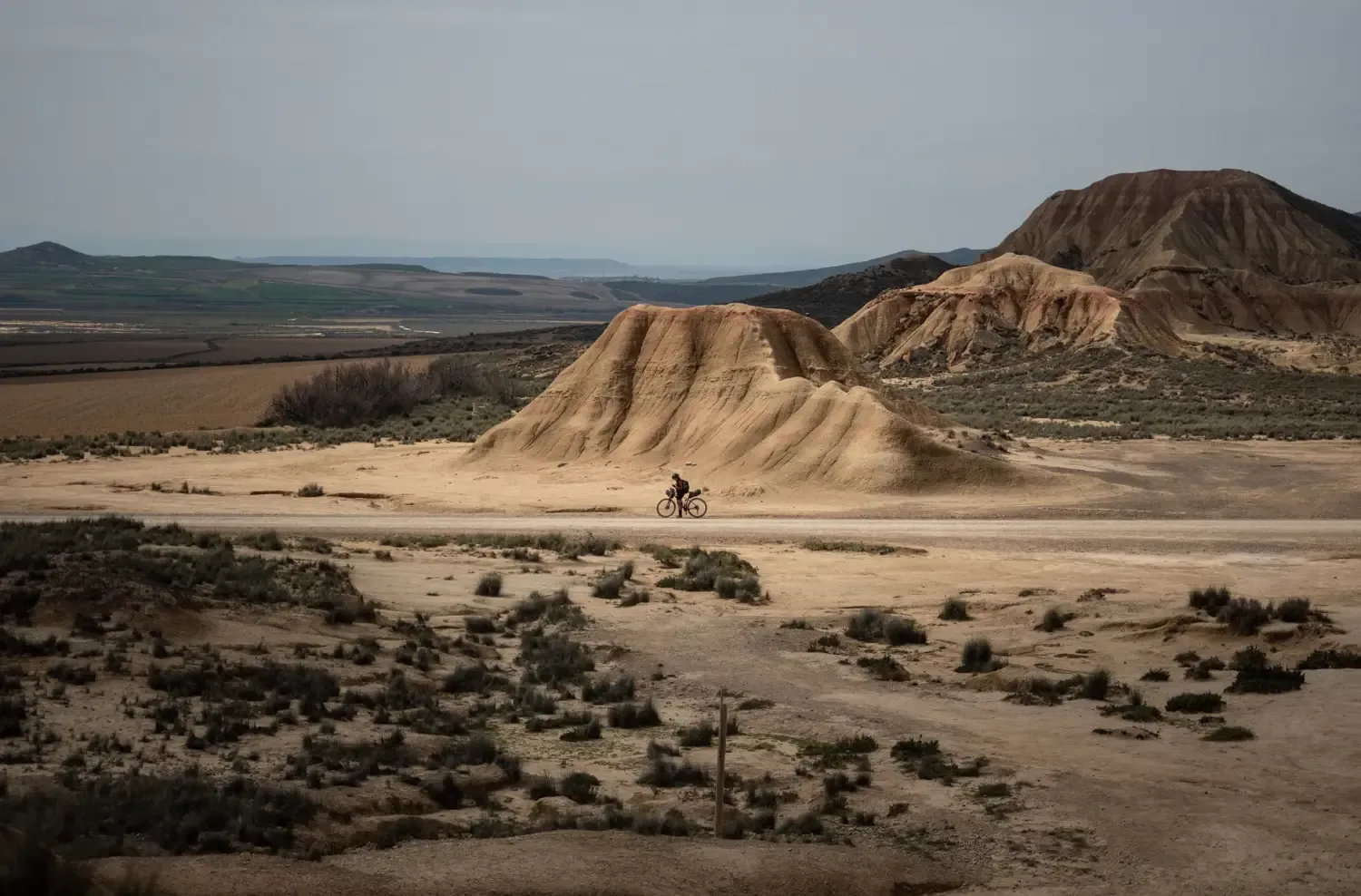
9 mountain biking routes in undiscovered Spain
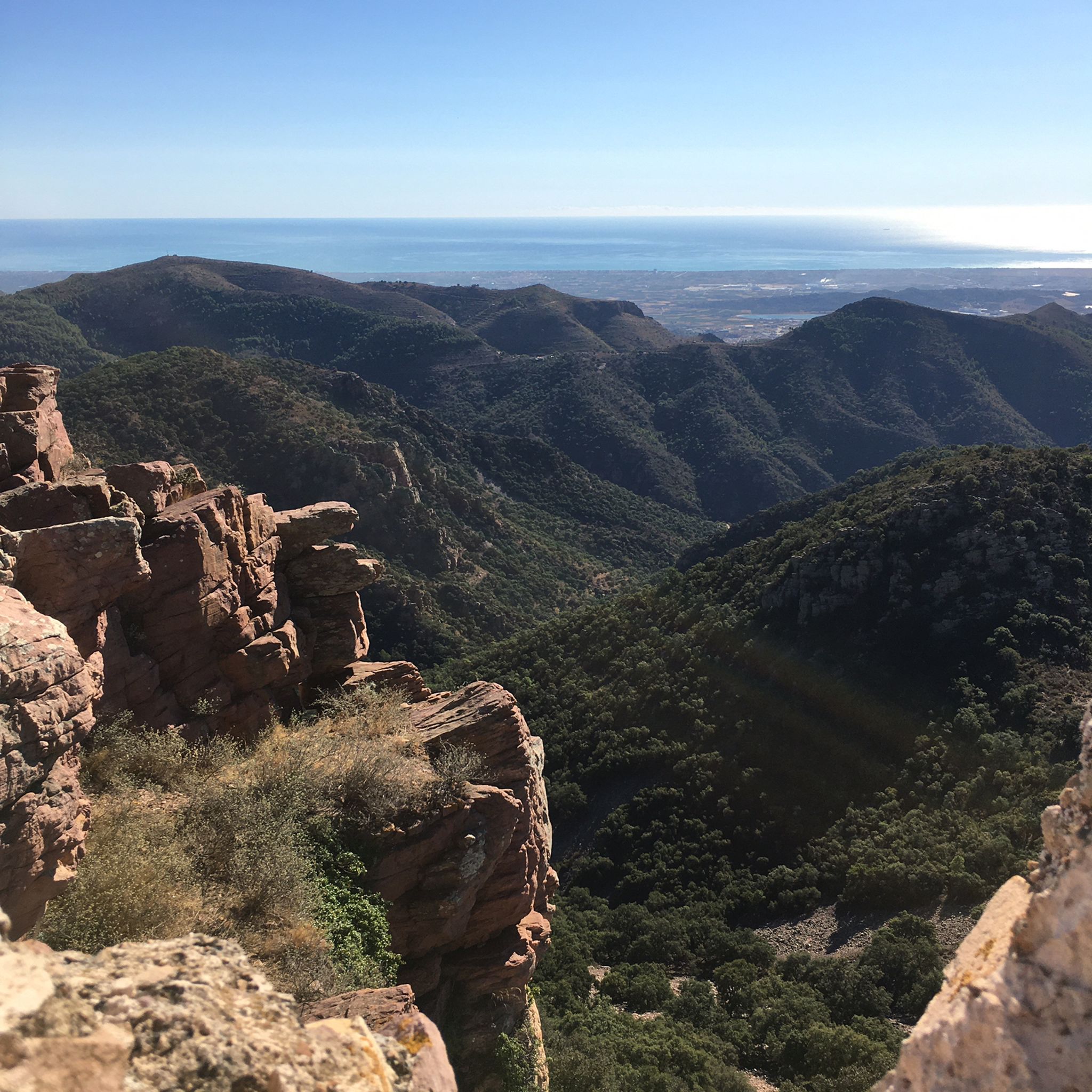
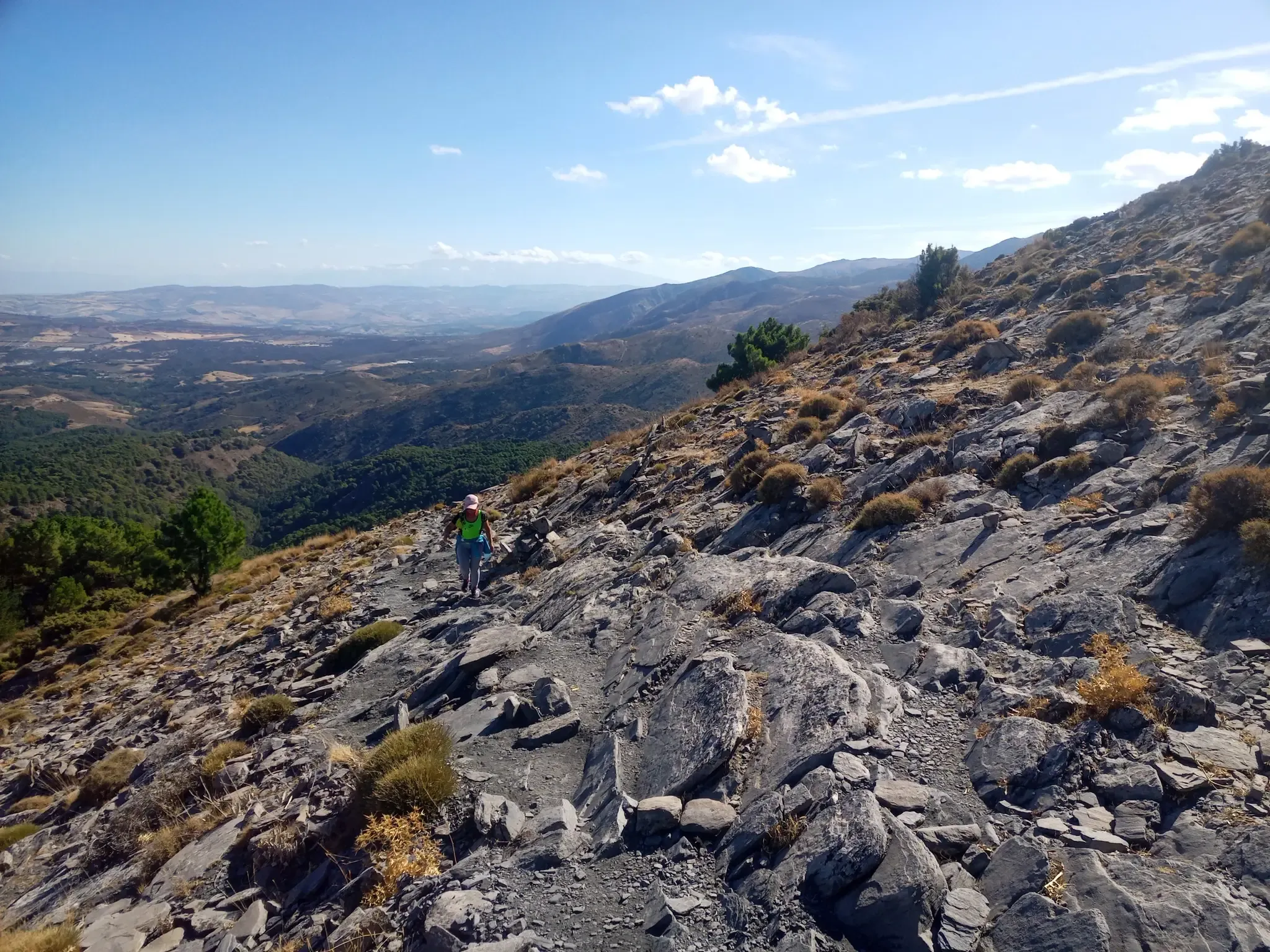
Hiking around Parc Natural de la Serra d'Espadà
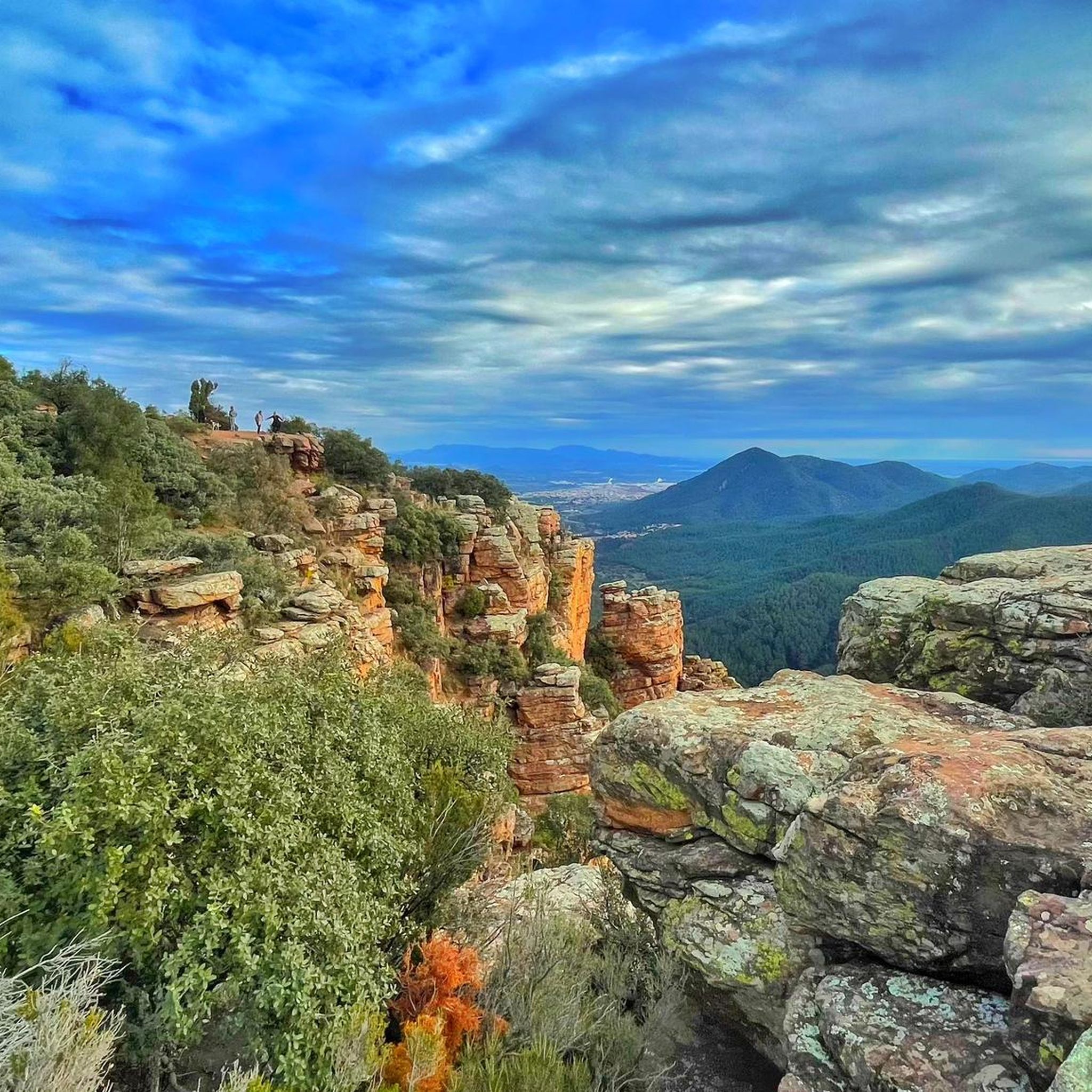
Running Trails around Parc Natural de la Serra d'Espadà
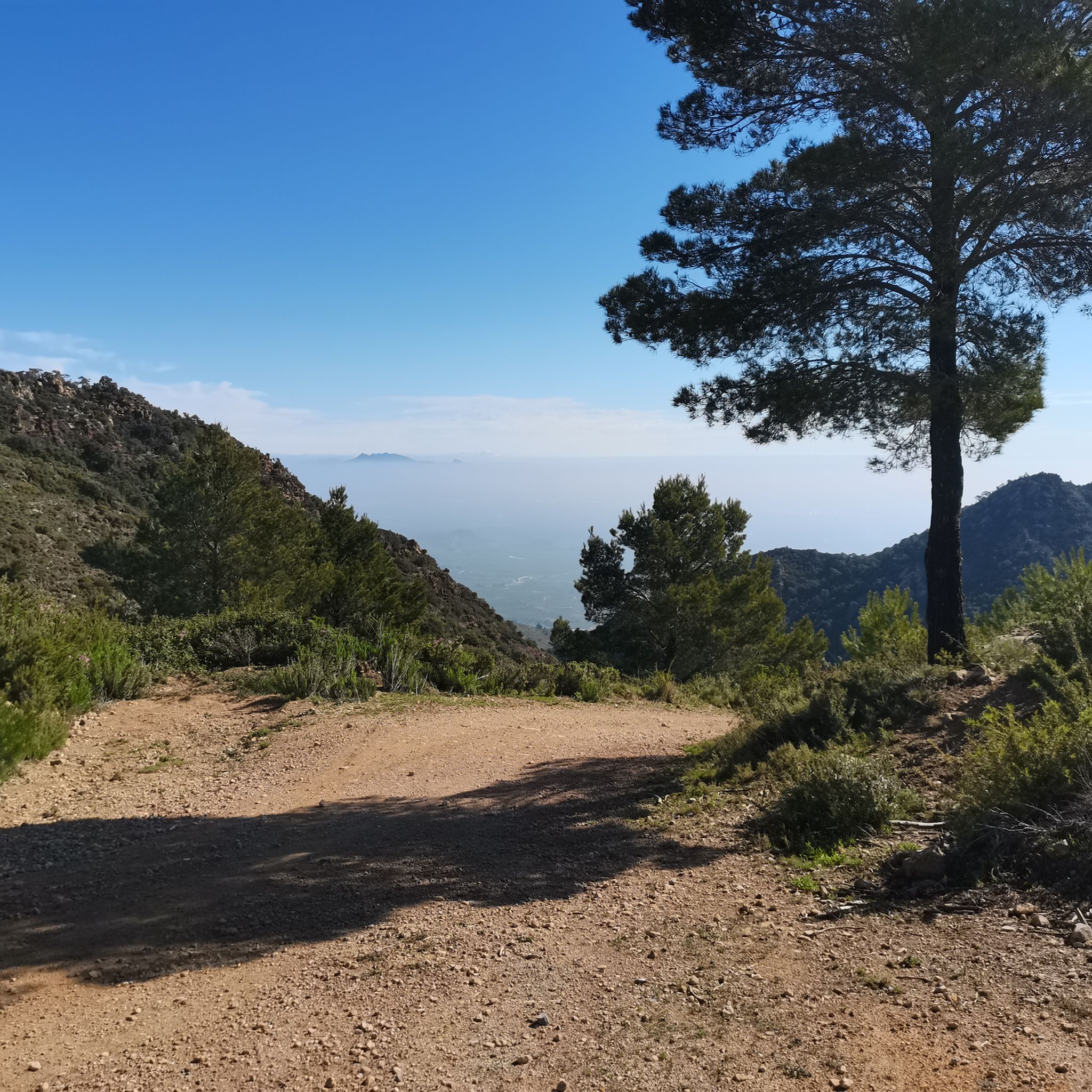
MTB Trails around Parc Natural de la Serra d'Espadà
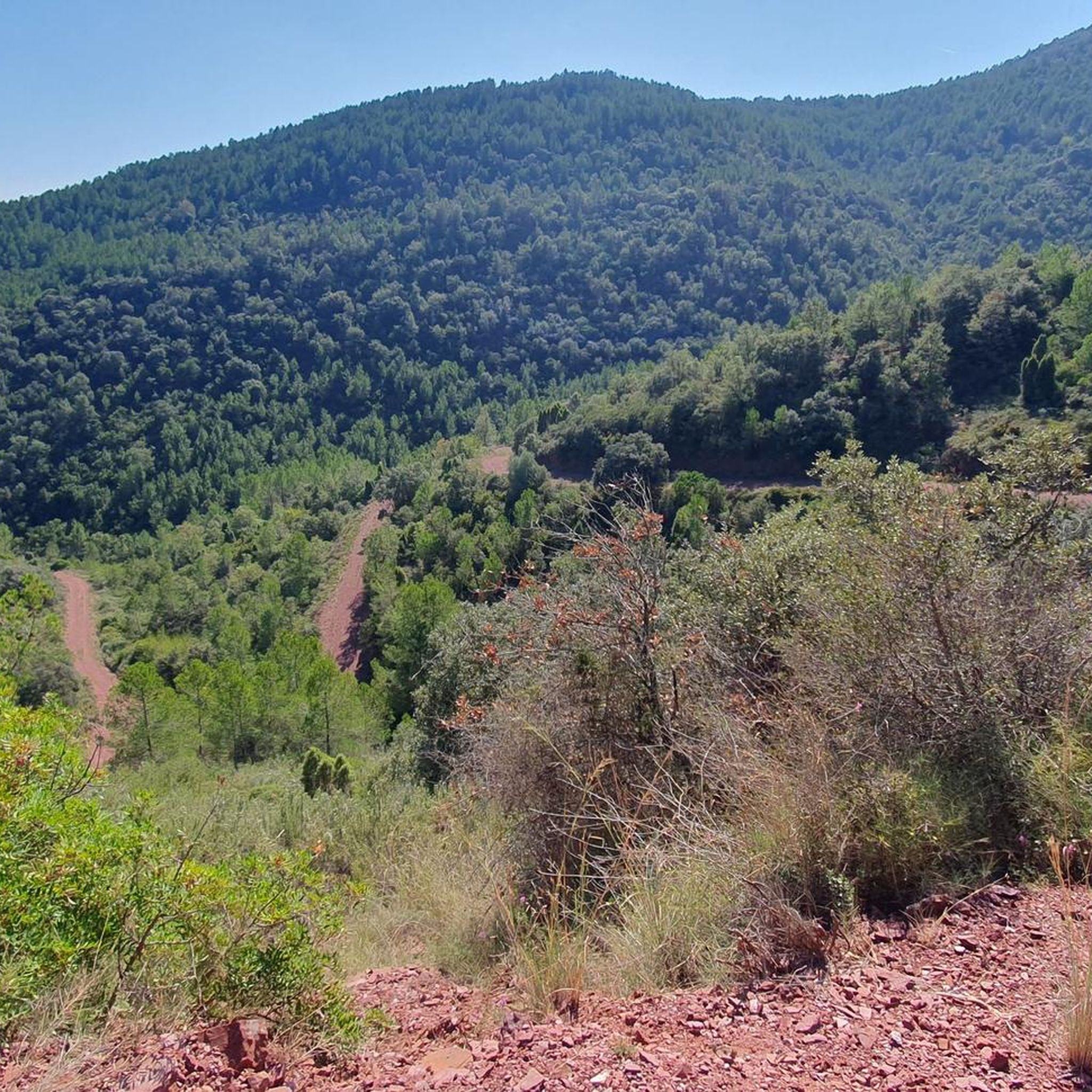
Cycling around Parc Natural de la Serra d'Espadà
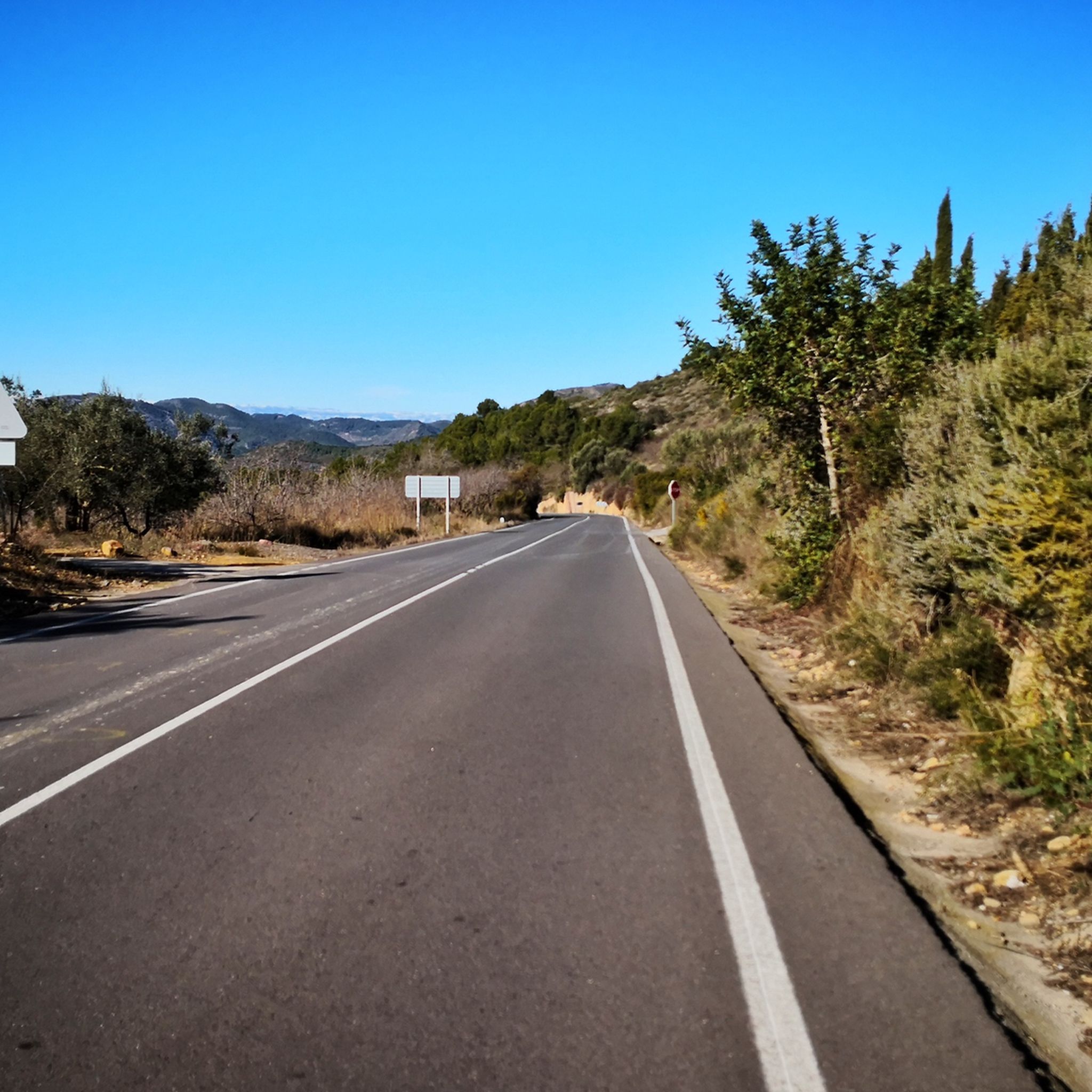
Road Cycling Routes around Parc Natural de la Serra d'Espadà

Gravel biking around Parc Natural de la Serra d'Espadà
Other adventures around Parc Natural de la Serra d'Espadà

Tips from the Community

A very demanding climb from the Val d'Uxo, with the reward of magnificent views
1
0

After the Reconquista, many castles in the region were modified or rebuilt to adapt to Christian styles and needs.
7
0

The Castro Castle, an Arab fortress with an impressive watchtower at a height of about 780 m, was a fundamental bastion of the Moorish resistance at the time of their expulsion. It was taken by the Duke of Segorbe and General Cavanilles after the Castillo de Aín had also fallen. It was also used in the Carlist Wars. The castle covers an area of about 2,000 m2, where two parts can be distinguished: the "Albacar", a fortified refuge for the inhabitants of the towns dependent on the fortress; and on the other side, the castle itself, which presided surrounded by a large keep that was demolished in 1938 during the Civil War. The views are impressively beautiful.
9
0
From Penya Mig dia we have a spectacular panoramic view of a large part of the provinces of Castellón and Valencia.
7
0

A good place to enjoy the sunrise sitting quietly on the bench
5
0

It's about 5 km uphill but it's worth it for the views
1
0

Stunning views and a very nice route.
3
0
Ruins of the Castillo de Castro, a place from where incredible panoramic views of the mountains are obtained, a reward for the effort to climb up there.
8
0
Frequently Asked Questions
What are some of the most prominent mountain peaks in Parc Natural de la Serra d'Espadà?
The Parc Natural de la Serra d'Espadà features several notable peaks. Espadán Peak, also known as Pic d'Espadà, is considered the most prominent due to its topographic significance, offering challenging routes and extensive views. Other high points include La Ràpita (1,106 m) and Alto del Pinar (1,102 m), both providing panoramic vistas of the natural park.
Which mountain peaks offer the best panoramic views in the Serra d'Espadà?
Many peaks in the region provide stunning panoramic views. La Ràpita, as the highest point, offers unparalleled vistas. Espadán Peak provides spectacular views encompassing Alto Palancia, Alto Mijares, L'Alcalatén, Penyagolosa, and the coastal plains. Penya Migdia also offers a spectacular panoramic view of a large part of the provinces of Castellón and Valencia, while Montí Menor provides wide views towards the coast and inland.
Are there any challenging mountain hikes in Parc Natural de la Serra d'Espadà?
Yes, the park offers several challenging routes. The ascent to Espadán Peak is considered demanding, with some technical and rocky sections. Pic d'Espadà can be steep and may include narrow passages requiring assistance from chains. El Puntal also involves a demanding uphill climb, rewarded with magnificent views.
What historical sites can be found near the mountain peaks?
The region is rich in history. Castro Castle, an Arab fortress with an impressive watchtower at approximately 780 meters, is a significant historical site. It played a role in Moorish resistance and the Carlist Wars. Additionally, along the ridge of Pic d'Espadà, hikers can encounter Civil War trenches, adding a historical dimension to the natural experience.
What unique natural features can I explore in the Parc Natural de la Serra d'Espadà?
Beyond its peaks, the park is known for its extensive cork oak forests ('sureres'), which are a defining ecological feature. You can also find impressive rock formations like the Órganos de Benitandús, named for their resemblance to a pipe organ, and the Piedras de Cullera, which offer excellent viewpoints. Numerous natural springs and shady ravines also contribute to the park's beauty.
What types of outdoor activities are available near the mountain peaks of Serra d'Espadà?
The Parc Natural de la Serra d'Espadà offers a variety of outdoor activities. You can find numerous hiking trails, from challenging climbs to intermediate routes. For cyclists, there are extensive road cycling routes and gravel biking trails. Additionally, you can explore waterfall hikes in the surrounding areas.
Are there any family-friendly mountain walks in the Serra d'Espadà region?
While some peaks like Espadán Peak are challenging, the Parc Natural de la Serra d'Espadà offers a range of trails suitable for varying skill levels. Many marked paths allow for easier exploration of its natural beauty. For specific family-friendly options, look for trails with 'easy' or 'moderate' difficulty ratings, often found around natural springs or less steep areas of the cork oak forests.
What is the best time of year to hike the mountain peaks in Serra d'Espadà?
The Parc Natural de la Serra d'Espadà is suitable for hiking for much of the year. Spring and autumn generally offer the most pleasant temperatures for exploring the peaks and trails, with lush vegetation in spring and vibrant colors in autumn. Summers can be hot, especially at lower elevations, while winters are typically mild but can bring cooler temperatures to the higher peaks.
What do visitors enjoy most about the mountain peaks in Parc Natural de la Serra d'Espadà?
Visitors frequently praise the stunning panoramic views from the summits, such as those from Espadán Peak and Penya Migdia. The challenge of reaching the higher points, the rich historical context provided by sites like Castro Castle, and the immersive experience within the extensive cork oak forests are also highly appreciated.
Can I find trails that combine natural beauty with historical elements?
Absolutely. Many routes in the Parc Natural de la Serra d'Espadà offer a blend of natural beauty and historical significance. For instance, hiking to Castro Castle provides breathtaking scenery alongside insights into the region's past. The ascent to Pic d'Espadà also allows you to encounter Civil War trenches along its ridge, combining a challenging natural experience with historical exploration.
Are there any specific viewpoints recommended for sunrise or sunset?
While specific sunrise/sunset recommendations are not detailed for all peaks, Penya Migdia is noted as a good place to enjoy the sunrise. Generally, any peak offering expansive, unobstructed views, such as La Ràpita or Espadán Peak, would provide spectacular opportunities for viewing the sunrise or sunset over the landscape.
Most popular routes around Parc Natural de la Serra d'Espadà
Most popular attractions around Parc Natural de la Serra d'Espadà

Get inspired with the komoot mobile app


Explore more
See even more amazing summits around Parc Natural de la Serra d'Espadà with these guides:
