Top 5 Caves around National Park Arrábida
Best caves around National Park Arrábida are located within a region defined by limestone mountains and a coastline shaped by marine erosion. This natural park features diverse geological formations, including sea caves and karstic cavities. The area also holds cultural significance, with historical sites and evidence of ancient human occupation found in some cave systems. These natural features offer varied exploration opportunities for visitors.
Best caves around National Park Arrábida
- The most popular caves is Lapa de Santa Margarida Cave and Chapel, a cave that features a Christian altar inside. This site offers a blend of natural formations and cultural history.
- Another must-see spot is Marmitas dos Gigantes, a natural monument with large potholes carved by water erosion. Underneath the largest pothole, a sub-basement cave awaits exploration.
- Visitors also love Lapa da Santinha, a cave offering expansive panoramic views. This location provides a challenging path to a rewarding viewpoint.
- National Park Arrábida is known for sea caves, karstic cavities, and artificial burial caves. The region offers a variety of cave types to explore, from natural formations to historical sites.
- The caves around National Park Arrábida are appreciated by the komoot community, with over 28 upvotes and 42 photos shared.
Last updated: June 28, 2026
Lapa de Santa Margarida Cave and Chapel
Highlight • Cave
Tip by

Marmitas dos Gigantes
Highlight • Natural Monument
And the final surprise? Underneath the largest of the potholes, there is a mysterious cave, a real sub-basement waiting to be explored.
Translated by Google •
Tip by

Sign up now to discover places like this
Get recommendations on the best single tracks, peaks, & plenty of other exciting outdoor places.
Sign up for free
Lapa da Santinha
Highlight • Cave
Translated by Google •
Tip by

Cave With Ocean View in Parque Natural da Arrábida
Highlight • Cave
But please be very careful, the path is unpaved.
Translated by Google •
Tip by
Artificial caves of Casal do Pardo
Highlight • Historical Site
The four artificial caves at Quinta do Anjo are funerary monuments with unique characteristics, dating back to the Final Neolithic (around 4,500 years ago) and which continued to be used as collective burial sites during the Copper Age.
They were excavated in the rock to form circular compartments, which are accessed via a corridor and an antechamber.
Translated by Google •
Tip by

Sign up for free to discover even more caves around National Park Arrábida.
Sign up for free
Already have an account?
Start today with a free account
Your next adventure awaits.
Login or Signup
Popular around National Park Arrábida
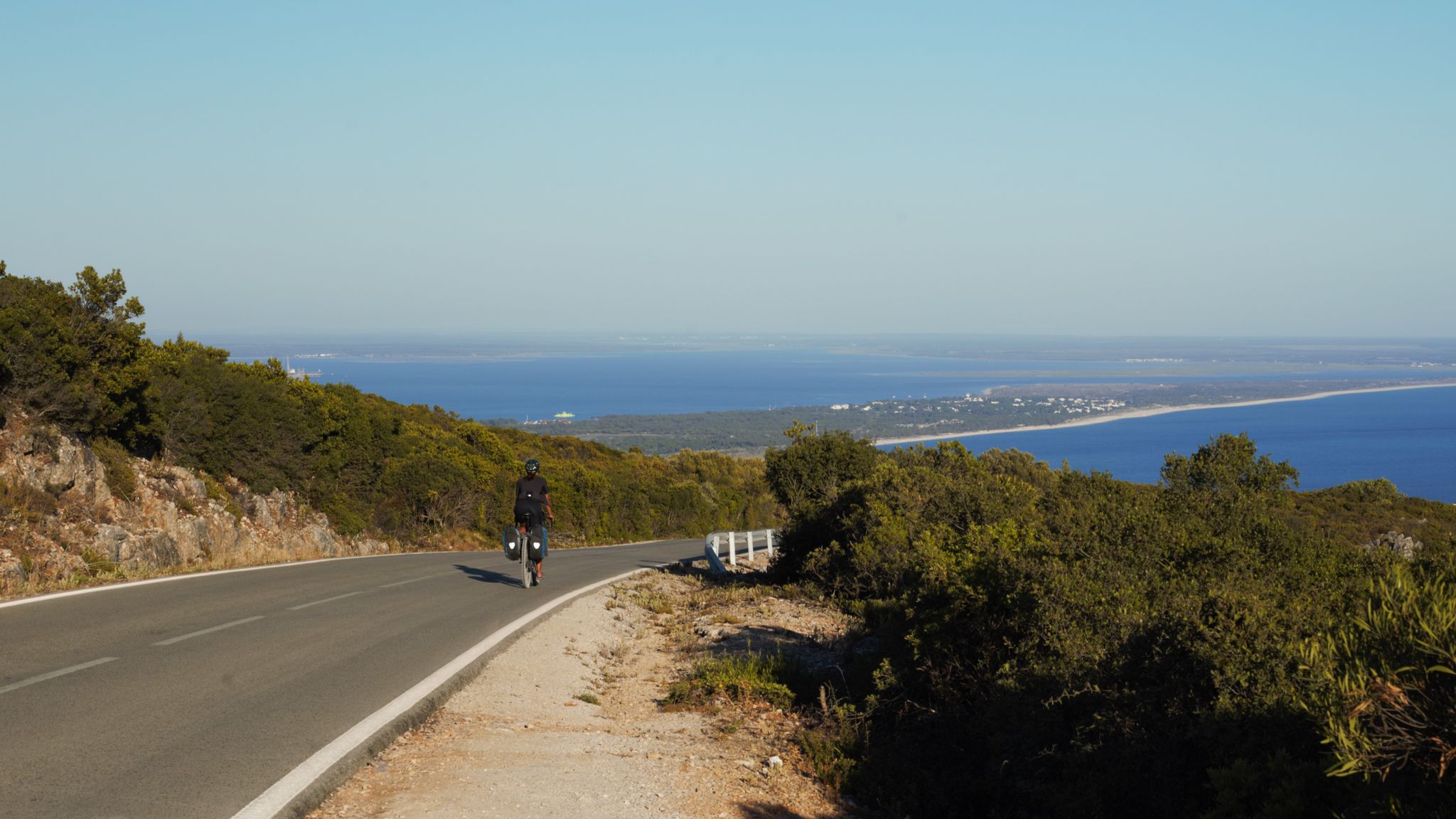
The breaking waves – cycle along the Atlantic coast of Portugal
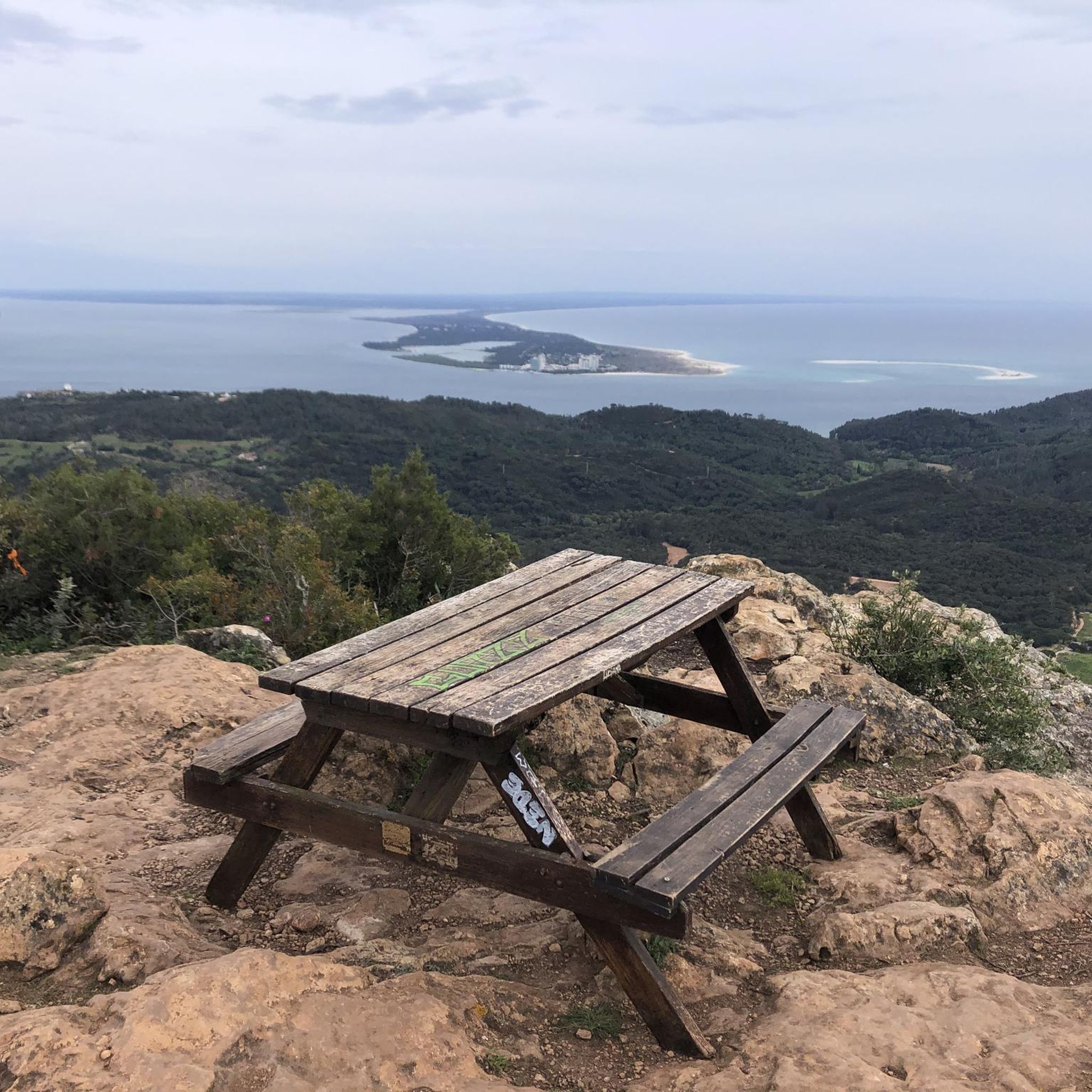
Hiking around National Park Arrábida
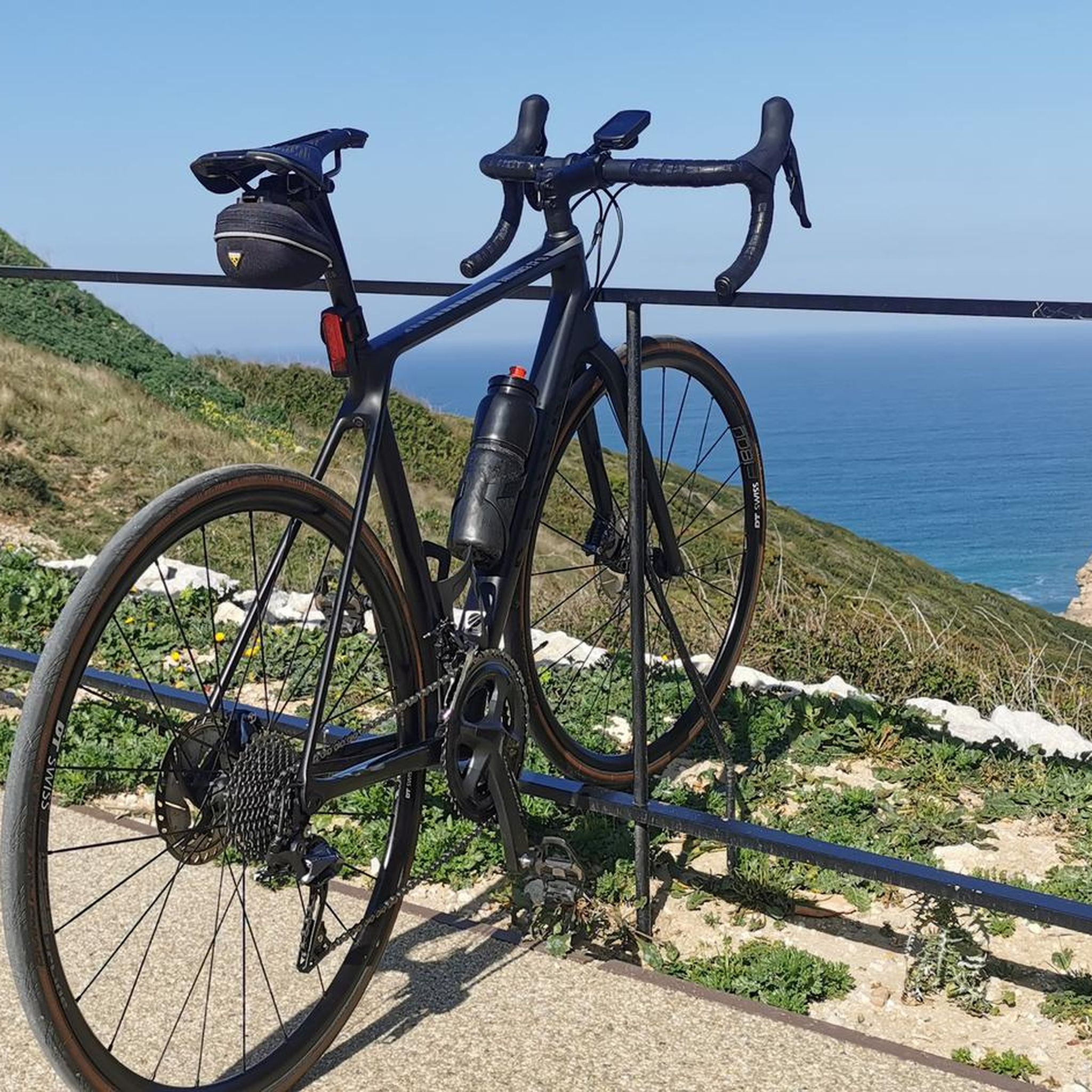
Road Cycling Routes around National Park Arrábida
Running Trails around National Park Arrábida
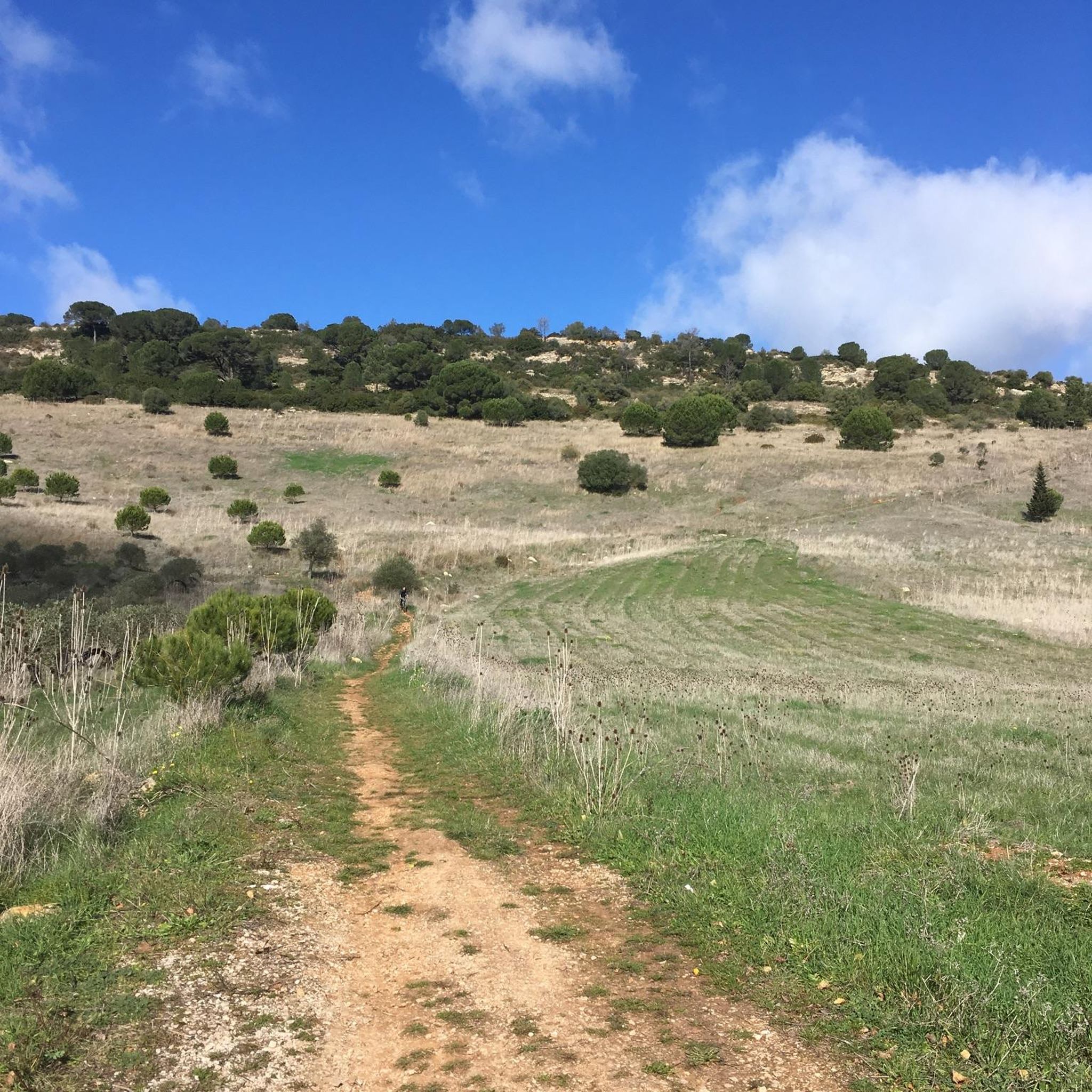
MTB Trails around National Park Arrábida
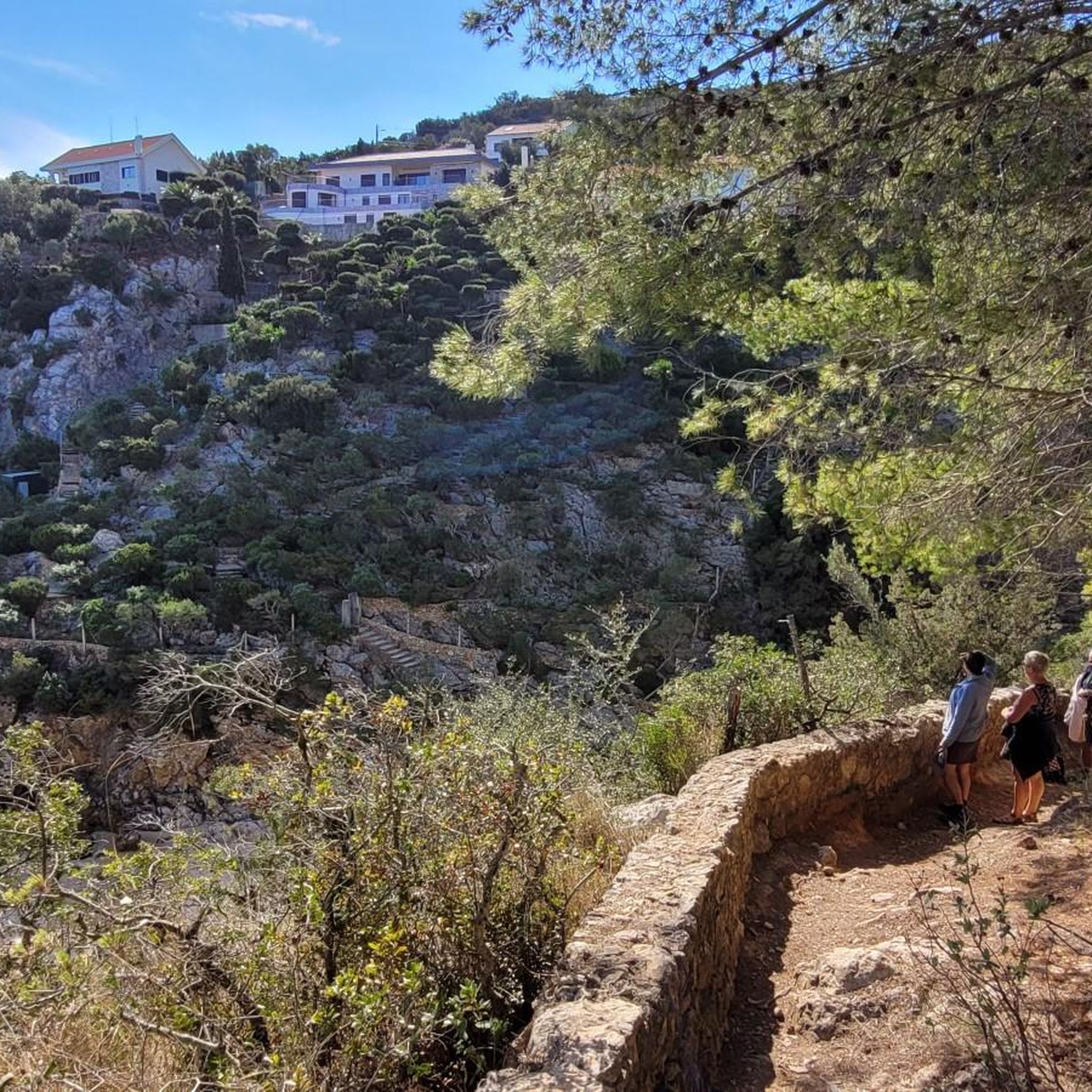
Cycling around National Park Arrábida

Gravel biking around National Park Arrábida
Other adventures around National Park Arrábida

Tips from the Community

The chapel was probably built in the 17th or perhaps 18th century, as a place of Christian worship that, most likely, succeeded other previous cults, namely those related to water or even initiation rites linked to the idea of the rebirth of the soul.
4
0
Lapa de Santa Margarida is a natural grout at the base of Arrábida Mountain, where a small altar was erected. The access is done by a narrow path, with over 200 steps, until the sea level. Inside there is a Christian altar with some images and candles. The image of Saint Margaret was initially in this chapel, thus having given her name to this place.
4
0
One of the most important remains of prehistory is a set of four artificial caves, excavated in the rock, which served as collective burial places for the people of the region for around 1,000 years during the Chalcolithic Period (Copper Age). The deceased was placed – in the foetal position, accompanied by a series of ceremonies and offerings – inside the tomb, which, due to its shape, imitated a mother's womb, symbolising a return to the origin of life and a tribute to fertility. The four artificial caves at Quinta do Anjo are funerary monuments with unique characteristics, dating back to the Final Neolithic (around 4,500 years ago) and which continued to be used as collective burial sites during the Copper Age. They were excavated in the rock to form circular compartments, which are accessed via a corridor and an antechamber.
5
0

A very small but interesting cave that's not difficult to reach. But please be very careful, the path is unpaved.
4
0
Absolutely fantastic panorama but be careful very dangerous path near the abyss and the path is unpaved
2
0

The Giants' Potholes are natural sculptures carved by the force of water over millennia. When the current flows strongly, it carries sediments that, in a whirlwind, wear away the limestone rock, opening up grooves and cavities. Over time, these depressions become enormous: the largest reaches an impressive six metres deep and up to twelve metres in diameter. And the final surprise? Underneath the largest of the potholes, there is a mysterious cave, a real sub-basement waiting to be explored.
1
0


Beautiful view of the sea. Inhabits a small altar, which is somehow mysterious.
1
0
Frequently Asked Questions
What historical or cultural significance do the caves in Arrábida Natural Park hold?
The caves in Arrábida Natural Park offer a rich blend of history and culture. For instance, the Lapa de Santa Margarida Cave and Chapel features a Christian altar believed to have been built between the 17th and 18th centuries. Additionally, the Artificial caves of Casal do Pardo served as collective burial sites during the Chalcolithic Period, dating back around 4,500 years.
Are there any caves with religious significance in the region?
Yes, several caves have religious significance. The Lapa de Santa Margarida Cave and Chapel houses a Christian altar dedicated to Saint Margaret, Our Lady of Conception, and Saint Anthony. Another notable site is the Cave Shrine of RUGS, which features an altar and was reportedly used for masses during World War I.
What kind of geological formations can be found in Arrábida's caves?
Arrábida's caves showcase diverse geological formations, primarily due to the region's limestone mountains and marine erosion. You can find sea caves, karstic cavities, and unique features like the large potholes at Marmitas dos Gigantes, which were carved by water over millennia and include a sub-basement cave. Caving enthusiasts can explore systems with multiple levels, shafts, and galleries, revealing the effects of water erosion.
Are there opportunities for caving (speleology) in Arrábida Natural Park?
Yes, the limestone mountains of Arrábida Natural Park are home to over 100 caves, many popular for caving. Systems like Gruta do Médico and Lapa Verde offer guided tours where you can explore underground galleries, climb, and crawl through passages. These experiences are typically led by qualified guides and are suitable for both beginners and experienced adventurers.
What is the difficulty level for accessing these caves?
Access difficulty varies. Some caves, like Lapa de Santa Margarida Cave and Chapel, involve a demanding path with over 200 steps to reach sea level. Lapa da Santinha also presents a challenging path near an abyss. Caving expeditions into Gruta do Médico or Lapa Verde can involve climbing and crawling through narrow passages, requiring a certain level of physical fitness.
Are there any caves with panoramic viewpoints?
Yes, the region offers caves with rewarding views. The access path to Lapa de Santa Margarida Cave and Chapel leads to a viewpoint before reaching the entrance, offering picturesque scenery. Additionally, Lapa da Santinha is known for its absolutely fantastic panorama, though the path can be challenging.
What outdoor activities can I do near the caves in Arrábida Natural Park?
The area around Arrábida Natural Park offers a variety of outdoor activities. You can find numerous routes for cycling, including easy and difficult options. There are also extensive running trails, such as the 'Complete Crossing of Serra da Arrábida'. For those preferring a more relaxed pace, there are many easy hikes, like the 'Chapel of São Luís da Serra loop'.
What is the best time to visit the caves in Arrábida?
The Arrábida Natural Park is generally pleasant to visit during spring and autumn when the weather is milder. For caving, conditions can be more consistent year-round, but it's always advisable to check local weather forecasts, especially for sea caves or those with demanding outdoor access, to ensure safe conditions.
Do I need permits for cave exploration in Arrábida?
For organized caving (speleology) tours, you will typically go with qualified guides and instructors, often accredited by the Portuguese Caving Federation, who will handle any necessary permits or access arrangements. For general visits to more accessible caves, specific permits might not be required, but it's always best to check local regulations or with park authorities, especially for sensitive or protected sites.
What should I wear for caving in Arrábida?
For caving, it's recommended to wear comfortable clothing that you don't mind getting dirty, as you might be crawling or climbing. Layers are often a good idea as cave temperatures can be cooler. Sturdy, closed-toe shoes with good grip are essential. If you're on a guided tour, equipment like helmets and headlamps will usually be provided.
Are there any caves known for unique natural features?
Beyond the general geological formations, the Gruta da Ribeira do Cavalo is notable for its dual entrances and being subject to marine abrasion, offering an interesting natural exploration. Lapa Verde, popular for caving, is known for revealing an 'underground beach' within the park, showcasing the unique effects of water erosion.
What do visitors enjoy most about the caves in Arrábida Natural Park?
Visitors appreciate the blend of natural wonder and historical intrigue. The mystical ambiance of places like Lapa de Santa Margarida Cave and Chapel, with waves crashing against the rocks, is often highlighted. The challenging paths leading to rewarding panoramic views, such as at Lapa da Santinha, are also a favorite. The archaeological significance of sites like Gruta da Ribeira do Cavalo and the unique geological formations like Marmitas dos Gigantes also draw considerable interest.
Most popular routes around National Park Arrábida
Most popular attractions around National Park Arrábida

Get inspired with the komoot mobile app


Explore more
Extend your search for the best caves by checking out these guides of the top ones around National Park Arrábida:
