Top 18 Gorges around Kaisergebirge (Naturschutzgebiet)
Best canyons around Kaisergebirge (Naturschutzgebiet) are found within this protected area of over 92 square kilometers in Tyrol, Austria. The region is characterized by dramatic mountain landscapes, rugged peaks, and deep valleys. These natural features are primarily enjoyed through hiking and climbing, offering diverse terrain for exploration. The area includes impressive mountain valleys and alpine passages, providing both scenic beauty and challenging routes.
Best canyons around Kaisergebirge (Naturschutzgebiet)
- The most popular canyons is Kaiserbach Valley, a gorge where the…
Last updated: July 12, 2026
Kaiserbach Valley
Highlight • Gorge
Translated by Google •
Tip by

Hausbach Waterfall and Stream (Kaiser Mountains)
Highlight • Waterfall
Translated by Google •
Tip by

Sign up now to discover places like this
Get recommendations on the best single tracks, peaks, & plenty of other exciting outdoor places.
Sign up for free
Sparchenklamm Gorge
Highlight (Segment) • Gorge
Translated by Google •
Tip by

Steinerne Rinne
Highlight • Gorge
Translated by Google •
Tip by

Kübelkar Trail
Highlight • Trail
Translated by Google •
Tip by

Sign up for free to discover even more gorges around Kaisergebirge (Naturschutzgebiet).
Sign up for free
Already have an account?
Start today with a free account
Your next adventure awaits.
Login or Signup
Popular around Kaisergebirge (Naturschutzgebiet)
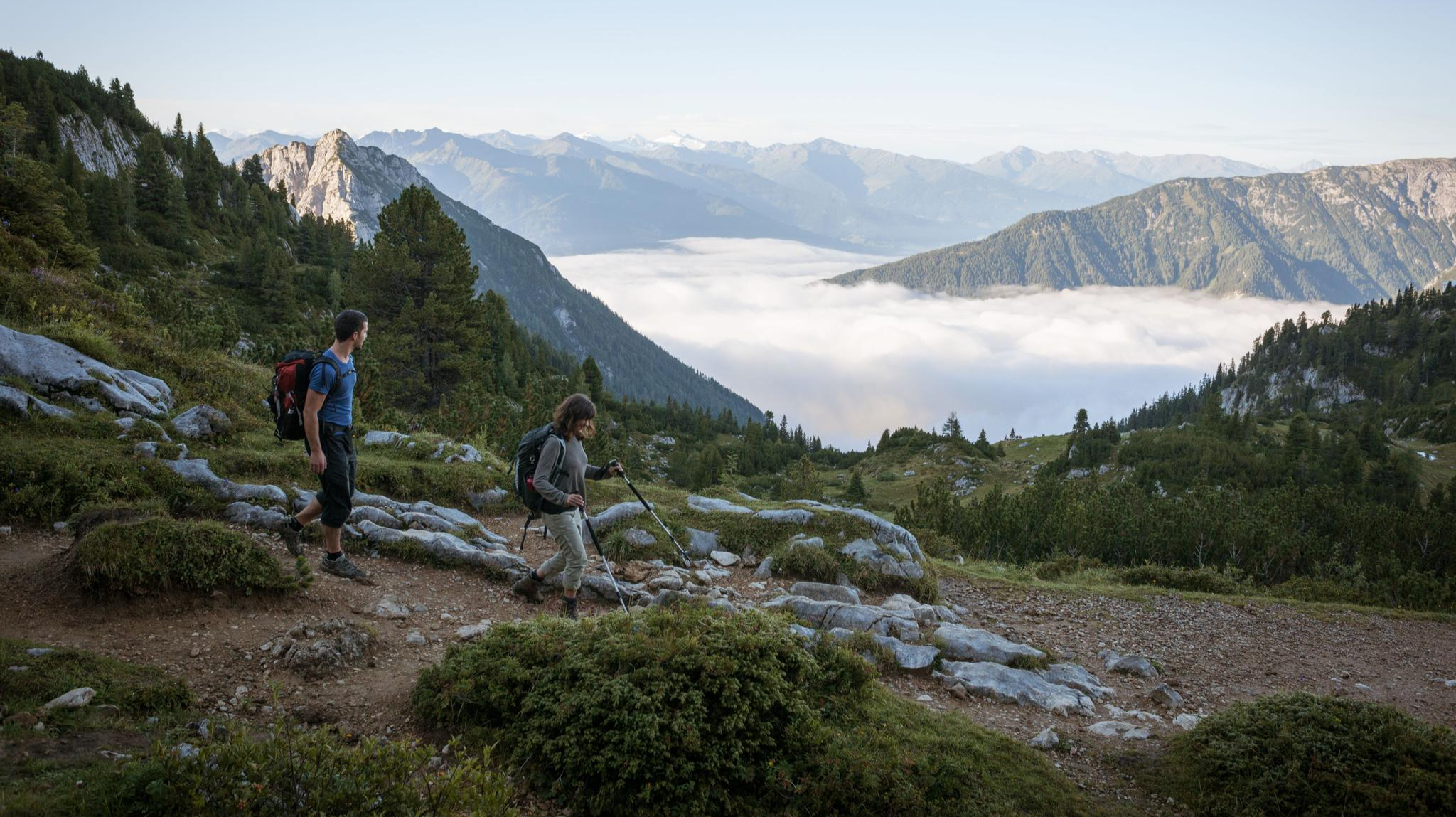
Eagle Walk – Majestic hiking along Tirol's trail
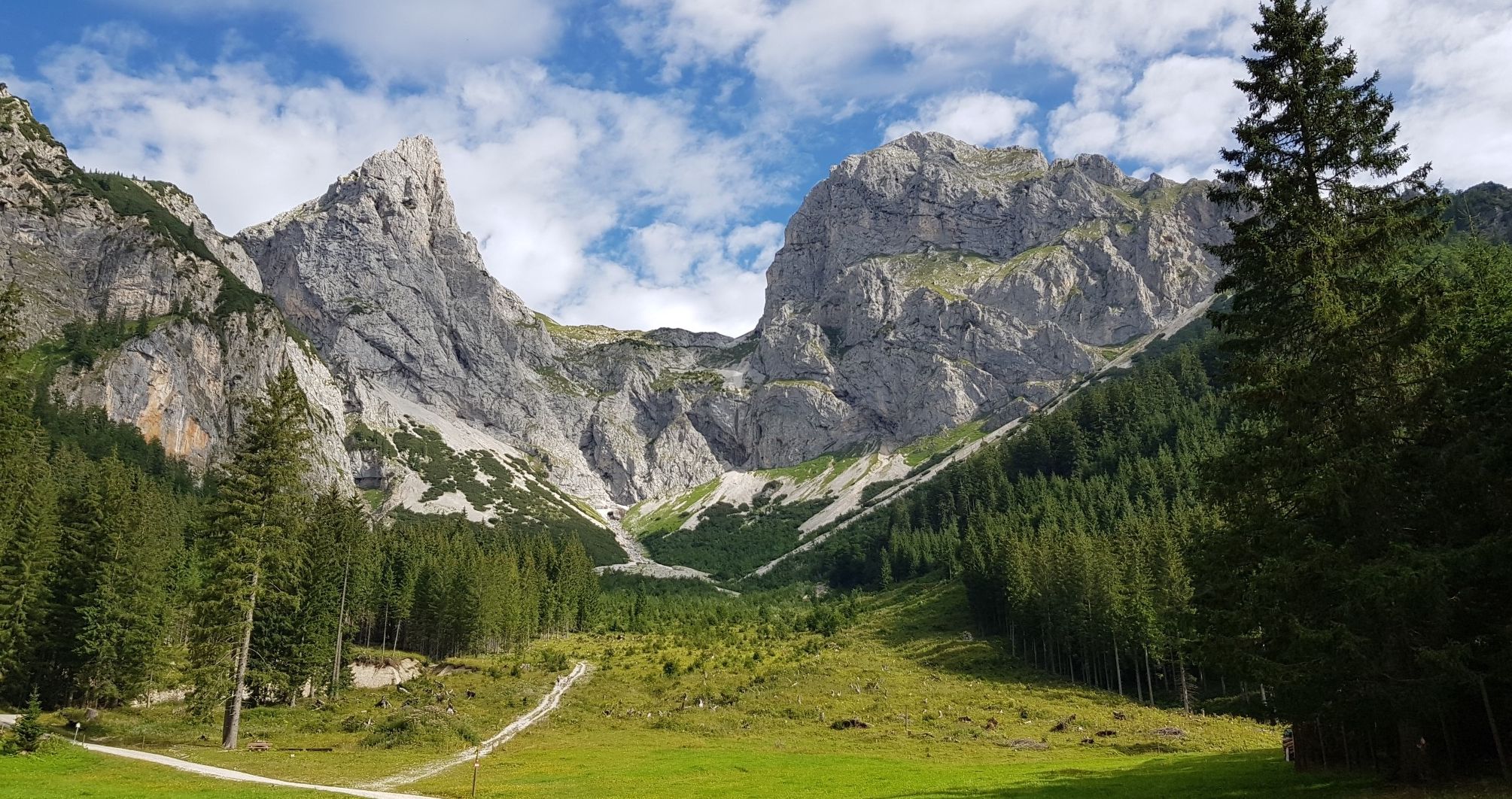
North Alpine Trail 01 – Hike across Austria in 49 days
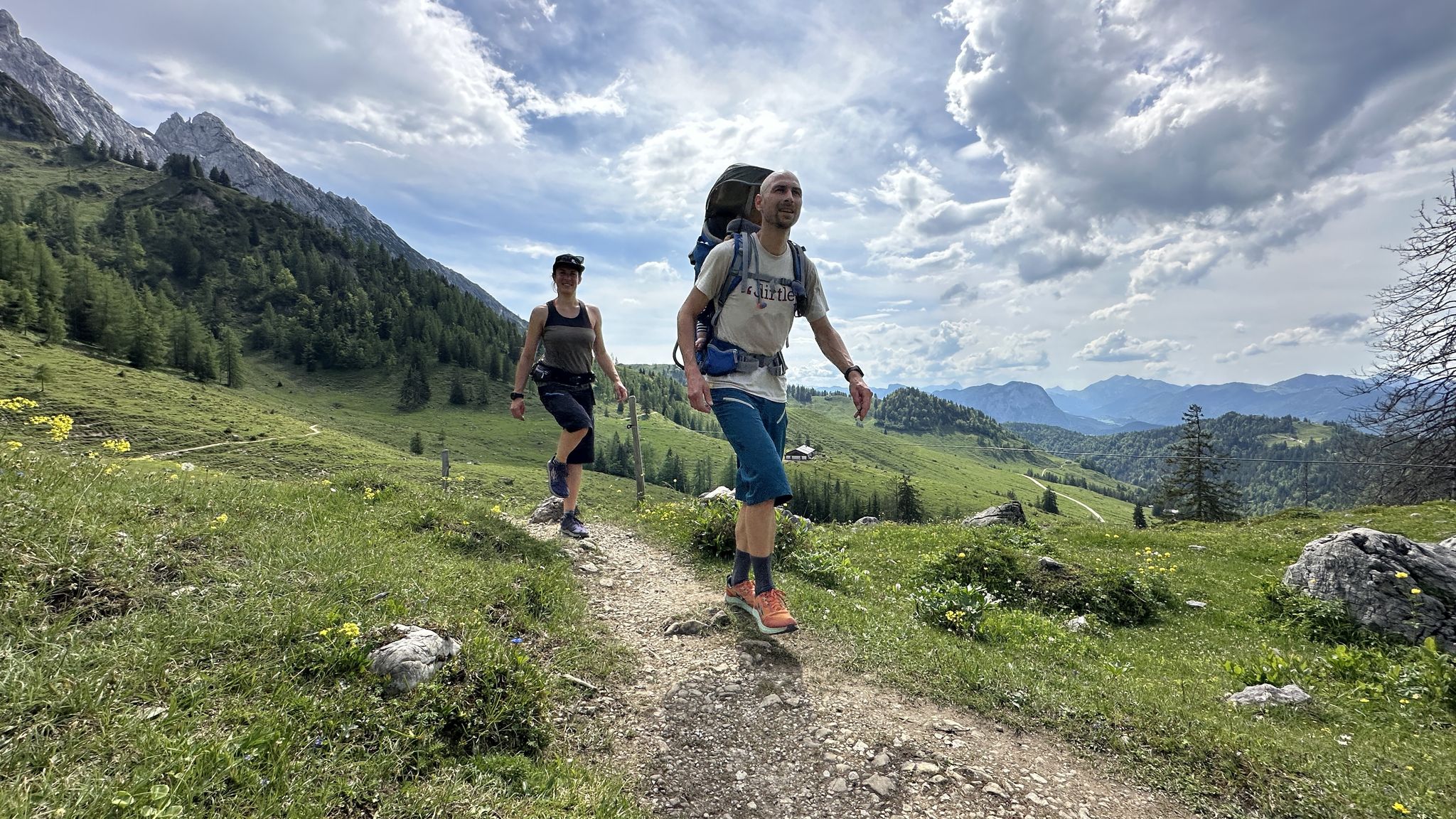
Cooling off in summer – cool water and wide views in Kufsteinerland
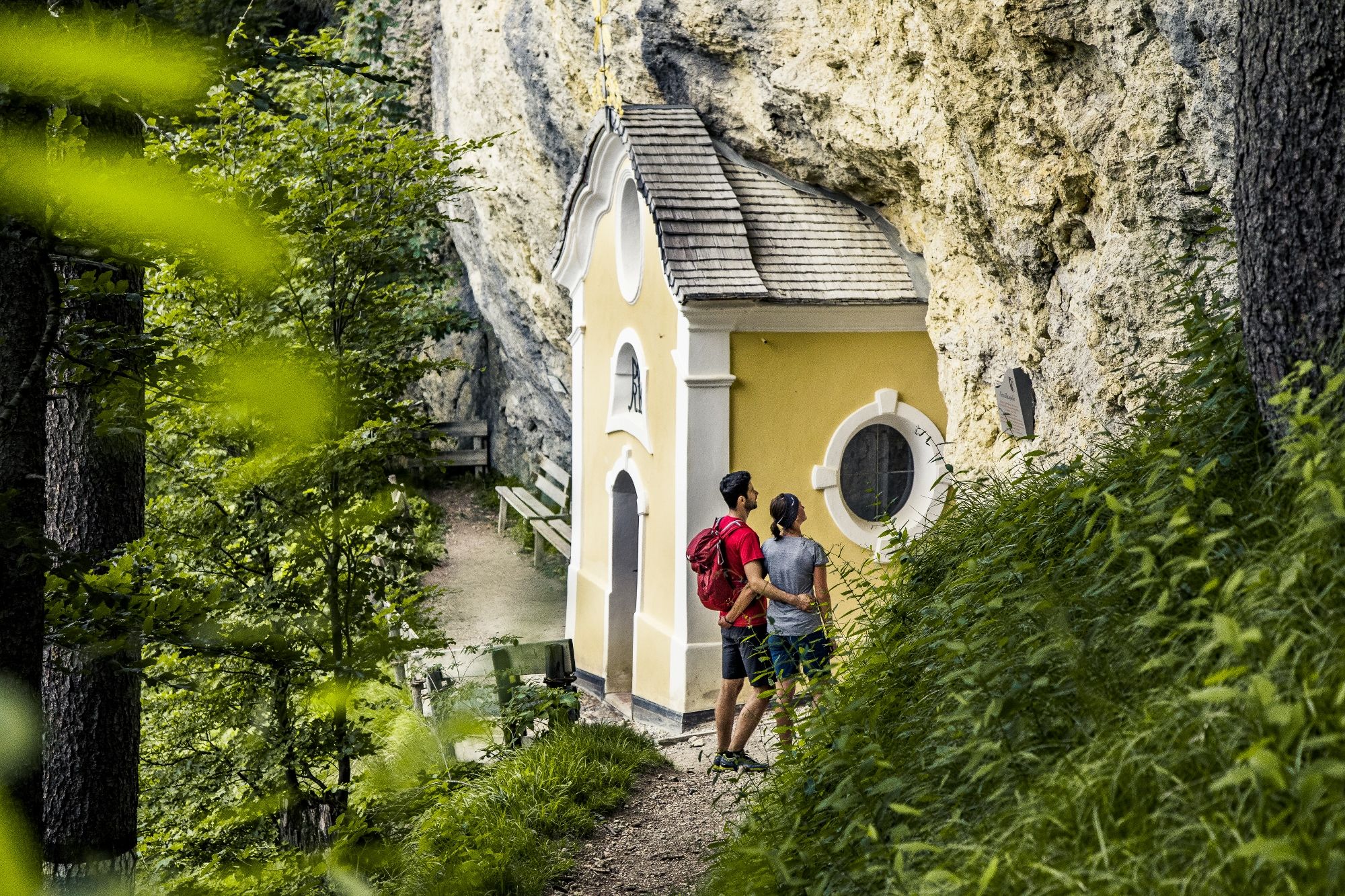
Places of worship in the Kitzbühel Alps – chapel hikes in St. Johann in Tirol
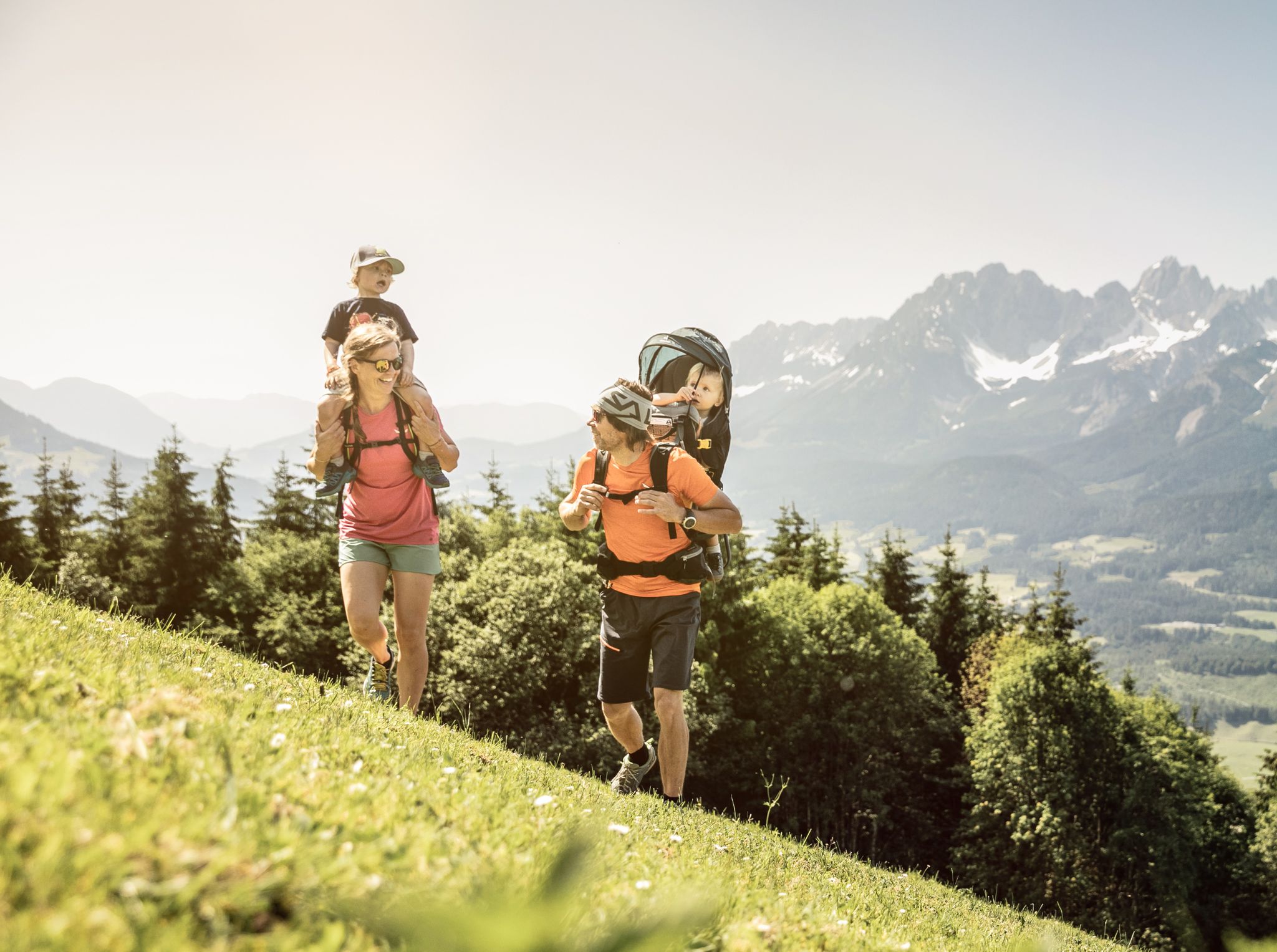
Exciting family hikes in St. Johann in Tirol
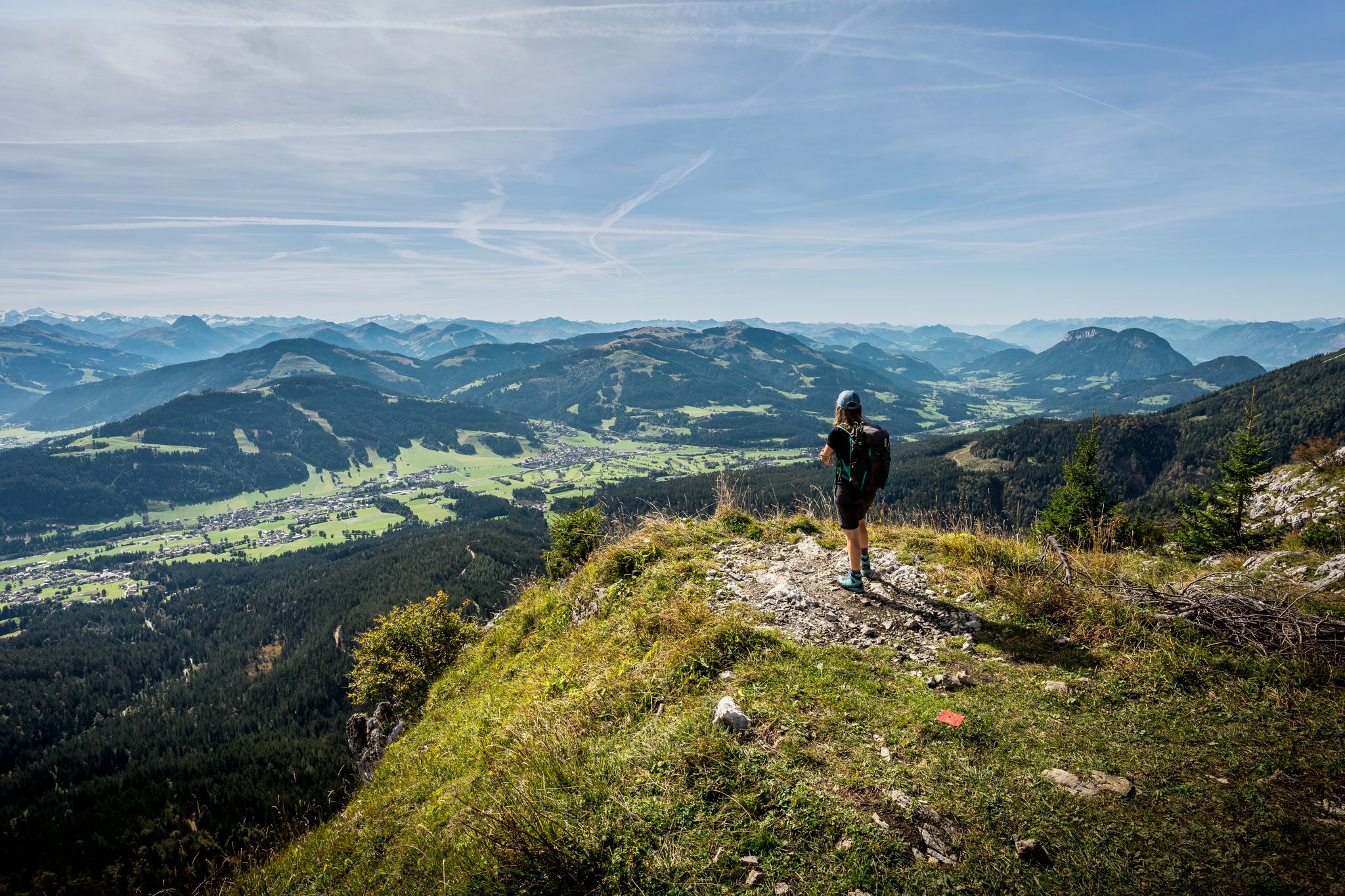
Three-day tour below the Wild Emperor
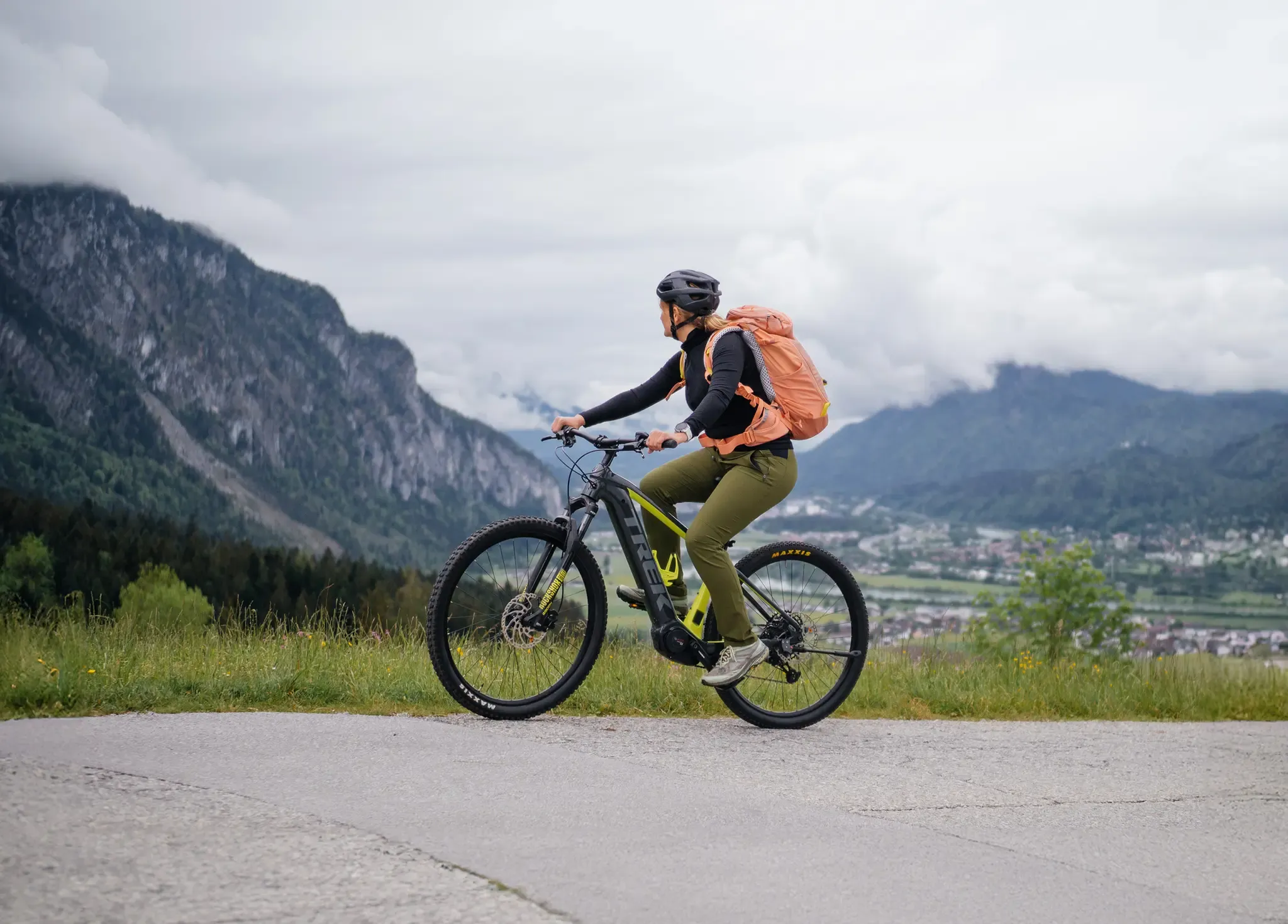
Gateway to the Tyrolean Alps – Bike & Hike in Kufsteinerland
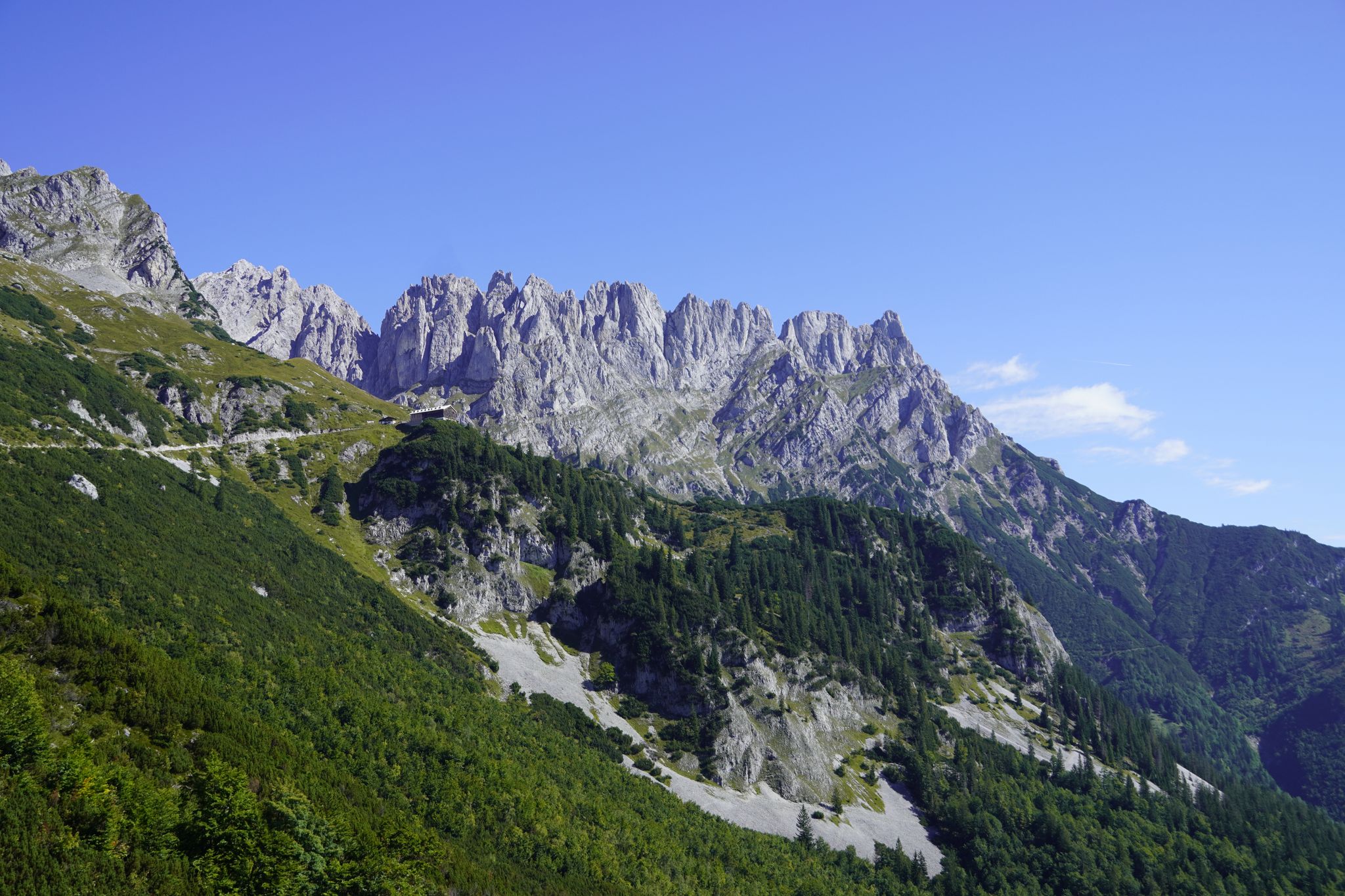
Outstandingly beautiful – three days hiking in the Kaiser Mountains
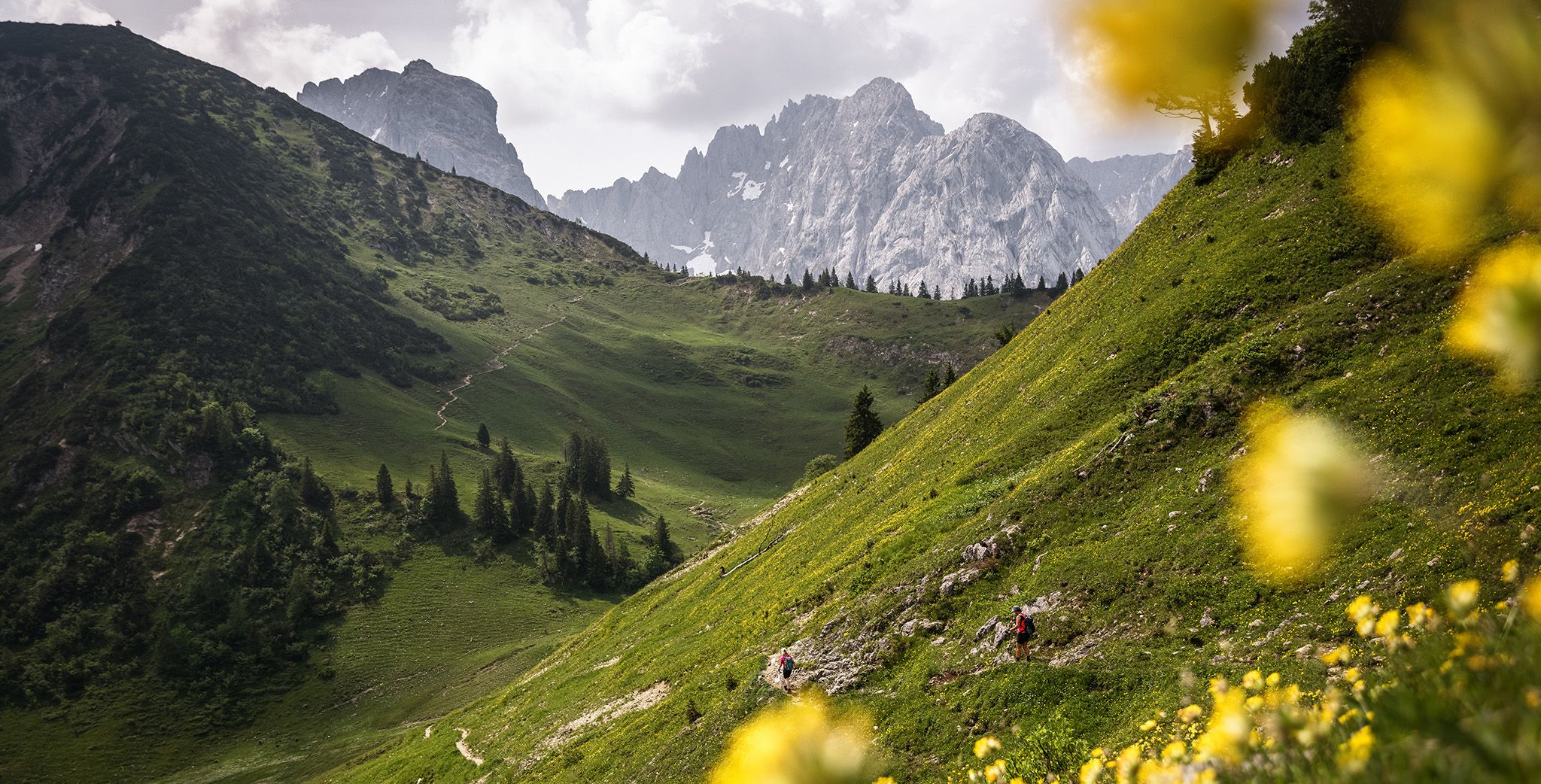
In and around the Kaiser Mountains – hiking in Kufsteinerland
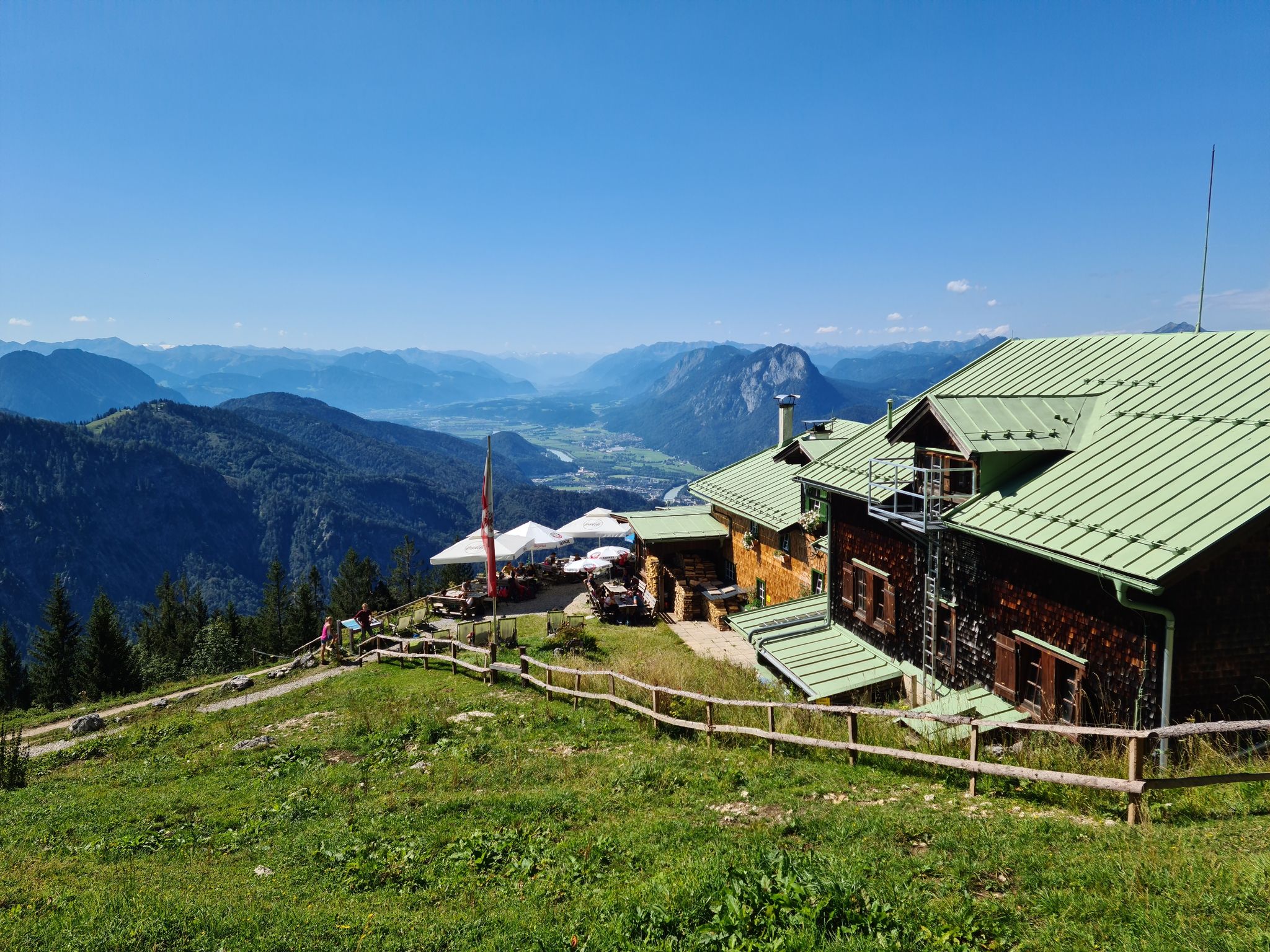
Hike hut to hut – 4 days on the Kaisertour
Other adventures around Kaisergebirge (Naturschutzgebiet)


Tips from the Community

Nice little hike with many impressions
0
0

The Kaisertal stretches eastwards from Kufstein in the Lower Inn Valley and separates the Wilder Kaiser in the south from the Zahmer Kaiser in the north.
1
0
Somewhat hidden between the Kaisertal valley and Kufstein's city mountain lies a cave, the Tischofer Cave. This moderately difficult hike covers approximately 250 meters of elevation gain on some narrow trails. You can take a circular hike from Kufstein, which takes about 1.5 hours, or you can combine the hike with the path to the Kaisertal valley, from where there's a branch. This is what we did: From Kufstein, we climbed the Kaiseraufstieg trail and, on the way back from our Kaisertal hike, we descended to the Tischofer Cave. Scientists have found the remains of 380 bears here. They lived in the cave above Kufstein. The cave, which is approximately 40 meters long, 20 meters wide at the entrance, and 8.5 meters high, was used by animals in the Stone Age, as excavated bone remains attest. Cave bear bones predominate, with 380 specimens, while foxes (12), ibex (9), wolves (6), reindeer (3), cave hyenas (2), and cave lions (1), chamois, and marmots (1) each are represented. Some animals were hunted by humans. The finds of tools from The cave can be reached on foot from the Kaiseraufstieg in the Kaisertal valley via a path secured with a wire railing. It is registered in the Tyrolean cave register under number 1312/001. Simply impressive
1
0

Especially in hot weather a very nice detour
0
0


On the way from the Kaiserbachtal hiking car park, you have a great view of the Kaisertalbach, which you can hear rushing wonderfully on the first section and the way back.
0
0

Beautiful, partly secured path up towards Ellmauer Tor.
3
1

It's a nice walk through the fairly wide cirque up to the Ellmauer Tor. Don't forget to enjoy the view every now and then! A few sections are rope-insured.
5
0
Frequently Asked Questions
What kind of natural features are referred to as 'canyons' in Kaisergebirge (Naturschutzgebiet)?
In Kaisergebirge (Naturschutzgebiet), the term 'canyons' primarily refers to impressive gorge-like formations and deep valleys, which are best explored through hiking and climbing. These are natural features like the Kaisertal, renowned for its scenic beauty and hiking trails, and the Steinerne Rinne, a dramatic alpine passage for experienced mountaineers. While the broader Wilder Kaiser region offers adventure canyoning, within the nature reserve itself, the focus is on exploring these natural gorges on foot.
Are there family-friendly options for exploring the gorges in Kaisergebirge (Naturschutzgebiet)?
Yes, several gorges and valleys are suitable for families. The Kaiserbach Valley offers an easy hiking trail that is even suitable for strollers, with inns along the way for breaks. The Hausbach Waterfall and Stream also provides a beautiful, easy gorge experience suitable for the whole family, though it is not barrier-free.
What are some challenging gorge trails for experienced hikers in the region?
For experienced hikers seeking a challenge, the Klamml Trail (Kaiser Mountains) is a scenic and sometimes steep path, well-secured but not recommended for young children. Another demanding option is the Großes Griesner Kar, a challenging gorge offering a fantastic valley experience with dramatic alpine scenery and a sense of tranquility. The Steinerne Rinne, a significant alpine passage, also offers demanding mountaineering routes for those with alpine experience.
What is the best time of year to visit the gorges and canyons in Kaisergebirge (Naturschutzgebiet)?
The best time to visit for hiking and exploring the gorges is generally from late spring to early autumn, typically from early June to mid-September. During this period, the weather is more stable, and trails are usually free of snow. For adventure canyoning in the broader Wilder Kaiser region, tours also typically run within this timeframe.
Are there any historical or geological points of interest within the gorges?
Yes, the Sparchenklamm Gorge is home to the Tischofer Cave, a significant historical and geological site. This cave has yielded remains of 380 cave bears and other animals, along with tools from the Stone Age, making it an impressive natural monument with a rich past. You can reach it via a moderately difficult hike from Kufstein or as a branch from the Kaisertal valley.
What outdoor activities can I do near these gorges and canyons?
Beyond exploring the gorges themselves, the Kaisergebirge (Naturschutzgebiet) region offers a wide range of outdoor activities. You can find numerous easy hikes, challenging gravel biking routes, and scenic road cycling tours. For more details on routes, you can explore guides like Easy hikes around Kaisergebirge (Naturschutzgebiet), Gravel biking around Kaisergebirge (Naturschutzgebiet), and Road Cycling Routes around Kaisergebirge (Naturschutzgebiet).
What do visitors enjoy most about the gorges in Kaisergebirge (Naturschutzgebiet)?
Visitors frequently praise the dramatic mountain landscapes, the sense of tranquility, and the unique alpine experiences. For instance, the Großes Griesner Kar is noted for its 'utter tranquility' and 'dramatic alpine scenery,' offering a meditative experience away from cellular reception. The Klamml Trail is appreciated for its scenic beauty and the rewarding feeling of overcoming its challenging sections.
Is adventure canyoning (with abseiling, jumping, sliding) available in the Kaisergebirge Nature Reserve?
While the Kaisergebirge Nature Reserve is known for its hiking and climbing gorges, the recreational adventure sport of canyoning (involving abseiling, jumping, and sliding through water-filled gorges) is primarily offered by tour operators in the broader Wilder Kaiser region and surrounding areas like Kitzbühel-Kaiserwinkl. These guided tours typically take place in specific 'spectacular gorges' and 'wild waters' outside of the well-known hiking features like Kaisertal or Steinerne Rinne.
Are there any circular hiking paths that include gorges in the Kaisergebirge (Naturschutzgebiet)?
Yes, you can create circular hikes that incorporate some of the gorges. For example, the Sparchenklamm Gorge and Tischofer Cave can be part of a circular hike starting from Kufstein, taking about 1.5 hours. This can also be combined with a visit to the Kaisertal valley.
What amenities are available near the gorges, such as cafes or places to rest?
In areas like the Kaiserbach Valley, you'll find inns that invite you to take a break during your hike. For more remote and challenging areas like Großes Griesner Kar, amenities are scarce, with places like the Fritz Pflaum Hütte offering overnight stays, but generally without cellular reception, emphasizing a profound sense of wilderness.
Are dogs allowed on the trails through the gorges in Kaisergebirge (Naturschutzgebiet)?
While specific leash laws for every gorge are not detailed, dogs are generally welcome on many hiking trails in the Kaisergebirge (Naturschutzgebiet). However, for challenging trails like the Klamml Trail, which can be steep and exposed, it's advisable to assess if it's suitable for your dog's abilities and safety. Always keep dogs on a leash in nature reserves to protect wildlife and ensure their safety.
Most popular routes around Kaisergebirge (Naturschutzgebiet)
Most popular attractions around Kaisergebirge (Naturschutzgebiet)

Get inspired with the komoot mobile app


Explore more
Already discovered everything in this region? See additional gorges around Kaisergebirge (Naturschutzgebiet) for your next adventure:
