Top 13 Castles around the Maround thecio
Best castles around the Mincio are found in a picturesque river valley flowing from Lake Garda, a region rich in history and strategic importance. This area is home to numerous captivating castles and fortified structures, many bearing the influence of the Scaligeri family. These historical sites offer insights into medieval military architecture and often provide panoramic views of the Mincio Valley. The Mincio region combines cultural heritage with a scenic natural landscape.
Best castles around the Mincio
- The most popular…
Last updated: June 28, 2026
Peschiera del Garda: Fortifications and Canals
Highlight • Historical Site
Translated by Google •
Tip by

Castello di San Giorgio (Mantua)
Highlight • Castle
Translated by Google •
Tip by

Sign up now to discover places like this
Get recommendations on the best single tracks, peaks, & plenty of other exciting outdoor places.
Sign up for free
Ducal Palace, Mantua
Highlight • Castle
Translated by Google •
Tip by

Ducal Palace of Mantua
Highlight • Historical Site
Translated by Google •
Tip by

Mantua
Highlight • Settlement
Translated by Google •
Tip by

Rocca di Sparafucile
Highlight • Historical Site
Translated by Google •
Tip by
Ponti sul Mincio Castle
Highlight • Castle
Translated by Google •
Tip by

San Giorgio Castle, Mantua
Highlight • Castle
Translated by Google •
Tip by

Matilda Tower of Governolo
Highlight • Monument
Translated by Google •
Tip by

Monzambano Castle
Highlight • Castle
Translated by Google •
Tip by

Sign up for free to discover even more castles around the Maround thecio.
Sign up for free
Already have an account?
Start today with a free account
Your next adventure awaits.
Login or Signup
Popular around Mincio
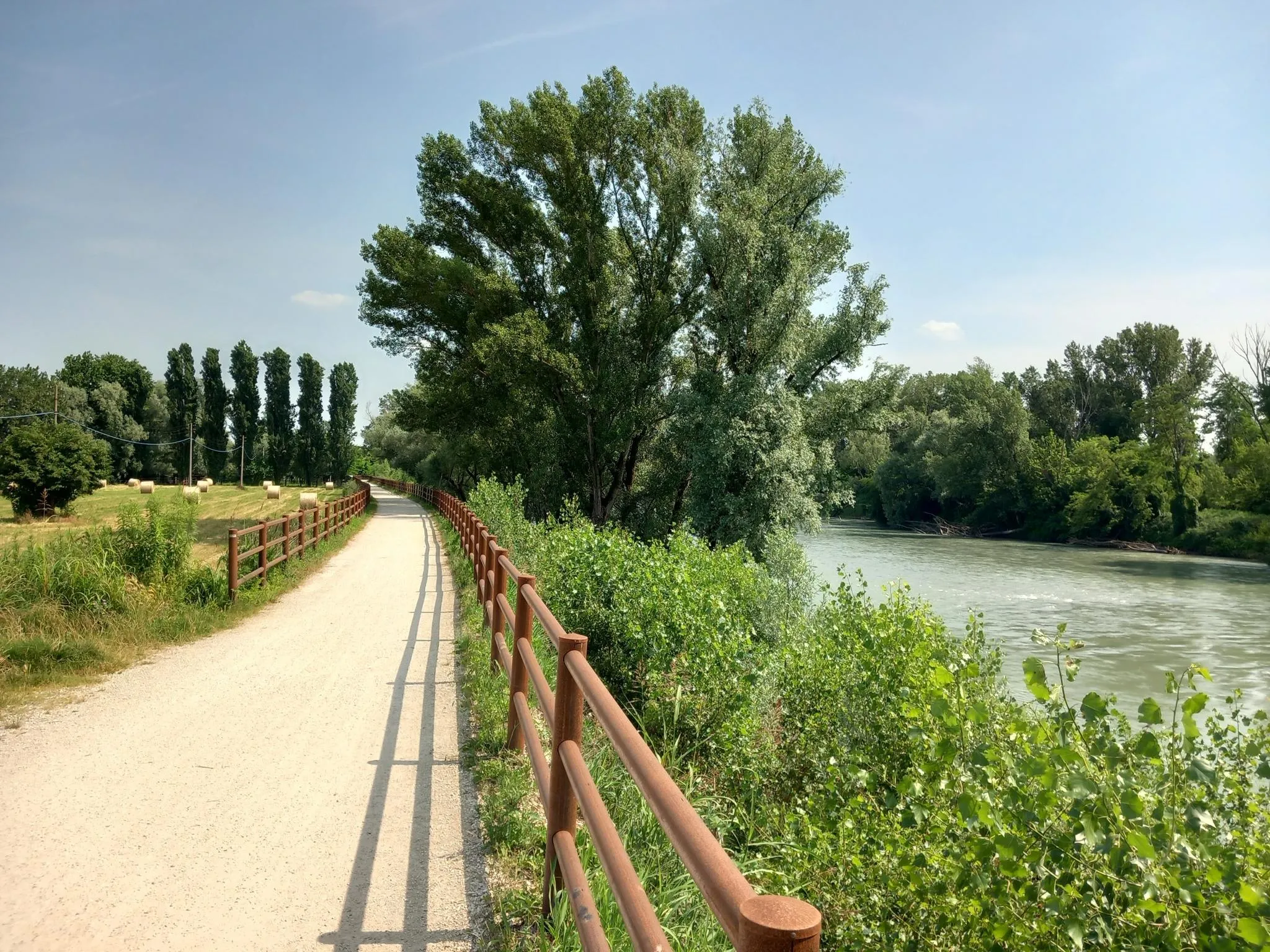
Via Postumia – Hike between the Tyrrhenian and Adriatic seas
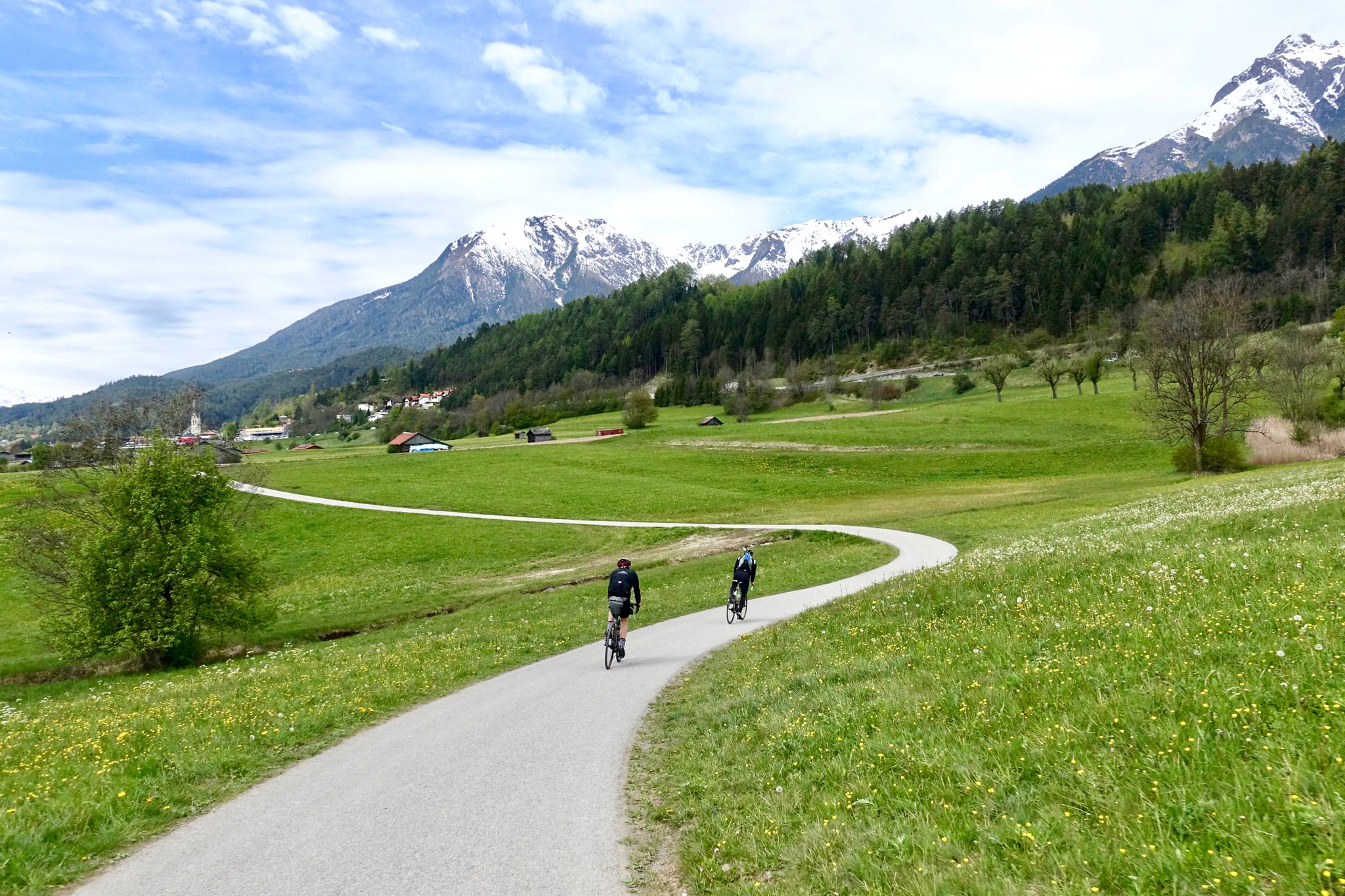
Rando Imperator — a road bike dream with gravel

Road to BAM! 2026 – Condividi la strada
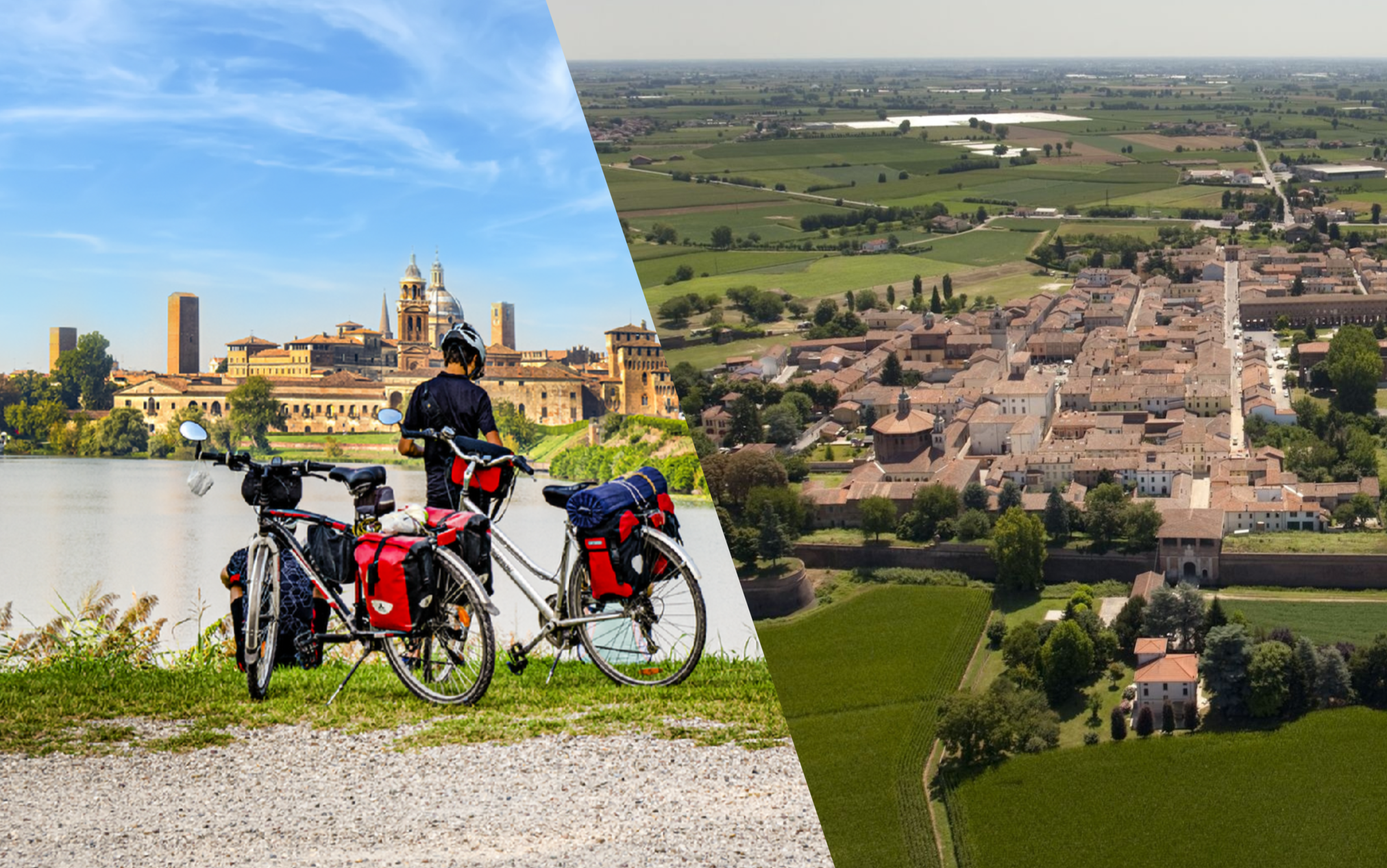
Cycling between the UNESCO towns of Mantua and Sabbioneta
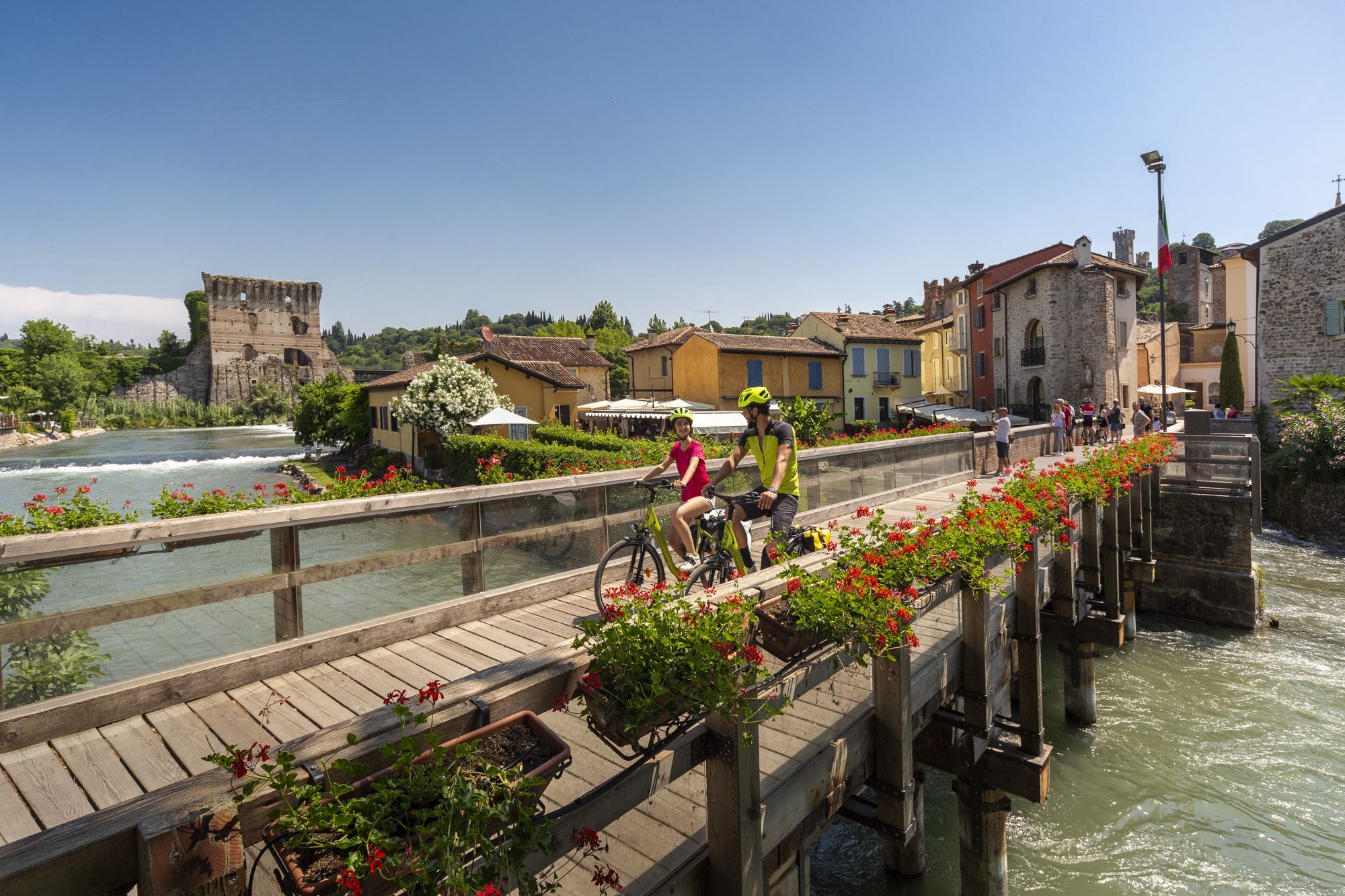
Explore Veneto at a slow pace – day trips by bike
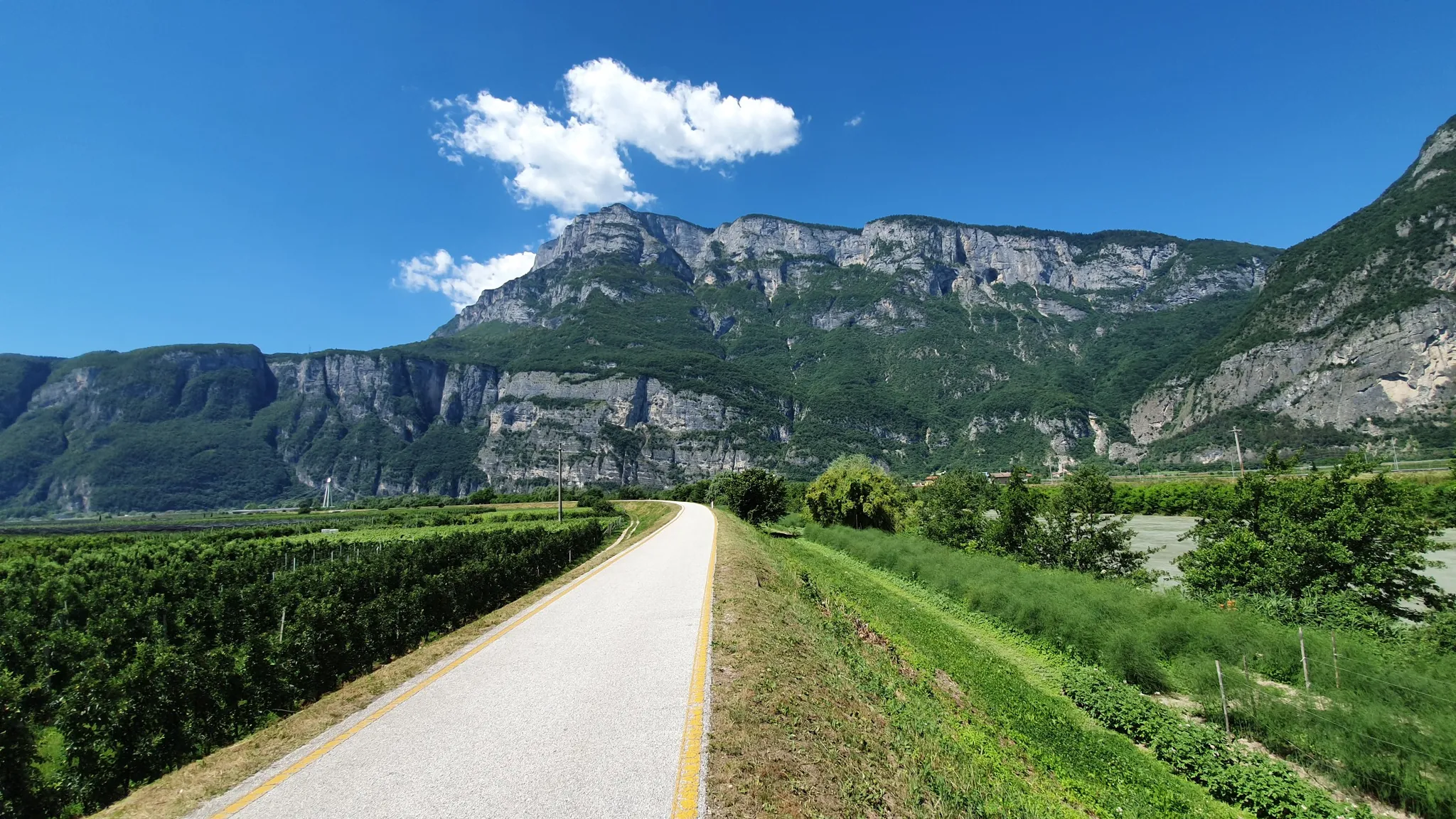
Ride a Roman road in Northern Italy – Claudia Augusta Cycle Path
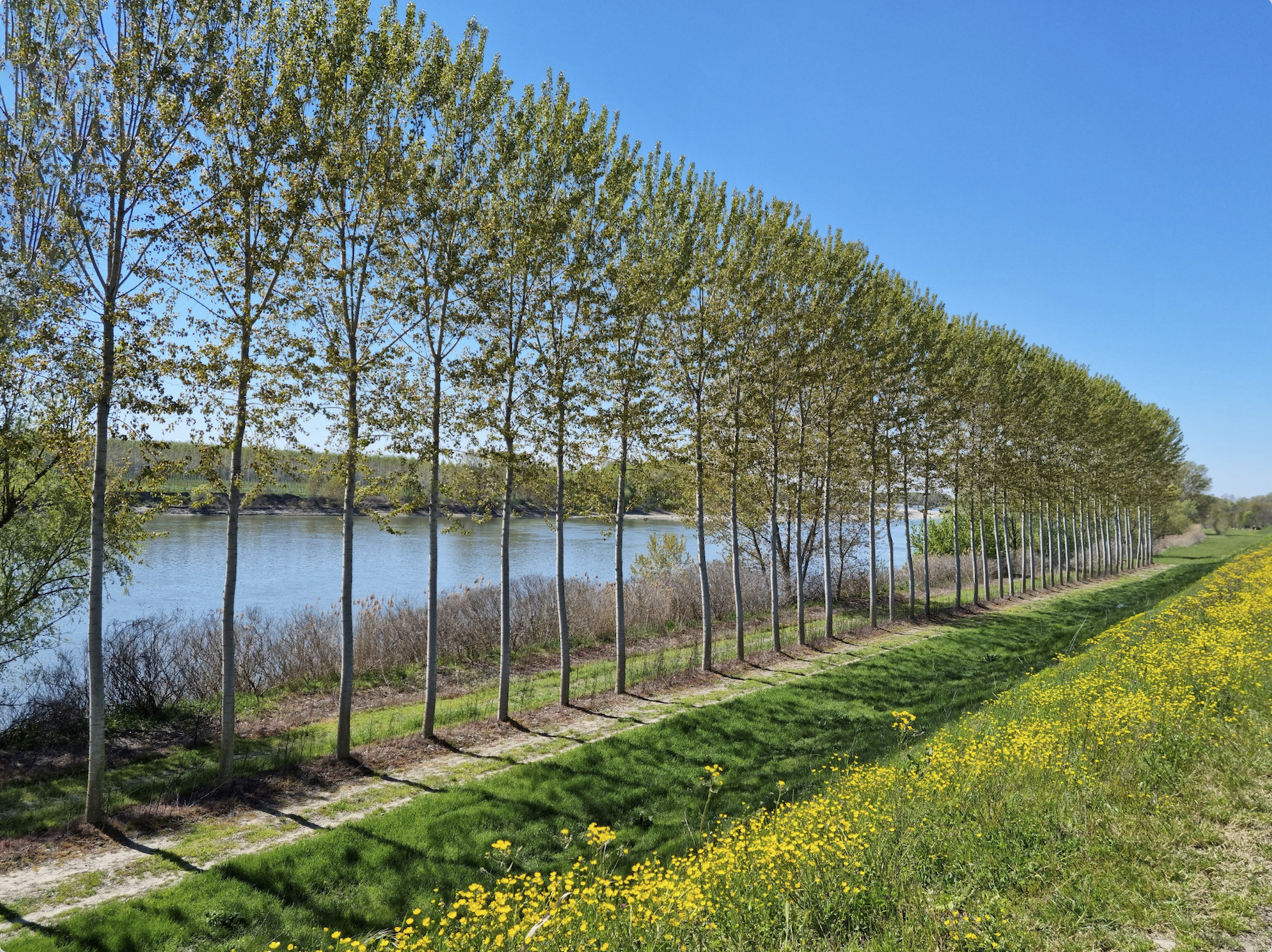
In the kingdom of the English oak – Italy’s CamminaForeste in Lombardy part 1
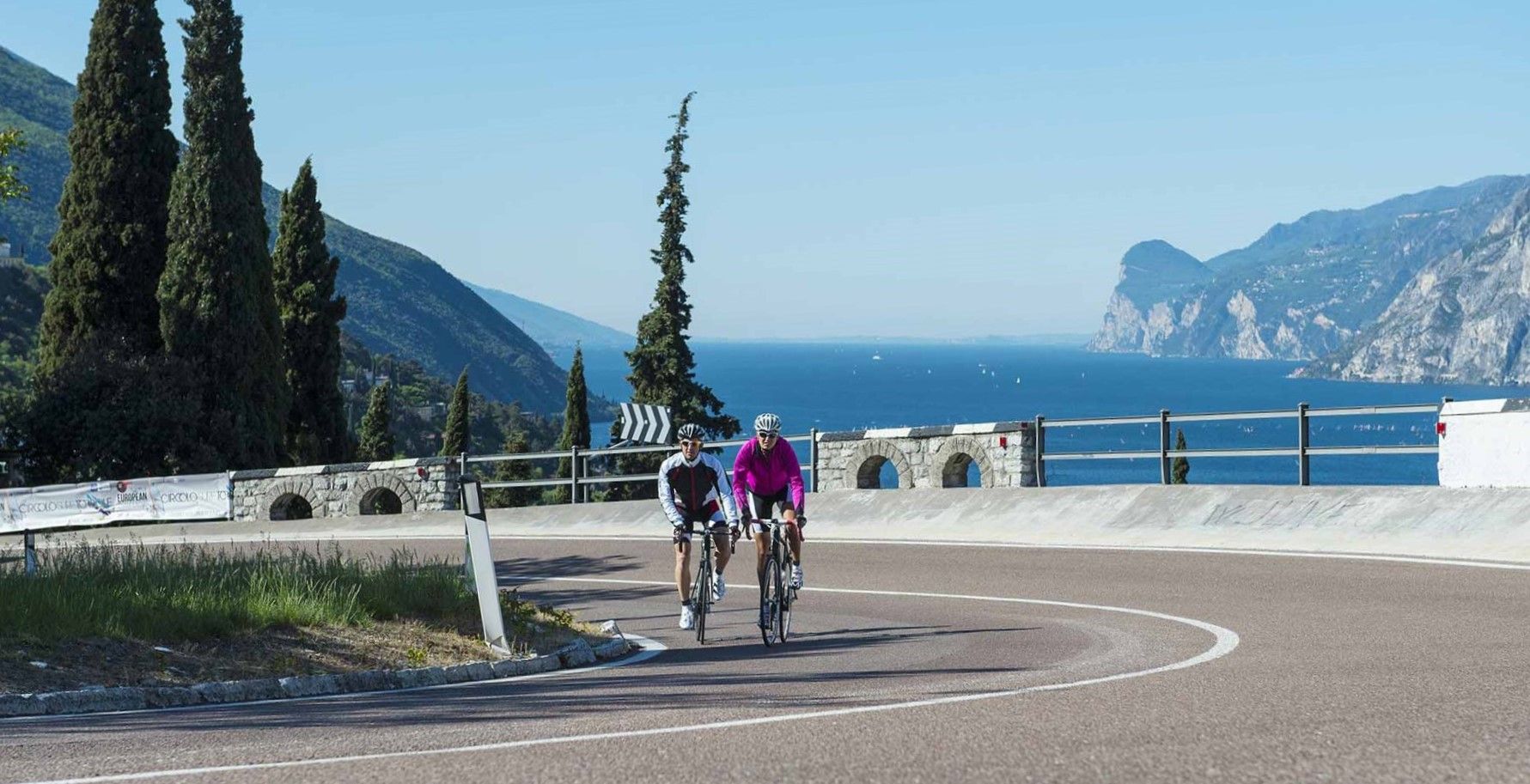
Lakeside paradises and great climbs – seven rides between Lakes Garda and Iseo
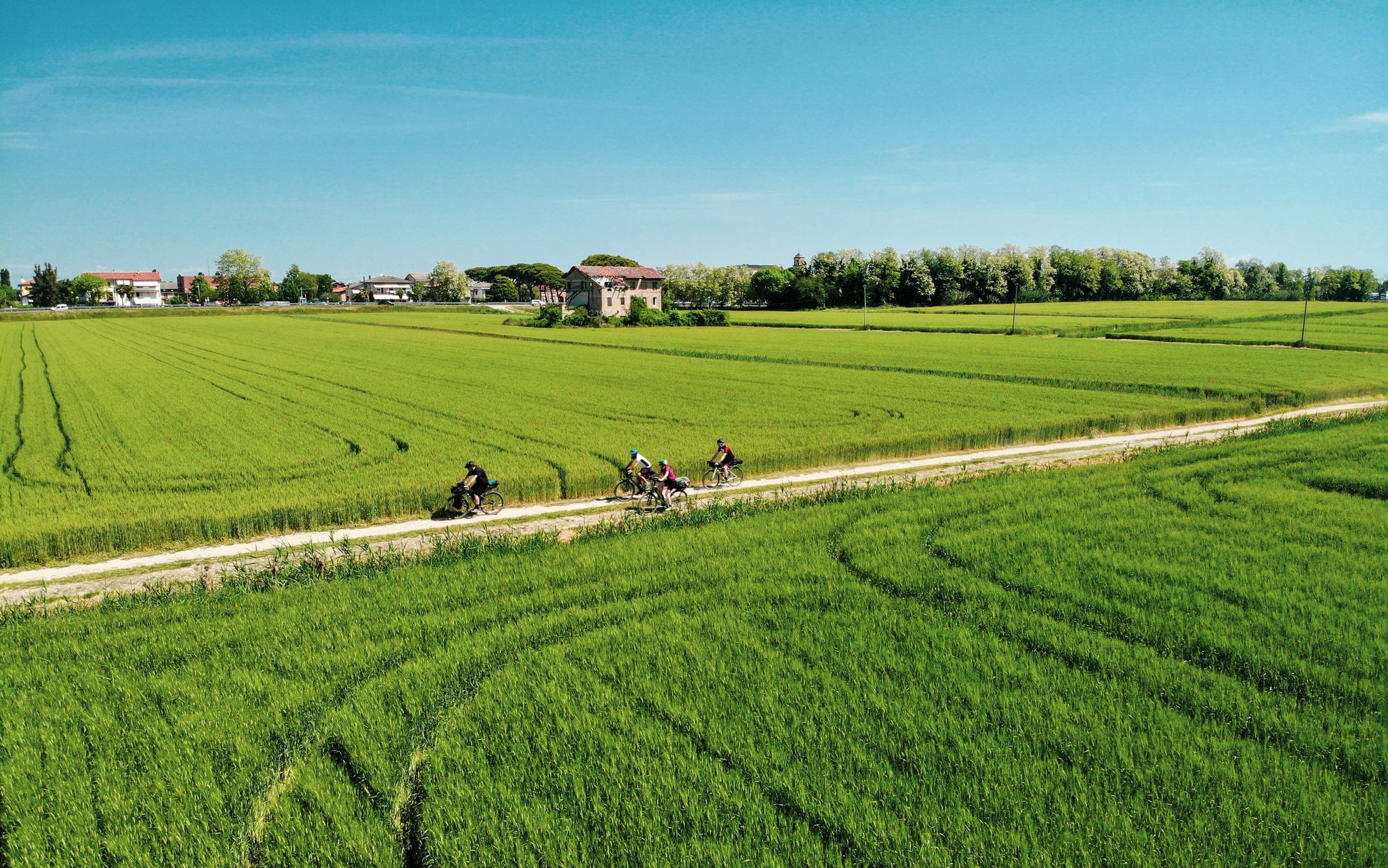
Ride through Italy’s Po Valley – a pilgrimage on the Via Postumia
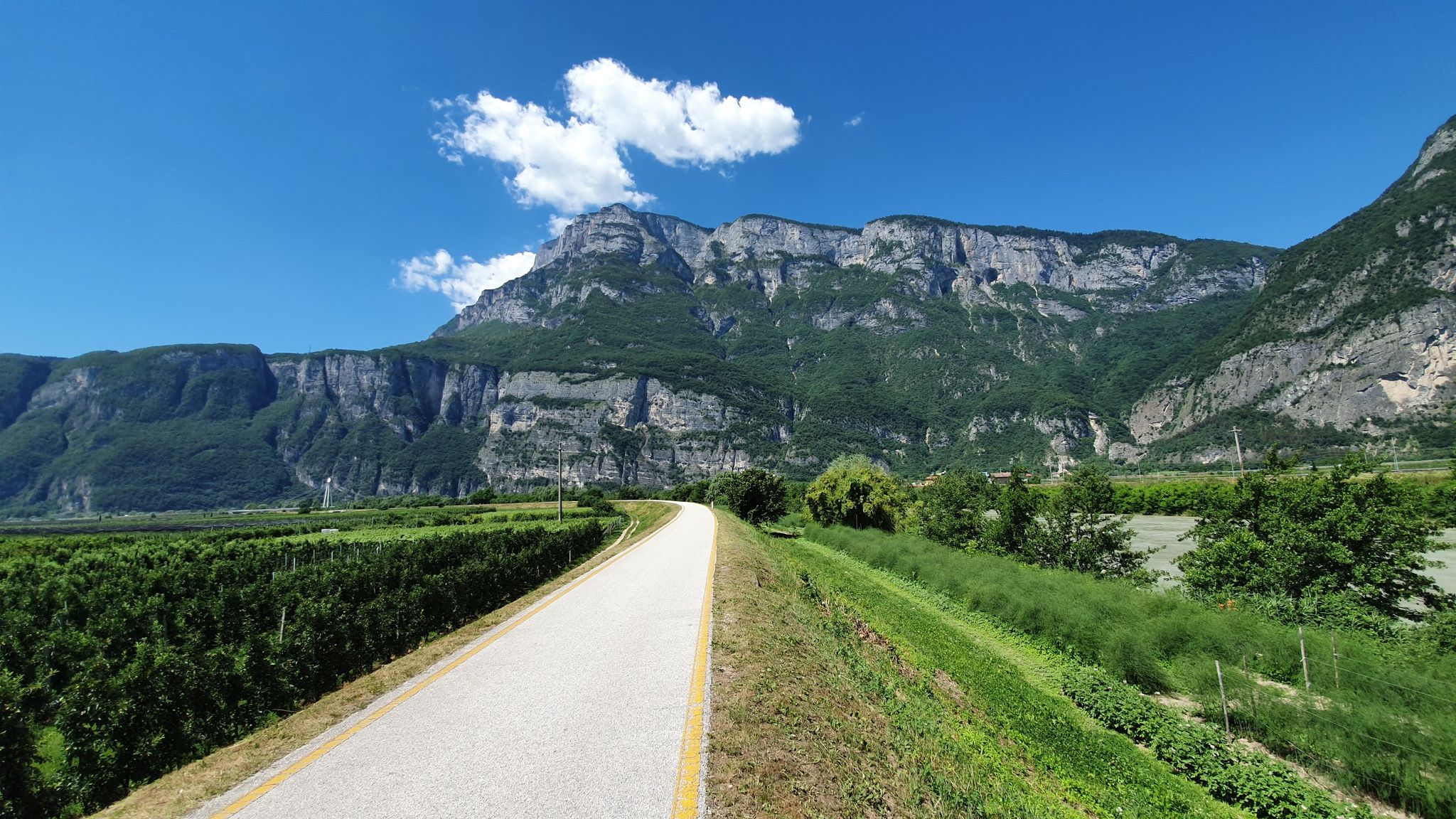
Ciclopista del Sole – Brenner Pass to Florence by bike
Other adventures around the Maround thecio


Tips from the Community

On July 18, 1848, during one of the wars of independence, a clash took place here in Governolo between Piedmontese troops, including bersaglieri, and an Austrian army rearguard. The Austrians had the worst of it, also because they were in clear numerical inferiority. When you visit Governolo, it is very interesting to follow the path prepared by the municipality with explanatory panels placed in various locations (I must say that sometimes they are not even very visible and therefore you have to go on a bit of a treasure hunt, but it's fun) that guide you step by step through the events of that day; in reality, they also tell of a clash that took place on April 24, also in 1848. Let's say that 1848, that period, was not exactly peaceful.
0
0

Imposing defense system in which Andreas Hofer, among others, was imprisoned and shot...
1
2
Magnificent palace surrounded by a moat...
1
0


The Ducal Palace was the main residence of the Gonzaga family, lords, marquises and finally dukes of the city of Mantua. It took the name of Royal Palace during the Austrian domination starting from the time of Maria Theresa of Austria. Distinct and separate rooms were built in different periods starting from the 13th century, initially by the Bonacolsi family and later at the instigation of the Gonzaga. It was Duke Guglielmo who commissioned the prefect of the Factories Giovan Battista Bertani to connect the various buildings in an organic form so as to create, starting from 1556, a single grandiose monumental and architectural complex, one of the largest in Europe (approximately 34,000 m²), which extended between the shore of the Lower Lake and Piazza Sordello, the ancient Piazza di San Pietro. After Bertani's death in 1576, the work was continued by Bernardino Facciotto who completed the integration of gardens, squares, loggias, galleries, exedras and courtyards, definitively establishing the appearance of the ducal residence. The interior of the palace is almost bare because once impoverished, the Gonzagas had to sell works of art (especially to Charles I of England) and furnishings, some of which were later stolen by Napoleon. The Palazzo del Capitano overlooking Piazza Sordello is the oldest building of the Ducal Palace commissioned by Guido Bonacolsi at the end of the thirteenth century. Initially built on two floors and separated from the Magna Domus by an alley, in the early 1300s it was raised by one floor and joined to the Magna Domus itself by the monumental façade with portico, which has essentially remained the same to this day. The second added floor consists of a single enormous hall (67 x 15 metres) called Dell'Armeria, also known as the Salone della Dieta, as it hosted the Diet of Mantua in 1459.
0
0
Mantua Palace
0
0

Frequently Asked Questions
What are the most historically significant castles in the Mincio region?
The Mincio region is rich in history, particularly with structures influenced by the Scaligeri family. Notable historical sites include the Castello di San Giorgio (Mantua), a 14th-century fortress built for defense, and the Scaliger Castle of Sirmione, a remarkable 13th-century sea fortress on Lake Garda. The Fortress of Peschiera del Garda also offers a journey through fundamental ages of fortress architecture, with Roman, Scaliger, Venetian, Napoleonic, and Habsburg influences.
Which castles offer the best panoramic views of the Mincio Valley?
For breathtaking panoramic views, the Scaligero Castle of Valeggio sul Mincio and Borghetto sul Mincio is highly recommended. From its towers, you can see the entire Mincio Valley and surrounding countryside. Similarly, the Ponti sul Mincio Castle, perched on a moraine rock hilltop, offers strategic views overlooking the village and the Mincio River valley.
Are there family-friendly castles to visit in the Mincio region?
Yes, several castles in the Mincio region are suitable for families. The Castello di San Giorgio (Mantua) and the Ducal Palace, Mantua are both listed as family-friendly. The Scaliger Castle of Sirmione, with its impressive structure and unique position, allows visitors to run through its grounds and connect with history, which can be engaging for children.
What outdoor activities can I do near the Mincio castles?
The Mincio region offers various outdoor activities. You can enjoy easy hikes, such as the 'Borghetto on the Mincio – Sigurtà Park and Gardens loop from Valeggio sul Mincio' or explore the 'Peschiera del Garda Fortress – Middle Canal loop'. For cycling enthusiasts, the 'Cycle Path Along the Mincio River Near Monzambano and the Medieval Castle' is a highlight. You can find more options for easy hikes, gravel biking, and hiking around the Mincio.
Which castle is considered a 'hidden gem' or less commonly known?
While many castles are well-known, the Castle of Monzambano is a less commonly highlighted gem. Perched among the morainic hills, it's considered one of the most intact and complete examples of Mantuan castle architecture, offering a great opportunity to observe its well-preserved nature and enjoy views of the Mincio valley.
What is the best time of year to visit the castles in the Mincio region?
The Mincio region, with its picturesque river valley and proximity to Lake Garda, is generally pleasant to visit from spring to early autumn (April to October). During these months, the weather is ideal for exploring the castles and enjoying outdoor activities. Summer evenings often feature open-air shows and cinema in castle courtyards, such as at the Scaligero Castle of Valeggio sul Mincio.
Are there any castles near Lake Garda?
Yes, the Mincio region extends from Lake Garda and features several castles close to its shores. The Scaliger Castle of Sirmione is famously located at the entrance to the medieval old town, right on the edge of a peninsula extending into Lake Garda. The Lazise City Walls and Scaliger Castle are also situated directly on Lake Garda, offering one of the best-preserved defenses on the lake.
What unique architectural features can I expect to see in the Mincio castles?
The castles in the Mincio region showcase diverse architectural styles. The Scaligero Castle of Valeggio sul Mincio features a unique horseshoe-shaped 10th-century Torre Tonda. The Scaliger Castle of Sirmione is a rare example of a sea fortress with a central fortified square and a dock. The Fortress of Peschiera del Garda is notable for its pentagonal walls and defense by the Pit of the King, a branch of the Mincio River.
What do visitors enjoy most about the castles around the Mincio?
Visitors frequently appreciate the blend of historical exploration and scenic beauty. Many highlight the grandeur and preservation of structures like the Ducal Palace, Mantua, and the impressive views from castles overlooking the Mincio Valley. The charming medieval villages often associated with the castles, such as Borghetto sul Mincio, also add to the appeal, offering a step back in time.
Can I explore the city of Mantua and its castles?
Absolutely. Mantua is a significant hub in the Mincio region, offering a rich historical experience. You can explore the Castello di San Giorgio (Mantua) and the Ducal Palace, Mantua, both central to the city's heritage. Mantua itself is like a peninsula surrounded by three lakes, with a skyline that captivates visitors, offering wonderful squares, palazzi, a cathedral, and historic streets.
Are there any castles that are UNESCO World Heritage sites in the Mincio region?
While not a traditional castle, the Fortress of Peschiera del Garda, a significant historical site along the Mincio River, had its Venetian walls recognized as a UNESCO World Heritage site in 2017. It's a must-visit for those interested in fortress architecture and its rich historical background.
Most popular routes around the Maround thecio
Most popular attractions around the Maround thecio

Get inspired with the komoot mobile app


Explore more
Looking for the best castles somewhere else? Discover other guides around the Maround thecio:
