Top 10 Castles around the Sava
Castles around the Sava River offer a historical journey through southeastern Europe, particularly in Slovenia's Posavje region and parts of Croatia and Serbia. This area features a concentration of fortresses and castles, providing insights into various historical periods. The region's landscape combines riverine settings with hills, often featuring these historical structures. These sites serve as cultural landmarks, reflecting centuries of architectural and strategic development along the Sava River.
Best castles around the Sava
- The most popular castles is Despot's Gate and Dizdar Tower, Belgrade Fortress, a castle that is one of the few fully preserved gates of the Belgrade Fortress. This gate was the entrance to the Belgrade Fortress in the Middle Ages.
- Another must-see spot is Zindan Gate, a castle with a completely preserved gate system east of the fortress. Built in the 15th century, it was designed for the protection of the East Gate and was an early site for artillery defense.
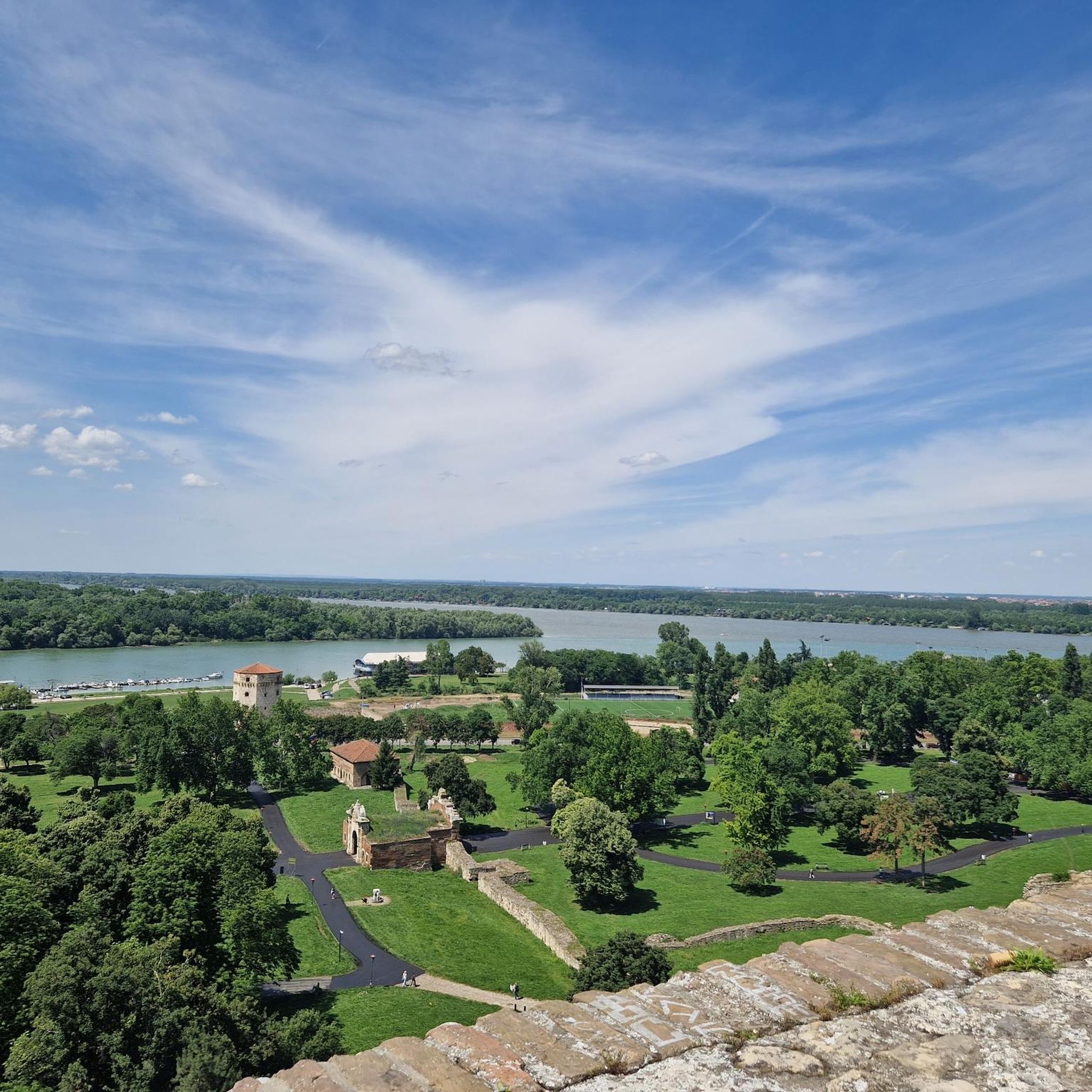
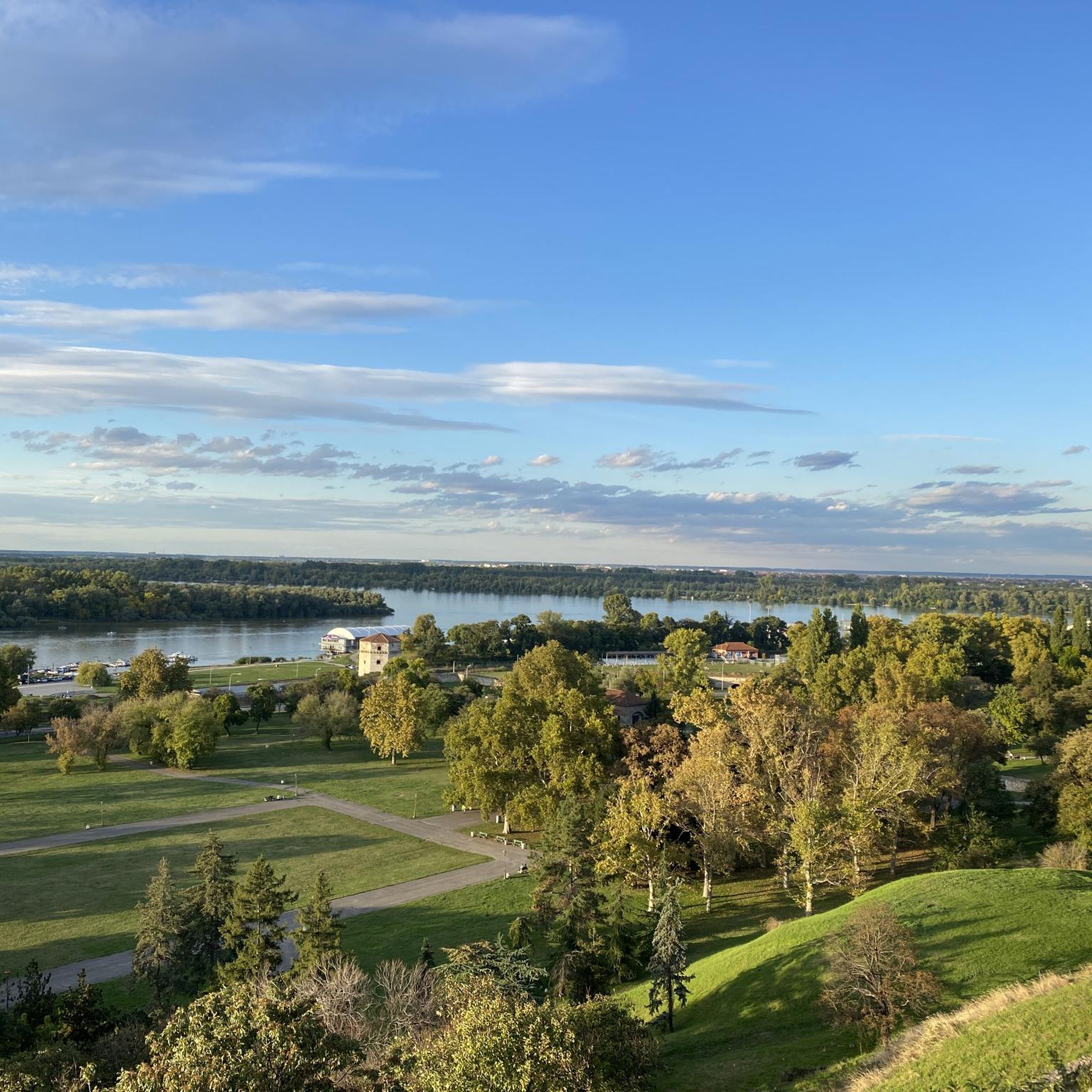
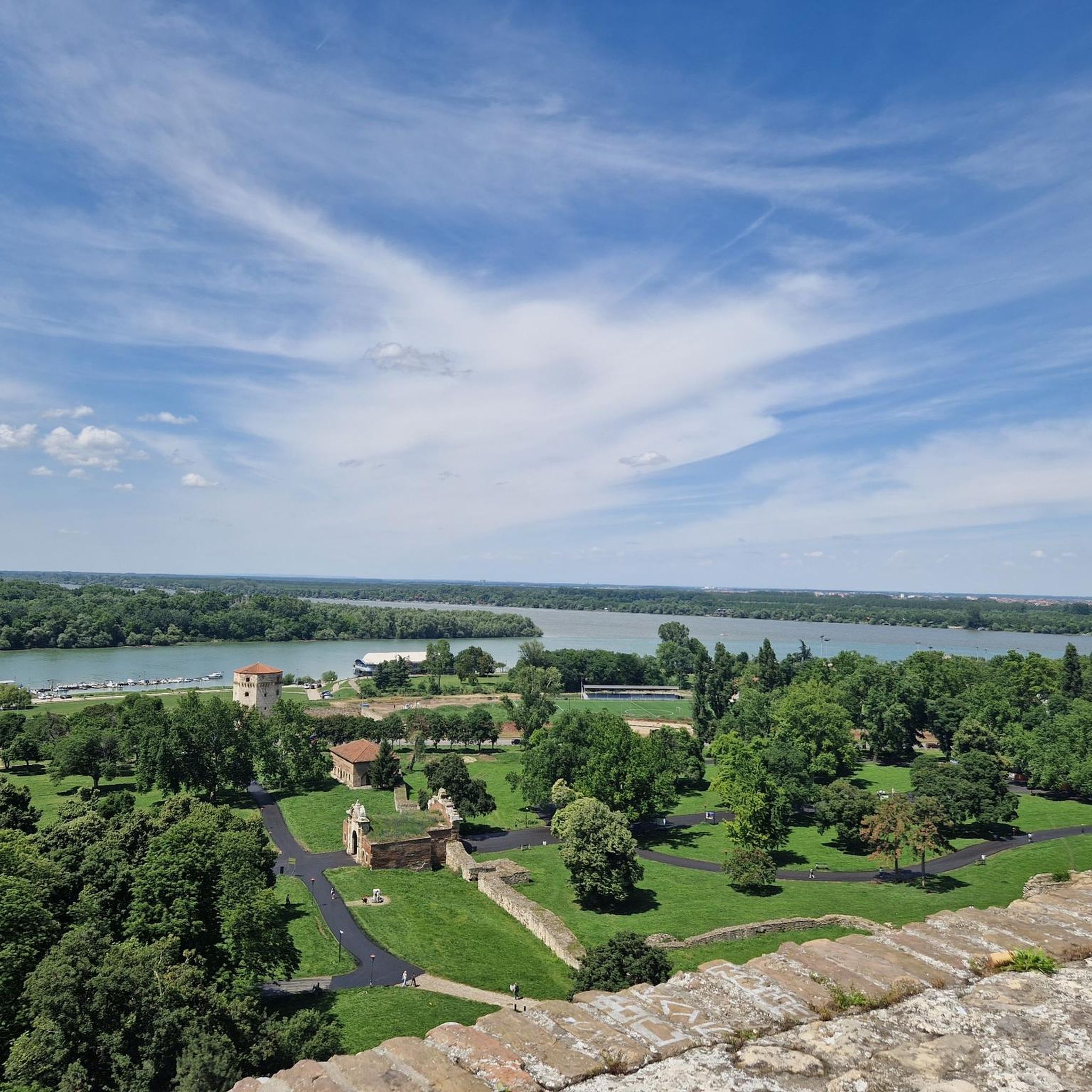
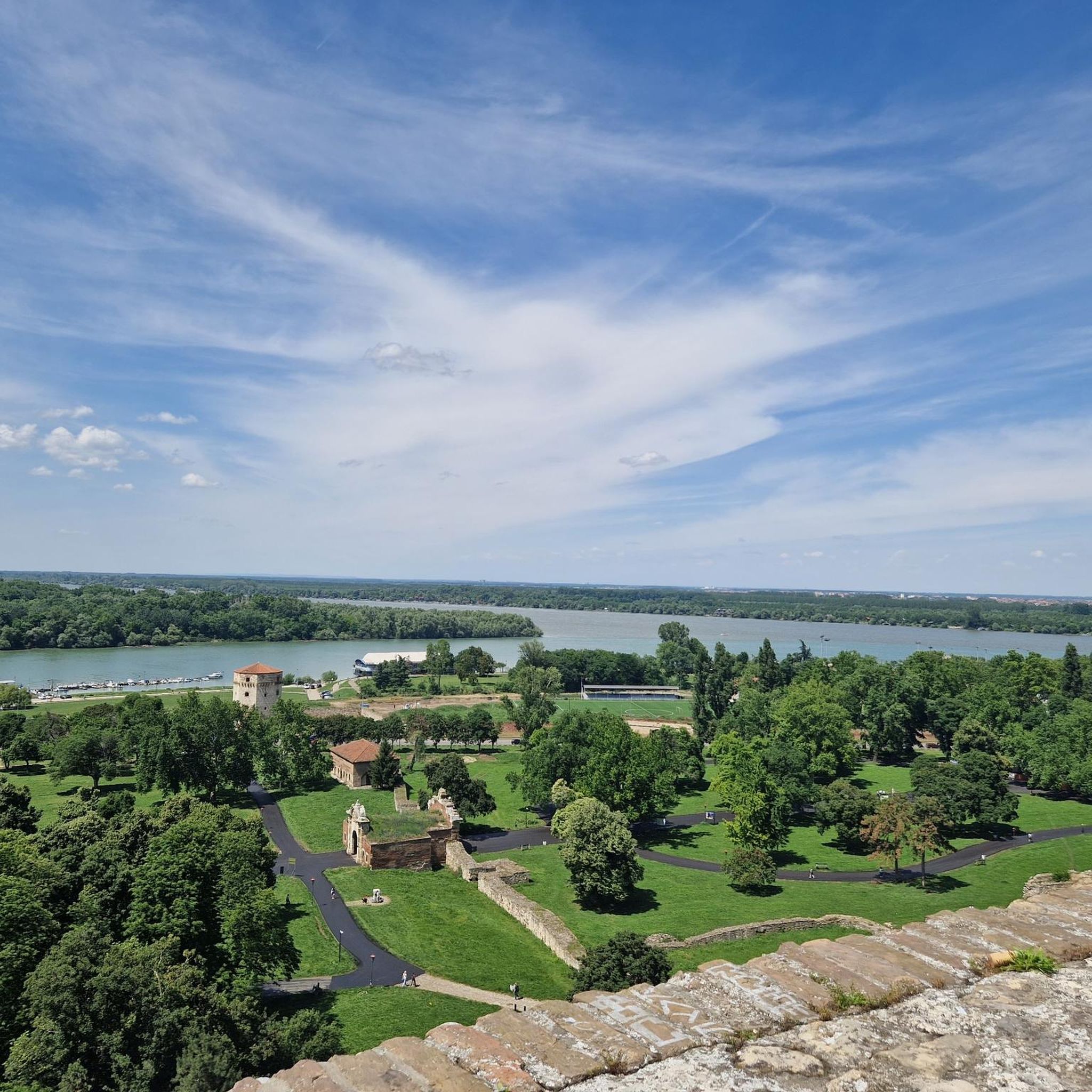
- Visitors also love Belgrade Fortress (Kalemegdan), a historical site and castle. This fortress from ancient times stands at the confluence of the Sava and the Danube, offering panoramic views.
- Sava is known for medieval, Renaissance, and Romanesque castles, as well as castle ruins. Visitors can explore a variety of structures, from well-preserved monuments to historical remnants.
- The castles around the Sava are appreciated by the komoot community, with 65 upvotes and 65 photos shared across 11 highlights.
Last updated: June 28, 2026
Despot's Gate and Dizdar Tower, Belgrade Fortress
Highlight • Castle
Translated by Google •
Tip by

Zindan Gate
Highlight • Castle
Translated by Google •
Tip by
Sign up now to discover places like this
Get recommendations on the best single tracks, peaks, & plenty of other exciting outdoor places.
Sign up for free
Belgrade Military Museum
Highlight • Historical Site
Tip by

Belgrade Fortress (Kalemegdan)
Highlight • Castle
With its universities, colleges and scientific institutions, Belgrade is the educational centre and, with numerous publishing houses, radio and television stations as well as daily and monthly newspapers, it is also the dominant media centre in the country. Belgrade is the seat of the Serbian Orthodox Church and the residence of the Serbian Patriarch. The largest Christian church on the Balkan Peninsula, the Cathedral of Saint Sava, is in Belgrade.
Due to Yugoslavia's rejection of Soviet hegemony and Stalinism and as a meeting place for the Non-Aligned Movement, Belgrade became an international political centre during the time of communist Yugoslavia. During the period of socialist Yugoslavia, Belgrade developed into a European metropolis. In the major urban development project Novi Beograd, which was to become the representative center of socialist Yugoslavia, aspects of increasing densification were combined with strong impulses for the economic and cultural dynamism of the city after the fall of the Berlin Wall. The Sava Congress Center, built here between 1977 and 1979, is the largest congress center in all the Balkan countries, and the Štark Arena, built between 1991 and 2004, is one of the largest sports halls in the world. The Belgrade Waterfront urban renewal project, estimated to last 30 years on the demolished site of the old "Beograd" train station, brought the city its most profound change since the Second World War.
After the collapse of the Second Yugoslavia in 1991, Belgrade became the capital of the newly formed Federal Republic of Yugoslavia, which led to political and social uncertainty in Serbia. This was evident in the unrest on March 9, 1991, and in mass demonstrations in 1996/1997. The late 1990s were marked by the suppression of civil protests and the suppression and liquidation of opposition politicians during the regime of Slobodan Milošević. War-related shortages and an economic embargo gave rise to a black market and war profiteering. This also led to a new economic class, the Serbian oligarchs, also known as the Taikune. The years of crisis culminated in the Kosovo War with Operation Allied Force, which began on March 24, 1999: NATO began its 78-day air raids against the Federal Republic of Yugoslavia, which hit the inner city of Belgrade particularly hard. During the heaviest bombardment of the city in the night between May 7 and 8, the Chinese embassy was completely destroyed, among other things. This led to a serious crisis in the relationship between the major powers of the United States and the People's Republic of China, and NATO was forced to refrain from any further bombings in the inner city of Belgrade for the rest of the bombings.[92] In some places in the cityscape, war ruins can still be seen that have neither been demolished nor rebuilt.
Translated by Google •
Tip by

Rajhenburg Castle
Highlight • Castle
Translated by Google •
Tip by

Sahat Gate & Tower 🏰 Belgrade Fortress
Highlight • Castle
The octogonal baroque tower, visible from every part of the park and tower, has a central clock mechanism and pendulums. The height of the tower (27.5 m) is enough for the clock to work for approximately a week before rewinding. It us s gongs instead of bells. The clock has two hammers: a smaller one which ticks once for the first quarter, twice for the second, three times for the third and four times for the fourth, while the bigger hammer ticks immediately after to mark the current hour.
At the end of the seventeenth century, Andera Cornaro, who was a Venetian builder in Austrian and later Turkish service, built today's Sahat Gate as a part of restoration works of the south-east rampart. Sahat Gate has casemates for guards, weapons and other military material. The Belgrade Fortress Gallery is situated in the flanking rooms.
Belgrade Fortress (Serbian: Београдска тврђава / Beogradska tvrđava), consists of the old citadel (Upper and Lower Town) and Kalemegdan Park (Large and Little Kalemegdan) on the confluence of the River Sava and Danube, in an urban area of modern Belgrade, the capital of Serbia. It is located in Belgrade's municipality of Stari Grad. It is the most visited tourist attraction in Belgrade. Since the admission is free, it is estimated that the total number of visitors (foreign, domestic, citizens of Belgrade) is over 2 million yearly. en.wikipedia.org/wiki/Belgrade_Fortress
Tip by

Old Town Susedgrad
Highlight • Castle

Brod Fortress
Highlight • Castle
Translated by Google •
Tip by

Susedgrad Castle Ruins
Highlight (Segment) • Castle
Tip by

Belgrade Fortress 🏰 Southern Ramparts & River vista
Highlight • Castle
Tip by
Start today with a free account
Your next adventure awaits.
Login or Signup
Popular around Sava
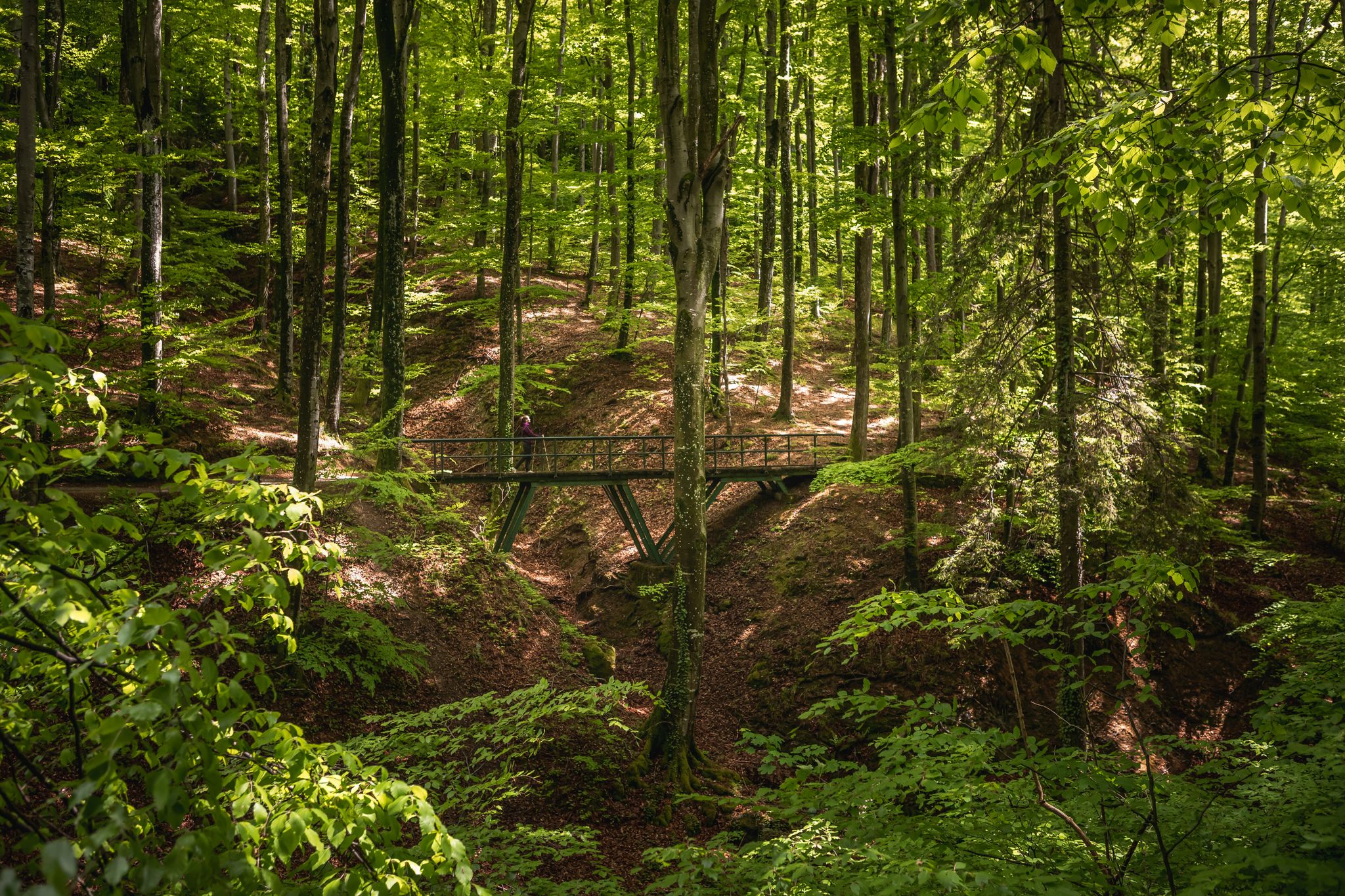
Discover the wild side of Zagreb – Medvednica Transversal
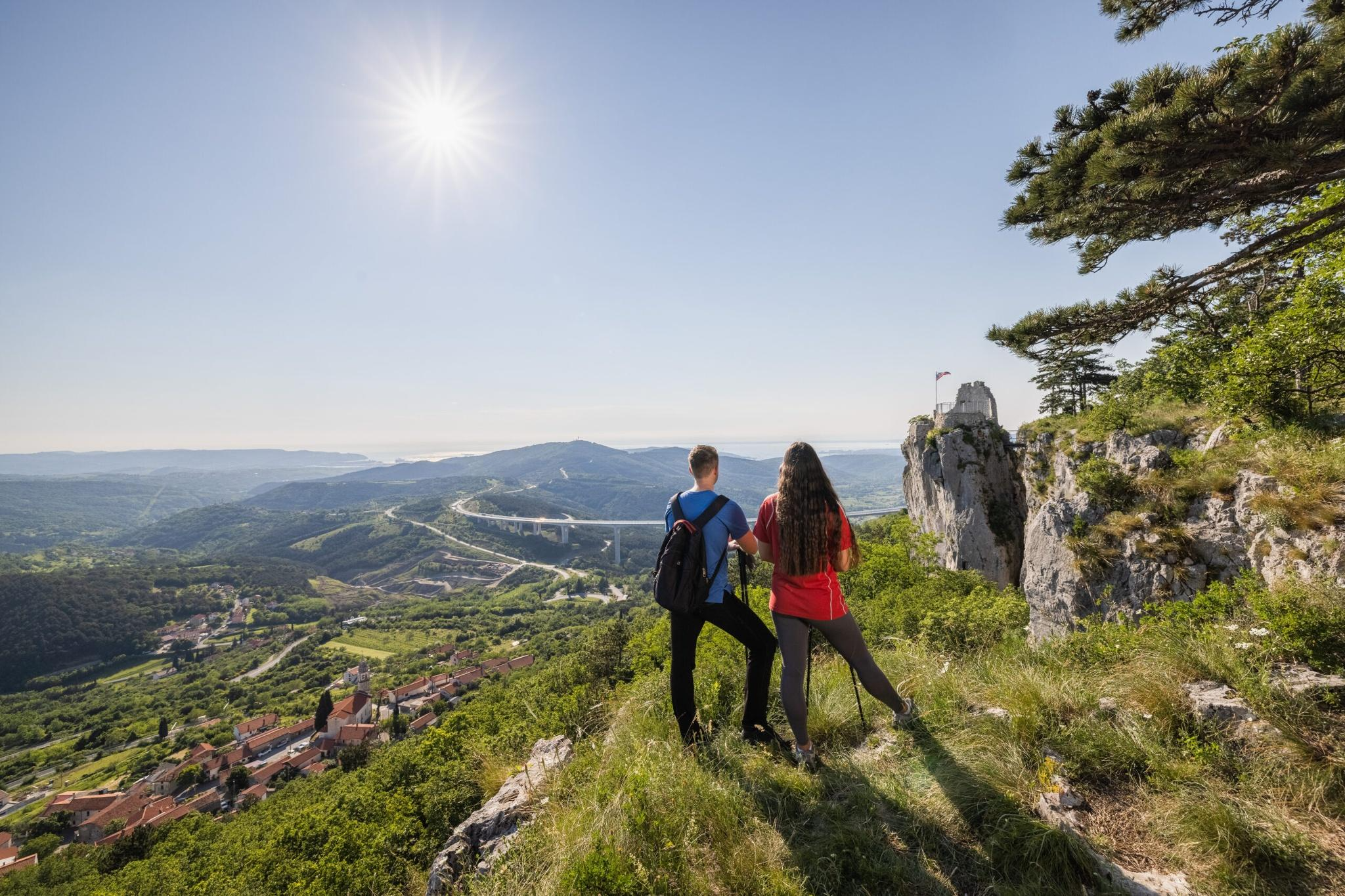
Hiking adventures in Slovenia for families away from the hustle and bustle
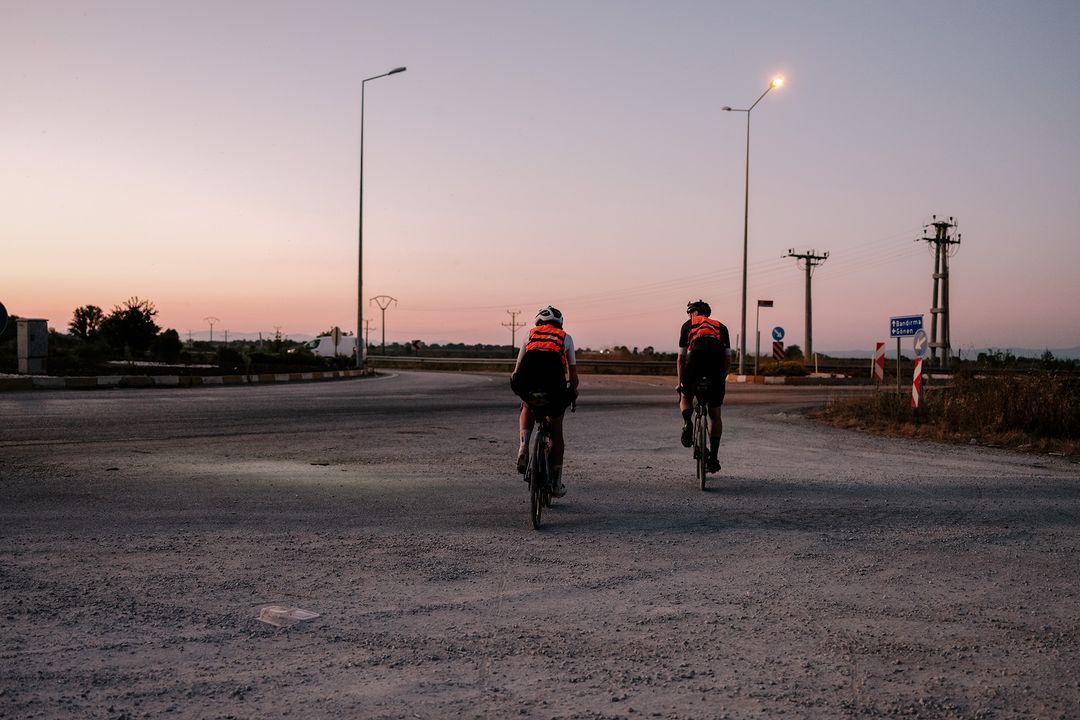
Transcontinental Race No10: crossing Europe from France to Turkey
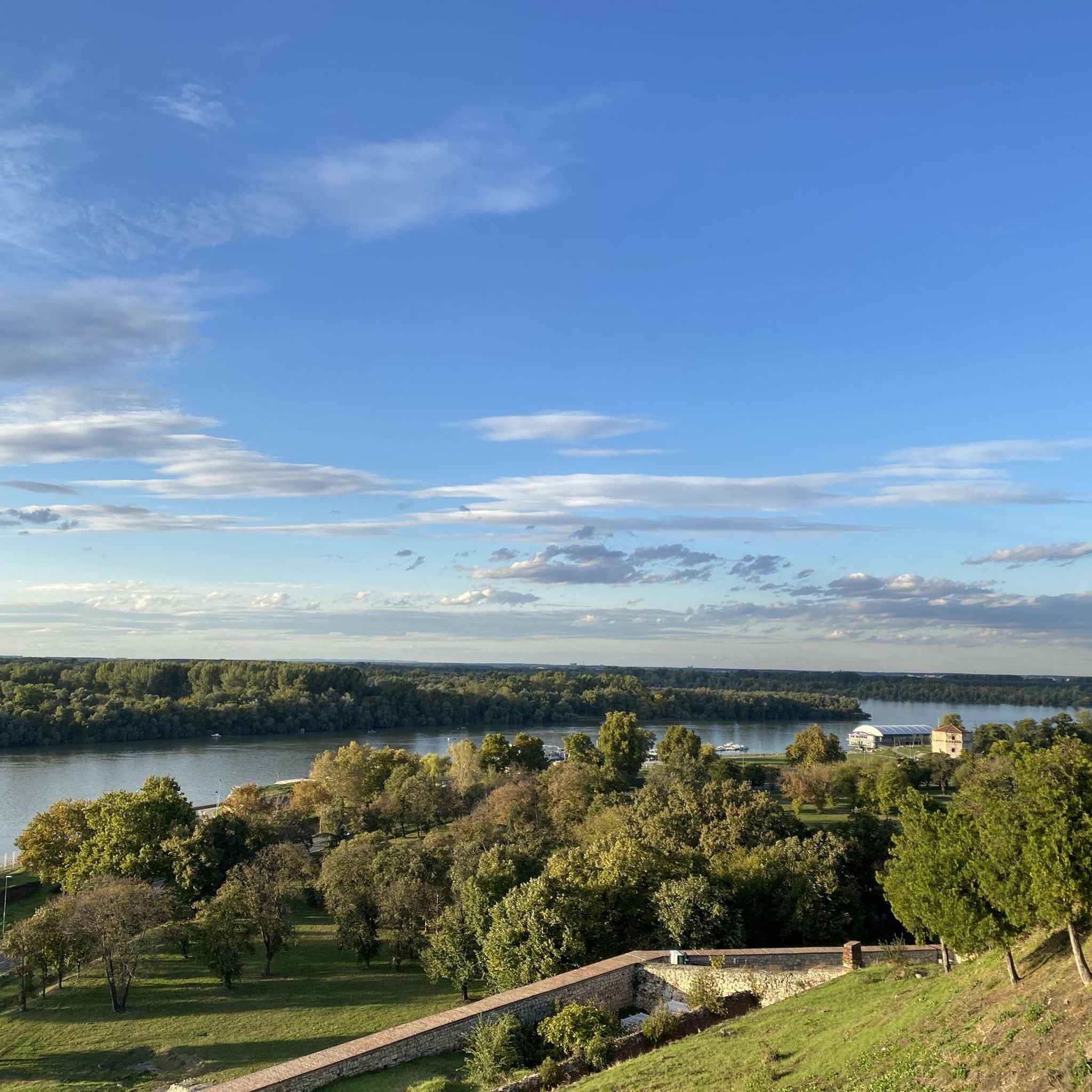
Running Trails around the Sava
Hiking around the Sava
Cycling around the Sava
Road Cycling Routes around the Sava
MTB Trails around the Sava
Mountain Hikes around the Sava
Gravel biking around the Sava
Other adventures around the Sava


Tips from the Community

Goosebumps at the sight of the military exhibition… shocking and fascinating…
0
0
Extensive fortress complex. There is much to see and discover. Access to the popular pedestrian zone with cafes and restaurants.
0
0

You can spend a lot of time here. There are wonderful views of the Danube and the city, and it's free.
0
0

From 1881 to 1941, Rajhenburg Castle was a Trappist monastery. Today, the castle houses a museum and a gourmet restaurant.
2
0

Park-šuma Susedgrad, on the southwestern edge of Medvednica near Zagreb, marks the starting point of the Medvednica Transversal hiking trail. It features the ruins of Susedgrad Castle, perched on a hill with a sweeping view over the Sava River valley and the city below.
3
0

The Brod Fortress is a baroque border fortress on the Sava River, and at the same time a category zero monument and landmark of Slavonski Brod that forms its core. In Brod, one of the important strategic and traffic places that supervised the most important crossing on the Sava towards Bosnia and connected the main trade routes, between 1715 and 1780 the great Imperial and royal Slavonian border fortress Brod was built.
0
0

Brod Fortress is a baroque border fortress on the Sava River, and at the same time a category zero monument and landmark of Slavonski Brod that forms its core.
2
0

The Kalemegdan. A fortress from ancient times with various designers and rulers over the eras. A force at the confluence of the Sava and the Danube.
1
0
Frequently Asked Questions
Which castles in the Sava region are particularly known for their historical significance or unique features?
The Sava region boasts a variety of historically significant castles. In Slovenia's Posavje region, Rajhenburg Castle is notable for its connection to Trappist monks and their chocolate-making legacy. Brežice Castle features a magnificent Knight's Hall with frescoes and houses the Posavje Museum. Podsreda Castle is a well-preserved Romanesque monument within the Kozjansko Regional Park. In Belgrade, the Belgrade Fortress (Kalemegdan), including sites like Despot's Gate and Dizdar Tower and Zindan Gate, offers a deep dive into centuries of strategic development at the confluence of the Sava and Danube rivers.
Are there family-friendly castles to visit around the Sava River?
Yes, many castles in the Sava region are suitable for families. The Belgrade Fortress (Kalemegdan) is a great option, offering expansive grounds, historical sites like Despot's Gate, and panoramic views that children often enjoy. The Belgrade Military Museum, located within the fortress complex, also has outdoor exhibits with tanks and armored cars that can be engaging for younger visitors. Mokrice Castle, with its English landscape park, provides space for children to explore.
What kind of outdoor activities can I do near the castles in the Sava region?
The Sava region offers various outdoor activities. You can find numerous routes for cycling and running. For instance, there are several running trails around the Sava, such as the 'Jarun Lakeside Trail' or the 'Savsko Jezero Fountain loop'. Cyclists can explore routes like the 'Jarun Lake cycling path' or longer road cycling routes. You can find more details on these activities in the Running Trails around the Sava and Cycling around the Sava guides.
Which castles offer scenic viewpoints or natural surroundings?
Many castles in the Sava region are situated in picturesque locations. The Belgrade Fortress (Kalemegdan) provides panoramic views over the confluence of the Sava and Danube rivers. Sevnica Castle sits atop a sweeping hilltop overlooking the old town. Mokrice Castle is set within a beautiful English landscape park and surrounded by centuries-old forests. Old Town Susedgrad and Susedgrad Castle Ruins offer viewpoints from the southwestern end of Medvednica, near the confluence of the Krapina river with the Sava.
What is the best time of year to visit the castles around the Sava River?
The best time to visit the castles around the Sava River is generally during the spring (April to June) and autumn (September to October). During these seasons, the weather is pleasant for exploring outdoor castle grounds and parks, and the natural scenery is particularly beautiful. Summer can also be enjoyable, though it can be warmer, especially in July and August. Winter visits are possible, but some outdoor activities might be limited, and certain areas might be less accessible.
Are there any castles that offer unique cultural or culinary experiences?
Yes, Rajhenburg Castle in Slovenia is particularly known for its unique connection to Trappist monks who produced chocolate, liqueurs, and cheese. Visitors can even engage in chocolate-making experiences there. Sevnica Castle offers guided visits that can include encounters with a 'countess' sharing stories of the castle's past, providing a theatrical and immersive historical experience.
Can I find Romanesque architecture among the castles in the Sava region?
Yes, Podsreda Castle in Slovenia is recognized as one of the few well-preserved Romanesque-era cultural monuments in the region. It offers a valuable glimpse into Romanesque architecture and serves as a vibrant visitor center for the Kozjansko Regional Park.
What are some of the historical highlights within the Belgrade Fortress complex?
The Belgrade Fortress (Kalemegdan) is rich in historical highlights. Key sites include Despot's Gate and Dizdar Tower, one of the few fully preserved medieval gates. The Zindan Gate is another completely preserved gate system, built in the 15th century for defense and notable for its early use of artillery. The Belgrade Military Museum, also within the complex, showcases a vast collection of historical and war artifacts.
Are there any castle ruins worth exploring in the Sava area?
Yes, the Sava region includes several castle ruins that offer a glimpse into the past. Susedgrad Castle Ruins, located on a hill near the confluence of the Krapina river with the Sava, are remnants of the old town of Susedgrad. Kunšperk Castle (Königsberg) in Slovenia, while mostly ruins, is part of the 'Royal Seven' castles of Posavje and is significant for its historical heritage and surrounding natural beauty.
What types of castles can I expect to see around the Sava?
The castles around the Sava River showcase a diverse range of architectural styles and historical periods. You can expect to see medieval fortresses, Renaissance structures like Brežice Castle, and Romanesque monuments such as Podsreda Castle. The region also features well-preserved castles that now function as museums or hotels, as well as picturesque castle ruins like Susedgrad, offering a comprehensive historical journey.
Are there options for public transport to reach castles in the Sava region?
While specific public transport details for every castle vary, major cities like Belgrade offer public transport options to reach the Belgrade Fortress (Kalemegdan). For castles in more rural areas, such as those in Slovenia's Posavje region, public transport might be less direct, and a combination of local buses or personal vehicle use is often recommended for easier access.
Which castles are known for their museums or cultural exhibits?
Brežice Castle houses the Posavje Museum Brežice, which details the rich history of the region from prehistoric times to the present. Podsreda Castle serves as a vibrant visitor center for the Kozjansko Regional Park, offering interactive exhibitions. The Belgrade Military Museum, located within the Belgrade Fortress, features an extensive collection of historical and war artifacts spanning millennia.
Most popular routes around the Sava
Most popular attractions around the Sava

Get inspired with the komoot mobile app


Explore more
Looking for the best castles somewhere else? Discover other guides around the Sava:
