Top 5 Caves around Capriasca
Best caves around Capriasca offers a diverse range of underground explorations within the broader Ticino region. While Capriasca itself is known for its scenic trails and natural beauty above ground, the surrounding areas feature notable geological formations. These include karst caves and historical sites built into natural rock shelters. The region provides opportunities to discover unique natural features and historical landmarks.
Best caves around Capriasca
- The most popular caves is Cava Ronchetti Quarry, an other man-made site that is…
Last updated: June 28, 2026
Cava Ronchetti Quarry
Highlight • Structure
The stones were …
Tip by

Buco della Noga Waterfall
Highlight • Waterfall
Translated by Google •
Tip by

Sign up now to discover places like this
Get recommendations on the best single tracks, peaks, & plenty of other exciting outdoor places.
Sign up for free
Via dell'Acqua Stone Arch Bridge and Cave
Highlight (Segment) • Bridge
Tip by

Büs de la Noga (Bear Cave)
Highlight • Cave
It measures about 50 meters in length, the width varies between 5 and 7 meters, for a maximum height of 7 meters.
Translated by Google •
Tip by

Grotta di Gai
Highlight • Cave
Translated by Google •
Tip by

Start today with a free account
Your next adventure awaits.
Login or Signup
Popular around Capriasca
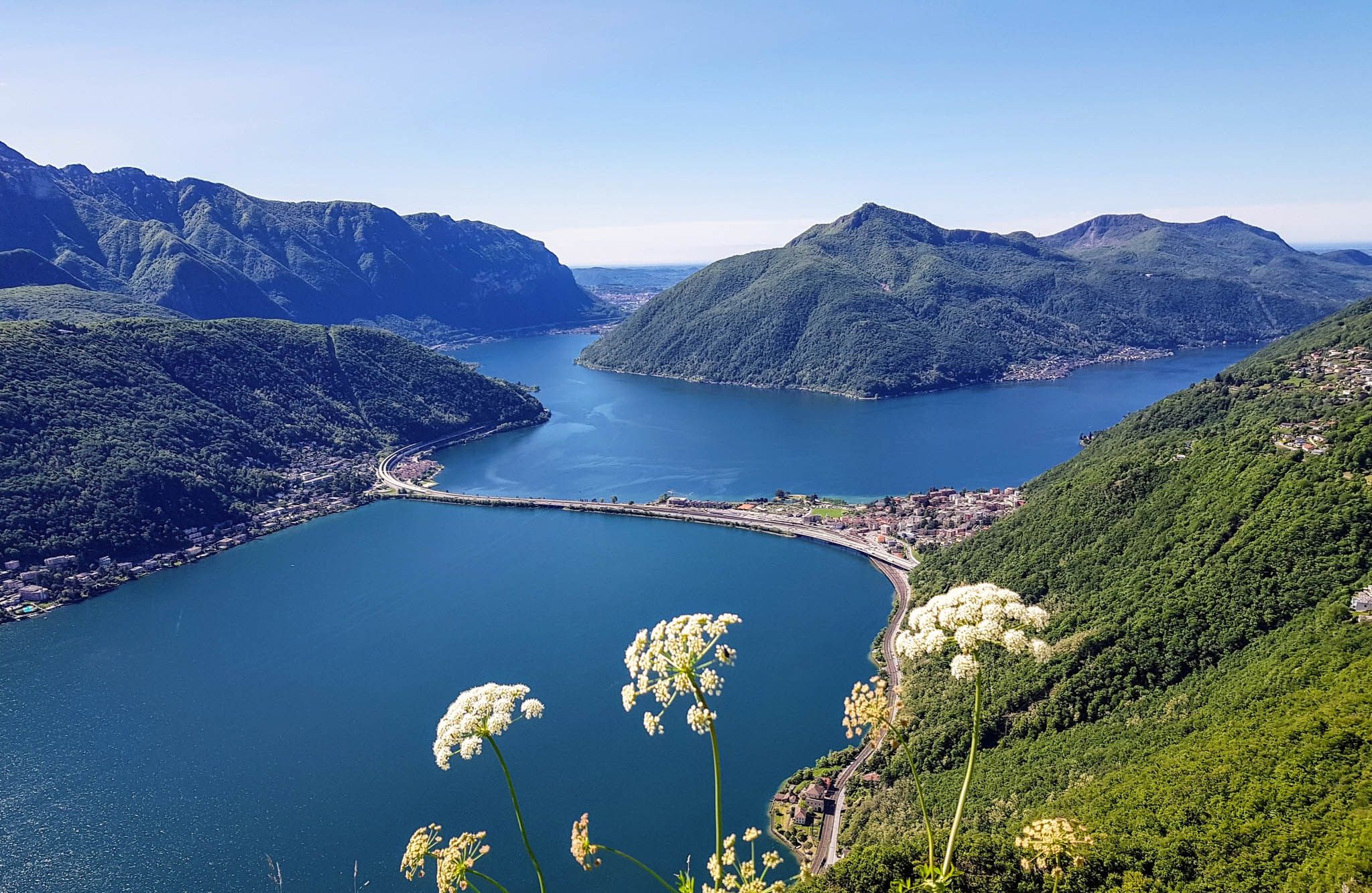
Sentiero Lago di Lugano – Between summits and lakes
Trans Swiss Trail – Hiking across Switzerland
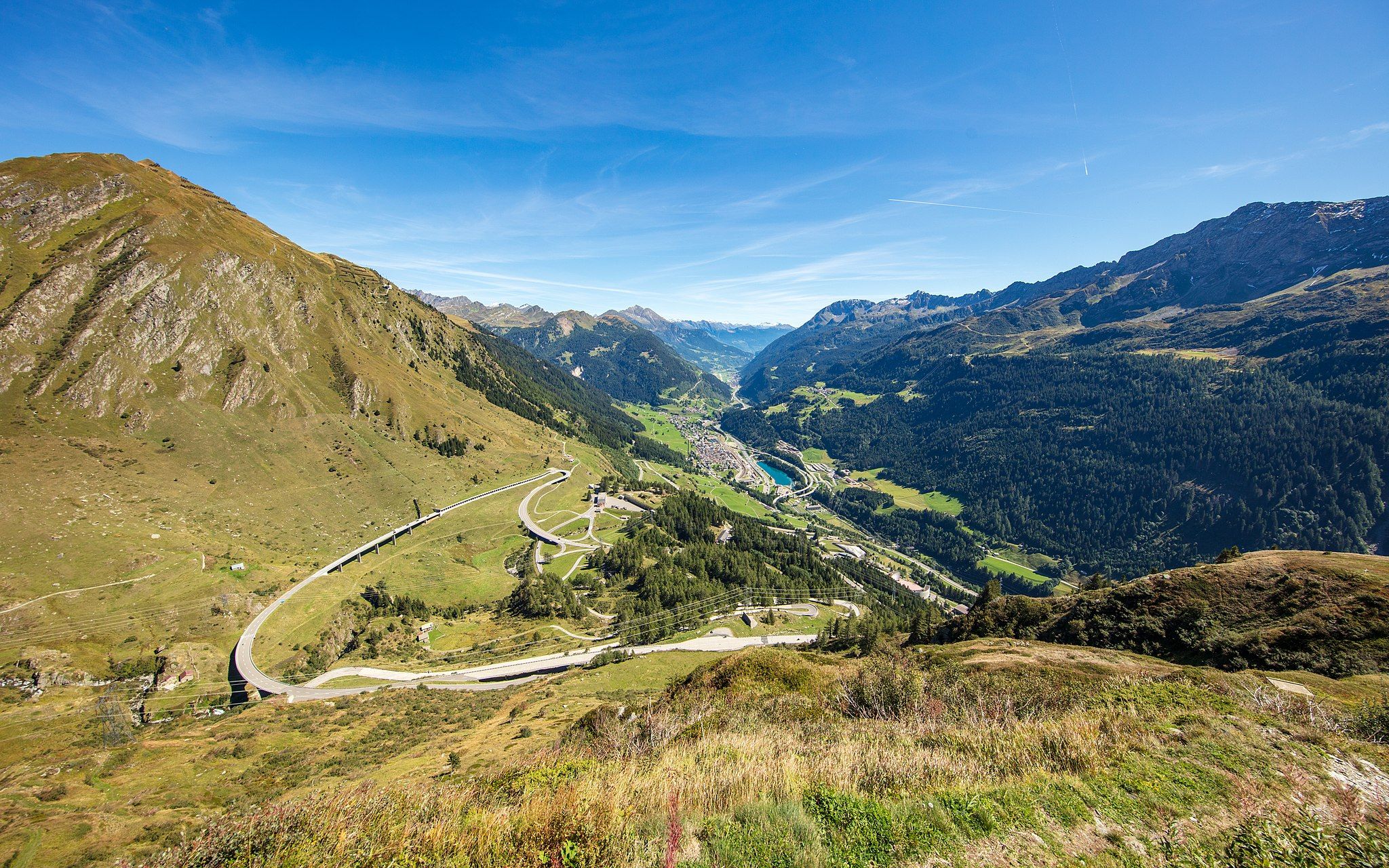
Via Gottardo – Following historic trails
Autumn magic – vibrant, scenic hikes in Ticino
Trails with friends – komoot hiking relay through Ticino in Switzerland
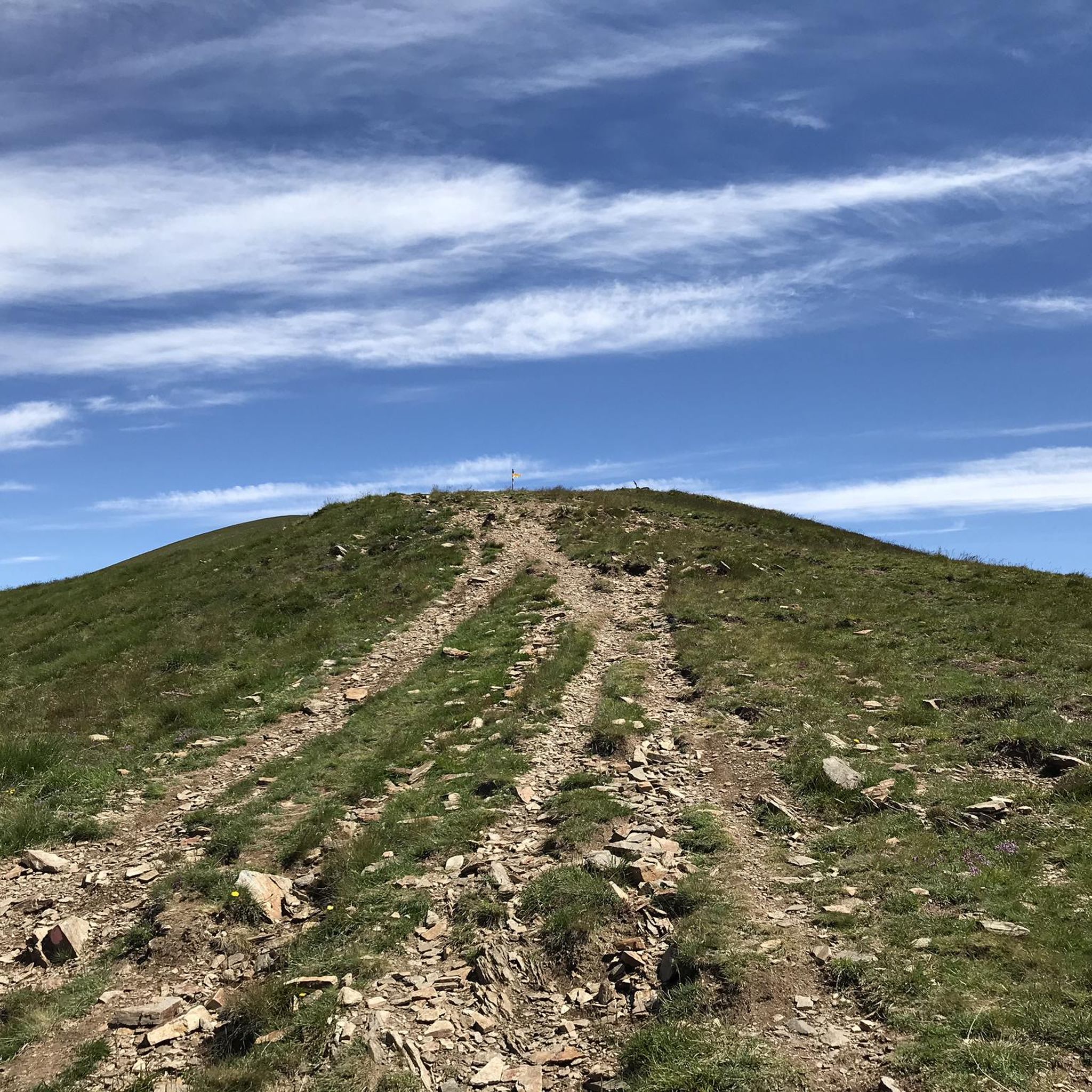
Hiking around Capriasca
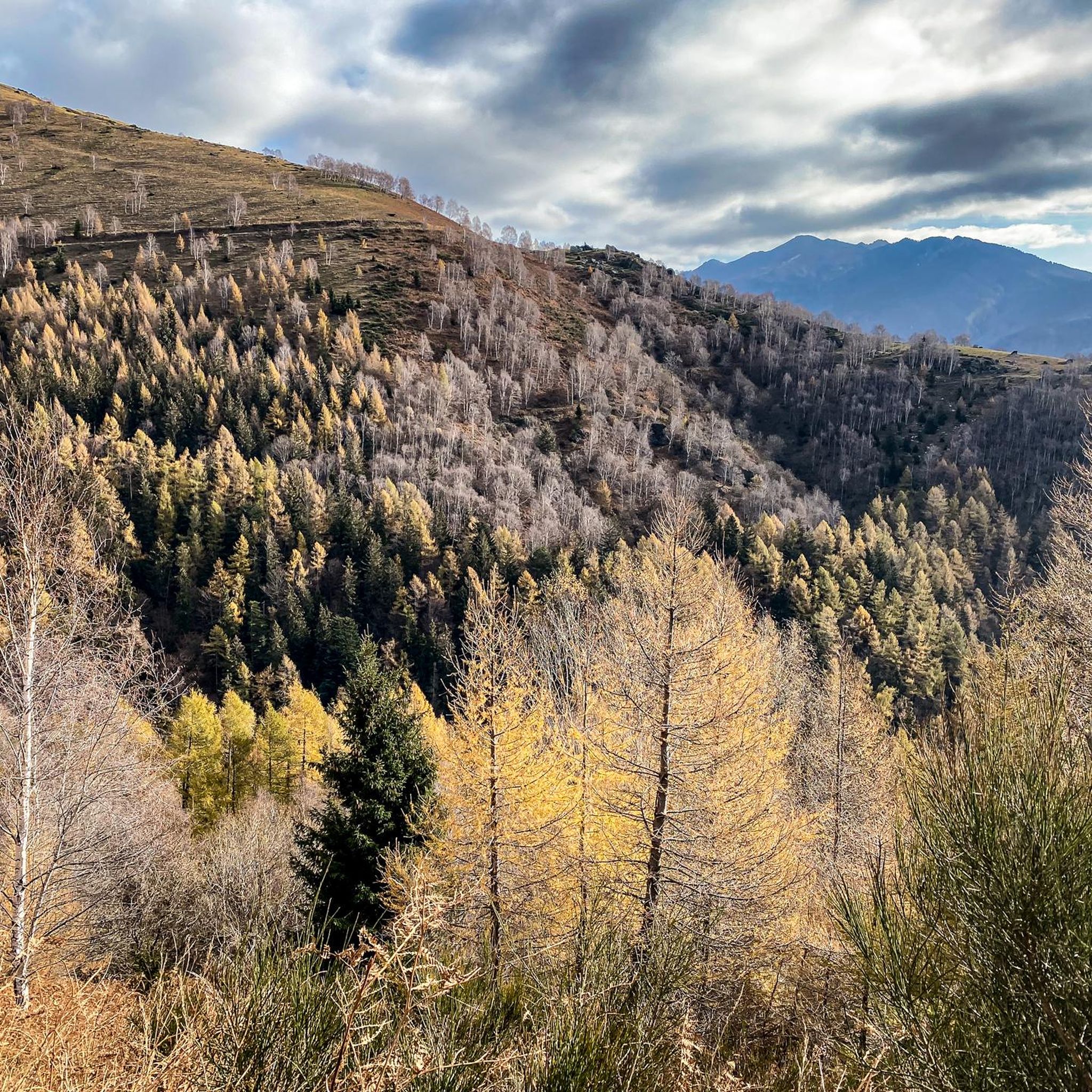
Running Trails around Capriasca
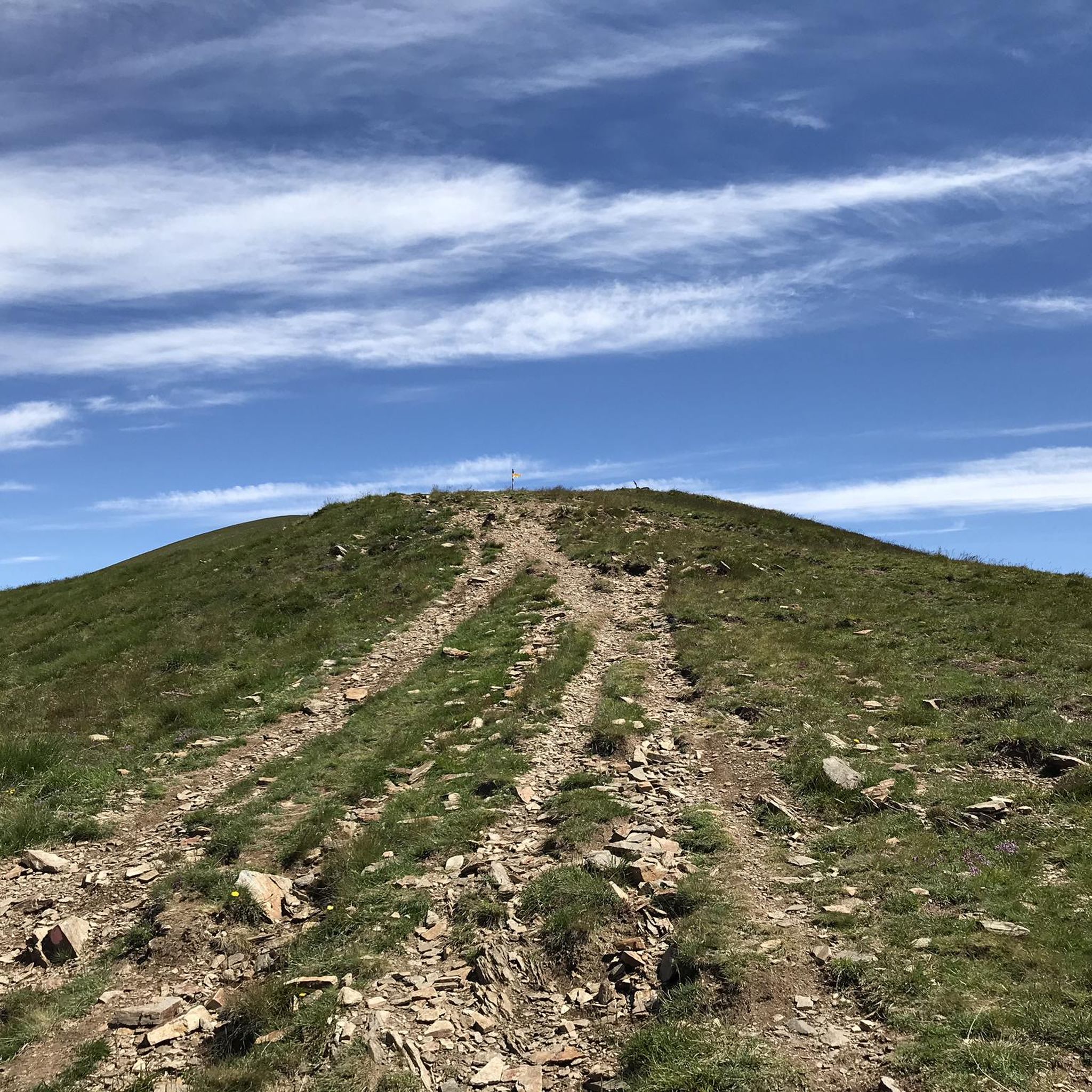
Road Cycling Routes around Capriasca
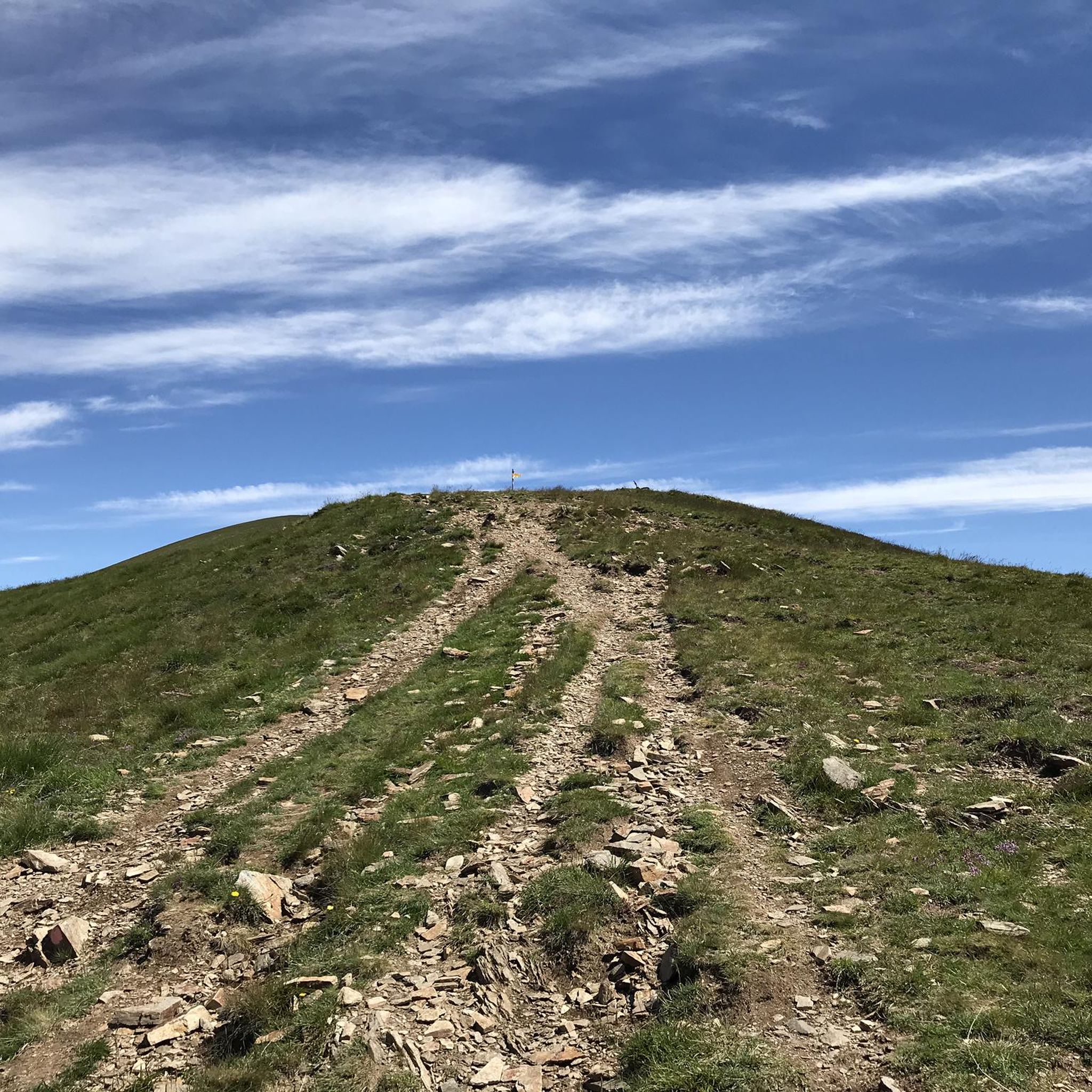
Cycling around Capriasca
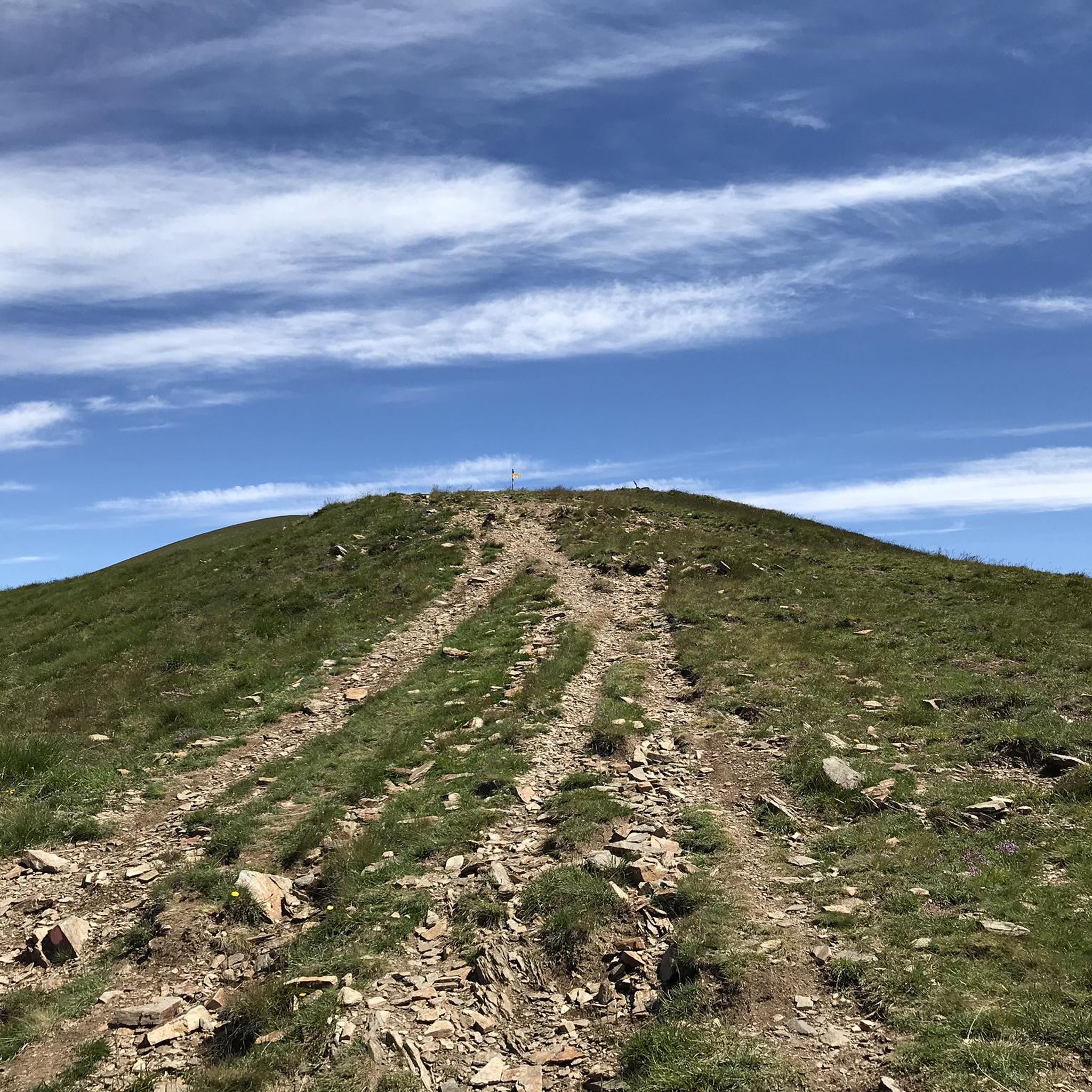
MTB Trails around Capriasca
Other adventures around Capriasca


Tips from the Community

A rather particular place...now difficult to reach due to the nettles and brambles that surround it and fallen trees that block the path
1
0

The Büs de la Noga, also called Grotta dell'Orso, is the largest cave in Valsolda. It measures about 50 meters in length, the width varies between 5 and 7 meters, for a maximum height of 7 meters. In search of traces of prehistoric man, a large quantity of bones of Ursus spelaeus, the cave bear, were found here.
0
0

The Büs de la Noga, also called Grotta dell'Orso, represents the largest cavity in Valsolda. It measures about 50 meters in length, the width varies between 5 and 7 meters, for a maximum height of 7 meters. The bottom, covered with soil, appears to have been moved by the excavations carried out in 1883 by Pompeo Castelfranco. In search of traces of prehistoric man, he instead found a large quantity of bones of the Ursus spelaeus, the cave bear: these finds are now exhibited at the Cantonal Museum of Natural History in Lugano (CH).
0
0

Following the path of the rocks he finds us in a fairly technical ups and downs that takes us to one of the wonders of the valsolda .. freezing water but it is worth entering the cave to admire the waterfall inside
0
0

Lovely canyoning area in Summer. Also a cave which I didn't explore. Views across the valley and down to the river are great. Marked trail (steep in places) leads from the dam/reservoir to the Hunger Forts. Look out for postcards in the disused phone box. 😄
0
0

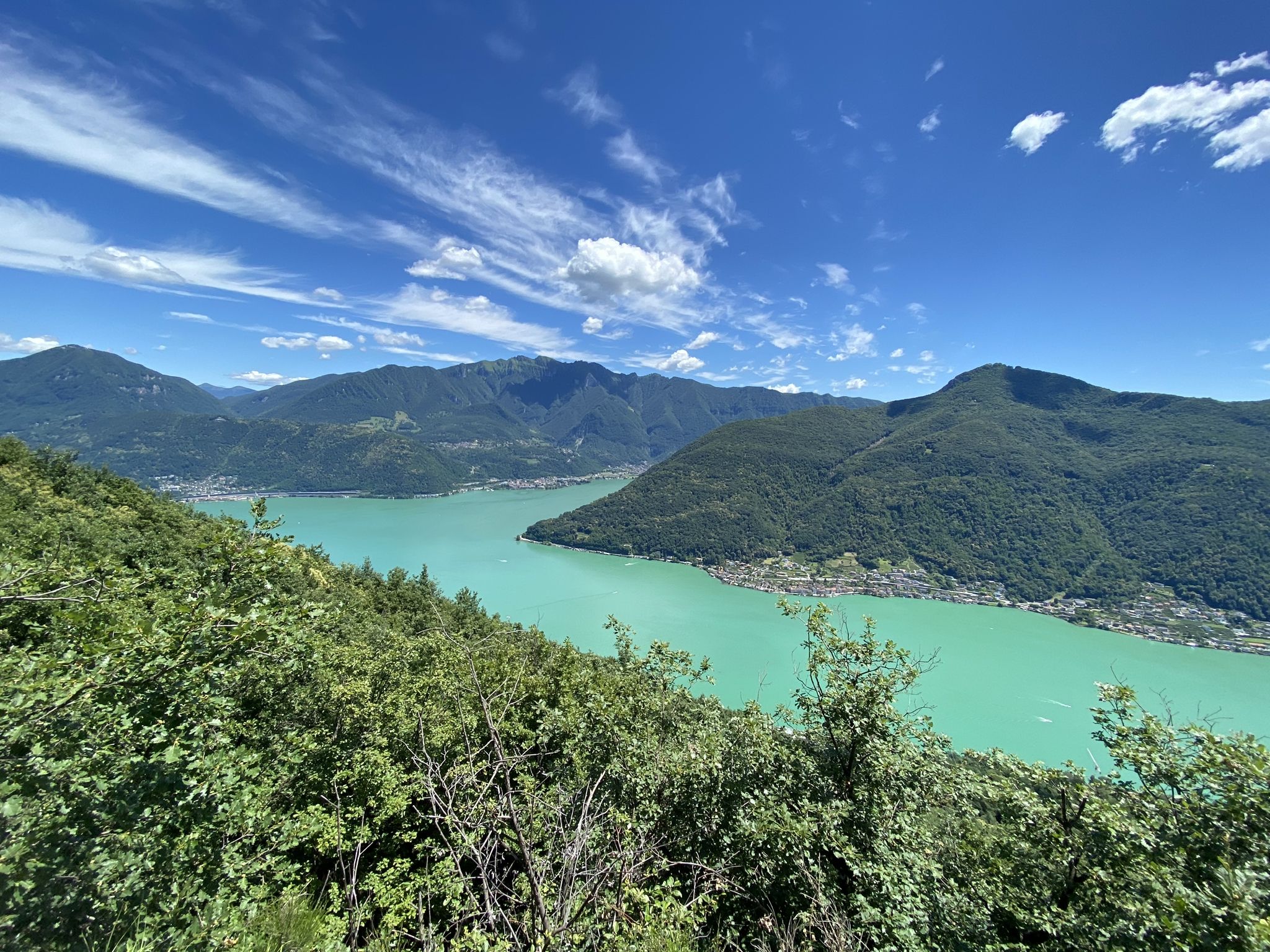
Former quarry with a great view of Lake Lugano.
2
0

This place is an ancient stone quarry. Here the stones of Caprino were extracted, a very hard stone used at that time to build Lugano's houses . The stones were transported with large boats to the river Cassarate on the opposite side of the lake.
1
0
Frequently Asked Questions
What types of caves can I explore around Capriasca?
While Capriasca itself is known for its scenic trails, the broader Ticino region offers a diverse range of underground explorations. These include ancient stone quarries like Cava Ronchetti Quarry, natural monuments featuring waterfalls inside caves such as Buco della Noga Waterfall, and historical sites like the Büs de la Noga (Bear Cave), known for prehistoric finds. You can also find caves integrated into scenic canyon areas, like the one near Via dell'Acqua Stone Arch Bridge and Cave.
Are there natural caves directly within the Capriasca municipality?
Extensive natural cave systems are not widely documented directly within the Capriasca municipality. The term 'grotto' in this area often refers to traditional Ticinese grotto-style restaurants, such as Grotto al Mulino, which offer local cuisine. However, the wider Ticino canton features notable natural caves like Sovaglia Cave and Grotta della Bögia, which are of significant speleological interest.
Where can I find a cave with a waterfall near Capriasca?
You can find a waterfall inside a cave at Buco della Noga Waterfall. The path to access it is described as fairly technical, and the water inside is freezing, but it offers a unique natural spectacle.
Are there any historical caves or sites related to ancient human activity?
Yes, the region offers several historical sites. Cava Ronchetti Quarry is an ancient stone quarry where stones were extracted to build houses in Lugano. Additionally, the Büs de la Noga (Bear Cave) is a historical site where a large quantity of bones from the Ursus spelaeus (cave bear) were discovered, now exhibited at the Cantonal Museum of Natural History in Lugano.
What is the difficulty level for accessing the caves around Capriasca?
Access difficulty varies. For instance, the path to Buco della Noga Waterfall is considered fairly technical. Via dell'Acqua Stone Arch Bridge and Cave is part of a marked trail that can be steep in places. Grotta di Gai is currently difficult to reach due to overgrown nettles, brambles, and fallen trees blocking the path.
Can I visit a cave known for prehistoric animal finds?
Yes, the Büs de la Noga (Bear Cave), also known as Grotta dell'Orso, is famous for the discovery of numerous cave bear bones (Ursus spelaeus) during excavations in 1883. These finds are now housed at the Cantonal Museum of Natural History in Lugano.
Are there any caves that offer scenic viewpoints?
Yes, Cava Ronchetti Quarry offers a great view of Lake Lugano. The area around Via dell'Acqua Stone Arch Bridge and Cave also provides excellent views across the valley and down to the river.
What outdoor activities can I do near the caves around Capriasca?
The Capriasca region is excellent for various outdoor activities. You can find numerous routes for cycling, gravel biking, and running. Popular options include challenging cycling tours like 'Motta della Croce and Capanna Monte bar from Tesserete' or scenic running trails such as the 'Sentiero del Monte Bar'.
What do visitors enjoy most about the caves and sites around Capriasca?
Visitors appreciate the unique blend of natural beauty and historical significance. Highlights include the stunning views of Lake Lugano from Cava Ronchetti Quarry, the impressive waterfall inside Buco della Noga Waterfall, and the historical intrigue of the Büs de la Noga (Bear Cave). The scenic trails and canyoning opportunities around Via dell'Acqua Stone Arch Bridge and Cave are also highly rated.
Are there any traditional grotto restaurants near the Capriasca area?
Yes, the Capriasca region is known for its traditional Ticinese grotto-style restaurants. One notable example is Grotto al Mulino in Bidogno, which offers local cuisine in a rustic setting. These grottos are a cultural highlight of the area, distinct from geological caves.
What geological formations can be observed in the wider Ticino region's caves?
In the wider Ticino canton, caves like Sovaglia Cave and Grotta della Bögia exhibit significant karst features. These include intricate systems of galleries, tunnels, narrow passages, halls, shafts, and even small underground lakes. You can also observe various forms of concretions and water curtains, showcasing diverse geological processes.
Most popular routes around Capriasca
Most popular attractions around Capriasca

Get inspired with the komoot mobile app


Explore more
Extend your search for the best caves by checking out these guides of the top ones around Capriasca:
