Attractions and Places To See in the Zagros Mountains - Top 18
Best attractions and places to see in the Zagros Mountains include a diverse array of natural and historical sites. This extensive mountain range features impressive peaks, pristine lakes, and significant waterfalls. The region also holds a rich historical legacy with ancient civilizations and UNESCO World Heritage Sites. Visitors can explore a variety of landscapes and cultural landmarks.
Best attractions and places to see in the Zagros Mountains
- The most popular attractions is Soffeh Peak, a summit that offers panoramic…
Last updated: August 31, 2026
Soffeh Peak
Highlight • Summit
Translated by Google •
Tip by

Vank Cathedral (Holy Savior Cathedral), Isfahan
Highlight • Religious Site
Tip by

Sign up now to discover places like this
Get recommendations on the best single tracks, peaks, & plenty of other exciting outdoor places.
Sign up for free
Shiraz Health Sidewalk Bicycle Path
Highlight (Segment) • Cycleway
Translated by Google •
Tip by

Qasr-e Dasht Garden Alleyway
Highlight (Segment) • Cycleway
Translated by Google •
Tip by
Palace of Ardashir
Highlight • Historical Site
Tip by
Persepolis (Takhte Jamshid)
Highlight • Historical Site
Tip by
Tomb of Saadi (Saadieh)
Highlight • Historical Site
In creation of one essence and soul
If one member is afflicted with pain
Other members uneasy will remain
If you have no …
Tip by
War Correspondents Memorial, Halabja
Highlight • Monument
Translated by Google •
Tip by

Ghandili Trail on Chamran Hill
Highlight • Trail
Translated by Google •
Tip by
Nasir al-Mulk Mosque
Highlight • Religious Site
Tip by
Sign up for free to discover even more attractions in the Zagros Mountains.
Sign up for free
Already have an account?
Start today with a free account
Your next adventure awaits.
Login or Signup
Other adventures in the Zagros Mountains

Tips from the Community

Palace of Ardashir I. Near Firuzabad, Iran, stands the Palace of Ardashir I, built around 224 CE, marking the rise of the Sasanian Empire. Ardashir I, who overthrew the Parthians and founded a new dynasty, built this grand palace to display his power. Its most impressive features are its huge domed halls—among the earliest examples of Sasanian dome construction—and its great iwans, or vaulted halls. The palace was part of the circular city of Ardashir-Khurrah, reflecting the Sasanians’ vision of order and authority. Together with the nearby fortress and city ruins, it forms part of the UNESCO-listed Archaeological Landscape of Fars, a testament to Sasanian innovation and influence.
0
0
The Palace of Ardashir I, also known as the Atesh-Kadeh or Fire Temple, is an impressive Sasanian-era monument located near Firuzabad in the Fars province of Iran. Built around 224 CE by Ardashir I, the founder of the Sasanian Empire, it served as a royal residence and a symbol of his power and authority. The palace is a significant example of early Sasanian architecture, featuring three large domes, a grand iwan or arched porch, and a unique design that is a precursor to later Sasanian palaces. It was strategically built on the banks of a river and a natural spring, which likely fed a royal garden, creating a picturesque and serene setting. The palace's construction from local rubble and mortar, combined with intricate plasterwork, showcases the ingenuity and artistry of its builders. The site is not just a palace but also a testament to the cultural and religious shifts of the time. While some sources identify it as a palace, others suggest it had a religious function, possibly as a fire temple. The presence of a spring and a pond has led to speculation that the site was linked to the Persian goddess of water and growth, Anahita. This dual nature, as both a political and potentially religious center, highlights the close relationship between the ruling class and the state religion of Zoroastrianism. Exploring the ruins, visitors can see the remnants of the grand halls and a staircase that led to the upper floors, offering a glimpse into the daily life and ceremonial activities of the Sasanian court. For those planning to visit, the best time to go is during the cooler months of the year, from late autumn to early spring, to avoid the intense summer heat of the region. The palace is located a few kilometers from the modern city of Firuzabad, and a visit can easily be combined with other historical sites in the area, such as the nearby Qal'eh Dokhtar (Maiden's Castle), another fortress built by Ardashir I. The site is a perfect destination for history enthusiasts and anyone interested in the rich heritage of ancient Iran. A key travel tip is to wear comfortable shoes for walking on uneven terrain and to bring plenty of water, as there are limited facilities on-site. The sheer scale and historical significance of the palace make it a truly unforgettable experience.
1
0

Monument to the war correspondents - the only one in the world. It was only the war correspondents' photos that alerted the public. Among the first photographers to document the events were the later Pulitzer Prize winner Kaveh Golestan, who witnessed the attack by the fighter planes from a distance, and the Turkish photographer Ramazan Öztürk. On March 21, 1988, Iranian authorities flew western journalists to Halabja by helicopter to inform the world. The journalists filmed and took photographs. https://de.m.wikipedia.org/wiki/Giftgasattack_auf_Halabdscha https://en.m.wikipedia.org/wiki/Kaveh_Golestan https://en.m.wikipedia.org/wiki/Iran%E2%80%93Iraq_War https://anfdeutsch.com/kultur/16-marz-1988-giftgas-auf-helebce-25080
0
0


The Vank Church in Isfahan, is one of the most important Armenian churches in the country and a must-see for any visit to the Armenian Quarter. Built in the 17th century, the church is a masterpiece of Armenian architecture and art. One of the most notable features of the church are the magnificent frescoes and paintings on the walls and ceiling that tell stories from the Old and New Testaments. The artworks showcase a unique blend of Armenian, Persian, and European artistic traditions, providing a fascinating insight into Armenian culture and history. In addition, the church also houses a museum exhibiting Armenian manuscripts, books, and works of art. Here one can learn more about the rich culture and history of the Armenian community.
0
0

The so-called Pink Mosque. Entry costs 1 million rials for foreigners.
1
0
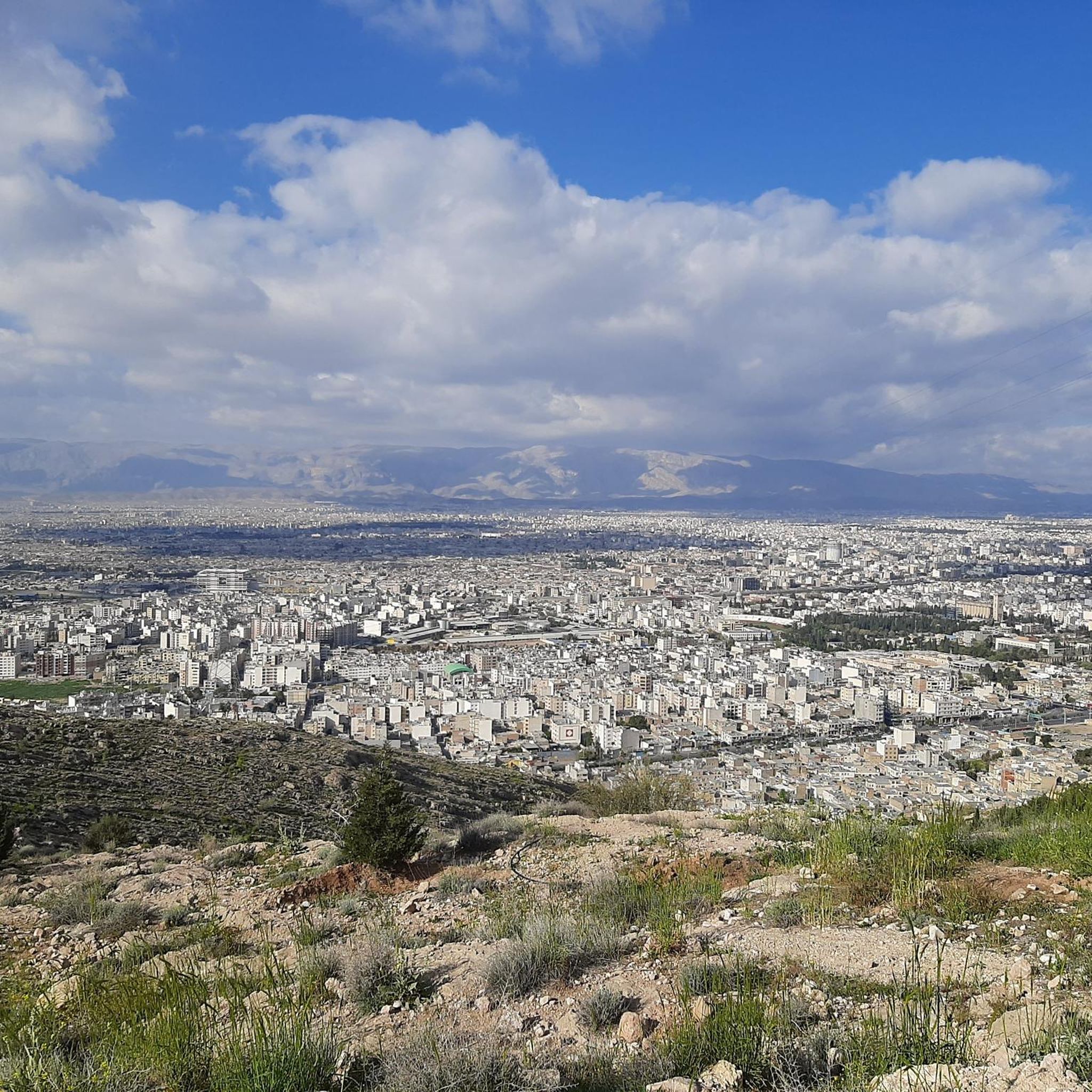
A spectacular view of the city. The climb is always worth it. You can hike up straight from the start of the park or take the cable car and hike up the last (steepest) stretch. Cable car costs 700,000 rials for locals and 1.5 million rials for foreigners for a round trip.
1
0

Do not take bags with you when visiting. (Admission control) In the warmer months of the year it is essential to bring sun protection with you. (Hat) An imposing complex.
3
0
Frequently Asked Questions
What are some prominent natural features to explore in the Zagros Mountains?
The Zagros Mountains are rich in natural beauty. You can visit Soffeh Peak, a summit offering panoramic city views and opportunities for hiking or a scenic cable car ascent. The region also features majestic peaks like Mount Dena and Mount Zard-Kuh, pristine freshwater lakes such as Gahar Lake and Zarivar Marivan, and numerous waterfalls, particularly in Lorestan province, including Bisheh Waterfall.
Which historical and cultural sites should I visit in the Zagros Mountains?
The Zagros Mountains are steeped in history. Don't miss Persepolis (Takhte Jamshid), the ceremonial capital of the Achaemenid Empire and a UNESCO World Heritage Site. Other significant historical attractions include the Palace of Ardashir near Firuzabad, the UNESCO World Heritage Site of Mount Bisotun with its ancient rock reliefs, and the archaeological site of Takht-e Soleyman.
Are there any family-friendly attractions in the Zagros Mountains?
Yes, several attractions are suitable for families. You can enjoy a leisurely cycle along the Shiraz Health Sidewalk Bicycle Path or the scenic Qasr-e Dasht Garden Alleyway. The Ghandili Trail on Chamran Hill is also a family-friendly trail with good views. Additionally, the Vank Cathedral (Holy Savior Cathedral) in Isfahan offers a cultural experience for all ages.
What kind of outdoor activities can I do near these attractions?
The Zagros Mountains offer diverse outdoor activities. You can find numerous hiking trails, including easy, moderate, and difficult options. For cycling enthusiasts, there are dedicated routes for touring bicycles and challenging MTB trails. Explore more options for hiking, mountain biking, and cycling in the region.
Where can I find unique religious or architectural sites?
The region boasts unique religious and architectural sites. The Vank Cathedral (Holy Savior Cathedral) in Isfahan is a beautifully preserved Armenian Apostolic church known for its magnificent frescoes. Another architectural marvel is the Nasir al-Mulk Mosque, often called the 'Pink Mosque,' famous for its stunning stained glass and intricate tile work.
What is the best time to visit the Zagros Mountains for outdoor activities?
The best time to visit the Zagros Mountains for outdoor activities generally depends on the specific activity. Spring (April to June) and autumn (September to November) offer pleasant temperatures for hiking and exploring. Summers can be hot in lower elevations but cooler in the high mountains, while winters bring snow, making it suitable for ski tours in areas like Mount Alvand.
Are there any museums or castles in the Zagros Mountains region?
Yes, the region has notable museums and castles. The Zagros Paleolithic Museum in Kermanshah offers insights into early human history in the area, including Neanderthal discoveries. Additionally, Falak-ol-Aflak Castle in Khorramabad, Lorestan province, is a significant historical fortress and a main tourist attraction.
What kind of wildlife can I expect to see in the Zagros Mountains?
The Zagros Mountains are home to diverse wildlife. You might encounter wild goats, brown bears, and the endangered Persian leopard. The region also features rich flora, including dense oak forests, pistachio, and almond steppelands. Protected areas like Dena National Park work to safeguard this biodiversity.
Can I experience local culture and traditions in the Zagros Mountains?
Absolutely. The Zagros Mountains are home to various nomadic tribes, such as the Bakhtiari, whose unique way of life and traditions enrich the region's cultural tapestry. Visitors can experience village life, traditional customs, local cuisine, and even engage in activities like nomadic traveling to immerse themselves in the local culture.
What are some notable peaks for mountaineering or scenic views?
For mountaineering and scenic views, the Zagros Mountains offer several impressive peaks. Mount Dena is the highest point, known for its snow-capped summit and panoramic vistas. Mount Zard-Kuh provides a challenging climb with pristine alpine landscapes, while Mount Alvand features rugged slopes and lush forests. Soffeh Peak is easily accessible and offers spectacular city views.
Are there any ancient irrigation systems or unique engineering marvels?
Yes, the region is home to remarkable ancient engineering. The Shushtar Historical Hydraulic System, a UNESCO World Heritage Site, is a complex ancient irrigation system that showcases incredible ingenuity and hydraulic engineering from centuries past.
What are some of the most popular hiking trails in the Zagros Mountains?
Popular hiking trails vary in difficulty. For an easy hike with city views, consider the 'View of Isfahan at Night loop' or the 'Persepolis (Takhte Jamshid) loop'. A moderate challenge is the 'Soffeh Peak loop'. For more difficult and longer treks, the 'کلاغ لانه loop' near Ganjnameh Ancient Inscriptions offers a rewarding experience. You can find more details on hiking in the Zagros Mountains.

Get inspired with the komoot mobile app


Explore more
Still not found the Highlight you’re looking for? See guides of the top attractions in other regions:
