Top 18 Castles around Tamins
Castles around Tamins offer insights into the region's history and natural landscape. The area, particularly the nearby Reichenau district, is situated at the confluence of the Vorderrhein and Hinterrhein rivers, which marks the birthplace of the Alpine Rhine. This region features a variety of historical fortifications, including well-preserved castles and significant ruins. There are 18 castles to explore around Tamins.
Best castles around Tamins
- The most popular castles is Confluence of the Vorderrhein and Hinterrhein, a river that lies…
Last updated: April 30, 2026
Confluence of the Vorderrhein and Hinterrhein
Highlight • River
Dominated by Reichenau Castle, the hamlet lies at the confluence of the Vorderrhein and Hinterrhein rivers, making it virtually the birthplace of the …
Translated by Google •
Tip by

Episcopal Court
Highlight • Castle
At the top left the square is closed off by the episcopal castle. The secular counterpart to the …
Translated by Google •
Tip by
Sign up now to discover places like this
Get recommendations on the best single tracks, peaks, & plenty of other exciting outdoor places.
Sign up for free
Neuenburg Castle Ruins
Highlight • Castle
Translated by Google •
Tip by

Reichenau Castle
Highlight • Castle
Showing Translation
Tip by
Rhäzüns Castle above the Hinterrhein
Highlight • Castle
It is not known when the plant or its predecessors were built. A castle probably existed on the site of today's palace as …
Translated by Google •
Tip by
Sign up for free to discover even more castles around Tamins.
Sign up for free
Already have an account?
Start today with a free account
Your next adventure awaits.
Login or Signup
Popular around Tamins
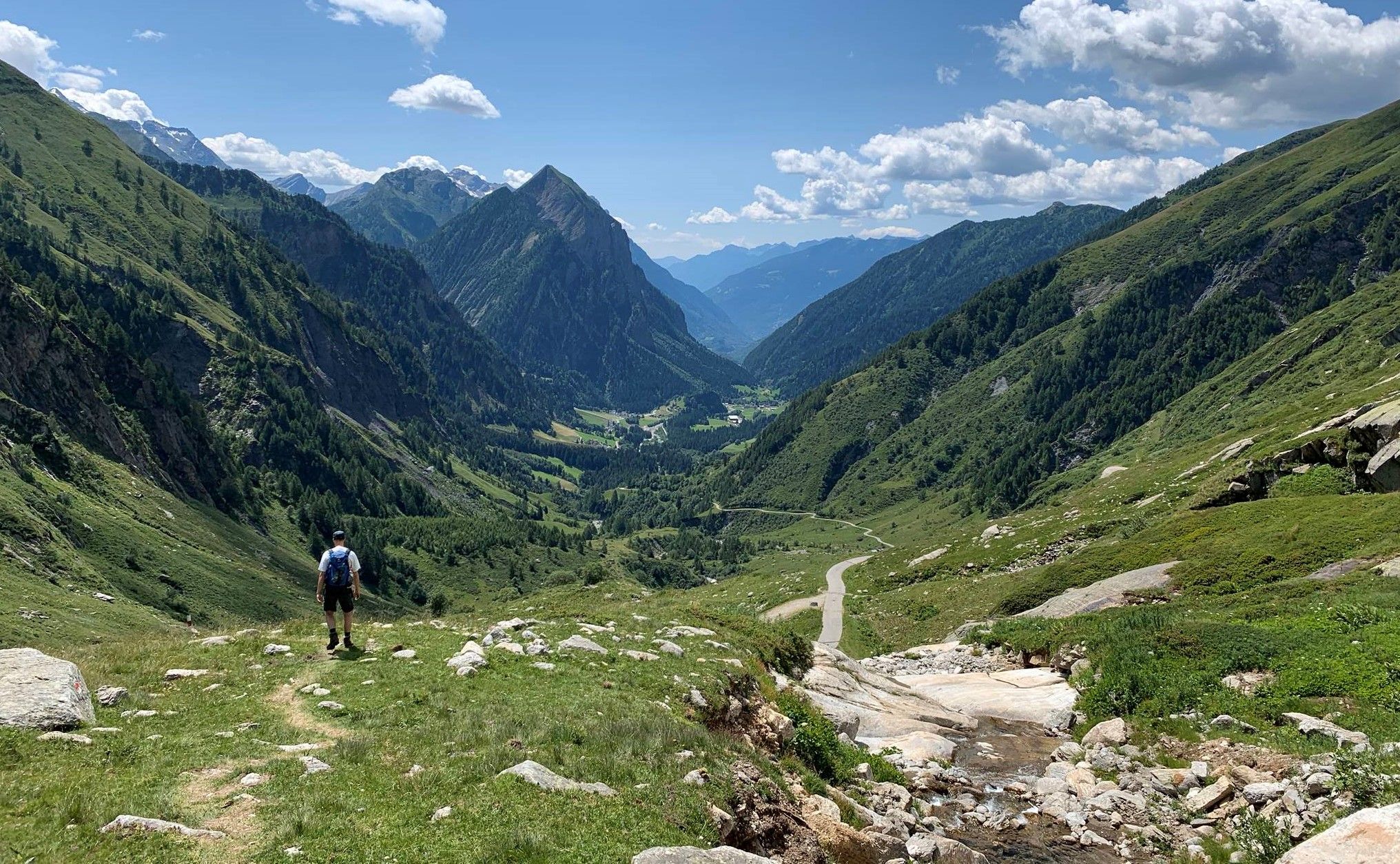
Alpine Passes Trail in Switzerland – 34 stages of pure mountain fun
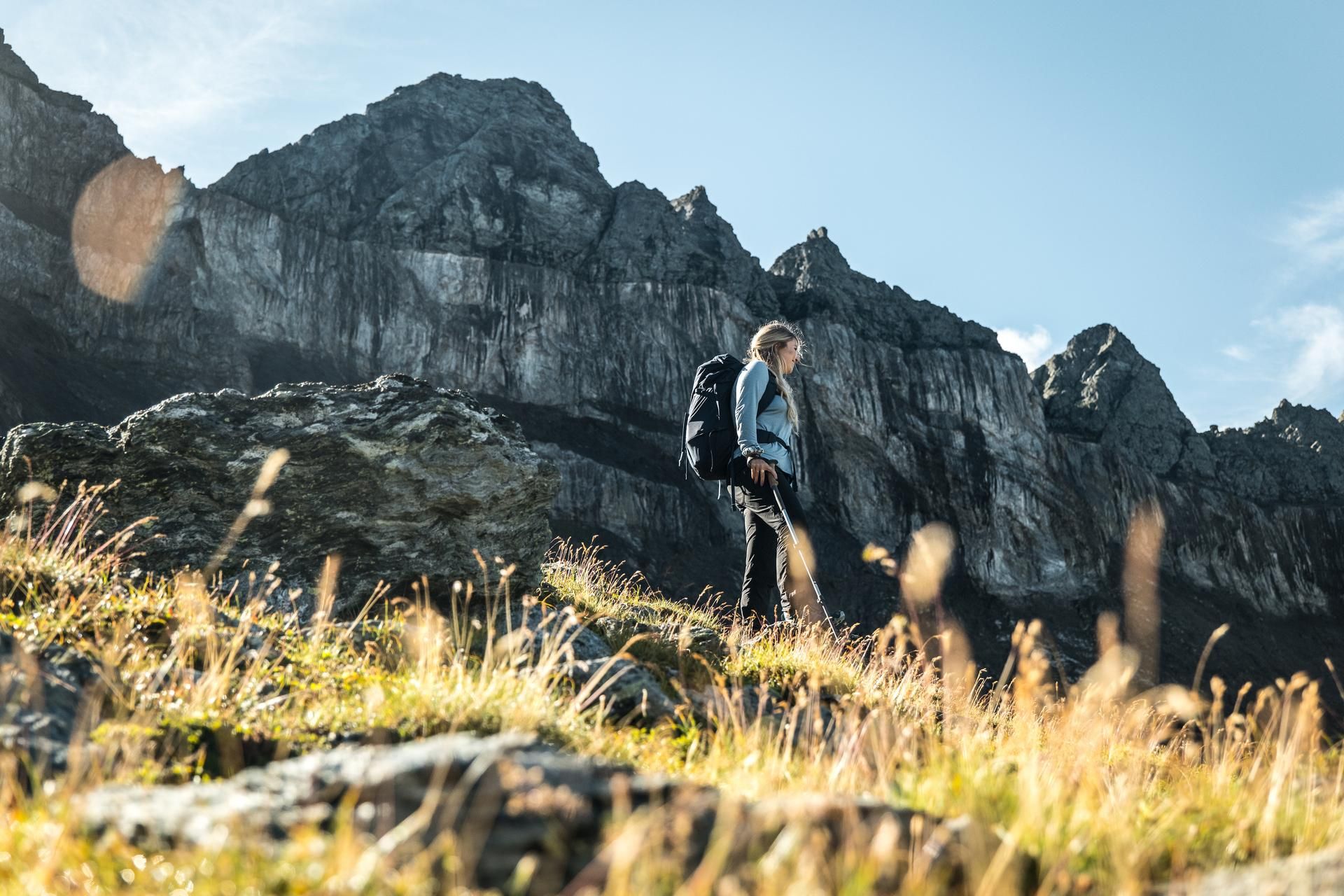
Hiking in the Swiss Tectonic Arena Sardona – Segnes Trek
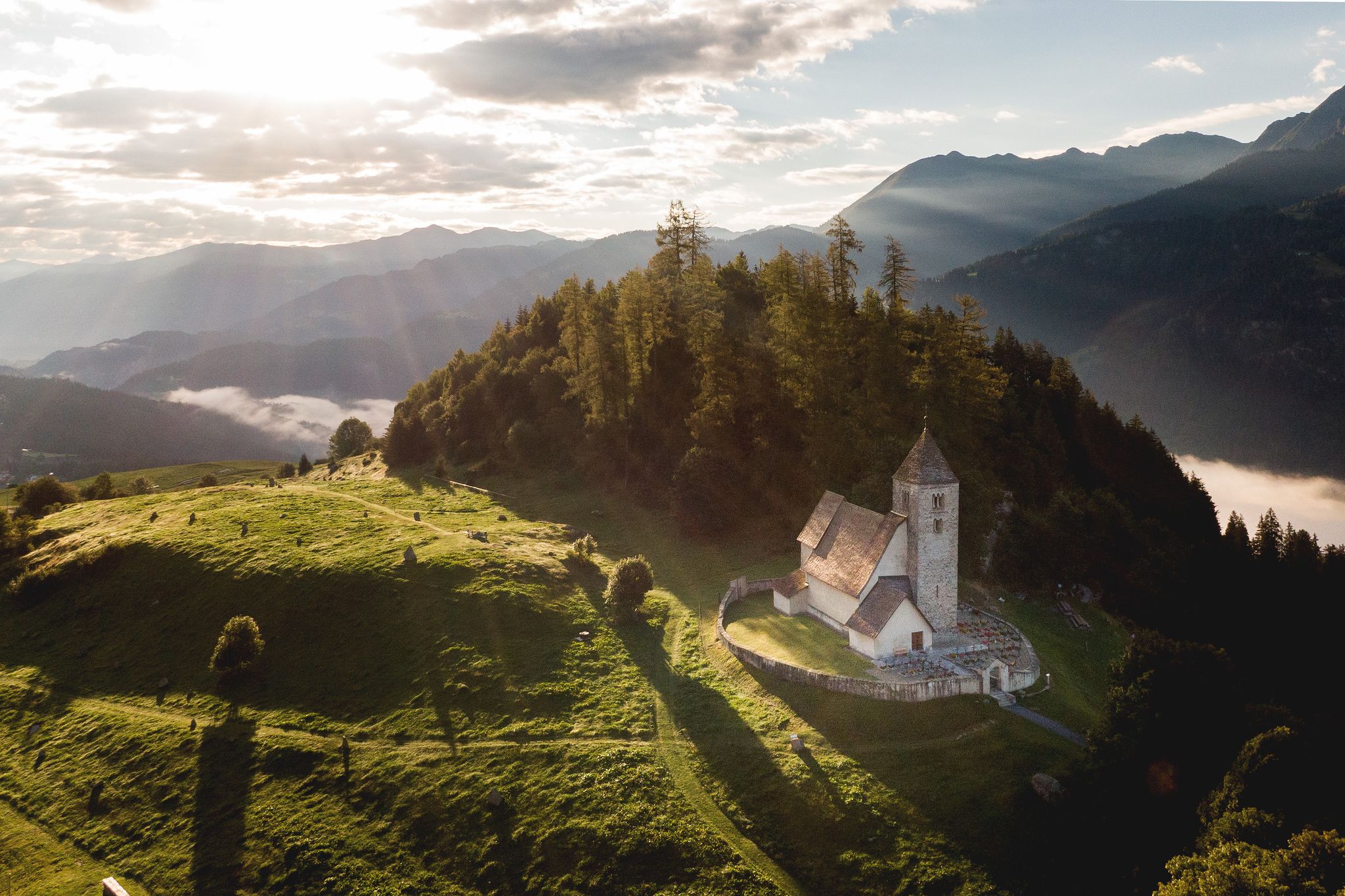
On ancient paths towards Santiago — the Way of St. James Graubünden
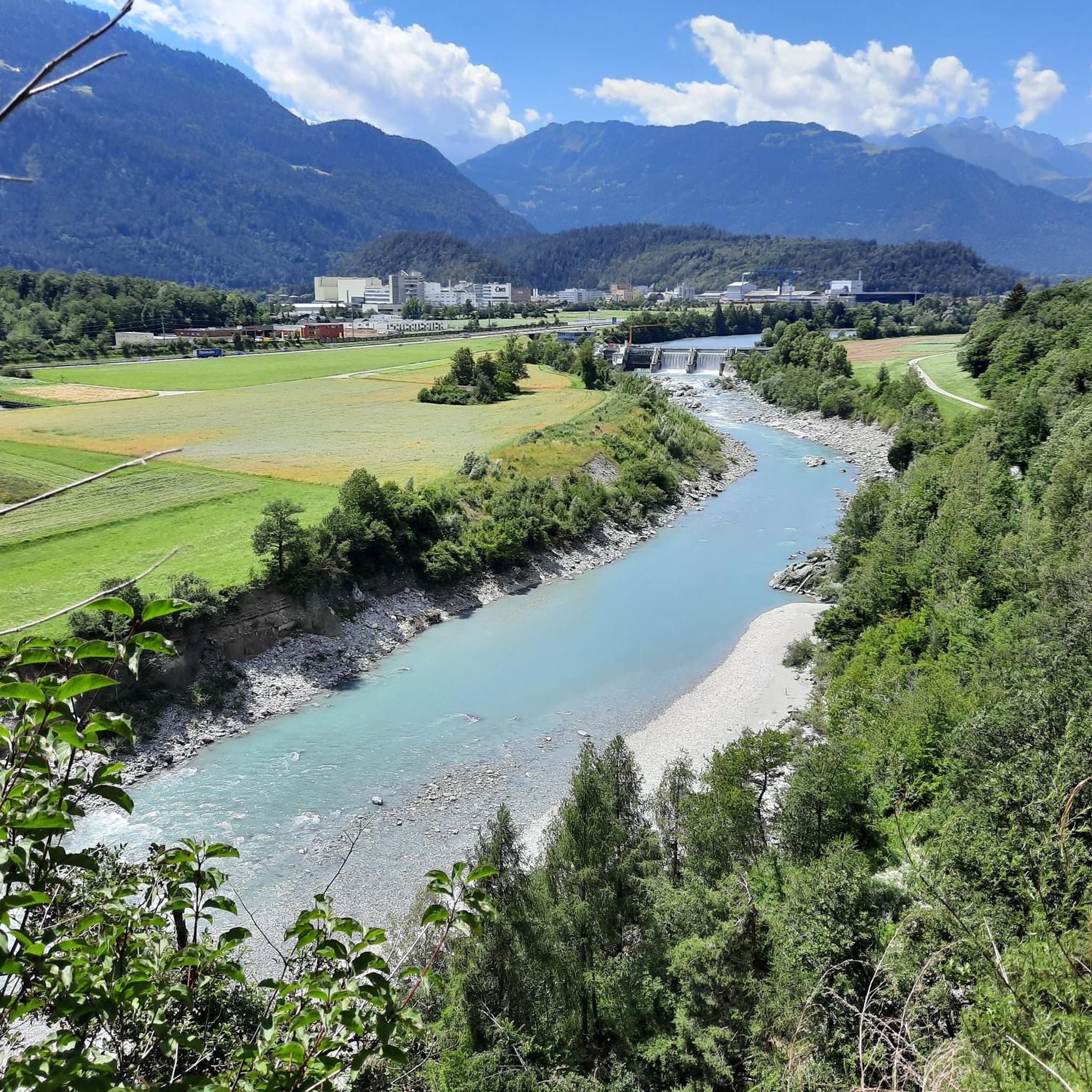
Cycling around Tamins
MTB Trails around Tamins
Road Cycling Routes around Tamins
Hiking around Tamins
Running Trails around Tamins

Gravel biking around Tamins
Mountain Hikes around Tamins
Other adventures around Tamins


Tips from the Community

The history of the castle continued after its purchase by the Swiss expatriate community. In 1958, Hovag Domat/Ems, under Dr. Werner Oswald, bought Rhäzüns Castle. Since 1984, it has been owned by Ems-Chemie AG, with residential rights granted to the family of Silvia and Christoph Blocher. Therefore, it is not possible to visit the castle.
0
0

The first building was constructed after 1272, following the consecration of the cathedral. Its current appearance dates back to the Baroque redesign of 1732/33 under Bishop Joseph von Rost, a Tyrolean native (serving as Bishop of Chur as Benedikt von Rost from 1728 to 1754), who incorporated architectural ideas from his homeland into the building. The cookbook "Ein schön Kochbuch 1559" (A Beautiful Cookbook 1559) was created in the Episcopal Palace between 1559 and around 1610. It is considered the oldest cookbook in Switzerland. In 2020, the Cathedral Treasury Museum, featuring the cathedral treasury and the death pictures dated 1543, will open in the Episcopal Palace. Source: https://de.wikipedia.org/wiki/Bisch%C3%B6fliches_Schloss_(Chur)
0
0

Ruinaulta Rhine Gorge The Ruinaulta, or Rhine Gorge, is a gorge of the Vorderrhein River, up to 400 meters deep and approximately 13 kilometers long, between Ilanz and the mouth of the Hinterrhein River near Reichenau in the canton of Graubünden in Switzerland. The Romansh name 'Ruinaulta' is composed of the two words ruina (scree slope, quarry) and aulta (high). The Ruinaulta was formed after the Flims Landslide almost 10,000 years ago. At that time, over 10 billion cubic meters of rock broke off between the Flimserstein and Piz Grisch, burying the Vorderrhein Valley between the present-day villages of Castrisch and Reichenau under a mass of debris several hundred meters thick. Because the Vorderrhein River could no longer drain away, a lake was dammed over a length of approximately 25 kilometers. Over time, the river cut deep into the landslide, and the resulting lake drained away completely. What remained was the Ruinaulta, with its steep limestone scree cliffs in impressive erosion formations. Text / Source: Wikipedia https://de.wikipedia.org/wiki/Ruinaulta
16
0
Ruinaulta Rhine Gorge The Ruinaulta, or Rhine Gorge, is a gorge of the Vorderrhein River, up to 400 meters deep and approximately 13 kilometers long, between Ilanz and the mouth of the Hinterrhein River near Reichenau in the canton of Graubünden in Switzerland. The Romansh name 'Ruinaulta' is composed of the two words ruina (scree slope, quarry) and aulta (high). The Ruinaulta was formed after the Flims Landslide almost 10,000 years ago. At that time, over 10 billion cubic meters of rock broke off between the Flimserstein and Piz Grisch, burying the Vorderrhein Valley between the present-day villages of Castrisch and Reichenau under a mass of debris several hundred meters thick. Because the Vorderrhein River could no longer drain away, a lake was dammed over a length of approximately 25 kilometers. Over time, the river cut deep into the landslide, and the resulting lake drained away completely. What remained was the Ruinaulta, with its steep limestone scree cliffs in impressive erosion formations. Text / Source: Wikipedia https://de.wikipedia.org/wiki/Ruinaulta
16
0
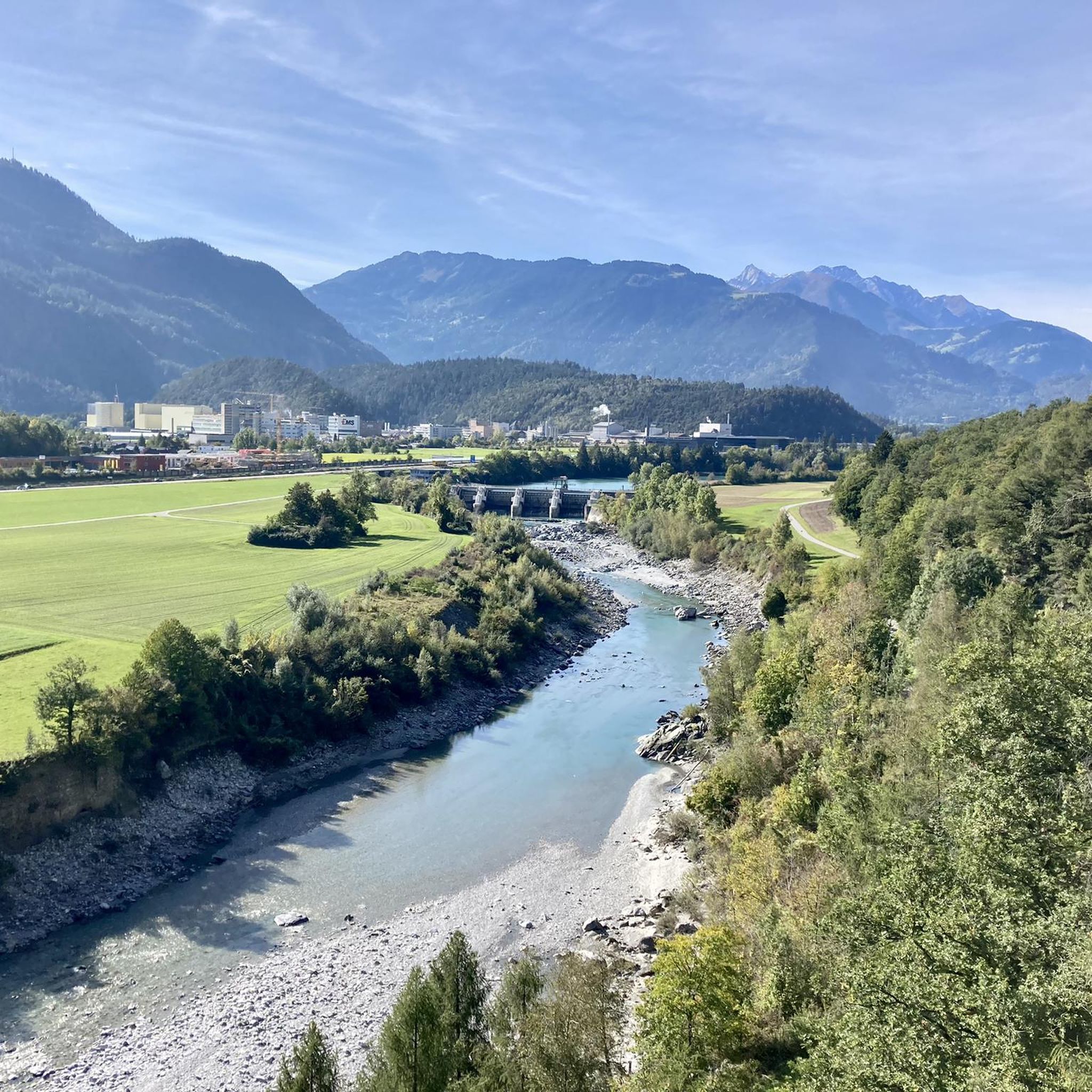
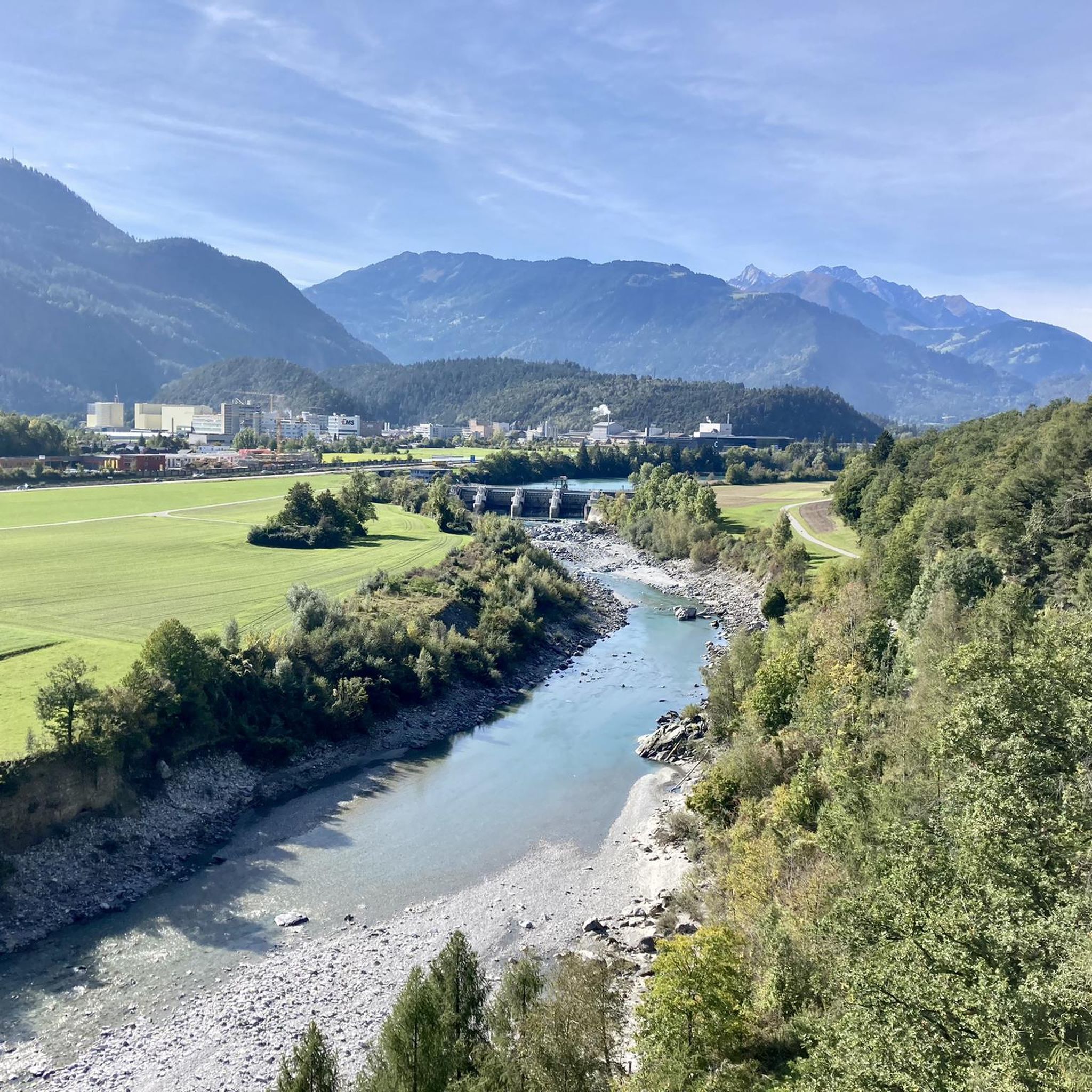
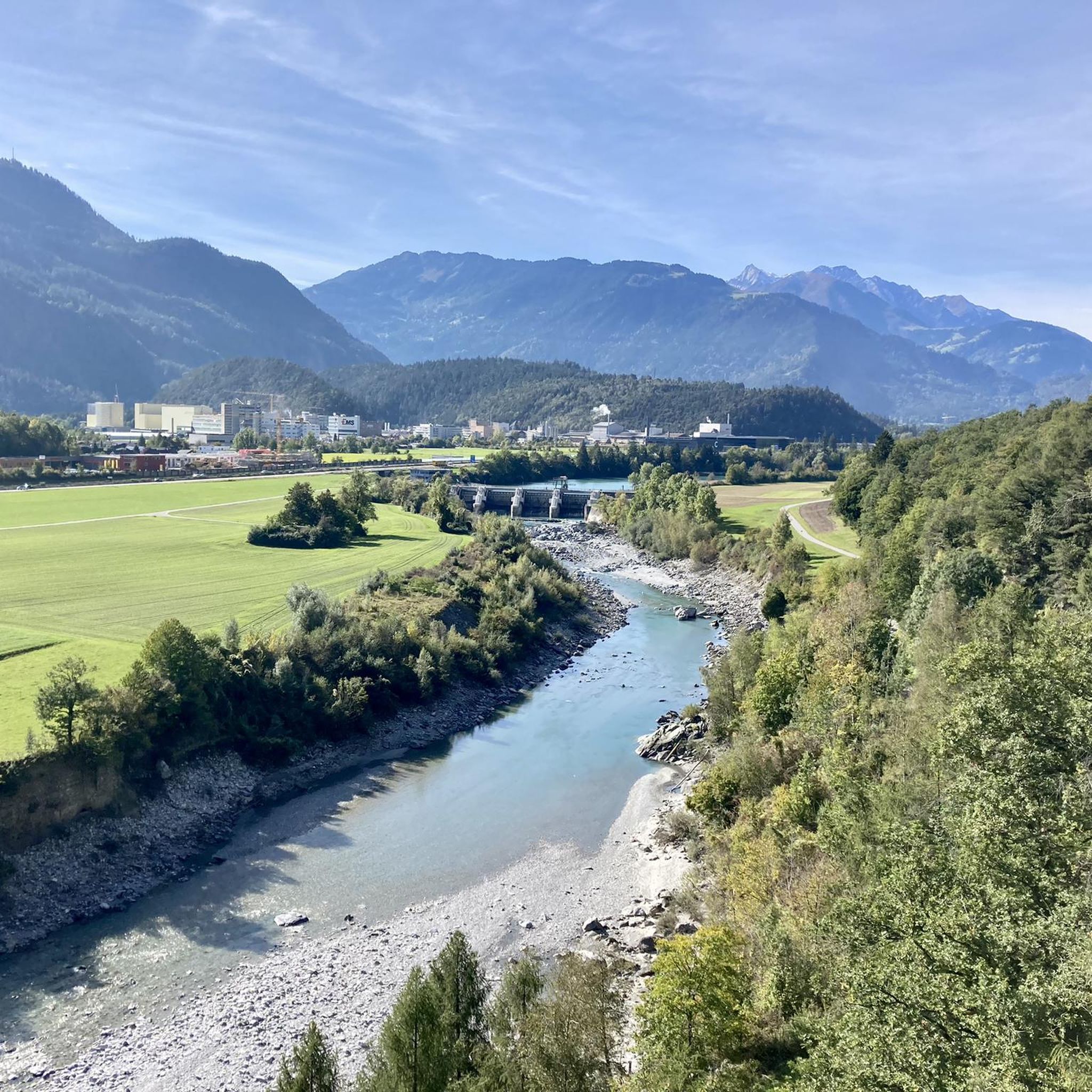
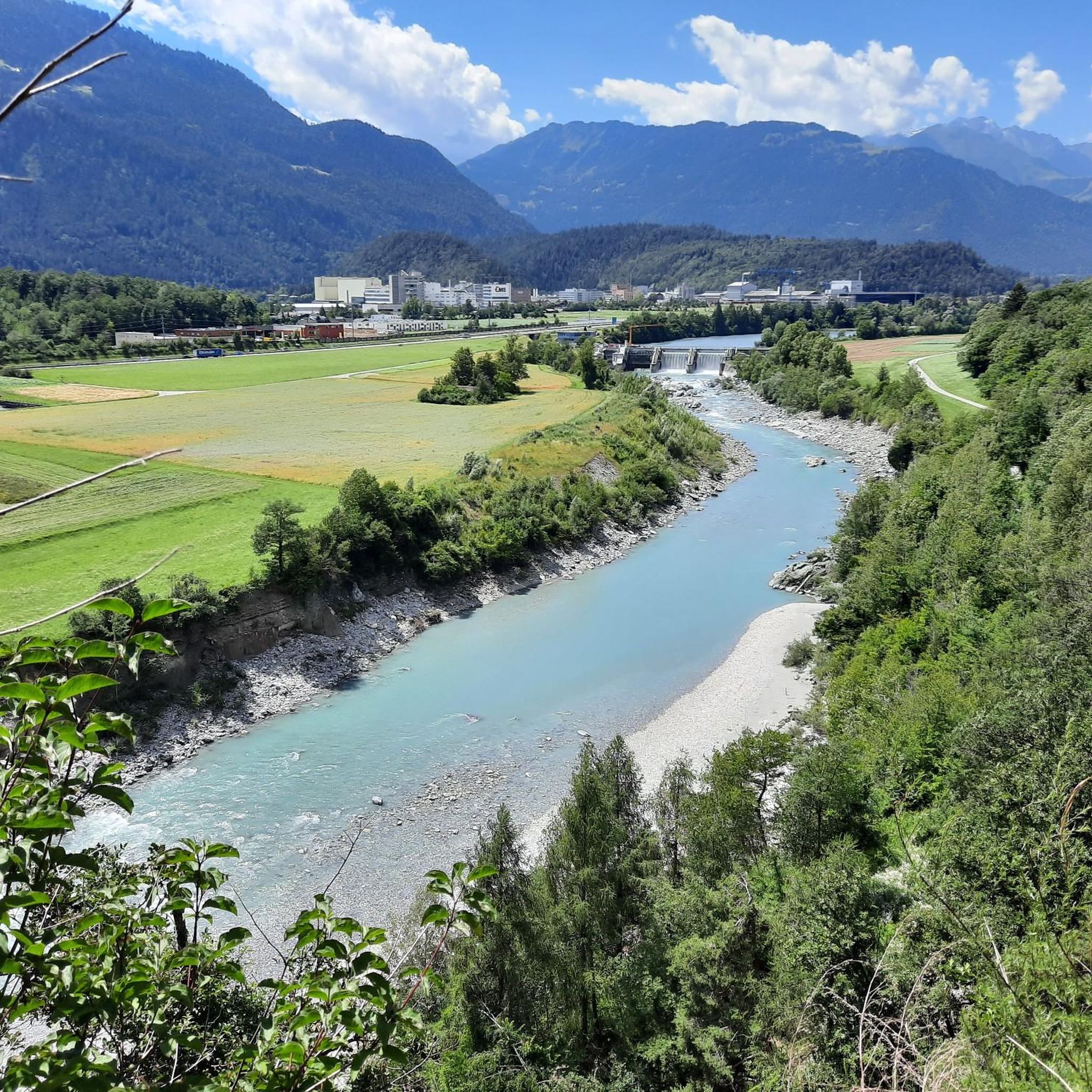
Confluence of the Vorderrhein and Hinterrhein, Reichenau Dominated by Reichenau Castle, the hamlet lies at the confluence of the Vorderrhein and Hinterrhein rivers, making it virtually the birthplace of the Rhine. It all began 10,000 years ago. Between the Flimserstein (a high plateau) and Piz Grisch, over 10,000 cubic meters of rock broke off and thundered down into the valley. Towards Reichenau, the Vorderrhein valley disappears under a gigantic mass of rubble. From there, the Rhine diligently ate its way through the rock, creating the spectacular Swiss "Grand Canyon" – the Ruinaulta. Text / Source: myswitzerland.com https://www.myswitzerland.com/de-ch/erlebnisse/route/vom-zusammenfluss-der-rheine-in-die-rheinschlucht/
16
0
Schloss Reichenau At the confluence of the Hinterrhein and Vorderrhein, at the birthplace of the Alpine Rhine, lies the historic site of Reichenau. Reichenau already had great importance in the past: in the 14th century, as long-distance traffic over the Grisons Alpine passes increased significantly, two bridges and a customs house were built. Reichenau was considered a traffic hub, where all traffic could be controlled. In Reichenau, the routes of the north-south axis separate, along the Vorderrhein into the Oberland towards the Lukmanier and Oberalp passes, and along the Hinterrhein through the Domleschg via the Splügen and San Bernardino. Text / Source: Weinbau von Tscharner & Events Schloss Reichenau, Schloss Reichenau, Reichenauerstr. 59, 7015 Reichenau https://www.reichenau.ch/de/reichenau/geschichte-lage
15
0
At the confluence of the Hinterrhein and Vorderrhein, at the birthplace of the Alpine Rhine, lies Reichenau Castle. Built in the 17th century by the episcopal ministerial family Schauenstein, it looks back on a long history. The last king of France even lived here once.
15
0
Confluence of the Vorderrhein and Hinterrhein, Reichenau Dominated by Reichenau Castle, the hamlet lies at the confluence of the Vorderrhein and Hinterrhein rivers, making it virtually the birthplace of the Rhine. It all began 10,000 years ago. Between the Flimserstein (a high plateau) and Piz Grisch, over 10,000 cubic meters of rock broke off and thundered down into the valley. Towards Reichenau, the Vorderrhein valley disappears under a gigantic mass of rubble. From there, the Rhine diligently ate its way through the rock, creating the spectacular Swiss "Grand Canyon" – the Ruinaulta. Text / Source: myswitzerland.com https://www.myswitzerland.com/de-ch/erlebnisse/route/vom-zusammenfluss-der-rheine-in-die-rheinschlucht/
16
0
Frequently Asked Questions
Which castles around Tamins offer unique historical insights?
For a deep dive into history, consider visiting Reichenau Castle, which has a rich past including a royal connection to Louis Philippe I. Another significant site is the Episcopal Court in Chur, a historical core featuring the episcopal castle and cathedral, serving as the seat of the Chur diocesan bishop since 1272.
Are there any castle ruins to explore near Tamins?
Yes, you can explore the Neuenburg Castle Ruins. Situated on the foothills of the Calanda massif, this ruined hilltop castle offers beautiful views of the Rhine Valley and is easily accessible on foot via a narrow road.
What natural features can I see when visiting castles around Tamins?
The region is known for its stunning natural landscapes. A key natural landmark is the Confluence of the Vorderrhein and Hinterrhein, which marks the birthplace of the Alpine Rhine and is dominated by Reichenau Castle. This area also offers views of the spectacular Swiss 'Grand Canyon' – the Ruinaulta (Rhine Gorge).
Can I visit Reichenau Castle, and what makes it special?
Yes, Reichenau Castle is open to visitors. It's unique for its history, having been built in the 17th century and later serving as a reformatory where Louis Philippe I, future King of France, taught. Today, it operates as a renowned winery, offering guided tours and wine tastings. Its location at the confluence of the Vorderrhein and Hinterrhein rivers provides a spectacular setting.
Are there family-friendly castles or activities near Tamins?
Reichenau Castle is considered family-friendly, offering a blend of history and a scenic location. The Confluence of the Vorderrhein and Hinterrhein, where Reichenau Castle is located, is also categorized as family-friendly, providing an interesting natural landmark for all ages.
What outdoor activities can I do near these castles?
The area around Tamins offers various outdoor activities. You can find numerous mountain biking trails, such as the 'Alter Schin Historic Trail – Polenweg Trail loop' or the 'Beautiful village of Tamins – View of Flimserstein loop'. For hiking enthusiasts, there are mountain hikes like the 'Pinut Via Ferrata Entry – Via ferrata Pinut loop'. You can explore more options on the MTB Trails around Tamins guide or the Mountain Hikes around Tamins guide.
What is the best time to visit castles around Tamins?
While specific opening hours vary, the region is generally pleasant for exploring castles and outdoor activities from spring through autumn. This period allows for comfortable hiking and enjoying the scenic river confluences and castle grounds. Winter can offer a different, often snowy, perspective, but some routes or castle access might be limited.
Can I visit Rhäzüns Castle?
Unfortunately, Rhäzüns Castle is not open to the public for visits. It is privately owned by Ems-Chemie AG, with residential rights granted to a family, making public access not possible.
Are there any viewpoints near the castles in Tamins?
Yes, several castles and their surroundings offer excellent viewpoints. The Neuenburg Castle Ruins provide a beautiful view of the Rhine Valley. Additionally, the Confluence of the Vorderrhein and Hinterrhein, dominated by Reichenau Castle, is a significant viewpoint where you can witness the 'birthplace' of the Rhine.
What kind of historical sites are near Tamins besides castles?
Beyond the castles, the region boasts other historical sites. The Episcopal Court in Chur, with its cathedral and episcopal castle, represents a historical core dating back to 1272. The entire region is steeped in history, with many structures reflecting centuries of development.
What do visitors enjoy most about the castles around Tamins?
Visitors particularly appreciate the blend of historical significance and natural beauty. The scenic location of Reichenau Castle at the river confluence, the impressive views from the Neuenburg Castle Ruins, and the rich history embedded in sites like the Episcopal Court are frequently highlighted. The komoot community has contributed over 65 photos and 270 upvotes to these castle highlights, showcasing their appeal.
Are there options for gravel biking near the castles?
Yes, the area around Tamins is suitable for gravel biking. You can find routes like the 'Beautiful village of Tamins – Historic Center of Tamins loop' or the 'View of Versam – Versam Curves loop'. These routes often pass through scenic areas near historical sites. More details can be found in the Gravel biking around Tamins guide.
Most popular routes around Tamins
Most popular attractions around Tamins

Get inspired with the komoot mobile app


Explore more
Looking for the best castles somewhere else? Discover other guides around Tamins:
