Top 8 Castles around Maladers
Castles around Maladers are located within the Graubünden region of Switzerland, an area characterized by its mountainous terrain and rich historical heritage. This canton offers a diverse landscape, from alpine valleys to the Rhine river plain. The region provides a glimpse into medieval architecture and local history, often set against picturesque backdrops. These historical sites contribute to the cultural significance of the wider area.
Best castles around Maladers
- The most popular castles is Neuenburg Castle Ruins, a castle that…
Last updated: June 28, 2026
Episcopal Court
Highlight • Castle
At the top left the square is closed off by the episcopal castle. The secular counterpart to the …
Translated by Google •
Tip by

Neuenburg Castle Ruins
Highlight • Castle
Translated by Google •
Tip by

Sign up now to discover places like this
Get recommendations on the best single tracks, peaks, & plenty of other exciting outdoor places.
Sign up for free
Oberruchenberg Ruins
Highlight • Castle
Translated by Google •
Tip by

Haldenstein Castle
Highlight • Castle
Translated by Google •
Tip by

Lower Castle Zizers
Highlight • Castle
Translated by Google •
Tip by

Sign up for free to discover even more castles around Maladers.
Sign up for free
Already have an account?
Start today with a free account
Your next adventure awaits.
Login or Signup

Tips from the Community

The first building was constructed after 1272, following the consecration of the cathedral. Its current appearance dates back to the Baroque redesign of 1732/33 under Bishop Joseph von Rost, a Tyrolean native (serving as Bishop of Chur as Benedikt von Rost from 1728 to 1754), who incorporated architectural ideas from his homeland into the building. The cookbook "Ein schön Kochbuch 1559" (A Beautiful Cookbook 1559) was created in the Episcopal Palace between 1559 and around 1610. It is considered the oldest cookbook in Switzerland. In 2020, the Cathedral Treasury Museum, featuring the cathedral treasury and the death pictures dated 1543, will open in the Episcopal Palace. Source: https://de.wikipedia.org/wiki/Bisch%C3%B6fliches_Schloss_(Chur)
0
0

The castle garden is especially beautiful when the roses are in bloom 🌹
1
0

Not only is the ensemble above the old town of Chur very impressive as a whole building and bulwark, the view is also wonderful!
1
0

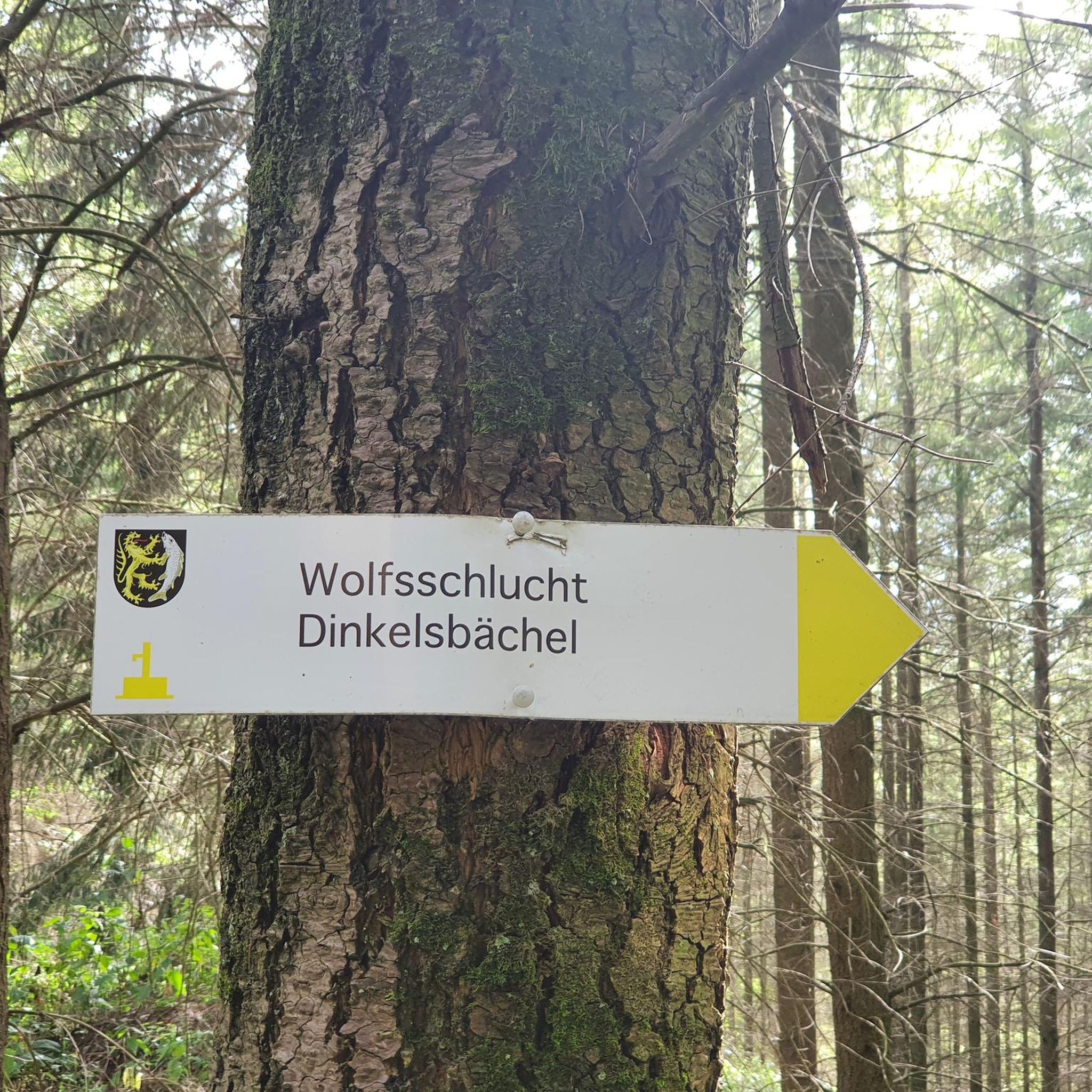
First the negative: you have to push up the trail. The positive: if you like tight switchbacks and narrow lines, you'll like it. 😝 All switchbacks are doable 😉 Oh yes, there's a 🌳 across the path, you have to lift over it.
0
0

Very interesting castle with an exciting history. It's great that the ensemble in Haldenstein has survived to this day.
3
0

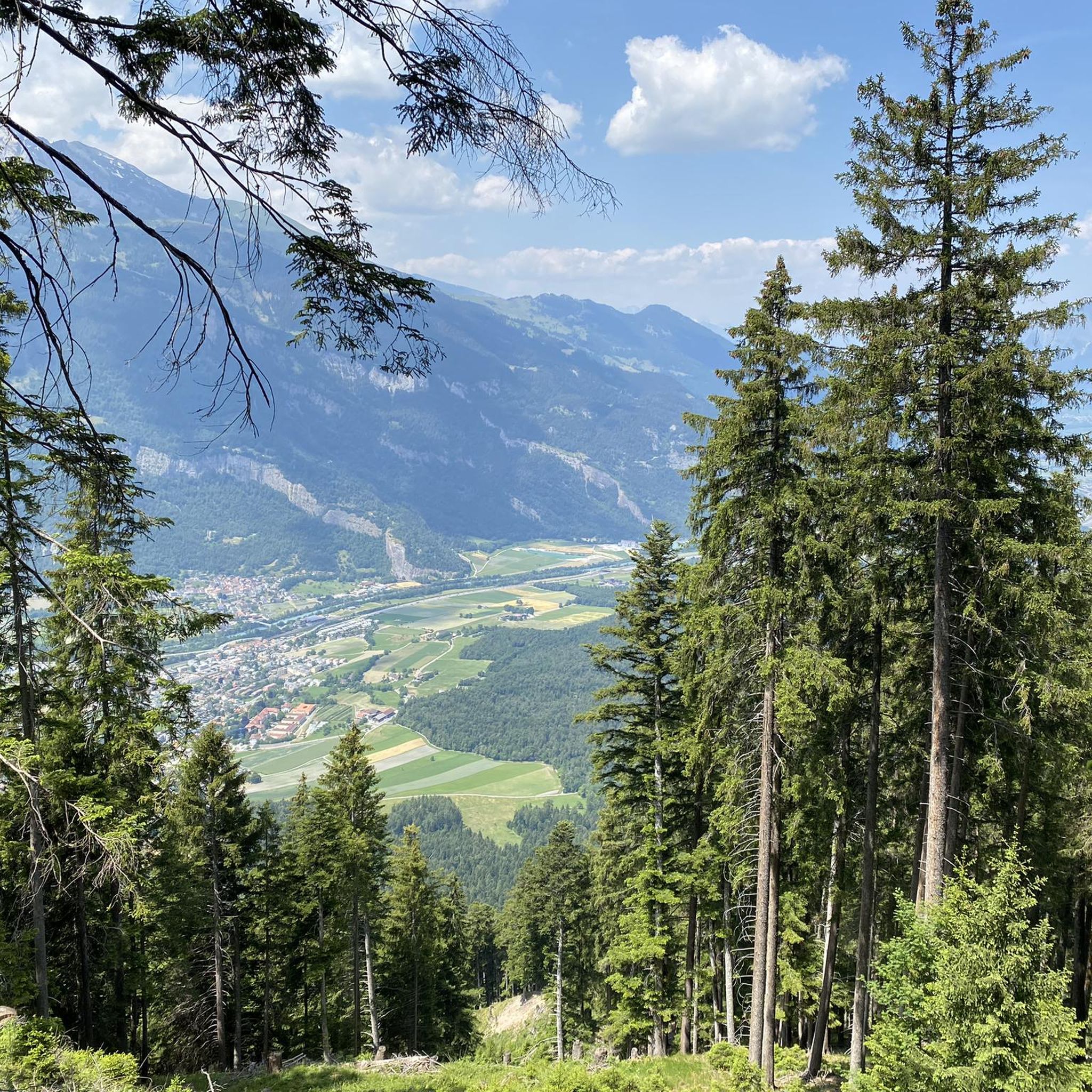
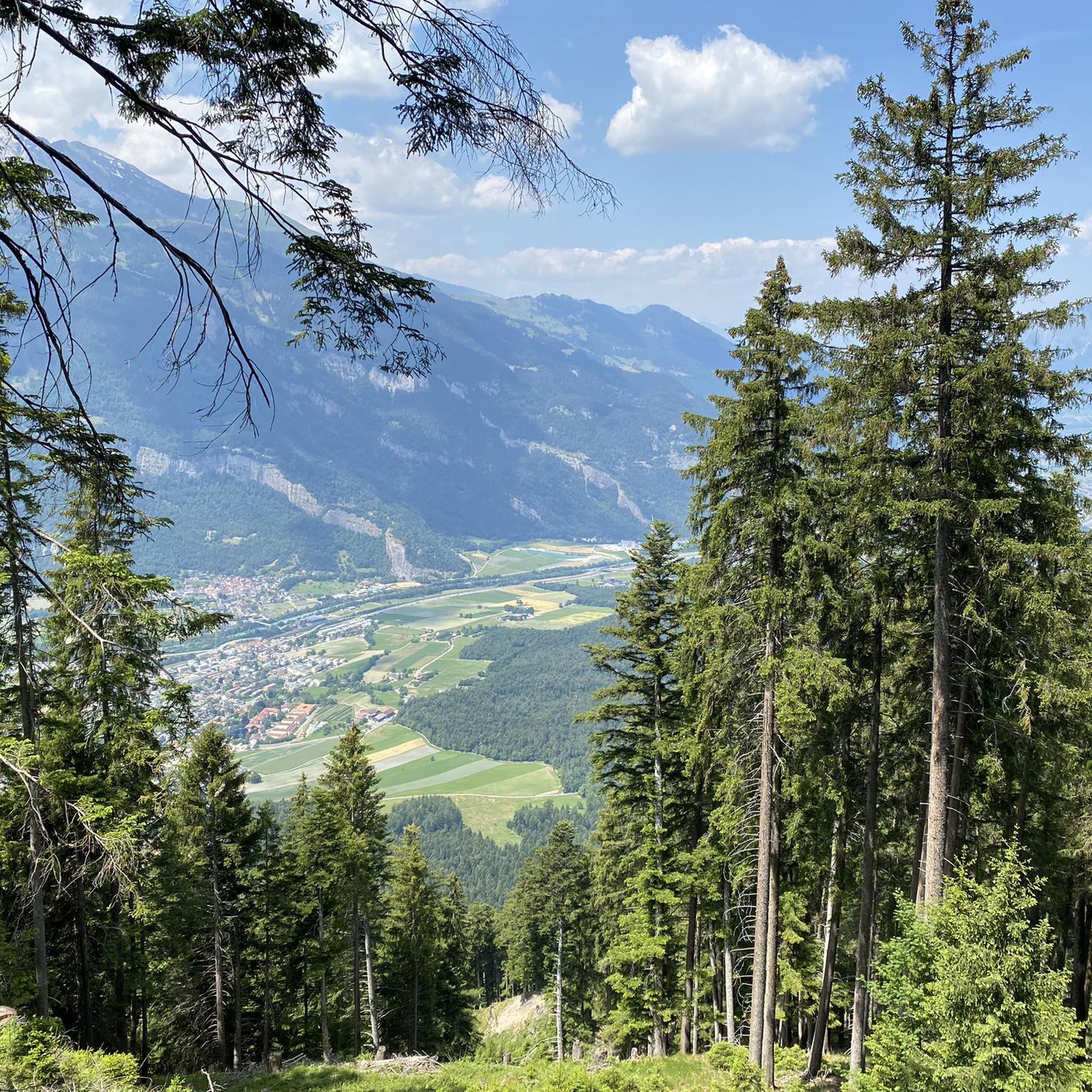
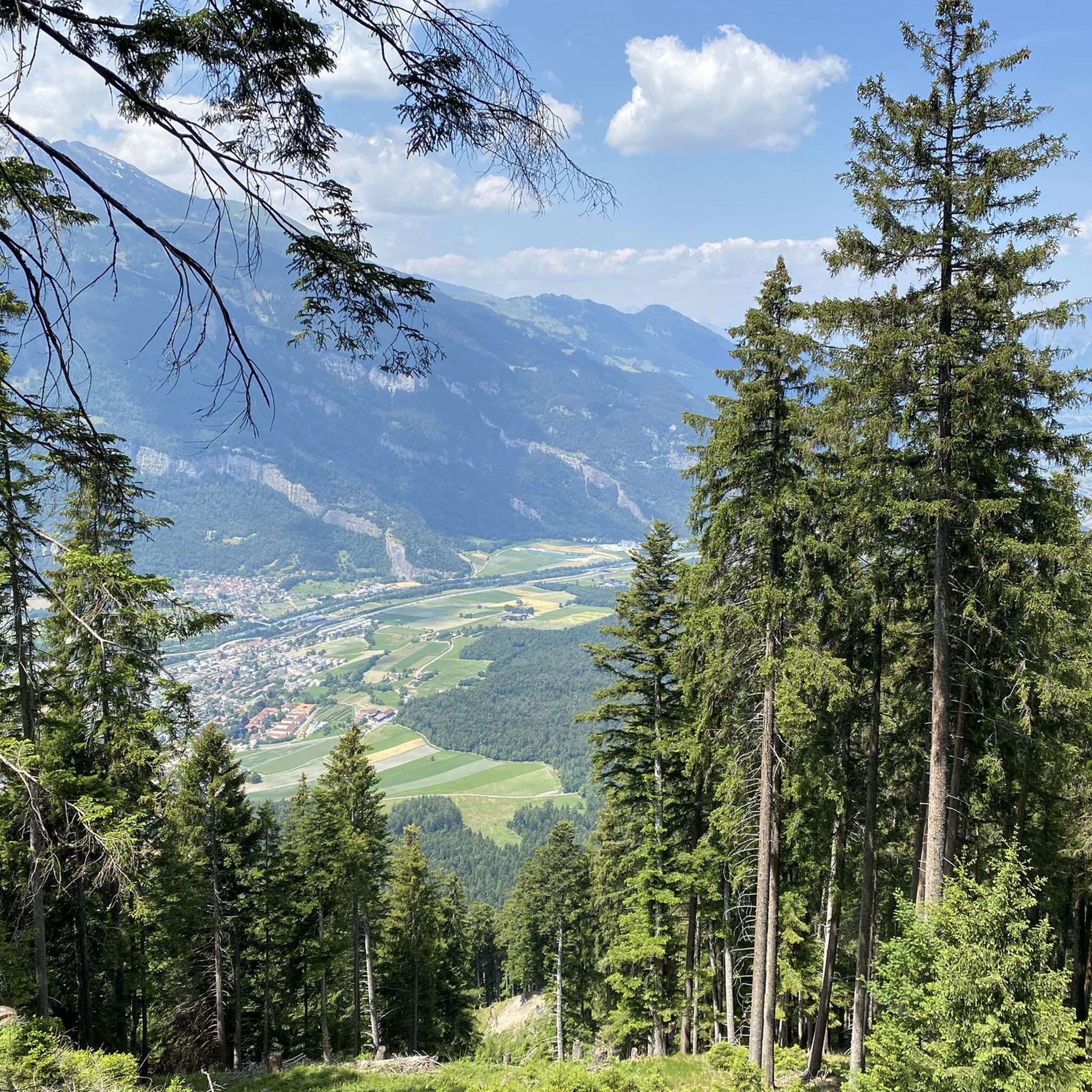
Situated on the foothills of the Calanda massif, this ruined castle offers a beautiful view of the Rhine Valley, in addition to being an interesting outing objective in itself. Reaching it requires a certain but accessible effort.
0
0

Court district with its canon houses, the episcopal castle and the cathedral At the top left the square is closed off by the episcopal castle. The secular counterpart to the cathedral received its current shape under Bishop Joseph Benedikt von Rost (r. 1728-54). The complex is built around an inner courtyard. The façade, which only has three window axes, is divided by rising pilasters into two wide and a narrow central section, with the two side parts being crowned by gables and the middle part by a hatch-like attachment. For reasons of symmetry, a counterpart was added to the left portal on the right, which, however, only forms the entrance to a carriage house. On the doors, bronze lion masks serve as ring holders. Doors and windows have stucco decorations. Joseph Benedikt von Rost came from Tyrol and it is not surprising that his work is influenced by the Austrian Baroque. The bishop managed to remove the building from the shadow of the cathedral and give it a dominant accent. Nowhere else in Graubünden can we find such rich sculptural outdoor decoration. Text / Source: Chur Tourismus, Bahnhofstrasse 32, 7001 Chur, Switzerland https://www.chur.graubuenden.ch/de/uebersicht-ausflugsziel/bischoefliches-schloss-hof
18
0

The castle 🏰 is still wonderfully preserved, it's worth taking a look at it! I thought the garden was very beautiful! The castle can be seen from afar and is also a great photo opportunity 👍📸
2
0
Frequently Asked Questions
What are some notable historical castles in the wider Graubünden region and nearby Liechtenstein?
While Maladers itself doesn't have prominent castles, the surrounding Graubünden region and nearby Liechtenstein offer several significant historical sites. These include the well-preserved Gutenberg Castle in Liechtenstein, the viticulture-focused Salenegg Castle in Maienfeld, and the imposing Tarasp Castle in Scuol. Within the immediate vicinity, you can explore the Episcopal Court in Chur, the Haldenstein Castle, and the Lower Castle Zizers.
Which castles around Maladers offer great panoramic views?
For stunning views, the Neuenburg Castle Ruins provide a beautiful vista of the Rhine Valley from its position on a steep rocky outcrop. Similarly, the Oberruchenberg Ruins, despite being partially obscured by trees, offer an interesting outing objective with views. Tarasp Castle also provides sweeping views of the Lower Engadine region's lakes and alpine mountains.
Are there any family-friendly castles to visit near Maladers?
Yes, Haldenstein Castle is noted as family-friendly, offering a well-preserved structure and beautiful garden for visitors to appreciate. The Oberruchenberg Ruins also have a metal box where children can register, adding a fun element to the visit.
What kind of historical experience does Salenegg Castle offer?
Salenegg Castle in Maienfeld offers a unique blend of history, architecture, and enology. Built between 1782 and 1784, it's known for its ornamental garden and surrounding vineyards. Its winery, dating back to 1068, is one of Europe's oldest. Visitors can explore the historic setting, learn about its long winemaking tradition, and sample its products, including Pinot Noir and Chardonnay. More information can be found on MySwitzerland.com.
Can I visit Gutenberg Castle in Liechtenstein, and what makes it special?
Yes, Gutenberg Castle in Balzers, Liechtenstein, is open to the general public as a museum, unlike Vaduz Castle. This intact medieval fortress stands majestically on a 70-meter-high hill, offering panoramic views. Visitors can explore the castle courtyard year-round, and during summer months (May-October), the rose garden is also accessible. It occasionally hosts cultural events, making it a significant historical landmark. You can learn more about its history on Wikipedia.
Are there any significant castle ruins to explore near Maladers?
Absolutely. The Neuenburg Castle Ruins near Untervaz and the Oberruchenberg Ruins are both interesting sites. The Neuenburg Castle Ruins are easily accessible on foot and offer great views. The Oberruchenberg Ruins still have three walls of the main tower visible, along with other wall remains, providing a clear sense of the original structure.
What unique cultural experiences can I find at castles in the area?
Riom Castle in Riom-Parsonz, Graubünden, has been transformed into a unique cultural venue known as Rätia Ampla Castle. Since 2006, it has hosted the Origen Festival Cultural, the largest theatre and culture festival in Graubünden, making it a vibrant destination for arts and history enthusiasts.
Are there hiking opportunities around the castles near Maladers?
Yes, many castles are situated in scenic areas perfect for hiking. For example, the Oberruchenberg Ruins are reached via a beautiful hiking trail with many serpentines. You can find various hiking routes in the region, including those listed in the Mountain Hikes around Maladers guide, which features routes like the 'Dreibündenstein Monument – Furggabüel loop from Malix'.
What is the best time of year to visit castles in the Maladers area?
The best time to visit castles in the Graubünden region generally depends on your preferences. Spring and autumn offer pleasant temperatures for exploring and fewer crowds. Summer (May-October) is ideal for enjoying outdoor features like the rose garden at Gutenberg Castle. Winter can offer a unique, snow-covered perspective, but some sites or access roads might be less accessible.
Are there any lesser-known castles or historical sites to discover?
Beyond the more prominent sites, you can explore the Episcopal Court in Chur, which has been the seat of the Chur diocesan bishop since 1272. The Lower Castle Zizers also has a rich history, having served as a nursing home and being the last residence of Empress Zita of Austria. The Mesocco Castle Ruins in the Italian-speaking part of Graubünden represent one of the largest castle complexes in Switzerland, offering a significant historical experience.
What outdoor activities can I do near these castles besides exploring the structures themselves?
The region around Maladers offers a variety of outdoor activities. You can find numerous cycling routes, such as those in the Cycling around Maladers guide, including the 'Chur Rhine Route'. For road cycling, check out the Road Cycling Routes around Maladers guide. There are also challenging mountain hikes, like those in the Mountain Hikes around Maladers guide, such as the 'Calanda Hut – Calanda Summit loop'.
How long should I plan for a visit to a castle in this region?
The duration of a castle visit varies. For ruins like Neuenburg Castle Ruins or Oberruchenberg Ruins, a visit might take 1-2 hours, including the walk to the site. For larger, well-preserved castles like Gutenberg Castle or Tarasp Castle, especially if taking a guided tour or exploring extensive grounds, you might want to allocate 2-4 hours. Salenegg Castle, with its winery, could be a half-day experience.
Most popular attractions around Maladers

Get inspired with the komoot mobile app


Explore more
Looking for the best castles somewhere else? Discover other guides around Maladers:
