Top 5 Caves around Kleinbösingen
Best caves around Kleinbösingen are found in a region known for its natural beauty and historical sites, particularly along the Aare river and within its forested landscapes. The area features unique rock formations and historical rock dwellings. These sites offer insights into both natural geological processes and past human activities, including sandstone quarrying and hermitic life.
Best caves around Kleinbösingen
- The most popular caves is Lediflue Trail and Quarry, a trail that features several accessible caves and an old…
Last updated: June 28, 2026
Magdalena Hermitage, Räsch
Highlight • Religious Site
Translated by Google •
Tip by

Güggelisloch Cave
Highlight • Cave
Translated by Google •
Tip by

Sign up now to discover places like this
Get recommendations on the best single tracks, peaks, & plenty of other exciting outdoor places.
Sign up for free
Lediflue Trail and Quarry
Highlight (Segment) • Trail
Translated by Google •
Tip by

Sandstone Quarry Cave
Highlight • Cave
Translated by Google •
Tip by

Start today with a free account
Your next adventure awaits.
Login or Signup
Tips from the Community

The Güggelisloch is a sandstone cave that goes right through the hill ridge.
0
0

The old mine from the 19th/20th century extracted sandstone and left us a large cavern in the rock today.
0
0

A hermit's dwelling in the hamlet of Räsch was first mentioned in 1448. The hermit Johann Dupré and his assistant Johann Liecht expanded the rock dwelling to its current size between 1680 and 1708. In order to prevent the hermitage from collapsing and to preserve it for the general public, the parish of Düdingen carried out extensive renovation work in 2005/2006. Open and free of charge from April to September.
6
0

The Magdalena Hermitage in Büdingen is a historic hermitage that was built in the 18th century. It is picturesquely located on the edge of the forest and consists of a small chapel and a residential building for the hermit. The hermitage served as a retreat for religious hermits and is now a popular destination for visitors seeking peace and historical atmosphere.
0
0

A whole grotto system was created by hand between 1680 and 1708 and offered retreat to hermits. Coincidentally, petrified sand dunes of a sea that was here 20 million years ago (Tertiary) came to light.
0
0

Easy to reach on foot within 40 minutes from the Poya railway station.
0
0

Hermitage opening times: May 1 to September 30: 9 a.m. - 8 p.m. April and October: 9 a.m. - 6 p.m. Closed: from November 2 to March 31 (incl.) Information about the hermitage: The Magdalena hermitage of the Düdingen parish - dug into a rock face high above the Schiffenen reservoir - is a place of power with a unique aura. It consists of various rooms with a total length of 120m. The rock chapel was consecrated on June 8, 1691 in honor of St. Mary Magdalene. A hermit is first mentioned in 1609. The hermit Johann Dupré and his assistant Johann Liecht contributed to the design of the rooms in the years between 1680 and 1708. The hermitage is home to a geological phenomenon: the visitor walks on petrified sand dunes that testify to the presence of a sea about 20 million years ago.
2
0

Very impressive I've never seen anything like it!!
0
0
Frequently Asked Questions
What types of caves can I explore around Kleinbösingen?
The region offers a variety of cave types, including natural sandstone formations like the Güggelisloch Cave, historical rock dwellings such as the Magdalena Hermitage, Räsch, and impressive quarry caverns like the Sandstone Quarry Cave.
Are there any historical or cultural sites among the caves?
Yes, the Magdalena Hermitage, Räsch is a significant historical and religious site. It's a rock dwelling that has been expanded over centuries, first mentioned in 1448, offering a unique insight into a hermit's life within a rock-hewn abode.
What are the opening hours for the Magdalena Hermitage?
The Magdalena Hermitage is open and free of charge from April to September. Specifically, from May 1 to September 30, it's open from 9 a.m. to 8 p.m. In April and October, it's open from 9 a.m. to 6 p.m. It is closed from November 2 to March 31.
Can I find any caves that show local industrial history?
Yes, the Sandstone Quarry Cave is an old mine from the 19th and 20th centuries. Sandstone extraction left behind a large cavern in the rock, showcasing the impact of past mining activities on the landscape.
Are there any caves with scenic views?
The Güggelisloch Cave offers a unique perspective. From within this small sandstone cave, visitors can enjoy a beautiful view of the Aare floodplain.
Are there hiking opportunities that include cave exploration?
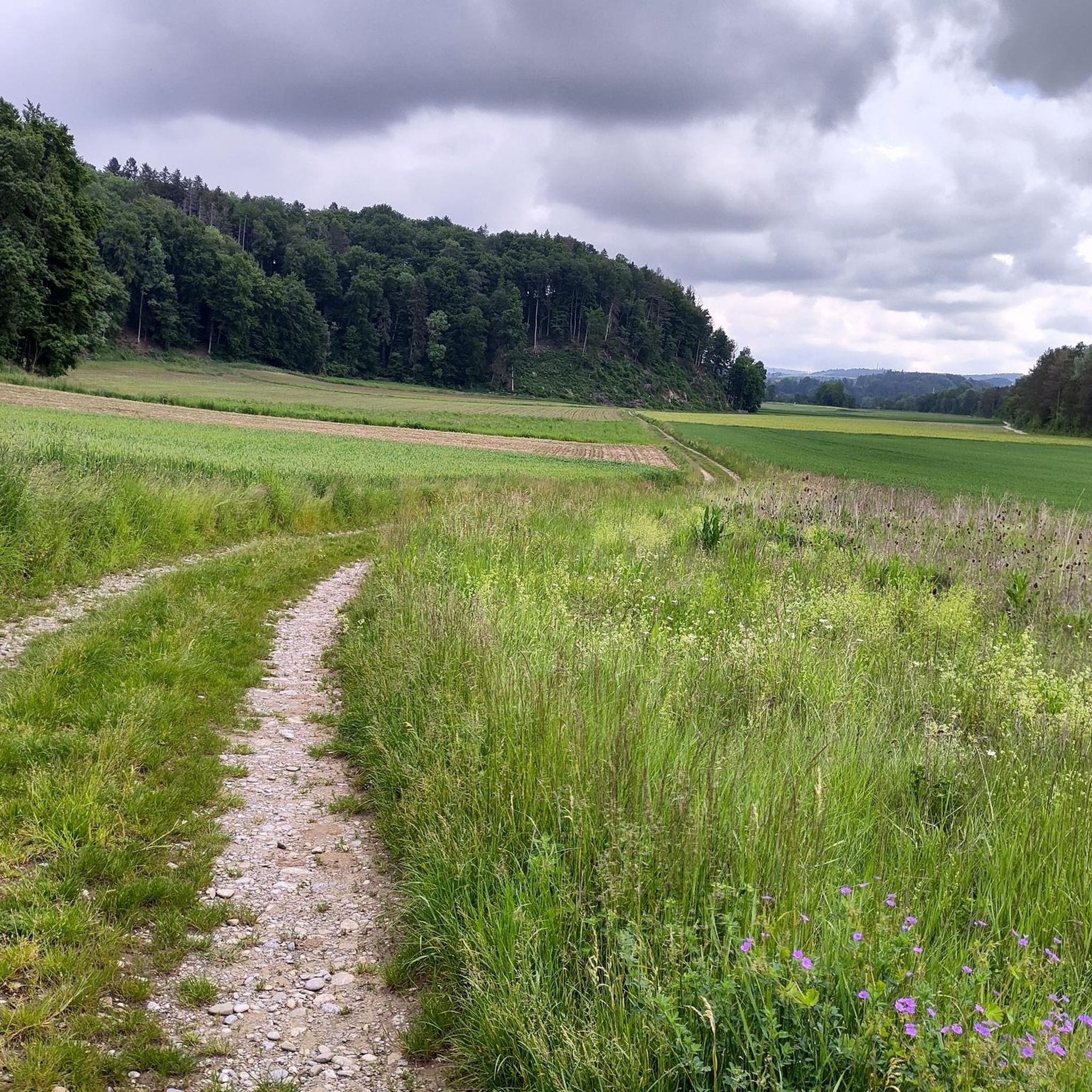
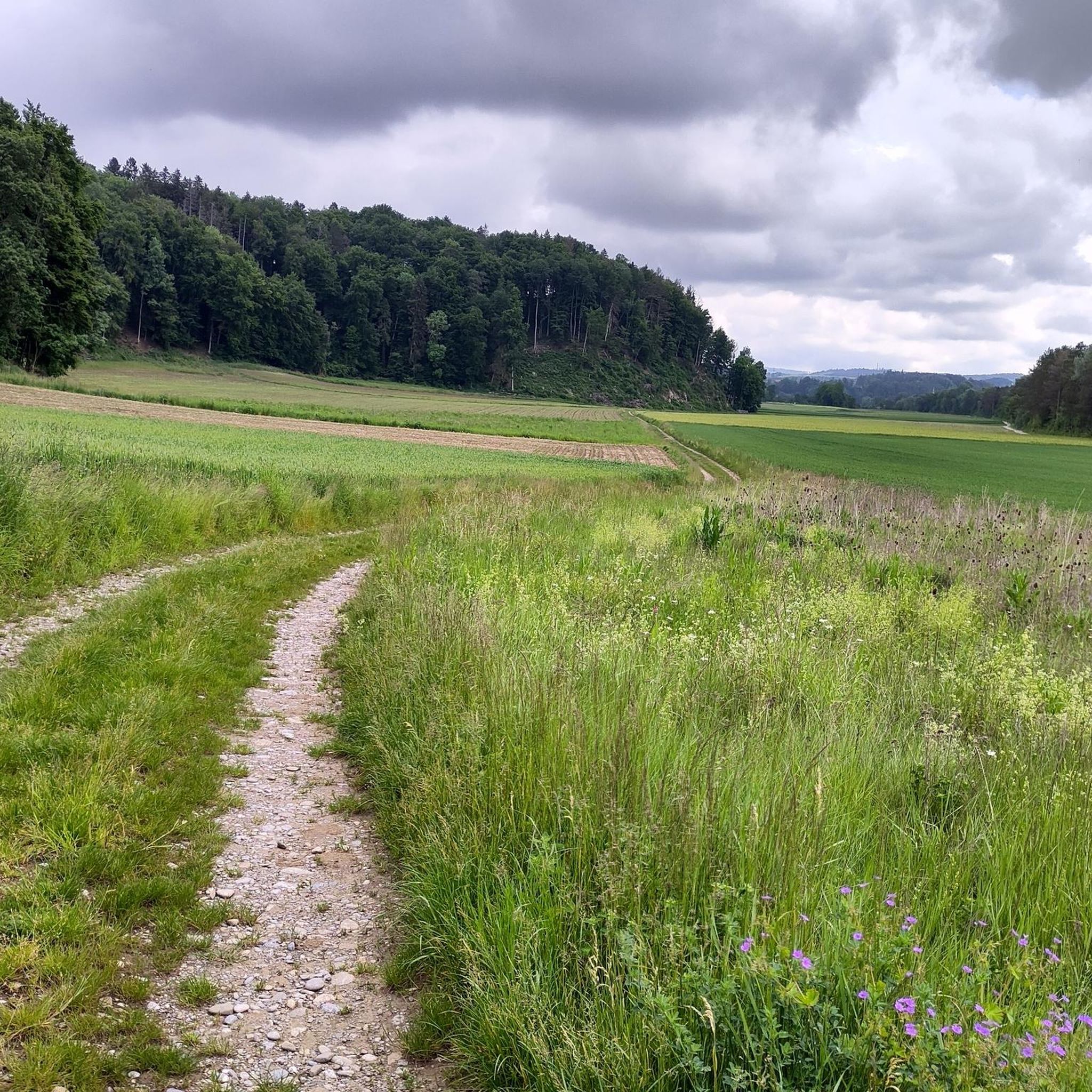
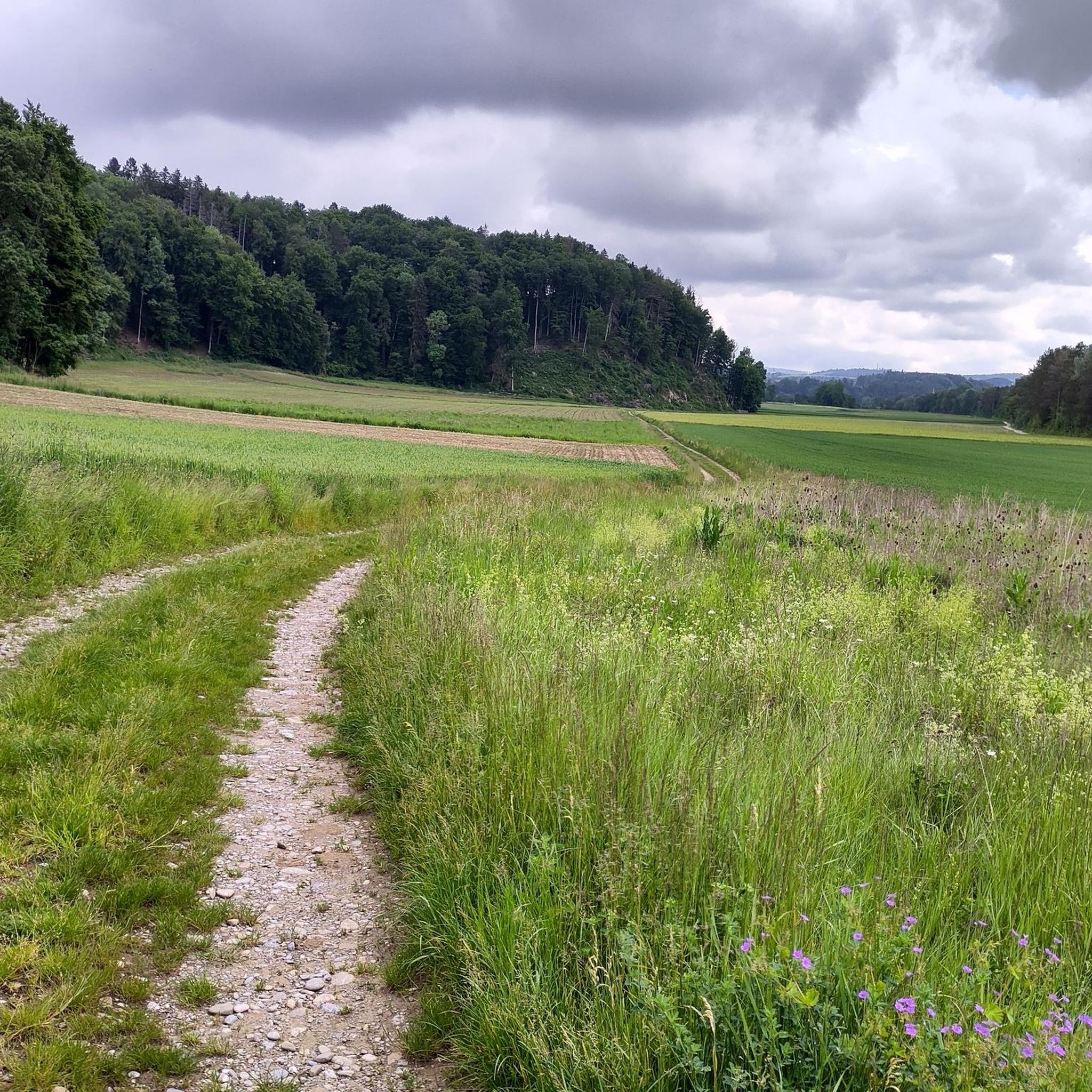
Absolutely. The Lediflue Trail and Quarry features several accessible caves as part of a scenic hike. The trail leads over the Lediflue and through the Flühwald, providing opportunities for exploration within a natural setting.
What is the best season to visit the caves around Kleinbösingen?
The Magdalena Hermitage is open from April to September, making spring, summer, and early autumn ideal for visiting this historical site. For natural caves and trails like the Lediflue, these seasons generally offer the most pleasant weather for outdoor exploration.
What should I bring for cave exploration in this region?
For caves like the Güggelisloch Cave, which can be dark, it's advisable to bring a flashlight or use your phone's lamp. Comfortable shoes are recommended, especially if you plan to combine cave visits with hiking on trails like the Lediflue.
Are there any nearby outdoor activities or routes I can combine with a cave visit?
Yes, the area around Kleinbösingen is excellent for outdoor activities. You can find numerous hiking routes, such as the 'Saane River – Auried Nature Reserve loop from Kleinbösingen' or the 'Schiffenen Dam – Saaneschlucht Gorge loop from Kleinbösingen'. For more options, explore the Hiking around Kleinbösingen guide.
What about cycling or gravel biking near the caves?
The region also offers great cycling and gravel biking opportunities. Routes like the 'Grengspitz – View of Lake Murten loop from Cressier FR' for gravel biking or the 'Herzschlaufe Sense' for cycling are available. Check the Gravel biking around Kleinbösingen guide or the Cycling around Kleinbösingen guide for detailed routes.
What do visitors enjoy most about the caves around Kleinbösingen?
Visitors appreciate the unique blend of natural beauty and historical insights. The sense of discovery at hidden gems like the Güggelisloch Cave, the historical depth of the Magdalena Hermitage, and the impressive scale of the Sandstone Quarry Cave are frequently highlighted. The komoot community has shared over 150 photos and given more than 120 upvotes for these sites.
Most popular routes around Kleinbösingen
Most popular attractions around Kleinbösingen

Get inspired with the komoot mobile app


Explore more
Extend your search for the best caves by checking out these guides of the top ones around Kleinbösingen:
