Top 5 Caves around Buochs
Best caves around Buochs are found in a region characterized by its location on Lake Lucerne, offering a landscape of water and mountains. The municipality serves as a base for various outdoor activities. While prominent natural caves are not directly within Buochs, the wider area of Central Switzerland features several notable cave systems. These sites often combine natural geological formations with historical or cultural significance.
Best caves around Buochs
- The most popular caves is Fürigen Fortress Museum, a historical…
Last updated: October 1, 2026
Lourdes Grotto
Highlight • Religious Site
Translated by Google •
Tip by

Fürigen Fortress Museum
Highlight • Historical Site
Definitely worth seeing
Translated by Google •
Tip by

Sign up now to discover places like this
Get recommendations on the best single tracks, peaks, & plenty of other exciting outdoor places.
Drachenloch Cave
Highlight • Cave
Translated by Google •
Tip by

Fortress Klein-Durren
Highlight • Historical Site
At this point there are two caves …
Translated by Google •
Tip by
Entrances to the Former Drachenflue Artillery Fortress
Highlight • Historical Site
Translated by Google •
Tip by
Sign up for free to discover even more caves around Buochs.
Already have an account?
Start today with a free account
Your next adventure awaits.
Other adventures around Buochs

Tips from the Community

@heloks isn't quite right. The mighty Dürren fortress is considerably larger. This is the Renggpass barrier.
0
0

Very interesting museum: cold war and second world war bunker prepared in case of invasion and nuclear attack.
0
0

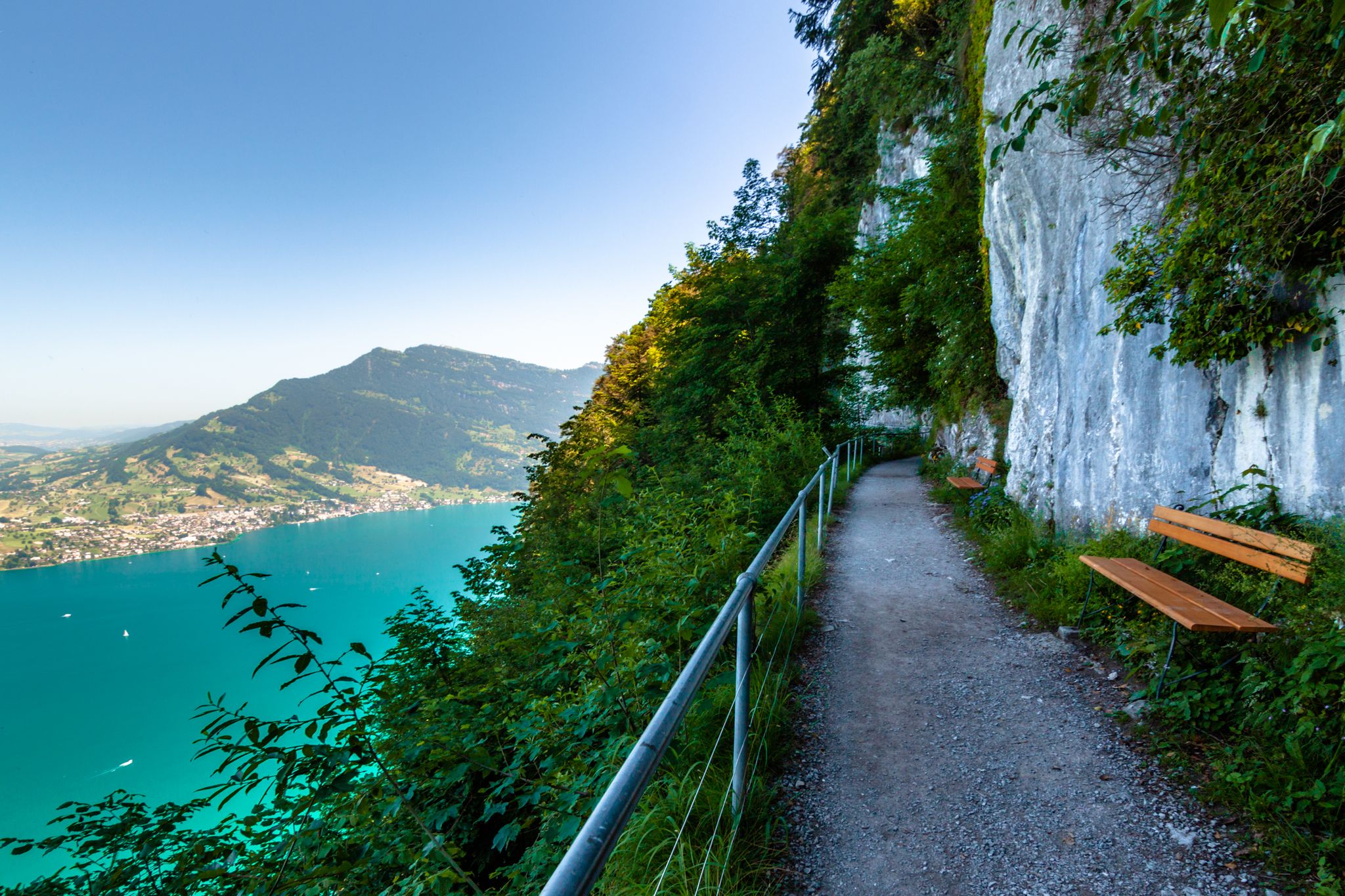
Beautiful path below the Bürgenstock, be careful, car traffic is very difficult to see in some places 🙋♂️
0
0

In the meantime I also found out the name: Fortress Klein-Durren https://de.wikipedia.org/wiki/Festung_Klein-Durren
0
0
The entrances to the former Drachenflue artillery fortress are located on both sides of the rock.
0
0
The legendary Drachenloch is located BELOW the cliffs and is difficult to reach. The wall comes from the closure of the artillery fortress.
0
0


beautiful route, but beware of oncoming traffic!
0
0
Frequently Asked Questions
What types of caves can I explore around Buochs?
The caves around Buochs are primarily historical sites and religious grottoes. These include former military bunkers and fortifications, such as the Fürigen Fortress Museum and Fortress Klein-Durren, as well as religious sites like the Lourdes Grotto. While Buochs itself doesn't feature large natural cave systems, the wider region of Central Switzerland offers extensive natural caves like the St. Beatus Caves and Hölloch.
Are there any family-friendly caves to visit near Buochs?
Yes, the Lourdes Grotto is considered family-friendly and offers a peaceful visit regardless of the weather. For a more extensive natural cave experience suitable for families, the St. Beatus Caves near Lake Thun provide accessible pathways, a cave museum, and a playground with a dragon slide.
What historical caves can I visit in the Buochs area?
You can explore several historical cave sites. The Fürigen Fortress Museum is a former Swiss bunker open on the first Sunday of each month. Fortress Klein-Durren features two caves that were part of World War II fortifications in the Renggpass. The Drachenloch Cave is another historical site, though it is difficult to reach.
What are the opening hours or accessibility for the historical cave sites?
The Fürigen Fortress Museum is typically open on the first Sunday of each month. For other historical sites like Fortress Klein-Durren, access might be more open as they are remnants of fortifications, but specific opening hours may not apply. The Drachenloch Cave is noted as difficult to reach, and the Entrances to the Former Drachenflue Artillery Fortress are unfortunately blocked.
Are there any natural caves with unique geological formations in the wider region?
While Buochs focuses on historical and religious cave sites, the wider region of Switzerland offers impressive natural caves. The St. Beatus Caves near Lake Thun are renowned for their extensive limestone formations, including stalagmites and stalactites. Further afield, the Hölloch Cave in Muotathal is one of the world's largest cave systems, featuring vast networks of tunnels and fascinating rock formations.
Can I visit caves near Buochs even if the weather is bad?
Yes, the Lourdes Grotto is a religious site that is suitable for visits in various weather conditions, making it a good option for a rainy day. Indoor historical cave sites like the Fürigen Fortress Museum also offer shelter.
What outdoor activities can I combine with a visit to the caves around Buochs?
The Buochs region, situated on Lake Lucerne, is excellent for various outdoor activities. You can find numerous hiking trails, MTB trails, and running routes. Some caves, like Gruebisbalm, are even associated with canoeing activities on Lake Lucerne.
Are there any challenging cave explorations available for experienced cavers?
For challenging cave explorations, the Hölloch Cave in Muotathal is a world-record holder with over 212 kilometers of explored passages. It offers a range of guided tours, including multi-day expeditions, catering to different fitness levels and interests, making it ideal for experienced cavers seeking an adventure.
How can I reach the St. Beatus Caves or Hölloch Cave from Buochs using public transport?
While specific routes would require checking current schedules, both the St. Beatus Caves (near Lake Thun) and Hölloch Cave (Muotathal) are accessible by public transport in Switzerland. You would typically use train and bus connections from Buochs, likely involving transfers through larger hubs like Lucerne or Interlaken for St. Beatus Caves, or Schwyz for Hölloch Cave. It's advisable to consult the SBB (Swiss Federal Railways) website for detailed journey planning.
What do visitors appreciate most about the caves and grottoes in the Buochs area?
Visitors appreciate the unique blend of history and natural beauty. The historical sites offer insights into Switzerland's past, particularly its wartime fortifications, while religious grottoes like Lourdes provide a peaceful and reflective experience. The accessibility of some sites, even in poor weather, is also highly valued.
Are there any caves near Buochs that are difficult to access?
Yes, the Drachenloch Cave is located below cliffs and is noted as difficult to reach. Additionally, the Entrances to the Former Drachenflue Artillery Fortress are currently blocked, preventing access.
What is the best time of year to visit the caves around Buochs?
The historical and religious cave sites around Buochs, such as the Lourdes Grotto and Fürigen Fortress Museum, can be visited throughout the year, with some having specific opening days (e.g., first Sunday of the month for Fürigen). For natural caves like St. Beatus or Hölloch, the warmer months from spring to autumn are generally preferred for easier access and more comfortable conditions, though guided tours in Hölloch are available year-round.
Most popular routes around Buochs
Most popular attractions around Buochs

Get inspired with the komoot mobile app


Explore more
Extend your search for the best caves by checking out these guides of the top ones around Buochs:
