Top 10 Caves around Reutigen
Best caves around Reutigen offer diverse underground experiences in the Swiss Alps. The region, situated near Lake Thun, features various natural formations including grottoes and stalactite caves. Its mountainous terrain and natural water features contribute to the formation of these unique underground environments, providing opportunities to explore geological wonders.
Best caves around Reutigen
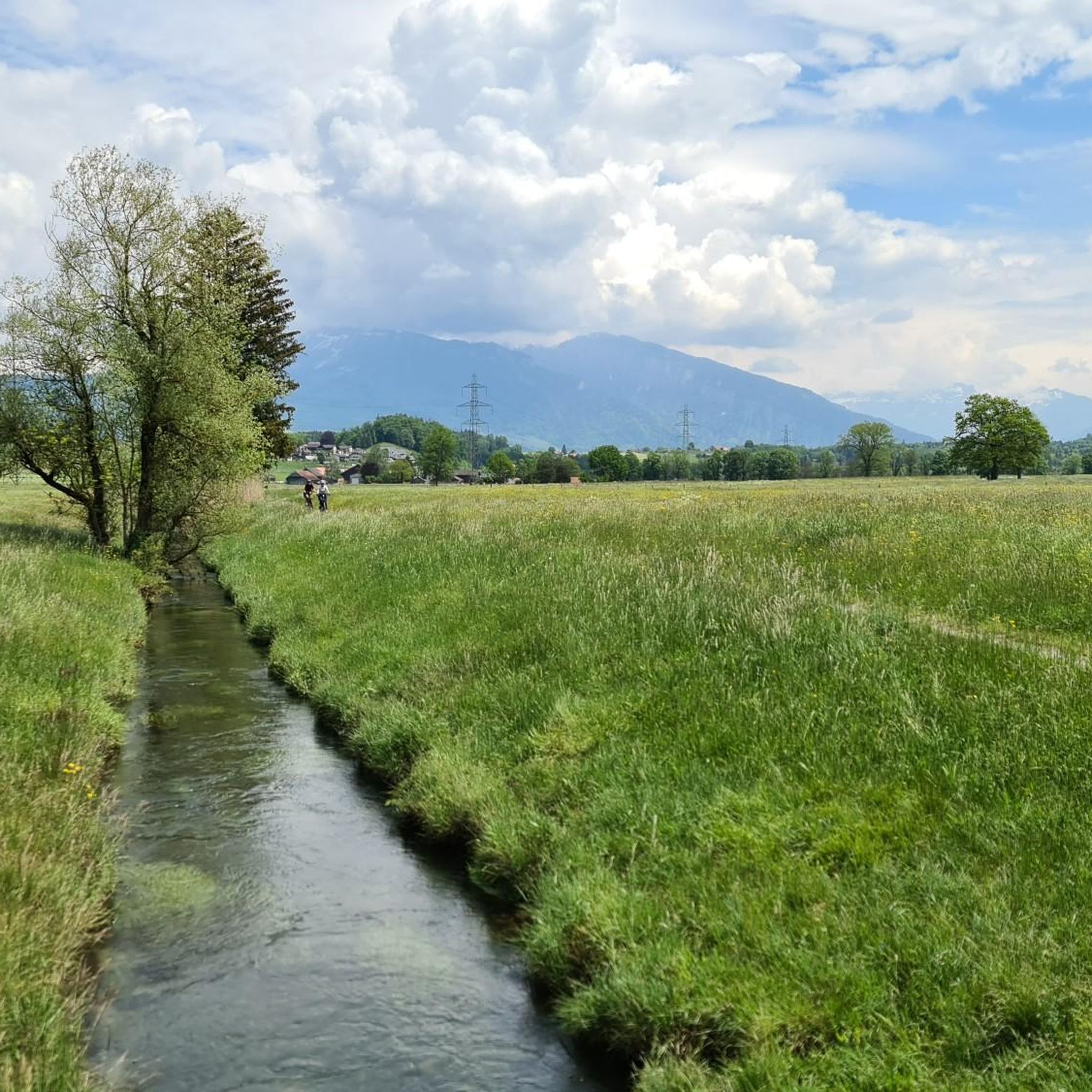
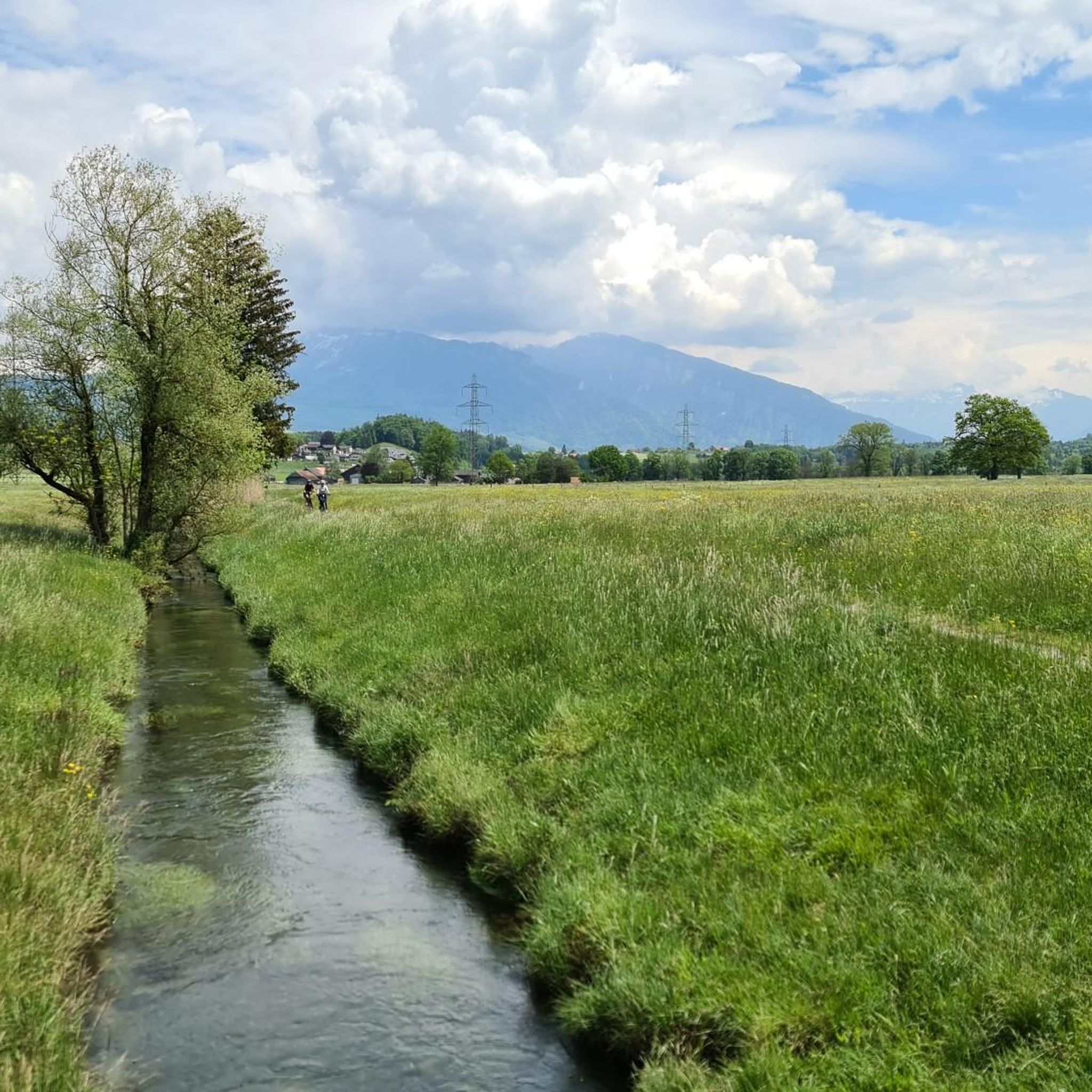
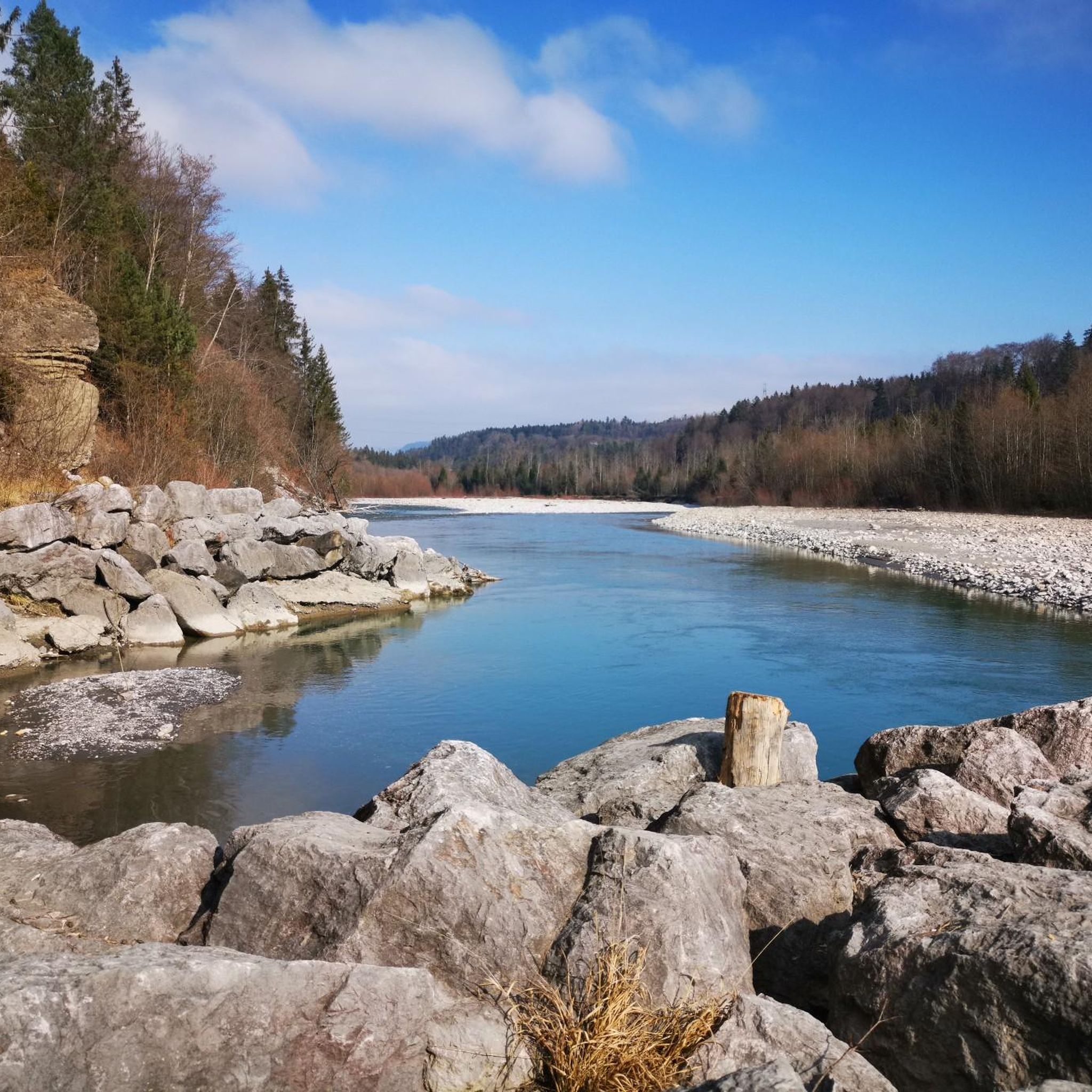
- The most popular caves is Glütschbachtal Stream and Grottos, a river that features a picturesque and secluded valley with stalactite caves. This location offers an extensive…
Last updated: April 30, 2026
Glütschbachtal Stream and Grottos
Highlight • River
Translated by Google •
Tip by

Glütschbachtäli Stalactite Caves
Highlight (Segment) • Cave
Translated by Google •
Tip by

Sign up now to discover places like this
Get recommendations on the best single tracks, peaks, & plenty of other exciting outdoor places.
Sign up for free
Glütschbachtäli Forest Trail and Caves
Highlight • Trail
Translated by Google •
Tip by

Glütschbachtäli and cave near Übeschisee and Amsoldingersee
Highlight • Cave
Translated by Google •
Tip by

Zwergliloch Cave
Highlight • Cave
Translated by Google •
Tip by

Sign up for free to discover even more caves around Reutigen.
Sign up for free
Already have an account?
Start today with a free account
Your next adventure awaits.
Login or Signup

Tips from the Community

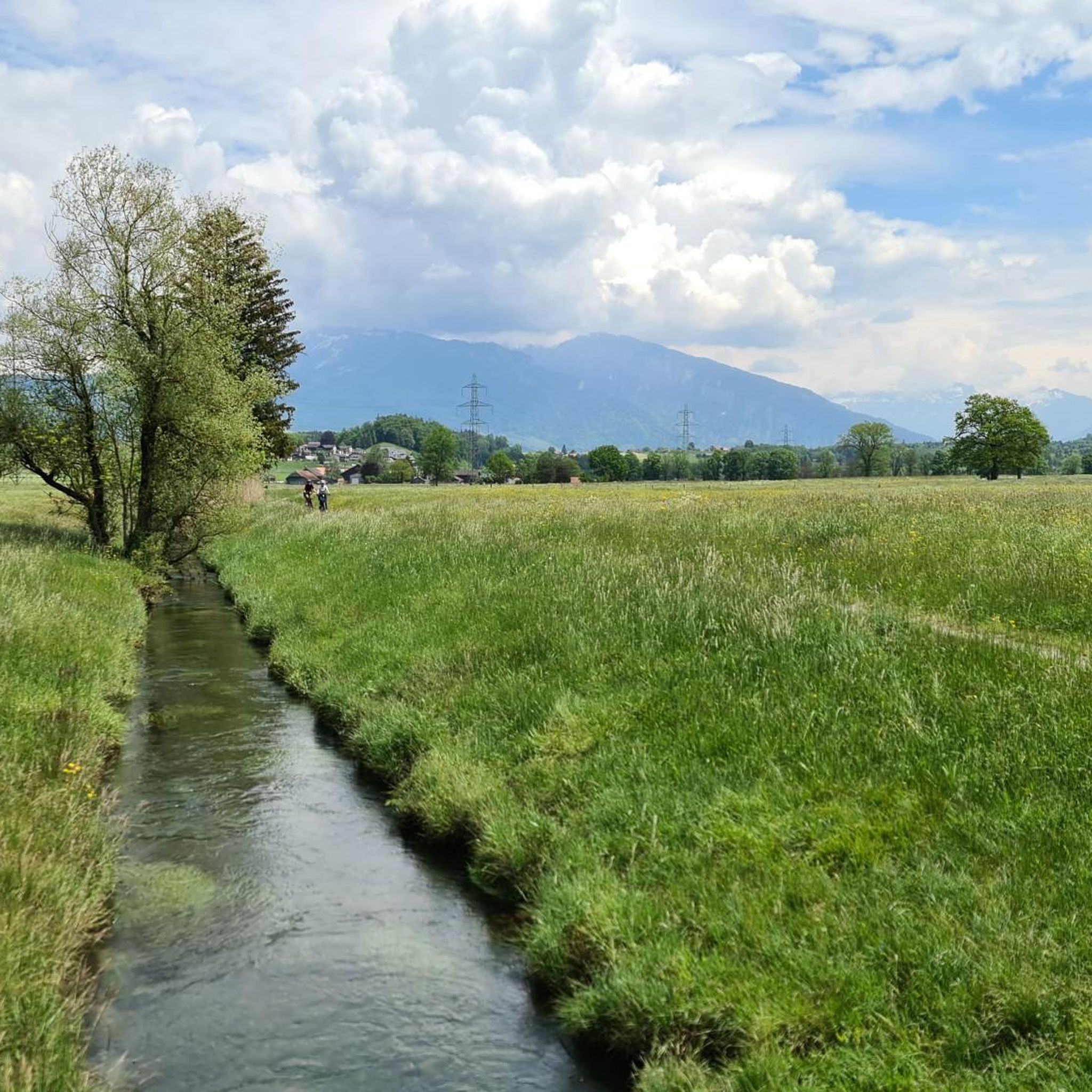
The Glütschbach or valley was the riverbed of the Kander until 1714. This also explains the deep incision for this small stream.
0
0

Relaxed, shady rest area with a cave feeling.
0
0

Has fire pits, a small stream and two grottos, pleasantly cool temperatures. Sometimes quite crowded on weekends.
0
0

Such a beautiful place to linger, enjoy, have a picnic... just make sure you don't bring any ticks with you.
0
0

To describe the hike as moderate is "exaggerated". The term light is more appropriate. You always walk along the Glütschbach, which flows from Reutigen to Uttigen and there into the Aare. What many people don't know is that the Glütschbach is the old course of the Kander river before the Kander was diverted into Lake Thun with a puncture at the beginning of the 18th century, which in turn caused many floods in Thun. In any case, the hike through Glütschbachtäli is pure relaxation - except that the noise from the motorway is a bit disturbing. If you start in Allmendingen, you can easily hike to Hani. Since the flow speed of the creek is very low, children can play safely on and in the creek and launch their own boats (tree bark and pieces of wood). If you are lucky, you can watch the beaver below the stalactite caves as they cut down trees, strengthen their dams and expand their castle more and more.
2
1

The dwarf hole is just a small cave. With the tables and two fire pits, it is a nice place to rest and grill.
1
0
In Übeschi turn right and drive up the signposted cycle path. Over the crest / ridge between the Stockental and the two lakes of Übeschi and Amsoldingen. A really beautiful loop in this gorgeous fall weather and fall colors. Then back through the Glütschbachtäli.
0
0

Very nice picnic area with fire pits including wood, caves and Glütschbach.
0
0
Frequently Asked Questions
What are the most prominent caves and grottoes to explore near Reutigen?
The most prominent cave system in the broader region is the St. Beatus Caves, known for their extensive network and impressive formations. Closer to Reutigen, the Glütschbachtal Stream and Grottos offer a picturesque valley with smaller stalactite caves and picnic areas. You can also find the Stalactite cave (grotto), a natural monument where small bats can sometimes be observed.
Are there family-friendly cave experiences around Reutigen?
Yes, several options are suitable for families. The St. Beatus Caves are very family-friendly, featuring illuminated paths, a museum, and a dragon-themed playground. The Glütschbachtäli Forest Trail and Caves provide a pleasant path along a natural stream, ideal for lingering and picnics. The Glütschbachtal Stream and Grottos also offer extensive picnic areas with tables and fire pits, making them popular with families.
What natural features can I expect to see inside the caves near Reutigen?
The St. Beatus Caves are renowned for their huge stalactite and stalagmite formations, underground waterfalls, and lakes. Even in drier periods, the waterfalls can be surprisingly strong. In the Glütschbachtal area, you'll find smaller stalactite caves and grottoes, such as the Stalactite cave (grotto), which are natural monuments.
What is the historical significance of the caves in this region?
The St. Beatus Caves hold significant historical and legendary importance. They are said to have been the refuge of St. Beatus in the 6th century, who, according to legend, expelled a fire-breathing dragon from the cave. Archaeological discoveries also indicate that Stone Age communities inhabited these caves around 15,000 years ago. The Schafloch, while not a traditional cave, is a natural ice cave expanded by the Swiss Army during World War II for military purposes, offering a unique historical perspective.
What is the best time to visit the caves near Reutigen?
The St. Beatus Caves maintain a constant temperature of 8-10 degrees Celsius with high humidity, making them a pleasant escape during both hot summers and cold winters. This means they are accessible and enjoyable year-round. For outdoor grottoes and trails like those in the Glütschbachtal, spring through autumn offers the most comfortable weather for exploration.
How accessible are the St. Beatus Caves by public transport from Reutigen?
The St. Beatus Caves are situated above Lake Thun and are well-connected. While there isn't a direct public transport link from Reutigen specifically mentioned, you can typically reach them via public transport connections to Lake Thun, followed by a bus or boat service to the cave entrance. Check local transport schedules for the most current routes.
Are there any less commercial or more adventurous cave experiences in the region?
For a different kind of experience, the Schafloch near Sigriswil offers a unique under-mountain crossing. It's a natural ice cave expanded for military purposes during WWII. While it no longer contains ice, it's a dark, damp tunnel that requires a headlamp and appropriate footwear. It's considered a historically significant natural monument and offers a more rugged exploration than the developed St. Beatus Caves.
What outdoor activities can I combine with a visit to the caves?
The region around Reutigen offers various outdoor activities. You can find numerous road cycling routes, such as the 'Simmen Bridge – View of the Mülenen Viaduct loop' or 'Zwieselberg Scenic Road – Gurnigel Ascent loop'. For gravel biking, explore routes like 'Along Lake Thun – Giessbach Falls loop'. There are also general cycling tours, including 'Thun Lock Bridge – Thun Old Town and Castle loop'. You can find more details on these activities in the Road Cycling Routes around Reutigen, Gravel biking around Reutigen, and Cycling around Reutigen guides.
What do visitors enjoy most about the Glütschbachtal area?
Visitors particularly appreciate the picturesque and secluded valley of the Glütschbachtal. The footpath along the Glütschbach stream offers romantic moments of rest, and the area is known for its extensive picnic spots with tables and fire pits. It's considered a beautiful place to linger, enjoy nature, and have a picnic, especially along the Glütschbachtäli Forest Trail and Caves.
Are dogs allowed in the caves or on nearby trails?
While specific rules for dogs inside the St. Beatus Caves are not provided, it's generally advisable to check their official website for pet policies. For outdoor grottoes and trails like those in the Glütschbachtal, dogs are often welcome on leashes, especially on trails such as the Glütschbachtäli and cave near Übeschisee and Amsoldingersee. Always ensure to follow local regulations and clean up after your pet.
What should I wear when visiting the caves?
For the St. Beatus Caves, due to the constant cool temperature (8-10°C) and high humidity, it's recommended to wear layers and comfortable walking shoes. For exploring the Schafloch, a headlamp and appropriate footwear are essential due to its dark and damp conditions. For outdoor grottoes and trails, standard hiking attire suitable for the weather is sufficient.
Where can I find information about opening hours and tickets for the St. Beatus Caves?
For the most current information on opening hours, ticket prices, and any specific visitor guidelines for the St. Beatus Caves, it is best to check their official website directly. You can find more details at MySwitzerland.com or Historic Hotels of Europe.
Most popular routes around Reutigen
Most popular attractions around Reutigen

Get inspired with the komoot mobile app


Explore more
Extend your search for the best caves by checking out these guides of the top ones around Reutigen:
