Top 20 Lakes around Krattigen
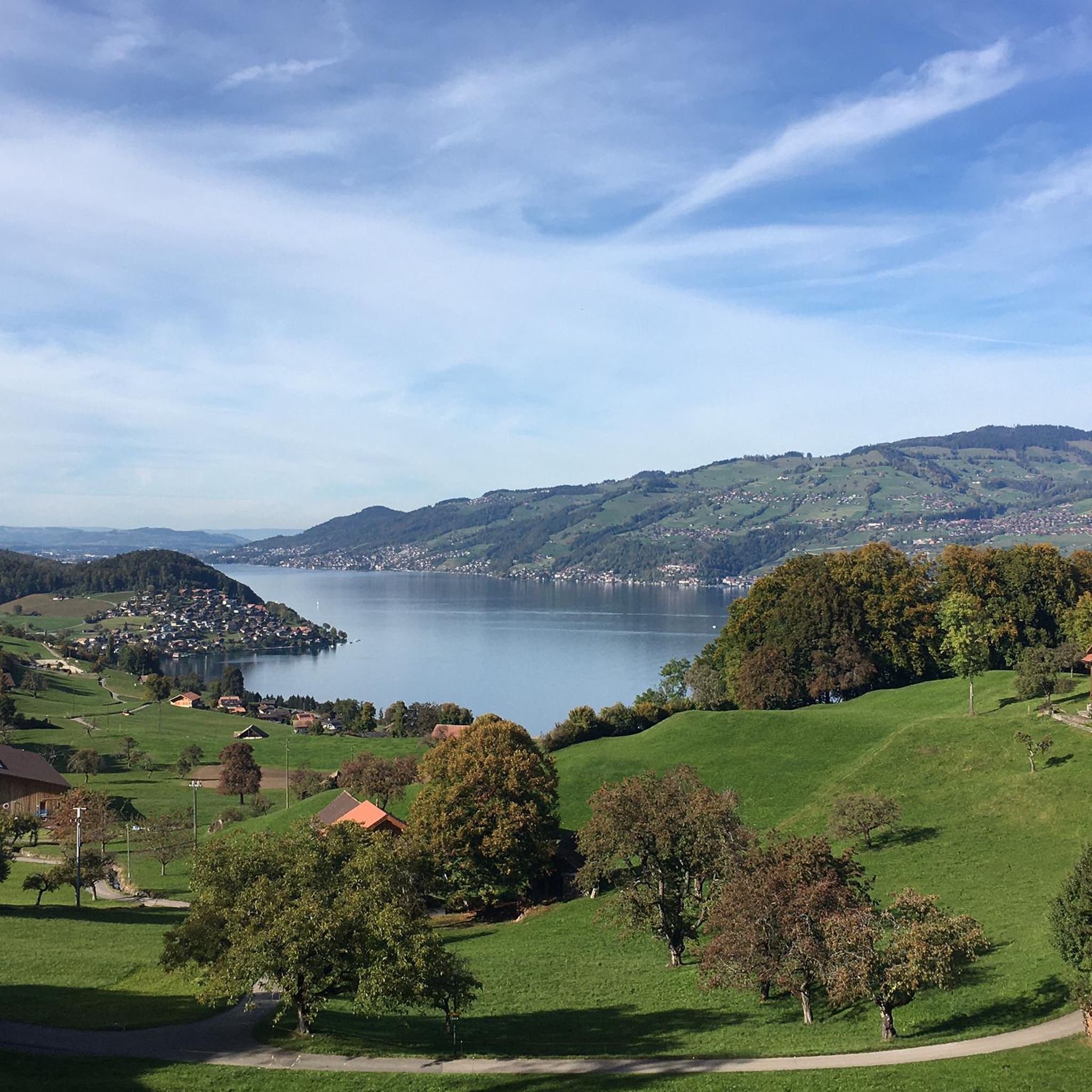
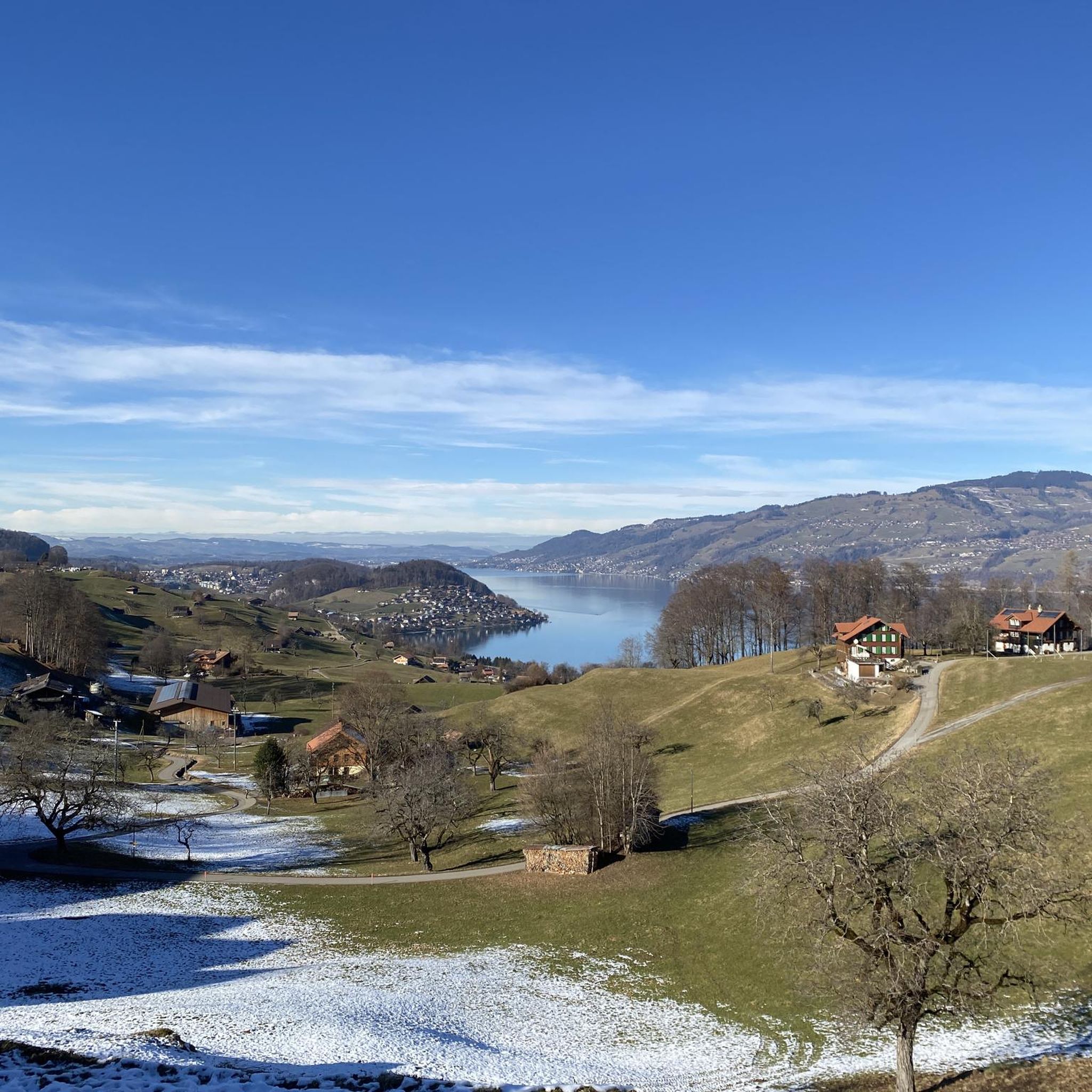
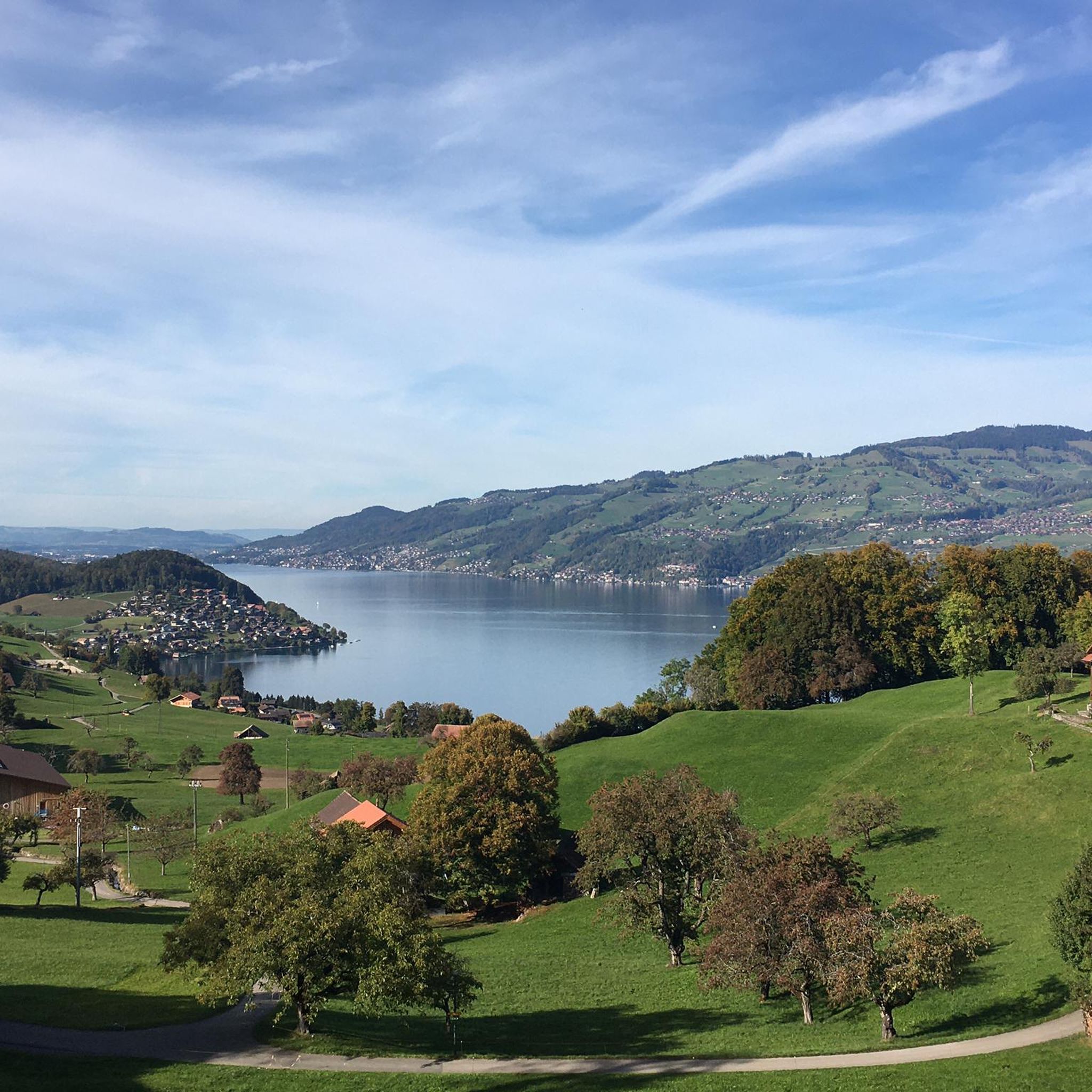
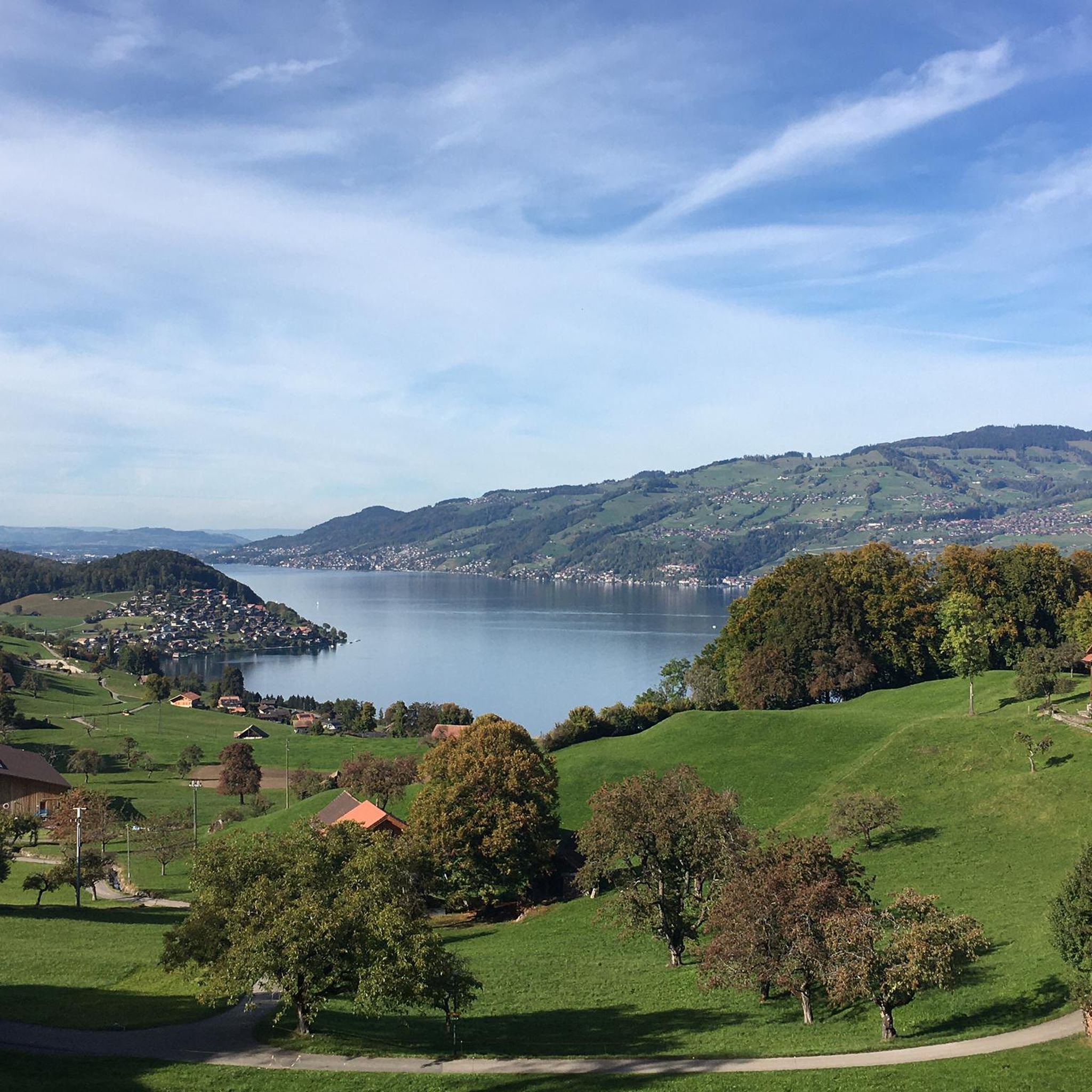
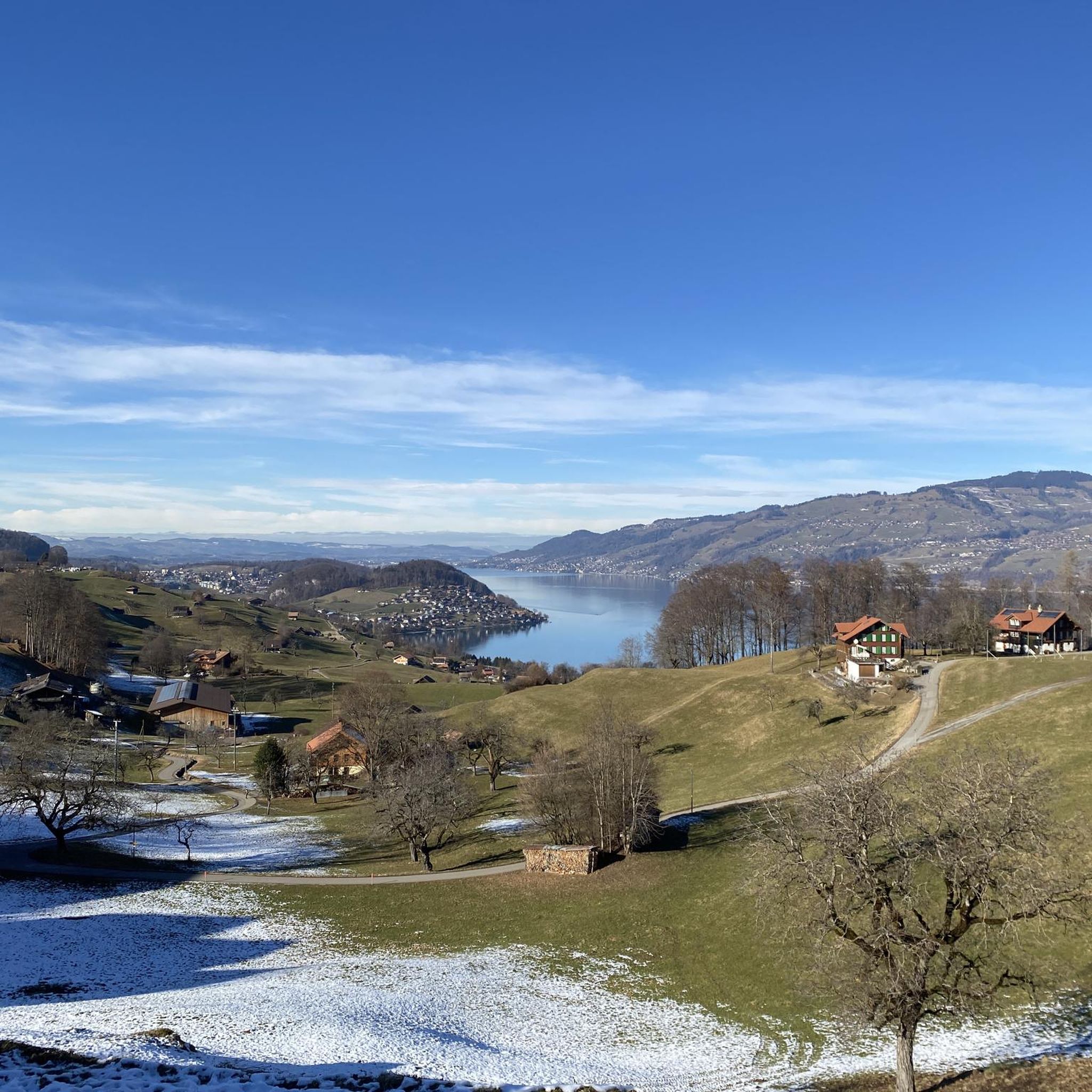
Best lakes around Krattigen are primarily centered around Lake Thun, a significant alpine lake in the Bernese Oberland of Switzerland. Krattigen, known as a panorama and sun terrace, offers views over Lake Thun, which is the largest Swiss lake entirely within a single canton. This lake stretches for over 17 kilometers and is about 3.5 kilometers wide, with depths exceeding 200 meters. The region provides access to various water activities and serves as a base for exploring the surrounding natural…
Last updated: October 1, 2026
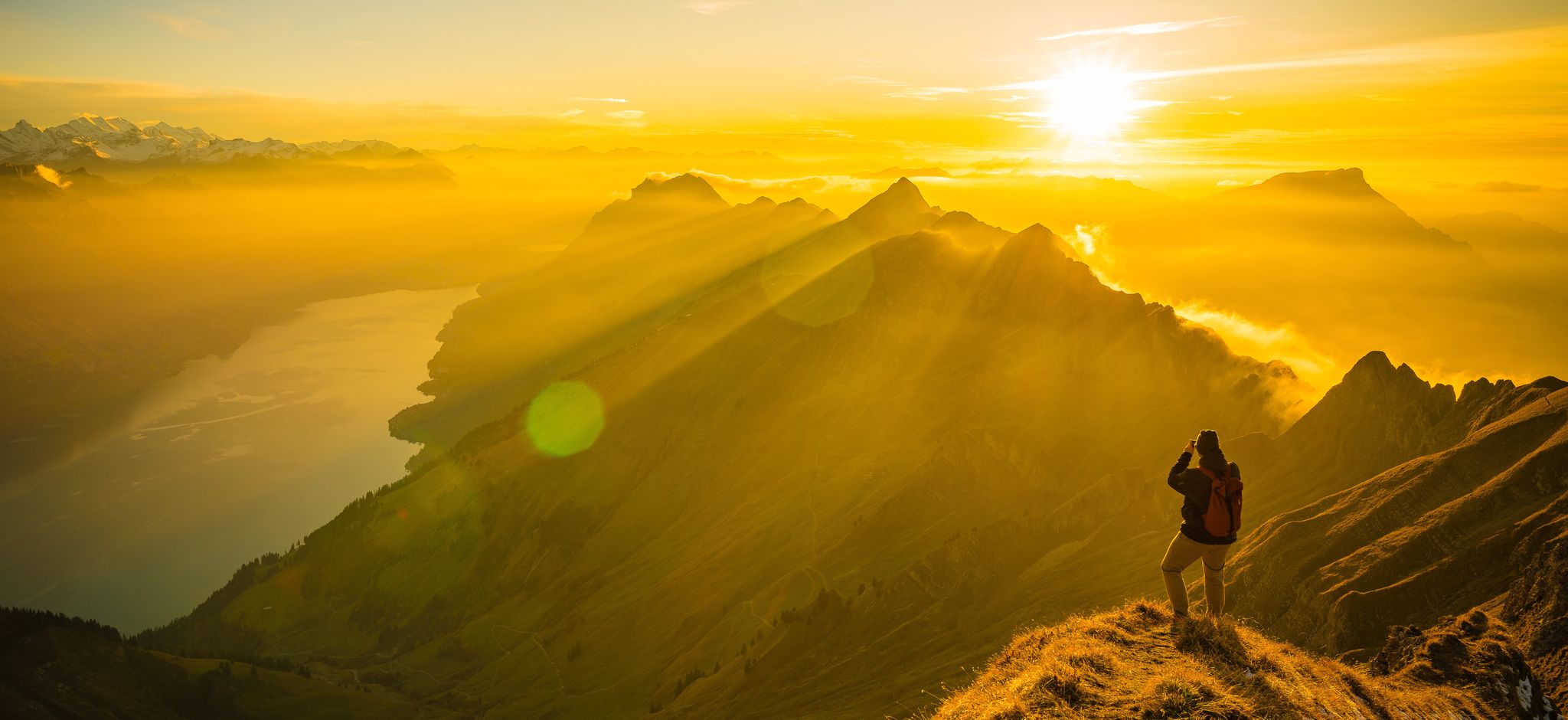
Two lakes footbridge - Harder Kulm viewing platform
Highlight • Viewpoint
Translated by Google •
Tip by

Lakeside Path Spiez–Faulensee
Highlight (Segment) • Trail
The beautiful sayings on the benches are also very interesting.
Translated by Google •
Tip by

Sign up now to discover places like this
Get recommendations on the best single tracks, peaks, & plenty of other exciting outdoor places.
Neuhaus Lido on Lake Thun
Highlight • Beach
Translated by Google •
Tip by
Tschingelsee Floodplain
Highlight • Natural
Translated by Google •
Tip by

Oberhofen Castle
Highlight • Castle
Today, the castle is a museum designed to reflect the history of former residents.
Translated by Google •
Tip by

Sign up for free to discover even more lakes around Krattigen.
Already have an account?
Start today with a free account
Your next adventure awaits.
Other adventures around Krattigen

Tips from the Community

Beautiful nature reserve that is worth a visit.
0
0


Beautiful castle with a particular location, best admired from the outside while sailing on Lake Thun
2
0

Naturally meandering river. It's wonderful to see how the water finds its way.
0
0

Story The mighty keep of the former Oberhofen fortified castle was built around 1200 and passed to the House of Habsburg in the 14th century. After the defeat of the Habsburgs at the Battle of Sempach in 1386, Bern took control of Oberhofen and sold it to Ludwig von Sehaften and his sister Antonia von Scharnachtal. In 1421 the castle and rule finally came to the Scharnachthal, one of the leading and richest families in the city of Bern. It remained in family ownership until the death of the last representative in 1590. Oberhofen then came to a branch of one of the most important Bernese families, the von Erlach family. The bailiff's seat from 1652 to 1798 and expanded into a castle, the property came into private ownership in 1801. In 1844, Albert Graf de Pourtalès bought Oberhofen Castle from Neuchâtel, which was still Prussian at the time, and converted it into a summer residence. The buildings and towers in the historicist style still characterize the appearance today. In 1926 there was a change of ownership; the new owner of the castle was the American lawyer William Maul Measey. He transferred the properties and the park to a foundation in 1940 and ensured that Oberhofen Castle became a branch of the Bernese Historical Museum, which set up a residential museum and opened it to the public in 1954. In 2009, Oberhofen Castle became independent and has since operated as an independent foundation under private law. With the new building, which forms the sea-side end of the dependencies, a bridge was built into the 21st century. The Schloss Oberhofen restaurant has been in operation in the cube with a terrace by the lake since 2013.
0
0

The romantic palace complex with the keep built around 1200 looks back on an eventful history of ownership. Bought by the Pourtalès family of counts from Neuchâtel and Prussia in 1844 and converted into a summer residence, the castle was given its current appearance. A museum has been set up inside since 1954, which deals with the history of the former residents. The oriental smoking room at the top of the tower offers a unique experience and a spectacular view over the lake and the mountains. The castle chapel with its impressive murals, which can be used for weddings and baptisms, dates from the 15th century. A tour through the many rooms of the castle leads to the traces of the previous owners and those who once lived in the castle. This includes not only the count families of the 19th century, but also the servants who looked after the well-being of the rulers. Under the title "Always at your service", an exhibition conveys the everyday life of domestic workers in a clear and interactive way. Attached to the castle is a 2.5 hectare park, which impressively shows the different trends in the history of garden art. Striking groups of trees, exotic shrubs, colorful flower arrangements and the view of the imposing mountain scenery above the lake make it one of the most beautiful gardens in the Alpine region. https://www.myswitzerland.com/de-de/erlebnisse/schloss-oberhofen-wohnmuseum-und-park/
3
0

The views are super.... You can take very good pictures here....
1
1

Frequently Asked Questions
What are the best viewpoints around Krattigen's lakes?
For breathtaking panoramas, visit the Two lakes footbridge - Harder Kulm viewing platform. From here, you can see Lake Thun, Lake Brienz, and the surrounding mountain peaks like Eiger, Mönch, and Jungfrau. It's accessible via funicular or a hike, and there's a restaurant at the top.
What water activities can I do on Lake Thun?
Lake Thun is excellent for various water sports. You can enjoy sailing, windsurfing, kayaking, and stand-up paddling. During summer, swimming areas like Krattigen Lido or Neuhaus Lido on Lake Thun are popular. Boat trips are also a great way to explore the lake and visit towns and castles along its shores.
Are there family-friendly spots around the lakes near Krattigen?
Yes, several spots are great for families. The Neuhaus Lido on Lake Thun offers a beautiful beach with facilities, a large lawn, and beach volleyball courts. The Two lakes footbridge - Harder Kulm viewing platform is also family-friendly, reachable by funicular, and offers stunning views.
Are there historical sites or castles to visit near Lake Thun?
Absolutely. Along the shores of Lake Thun, you can explore several historic castles. A notable one is Spiez Castle and Marina, which is beautifully situated on the lake and offers a glimpse into the past. Other castles like Thun Castle, Oberhofen Castle, and Schadau Castle are also nearby.
What are some popular hiking trails near the lakes around Krattigen?
You can find many popular hiking trails. For example, the Lakeside Path Spiez–Faulensee offers varied landscapes and views of the mountains and Lake Thun. For more options, explore the Hiking around Krattigen guide, which includes routes like the Panorama Bridge Leissigen loop.
Are there wheelchair-accessible paths around the lakes near Krattigen?
Yes, the Lakeside Path Spiez–Faulensee is known for being wheelchair accessible, offering beautiful views of the mountains and Lake Thun. It's a great option for an inclusive outdoor experience.
When is the best time to visit the lakes around Krattigen?
The summer months are ideal for water activities like swimming and boating on Lake Thun. However, the region offers spectacular scenery year-round. Spring and autumn provide pleasant temperatures for hiking and cycling, while winter offers opportunities for tranquil walks with snow-capped mountain backdrops.
What is the Tschingelsee Floodplain?
The Tschingelsee Floodplain is a unique natural area in the Kiental. While not a traditional lake, it's a wide gravel bed that fills with water depending on the weather, creating a dynamic landscape where the stream finds its way through gravel and green islands of reeds. It's a fascinating spot to observe natural processes.
Are there cycling routes around the lakes near Krattigen?
Yes, the area around Krattigen and Lake Thun is well-suited for cycling. You can find routes that offer views of the lake and surrounding mountains. Check out the Cycling around Krattigen guide for options like the 'View of Spiez Bay and Spiez Castle' loop.
Can I go wild swimming in the lakes near Krattigen?
Lake Thun offers various spots for swimming, including designated lidos like Krattigen Lido and Neuhaus Lido on Lake Thun. While these are managed areas, locals also enjoy quieter, 'secret lakeside spots' in Krattigen for picnics and quiet afternoons by the shimmering shores.
What do visitors enjoy most about the lakes around Krattigen?
Visitors particularly appreciate the spectacular scenery, with unforgettable views of Lake Thun surrounded by lush landscapes and majestic mountains like the Eiger, Mönch, and Jungfrau. The contrast between the deep blue lake and the snow-capped peaks is a highlight, along with the tranquility and diverse outdoor activities available.
Are there places to eat or relax by the lakes?
Yes, many spots offer dining and relaxation. The Two lakes footbridge - Harder Kulm viewing platform has a cozy restaurant with panoramic views. Neuhaus Lido on Lake Thun features an adjoining restaurant and a beach bar, perfect for enjoying sunsets.
Most popular routes around Krattigen
Most popular attractions around Krattigen

Get inspired with the komoot mobile app


Explore more
Still not found your perfect lake around Krattigen? Check out the guides of these regions to see even more beautiful places.
