Top 3 Caves around Brienz (BE)
Best caves near Brienz (BE) are found in a region characterized by its location on Lake Brienz within the Bernese Oberland. The area features prominent lakes, mountainous terrain, and deep gorges, providing diverse geological formations. This landscape hosts a variety of underground experiences, from natural cave systems to historical military installations.
Best caves around Brienz (BE)
- The most popular caves is Ladder Through the Rock, an other man-made site that repurposes a former military installation into a hiking trail.…
Last updated: August 21, 2026
Ladder Through the Rock
Highlight • Structure
When you arrive at the wall, the former military installation opens. Great view from the various holes in …
Translated by Google •
Tip by

World War II underground cavern in the Aare Gorge
Highlight • Historical Site
This military installation with two caverns was built at the end of 1940. The larger cavern was to be used as a dormitory for 185 officers …
Tip by

Sign up now to discover places like this
Get recommendations on the best single tracks, peaks, & plenty of other exciting outdoor places.
Sign up for free
Schrattenfluh Cave Entrance (Alp Silwängen)
Highlight • Cave
Showing Translation
Tip by

Ice Cave
Highlight • Cave
Translated by Google •
Tip by

Start today with a free account
Your next adventure awaits.
Login or Signup
Popular around Brienz (BE)
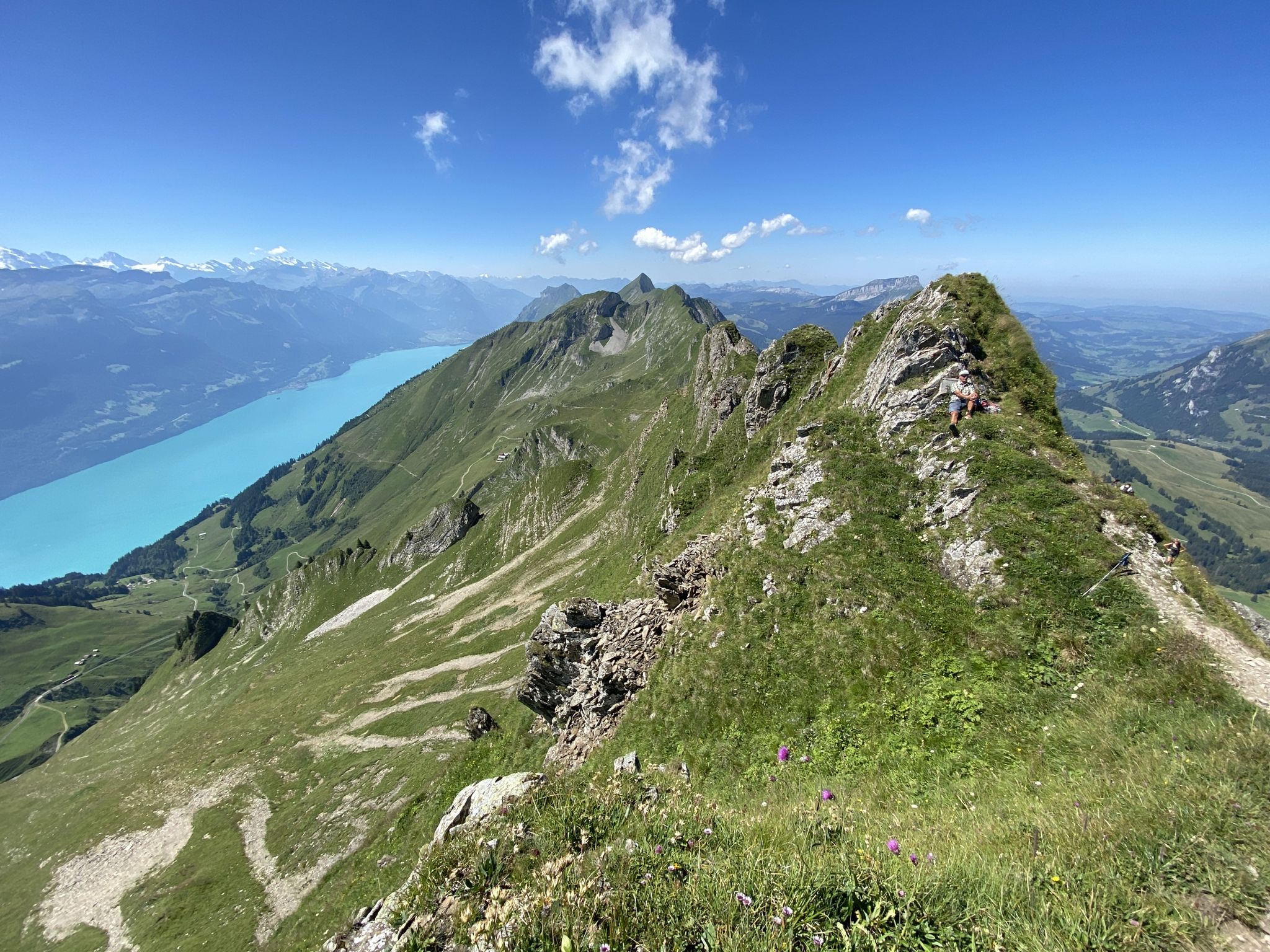
Napfbergland Border Trail – Hike between Bern and Lucerne
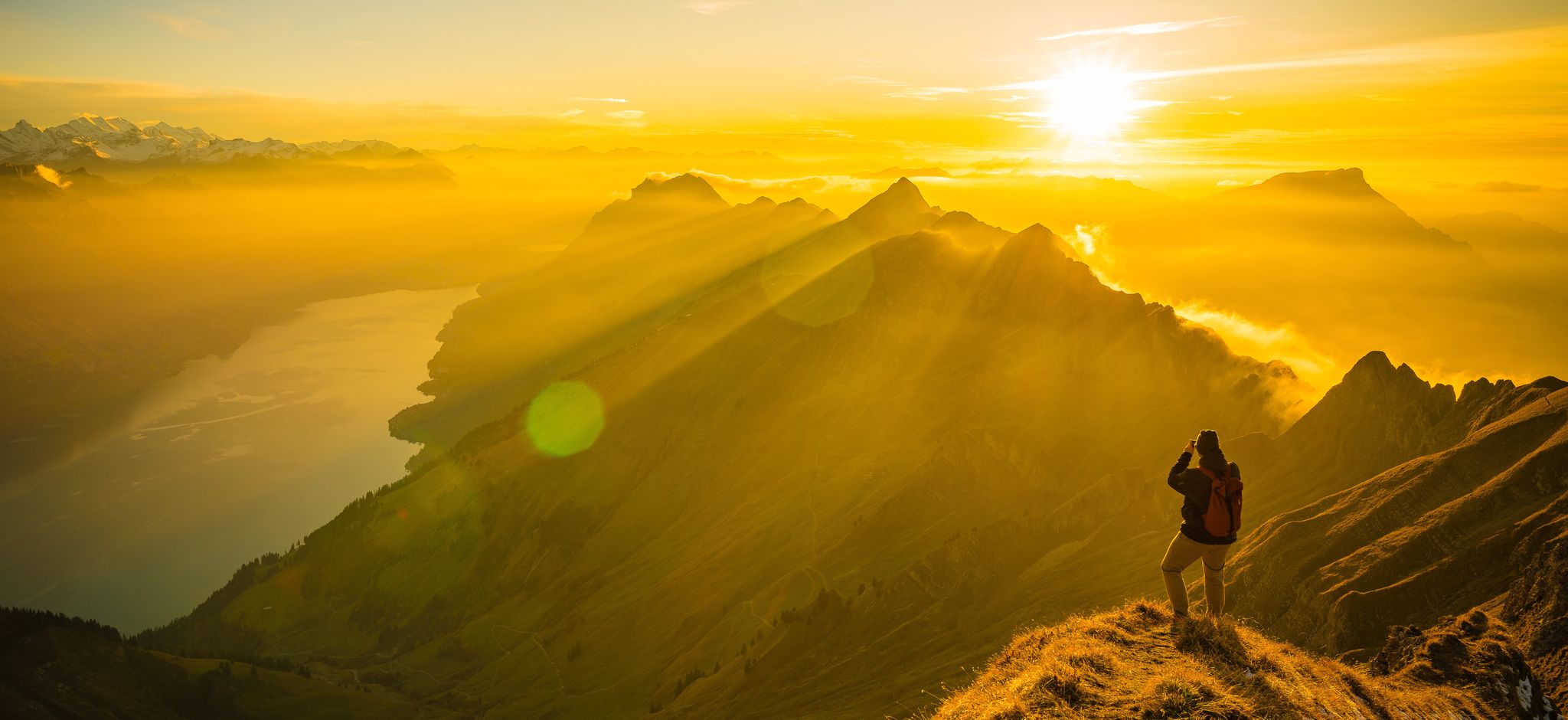
Mighty peaks and turquoise lakes – hiking in Interlaken in Switzerland
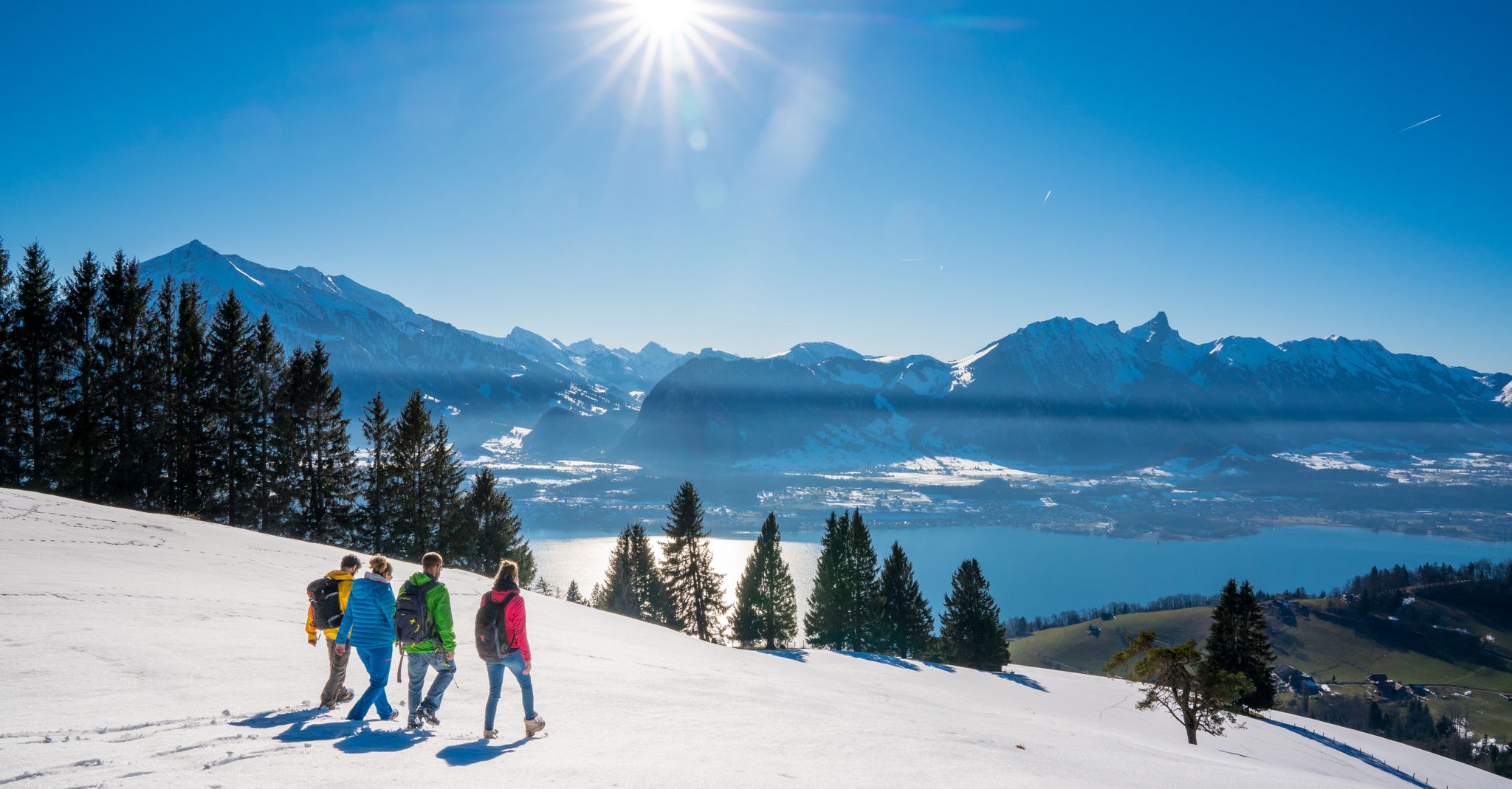
Let it snow! Winter hikes in the Bernese Oberland
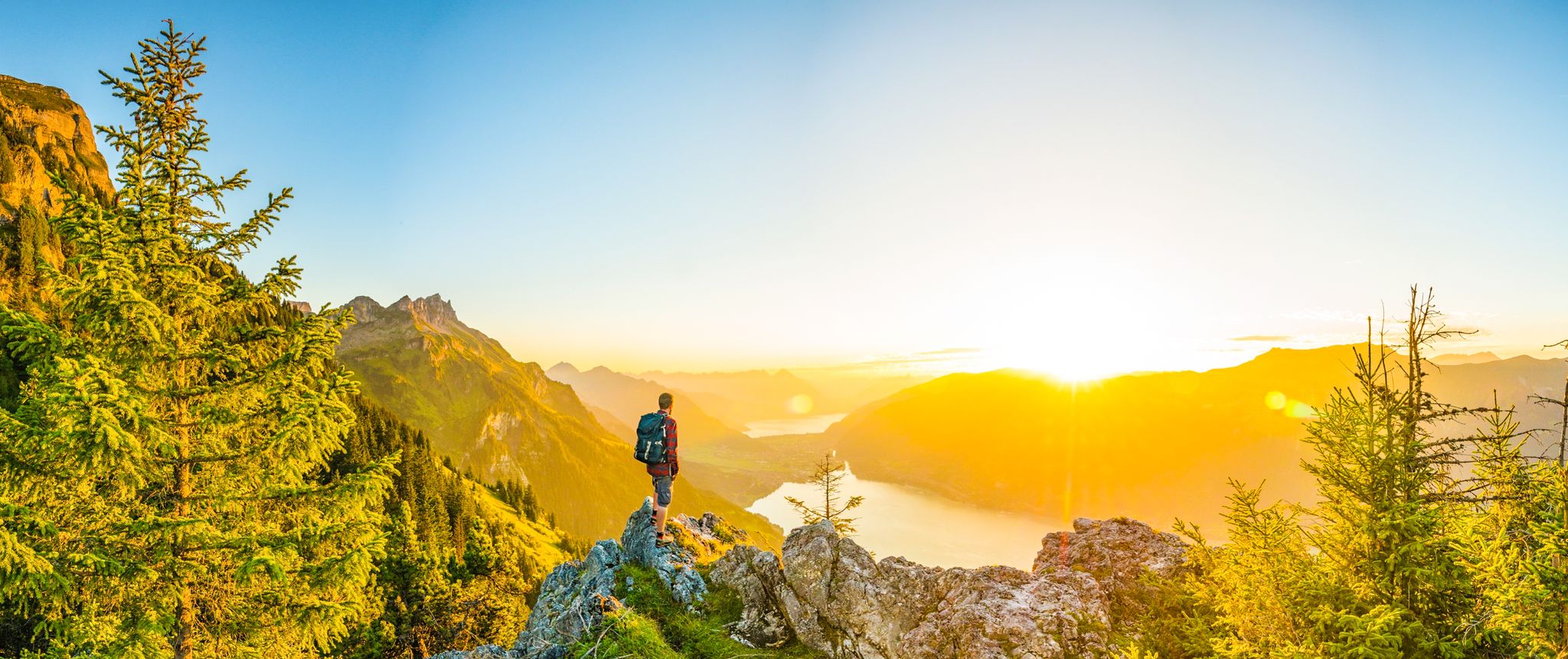
Magnificent Bernese Oberland – Hiking around Interlaken
The most beautiful swimming lakes in Switzerland
Hiking around Brienz (BE)
Cycling around Brienz (BE)
Road Cycling Routes around Brienz (BE)
MTB Trails around Brienz (BE)
Running Trails around Brienz (BE)
Other adventures around Brienz (BE)


Tips from the Community

wonderful and very beautiful round
3
0
wonderful and very beautiful round
3
0

Underground cavern from WWII This military installation with two caverns was built at the end of 1940. The larger cavern was to be used as a dormitory for 185 officers and soldiers. All the technical equipment was installed in the smaller cavern. Offices, recreation room and dining rooms were installed in a stationery train in the tunnel. It is not known why, but the installations were never used and still exist, hidden and unused in the Kirchet cliffs. One of the few visitors to the instaliation reported: „The caverns were very luxurious for me: wooden lined walls, heating, running water, flushing toilets, electric lighting ... "
1
2
very pretty here, very pretty
3
0

not suitable for people with claustrophobia.
1
0


At the Alp Silwangen there is an entrance for a cave from the Schrattenfluh. However, this can only be visited with a cave guide from the Unesco Biosphere Entlebuch.
0
0
Frequently Asked Questions
What types of underground experiences can I find near Brienz (BE)?
The region around Brienz (BE) offers a diverse range of underground experiences. You can explore natural limestone formations like the extensive St. Beatus Caves, historical military installations such as the World War II underground cavern in the Aare Gorge, or unique hiking trails with cave-like features like the Ladder Through the Rock. There are also natural gorges with grottoes and historical ice storage caves.
Are there any historical underground sites to explore near Brienz (BE)?
Yes, the area features several fascinating historical underground sites. The World War II underground cavern in the Aare Gorge offers a unique glimpse into Swiss wartime history, with a former dormitory for soldiers hidden within the Kirchet cliffs. Another historical site is the Ladder Through the Rock, which repurposes a former military installation into a hiking trail with impressive views from rock openings. Additionally, the Ice Cave was historically used for storing ice until the 1980s.
What are the St. Beatus Caves and are they accessible from Brienz (BE)?
The St. Beatus Caves are one of Switzerland's largest stalactite cave systems, located on the northern shore of Lake Thun, adjacent to Lake Brienz. Approximately one kilometer of the caves is accessible via well-lit pathways, revealing impressive grottos, halls, and underground waterfalls. They are steeped in legend and offer a consistent temperature of 8-10°C, making them ideal for any weather. Access is convenient by car, bus, or boat from nearby towns like Interlaken.
Are there family-friendly cave experiences near Brienz (BE)?
The St. Beatus Caves are generally considered family-friendly, with well-maintained and lit pathways suitable for most ages. They also feature a museum and restaurant. For a more adventurous family, the Aare Gorge itself is a great natural attraction, and while the World War II underground cavern within it is historical, the gorge walk is enjoyable for families.
What should I wear when visiting caves in the Brienz (BE) region?
Even on warm days, the temperature inside caves remains cool. For example, the St. Beatus Caves maintain a constant 8-10°C (46-50°F). It's advisable to wear layers, including a warm jacket or sweater, and comfortable, sturdy shoes with good grip, as paths can be damp or uneven. If exploring more rugged sites like the Ladder Through the Rock, headlamps might be useful for darker sections.
Can I go caving or explore undeveloped caves near Brienz (BE)?
While many caves are developed for tourism, some, like the Schrattenfluh Cave Entrance (Alp Silwängen), can only be visited with a certified cave guide. These require specialized equipment and expertise. For those seeking a more rugged experience without full caving, the Ladder Through the Rock offers a unique adventure through a former military installation.
What are some unique geological features of the caves in this region?
The caves near Brienz (BE) are primarily limestone caves, known for their impressive stalactite and stalagmite formations that have developed over millions of years. The St. Beatus Caves, for instance, showcase vast halls, underground streams, and waterfalls carved by water erosion. Other sites, like the Wolf Gorge, feature deeply cut rock walls and natural washouts, demonstrating the powerful geological forces at play in the Bernese Oberland.
Are there hiking trails that include or pass by caves near Brienz (BE)?
Yes, several hiking opportunities exist. The Ladder Through the Rock is itself a unique hiking trail through a former military installation with cave-like features and great views. The Aare Gorge offers a scenic walk, leading to the World War II underground cavern. For more extensive hiking, you can explore routes around the Schrattenfluh area, which is home to the Schrattenfluh Cave Entrance, though access to the cave itself requires a guide.
What other outdoor activities can I do near the caves around Brienz (BE)?
The region around Brienz (BE) is excellent for various outdoor activities. You can find numerous MTB trails, traffic-free bike rides, and road cycling routes. These routes often offer stunning views of Lake Brienz and the surrounding mountains, providing a perfect complement to your cave explorations.
What do visitors enjoy most about the underground sites near Brienz (BE)?
Visitors frequently praise the unique blend of natural beauty and historical intrigue. For sites like the Ladder Through the Rock, the 'very pretty' views and the adventure of exploring a transformed military site are highlights. The World War II underground cavern is appreciated for its historical significance and the surprising 'luxurious' conditions reported by past visitors. Generally, the opportunity to experience something 'wonderful and very beautiful' is a common sentiment.
Is it possible to visit caves near Brienz (BE) during winter?
Many of the developed cave systems, such as the St. Beatus Caves, typically have seasonal opening hours, often closing during the colder winter months. However, the Aare Gorge, which houses the World War II underground cavern, often remains accessible, though conditions can vary. It's always best to check the specific opening times and accessibility for each site before planning a winter visit.
Most popular routes around Brienz (BE)
Most popular attractions around Brienz (BE)

Get inspired with the komoot mobile app


Explore more
Extend your search for the best caves by checking out these guides of the top ones around Brienz (BE):
