Top 7 Castles around Rüschlikon
Best castles around Rüschlikon offer a glimpse into the region's past, situated near the shores of Lake Zurich. While the municipality itself features historical buildings, the surrounding area provides access to significant castle ruins. The landscape combines natural beauty with historical sites, making it suitable for exploration. This area serves as a starting point for discovering both preserved structures and remnants of medieval fortifications.
Best castles around Rüschlikon
- The most popular castles is Au Castle, a castle that sits…
Last updated: June 28, 2026
Schnabelburg ruins
Highlight • Castle
Translated by Google •
Tip by

Friedberg Ruins
Highlight • Castle
Translated by Google •
Tip by

Sign up now to discover places like this
Get recommendations on the best single tracks, peaks, & plenty of other exciting outdoor places.
Sign up for free
Friesenberg Castle Ruins
Highlight • Castle
Translated by Google •
Tip by

Au Castle
Highlight • Castle
Translated by Google •
Tip by

Wulp Castle Ruins
Highlight • Castle
Translated by Google •
Tip by

Sign up for free to discover even more castles around Rüschlikon.
Sign up for free
Already have an account?
Start today with a free account
Your next adventure awaits.
Login or Signup
Tips from the Community

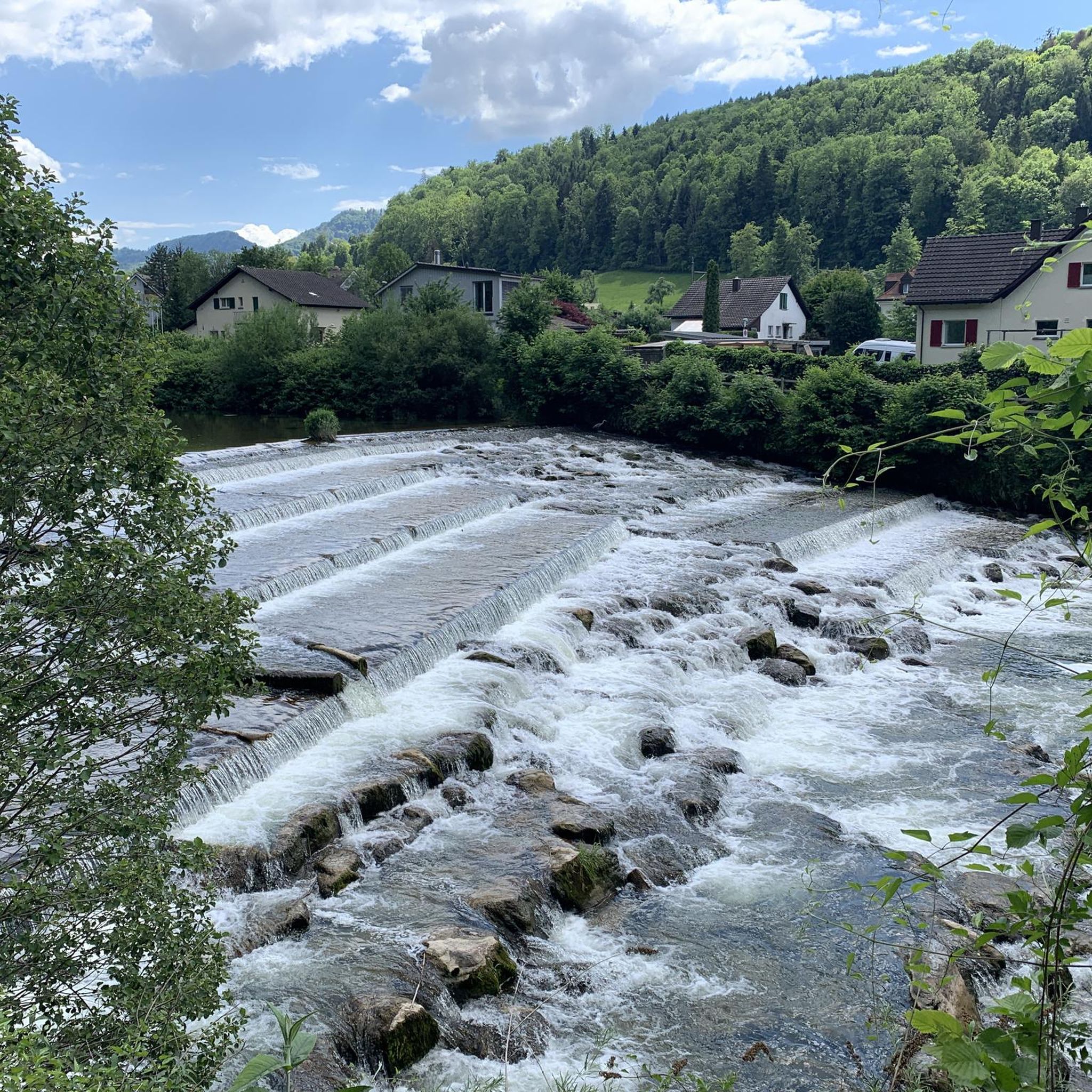
From the north, a relatively easy, clearly visible, unmarked path leads to the plateau on which Schnabelburg Castle stands. The descent to the south is very steep and, when the ground is wet and/or covered in autumn leaves, also very slippery.
1
0


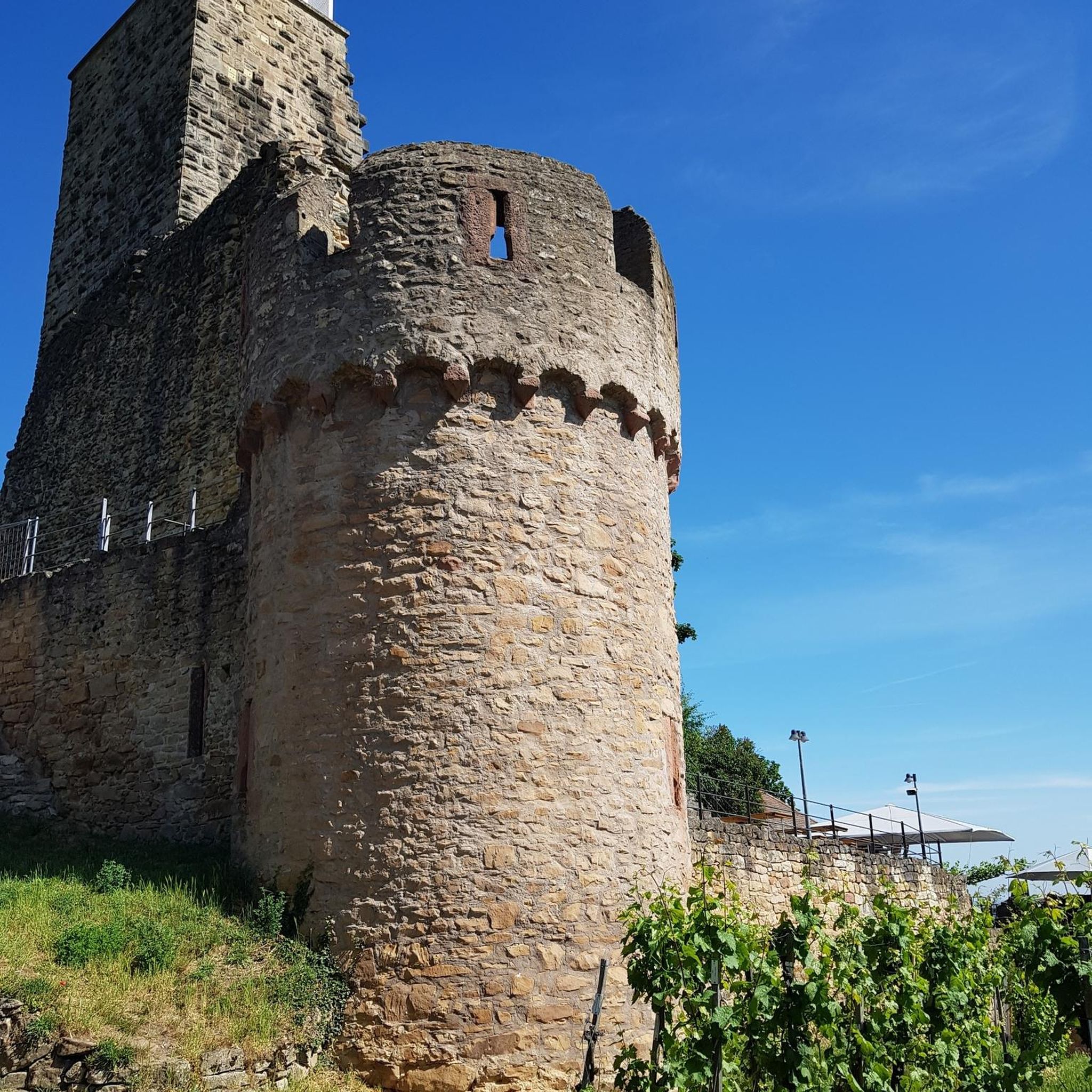
Remains of the foundation walls of a former hilltop castle
5
0

The Schnabelburg is the ruins of a hilltop castle on the beak-shaped hill north of the Schnabellücke above the village of Hausen am Albis in the canton of Zurich. Source: Wikipedia
6
2
The Schnabelburg is the ruins of a hilltop castle on the beak-shaped hill north of the Schnabellücke above the village of Hausen am Albis in the canton of Zurich. Source: Wikipedia
7
2

Officially this ruin is called "Burgruine" Friesenberg (neither Goldbrunnen nor Friesenburg). Until the end of the 14th Century this was the country get-away of the Family Mülner from the town of Zurich.
1
0
Officially this ruin is called "Burgruine" Friesenberg (neither Goldbrunnegg nor Friesenburg). Until the end of the 14th Century this was the country get-away of the Family Mülner from the town of Zurich.
1
0
Frequently Asked Questions
What kind of castles can I expect to find around Rüschlikon?
While Rüschlikon itself doesn't have grand, intact castles, the surrounding area features several historical castle ruins. These include Friedberg Ruins and Schnabelburg ruins, which offer glimpses into medieval history through their remaining wall remnants and historical information boards.
Are there any well-preserved castles near Rüschlikon?
For well-preserved structures, Au Castle is a notable example, situated in a park landscape by Lake Zurich. It currently operates as a seminar hotel. For more traditional, well-preserved castles, you might need to explore the wider Canton of Zurich, such as Museum Castle Zug or Museum Schloss Kyburg.
Which castle ruins offer the best historical insight near Rüschlikon?
Friedberg Ruins, dating back to around 1200 AD, provides historical context through information boards alongside its wall remains and a visible well. Schnabelburg ruins also offers insights into a former hilltop castle, with remnants and tips available.
Are the castle ruins around Rüschlikon suitable for families with children?
Yes, some ruins like Friedberg Ruins are considered family-friendly, offering a chance to explore history in an outdoor setting. The paths leading to Schnabelburg ruins can be narrow, adding an adventurous element for older children, and it even has an official fire pit for a break.
Can I bring my dog to the castle ruins near Rüschlikon?
Generally, outdoor historical sites and ruins in Switzerland are dog-friendly, provided dogs are kept on a leash. It's always a good idea to check local signage at specific sites like Schnabelburg ruins or Friedberg Ruins for any specific restrictions.
What outdoor activities can I combine with a visit to the castles?
The area around Rüschlikon is excellent for outdoor activities. You can find numerous running trails, road cycling routes, and MTB trails. Many of these routes pass by or near historical sites and offer scenic views, making it easy to combine a castle visit with a hike or bike ride.
Are there hiking trails around the castle ruins near Rüschlikon?
Yes, the castle ruins are often integrated into hiking networks. For instance, the narrow paths leading to Schnabelburg ruins are part of the hiking experience. Friedberg Ruins is also accessible via trails, and the area offers many running and walking routes that can be explored.
What is the best time of year to visit the castles around Rüschlikon?
The castle ruins and historical sites are accessible year-round. Spring and autumn offer pleasant temperatures for hiking and exploring the outdoor ruins. Summer is also popular, though it can be warmer. Winter visits can be picturesque, especially if there's snow, but ensure you wear appropriate footwear for potentially slippery paths.
How can I reach the castle ruins near Rüschlikon by public transport?
Rüschlikon is well-connected by public transport. From Rüschlikon, you can often take local buses or trains to get closer to the starting points of trails leading to the ruins. For specific ruins like Schnabelburg ruins or Friedberg Ruins, a short walk from the nearest public transport stop is usually required.
Is there parking available near the castle ruins?
Parking availability varies by ruin. For sites like Schnabelburg ruins and Friedberg Ruins, you may find limited parking in nearby villages or designated hiking trailheads. It's advisable to check local parking options for the specific starting point of your visit.
Are there other historical sites to explore in Rüschlikon besides castles?
Yes, Rüschlikon has other significant historical buildings. The Ortsmuseum (Local Museum), housed in a former winegrower's house, showcases the village's rural and industrial heritage. The Brahmshaus, a former spa house where composer Johannes Brahms resided, is another visible landmark that now hosts art exhibitions.
What kind of views can I expect from the castle ruins?
Many of the castle ruins, such as Schnabelburg ruins and Friesenberg Castle Ruins, are situated on elevated positions, offering scenic viewpoints over the surrounding landscape, including forests and sometimes glimpses of Lake Zurich or the Sihl Valley.
Most popular routes around Rüschlikon
Most popular attractions around Rüschlikon

Get inspired with the komoot mobile app


Explore more
Looking for the best castles somewhere else? Discover other guides around Rüschlikon:
