The 6 Most Amazing Peaks in the Kii Mountains
Best mountain peaks in the Kii Mountains are found within a UNESCO World Heritage site, encompassing much of Japan's Kii Peninsula across Wakayama, Nara, and Mie prefectures. This region is known for its "Sacred Sites and Pilgrimage Routes" and is considered the birthplace of Shugendo. The mountain peaks offer a blend of natural landscapes, challenging hikes, and cultural experiences. The area features diverse ecosystems and significant spiritual sites.
Best mountain peaks in the Kii Mountains
- The most popular mountain peaks…
Last updated: June 28, 2026
View of Nara from Mount Wakakusa
Highlight • Viewpoint
Translated by Google •
Tip by

Kongō-san Summit
Highlight • Summit
Tip by

Sign up now to discover places like this
Get recommendations on the best single tracks, peaks, & plenty of other exciting outdoor places.
Sign up for free
Hyakken-gura Viewpoint
Highlight • Viewpoint
Translated by Google •
Tip by

Kongōzan Katsuragi Jinja
Highlight • Religious Site
Translated by Google •
Tip by

Summit of Mount Ōdaigahara
Highlight • Summit
Long climb of just over 20km but with slopes that can always be ridden. Only in some small sections …
Translated by Google •
Tip by

Mount Ōdaigahara (Odaigahara-yama)
Highlight • Summit
Translated by Google •
Tip by
Rime Ice on Mount Takami (Takami-yama)
Highlight • Natural Monument
Translated by Google •
Tip by

Start today with a free account
Your next adventure awaits.
Login or Signup
Popular around Kii Mountains



Tips from the Community

definitely worth the climb. wonderful view (and more deers) 😊
0
0

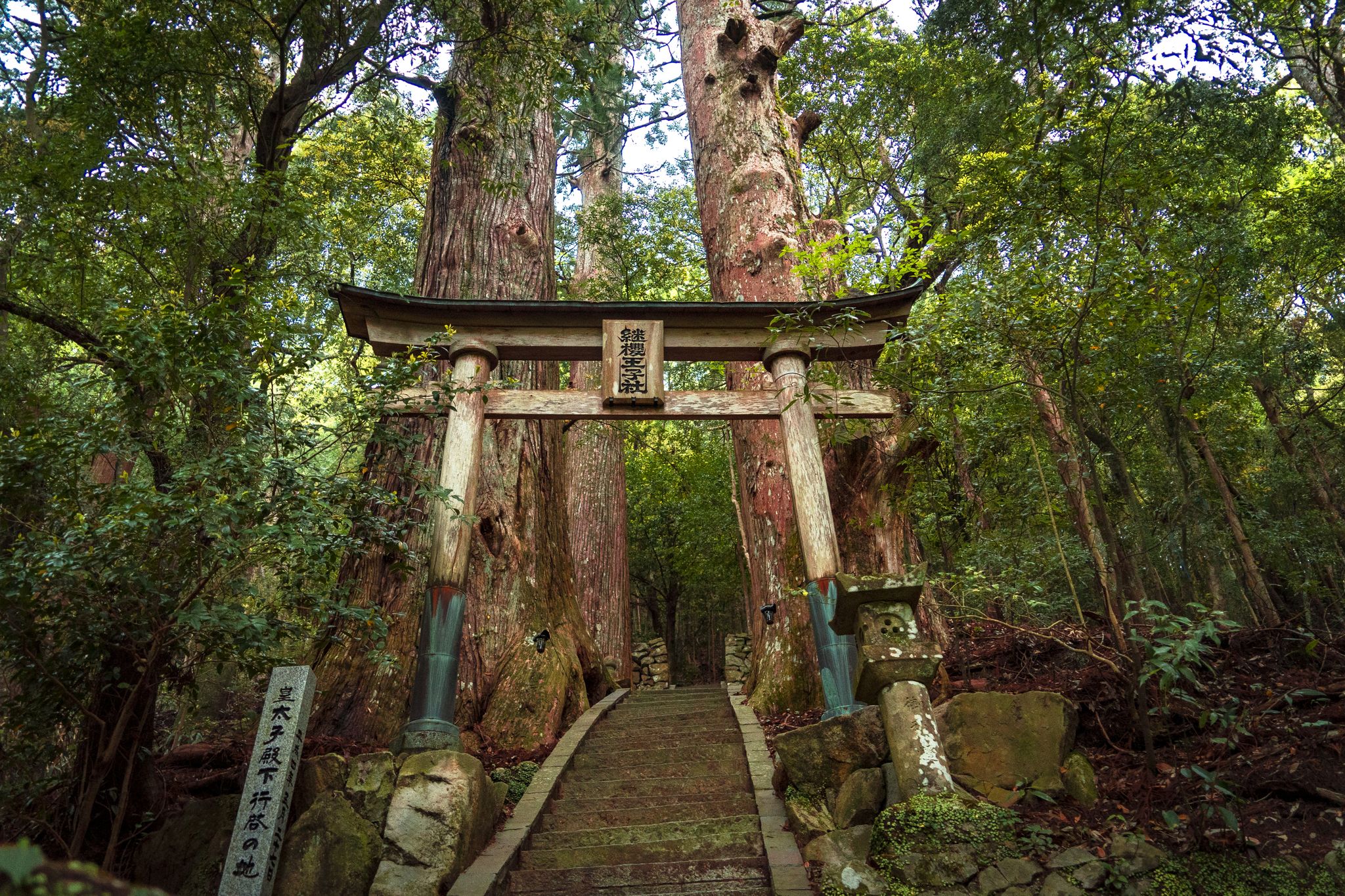
Located on the southern slope of Mount Kongo, Katsuragi-dake in Takama, Gose City, it enshrines Ichinotonushi-no-Okami as its deity. Kaibara Ekiken's Nanyu-kikou states, "At the summit, there is a shrine called Katsuragi, a large shrine, and it is said to be the deity of Ichinotonushi." At Katsuragi Shrine, an annual festival is held on July 7th, the anniversary of En no Gyoja's death, to pray to Ichinotonushi-no-Okami for the fulfillment of a wish, and a lotus flower ceremony is held at Tenporin-ji Temple in the afternoon. Katsuragi Shrine is also deeply revered as an agricultural deity, and Nanyu-kikou states, "Many people visit the shrine because they highly revere the deity, the farmer of Yamato and Kawachi, and believe that if they take a little bit of the soil under the shrine and put it in their fields, the rice will grow well and there will be no insects." It is said that there are believers all over Kinki, seeking the miracles of En no Gyoja, the founder of mountain asceticism. The shrine was founded about 2,000 years ago. According to the Kojiki and Nihon Shoki, Katsuragi Ichinotomono-mikoto declared, "I am the god Ichinotomono-mikoto, who will grant your wishes with just one word, whether good or bad." This led to the shrine becoming famous as a god whose wishes will come true with just one word. In addition, due to the fact that he was the first person in Japan to hand over something by clapping his hands, he is also known as "Ichinotomo Ebisu," the originator of applause, and the god of good fortune and prosperity in business.
0
0

I went there on a day of extreme cold, so I should have brought regular crampons instead of light ones. Unfortunately, it snowed all day and I couldn't see the frost sparkling, but the natural formations were amazing and worth seeing. It was a valuable experience.
1
0

mountain in winter Optimal equipment
0
0

Take the time to climb Mount Wakakusa which peaks at 342 m. It offers breathtaking views of Nara! And you will enjoy the deer just as much in a splendid natural setting.
0
0

Relatively easy hiking tour, in snowy winter waterproof hiking shoes and crampons recommended - check local web-page for advice. Also can be reached by rope-line. Arrive here by bus 408 or 411 from Kawachi-Nagano station.
1
0

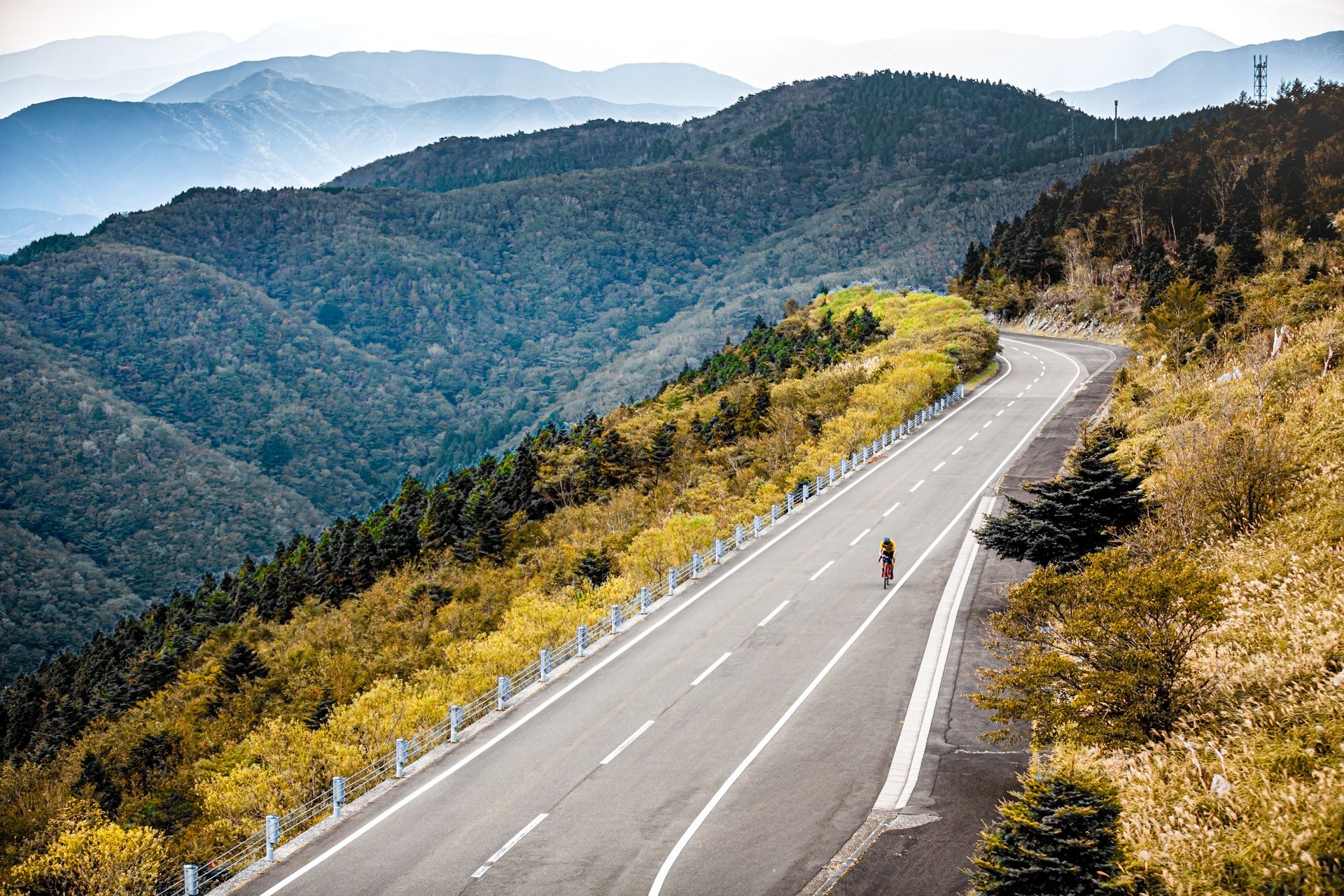
The highest driveway in Kansai, accessible by bike only in summer. Board of departures from Kintetsu-Yoshino station. Long climb (about 30km) but quite pedalable slopes, almost fixed at 7%, never exceeding 10%. On the top there is a large parking lot, toilets and a small bar-restaurant. Disappointing the view apart from some beautiful views during the climb.
1
0
Frequently Asked Questions
What are the highest mountain peaks in the Kii Mountains?
The highest peak in the Kii Mountains is Mount Hakkyogadake, towering at 1,914.6 meters (6,281 ft). It is a prominent part of the Omine Mountains and is also the highest point in the Kansai region.
Which mountain peaks offer significant spiritual or cultural experiences in the Kii Mountains?
Several peaks are deeply rooted in spiritual traditions. Mount Omine (Mount Sanjo) is a central site for Shugendo practices and Japanese Buddhism, known for its challenging ascetic training. Kongōzan Katsuragi Jinja is a historical religious site on the southern slope of Mount Kongo. Mount Koyasan is a sacred mountain complex and the spiritual heart of Shingon Buddhism, offering temple lodging and ancient cemeteries. Mount Hakkyogadake also holds ancient legends related to Shugendo.
Are there any family-friendly mountain peaks or trails in the Kii Mountains?
Yes, for a more relaxed experience, View of Nara from Mount Wakakusa offers an excellent view of Nara city from its observation deck and is known for its deer. Mount Odaigahara has well-maintained hiking trails that accommodate various skill levels, including gentle walks suitable for families. Kongō-san Summit is also considered a relatively easy hiking tour, and can even be reached by rope-line.
What are the best mountain peaks for nature lovers and scenic views?
Mount Odaigahara is renowned for its unparalleled natural beauty, lush, diverse ecosystems, and expansive meadows. The Daijagura viewpoint offers spectacular vistas into a 1,000-meter abyss. Hyakken-gura Viewpoint provides incredible views of the 3,600 peaks of Kumano. On clear winter days, Rime Ice on Mount Takami (Takami-yama) offers a unique natural spectacle.
Are there challenging hikes for experienced trekkers in the Kii Mountains?
Absolutely. Mount Hakkyogadake appeals to serious hikers seeking a demanding climb to the highest peak in the region. Mount Omine offers an intense spiritual journey with challenging trails and three 'tests of courage'. The Hatenashi Mountains are traversed by the Kohechi Route, one of the more challenging Kumano Kodo pilgrimage trails, involving steep ascents and descents over multiple passes. Rime Ice on Mount Takami (Takami-yama) is also categorized as a challenging summit.
What is the best time to visit the Kii Mountains for hiking?
The Kii Mountains are generally accessible year-round, but the best time depends on your preference. Spring and autumn offer pleasant temperatures and beautiful scenery (cherry blossoms or fall foliage). Some routes, like parts of the Kohechi trail in the Hatenashi Mountains, may be closed during heavy snowfall in winter. The road to the Summit of Mount Ōdaigahara is inaccessible during winter.
What unique natural features can be found on the mountain peaks in the Kii Mountains?
Mount Odaigahara is known for its high rainfall, leading to lush, moss-covered beech forests and expansive meadows of bamboo grass. It also features the dramatic Daijagura viewpoint overlooking a 1,000-meter abyss. In winter, Mount Takami (Takami-yama) is famous for its stunning rime ice formations.
Can I find accommodation or facilities near the mountain peaks?
Yes, Mount Koyasan offers a distinctive spiritual retreat with traditional temple lodging (shukubo), where visitors can participate in morning prayers and enjoy vegetarian monk's cuisine. Near the Summit of Mount Ōdaigahara, there is a large parking area with bathrooms, a restaurant, and a bar. The Hatenashi Mountains feature Hatenashi Village, often called a 'village in the sky,' providing a unique cultural immersion.
What outdoor activities, besides hiking, can I do in the Kii Mountains?
Beyond hiking, the Kii Mountains offer opportunities for road cycling. You can explore various routes, such as the 'Kaizu Ōhashi Lakeside Park loop' or the 'Chiyoda Shrine – Sawada Hachiman Shrine loop'. For more details on cycling routes, refer to the Road Cycling Routes in the Kii Mountains guide.
Are there any specific rules or restrictions when visiting certain peaks in the Kii Mountains?
Yes, Mount Omine (Mount Sanjo) has a long-standing and controversial ban on women ascending the mountain, with clear signage marking the forbidden areas. This restriction is part of its unique ascetic traditions. Always check local regulations and conditions before visiting any peak.
What do visitors particularly enjoy about the mountain peaks in the Kii Mountains?
Visitors appreciate the profound blend of natural beauty and deep spiritual history. Many enjoy the challenging climbs and the sense of accomplishment, especially on peaks like Mount Hakkyogadake. The tranquil atmosphere of places like Koyasan's Okunoin and the stunning panoramic views from viewpoints like Hyakken-gura Viewpoint are also highly praised. The opportunity to connect with ancient pilgrimage routes and unique cultural experiences is a major draw.
How accessible are the mountain peaks in the Kii Mountains by public transport or car?
Accessibility varies by peak. For example, Kongō-san Summit can be reached by bus from Kawachi-Nagano station. The Summit of Mount Ōdaigahara has a large parking area, though the road is inaccessible in winter. For other peaks, public transport options might be limited, and some trailheads may require private vehicle access or local shuttle services. It's advisable to research specific peak access before your trip.
Most popular routes in the Kii Mountains
Most popular attractions in the Kii Mountains

Get inspired with the komoot mobile app


Explore more
See even more amazing summits in the Kii Mountains with these guides:
