The 10 Most Amazing Peaks in the Alborz Mountains
Best mountain peaks in the Alborz Mountains are a prominent range in northern Iran, offering diverse landscapes and significant cultural heritage. The region features high-altitude terrain, glaciers, and lush forests at lower elevations. These mountains are known for their challenging climbs and technical routes, attracting mountaineers globally. The Alborz Mountains hold deep cultural and mythological importance within Iranian history.
Best mountain peaks in the Alborz Mountains
- The most popular mountain peaks is Espid Chal Summit from Emameh, a summit…
Last updated: October 14, 2026
Bargah Sevom Shelter (4,200 m)
Highlight • Mountain Hut
The easiest ascent route to Damavand is the southern route. The starting point is Polur. Polur is about 70 km from Tehran and can be easily reached …
Translated by Google •
Tip by

Mount Damavand Summit
Highlight • Summit
Translated by Google •
Tip by

Sign up now to discover places like this
Get recommendations on the best single tracks, peaks, & plenty of other exciting outdoor places.
Espid Chal Summit from Emameh
Highlight • Summit
Tip by

Sichal Peak (3730 m) Mountain Bike Route
Highlight • MTB Park
Translated by Google •
Tip by

Arakuh Peak (2750 m)
Highlight • Summit
Walking time 2 hours and 30 minutes
Translated by Google •
Tip by
Alam Kuh Summit
Highlight • Summit
Tip by

Alimastan Summit (2575 m)
Highlight (Segment) • Summit
It is about 7.5 km to the summit, 90% of which requires climbing due to the steepness.
Half an hour before reaching the …
Translated by Google •
Tip by
Mount Borj Summit (4,175 m)
Highlight • Summit
Translated by Google •
Tip by
Shah Moallem Peak
Highlight • Summit
Translated by Google •
Tip by

Shemshak Mountain Biking Trail
Highlight • MTB Park
and continues from the road known as Lajni to the top of the Shemshak Peak ridge
The descent from Shemshak Peak …
Translated by Google •
Tip by
Sign up for free to discover even more peaks in the Alborz Mountains.
Already have an account?
Start today with a free account
Your next adventure awaits.
Popular around Alborz Mountains
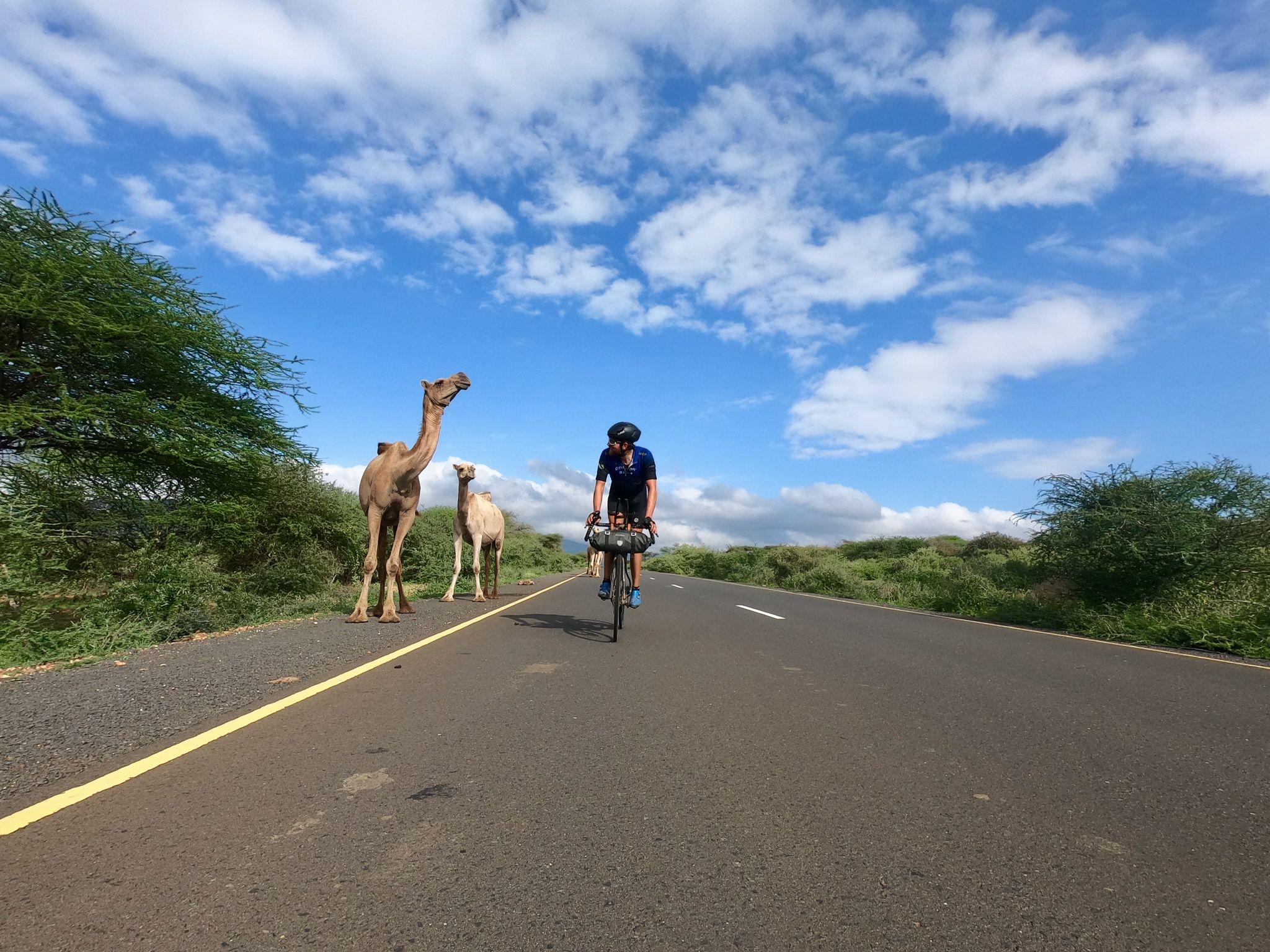
Cape to Cape Challenge – 18,000km in 73 days
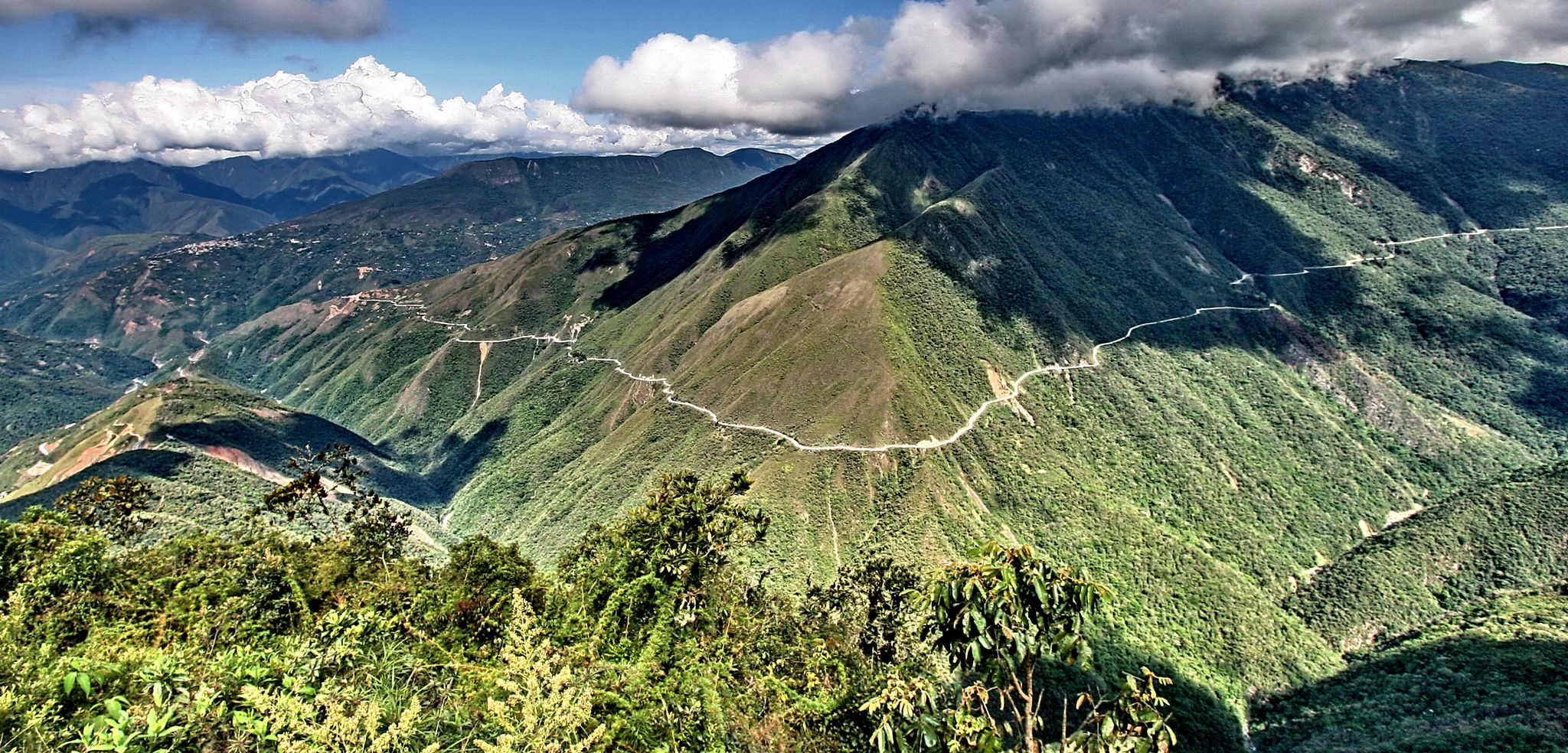
The world's most adventurous cycling passes
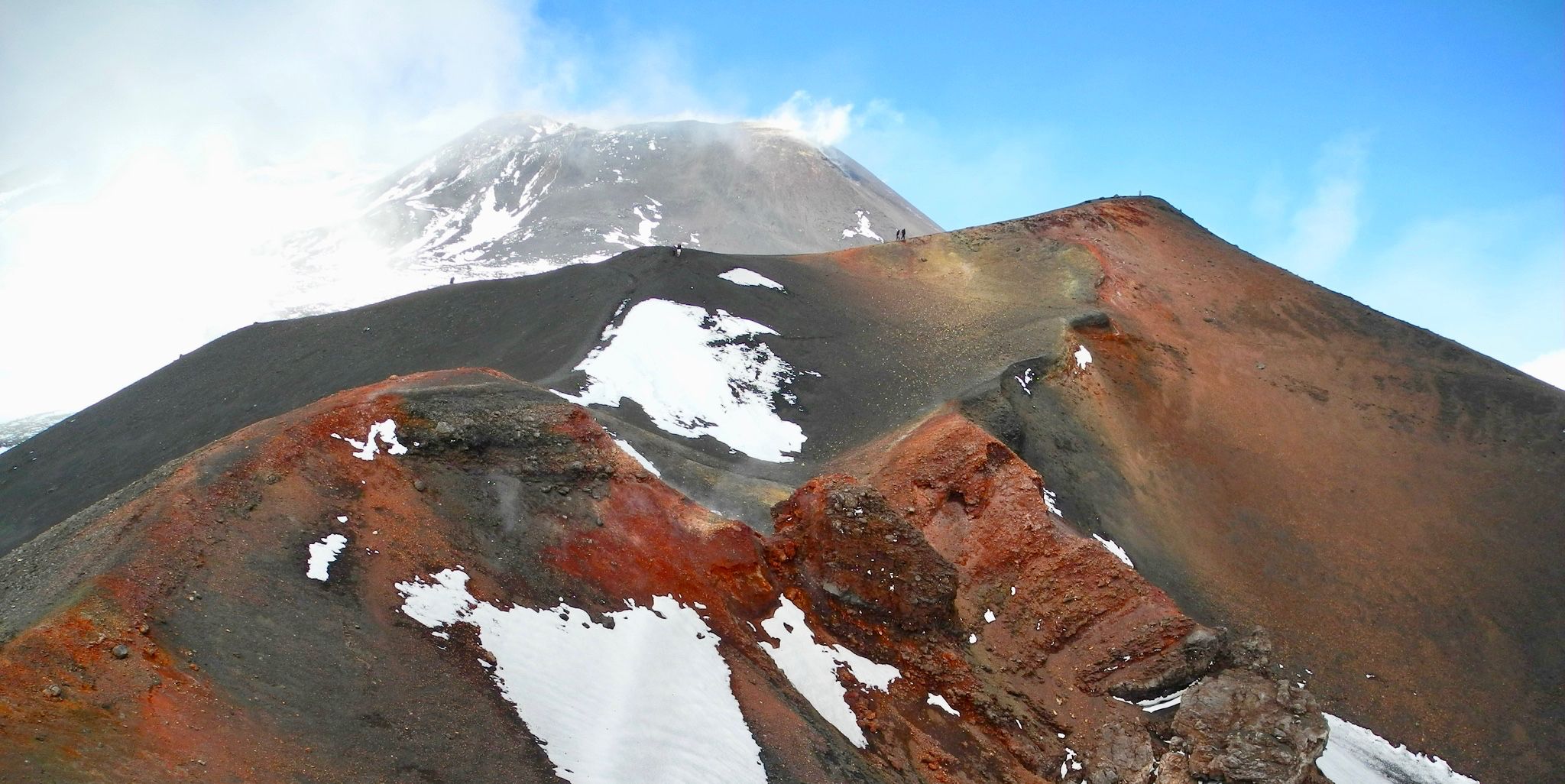
Holy mountains and their stories
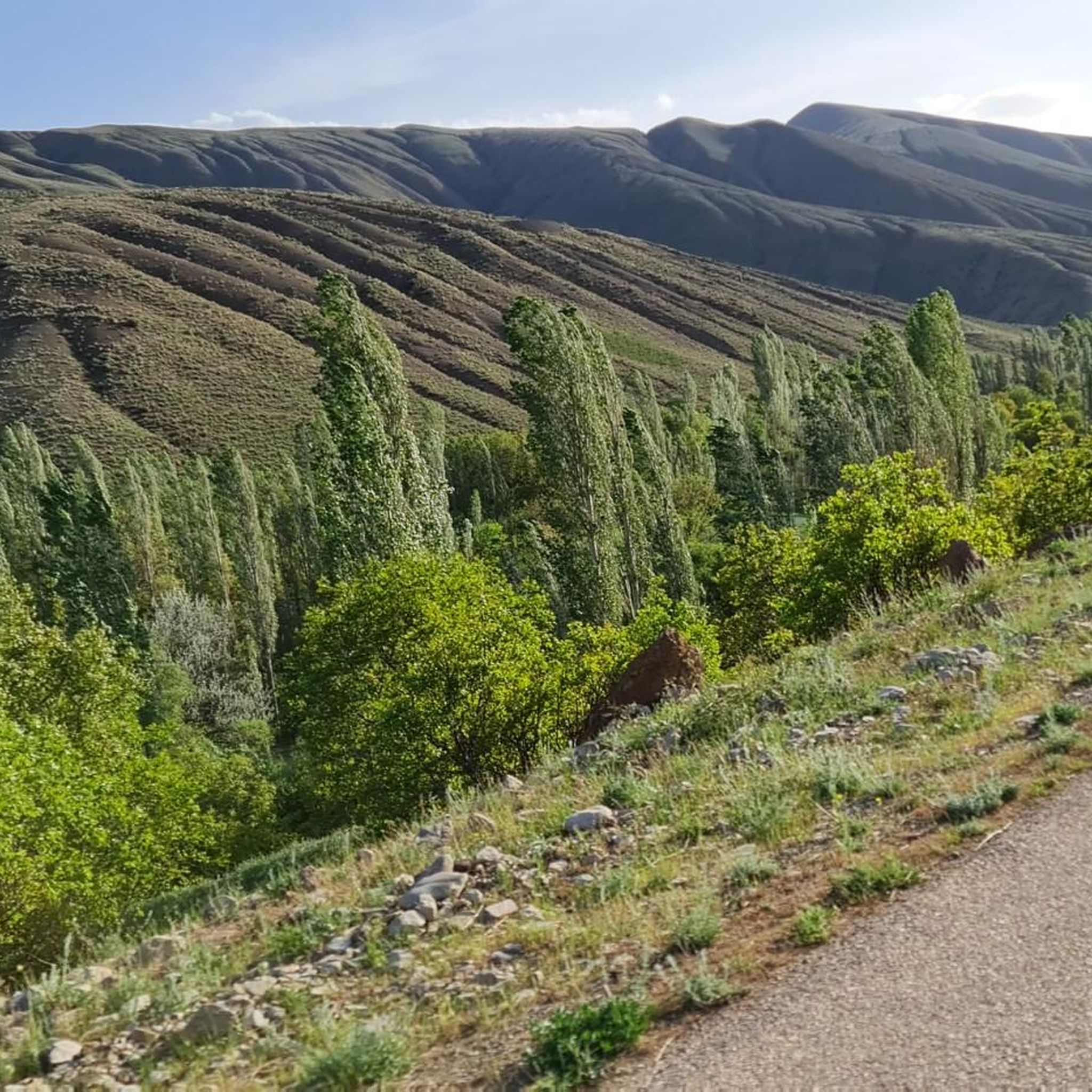
Hiking in the Alborz Mountains
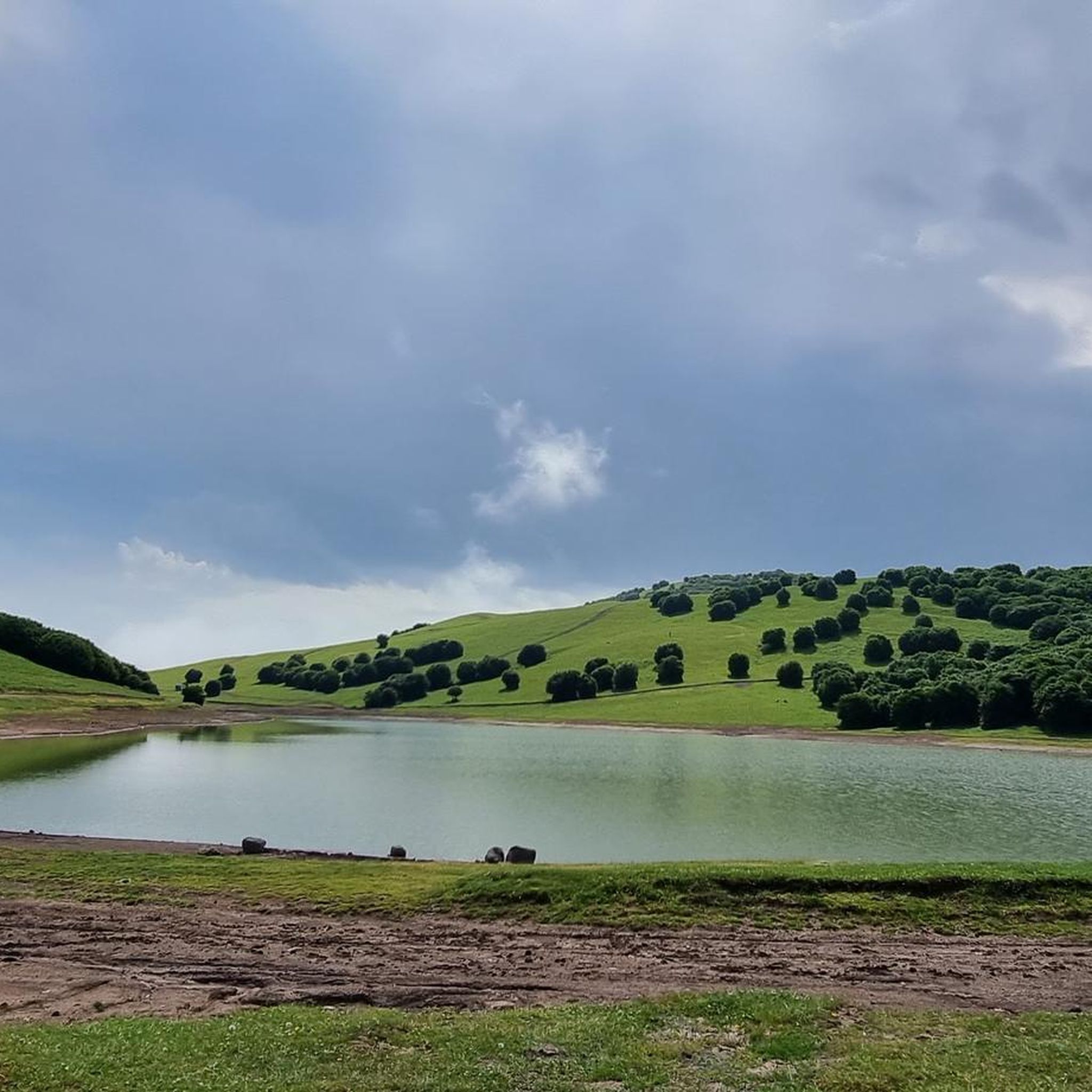
Running Trails in the Alborz Mountains
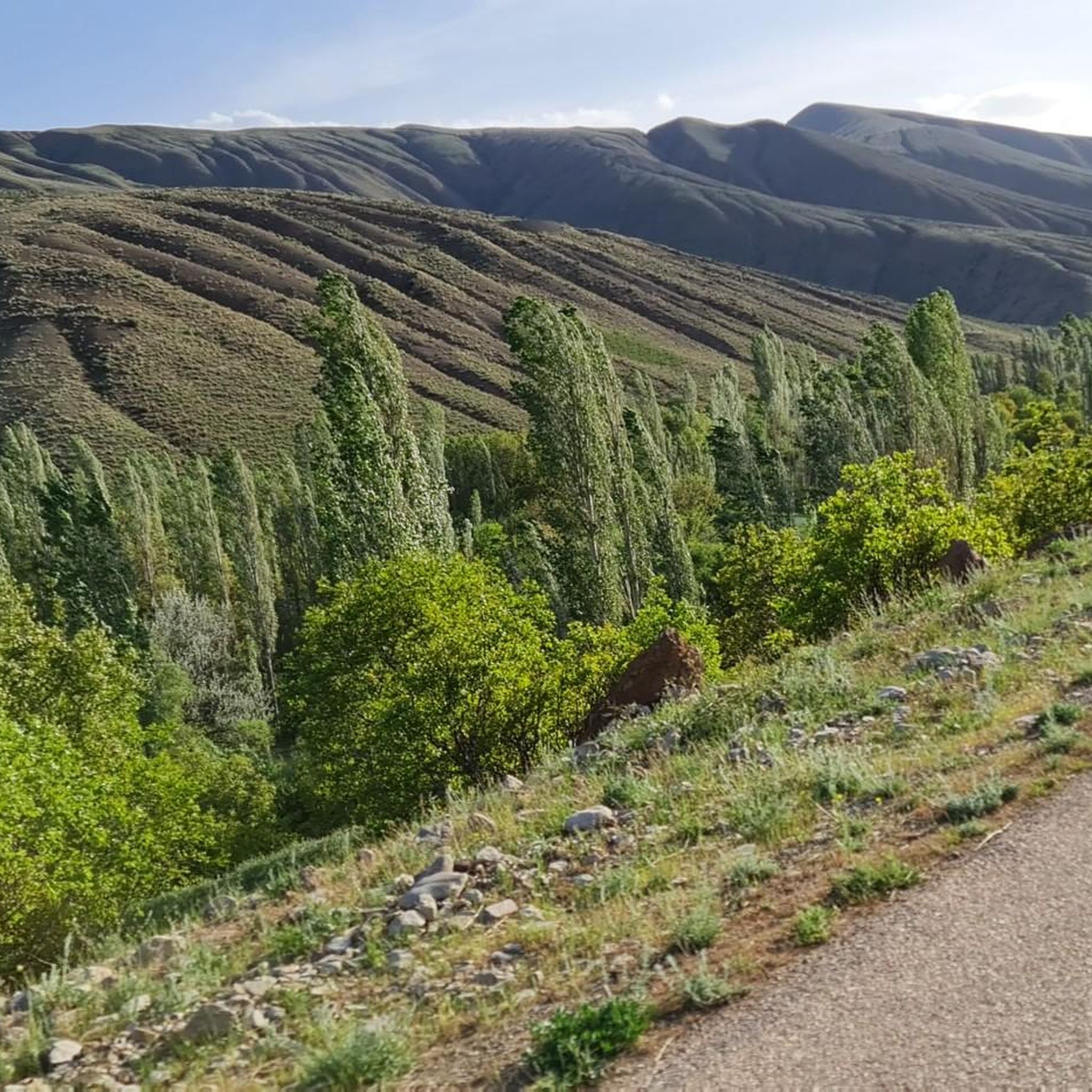
Cycling in the Alborz Mountains
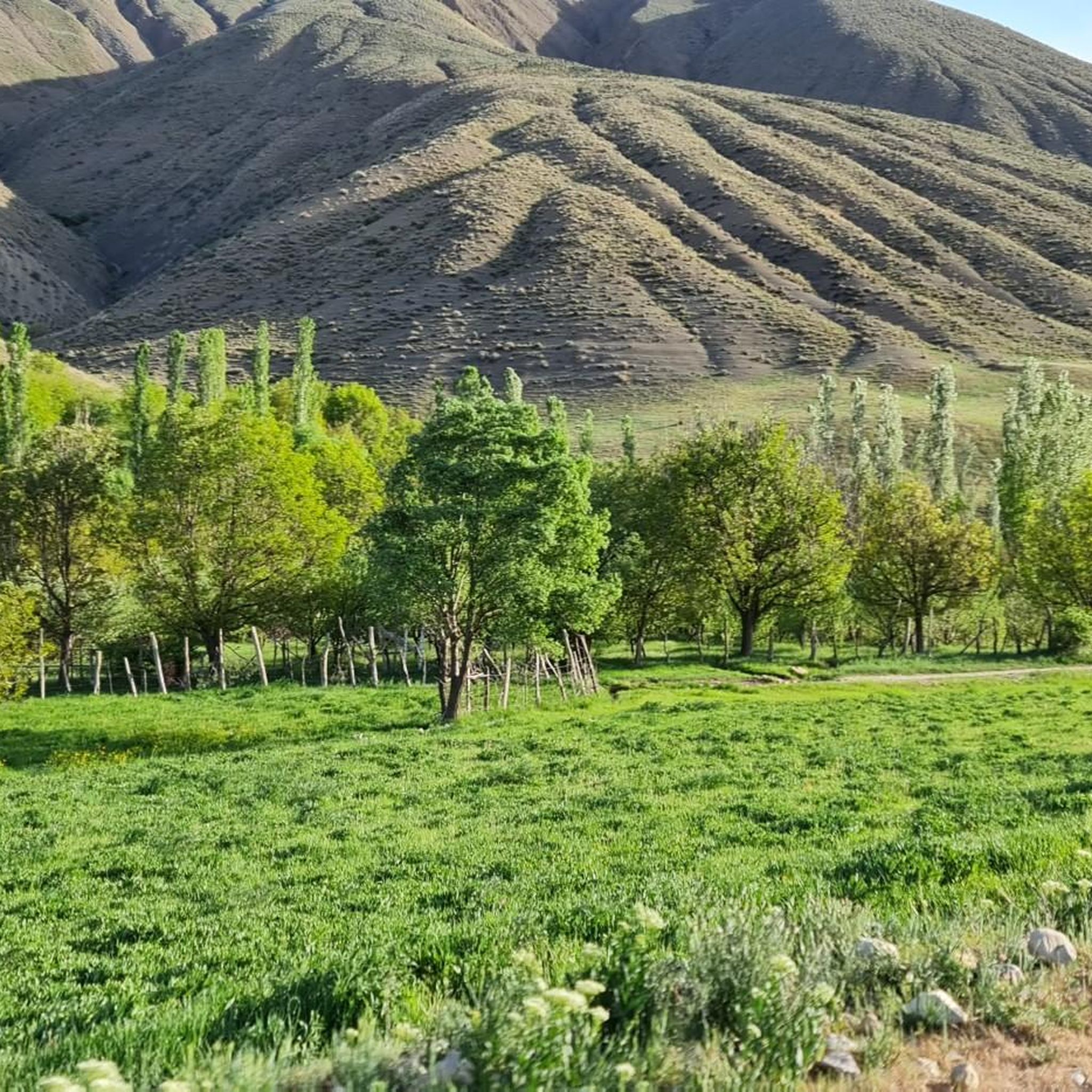
MTB Trails in the Alborz Mountains

Mountain Hikes in the Alborz Mountains
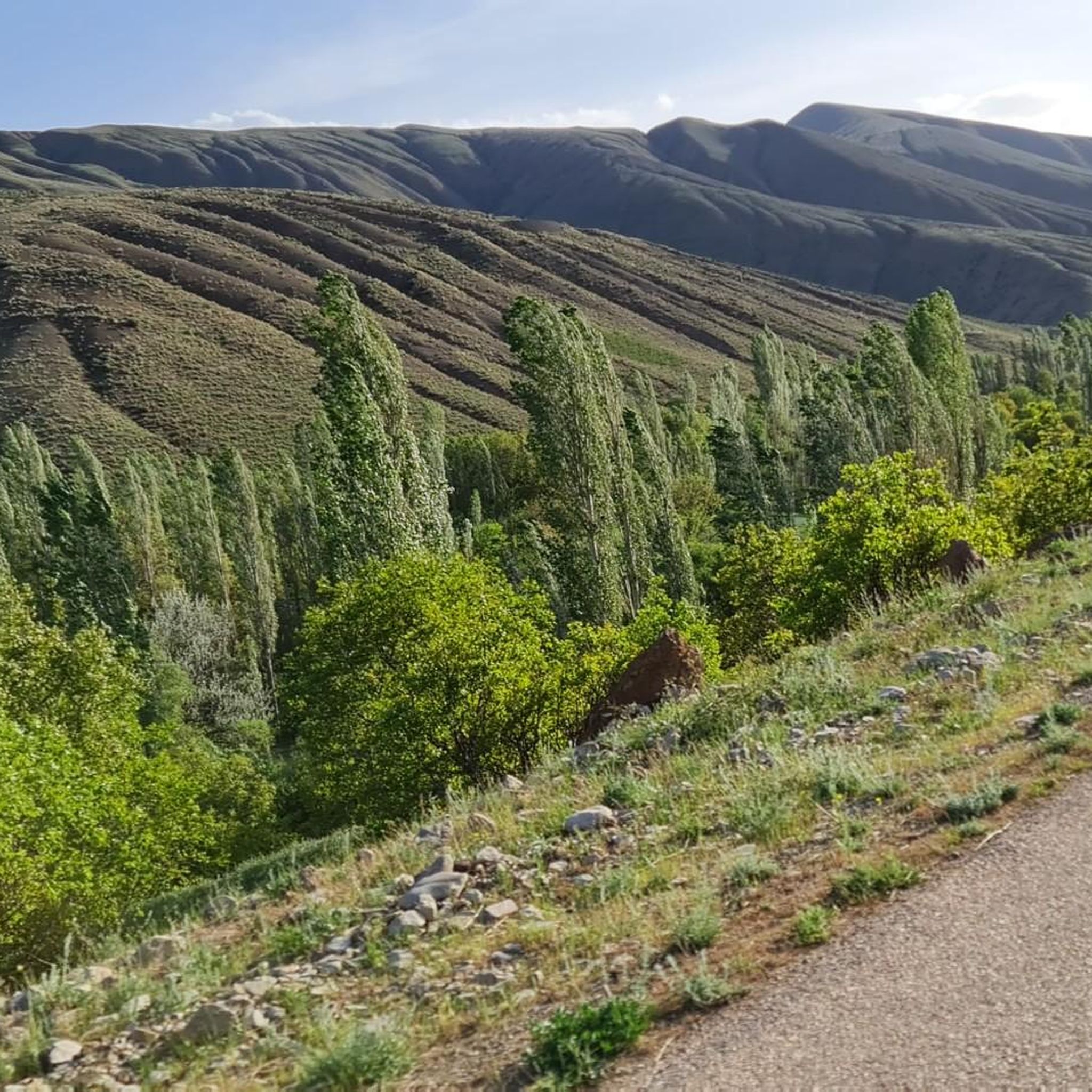
Road Cycling Routes in the Alborz Mountains


Tips from the Community

The trail is all dirt and gravel It is about 7.5 km to the summit, 90% of which requires climbing due to the steepness. Half an hour before reaching the summit, you will reach a beautiful plain with a sea of clouds beneath your feet. The return trail is very pleasant and the descents are not a challenge. The best time to ride is when there is no rain a few days before. The temperature is cool due to the altitude of the area and is usually accompanied by fog and high humidity. The difficulty of the trail is 6 out of 10
1
0
The route starts from the Feichal Road (Upper Shemshak) and continues from the road known as Lajni to the top of the Shemshak Peak ridge The descent from Shemshak Peak is via a steep and slightly steep path The route is entirely dirt. The downhill route is technical and requires safety equipment. The best time is early June to early fall
1
0
The Shemshak to Dizin route, known as the upper road, starts from the Dizin parking lot inside the Dizin ski resort, which is all dirt, and continues to the bottom of the Darbandsar ski resort. You will pass three peaks on the way: Sichal/Sandoq Chal/Mahmoud Chal. After Sichal, there is a sandy ski area that you must take. After Mahmoud Chal, you will reach Sarlu, which is the highest area of the Darbandsar ski resort, and you will move from inside the ski resort to the parking lot. The best time is summer and the difficulty of the route is 7 out of 10. Approximate time is 6 to 8 hours. Be sure to bring warm clothes, plenty of water, and safety equipment.
4
0


At 4850 meters above the sea Alam Kuh is Irans second highest mountain behind Damavan. But there is no question that this is the more stunning climb!
1
0

After a short night in the hut, the actual ascent begins here
3
0

Very beautiful and easy summit with a wide view of many other peaks. Good from middle of spring until middle of fall.
0
0
Very beautifull rute with Latian Lake viwe and nice screen of Damavand peek.
0
0
Frequently Asked Questions
Which are the most prominent mountain peaks in the Alborz Mountains?
The Alborz Mountains are home to several majestic peaks. Among the most prominent are Mount Damavand Summit, the highest peak in Iran and a dormant volcano; Alam-Kuh, known for its challenging technical climbing routes; and Mount Sabalan, an inactive volcano featuring a stunning crater lake at its summit. For a more accessible option with wide views, consider Espid Chal Summit from Emameh.
What unique natural features can I expect to see on the Alborz mountain peaks?
The Alborz Mountains offer diverse natural wonders. On Mount Damavand Summit, you'll find fumaroles, sulfur deposits, and a unique frozen waterfall that never fully melts. Alam-Kuh is renowned for its ancient glaciers and a 500-meter-high granite wall. Mount Sabalan features a spectacular crater lake at its summit, which is frozen for most of the year, and numerous hot springs in the surrounding region.
What are the most challenging climbs in the Alborz Mountains?
For experienced mountaineers, Mount Damavand Summit offers a significant challenge with multiple routes, the southern route being the most popular. Alam-Kuh is famous for its technical climbing routes, particularly the 500-meter-high granite wall on its northern face. Arakuh Peak (2750 m) and Shah Moallem Peak also present challenging ascents.
Are there beginner-friendly mountain peaks or trails in the Alborz Mountains?
Yes, for those seeking less strenuous options, Espid Chal Summit from Emameh is considered an easy summit, accessible from mid-spring until mid-fall. Alimastan Summit (2575 m) also offers an intermediate trail suitable for those with some hiking experience.
What is the best time of year to visit the Alborz Mountains for hiking and climbing?
The best time for hiking and climbing in the Alborz Mountains generally spans from mid-spring to mid-fall. For peaks like Espid Chal Summit from Emameh, this period is ideal. For higher peaks like Mount Damavand Summit, the peak season is typically July to September, though it can get crowded. Mount Sabalan's crater lake thaws briefly in late summer, offering a unique sight.
What cultural or historical significance do the Alborz mountain peaks hold?
Many peaks in the Alborz Mountains are steeped in culture and mythology. Mount Damavand Summit is a powerful symbol of strength and resilience in Iranian culture, deeply rooted in Persian mythology and literature, even depicted on the Iranian 10,000 rials banknote. Mount Sabalan holds deep spiritual importance, with local beliefs suggesting the prophet Zoroaster meditated on its slopes.
What outdoor activities can I do near the Alborz mountain peaks besides climbing?
Beyond climbing, the Alborz Mountains offer a range of activities. You can explore various MTB Trails in the Alborz Mountains, including routes near Sichal Peak (3730 m) and the Shemshak Mountain Biking Trail. There are also numerous Road Cycling Routes and Running Trails. In winter, Damavand and Sabalan are popular for skiing, snowboarding, and ski touring, with Alvares Ski Resort located near Sabalan.
Are there accommodations or shelters available for climbers in the Alborz Mountains?
Yes, for climbers tackling Mount Damavand Summit, the Bargah Sevom Shelter (4,200 m) serves as a crucial base camp on the southern route, offering accommodation and basic supplies. For other areas, it's advisable to research specific peak routes for available huts or guesthouses in nearby villages.
What are the best viewpoints in the Alborz Mountains for photography?
The Alborz Mountains provide stunning photographic opportunities. The summit of Mount Damavand offers breathtaking panoramic views of the surrounding landscapes, including the Caspian Sea. Espid Chal Summit from Emameh is known for its wide views of many other peaks. The crater lake at Mount Sabalan's summit, especially when partially thawed, creates a unique and dramatic scene.
Are there any specific permits required for climbing the higher peaks like Mount Damavand?
Yes, for climbing Mount Damavand Summit, a permit is required. This can typically be obtained at the Iran Mountaineering Federation base camp in Polur, which is also the starting point for the southern route. It's recommended to check current requirements and fees before your trip, as they can change.
What is the significance of the glaciers in the Alborz Mountains?
The Alborz Mountains are home to several significant glaciers, particularly around Alam-Kuh and Mount Sabalan. Alam-Kuh boasts numerous ancient glaciers like Sarchal, Alamchal, and Marji-Kash, making it one of Iran's most glaciated areas. Mount Sabalan also features five natural glaciers, contributing to the dramatic alpine scenery and unique ecosystems of the region.
Can I find hot springs near the Alborz mountain peaks?
Yes, the volcanic nature of some Alborz peaks means hot springs are a notable feature. The Larijan district near Mount Damavand is known for its therapeutic thermal springs. Mount Sabalan also has numerous hot springs scattered across its region, such as those near Shabil, which are popular for relaxation and their believed healing properties.
Most popular routes in the Alborz Mountains
Most popular attractions in the Alborz Mountains

Get inspired with the komoot mobile app


