Top 6 Lakes in the Madison Range
Best lakes in the Madison Range offer diverse experiences for outdoor enthusiasts, from historical formations to high-alpine havens. This region in Montana features a collection of lakes with unique characteristics and recreational opportunities. The natural landscape includes towering mountain peaks, lush forests, and glacial cirques. Visitors can explore a variety of aquatic environments, each providing distinct features and activities.
Best lakes in the Madison Range
- The most popular lakes is Beehive Basin Lake, a lake located in a glacial…
Last updated: June 27, 2026
Beehive Basin Lake
Highlight (Segment) • Lake
Tip by

Hilgard Basin
Highlight • Natural
Tip by

Sign up now to discover places like this
Get recommendations on the best single tracks, peaks, & plenty of other exciting outdoor places.
Sign up for free
Hebgen Lake, Madison River 🌊
Highlight • Lake
Tip by

Lava Lake
Highlight • Lake
Tip by
Clark Lakes
Highlight • Lake
Tip by

Campsite With View of Henry's Lake
Highlight • Viewpoint
Tip by
Start today with a free account
Your next adventure awaits.
Login or Signup

Tips from the Community

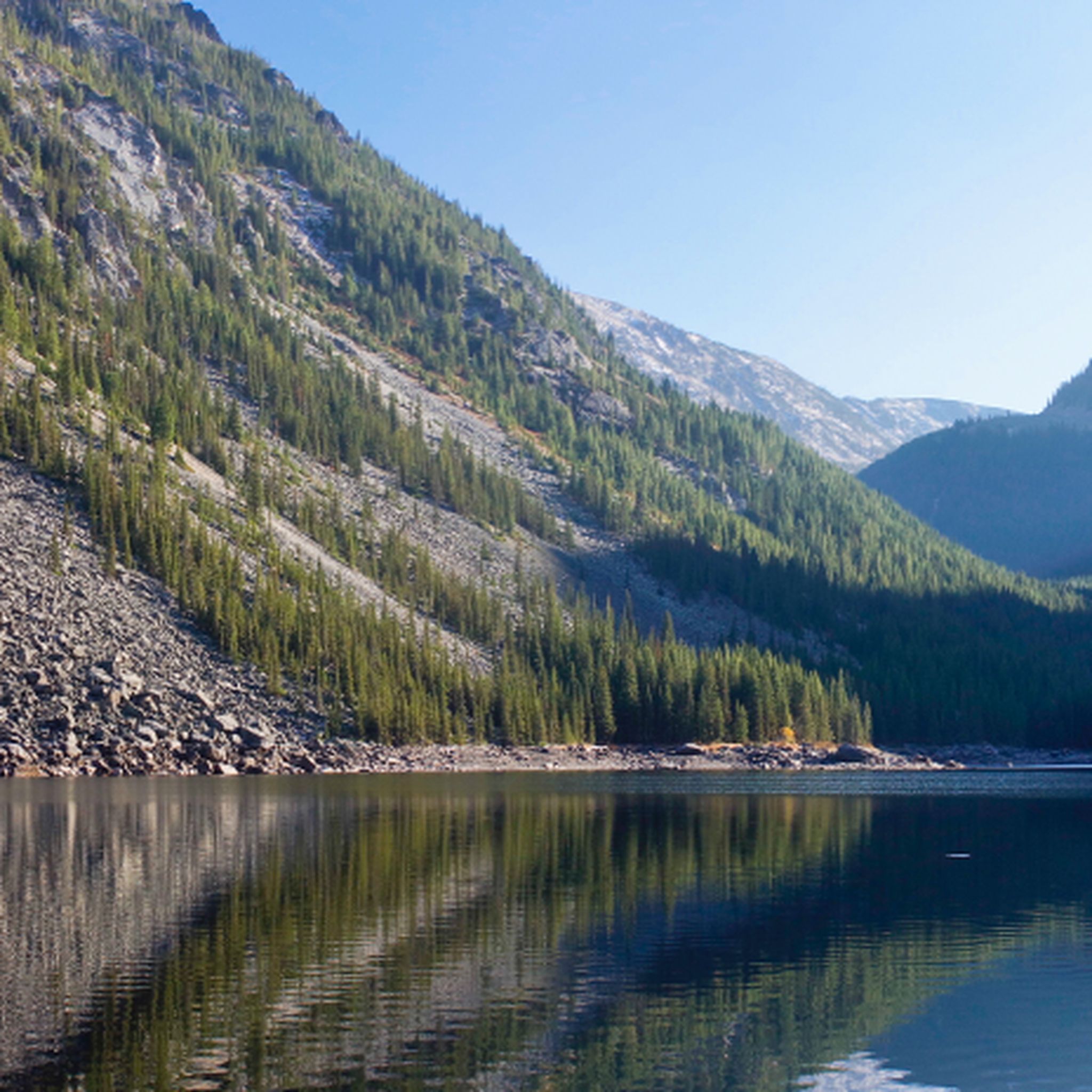
Clark Lake South, with it’s beautiful teal-green water, is more dependable as a late-season water source than Clark Lake North, which normally dries up by the end of September.
1
0
There are a number of campsites within the preceding 2-3 miles, but my recommendation here… PUSH. This site offers stunning views down to Henry’s Lake, over which the sunset and sunrise are immaculate! Make sure to pack extra water though- during dryer seasons, this site in in the middle of a 17 mile water carry! Though it is worth every ounce of extra weight to witness the amazing colors of the sky at dawn and dusk!
1
0

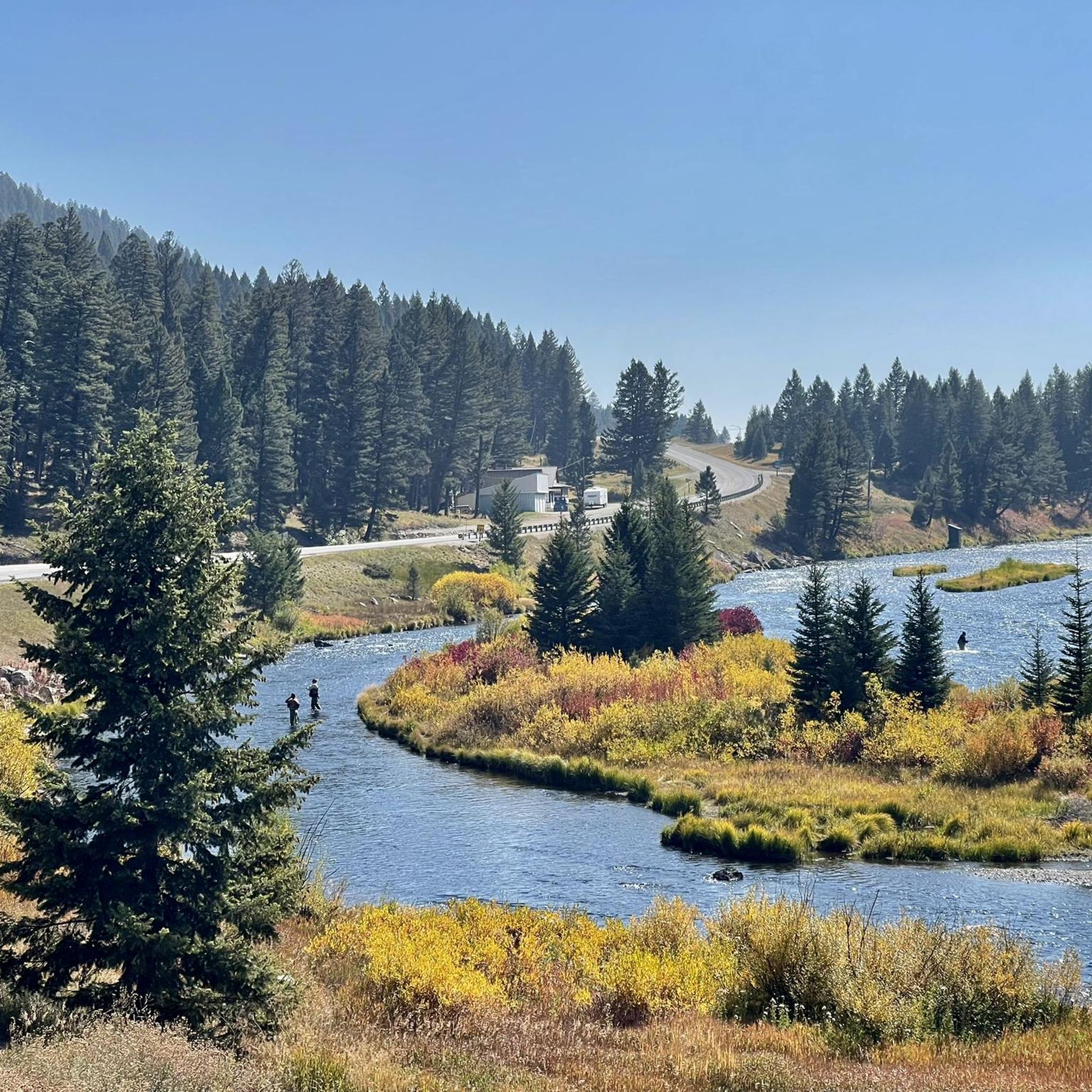
This is a spectacular area of the Lee Metcalf Wilderness in the Madison Range. There are several gorgeous mountain pools, perfect foreground to the impressive peaks that rise to the west, including Echo Peak, Dutchman Peak and Hilgard Peak. You can access the area by following the Sentinel Creek Trail from its trailhead on Beaver Creek Road.
0
0

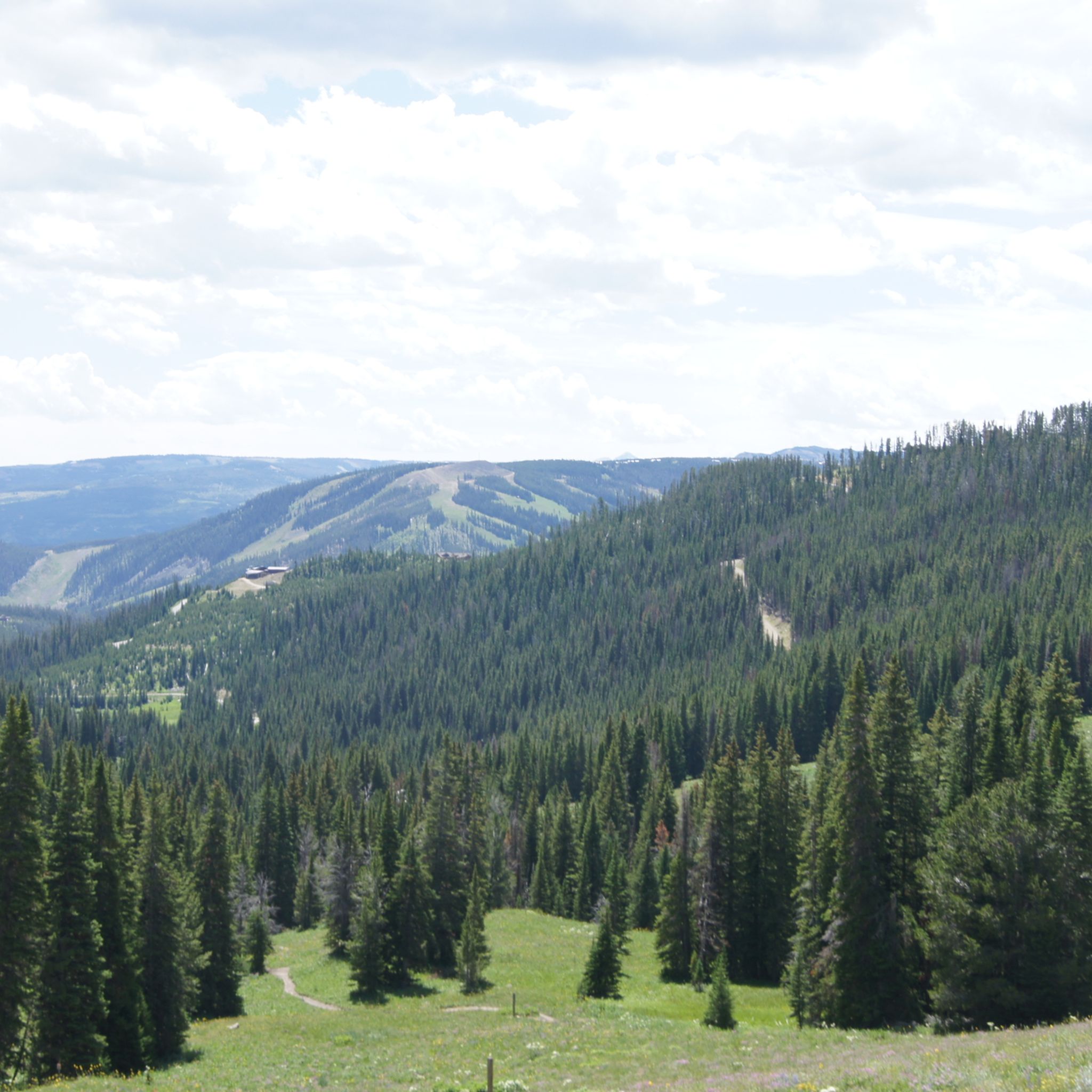
Beehive Basin Trail is one of the most popular hikes from Big Sky. The trail offers amazing views until the glacial cirque of Beehive Basin!
1
1

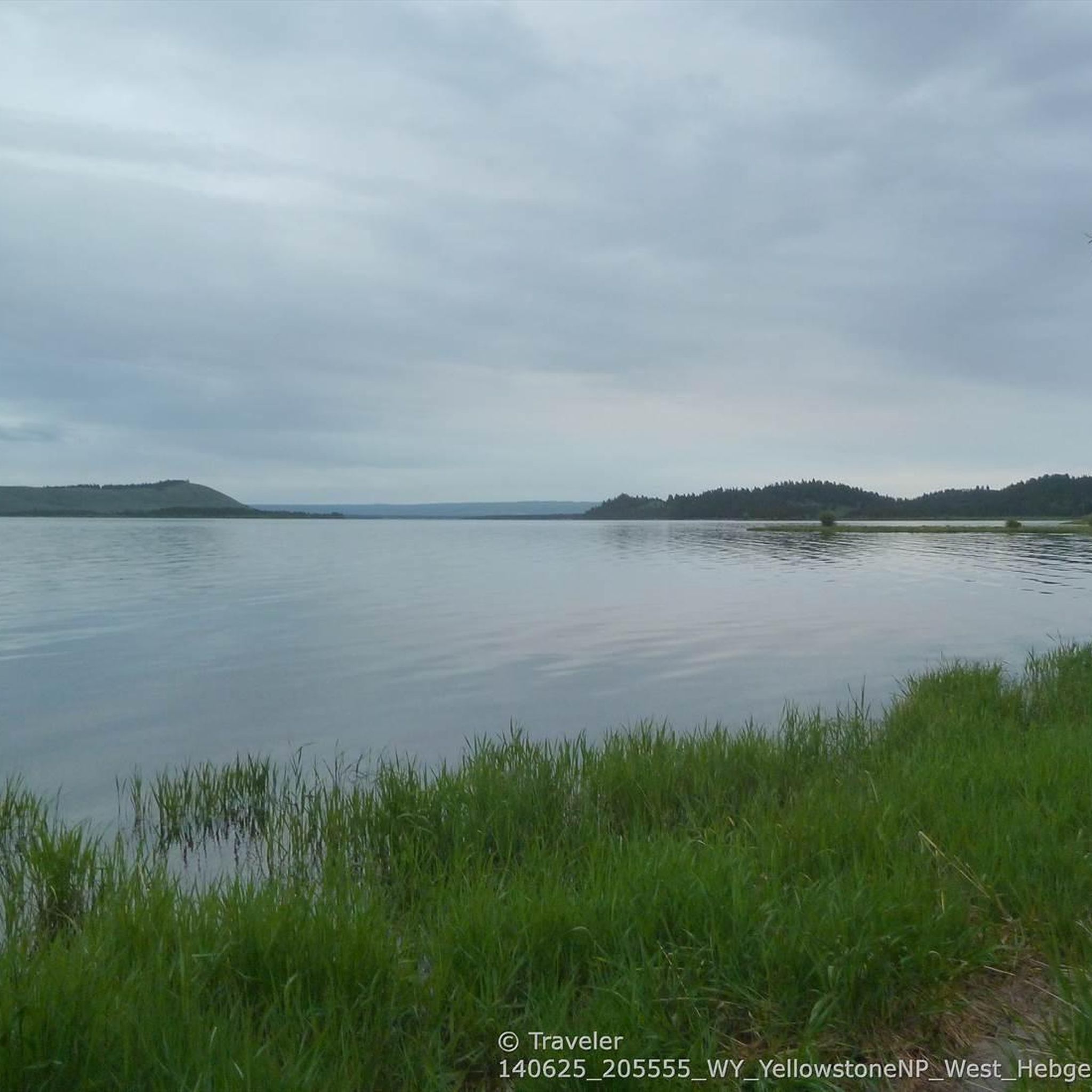
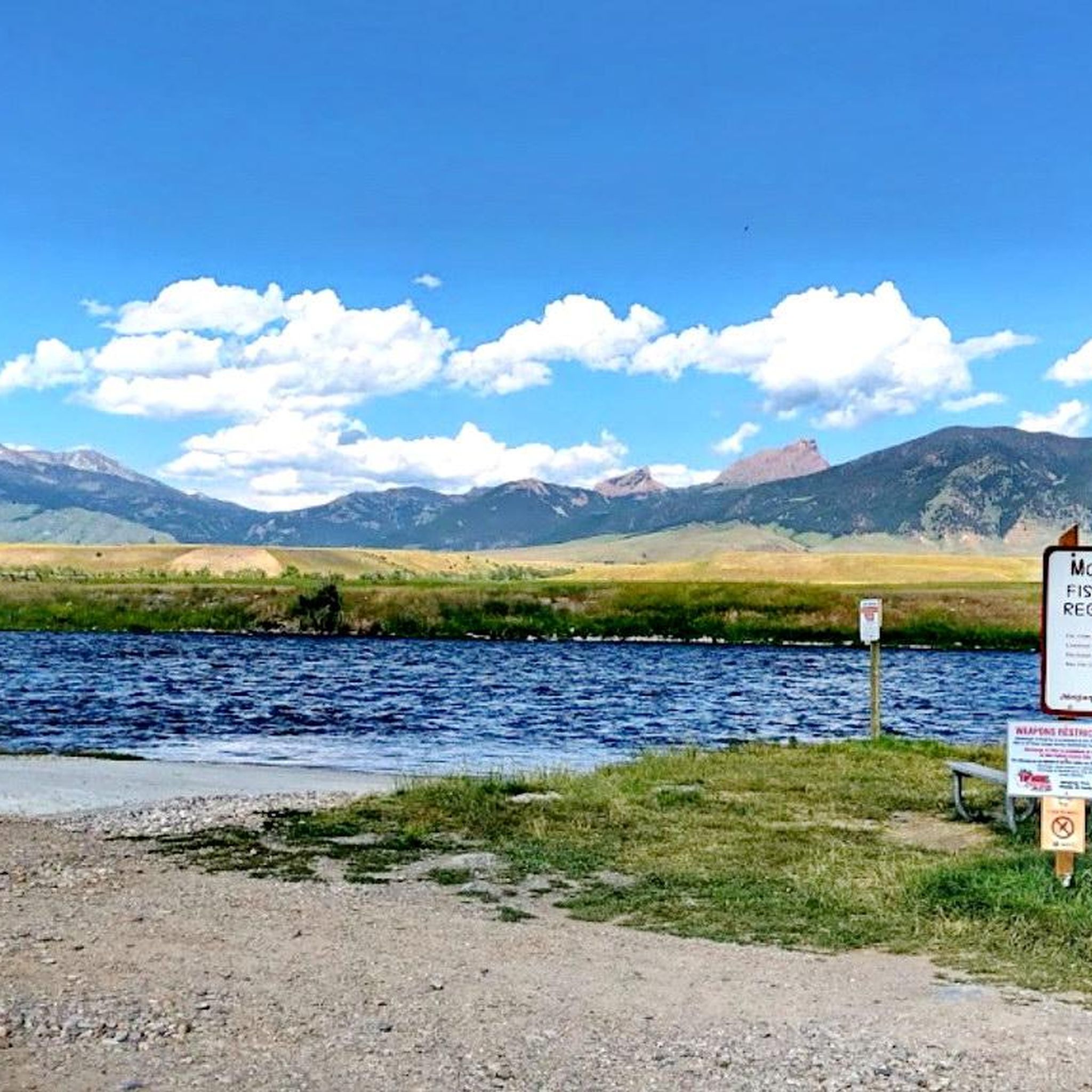
Large lake in the national forest just outside the west entrance of Yellowstone National Park with abundant free dispersed camping that doesn't require reservations or permits and is far from noisy park campgrounds
1
1
Frequently Asked Questions
What are some popular hiking trails to lakes in the Madison Range?
The Madison Range offers several rewarding lake hikes. A popular choice is the trail to Beehive Basin Lake, a moderate 6.4 to 6.6-mile round-trip hike with an elevation gain of 1,400 to 1,500 feet, leading to a stunning glacial cirque. Another favorite is the hike to Lava Lake, a moderate 6-mile round-trip adventure through evergreen forests to an alpine lake.
Are there family-friendly lakes in the Madison Range?
Yes, several lakes are suitable for families. Hebgen Lake is known for its accessibility and abundant free dispersed camping options. Lava Lake is also considered family-friendly, offering a moderate hike to its scenic shores. Ennis Lake, with its warmer waters, is great for swimming and other water sports.
What kind of water sports can I do on the lakes in the Madison Range?
Ennis Lake is particularly well-suited for water sports due to its shallower, warmer waters. Visitors can enjoy swimming, canoeing, sailing, kayaking, and windsurfing. Wade Lake also permits boating (with a no-wake speed limit), canoeing, kayaking, and swimming, while Branham Lakes are ideal for non-motorized boating and swimming.
Which lakes offer good fishing opportunities?
Many lakes in the Madison Range are excellent for fishing. Ennis Lake is known for brown trout, mountain whitefish, and rainbow trout. Quake Lake is a good spot for fly fishing for brown and rainbow trout, especially in late spring and late summer/fall. Wade Lake and Branham Lakes are also popular for their abundant trout populations, including rainbow, brown, and brook trout.
What is the historical significance of Quake Lake?
Quake Lake, also known as Earthquake Lake, was dramatically formed in 1959 after a 7.5 magnitude earthquake caused a massive landslide that blocked the Madison River. It serves as a powerful reminder of nature's forces. You can learn more about this event and its impact at the Earthquake Lake Visitor Center. For additional historical context, you can visit Wikipedia or Visit Bozeman's blog.
Are there opportunities for camping near the lakes?
Yes, camping is available near several lakes. Primitive camping is offered at Meadow Lake Campground near Ennis Lake. Wade Lake has a campground with designated tent and trailer sites. Branham Lakes also provide six rustic lakeshore campsites. Hebgen Lake is known for abundant free dispersed camping options that do not require reservations or permits.
What wildlife can I expect to see around the lakes?
The Madison Range is rich in wildlife. Around Wade Lake, you might spot moose, deer, eagles, otters, and various waterfowl. The entire region offers opportunities for wildlife viewing, especially in less-trafficked areas and during dawn or dusk.
What is the best time to visit the lakes in the Madison Range?
The best time to visit for hiking and water activities is generally from late spring through early fall (June to September), when trails are snow-free and temperatures are pleasant. For ice skating and ice fishing, the colder months when lakes like Ennis Lake freeze over are ideal. Fishing seasons vary by lake and species, so checking local regulations is recommended.
Are there any challenging hikes to high-alpine lakes?
Yes, for those seeking a challenge, the Hilgard Basin offers a spectacular area within the Lee Metcalf Wilderness with several gorgeous mountain pools. This is a challenging hike, providing impressive views of peaks like Echo Peak and Hilgard Peak. Access is via the Sentinel Creek Trail.
What other outdoor activities can I do near the lakes in the Madison Range?
Beyond lake-specific activities, the Madison Range offers a variety of outdoor pursuits. You can explore numerous mountain biking trails, such as the Sheep Lake Trail or the Yellowstone Shortline and Two Top Loop, detailed in the MTB Trails in the Madison Range guide. Gravel biking is also popular, with routes like the Mystic Lake Cabin – Sourdough Trail loop. For runners, there are trails like the Storm Castle loop. Find more options in the Gravel biking in the Madison Range guide and the Running Trails in the Madison Range guide.
Are there any lakes known for their unique natural features?
Quake Lake stands out with its eerie landscape of submerged dead trees, a direct result of the 1959 earthquake. Wade Lake is notable for its clear, aquamarine spring-fed waters surrounded by dense Douglas Fir forest. Clark Lake South is known for its beautiful teal-green water, which is more dependable as a late-season water source than its northern counterpart.
Are permits required for hiking or camping in the Lee Metcalf Wilderness or Custer Gallatin National Forest?
For general day hiking in the Custer Gallatin National Forest, permits are typically not required. However, for backcountry camping within the Lee Metcalf Wilderness or other designated wilderness areas, specific permits may be necessary. It's always best to check with the local Forest Service office for the most current regulations and permit requirements before your trip.
Most popular routes in the Madison Range
Most popular attractions in the Madison Range

Get inspired with the komoot mobile app


