The 8 Most Amazing Peaks in the Alaska Range
Best mountain peaks in the Alaska Range are found within a crescent-shaped mountain range in south-central Alaska. This region features iconic peaks, remote wilderness, and diverse wildlife. The landscape includes majestic glaciers, forests, and tundra, attracting adventurers and sightseers. The Alaska Range offers a range of experiences, from challenging climbs to scenic viewpoints.
Best mountain peaks in the Alaska Range
- The most popular mountain peaks is Denali West Buttress ridge (16,400 ft, 4970 m), a climb that involves navigating fixed lines and high-altitude camping. This section of Denali offers dramatic 300-degree views, including towards Mount Foraker and into Denali National Park valley.
- Another must-see spot is Denali Headwall (4500m): Advance Basecamp and Mt Foraker view, a climb and viewpoint. Visitors can expect spectacular panoramas to the south, including views of Mount Foraker, while navigating the steepest section of the climb to Denali's summit.
- Visitors also love Tanalian Mountain, a summit. This 3,960-foot (1,207 m) peak provides impressive views over Lake Clark National Park and surrounding mountains, glaciers, and lakes, offering a challenging day hike experience.
- Alaska Range is known for its challenging climbs, scenic viewpoints, and distinct summits. The region offers a variety of mountain peaks to see and explore, from high-altitude climbing objectives to accessible viewpoints.
- The mountain peaks in the Alaska Range are appreciated by the komoot community. The guide features 7 highlights with 6 photos and 1 upvote, reflecting the appeal of these natural features.
Last updated: August 21, 2026
Denali West Buttress ridge (16,400 ft, 4970 m)
Highlight • Climb
The headwall is the steepest section of the whole climb to the summit. Bringing food up to a cache is good training to get used to the higher altitude (spending the day higher but sleep lower to avoid altitude sickness), and reduce the load to carry when moving to High Camp a couple of days later for the Summit push.
The top of the ridge has dramatic 300 degree views, south down the headwall fixed ropes to the 14,300 Advance base camp, west along the ridge towards Mt Foraker, and North into the Denali National Park valley. To the North-East the side of the Denali summit base near the High Camp comes into view.
Tip by

Tanalian Mountain
Highlight • Summit
Once you pass the trail junction with the Tanalian Falls trail, you may find yourself wading through an overgrown trail — but don't despair. As you start clearing the treeline, you'll enjoy ever-more-impressive views over the surrounding area.
Tip by

Sign up now to discover places like this
Get recommendations on the best single tracks, peaks, & plenty of other exciting outdoor places.
Sign up for free
Wonder Lake Overlook
Highlight • Viewpoint
Tip by

Thorofare Ridge (Summit of Eielson Alpine Trail)
Highlight (Segment) • Summit
Tip by
Northeast summit of Mount Healy
Highlight • Summit
Tip by

Denali Headwall (4500m): Advance Basecamp and Mt Foraker view
Highlight • Climb
On the West Buttress ridge approach to Denali summit, most climbers camping at the Advance Base camp take an acclimation day to climb up the head wall on fixed lines, bringing supplies up to the top of the headwall and leaving a cache on the ridge at about 16,400 ft elevation before returning to sleep at 14,300 feet.
The headwall is the steepest section of the whole climb to the summit. Bringing food up to a cache is good training to get used to the higher altitude (spending the day higher but sleep lower to avoid altitude sickness), and reduce the load to carry when moving to High Camp a couple of days later for the Summit push.
Tip by
View of Denali from Stony Overlook
Highlight • Viewpoint
Tip by
Start today with a free account
Your next adventure awaits.
Login or Signup
Other adventures in the Alaska Range


Tips from the Community

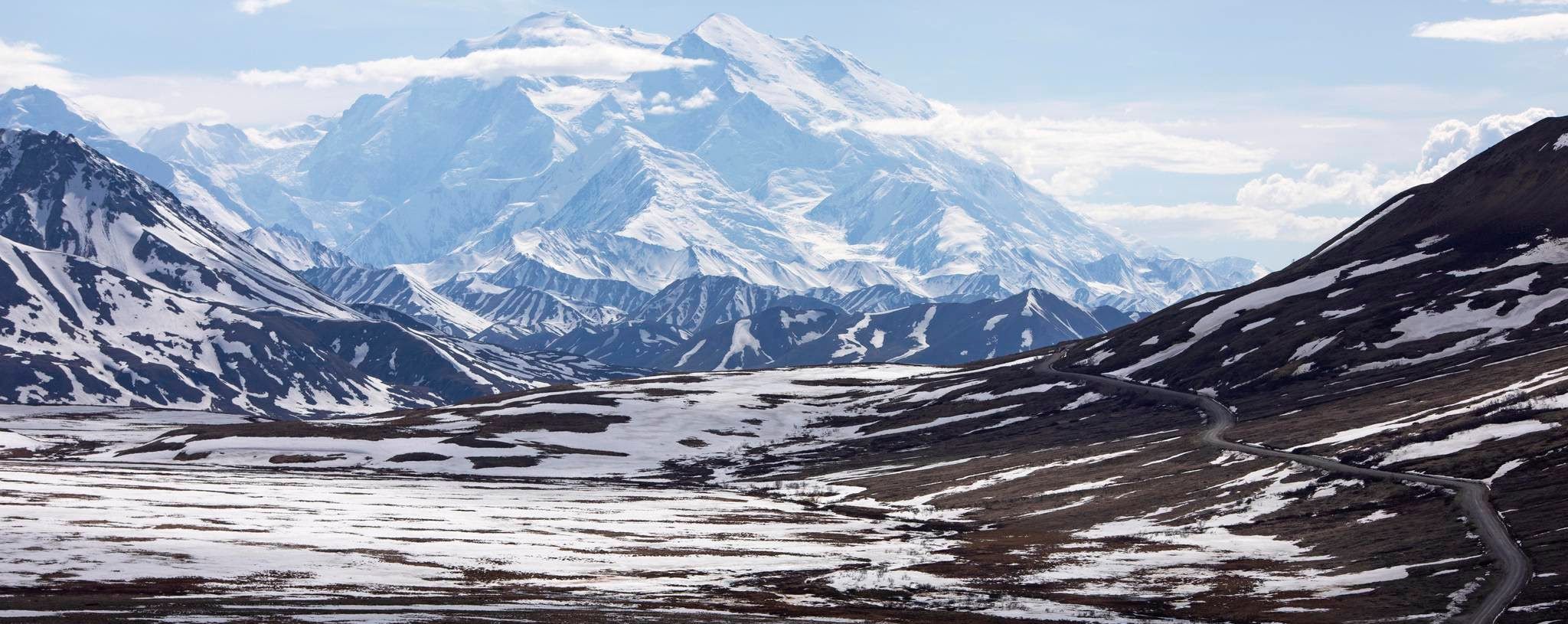
Stony Overlook is located at mile marker 62 on Denali Park Road. It is pointed directly at both peaks of Denali and is a popular stop for most buses passing through the area. You can see from the base of the mountain to the summit from this overlook, really showing off just how massive this peak is.
0
0
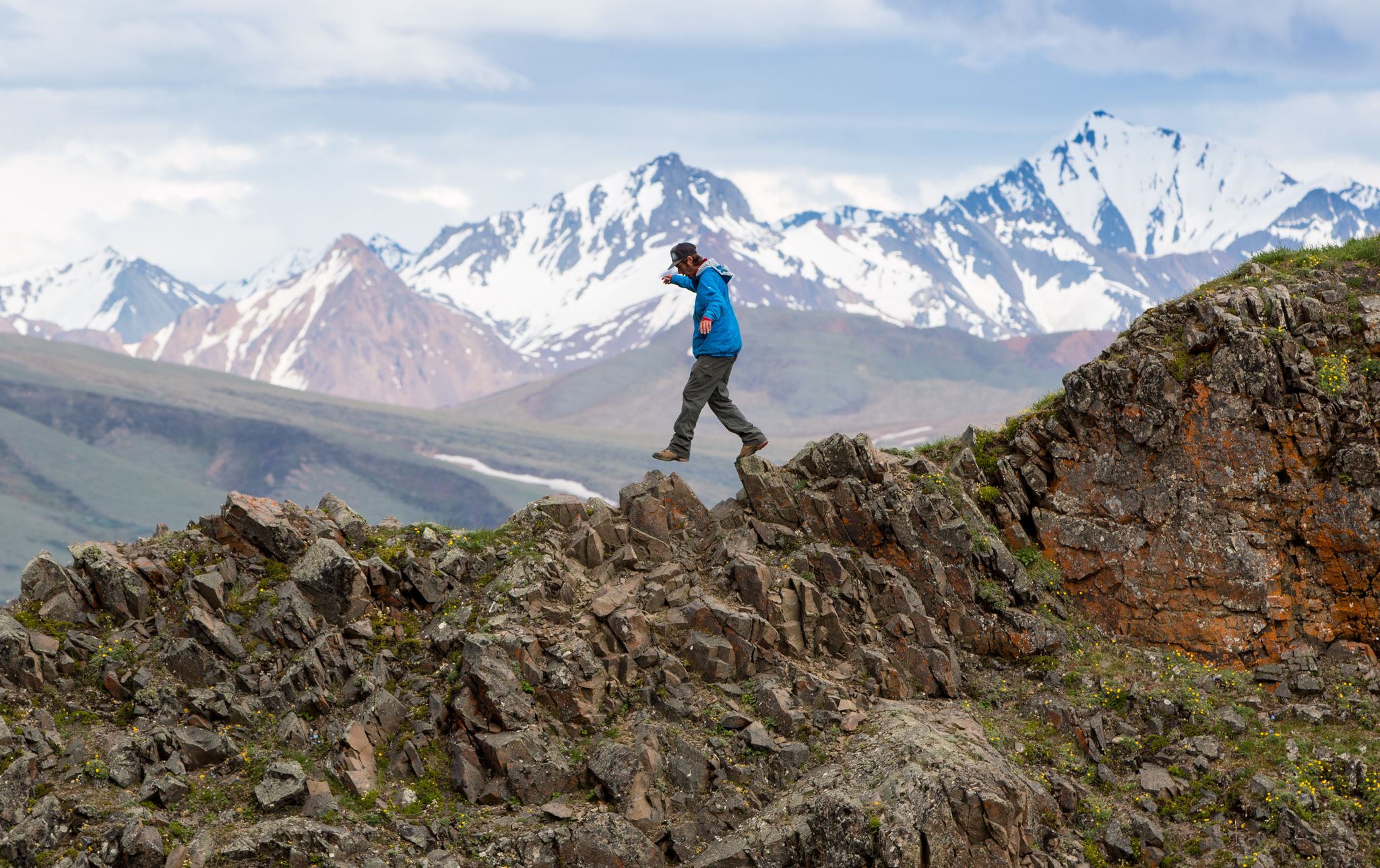
The northeast summit of Mount Healy is far less traveled than the southeast summit located on the Mount Healy Overlook Trail in the park. This side of the mountain is steep, rocky, and usually super windy. Only mountain runners with route finding and steep mountain running experience should seek to tackle this trail. That being said, this trail offers a real Alaskan mountain-running experience with the promise of solitude the further up the mountain you climb.
0
0
Stony Overlook is located at mile marker 62 on Denali Park Road. It is pointed directly at both peaks of Denali and is a popular stop for most buses passing through the area. This is a great turnaround spot for a road run.
0
0
Blueberry Hill Trail is a short ~mile long trail that offers a cool view of Wonder Lake. Mount Denali towers in the background on a clear day, too.
0
0
The trail up Tanalian Mountain climbs quickly and steeply up to 3,960 feet. It overlooks Lake Clark National Park and a lot of the surrounding mountains, glaciers, and lakes. This is a tough run that is primarily a power-hike during the uphill. Coming down can be slick but offers a real Alaskan mountain running experience.
0
0

The summit of 3,960-foot (1,207 m) Tanalian Mountain is a beautiful — and challenging — destination for a day hike. Please remember that weather changes quickly here; park rangers advise that you should always be prepared with rain gear, even on seemingly clear days. Once you pass the trail junction with the Tanalian Falls trail, you may find yourself wading through an overgrown trail — but don't despair. As you start clearing the treeline, you'll enjoy ever-more-impressive views over the surrounding area.
1
0

The views from the remote Wonder Lake are an iconic part of Denali National Park. From Wonder Lake you can see the expanse of the of the Alaska Range with exceptionally great views of Denali. On clear, calm days, the mountains are reflected on the large lake; this vista is the photographers dream! Although this area is much wetter than other parts of the park and can be buggy, it is still well worth the long bus ride there. You also have opportunities to see many animals including waterfowl at the lake. The Wonder Lake Campground is a popular and equally scenic place to stay not far from this overlook.
0
0
The Eielson Alpine Trail ends when you summit the Thorofare Ridge, a rocky exposed ridge high above the Denali Park Road. On a clear day from this vantage point you get phenomenal views of Denali, the highest peak in North America, as well as the surrounding peaks and valley below. This stunning spot is a great place to enjoy the views in an amazing high alpine environment after the relatively short, but steep hike from the Eielson Visitor Center.
0
0
Frequently Asked Questions
What are some of the most notable viewpoints in the Alaska Range?
The Alaska Range offers several spectacular viewpoints. For an iconic view of Denali, visit Wonder Lake Overlook, especially on clear, calm days when the mountain reflects on the lake. Another excellent spot is Thorofare Ridge (Summit of Eielson Alpine Trail), which provides phenomenal views of Denali and surrounding peaks. You can also get a great perspective of Denali from Stony Overlook.
What are the most challenging mountain peaks to climb in the Alaska Range?
The Alaska Range is renowned for its challenging climbs. While Denali is North America's highest, peaks like Mount Foraker and Mount Hunter (Begguya) are considered even more technically demanding. Mount Foraker, at 17,400 feet, offers a high-caliber mountaineering challenge with intricate navigation. Mount Hunter, though lower at 14,573 feet, is known for its steep, technical routes and harsh conditions, particularly its North face, which is a coveted objective for world-class alpinists. Mount Huntington, with its iconic pyramid shape, also presents extreme technical difficulty and has one of the lowest summit percentages in the range.
Are there family-friendly activities or viewpoints in the Alaska Range?
Yes, Denali National Park, within the Alaska Range, offers family-friendly options. The Wonder Lake Overlook is accessible via bus tours and provides stunning views. The View of Denali from Stony Overlook is another family-friendly viewpoint. The park also offers educational programs and visitor centers, and the first 15 miles of the park road are accessible to private vehicles.
What is the best time to visit the Alaska Range for hiking and climbing?
The best time to visit the Alaska Range largely depends on your activity. For general sightseeing and hiking in Denali National Park, late spring to early fall (May to September) offers the most accessible conditions. For mountaineering, the climbing season for peaks like Denali typically runs from late April to mid-July, when weather conditions are relatively more stable, though still highly unpredictable. Staying for 2-3 days increases your chances of clear views of Denali due to its own weather patterns.
What kind of wildlife can I expect to see in the Alaska Range?
The Alaska Range, particularly within Denali National Park, is home to abundant wildlife. Visitors often spot grizzly bears, wolves, caribou, moose, and Dall sheep. Birdwatching is also popular, especially around areas like Wonder Lake, where waterfowl can be seen. The vast wilderness provides a natural habitat for these iconic Alaskan species.
What are some accessible hiking trails near the Alaska Range?
For easy hikes in the Alaska Range, you can explore trails like the Taiga Loop and Horseshoe Lake Trail, or the Roadside Trail. These are generally less strenuous and offer a chance to experience the natural beauty of the area. For more options, you can find a variety of easy hikes in the region on komoot's guide: Easy hikes in the Alaska Range.
Are there permits required for climbing Denali or other peaks in the Alaska Range?
Yes, climbing Denali requires a permit and registration with Denali National Park and Preserve. Climbers must register at least 60 days in advance of their climb. While the guide does not specify permits for other peaks like Mount Foraker or Mount Hunter, they are also located within Denali National Park, suggesting similar regulations may apply. It's always best to check the official National Park Service website for the most current permit requirements: nps.gov.
What are some options for public transport to Denali National Park?
Within Denali National Park, private vehicle access is generally limited to the first 15 miles of the 92-mile park road. Beyond this point, visitors typically rely on bus tours to explore deeper into the park and access various trails and viewpoints. These bus tours are a primary way to experience the park's interior and its majestic scenery.
What are the differences in difficulty between Denali and Mount Foraker?
While Denali is higher, Mount Foraker is often considered a more technically challenging climb. Denali's West Buttress route, for example, involves navigating fixed lines and high-altitude camping, with sections like the Denali West Buttress ridge and Denali Headwall presenting significant physical demands. Mount Foraker, however, requires advanced skills in glacier travel, ice climbing, and crevasse rescue, and sees fewer ascents, appealing to seasoned climbers seeking greater solitude and technical challenge.
Can I find trails for running in the Alaska Range?
Yes, the Alaska Range offers trails suitable for running. Some popular options include the Savage River Loop Trail and the Horseshoe Lake Trail. For those seeking more challenging runs, the Mount Healy Overlook Trail & Taiga Loop or the Savage Alpine Trail Loop are available. You can explore more running trails in the region through komoot's guide: Running Trails in the Alaska Range.
What makes Mount Hayes a unique climbing objective?
Mount Hayes, located in the eastern Alaska Range, stands out due to its immense vertical relief and remote location. At 13,832 feet, its Northeast Face rises 8,000 feet in just two miles, making it one of the most topographically prominent peaks globally. Its complex technical climbing routes, especially on the north face, and unpredictable weather conditions, combined with access typically requiring bush plane flights, make it a formidable and autonomous climbing experience for experienced mountaineers seeking solitude.
What do visitors enjoy most about the mountain peaks in the Alaska Range?
Visitors to the Alaska Range are consistently awestruck by the sheer grandeur and wild spirit of the mountains. They appreciate the challenging climbs, the spectacular panoramic views from various summits and overlooks, and the opportunity for wildlife spotting. The sense of remote wilderness and the unique experiences, such as flightseeing tours or exploring Denali National Park, are also highly valued.
Most popular attractions in the Alaska Range

Get inspired with the komoot mobile app


Explore more
See even more amazing summits in the Alaska Range with these guides:
