Top 10 Castles in Assens
Castles in Assens Denmark, and its surrounding municipality, feature a collection of historical manor houses and estates. These sites offer insights into Danish history and architectural styles. The region is characterized by its cultural significance, with several properties dating back centuries. Visitors can explore various historical sites that showcase the area's heritage.
Best castles in Assens
- The most popular castles is Hagenskov Manor, a historical site that was built in the classical style in 1775. This manor is privately…
Last updated: June 27, 2026
Hagenskov Dungeon (Fangehullet – Kerkerloch)
Highlight • Historical Site
Translated by Google •
Tip by

Brahesborg Manor and Denmark's Oldest Suspension Bridge
Highlight • Castle
Translated by Google •
Tip by
Sign up now to discover places like this
Get recommendations on the best single tracks, peaks, & plenty of other exciting outdoor places.
Sign up for free
Entrance to Wedellsborg Castle
Highlight • Castle
Tip by

Arreskov Castle
Highlight • Castle
Translated by Google •
Tip by
Hagenskov Manor
Highlight • Historical Site
Translated by Google •
Tip by
Sign up for free to discover even more castles in Assens.
Sign up for free
Already have an account?
Start today with a free account
Your next adventure awaits.
Login or Signup

Tips from the Community

beautiful castle with beautiful moat
0
0

Lovely place.
0
0

If you're in the area, you should check it out.
0
0

Originally, the farm was called Husbygaard. Between 1350 and 1672 the farm went by the name Iversnæs, after which it was renamed Wedellsborg. In 1672, the county of Wedellsborg was established, and the current owner, Viscount Bendt Wedell, is a direct descendant of the German Wilhelm Friedrich von Wedell, who named the farm more than 300 years ago. Source: https://www.danskeherregaarde.dk/nutid/wedellsborg
0
0

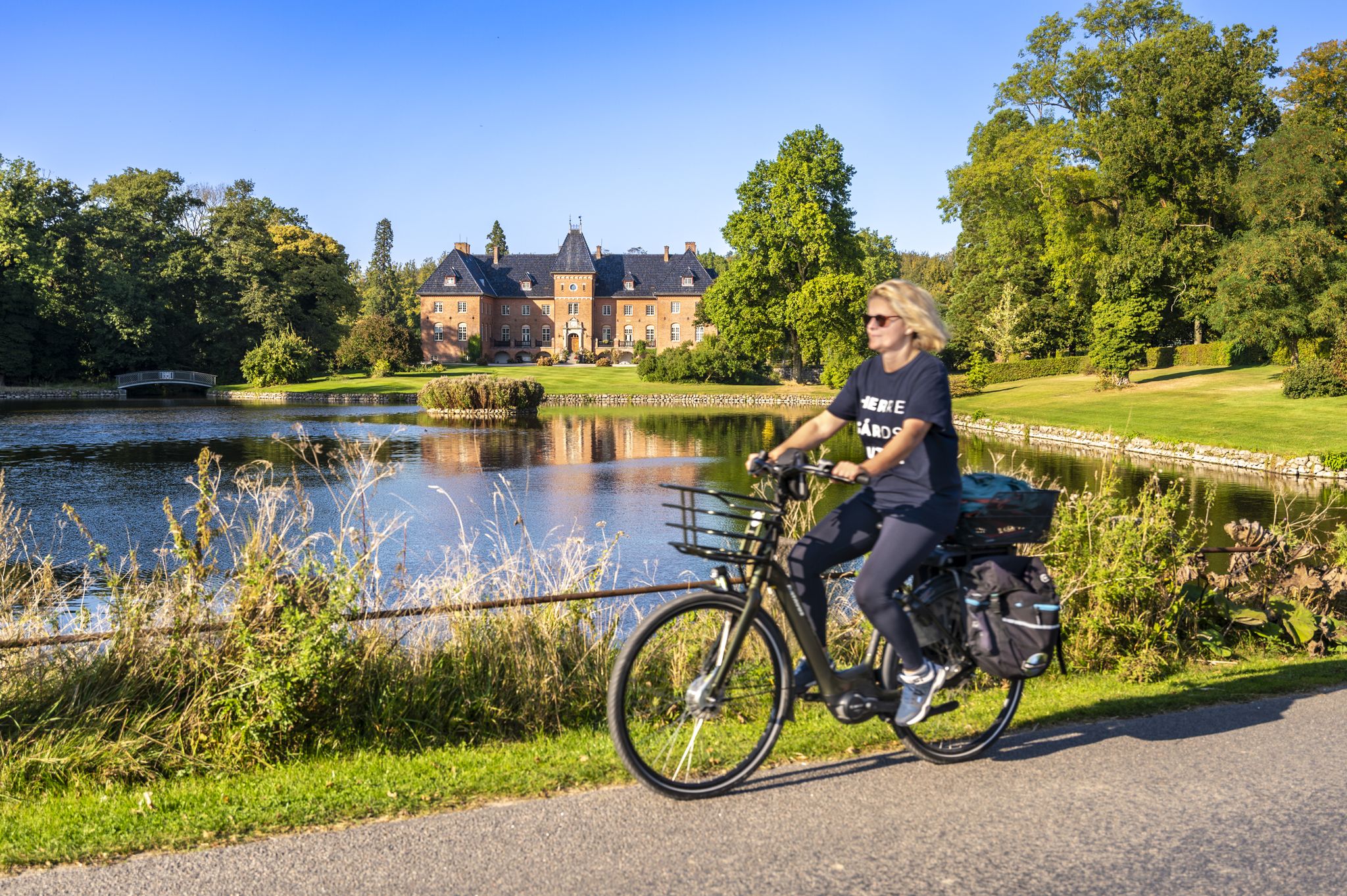
Idyllically situated castle at Arreskov Sø.
0
1

In 1775, Niels Ryberg had today's mansion Hagenskov u. a. build from the remains of the old castle about 1 km to the south-east in the classical style. Hagenskov Gods is privately owned, but clearly visible from the outside. The public road runs between the main building and the farm yard.
1
0
The royal castle of Hagenskov, which was first mentioned in 1251 and was surrounded by ramparts and moats, once stood here. Until 1667 it was property of the crown and, together with the associated estate, formed a royal fief. The castle burned down in 1741 and was never rebuilt. Around 1780 the remains of the castle were removed and the hill was transformed into a pleasure garden for the new Hagenskov Castle, just a few hundred meters away. The linden trees planted in the circle also date from this period. Probably the only preserved part of the former four-wing complex is the dungeon, which can be reached via a path behind the wooden gate.
1
0
The mansion was built between 1638 and 1656. The name Brahesborg Gods comes from the first owner Jørgen Steensen Brahe. His name and that of his wife are immortalized on the east facade of the mansion. In 1756, Christian Rantzau converted the main building into its current form. The suspension bridge over the moat dates from 1850, is a listed monument and is Denmark's oldest existing suspension bridge. https://brahesborg.dk/brahesborg-gods/
0
0
Frequently Asked Questions
What types of historical sites can I expect to find near Assens?
The Assens municipality is home to a collection of historical manor houses and estates, often referred to as castles. These include impressive Neoclassical buildings like Krengerup Estate and Hagenskov, as well as Renaissance-era structures such as Brahesborg. Many offer insights into Danish history and architectural styles, with some featuring public grounds or visible exteriors.
Which castles near Assens offer public access to their grounds or museums?
Krengerup Estate, located northeast of Assens, has grounds open to the public year-round and houses two museums: the Flax Weaving Museum and the Škoda Museum. Brahesborg also allows public access to its park trail beyond the moat, where you can observe the historical buildings and drawbridge. While Hagenskov Manor is privately owned, its historical castle mound and old dungeon (Hagenskov Dungeon) can be visited.
Are there any castles near Assens with unique historical features?
Yes, Brahesborg Manor and Denmark's Oldest Suspension Bridge features a suspension bridge over its moat dating from 1850, which is Denmark's oldest existing one. Hagenskov Manor, while rebuilt in 1775, stands on a site with a long history, and remains of its medieval castle's dungeons are still visible. Hagenskov Dungeon is likely the only preserved part of the former four-wing complex of the old royal castle.
What outdoor activities can I do near the castles in Assens?
The Assens area offers various outdoor activities. You can find numerous hiking trails in Assens, including easy routes like Vissenbjerg Forest or moderate options like Fjællebro Holt. For cyclists, there are several road cycling routes, such as the scenic ride from Assens to Helnæs. Running enthusiasts can explore running trails like the Historic Center of Assens loop.
Can I visit the interior of all the manor houses near Assens?
No, not all manor houses are publicly accessible inside. For example, Hagenskov Manor is privately owned and can only be viewed from the public road. Similarly, Wedellsborg Castle is not open to the public. However, Krengerup Estate does offer interior access through its museums.
What is the best time of year to visit the castles and manor houses in Assens?
The grounds of Krengerup Estate and Brahesborg are open year-round, allowing for visits in any season. However, the warmer months, typically spring through early autumn, offer the most pleasant weather for exploring the outdoor grounds and nearby hiking or cycling routes. Summer might also feature special events like concerts at Krengerup.
Are there family-friendly activities at the castles near Assens?
While specific family activities vary, exploring the open grounds of Krengerup Estate and Brahesborg can be enjoyable for families. Brahesborg Manor and Denmark's Oldest Suspension Bridge is categorized as family-friendly. The museums at Krengerup Estate also offer educational experiences. The surrounding natural areas provide opportunities for family walks and picnics.
Where can I park when visiting the manor houses?
Parking facilities are generally available at or near the publicly accessible manor houses. For Krengerup Estate, parking is typically available on-site. For Brahesborg, visitors can usually find parking near the public road or park trail that allows views of the estate. When visiting Hagenskov Manor, you can view it from the public road, where parking might be available nearby.
Are there any castles near Assens that are particularly scenic or good for photography?
Many of the manor houses offer picturesque settings. Krengerup Estate is noted for its elegant Neoclassical main building and well-preserved 18th-century environment. Brahesborg Manor, with its Renaissance origins, moat, and suspension bridge, provides unique photographic opportunities. Arreskov Castle is also described as idyllically situated on the east bank of its namesake lake.
What is the history behind Hagenskov Manor?
Hagenskov Manor has a long and intriguing history. The site hosted a castle for centuries, with the original royal castle first mentioned in 1251. The current Neoclassical main building was constructed in 1775 using materials from an older castle that burned down in 1741. Remains of the medieval castle's dungeons are still visible, and it famously held Archbishop Jacob Erlandsen imprisoned in 1259.
Are there any walking routes around the manor houses?
Yes, you can find walking paths around several manor houses. The grounds of Krengerup Estate are open for walks. At Brahesborg, a public park trail beyond the moat allows visitors to walk and observe the historical buildings. While Hagenskov Manor is private, the historical castle mound and dungeon area offer a short walking experience.
What makes Krengerup Estate a significant historical site?
Krengerup Estate is considered one of Denmark's best-preserved 18th-century manor environments. Its elegant Neoclassical main building, constructed between 1772 and 1783, retains much of its original furniture and decor. The estate's well-preserved, three-winged farm buildings with thatched roofs also date from the same period, offering a comprehensive historical experience.
Most popular attractions in Assens

Get inspired with the komoot mobile app


Explore more
Looking for the best castles somewhere else? Discover other guides in Assens:
