Top 13 Caves in Lasithi
Caves in Lasithi, located on the eastern part of Crete, offer a combination of natural beauty, mythological significance, and archaeological interest. The region's landscape features various geological formations, including numerous caves. These sites provide insights into ancient history and the island's natural processes. Lasithi's caves are notable for their unique characteristics and historical connections.
Best caves in Lasithi
- The most popular caves is Dikteon Cave (Cave of Zeus), a cave known for its mythological association as the birthplace of…
Last updated: October 14, 2026
Milona Waterfall
Highlight • Waterfall
Translated by Google •
Tip by

Dikteon Cave (Cave of Zeus)
Highlight • Cave
Translated by Google •
Tip by
Sign up now to discover places like this
Get recommendations on the best single tracks, peaks, & plenty of other exciting outdoor places.
Path to Psychro Cave
Highlight • Trail
Translated by Google •
Tip by

Trapeza Cave
Highlight • Cave
Translated by Google •
Tip by

Vreikos Cave
Highlight • Cave
Translated by Google •
Tip by

Pelekita Cave
Highlight • Cave
Translated by Google •
Tip by

Milatos Cave trailhead
Highlight • Trail
As the church is guarded, it is in perfect condition.
Translated by Google •
Tip by
Milatos Cave
Highlight • Cave
de.wikipedia.org/wiki/H%C3%B6hle_von_Milatos
Translated by Google •
Tip by
Minoan Burial Caves in Zakros Gorge
Highlight • Cave
Translated by Google •
Tip by

Refreshing Swimming Spot with Rock Grotto
Highlight • Beach
Translated by Google •
Tip by

Sign up for free to discover even more caves in Lasithi.
Already have an account?
Start today with a free account
Your next adventure awaits.
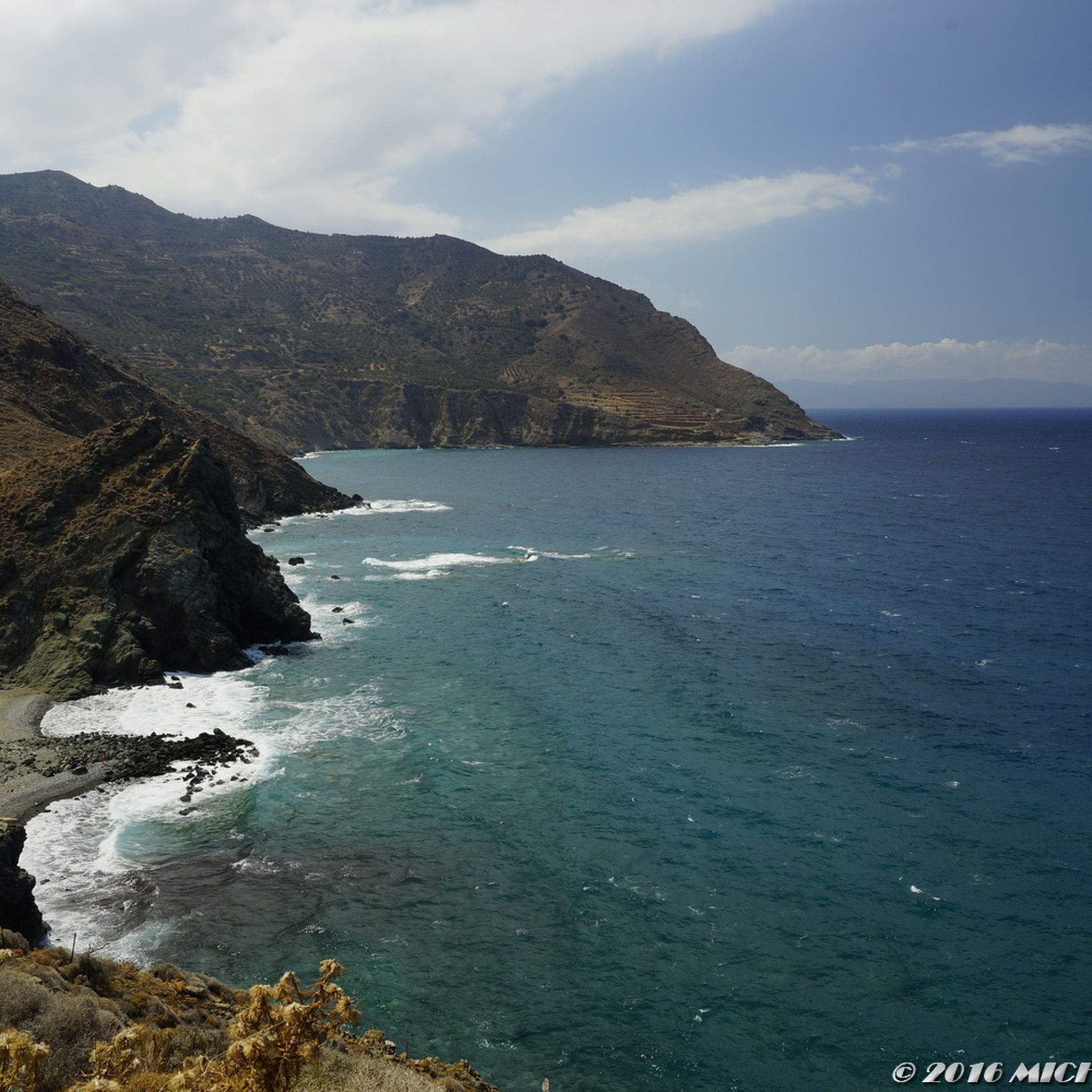
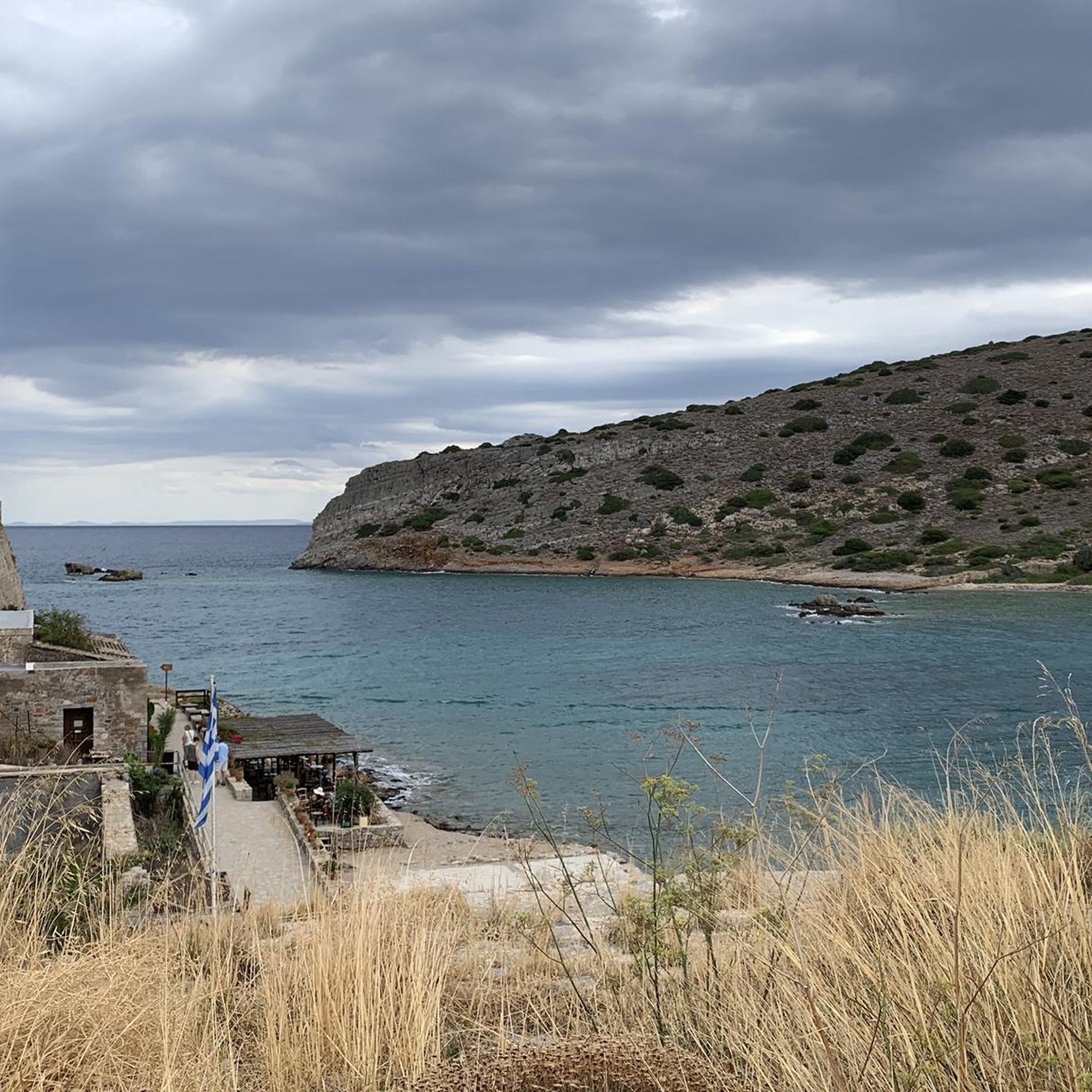
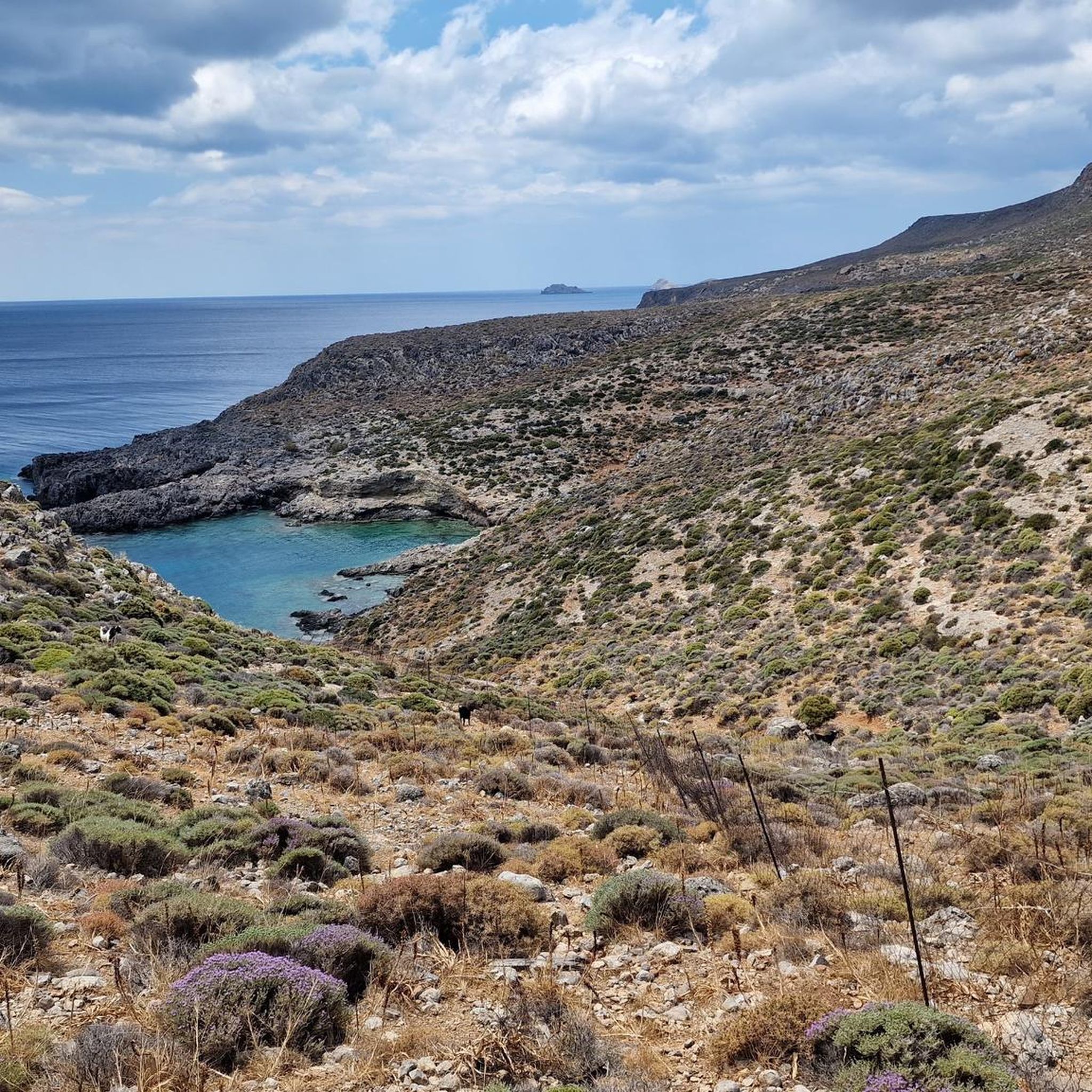
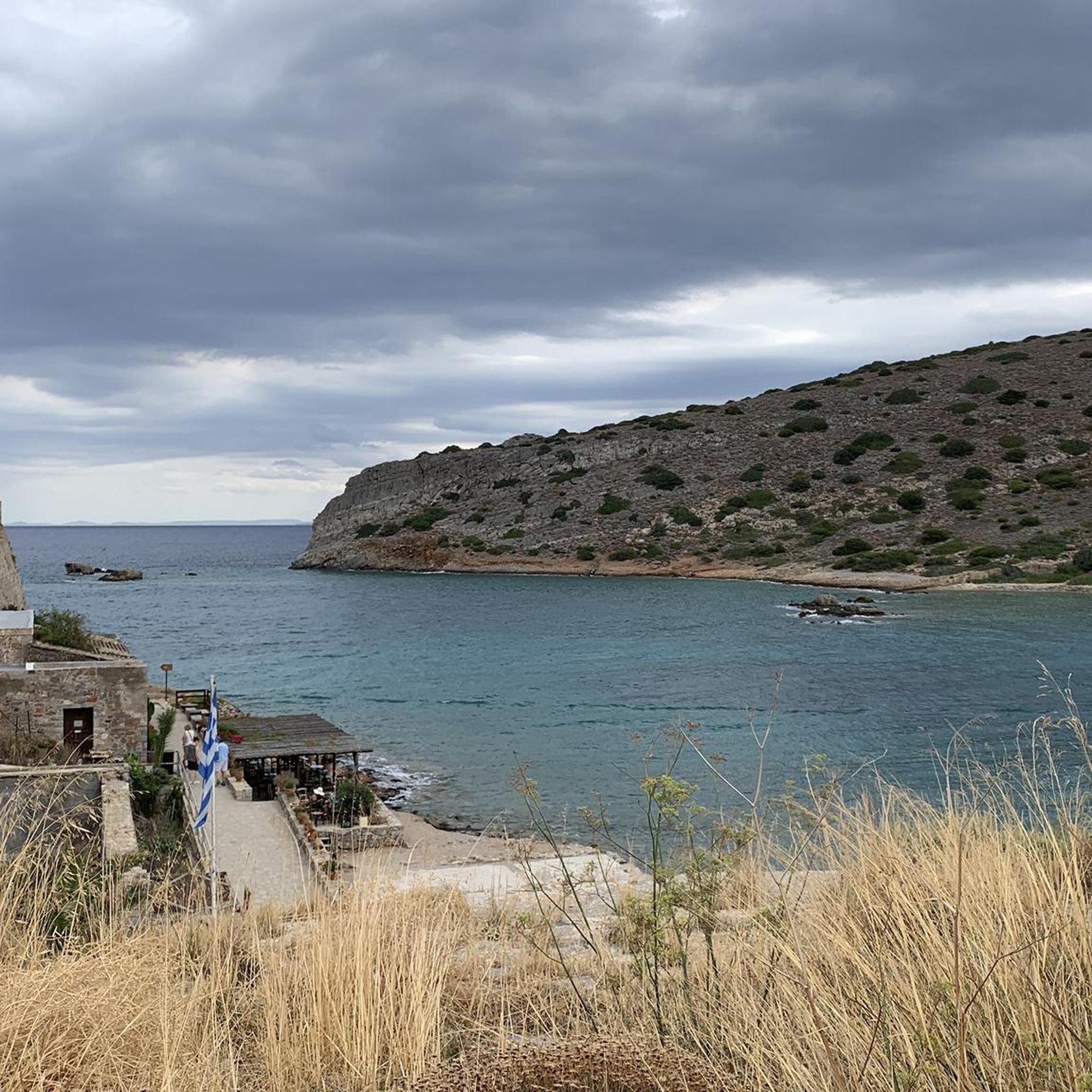
Tips from the Community

It was our first hike 😄 but we were immediately disappointed, the cave is closed on Tuesdays and today was Tuesday! 😔 Furthermore, it costs 15 Euros entrance/person . Very touristy, 4 scoops of ice cream = 10 Euros, a sporty price!!
0
0

The cave, located 155 meters above sea level, is about 2,100 square meters in size and deeply historical. It often served as a refuge for locals in times of war.
2
0
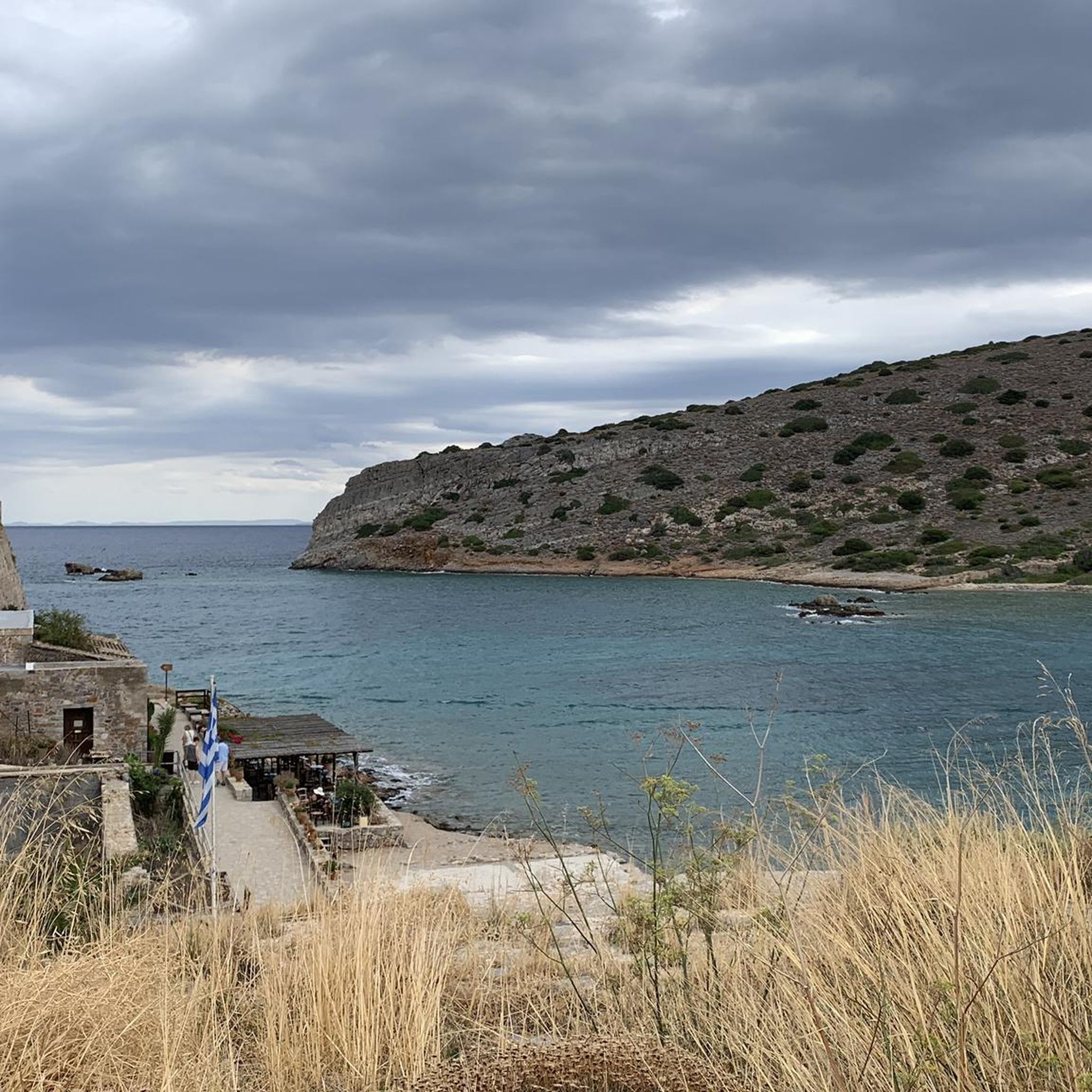
Very nicely located tavern, where the paved path to the cave begins.
1
0

Although the cave appears inconspicuous, finds dating back to the Bronze Age have been made there, and it appears to have been quite significant at the time. Just search for the cave online; you'll find more information. The path there is well-maintained, and the climb is not very long, but quite steep. It could be a challenge for those with circulatory problems and poor fitness.
0
0

Pelekita Cave is a large, impressive cave on the east coast of Crete, near Kato Zakros. It is approximately 310 meters long and contains enormous stalactites and stalagmites. The cave was already inhabited in the Neolithic period and is located near an old quarry. It can be reached by a hike of about an hour or by boat. A flashlight and sturdy shoes are recommended due to the slippery surface.
2
0

A great trail through rocky terrain to the cave. The path is well-marked, not too long, and easy to walk on.
0
0
The cave of Milatos has a sad history. It was here that all the villagers once hid from the Turkish occupiers. Ultimately, however, all of them died or were enslaved to escape starvation or thirst.
1
0
Great beach with rocks
1
0
Frequently Asked Questions
What are some historically significant caves in Lasithi?
Lasithi is rich in caves with historical and mythological importance. The Dikteon Cave (Cave of Zeus) is famously known as the birthplace of Zeus and was a significant Minoan worship site. The Dead's Gorge (Zakros Gorge) Cave Tombs features ancient tombs within its caves, earning it the name 'valley of the dead'. Additionally, Pelekita Cave was inhabited during the Neolithic period, and Trapeza Cave also holds archaeological value with findings from prehistoric Crete.
Are there any family-friendly caves or activities in Lasithi?
While specific 'family-friendly' categories aren't always assigned to caves, many are accessible for families. The Dikteon Cave, with its mythological tales and well-lit paths, can be an engaging experience for children. The ascent to Dikteon Cave can be done on foot or by donkey, adding an adventurous element. For easy hikes nearby, consider routes like the 'Rocky Trail to Psychro Cave' which is 2.5 km long and suitable for families. You can find more easy hiking options in the Easy hikes in Lasithi guide.
What are the best times to visit the caves in Lasithi?
The best time to visit the caves in Lasithi is generally during the spring (April-May) and autumn (September-October) months. During these periods, the weather on the Lasithi Plateau is milder, making the ascent to caves like Dikteon more comfortable. Summer can be very hot, while winter might bring colder temperatures and potentially make some paths slippery or less accessible. It's important to note that the Dikteon Cave is currently closed for maintenance until the end of 2025.
What kind of natural features can I expect to see in Lasithi's caves?
Lasithi's caves are renowned for their stunning geological formations. You can expect to see impressive stalactites and stalagmites that have formed over millennia. For example, Pelekita Cave is known for its enormous stalactites and stalagmites. The Dikteon Cave also features a mesmerizing underground landscape with intricate formations. Beyond the caves, the Lasithi Plateau itself offers breathtaking panoramic views of the surrounding natural landscape.
Are there hiking trails near the caves in Lasithi?
Yes, many caves in Lasithi are situated near or accessible via hiking trails. The Dead's Gorge (Zakros Gorge), also known as the 'valley of the dead', features a well-maintained hiking trail that is part of the European long-distance hiking trail E4. Pelekita Cave is accessible by a scenic hike along the coast. For more options, explore the Easy hikes in Lasithi guide, which includes routes like 'Rocky Trail to Psychro Cave' near the Dikteon Cave.
What should I wear for cave exploration in Lasithi?
For cave exploration in Lasithi, it's recommended to wear sturdy shoes with good grip, as surfaces inside caves can be uneven and slippery. Even on warm days, the temperature inside caves can be cooler, so a light jacket or long-sleeved top is advisable. A flashlight or headlamp is also highly recommended, especially for less developed caves like Milatos Cave trailhead, where lighting may be minimal.
Is there parking available near the main caves?
Yes, parking is generally available near the more popular caves. For the Dikteon Cave, there is a main car park, though some visitors suggest parking further down in the village and walking the shorter path to avoid potential charges. For other caves like Milatos Cave trailhead, there are usually limited parking options on the street nearby.
How long does it typically take to explore Dikteon Cave?
Exploring the Dikteon Cave itself, once you've reached the entrance, typically takes about 30 to 60 minutes. This allows time to appreciate the stunning formations and learn about its mythological significance. The ascent to the cave from the parking area, whether on foot or by donkey, will add to the total time.
Are there any caves in Lasithi that are less known or 'hidden gems'?
While the Dikteon Cave is the most famous, Lasithi offers other intriguing, perhaps less frequented, caves. Vreikos Cave is a notable example, offering a more challenging experience for those seeking adventure. The Cave of Trapeza, while archaeologically significant, is also less visited than Dikteon. These can offer a quieter exploration experience.
Can I find cafes or restaurants near the caves in Lasithi?
Yes, especially near the more popular cave sites. The Dikteon Cave is located above the village of Psychro on the Lasithi Plateau, where you can find cafes and restaurants. Similarly, villages near other cave systems often provide options for refreshments and meals, allowing visitors to relax after their exploration.
What other outdoor activities can I do near the caves in Lasithi?
Beyond cave exploration, Lasithi offers a variety of outdoor activities. You can find numerous hiking opportunities, including easy trails like the 'Rocky Trail to Psychro Cave' or more challenging routes in the Easy hikes in Lasithi guide. Mountain biking is also popular, with trails such as 'Prickly Pear Cactus – Taverna Koxos loop' detailed in the MTB Trails in Lasithi guide. For runners, the Running Trails in Lasithi guide offers routes like 'View of Mirabello Bay – Agios Nikolaos Harbor loop'.
Are there any sea caves or caves with sea views in Lasithi?
Yes, Lasithi's coastline features some impressive sea caves and viewpoints. The Cave formations with sea view highlight offers a unique perspective where geological formations meet the coastal landscape. Additionally, Pelekita Cave is located on the east coast of Crete and can be reached by a hike along the coast or by boat, providing coastal views.
Most popular routes in Lasithi
Most popular attractions in Lasithi

Get inspired with the komoot mobile app


Explore more
Extend your search for the best caves by checking out these guides of the top ones in Lasithi:
