Top 5 Caves in Budapest
Caves in Budapest offer a fascinating subterranean world, primarily formed by thermal waters, a characteristic that makes some of them unique globally. This network of caves provides diverse experiences, from geological wonders to historical explorations beneath the city. Most dry caves maintain a cool temperature of around 11-12°C year-round. Exploring these underground formations reveals a significant aspect of Budapest's natural and historical landscape.
Best caves in Budapest
- The most popular caves is Gellért Hill Cave Church (Sziklatemplom), a religious building that dates from 1926 and was reopened in 1989. This cave church is based on the Marian sanctuary in Lourdes and offers a calm, meditative experience.
- Another must-see spot is János Hill Cave Passage, a cave that can be interesting for children. Visitors can enter on one side without a flashlight and exit on the other.
- Visitors also love Little Caves with Exposed Tree Roots, a cave with visible tree roots. This natural feature provides a unique glimpse into the interaction between the surface and the subterranean world.
- Budapest is known for its thermal water caves, historical cave systems, and natural geological formations. Visitors can explore a variety of caves, from those with unique mineral formations to those with rich historical significance.
- The caves in Budapest are appreciated by the komoot community, with 86 upvotes and 106 photos shared by users.
Last updated: October 14, 2026
Gellért Hill Cave Church (Sziklatemplom)
Highlight • Religious Site
Translated by Google •
Tip by

Hospital in the Rock Nuclear Bunker Museum
Highlight • Historical Site
Translated by Google •
Tip by

Sign up now to discover places like this
Get recommendations on the best single tracks, peaks, & plenty of other exciting outdoor places.
Buda Castle Labyrinth
Highlight • Cave
Translated by Google •
Tip by
Rock Chapel
Highlight • Religious Site
The rugged rock walls give the interior a very special atmosphere. Between stone and religious artworks, a place of tranquility is created, forming a strong contrast to the vibrant hustle and bustle of the Hungarian capital.
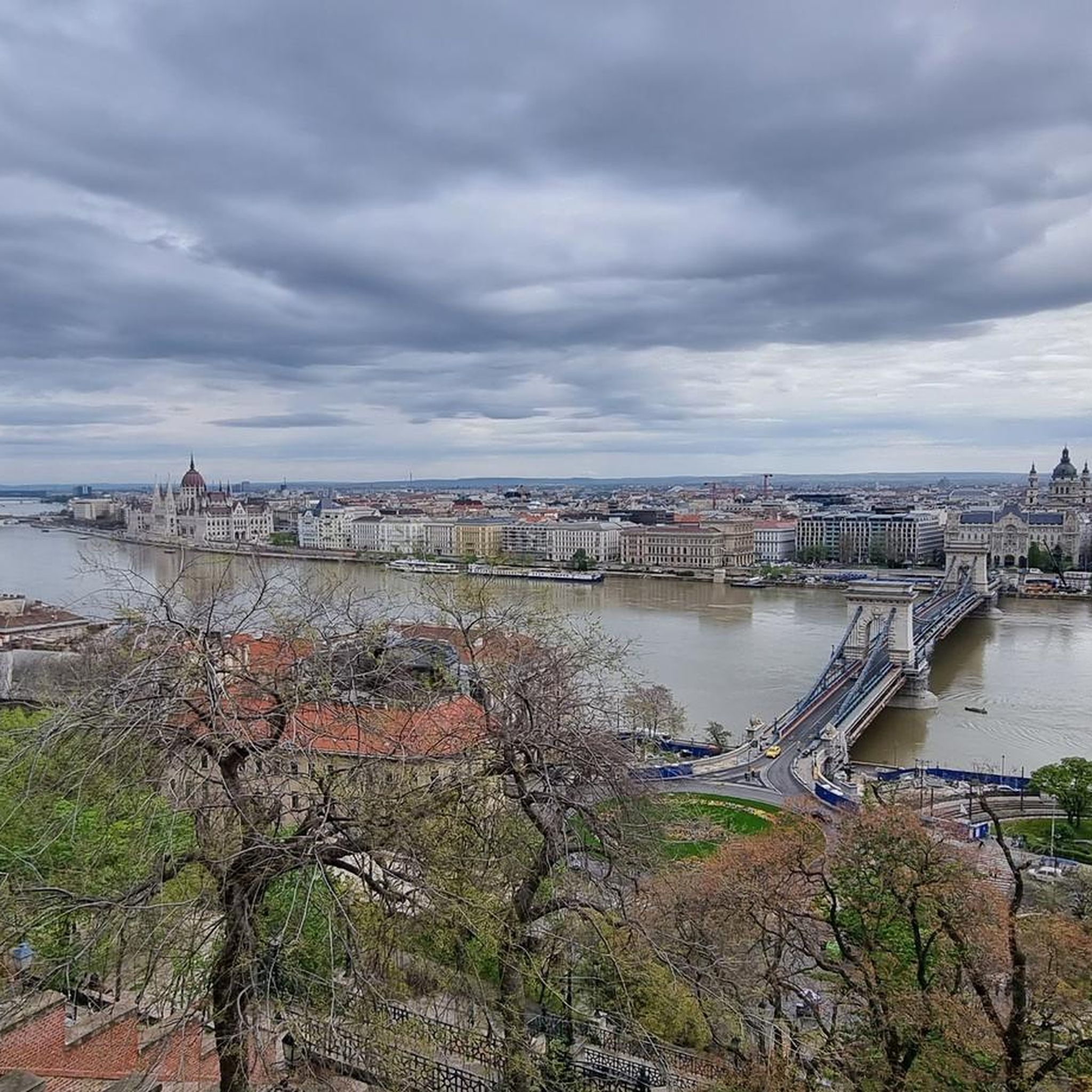
Directly in front of the Cave Church, a beautiful view of the Danube and the Liberty Bridge also opens up.
Showing Translation
Tip by

János Hill Cave Passage
Highlight • Cave
Translated by Google •
Tip by

Little Caves with Exposed Tree Roots
Highlight • Cave
Tip by

Bátori Cave
Highlight • Cave
Translated by Google •
Tip by

Molnár János Cave
Highlight • Cave
This is the only official entrance to the system.
Translated by Google •
Tip by

Start today with a free account
Your next adventure awaits.



Tips from the Community

Hidden inside Gellért Hill lies the extraordinary Cave Church, one of Budapest's special sights. The chapel was built directly into a natural cave of the mountain, fascinatingly combining nature, faith, and history. The rugged rock walls give the interior a very special atmosphere. Between stone and religious artworks, a place of tranquility is created, forming a strong contrast to the vibrant hustle and bustle of the Hungarian capital. Directly in front of the Cave Church, a beautiful view of the Danube and the Liberty Bridge also opens up.
4
0

The Hospital in the Rock Nuclear Bunker Museum (Hungarian: Sziklakórház Atombunker Múzeum) is one of the most fascinating and, at the same time, most oppressive historical sites in Budapest. It is located directly beneath the Buda Castle District in a natural cave system. Originally designed as an air-raid shelter and emergency hospital, it played a crucial role during the Siege of Budapest (1944–45). It was designed for approx. 60–70 patients, but in the end often housed over 600 injured under catastrophic conditions.
0
1

Truly impressive. Small, but truly a little highlight. A church built into the rock is truly something rare and definitely recommended.
2
0


Very impressive building and something completely different from the "normal" churches that one knows
2
0

The cave system is vast and world-renowned among divers. Almost 6 km of it is accessible. This is the only official entrance to the system.
0
0

The total length of the labyrinth for visitors is 1 km. Tickets for adults cost approximately 15 euros.
3
0
The Dracula Labyrinth in Budapest is an exciting and scary attraction that will especially delight fans of horror and scary stories. Located near the city center, it is a themed adventure world based on the legend of Dracula. The labyrinth is designed to guide visitors through dark corridors, spooky scenarios, and scary surprises. It offers a mix of theater, special effects, and interactive elements that provide a thrill. The atmosphere is dark and suspenseful, perfect for those who enjoy a scare or are looking for an unforgettable experience.
3
0
Frequently Asked Questions
What are the most popular caves to visit in Budapest?
Budapest offers several popular caves, each with unique features. The Gellért Hill Cave Church (Sziklatemplom) is a sacred space with a rich history. For geological wonders, Pál-völgyi Cave is known for its stunning dripstones and challenging tours, while Szemlő-hegyi Cave offers unique mineral formations and easy accessibility. The Buda Castle Labyrinth provides a historical journey beneath the castle.
Are there family-friendly caves in Budapest?
Yes, Szemlő-hegyi Cave is highly recommended for families due to its well-constructed, paved paths and interactive exhibition, making it accessible even for strollers and wheelchair users. The János Hill Cave Passage is also noted as interesting for children, allowing them to walk through without a flashlight.
What unique natural features can I expect to see in Budapest's caves?
Budapest's caves, primarily formed by thermal waters, boast diverse natural features. Pál-völgyi Cave showcases impressive stalactites, stalagmites, and intricate dripstones like the 'Organ Pipes.' Szemlő-hegyi Cave is famous for its 'underground flower garden' of pea stones, aragonite crystals, and popcorn-shaped mineral crusts. You can also find unique sights like the Little Caves with Exposed Tree Roots, offering a glimpse into the interaction between surface and subterranean worlds.
Which caves offer a historical experience?
The Buda Castle Labyrinth is a prime historical site, having served various roles from a royal residence to a bomb shelter. The Gellért Hill Cave Church (Sziklatemplom) offers a spiritual and historical experience, reopened after being closed during the communist era. Additionally, the Hospital in the Rock Nuclear Bunker Museum, built into the cave system, provides a fascinating look into Cold War history.
What is the best time to visit the caves in Budapest?
The caves maintain a cool temperature of around 11-12°C (52-54°F) year-round, making them a good destination regardless of the season. They offer a refreshing escape in summer and a sheltered activity in winter. Always bring warm clothing and comfortable, sturdy shoes.
Are there any caves suitable for experienced adventurers or divers?
Yes, the Molnár János Cave is a unique thermal water cave system globally, exclusively accessible for experienced cave divers. It offers guided dives through its magnificent, warm-water environment, requiring strict safety measures and certifications.
What should I wear when visiting Budapest's caves?
Given the constant cool temperature of 11-12°C (52-54°F) inside most dry caves, it's advisable to bring warm clothing, even in summer. Comfortable, sturdy shoes are also recommended, especially for caves like Pál-völgyi which involve ladders and steep stairs.
How long do cave tours typically last in Budapest?
Tour durations vary by cave. For instance, guided tours at Pál-völgyi Cave typically last about an hour. Szemlő-hegyi Cave also offers guided tours, with accessible paths covering about 250-300 meters of its two-kilometer length.
What outdoor activities can I do near Budapest's caves?
Budapest offers a variety of outdoor activities. You can explore easy hikes in Budapest, with routes like the 'Statue of St. Stephen – Fisherman's Bastion loop.' For cycling enthusiasts, there are options for cycling in Budapest, including routes along the Danube. If you prefer off-road adventures, consider gravel biking in Budapest with routes like the 'Hungarian Parliament Building – Virágos-nyereg loop.'
Which cave is known for its clean air and health benefits?
Szemlő-hegyi Cave is particularly noted for its exceptionally clean and dust-free air. This makes it beneficial for those with respiratory problems, and health walks are even offered within the cave.
Is public transport available to reach the caves?
Many of Budapest's caves are accessible via public transport. For example, Gellért Hill Cave is located at the foot of Gellért Hill, a well-connected area. While specific routes vary, Budapest has an extensive public transport network that can get you close to most major attractions, including the caves.
Are there any caves that are less suitable for young children or those with physical limitations?
Pál-völgyi Cave, while stunning, involves a somewhat demanding tour with ladders and steep stairs. This makes it less suitable for children under 5 or individuals with significant physical limitations. Szemlő-hegyi Cave, in contrast, is designed for high accessibility.
Most popular routes in Budapest
Most popular attractions in Budapest

Get inspired with the komoot mobile app


Explore more
Extend your search for the best caves by checking out these guides of the top ones in Budapest:
