Top 20 Caves in Belluno
Best caves in Belluno are found within the Dolomites, offering a range of subterranean experiences. The region features diverse geological formations, from karst sinkholes to natural grottoes and historical war tunnels. These sites provide insights into both natural processes and human history. Belluno's caves present varied exploration opportunities for visitors.
Best caves in Belluno
- The most popular caves include Lagazuoi Tunnels, a cave that was created by Italian soldiers during World War I and is now open to visitors.…
Last updated: October 1, 2026
Kaiserjägersteig Trail
Highlight (Segment) • Trail
Tip by

Cengia Martini
Highlight • Cave
Descend better in the tunnel and choose a different route for ascent over the (quite simple) via ferrata
Translated by Google •
Tip by

Sign up now to discover places like this
Get recommendations on the best single tracks, peaks, & plenty of other exciting outdoor places.
Forcella Col dei Bos and World War I ruins
Highlight (Segment) • Historical Site
Translated by Google •
Tip by

Bus de la Lum Sinkhole
Highlight • Cave
During the Second World …
Translated by Google •
Tip by

Cengia Martini World War I Outpost
Highlight • Historical Site
Translated by Google •
Tip by

Blue Grotto of Mel
Highlight • Cave
Translated by Google •
Tip by

Goiginger Tunnel
Highlight (Segment) • Cave
Translated by Google •
Tip by

Forte Monte Ricco
Highlight • Cave
Showing Translation
Tip by

Grotta dell'acqua nera
Highlight • Cave
Translated by Google •
Tip by

Bus de la Bela
Highlight • Cave
Translated by Google •
Tip by

Sign up for free to discover even more caves in Belluno.
Already have an account?
Start today with a free account
Your next adventure awaits.
Popular around Belluno

Sneak Peaks ADVENTURE 🥇
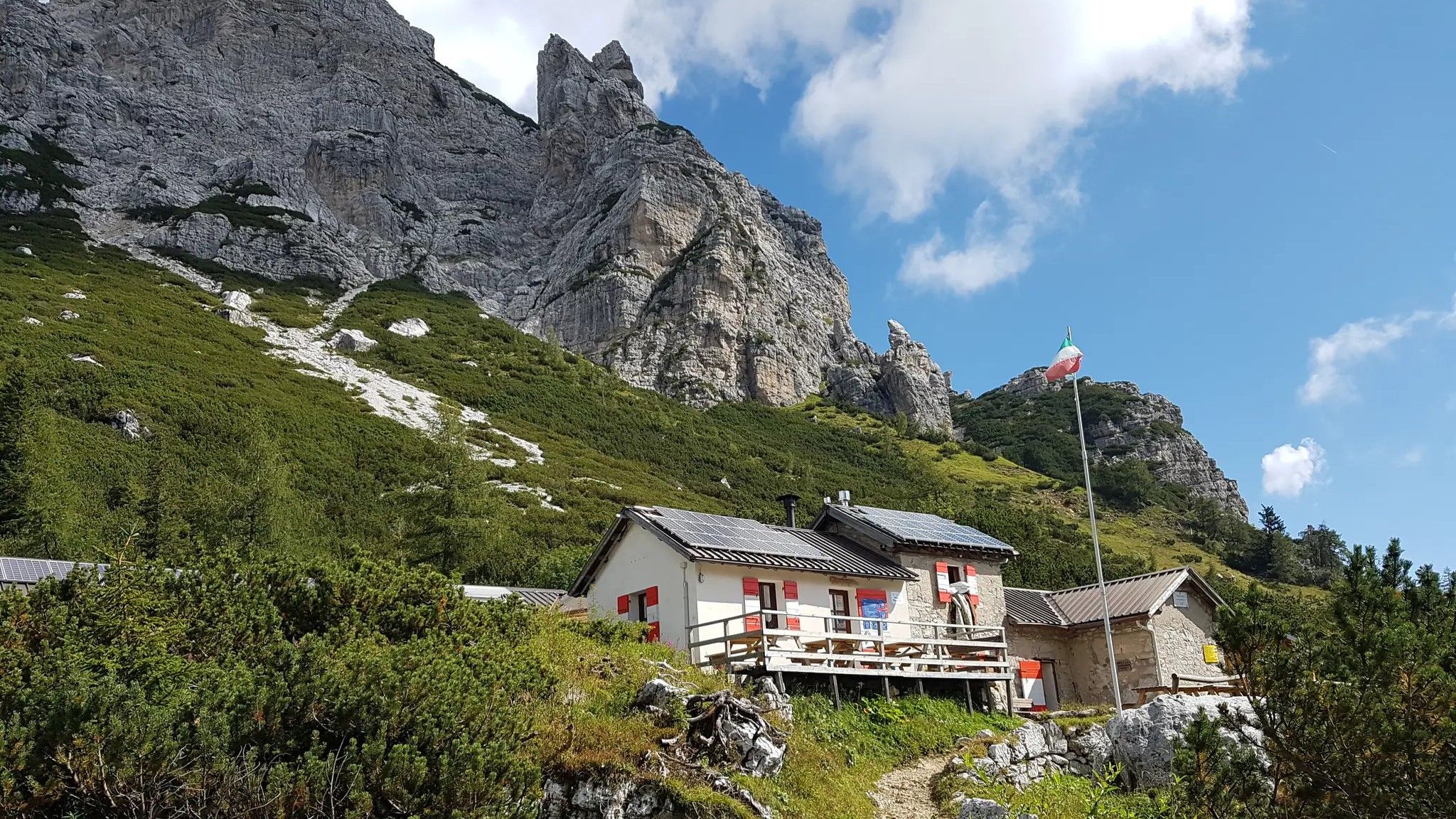
Alta Via Dolomiti Bellunesi – the wild Dolomiti Bellunesi National Park
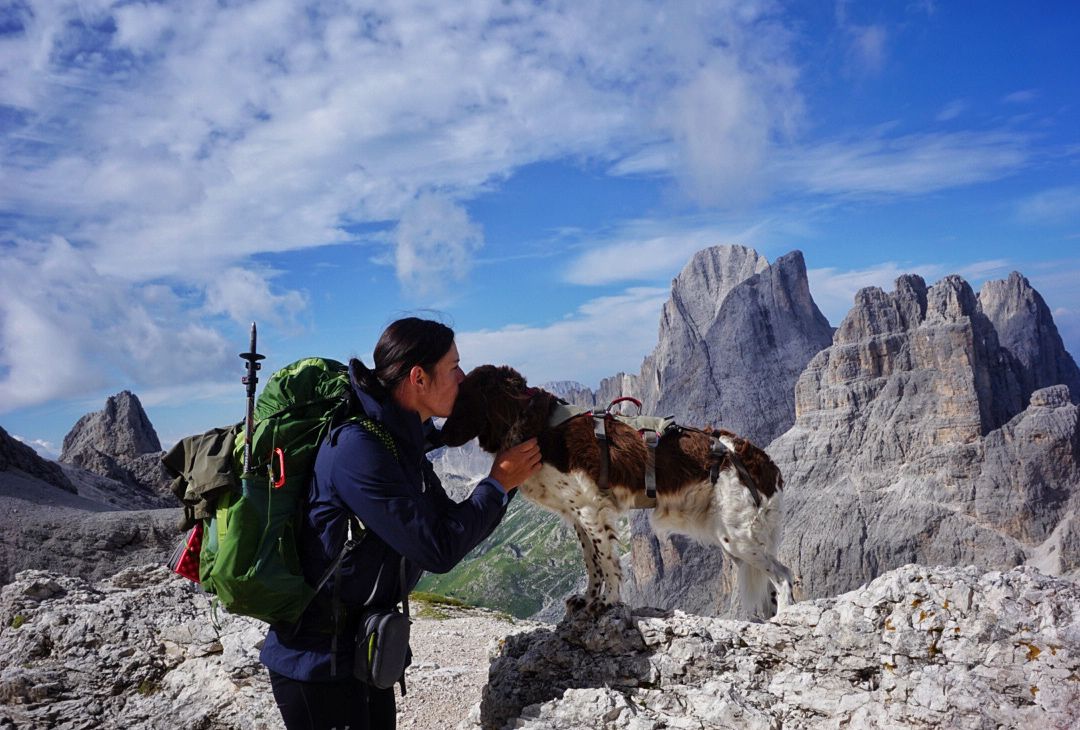
The extra-large Dolomites round – an out-of-this-world hiking adventure
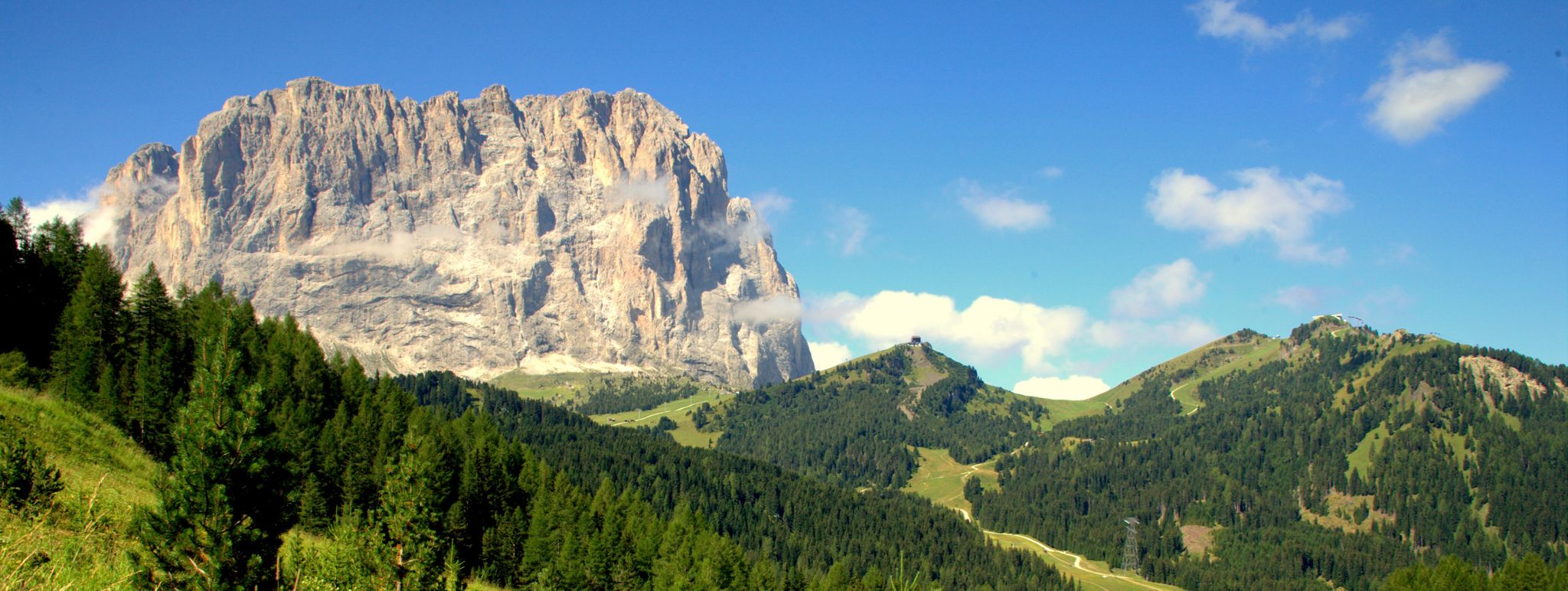
Via Venezia Alpina – hiking across the Alps to the Adriatic Sea
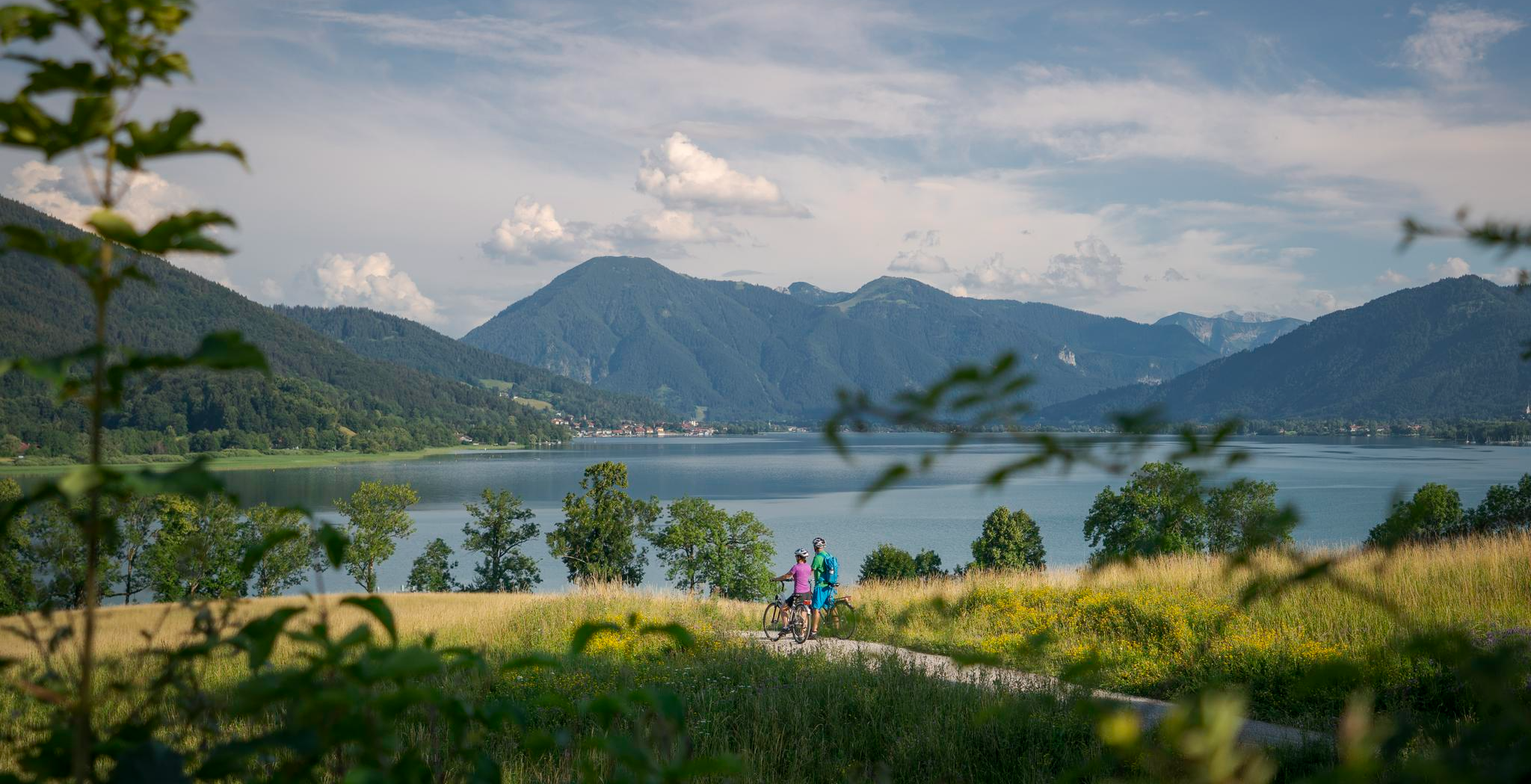
The Munich-Venice Long-Distance Cycle Path – A beautiful Alps crossing
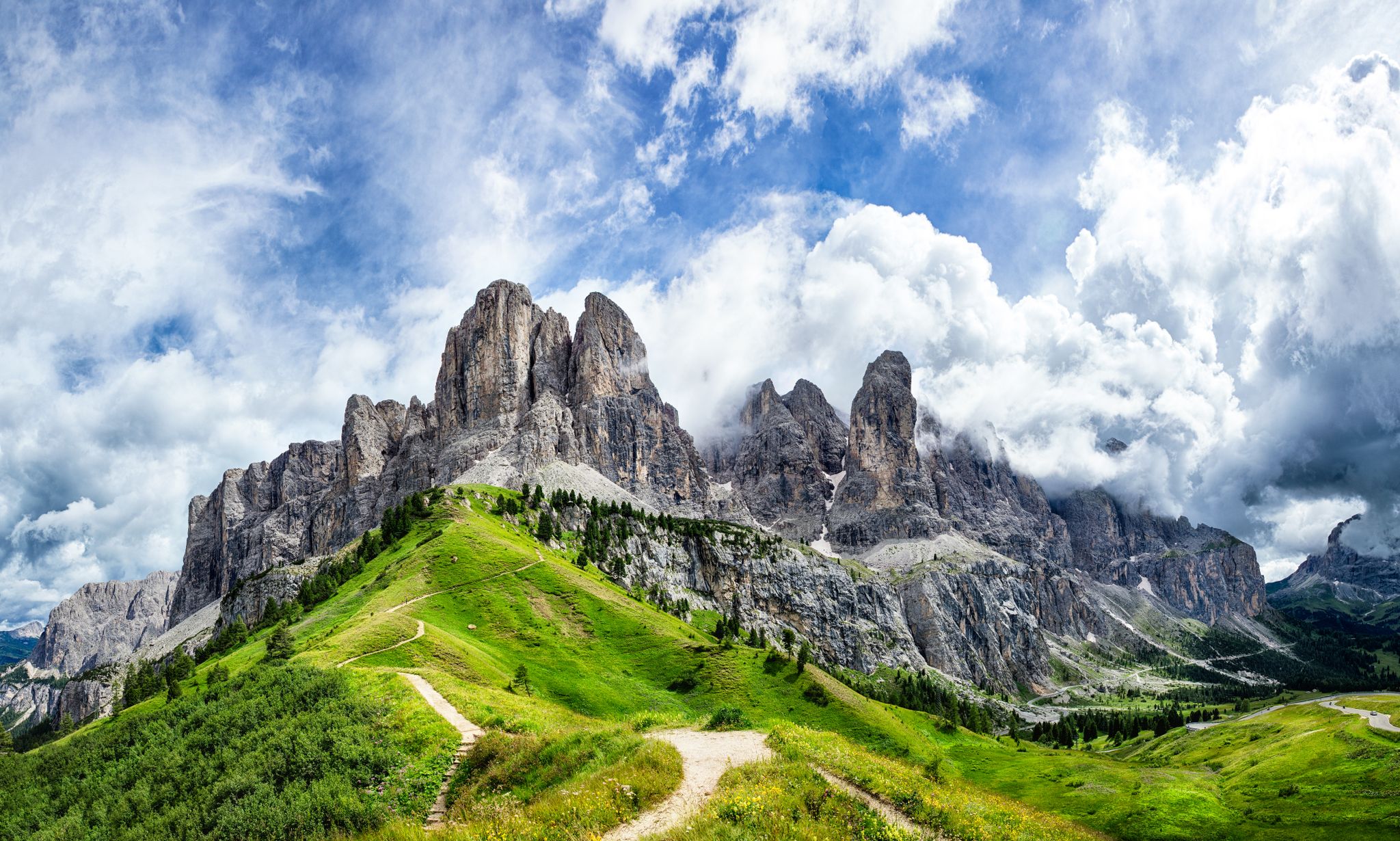
The "Dream Path" hiking trail – From Munich to Venice in 28 stages
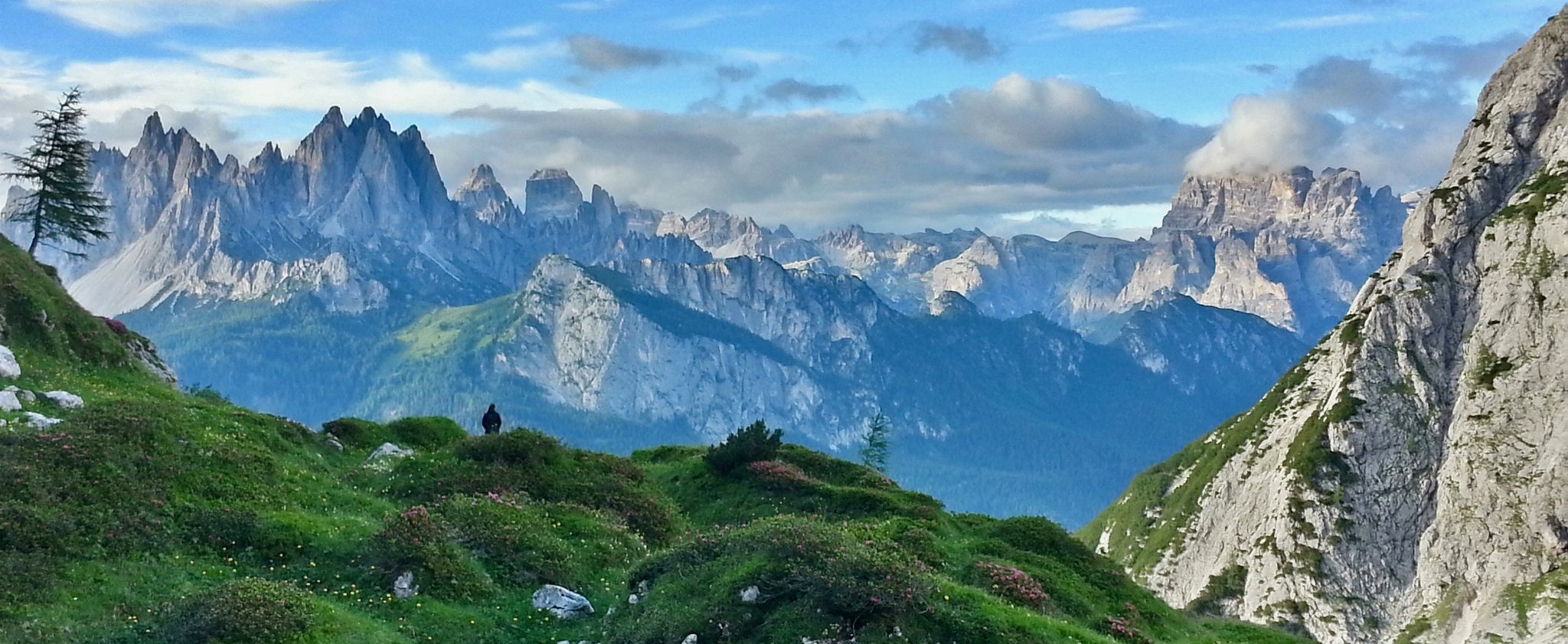
Alta Via No. 5 — Tizians High Route
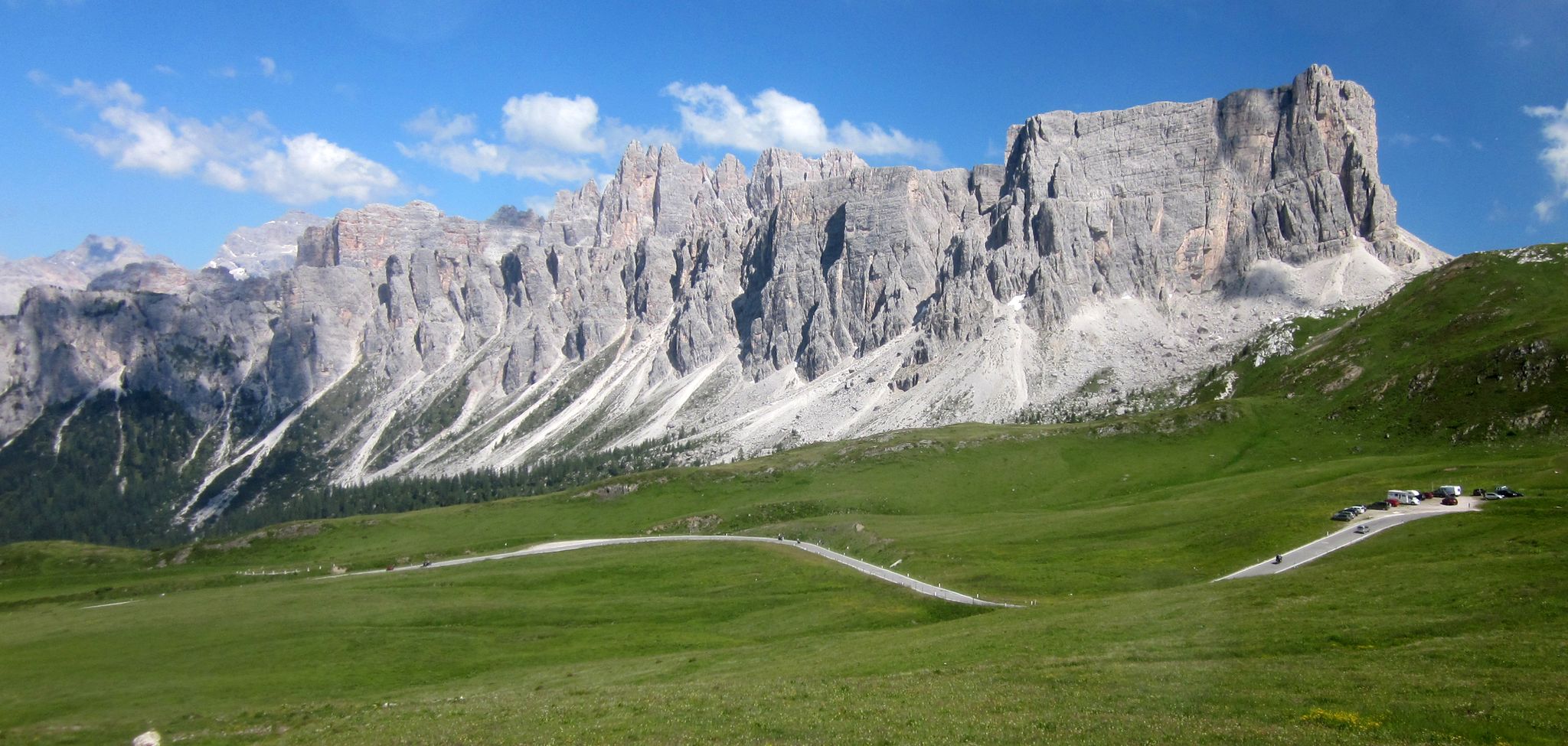
Traversing the Dolomites — the world's most beautiful mountain range

Road to BAM! 2026 – Condividi la strada
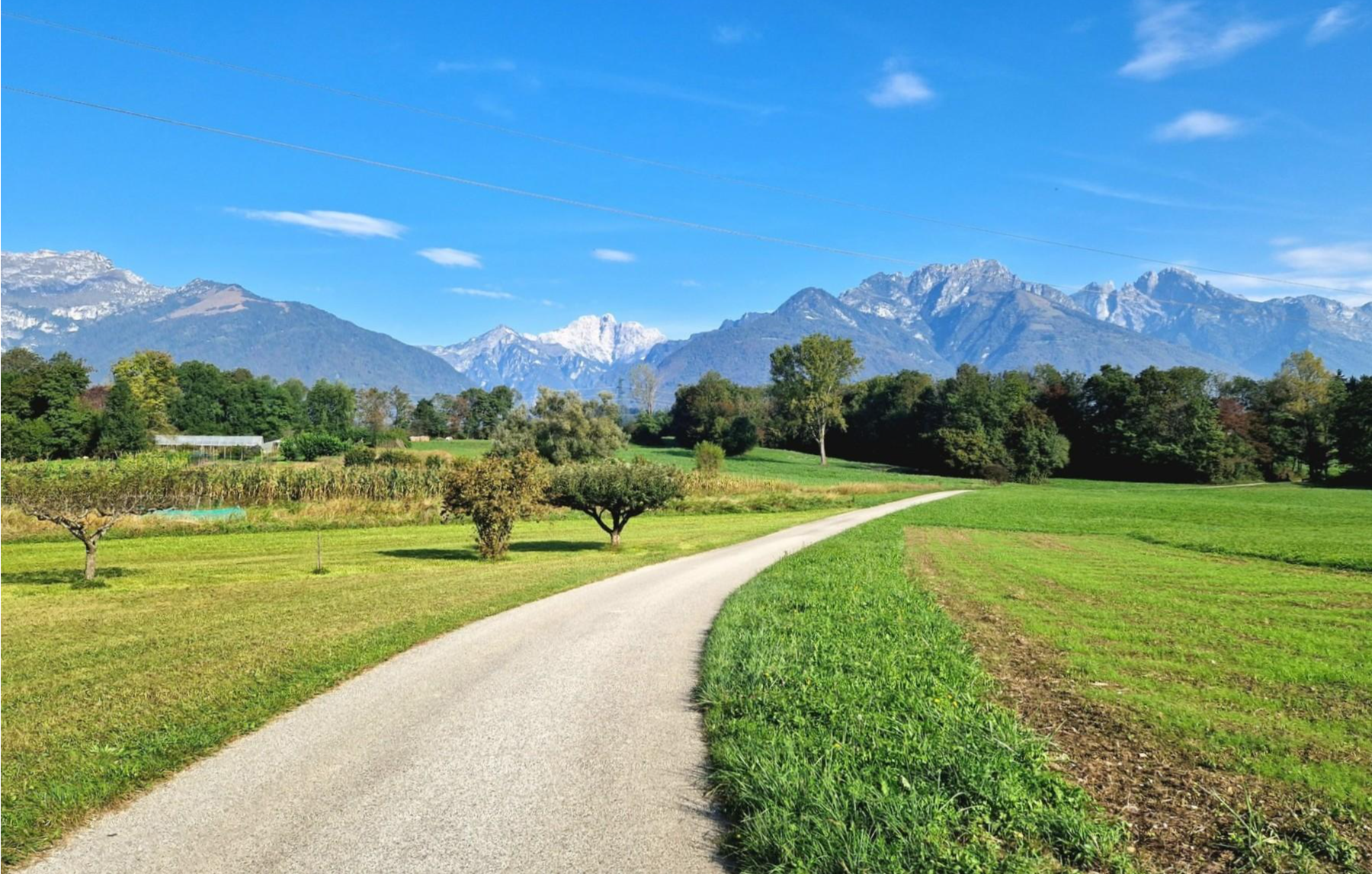
Veneto and Trentino by bike – between the Lagoon and the Dolomites
Other adventures in Belluno


Tips from the Community

Its history intertwines nature, folklore, and wartime events: 1. The formation and legend of "will-o'-the-wisps" The name Bus de la Lum derives from a mysterious phenomenon that for centuries fueled legends and popular tales. The folklore: Shepherds and locals told of strange little flames or bluish glows that danced above the cave entrance during summer nights. Popular belief attributed these lights to the presence of witches (eàne or anguane) or restless spirits. The scientific explanation: In reality, the cave had been used since time immemorial to dispose of the carcasses of animals that died on the plateau's farms. The decomposition of organic matter generated methane and hydrogen phosphide gases which, upon contact with air, produced small and harmless will-o'-the-wisps. 2. The events of the Second World War Between 1943 and 1945, the Cansiglio Plain was a strategic stronghold of the Italian Resistance, garrisoned by partisans of the "Garibaldi" Brigade (and other local formations) against the Nazi-Fascist occupying forces. During the harshest phases of the conflict and in the dramatic months of roundups and executions at the end of the war, the Bus de la Lum was used as a natural mass grave. The bodies of German soldiers, fascists, and Republicans captured in combat or roundups, as well as civilians accused of collaborationism or espionage, were thrown into the chasm. In the post-war period, amidst explorations and speleological recoveries, the cavity was the subject of heated historiographical and political debates regarding the precise number and identities of the people who fell into the well. 3. The site today Today the Bus de la Lum is recognized as a place of memory. The entrance to the abyss is protected and fenced for safety reasons, flanked by a large metal cross and a plaque in memory of all the nameless fallen.
0
0

The Cansiglio Forest hides a myriad of sinkholes, pits, and swallow holes of all sizes, due to the karst morphology of the territory: the rain dissolves the limestone rock, slowly but inexorably forming these natural chasms and fissures on the ground. The Bus de la Lum is an abyss characterized by a single large vertical entrance shaft 180m high, which then develops into a very large and articulated underground complex. The depth of the shaft is best appreciated out of season, because in summer the lush vegetation tends to partially obscure the view. According to ancient beliefs, it is the dwelling of the Anguane or Anduane, fierce and evil witches, toothless, with long rusty nails instead of hair and sharp fangs, who kidnapped and ate children! They gathered at the bottom of the cave, lighting fires, whose glows rose to the surface, visible at night to the shepherds of the area: hence the name 'Buco della Luce' (Hole of Light). In reality, the legend has a grain of truth: on hot summer nights, will-o'-the-wisps could indeed be formed by the decomposing carcasses of livestock dead from illness, which it was customary to throw into the Buso. During World War II, the cavity was sadly used by partisans as a foiba, to dispose of the bodies of fascists and nazis, but also of civilians: over the years, several bodies and bones have been found during explorations. https://it.wikipedia.org/wiki/Bus_de_la_Lum
0
0

Built in the last two decades of the 19th century, under the Kingdom of Italy, the Forte di Monte Ricco constituted the heart of the entrenched camp of Pieve di Cadore. It was conceived and built to interdict enemy approaches from the Tre Ponti narrows towards Pieve and Tai along the Piave valley and to act in close synergy with the nearby Batteria Castello, about 200 meters away, as well as with the various artillery positions on the overlying heights, on Monte Tranego, Monte Zucco, Col Vidà. Monte Ricco was probably the site of a prehistoric settlement, then of the castle of Cadore. Abandoned until 2007, it has undergone demanding restoration, consolidation, and enhancement works. Reopened to the public in 2017, it hosts exhibitions or classical music concerts. https://www.tizianovecellio.it/luoghi/il-forte-di-monte-ricco/
1
0

Fortifications from the First World War can also be found at the Forchella Col dei Bos. Since several paths converge here, it's a fairly well-frequented spot.
2
0

The old Italian ww1 army barracks
0
0

The name probably derives from "lume" or flame, due to the luminescence that would have been seen on summer nights above the cavity, produced by the gases generated by the putrefaction of animal carcasses thrown into the well. The cavity was formed by karst, or by the dissolution of the rock by water. According to legend, it is inhabited by the Anguane, very ugly fairies, with nails instead of hair, and long fangs instead of teeth. During the day they went to wash clothes at Lake Santa Croce, then wandered around in search of wood, food and children to roast. At night, they lit a small fire, whose light, spotted by shepherds, gives the cavity its name
2
0
The large entrance hall of this cave conceals a deep, dark mouth, filled by an underground stream that is always well-fed, even in dry periods. This is the entrance—reserved for cave divers—to a vast and intricate network of cavities deep within the mountain. The water is actually clear, and it is thought that the name derives from the dark moss-covered floor, over which the stream flows before flowing into the Senaiga. Due to the cave's complex morphology and technical difficulties, exploration began only in the 1970s, and so far, cave divers have discovered a 1,600-meter stretch of siphons and difficult passages. In the 1930s, dye injections proved that this cave communicates with the Castello Tesino Caves, a few kilometers away. Furthermore, an examination of the fine sand found inside, rich in granite crystals, testifies to a significant contribution of water coming from the Cima d'Asta group, much higher and much more distant!
2
0
This large cave has various names: Bus de la Bela, Bus de la Vecia, Bus de la Tosa, Grotta di San Donato, and Grotta dell'Orso. The skeleton of an Ursus Spalaeus (Cave Bear) was found there, a prehistoric animal of imposing size that surpassed that of today's grizzly bear: 3.5 meters (standing) and weighing almost 1 ton. Three explanatory panels at the entrance tell its story. The skeleton is visible free of charge at the Lamon Town Hall. The remains of this mammal have been found in numerous caves across Europe, an environment they used as a dwelling and for hibernation. They often competed with prehistoric humans for ownership of the cave, and one theory suggests they became extinct precisely because of predation by our ancestors. In ancient times, the bones found were attributed to dragons or griffins! Opposite the cave, climbing a short, exposed ramp equipped with a cable leads to a beautiful waterfall. https://it.wikipedia.org/wiki/Ursus_spelaeus
0
0
Frequently Asked Questions
What are some of the most historically significant caves in Belluno?
Belluno's caves offer deep historical insights. The Lagazuoi Tunnels were created by Italian soldiers during World War I and are now open to visitors, equipped with ropes and gear. Similarly, the Kaiserjägersteig Trail features tunnels that were vital connection roads during the First World War. The Bus de la Lum Sinkhole also holds a tragic history from the Second World War.
Are there caves in Belluno with unique geological formations?
Yes, the region boasts unique geological features. The Grotta di Tofana, located in the Tofane group, is notable as one of the few natural caves formed in dolomite rock rather than typical limestone. It extends approximately 300 meters deep with a roof up to 10 meters high.
Which caves in Belluno are suitable for experienced adventurers or require special equipment?
For those seeking a challenge, the Grotta di Tofana is accessible via a via ferrata. The Lagazuoi Tunnels are classified as a beginner via ferrata and require a headlamp or flashlight, with a helmet also recommended. The Grotta dell'acqua nera, with its intricate network of underwater cavities, is reserved for experienced cave divers.
Can I find caves in Belluno that offer insights into prehistoric life?
Yes, the Bus de la Bela is particularly interesting for its paleontological significance. Remains of Ursus spalaeus (Cave Bear), a large mammal from the Pleistocene epoch, have been discovered there, offering a glimpse into ancient ecosystems.
What is the best time of year to visit caves in Belluno?
For caves like the Grotta Azzurra, visiting in late spring or early fall is recommended to enjoy the views more tranquilly and appreciate its turquoise waters. Generally, these periods offer pleasant weather for exploring the surrounding areas as well.
Are there any family-friendly cave experiences in Belluno?
While many caves in Belluno can be challenging, the Old Road of the Cismon Gorge offers a route that includes a cave section and is considered family-friendly, providing a suggestive experience along a deep gorge.
What kind of unique natural phenomena can be found in Belluno's caves?
The Grotta Azzurra, located in Borgo Valbelluna, is famous for its stunning turquoise-colored, crystal-clear water, creating a 'small corner of paradise.' The Bus del Buson is another natural spectacle, a fossil canyon carved by water in the Ardo valley.
What outdoor activities can I do near the caves in Belluno?
The Belluno region, home to these caves, is excellent for various outdoor activities. You can find numerous Mountain Hikes, including challenging routes like the 'Lagazuoi Hut – Entrance to the Kaiserjäger Path loop'. There are also extensive MTB Trails and Road Cycling Routes throughout the Dolomites.
Are there any caves in Belluno related to World War I military history beyond the Lagazuoi Tunnels?
Yes, the Goiginger Tunnel on the Hexenstein is another significant World War I site. Named after Field Marshal Ludwig von Goiginger, this 500-meter tunnel crosses almost the entire east wall of the Hexenstein horizontally and can be explored with the right equipment.
What should I know about the Grotta dell'acqua nera?
The Grotta dell'acqua nera features a large entrance hall leading to a deep, dark opening. An underground stream flows into an intricate network of underwater cavities, making it a site primarily for experienced cave divers. Its name, meaning 'black water,' likely comes from the dark, moss-covered floor over which the clear stream flows.
What do visitors enjoy most about exploring the caves in Belluno?
Visitors appreciate the diverse experiences offered by Belluno's caves, from the historical significance of the World War I tunnels to the unique geological formations and paleontological findings. The opportunity to combine cave exploration with hiking and other outdoor activities in the stunning Dolomites is also a major draw.
Most popular routes in Belluno
Most popular attractions in Belluno

Get inspired with the komoot mobile app


Didn’t find what you were looking for?
Discover more caves in Belluno region by region:
Explore more
Extend your search for the best caves by checking out these guides of the top ones in Belluno:
