Top 5 Caves in Rimini
Caves in Rimini offer diverse underground explorations, from natural geological formations to historical man-made structures. The region, particularly the Valconca hills and Santarcangelo di Romagna, features notable cave systems. These sites provide insights into natural history, local geology, and past human activities. The area's landscape is characterized by unique geological features, including gypsum outcrops and tufa formations.
Best caves in Rimini
- The most popular caves is World War II Shelters (Rifugio 91), a historical site and cave that served as shelters during World War II. These structures offer a glimpse into wartime history.
- Another must-see spot is Onferno Caves, a significant gypsum cave system. It features complex karst structures, notable "mammelloni" formations, and is home to a large bat colony.
- Visitors also love Municipal Tuff Caves of Santarcangelo di Romagna, a network of approximately 150 hypogea excavated into sandstone and clay. These caves were historically used as cellars and warehouses, with some suggesting ancient cultural or religious purposes.
- Rimini is known for natural gypsum caves, historical shelters, and man-made tufa caves. These sites offer a variety of experiences, from geological wonders to historical explorations.
- The caves in Rimini are appreciated by the komoot community, with 40 upvotes and 23 photos shared by users.
Last updated: October 14, 2026
Onferno Caves
Highlight • Cave
The exploration of the cave took place in 1916 by Lodovico Quarina, who went up the cave from the resurgence to the sinkhole.
Today's guided tours retrace this direction and allow you to admire the typical alabastrines of the chalky caves.
Near the exit there are some rooms enlarged by collapse phenomena. In the Quarina Room the vault is animated by mamelons, curious conical structures among the most beautiful and largest in Europe that indicate the base of a layer of plaster.
The cave houses the most important bat colony in the region, with eight different species.
Since the summer of 1989, the cave has been open to the public, it is a sort of natural tunnel that is easy to access through the two entrances and just as easily walkable (thus unique in Emilia-Romagna).
(Source: prolocogemmano.it/grottedionferno/)
Translated by Google •
Tip by

Municipal Tuff Caves of Santarcangelo di Romagna
Highlight • Cave
taken from Wikipedia
Translated by Google •
Tip by

Sign up now to discover places like this
Get recommendations on the best single tracks, peaks, & plenty of other exciting outdoor places.
World War II Shelters (Rifugio 91)
Highlight • Historical Site
Translated by Google •
Tip by

Refuge 1 (1944) Cave Entrance
Highlight (Segment) • Cave
Translated by Google •
Tip by
View of San Marino from the exit of the Onferno Caves
Highlight • Viewpoint
Translated by Google •
Tip by

Start today with a free account
Your next adventure awaits.
Popular around Rimini
Camaldoli to Carpegna – Alta Via dei Parchi (part 5)
Ten gravel rides on the white roads of Romagna in Italy
Nine challenging bike rides in Italy’s Romagna region
Explore Romagna on eight medium-difficulty rides
Discover the Romagna Riviera on three easy bike Tours
Adriatic Riviera and San Marino – cycle amid the sea and the Apennines
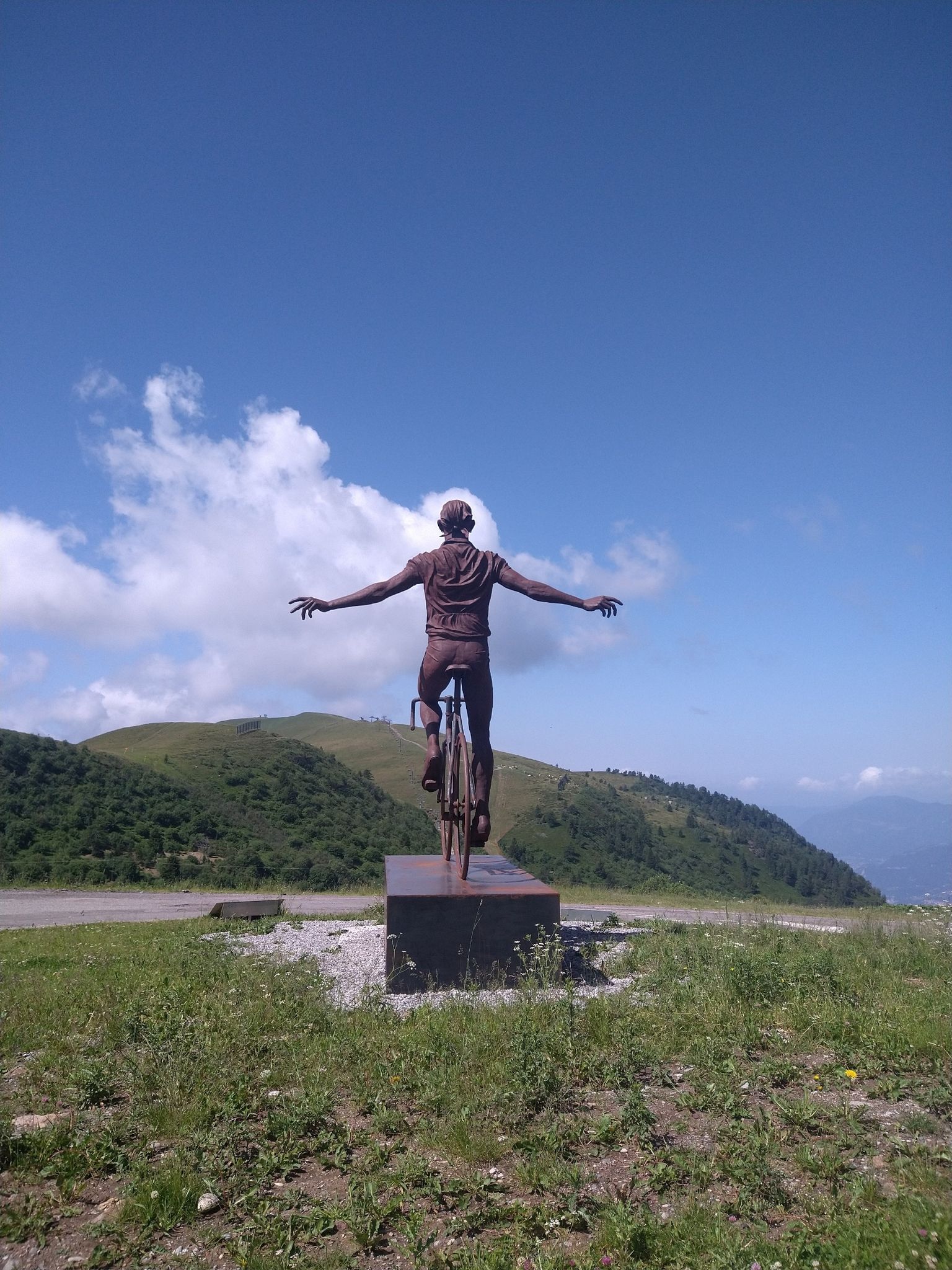
On the roads of the Pirata – discover the places of Marco Pantani
Preappennino 15K – a hilly crossing from Cattolica to Piacenza
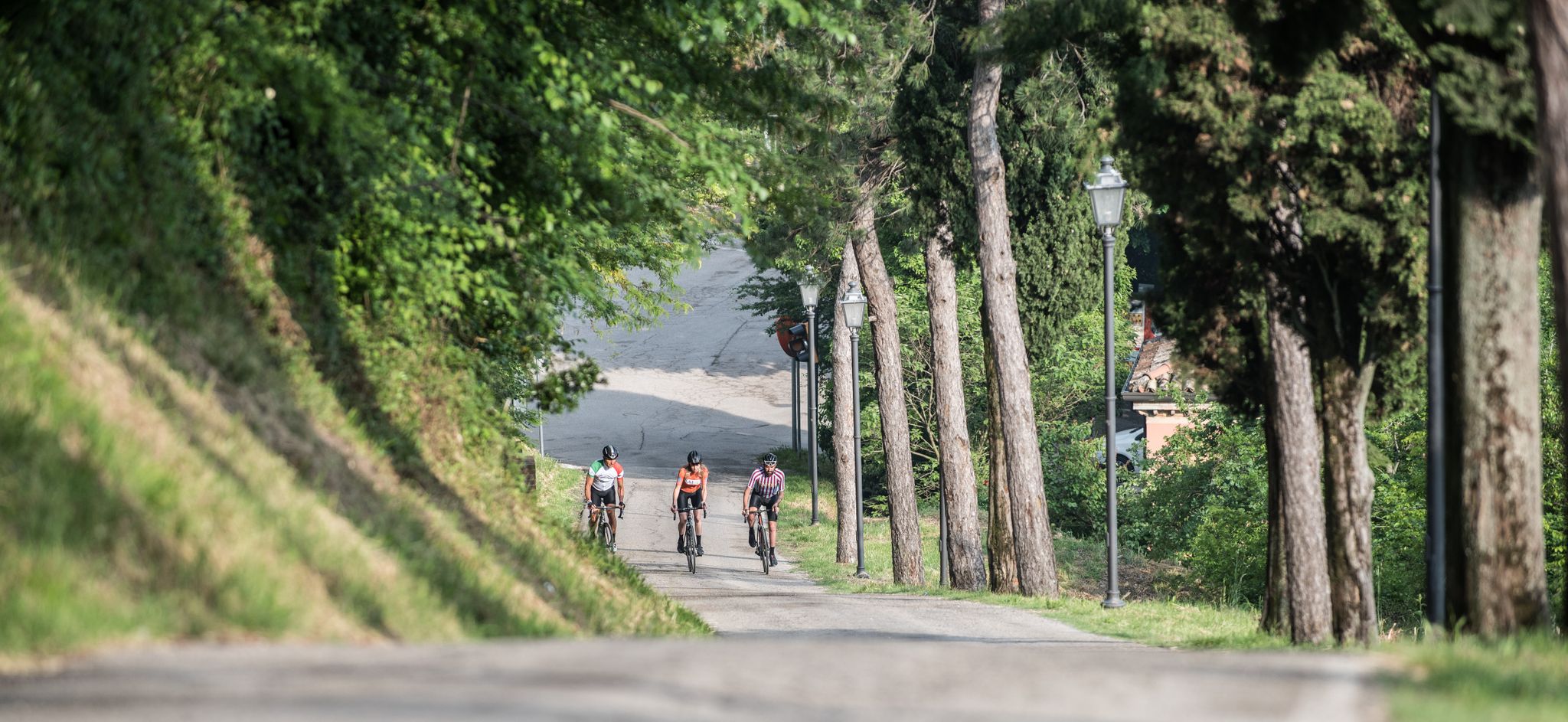
Enjoyment, culture and nature – cycling Tours in Italy’s Emilia Romagna region
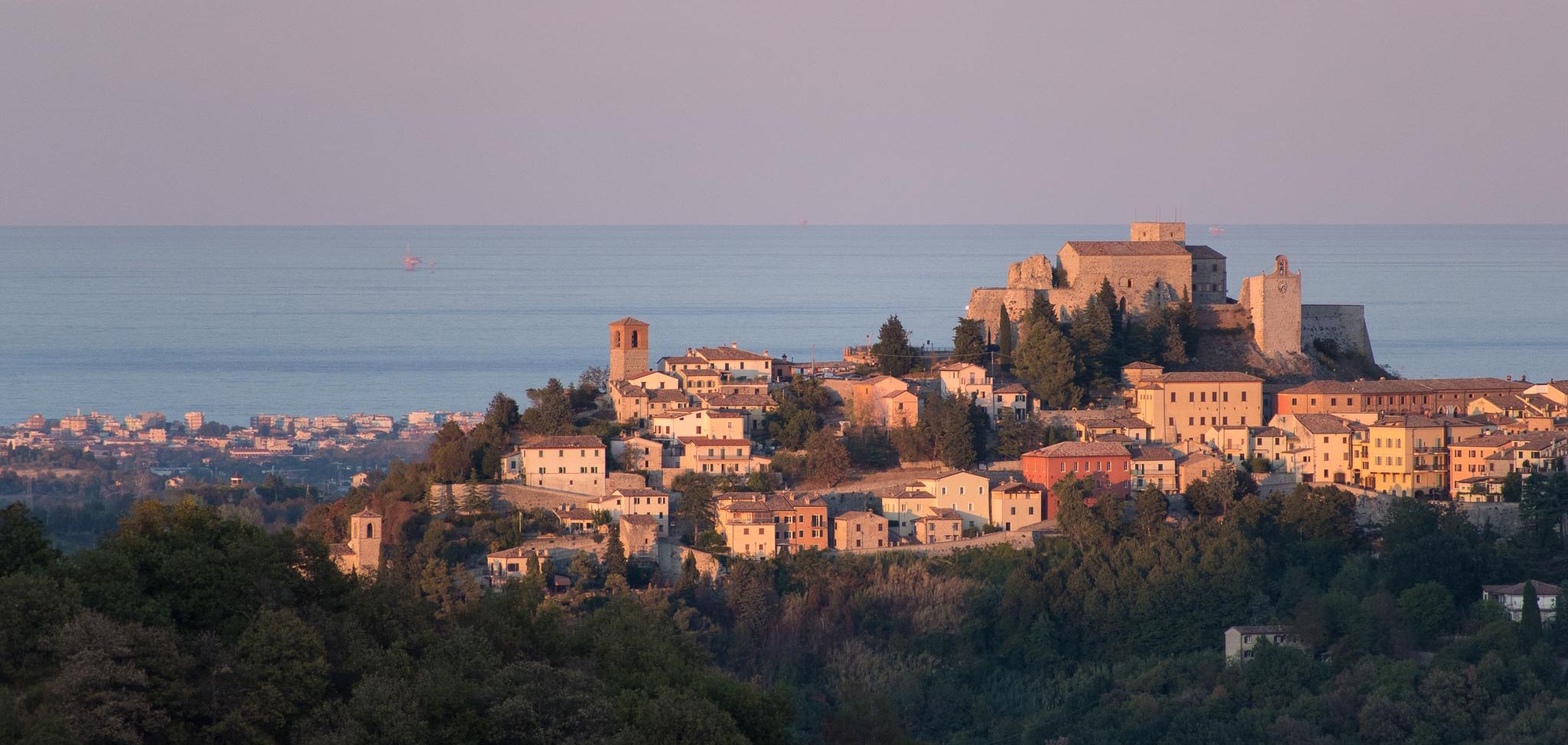
In the quiet backcountry of the Adriatic — cycling in Emilia Romagna
Other adventures in Rimini


Tips from the Community


In the eastern part of the Giove hill of Santarcangelo di Romagna, approximately 150 hypogea are excavated in the sandstone and clay, forming an underground route of approximately 5–6 km. Most date back to the medieval period, in which period they were used as warehouses and cellars for the conservation of Sangiovese (given that the temperature is constantly around 12 °C and the humidity 80-90%) and others, according to scholars, had more ancient origins, used in particular as early Christian caves and places of Roman or Byzantine worship. During the Second World War they were excellent refuges for the inhabitants of the city and, for this reason, they were all connected. taken from Wikipedia
0
0

The Onferno Caves are a karst complex of caves located in the chalk.
2
0
World War II shelters
0
0

This second part - for those descending from Monte Scudo - is equally interesting in particular because two refuges from the Second World War are clearly visible. Attention ⚠️ the first part of the path is covered by vegetation (at least during the summer when I walked it). There are so many joints that it's really hard to see where you're going. Follow the trail. The second part of the path after the caves is much cleaner probably because it is traveled from below from where there are signs for the provincial sp41 after Trarivi (near the church of Peace)
0
0
Interesting to see, it's not clear to me if they were military posts or for civilians. In shelter 2 there is stagnant water
2
0

Inside the Nature Reserve there is the Grotta di Onferno, 700 m long and 70 m deep, with a difference in height of about 70 m originating from some streams that descending from Monte Croce, reached the chalky cliff, begin an underground path, to resurface more Valley. The exploration of the cave took place in 1916 by Lodovico Quarina, who went up the cave from the resurgence to the sinkhole. Today's guided tours retrace this direction and allow you to admire the typical alabastrines of the chalky caves. Near the exit there are some rooms enlarged by collapse phenomena. In the Quarina Room the vault is animated by mamelons, curious conical structures among the most beautiful and largest in Europe that indicate the base of a layer of plaster. The cave houses the most important bat colony in the region, with eight different species. Since the summer of 1989, the cave has been open to the public, it is a sort of natural tunnel that is easy to access through the two entrances and just as easily walkable (thus unique in Emilia-Romagna). (Source: https://prolocogemmano.it/grottedionferno/)
4
0

For the visit to the caves bring stuff not to worry if it gets dirty. The passages are narrow and you crawl the rocks. But it is suggestive and worth it. Highly recommended
3
0
Frequently Asked Questions
What unique natural features can be found in Rimini's caves?
The Onferno Caves, located in the Valconca hills, are significant gypsum caves known for their complex karst structures and notable "mammelloni"—curious conical formations considered among the most beautiful and largest in Europe. The area also features gypsum outcrops, sinkholes, and gullies.
Are there historical caves to explore in Rimini?
Yes, Rimini offers several historical underground sites. The World War II Shelters (Rifugio 91) served as shelters during wartime, offering a glimpse into that period. Additionally, the Municipal Tuff Caves of Santarcangelo di Romagna are a network of hypogea with debated origins, used historically as cellars and potentially for ancient cultural or religious purposes.
Which caves in Rimini are home to significant wildlife?
The Onferno Caves are particularly notable for their biodiversity. They host the region's most important bat colony, with at least six to eight different species and over 8,000 individuals, making it a significant site for wildlife observation.
What is the best time of year to visit the caves near Rimini?
The caves can be visited throughout the year, but specific conditions might vary. For the Onferno Caves, guided tours are available, and the natural reserve offers a serene experience in any season. The Municipal Tuff Caves of Santarcangelo di Romagna maintain a consistent temperature of around 12°C and 80-90% humidity, making them a cool escape in summer and a sheltered option in colder months.
Are the caves in Rimini suitable for families with children?
Yes, both the Onferno Caves and the Municipal Tuff Caves of Santarcangelo di Romagna offer guided tours that can be engaging for families. The Onferno Caves provide an educational experience about geology and bats, while the Tuff Caves offer a historical exploration. It's advisable to check specific tour details and age recommendations directly with the cave operators.
What should I wear when visiting the caves?
When visiting caves like Onferno Caves, it's recommended to wear clothing that you don't mind getting dirty, as passages can be narrow and may require crawling over rocks. The internal temperature of caves is consistently cool, so a light jacket or long sleeves are advisable even in summer. Comfortable, sturdy shoes with good grip are essential for navigating uneven terrain.
Are there any nearby outdoor activities or routes to combine with a cave visit?
Yes, the Rimini area offers various outdoor activities. You can find waterfall hikes, road cycling routes, and gravel biking trails in the region. For example, the area around the Onferno Caves is part of a nature reserve, perfect for walks, and you can even get a view of San Marino from the cave exit.
How difficult are the cave explorations in Rimini?
The difficulty varies by cave. The Onferno Caves offer guided tours through an underground canyon, which is generally accessible but involves navigating natural cave terrain. Some passages can be narrow. The Municipal Tuff Caves of Santarcangelo di Romagna are man-made and typically involve walking through excavated chambers. For more challenging experiences, some historical sites like Refuge 1 (1944) Cave Entrance are rated as challenging due to overgrown paths.
Is parking available near the caves?
Parking availability varies by location. For the Onferno Caves, there is typically designated parking at the nature reserve visitor center. For the Municipal Tuff Caves of Santarcangelo di Romagna, parking would be available in Santarcangelo di Romagna town, often within walking distance of the accessible public cave entrance. It's always best to check specific directions and parking options before your visit.
Can I visit the caves using public transport?
While some areas near Rimini are accessible by public transport, direct routes to the more remote cave sites like the Onferno Caves might be limited. Santarcangelo di Romagna, where the Municipal Tuff Caves are located, is generally well-connected by local buses from Rimini. For precise public transport information, it's recommended to consult local transit schedules or tourist information centers.
Are dogs allowed in the caves or surrounding areas?
Policies regarding dogs vary. While the natural areas surrounding caves like Onferno might be dog-friendly for walks, access inside the caves themselves is typically restricted for pets due to safety and conservation reasons. It's best to confirm the specific pet policy with each cave attraction directly before planning your visit.
What is the historical significance of the Tuff Caves of Santarcangelo di Romagna?
The Municipal Tuff Caves of Santarcangelo di Romagna are a fascinating network of approximately 150 hypogea. While many were used as cellars and warehouses, particularly for storing Sangiovese wine due to their consistent temperature and humidity, some elaborate structures suggest possible ancient cultural or religious purposes, potentially dating back to early Christian or Roman/Byzantine times. They also served as refuges during World War II.
Are there any naturalistic museums or visitor centers near the caves?
Near the Onferno Caves, a naturalistic museum is housed in the former Pieve di Santa Colomba. This museum provides insights into the geology, flora, and fauna of the Oriented Nature Reserve of Onferno, enriching the understanding of the cave system and its surrounding environment.
Most popular routes in Rimini
Most popular attractions in Rimini

Get inspired with the komoot mobile app


Didn’t find what you were looking for?
Discover more caves in Rimini region by region:
Explore more
Extend your search for the best caves by checking out these guides of the top ones in Rimini:
