Top 5 Caves in Pisa
Best caves in Pisa. While the immediate vicinity of Pisa city features fewer large cave systems, the broader Tuscan region offers a range of impressive underground sites. These include geological wonders, historical locations, and thermal grottos. The area provides diverse experiences, from accessible natural caves to ancient tombs and former mining sites.
Best caves in Pisa
- The most popular caves is Spelonca Hermitage, a religious building that is an ancient settlement located near the border with the province of Pisa. This site features structures dug directly into the rock, including a cistern and base rooms for the hermitage.
- Another must-see spot is Fairies' Hole, a natural cave. Visitors can inspect this small cave on Monte Pisano without specialized speleological equipment, making it an accessible option.
- Visitors also love Pavone Mines, a historical site. This location offers a glimpse into the region's mining history and can be explored with a flashlight when open.
- Pisa is known for natural caves, historical sites, and former mining locations. The region offers a variety of underground experiences, from accessible natural formations to ancient Etruscan tombs and historical mines.
- The caves in Pisa are appreciated by the komoot community, with more than 30 upvotes and 6 photos shared by users.
Last updated: October 14, 2026
Necropoli del Portone Etruscan Tomb
Highlight • Historical Site
The Etruscan Volterra had probably already been conquered by Rome (298 BC), but its civilization and rites were still (and for a long time) around.
The graves were likely found in 1880, but the date is not certain.
The second grave also descends deep into the ground with a double staircase (dromos) ... certainly only partially original. If you go down the stairs, you come to a large, square anteroom from which four (small) burial chambers lead, each with docks for storing urns.
(Parking is not possible here, you should come on foot)
Translated by Google •
Tip by

Fairies' Hole
Highlight • Cave
Translated by Google •
Tip by

Sign up now to discover places like this
Get recommendations on the best single tracks, peaks, & plenty of other exciting outdoor places.
Pavone Mines
Highlight • Historical Site
Translated by Google •
Tip by

Etruscan Tombs of the Necropolis of Portone
Highlight • Historical Site
Etruscan Volterra had probably been conquered by Rome as early as 298 BC, but its civilization and rituals remained present for a long time.
The tombs were probably discovered in 1880, but the date is uncertain.
Translated by Google •
Tip by

Caves
Highlight • Cave
Showing Translation
Tip by

Start today with a free account
Your next adventure awaits.
Popular around Pisa
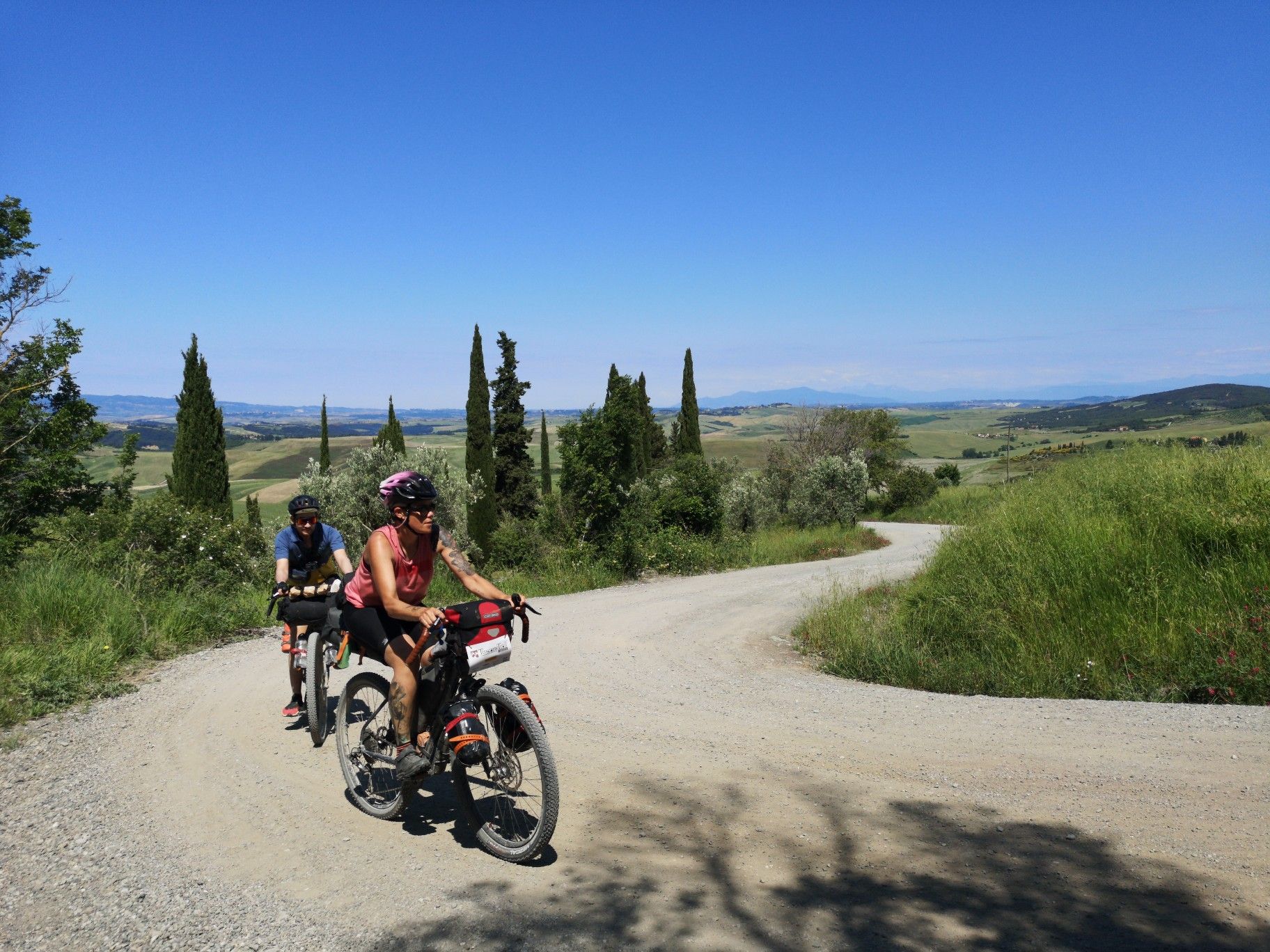
The Tuscany Trail – bikepacking in the heart of Italy
Naples to North Cape — Two friends, one purpose and many scoops of ice-cream
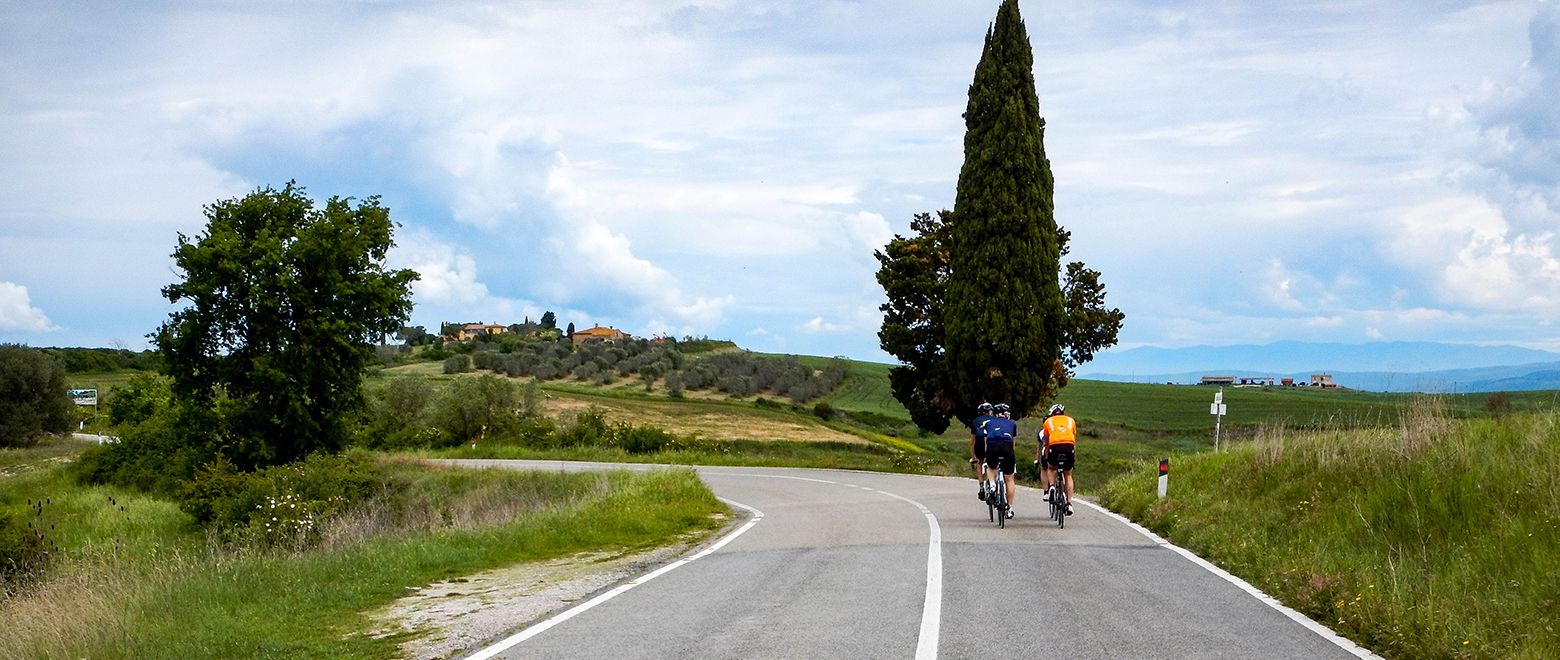
A heavenly week cycling in Tuscany
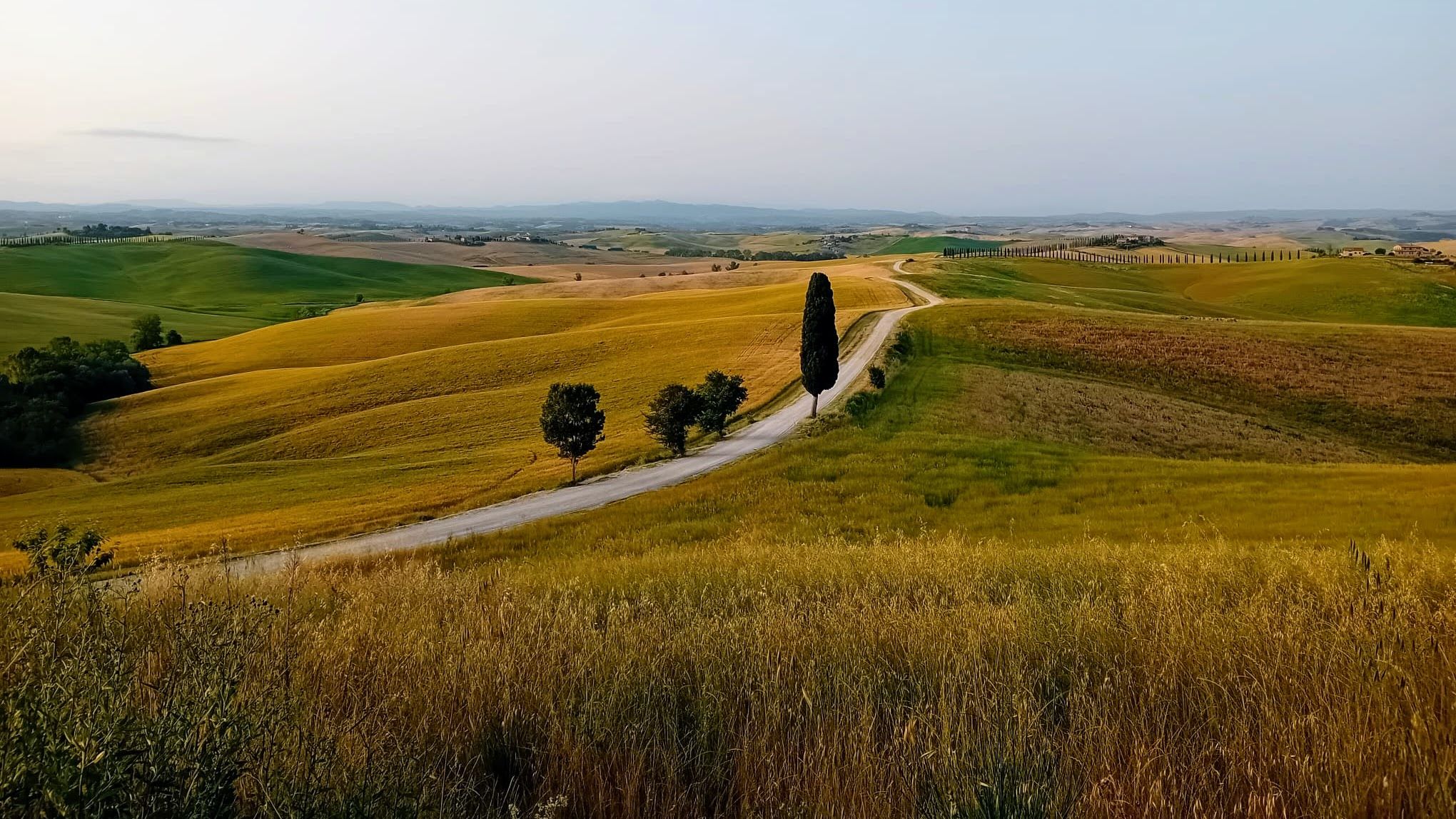
Tuscany by bike – history, cypresses and the Strade Bianche

Terre di Pisa Bike Trail – 500 km in the saddle in beautiful Tuscany
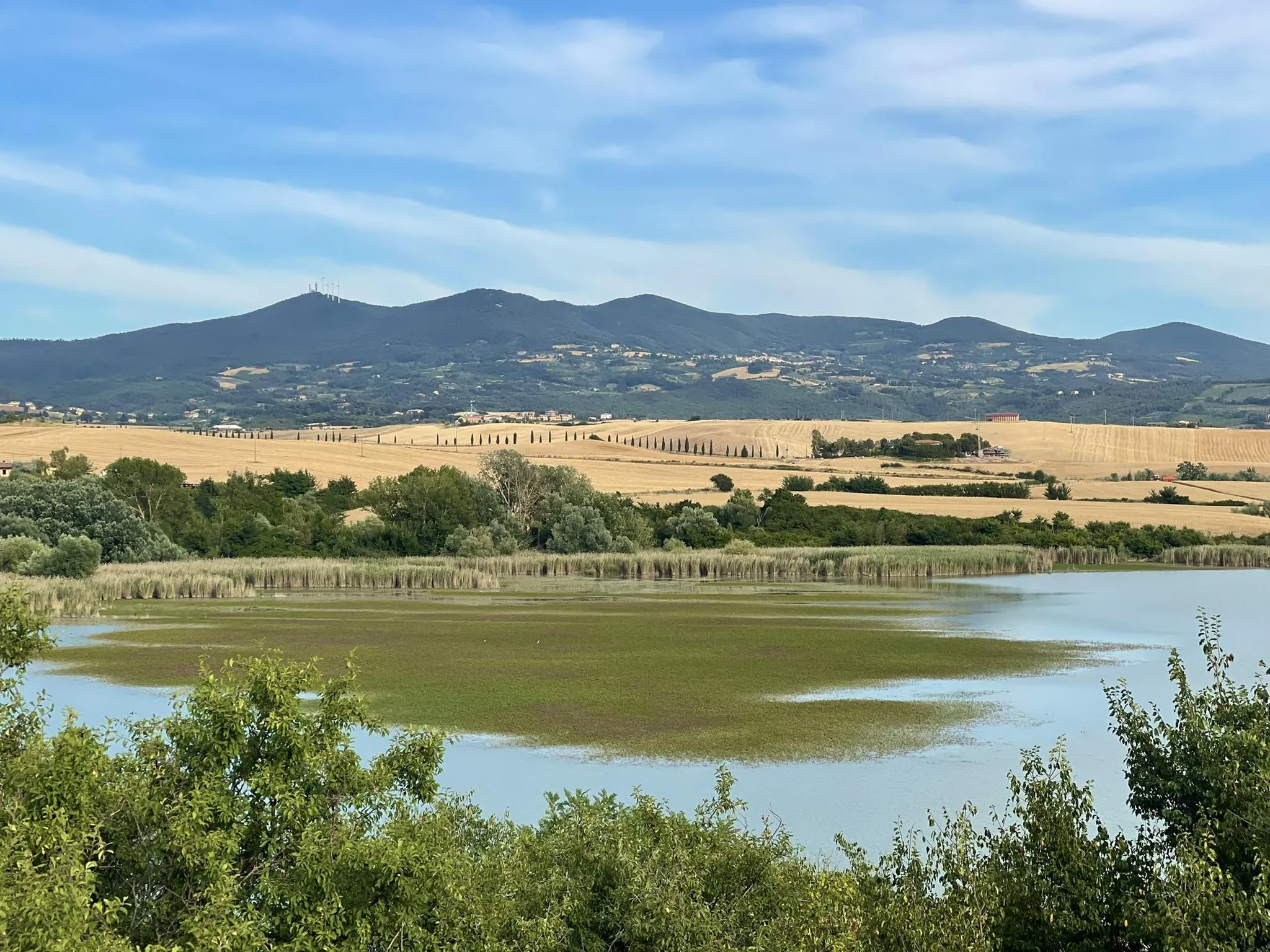
Bike touring between spas and villages – Santa Luce lake and Livorno hills
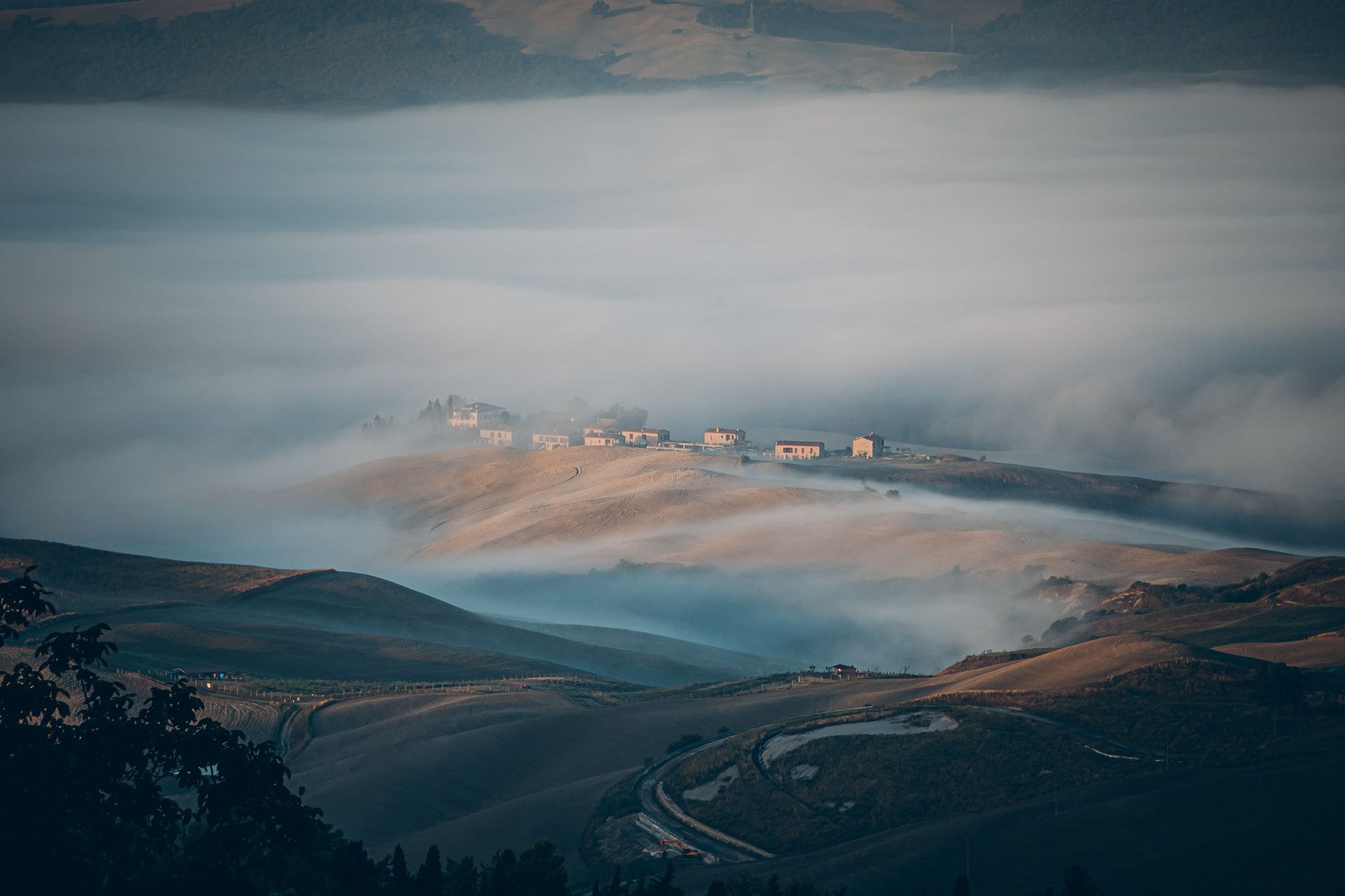
Between the Pisan hills and famous cliffs – Volterra and Valdicecina
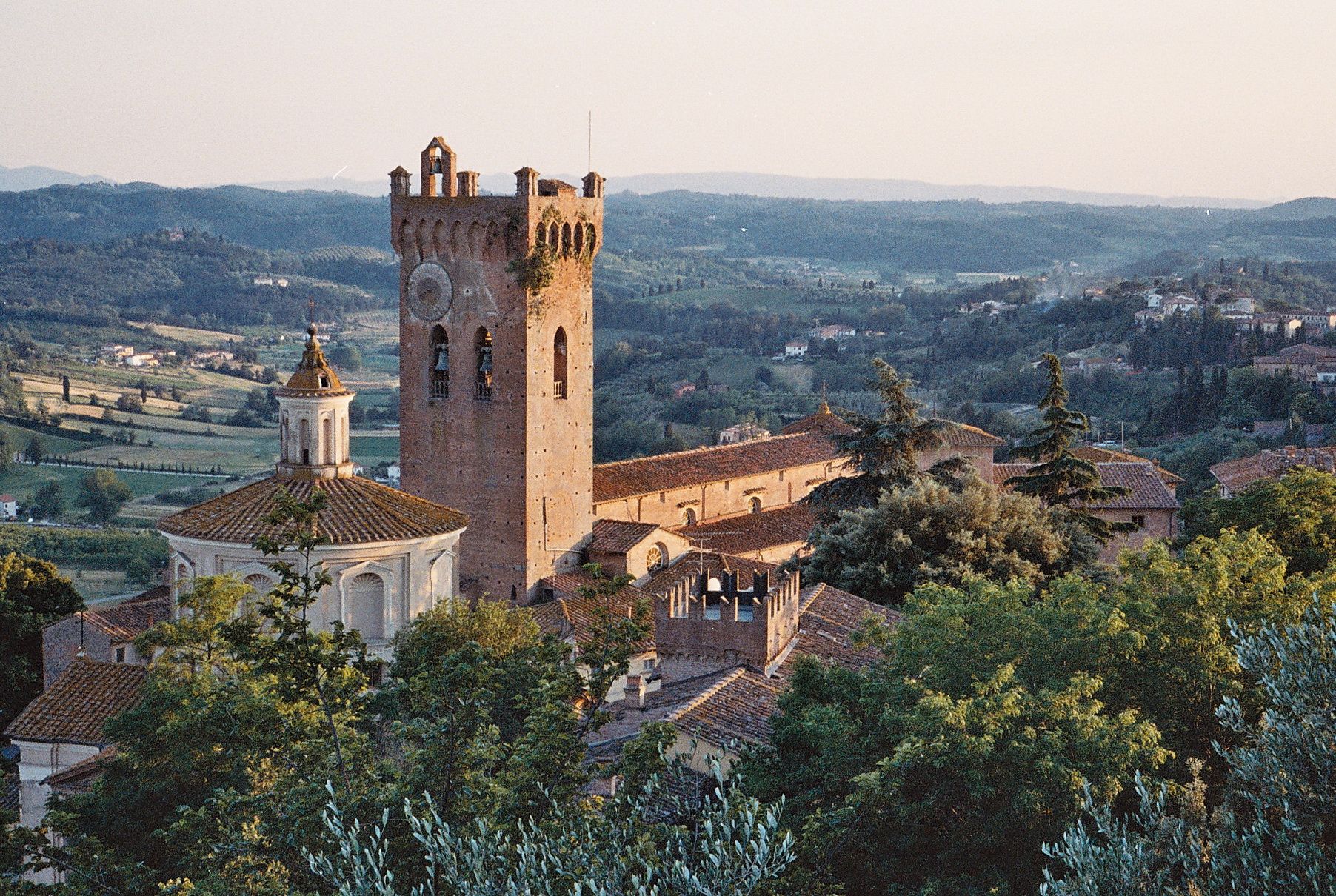
Discover the white truffle of San Miniato – cycling in Tuscany
A cycling pilgrimage — history and nature on Italy’s Via Francigena
Costellazione dei percorsi cicloturistici di Peccioli
Other adventures in Pisa


Tips from the Community

to see. nature's spectacle. you have to leave the bikes and go on foot. climb to the left to see them.
0
0

Two hypogeum tombs dating from the 3rd to 1st centuries BC are visible in this necropolis, which (possibly) belonged to the Calcina gens. Etruscan Volterra had probably been conquered by Rome as early as 298 BC, but its civilization and rituals remained present for a long time. The tombs were probably discovered in 1880, but the date is uncertain.
2
0

There are scorpions here! A real crypt, but it is illuminated. Located about 100m from the main street.
0
0

At the Cima della Sugheretta we will be able to visit the small cave of Buca delle Fate, one of the few that can be inspected on Monte Pisano without the aid of speleo equipment.
2
0

Very beautiful and evocative. It can be accessed by means of a rope present at the entrance.
3
0

One almost overlooks the small sign that points to this really old Etruscan burial site. A small path from the road along an olive grove, there is a small entrance. A few steps down, a small burial chamber with 4 graves unfolds. That was it already. Only worth it for those who are really interested in Etruscan history. None of the others miss anything here.
2
0

In this necropolis there are two hypogeum tombs from the III-I century BC. belonged (maybe) to the Gens Calcina. The Etruscan Volterra had probably already been conquered by Rome (298 BC), but its civilization and rites were still (and for a long time) around. The graves were likely found in 1880, but the date is not certain. The second grave also descends deep into the ground with a double staircase (dromos) ... certainly only partially original. If you go down the stairs, you come to a large, square anteroom from which four (small) burial chambers lead, each with docks for storing urns. (Parking is not possible here, you should come on foot)
7
0

Frequently Asked Questions
What types of underground sites can I explore in the Pisa region?
The Pisa region and its surroundings offer a diverse range of underground experiences. You can explore natural caves like the Fairies' Hole on Monte Pisano, historical sites such as the Necropoli del Portone Etruscan Tomb, and even former mining locations like the Pavone Mines. The broader Tuscan region also features impressive show caves and thermal grottos.
Are there any accessible caves near Pisa for beginners or families?
Yes, the Fairies' Hole on Monte Pisano is a small natural cave that can be inspected without specialized speleological equipment, making it a good option for beginners or families looking for a less strenuous experience. For a more equipped show cave experience, the Grotta del Vento in Garfagnana offers guided tours of varying lengths with built-in steps and lights, suitable for families.
What is the Grotta del Vento and what makes it worth visiting?
The Grotta del Vento (Wind Cave) in Garfagnana is one of Tuscany's most accessible and well-equipped show caves, known for its thousands of stalactites and stalagmites. It offers three guided tour itineraries (1, 2, or 3 hours) showcasing remarkable limestone concretions and an underground river. It's ideal for nature lovers and families, providing a chance to witness a fascinating underground world with guides available in multiple languages.
Can I visit historical underground sites in the Pisa area?
Absolutely. The Necropoli del Portone Etruscan Tomb near Volterra offers a glimpse into ancient Etruscan burial practices with hypogeum tombs dating from the 3rd to 1st centuries BC. Additionally, the Spelonca Hermitage, an ancient settlement near the border with Lucca province, features structures dug directly into the rock, including a cistern and base rooms.
What should I bring when exploring caves or underground sites near Pisa?
For sites like the Pavone Mines, a flashlight is essential for exploration. For natural caves like the Fairies' Hole, a rope is present at the entrance for assistance. Generally, comfortable shoes with good grip are recommended, and for deeper or less developed caves, consider appropriate gear and guidance.
Are there any thermal caves or wellness experiences near Pisa?
Yes, the Grotta Giusti in Monsummano Terme is famous for its natural thermal Turkish bath, described as the 'eighth wonder of the world.' It features three caverns with varying temperatures and offers therapeutic thermal pools, waterfalls, and a wellness center. Closer to Pisa, the Cave of the Grand Dukes at Bagni di Pisa provides a natural thermal steam bath for relaxation and rejuvenation.
What is the Antro del Corchia and where is it located?
The Antro del Corchia (Corchia Cave) is located in Versilia, within the Apuan Alps. It is part of the largest karst complex in Italy, boasting approximately 60 kilometers of tunnels and karst potholes. It offers an awe-inspiring experience of Tuscany's extensive caverns and is considered an 'authentic geological theater'.
What outdoor activities can I do near the caves in Pisa?
The region around Pisa offers various outdoor activities. You can find numerous routes for gravel biking, running, and cycling. For example, there are challenging running trails like the 'Climb to Monte Verruca' or cycling routes such as the 'Arno River Cycle Path: Pisa Loop'.
What is the best time of year to visit caves in the Pisa region?
Many caves, especially show caves like Grotta del Vento, maintain a constant temperature year-round (e.g., +10.7°C). This makes them a great destination regardless of the season. However, for exploring outdoor historical sites or less developed natural caves, spring and autumn offer pleasant weather for hiking and access, avoiding the summer heat or potential winter rain.
Are there any ancient mining sites to explore near Pisa?
Yes, the Pavone Mines offer a historical site where you can explore the region's mining past. Visitors are advised to bring a flashlight for exploration when the mine is open.
What is the Grotte Equi Terme?
The Grotte Equi Terme in Lunigiana is a 'Geo-Archeo-Adventure Park' that uniquely combines natural caves with archaeological interest. It provides an adventurous and educational experience, blending geological exploration with insights into ancient history.
What do visitors enjoy most about the underground sites in Pisa?
Visitors appreciate the diversity of experiences, from the natural beauty and geological formations of caves like the Fairies' Hole to the historical depth of sites such as the Necropoli del Portone Etruscan Tomb. The opportunity to explore ancient settlements like the Spelonca Hermitage and the historical context of the Pavone Mines also draws significant interest.
Most popular routes in Pisa
Most popular attractions in Pisa

Get inspired with the komoot mobile app


Didn’t find what you were looking for?
Discover more caves in Pisa region by region:
Explore more
Extend your search for the best caves by checking out these guides of the top ones in Pisa:
