Top 6 Castles in Ascoli Piceno
Castles in Ascoli Piceno offer a journey through history, set against a backdrop of diverse landscapes. The region, characterized by its strategic position between mountains and the Adriatic coast, features a rich array of ancient defensive structures. From medieval fortresses perched on rocky spurs to Renaissance military architecture, these sites provide insights into centuries of historical development. The area's terrain includes river valleys like the Tronto and elevated positions offering panoramic views.
Best castles in Ascoli Piceno
- The most popular…
Last updated: June 27, 2026
Acquaviva Picena Fortress
Highlight • Castle
This is a Medieval village that is worth a visit: the churches, the Fortress and the village itself, with all the old buildings and the narrow roads are really, really nice.
Tip by

Medieval Tower of Montadamo
Highlight • Castle
According to the eighteenth-century historian Marcucci, Montadamo was founded in 990 AD. by Adamo, bishop of Ascoli and Abbot of Farfa. Another hypothesis on the toponym …
Translated by Google •
Tip by

Sign up now to discover places like this
Get recommendations on the best single tracks, peaks, & plenty of other exciting outdoor places.
Sign up for free
Marano Castle
Highlight • Castle
Translated by Google •
Tip by

Pia Fortress
Highlight • Castle
Translated by Google •
Tip by

Castel di Luco
Highlight • Castle
Translated by Google •
Tip by
Castorano Historic Town Center
Highlight • Historical Site
Translated by Google •
Tip by

Belvedere Fountain at Grottammare Castle
Highlight • Rest Area
Translated by Google •
Tip by
Start today with a free account
Your next adventure awaits.
Login or Signup
Popular around Ascoli Piceno
Cycling the Marche – sea to the mountains, among villages and hills
The Apennine Cycleway (Part 2) - From Umbria to Calabria
Between history and nature – Grande Anello dei Borghi Ascolani
The Sibillini Mountains to Gran Sasso – the Great Apennine Crossing
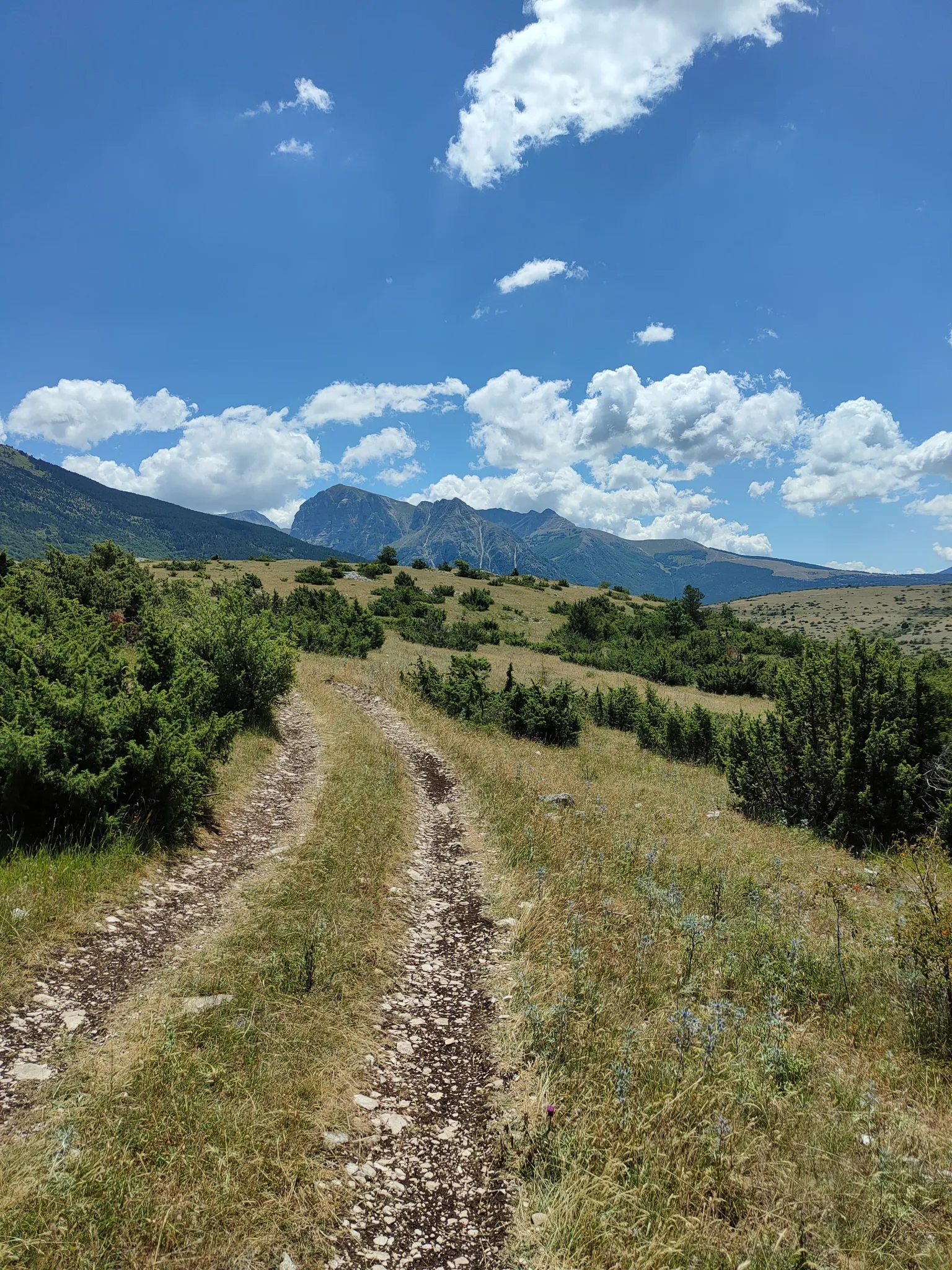
On the trail of the Queen of the Fairies – Grande Anello dei Sibillini
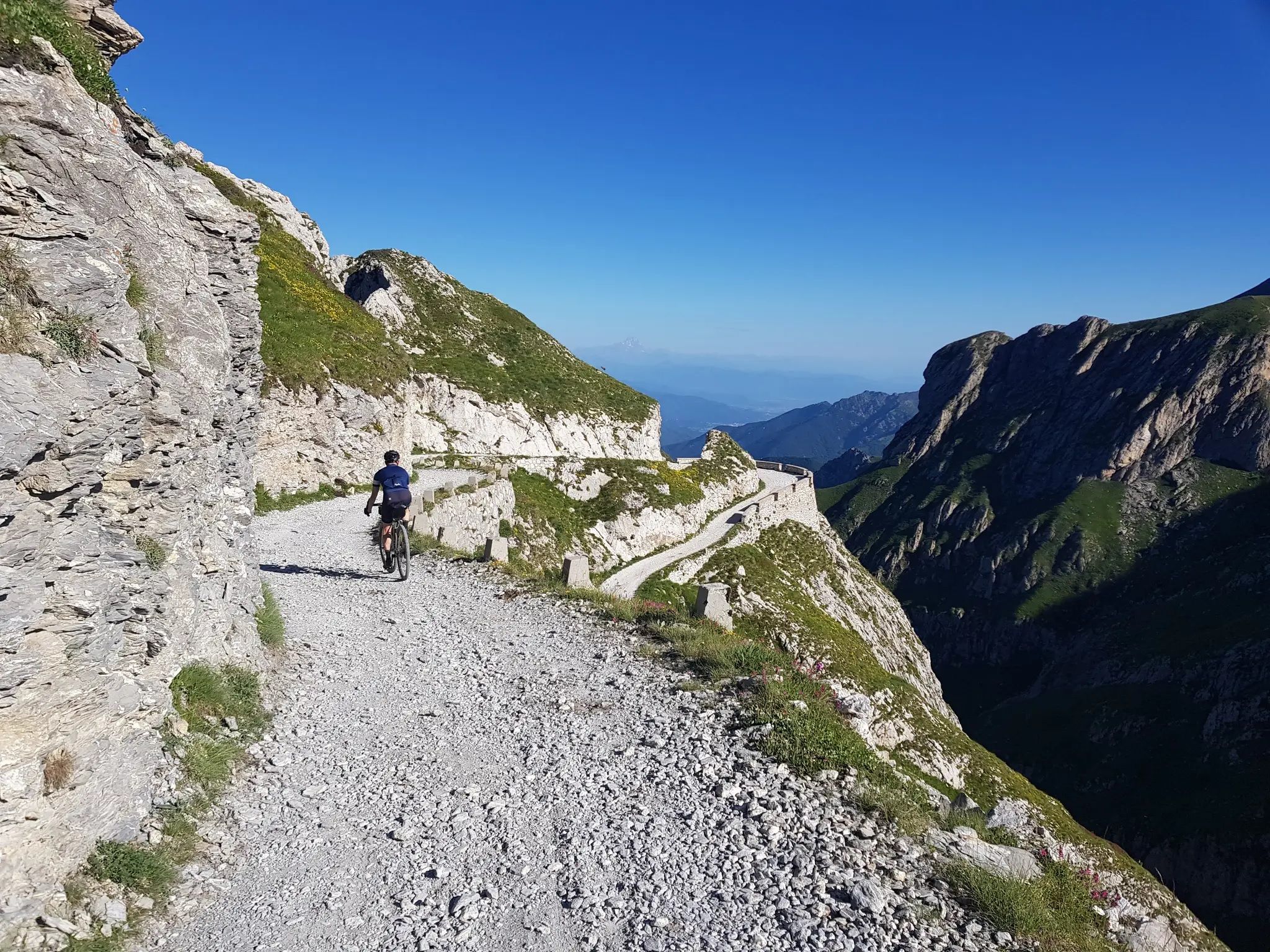
From the boot’s toe to the heel – the most beautiful cycling Tours in Italy
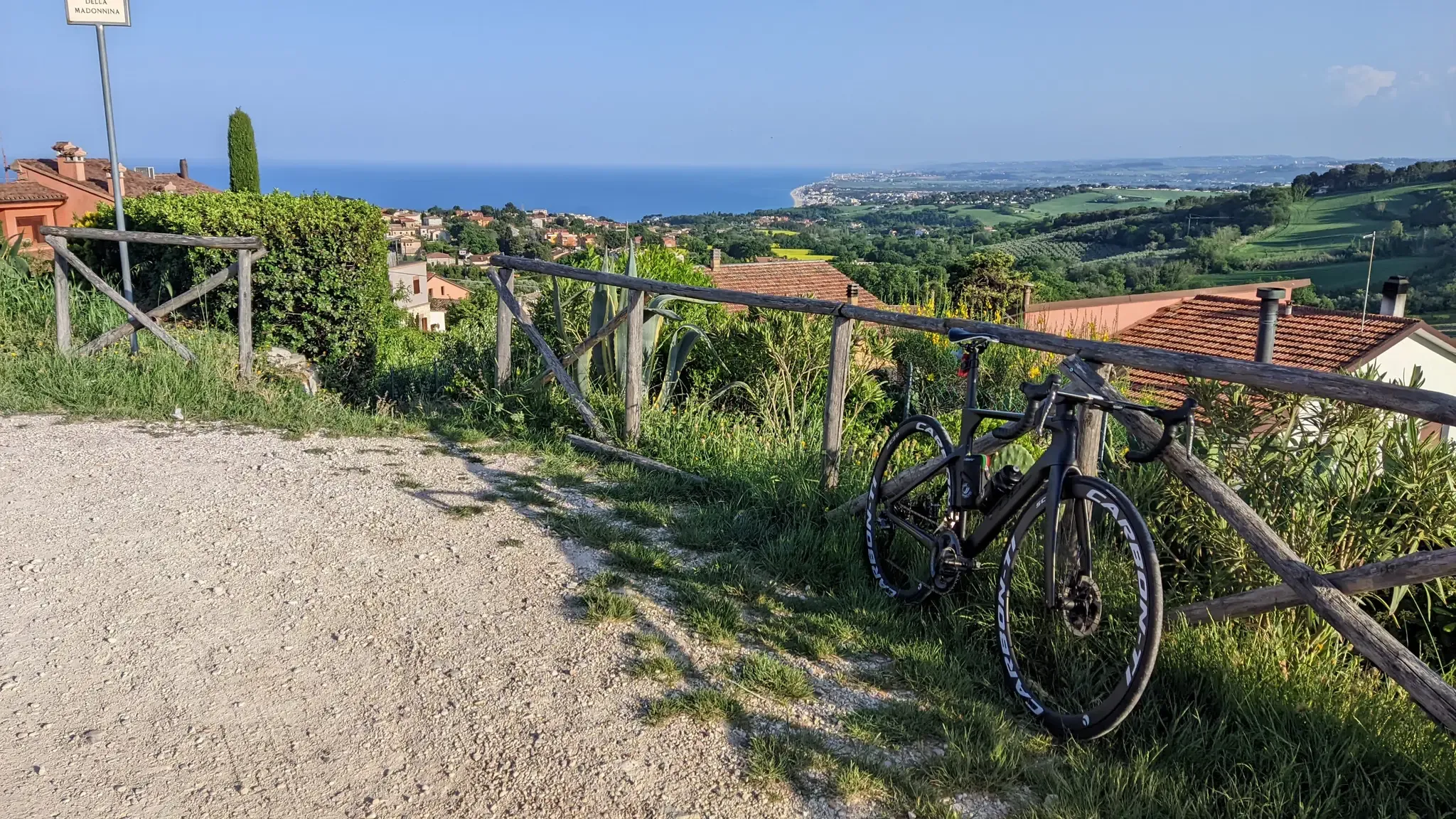
Between mountains and sea — road cycling in Italy’s Marche
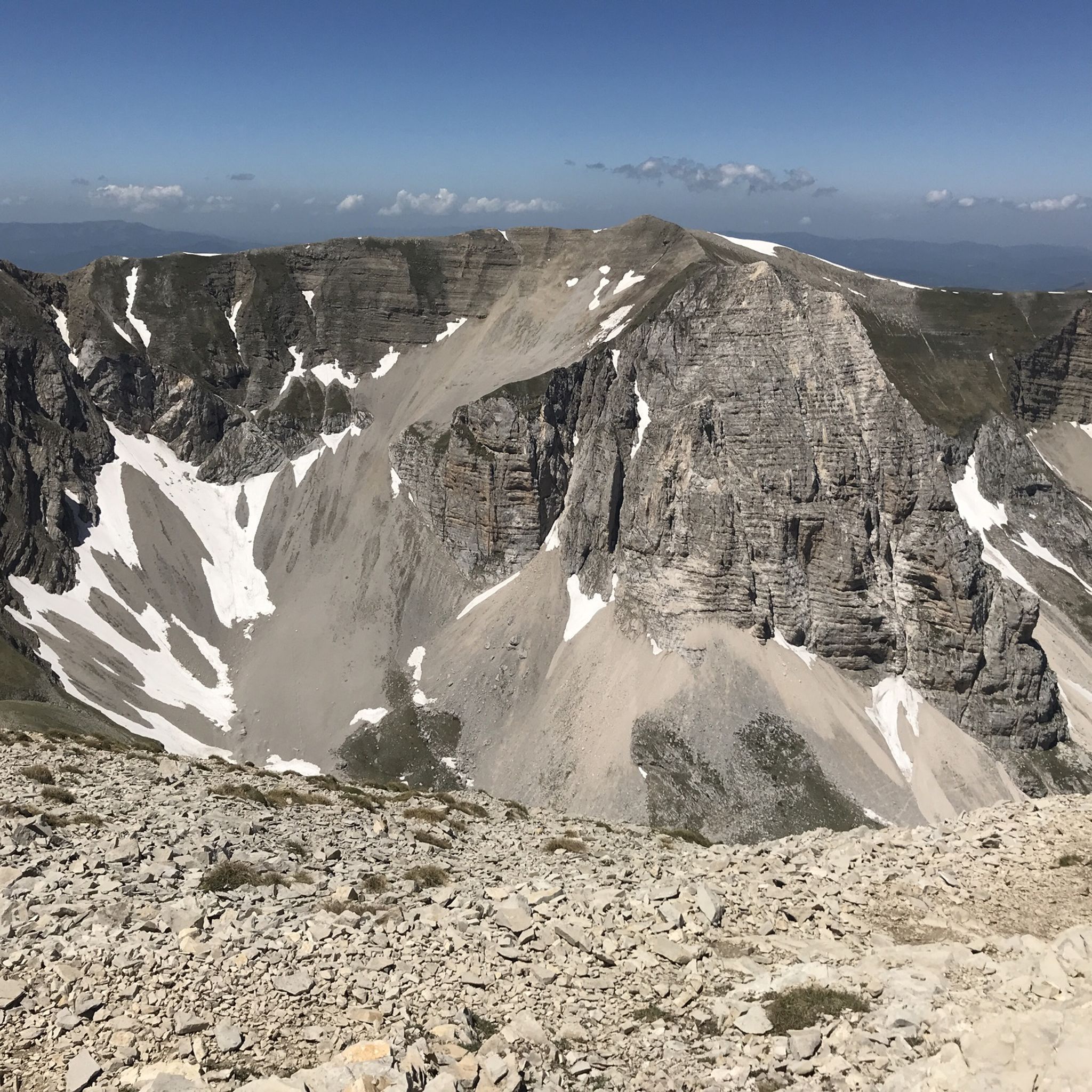
Hiking in Ascoli Piceno
MTB Trails in Ascoli Piceno
Cycling in Ascoli Piceno
Other adventures in Ascoli Piceno


Tips from the Community

The medieval village of Marano overlooks Cupra Marittima (also called Cupra Alta). The typical medieval features of fortified cities can still be found.
0
0

The main defensive structure of Ascoli is located on the eastern peak of the Pelasgian Hill, which dominates the plain below. The Annunziata Hill has been an important place for the defense of the area since pre-Roman times. The current fortress was built on the remains and according to the design of the ancient Cassero, built by the Piceni. The hill still bears the symbolic name of Monte Cassero. Over the centuries, the fortress has been rebuilt several times. It was destroyed and rebuilt by the conquerors and continued to dominate the city until the fall of the Roman Empire. In 1349, it was restored by Galeotto Malatesta, who, together with the Malatesta fortress, made it one of the cornerstones of the rule over the city. The fortress acquired its current appearance thanks to Pope Pius IV, who ordered its renovation in 1560. Renovation work was carried out over the following five or six years. The building was seriously neglected and was used as a quarry for the extraction of building materials. In 1857 it was bought by the municipality of Ascoli and donated to the Agricultural School, until it was moved to the new headquarters in the 19th century.
0
0
Castorano is a small town located on the hills of Tronto. Of medieval origin, you can still see the castle entrance gate of the village and parts of the walls, the crenellated tower and some churches. It also hosts a Museum of Arts and Crafts of peasant civilization.
0
0


Well-preserved and very panoramic medieval castle; the fountain is located near the viewpoint
0
0
Castle partially recovered, the village is little frequented, should be valued more
0
0
The castle overlooks the Adriatic coast in the Cupra Marittima area; only partially renovated, it needs a recovery policy that can fully exploit it
0
0
The village of Acquaviva Picena is characterized by the Rocca, a true masterpiece of Renaissance military architecture, whose first construction dates back to the 14th century by the nobles of the Acquaviva family. https://www.turismo.marche.it/Cosa-vedere/Localita/Acquaviva-Picena/5710
1
0
Frequently Asked Questions
What are some historically significant castles in the Ascoli Piceno region?
The Ascoli Piceno region is rich in history, featuring several significant castles. The Acquaviva Picena Fortress is a masterpiece of Renaissance military architecture. The Fortezza Pia, perched on Ascoli Piceno's highest point, has origins dating back to the 3rd century B.C. The Rocca di Arquata del Tronto, an imposing medieval fortress, was crucial for defending the Ascoli state's western borders. Castel Trosino is notable for its connection to the largest Lombard necropolis in Italy.
Which castles offer the best panoramic views in Ascoli Piceno?
Several castles in the region provide stunning panoramic views. The Acquaviva Picena Fortress offers a 360-degree vista from the sea to the Sibilline Mountains, and on clear days, even the Gran Sasso and Majella peaks. The Fortezza Pia, though currently not publicly accessible, provides strategic views of the surrounding area. Marano Castle also offers views overlooking the Adriatic coast.
Are there any castles with unique archaeological significance?
Yes, Castel Trosino is particularly significant for its archaeological findings. It is connected to the largest Lombard necropolis in Italy, discovered in the 19th century. This site yielded numerous artifacts, including grave goods, weapons, and jewelry, providing valuable insights into Lombard history.
What kind of architecture can I expect to see in the castles of Ascoli Piceno?
The castles in Ascoli Piceno showcase a range of architectural styles reflecting different historical periods. You'll find medieval fortresses like the Rocca di Arquata del Tronto, built from arenaceous stone with Ghibelline crenellations. The Acquaviva Picena Fortress is a prime example of Renaissance military architecture with an irregular quadrilateral plan and towers of varying sizes. Other sites, like the Medieval Tower of Montadamo, represent earlier defensive structures.
Are there family-friendly castles to visit in Ascoli Piceno?
Yes, the Acquaviva Picena Fortress is categorized as family-friendly. It houses a multimedia museum that reconstructs its history with 3D films and high-resolution photos, along with a Museum of Ancient Weapons, which can be engaging for children and adults alike. It also hosts cultural events and historical re-enactments.
What is the best time of year to visit the castles in Ascoli Piceno?
The spring and autumn months generally offer the most pleasant weather for exploring the castles and the surrounding region. Temperatures are mild, and the landscapes are vibrant. Summer can be warm, but many castles offer shade and indoor exhibits. Winter visits are possible, but some outdoor areas might be less accessible, and opening hours could be reduced.
How long should I plan for a visit to a castle?
The duration of a visit can vary depending on the castle. For a site like the Acquaviva Picena Fortress, with its multimedia museum and panoramic views, you might want to allocate 1.5 to 2 hours. Smaller sites or those primarily offering exterior views might take less time, around 30 minutes to an hour. Consider additional time if you plan to explore the surrounding villages or trails.
Are there dining options or amenities near the castles?
Many castles are located within or near historic towns and villages, such as Acquaviva Picena, Arquata del Tronto, and Castel Trosino. These areas typically offer local restaurants, cafes, and other amenities where visitors can enjoy traditional cuisine and find refreshments. It's advisable to check specific village offerings when planning your trip.
What outdoor activities can I do near the castles in Ascoli Piceno?
The region around Ascoli Piceno's castles offers diverse outdoor activities. You can find numerous hiking opportunities, including waterfall hikes like the Umito to Volpara Waterfalls Trail or the Petrienno Cave and Agore Waterfall Loop. For cyclists, there are road cycling routes such as the Rotella and Capradosso loop or the Lake Gerosa Loop. Explore more options on our guides for Waterfall hikes in Ascoli Piceno, Hiking in Ascoli Piceno, and Road Cycling Routes in Ascoli Piceno.
Are there hiking trails near the castles?
Yes, the natural park surrounding the Rocca di Arquata del Tronto features trails for exploration. Additionally, the broader Ascoli Piceno region offers various hiking opportunities. You can find trails ranging from easy to difficult, including routes like Monte Vettore from Forca di Presta Trail or the Monte Sibilla Loop. For detailed hiking routes, refer to our Hiking in Ascoli Piceno guide.
What do visitors appreciate most about the castles in Ascoli Piceno?
Visitors frequently praise the historical atmosphere, the well-preserved architecture, and the breathtaking panoramic views offered by many of the castles. The charm of the medieval villages surrounding these fortresses, like Acquaviva Picena and Castel Trosino, is also highly appreciated. The opportunity to delve into centuries of history and enjoy the scenic landscapes makes for a memorable experience.
Can I visit castles that are less crowded in the Ascoli Piceno region?
While popular sites like the Acquaviva Picena Fortress attract visitors, some castles or their surrounding villages might be less frequented, especially during off-peak seasons or weekdays. Castel Trosino, for example, is often described as a hidden gem. Exploring smaller, partially recovered sites like Marano Castle or the Medieval Tower of Montadamo can also offer a more tranquil experience.
Most popular routes in Ascoli Piceno
Most popular attractions in Ascoli Piceno

Get inspired with the komoot mobile app


Didn’t find what you were looking for?
Explore Ascoli Piceno’s best castles region by region:
Explore more
Looking for the best castles somewhere else? Discover other guides in Ascoli Piceno:
