Top 20 Caves in Viterbo
Best caves in Viterbo are found within a region characterized by its volcanic landscape and rich history. The area features a blend of natural geological formations and ancient human-engineered subterranean passages. These underground sites offer insights into Etruscan and medieval civilizations, showcasing how the soft tuff rock was utilized for various purposes. Viterbo's underground world provides a unique perspective on the region's past.
Best caves in Viterbo
- The most popular caves is Sutri Etruscan Necropolis, a historical site that…
Last updated: October 14, 2026
Historic village of Civita di Bagnoregio
Highlight • Historical Site
Translated by Google •
Tip by

Devil’s Well Cave (Monte Venere)
Highlight • Cave
It is a mountain of volcanic origin that reaches a height of 835 m asl.
Translated by Google •
Tip by

Sign up now to discover places like this
Get recommendations on the best single tracks, peaks, & plenty of other exciting outdoor places.
Poggio Conte Hermitage
Highlight • Religious Site
Tip by

Church of Madonna del Parto (Mithraeum of Sutri)
Highlight • Religious Site
Translated by Google •
Tip by

Vie Cave of Corchiano
Highlight • Natural Monument
Translated by Google •
Tip by
Tomb of the Stag (Tomba del Cervo)
Highlight • Historical Site
Translated by Google •
Tip by
Sutri Etruscan Necropolis
Highlight • Historical Site
They are a testimony of the past and it is possible to visit them following a well-signposted archaeological route
Translated by Google •
Tip by

Cave and Stream Crossing in the Forest
Highlight • Cave
Translated by Google •
Tip by

Etruscan Necropolis of Centocamere
Highlight • Historical Site
Translated by Google •
Tip by

The Cavoni of Nepi
Highlight • Gorge
Translated by Google •
Tip by
Sign up for free to discover even more caves in Viterbo.
Already have an account?
Start today with a free account
Your next adventure awaits.
Popular around Viterbo
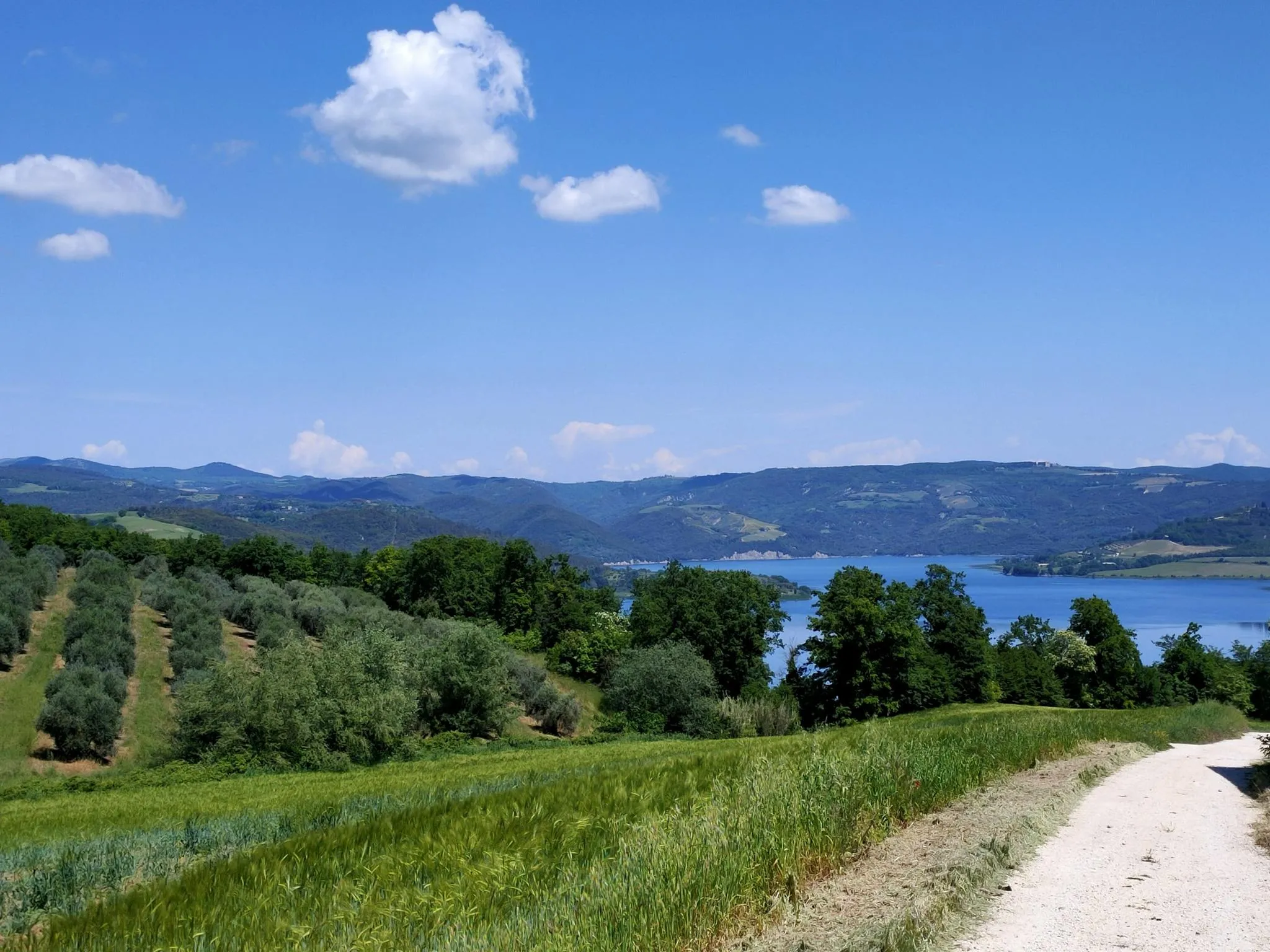
Italian Coast2Coast – From Portonovo to Orbetello
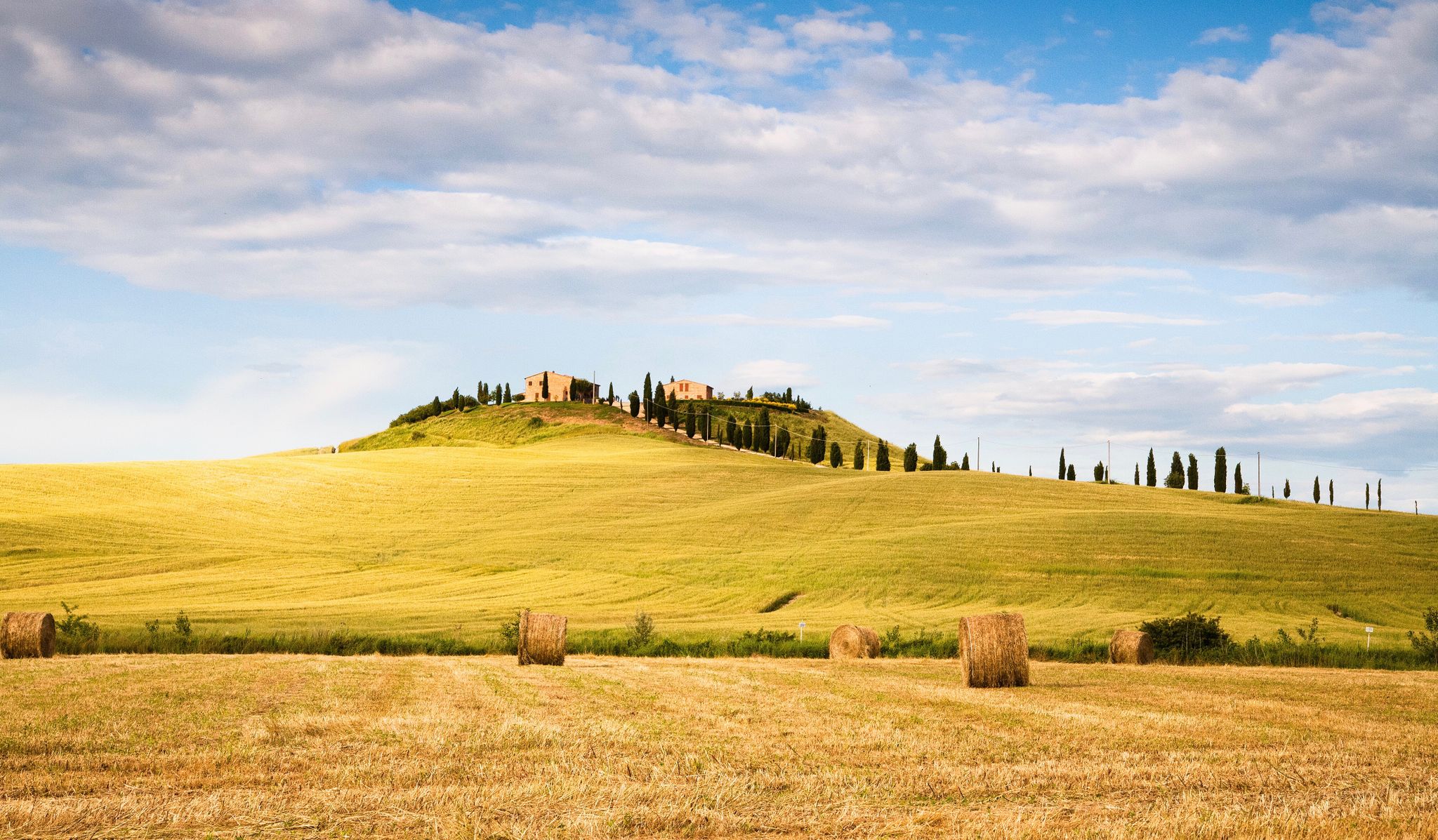
Via Francigena South — Siena to Rome
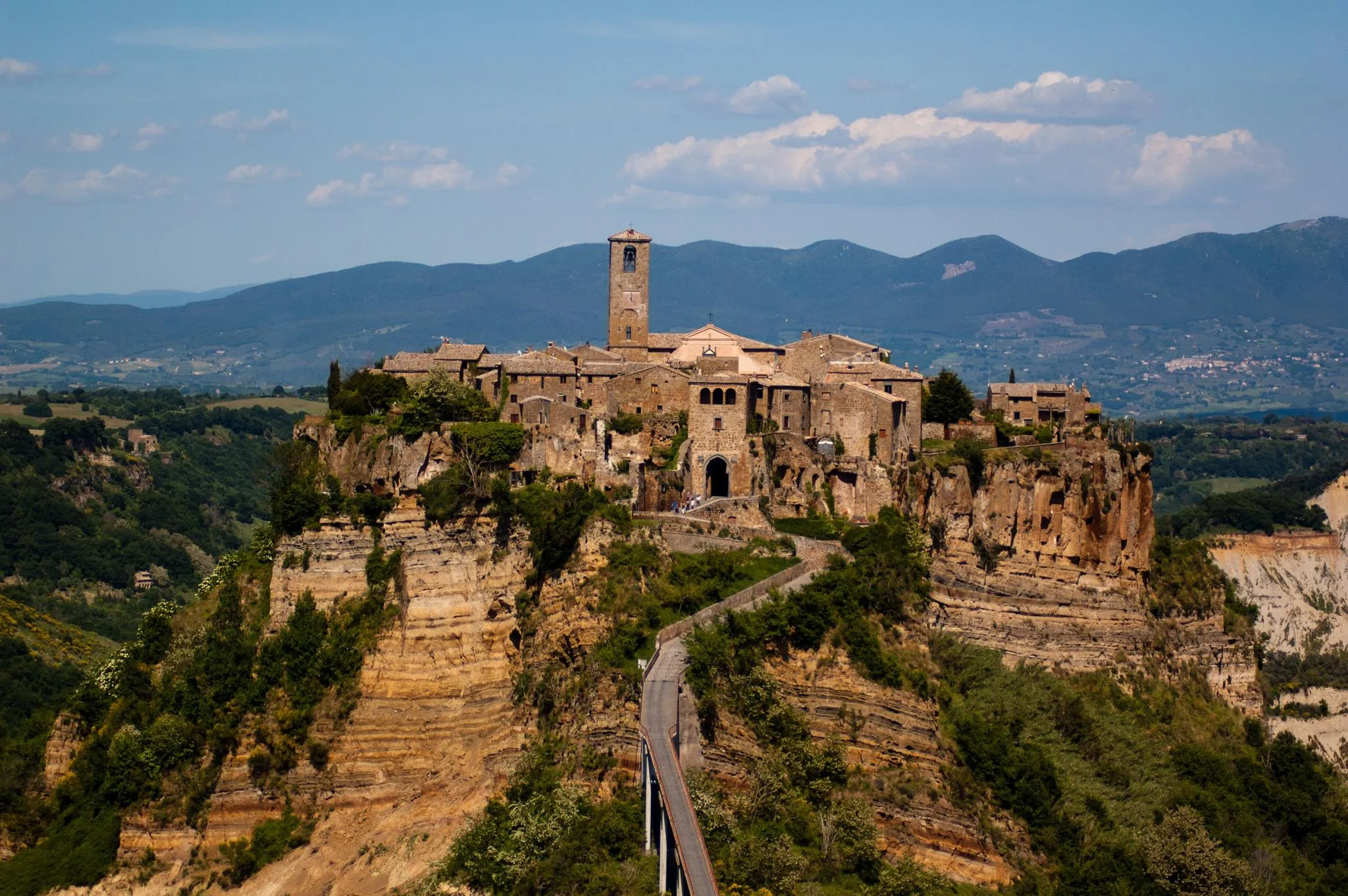
Lazio by bike – suspended villages, turquoise waters and natural parks
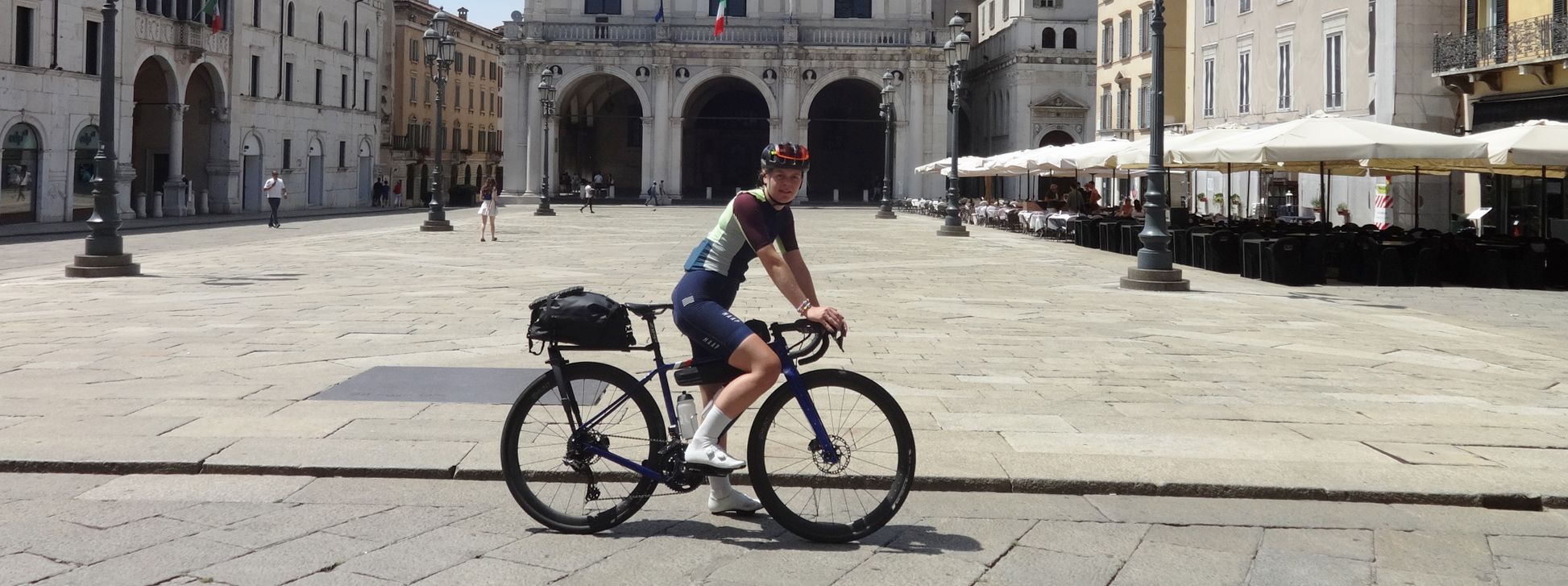
The Pizza Pilgrimage – Milan to Naples, fuelled by pizza
A Grand Tour of Italy – Rome to Milan by bike
Ancient paths and necropolises – the Via Clodia by bike
Cycling from the source to the mouth of the Tiber — the Regina Ciclarum
A cycling pilgrimage — history and nature on Italy’s Via Francigena
Italy’s Coast to Coast – pedalling from the Adriatic to Tyrrhenian Sea
Hiking in Viterbo
Other adventures in Viterbo


Tips from the Community

A place worth a visit
1
0

Following this path, just before reaching the devil's well, it is not clear where to go, the path disappears and also the white and red signs. We had to go a bit by intuition and take a very steep climb in the woods to get there. Once we reach the well, the path continues easily until the end.
0
1

It can be reached after a walk (also accessible by bike) along a path that runs alongside the Fiora River; the last stretch is accessible only on foot. Impressive.
0
0

Very beautiful and worth seeing.
1
0

Be careful not to lean out!
0
0

Walking along via S. Egidio, you will find the beginning of this short but very suggestive path inside a "via cava" (roads dug through the tuff that connected the bottom of the valley with the territories above and, in other areas, were also used to drain excess water from agricultural land). This via cava is full of caves dug directly into the tuff, probably used as stables or cellars to store wine or food.
0
0

The beautiful Sutri
1
0

Civita di Bagnoregio is a magical, surreal, fantastic place, located on the top of a tuff hill and reachable only through a narrow pedestrian bridge from which you can enjoy one of the most spectacular views of all of Lazio. Nicknamed the dying city, due to the constant erosion of the tuff rocks on which it is located, this citadel halfway between Orvieto and Lake Bolsena has Etruscan and medieval origins.
2
0
Frequently Asked Questions
What types of underground sites can I explore in the Viterbo region?
The Viterbo region offers a diverse range of underground experiences. You can explore ancient Etruscan necropolises with carved tombs, such as the Sutri Etruscan Necropolis, and impressive sunken roads known as Vie Cave. The city of Viterbo itself features an extensive network of medieval tunnels and passages known as Viterbo Underground, carved into the volcanic tuff rock beneath the city.
Are there natural caves or grottoes in the Viterbo area?
Yes, while many underground sites are man-made, the region also has natural grottoes. For instance, the Devil’s Well Cave (Monte Venere) is a notable natural cave located on a volcanic mountain, known for its large entrance and as a shelter for bats. You can also find a Cave and Stream Crossing in the Forest, offering a more natural exploration.
What is the historical significance of Viterbo's underground passages?
Viterbo's underground passages, particularly the Viterbo Underground, have a rich history spanning over 2500 years. They are believed to have Etruscan origins, possibly as hydraulic systems, and were expanded in medieval times to serve as secret paths and escape routes. More recently, they were used as air-raid shelters during World War II. The Etruscan Vie Cave also hold significant historical value, connecting ancient settlements and necropolises.
Are there family-friendly options for exploring caves in Viterbo?
Many of the historical and archaeological sites, such as the Sutri Etruscan Necropolis and the Viterbo Underground tours, are generally suitable for families. Walking through the ancient Vie Cave can also be an engaging experience for children, offering a unique connection to history. Always check specific site accessibility and tour recommendations for younger visitors.
What are the famous Etruscan sunken roads (Vie Cave) in the Viterbo region?
The Viterbo region, part of the broader Tuscia area, features impressive Etruscan sunken roads, or Vie Cave. These are ancient routes deeply carved into volcanic rock, with towering walls that can reach up to 25 meters. A notable example is the Vie Cave of Corchiano. While some of the most famous are in southern Tuscany, the Viterbo area offers its own remarkable examples, providing a profound connection to the Etruscan civilization.
Can I visit ancient tombs or necropolises in Viterbo?
Yes, Viterbo is renowned for its Etruscan necropolises. Besides the Sutri Etruscan Necropolis, you can explore sites like the Tomb of the Stag (Tomba del Cervo) within the necropolis of San Giuliano, known for its monumental dimensions and ancient relief. The Etruscan Necropolis of Centocamere also offers a glimpse into these ancient burial practices.
What outdoor activities can I combine with a visit to Viterbo's caves?
The Viterbo region is excellent for outdoor activities. You can find numerous routes for gravel biking, road cycling, and general cycling. For example, there are gravel biking routes like the 'Farnesiana Church – Civitella Cesi loop' or road cycling tours around Lake Bolsena. You can explore these and other routes on the Gravel biking in Viterbo, Road Cycling Routes in Viterbo, and Cycling in Viterbo guide pages.
Is there a 'Grotta del Gigante' in the Viterbo area?
While a very large 'Grotta Gigante' exists near Trieste, there is also a 'Grotta del Gigante' in the Viterbo province, near Civita Castellana. This site is associated with the Eremo di San Selmo and features ancient human activity within excavated rock formations, offering archaeological and historical interest rather than a large natural spelunking experience.
Are there any unique historical or religious sites integrated with caves in Viterbo?
Yes, several sites blend history, religion, and cave formations. The Poggio Conte Hermitage, for example, is a historical site with ancient origins, including Etruscan chamber tombs and a hermitage carved into the rock. Another is the Church of Madonna del Parto (Mithraeum of Sutri), which incorporates cave structures into its religious and historical significance.
What is the best time of year to visit Viterbo's underground sites?
The underground sites in Viterbo, such as the Viterbo Underground and Etruscan tombs, maintain a relatively stable temperature year-round, making them accessible in most seasons. However, for exploring outdoor sites like the Vie Cave or combining your visit with hiking, spring and autumn offer pleasant weather conditions, avoiding the summer heat and potential winter chill.
What should I wear when exploring Viterbo's caves and underground areas?
When visiting Viterbo's underground sites, it's advisable to wear comfortable walking shoes, as paths can be uneven. Even in summer, the temperature underground can be cooler, so bringing a light jacket or sweater is recommended. For outdoor Etruscan sites or Vie Cave, dress in layers and be prepared for varying terrain.
Are there any other notable historical sites with cave features near Viterbo?
Beyond the main sites, you can also visit the Historic village of Civita di Bagnoregio. This 'dying city' is perched on a tufa spur and features Etruscan and Roman remains, including some cave dwellings, offering a unique historical and geological experience.
Where can I find information about tours for Viterbo Underground?
Guided tours for Viterbo Underground are typically available in both English and Italian. You can find more information and book tickets through official channels, such as Visit Italy.
Most popular routes in Viterbo
Most popular attractions in Viterbo

Get inspired with the komoot mobile app


Didn’t find what you were looking for?
Discover more caves in Viterbo region by region:
Explore more
Extend your search for the best caves by checking out these guides of the top ones in Viterbo:
