Top 6 Caves in Rieti
Best caves in Rieti are often associated with historical and spiritual sites, offering a unique blend of natural formations and ancient human presence. The region features several underground attractions, including hermitages carved into rock and historical subterranean structures. These sites provide insight into both geological features and centuries of cultural heritage. Visitors can explore a variety of underground environments, from natural grottoes to ancient Roman engineering.
Best caves in Rieti
- The most popular caves is Hermitage of San Leonardo,…
Last updated: June 27, 2026
San Michele Cave
Highlight • Cave
Translated by Google •
Tip by

Hermitage of San Leonardo
Highlight • Religious Site
It is a real jewel in the mountains, the work of a follower of …
Translated by Google •
Tip by

Sign up now to discover places like this
Get recommendations on the best single tracks, peaks, & plenty of other exciting outdoor places.
Sign up for free
Sacro Speco of Saint Francis
Highlight • Religious Site
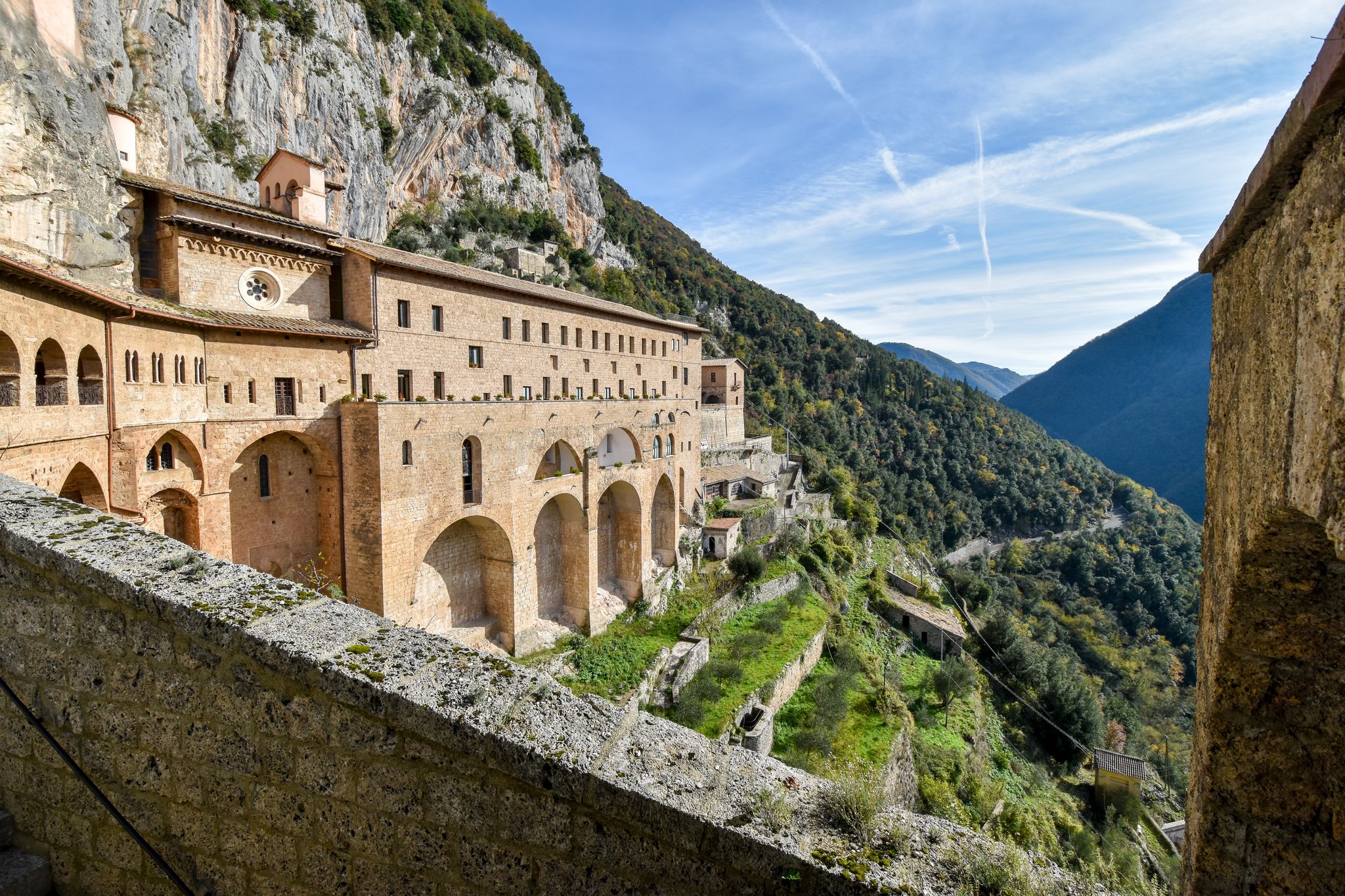
The Sacro Speco is a truly suggestive place nestled between the rocks.
Translated by Google •
Tip by
Nice single trail
Highlight (Segment) • Trail
Tip by

Church of Maria Santissima delle Grotte
Highlight • Religious Site
Translated by Google •
Tip by

Cave of Saint Michael the Archangel
Highlight • Religious Site
Translated by Google •
Tip by

Eremo di San Michele Arcangelo
Highlight • Religious Site
Translated by Google •
Tip by

Start today with a free account
Your next adventure awaits.
Login or Signup
Popular around Rieti
The Apennine Cycleway (Part 2) - From Umbria to Calabria
All roads lead to Rome – Romea Tiberina Cycleway
Ride St Francis Way in Italy – Via del Sud pilgrimage
Natural Park Walk – part 4 from Accumoli to L'Aquila
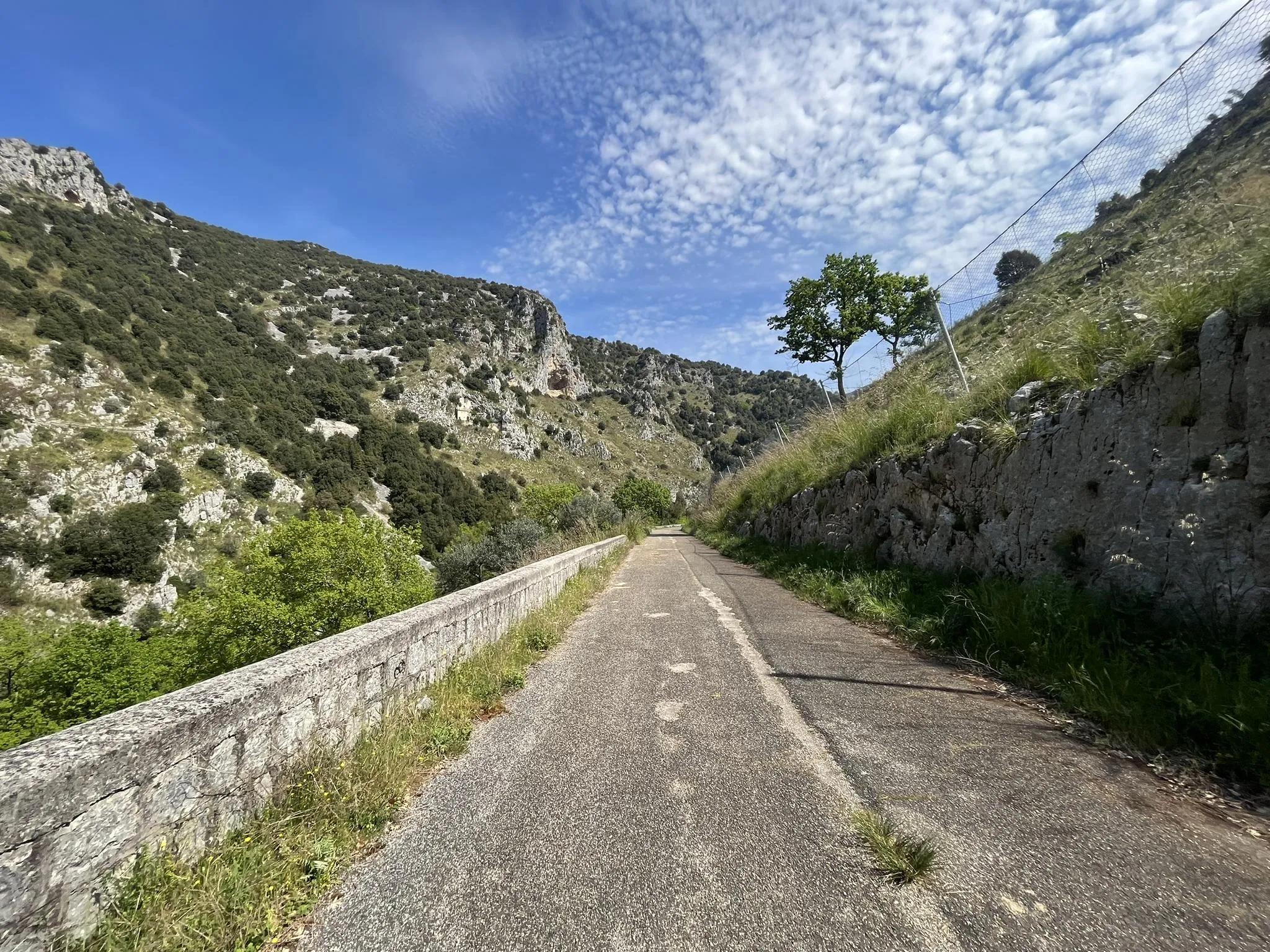
Between abbeys and quiet valleys – Saint Benedict's Way by bike
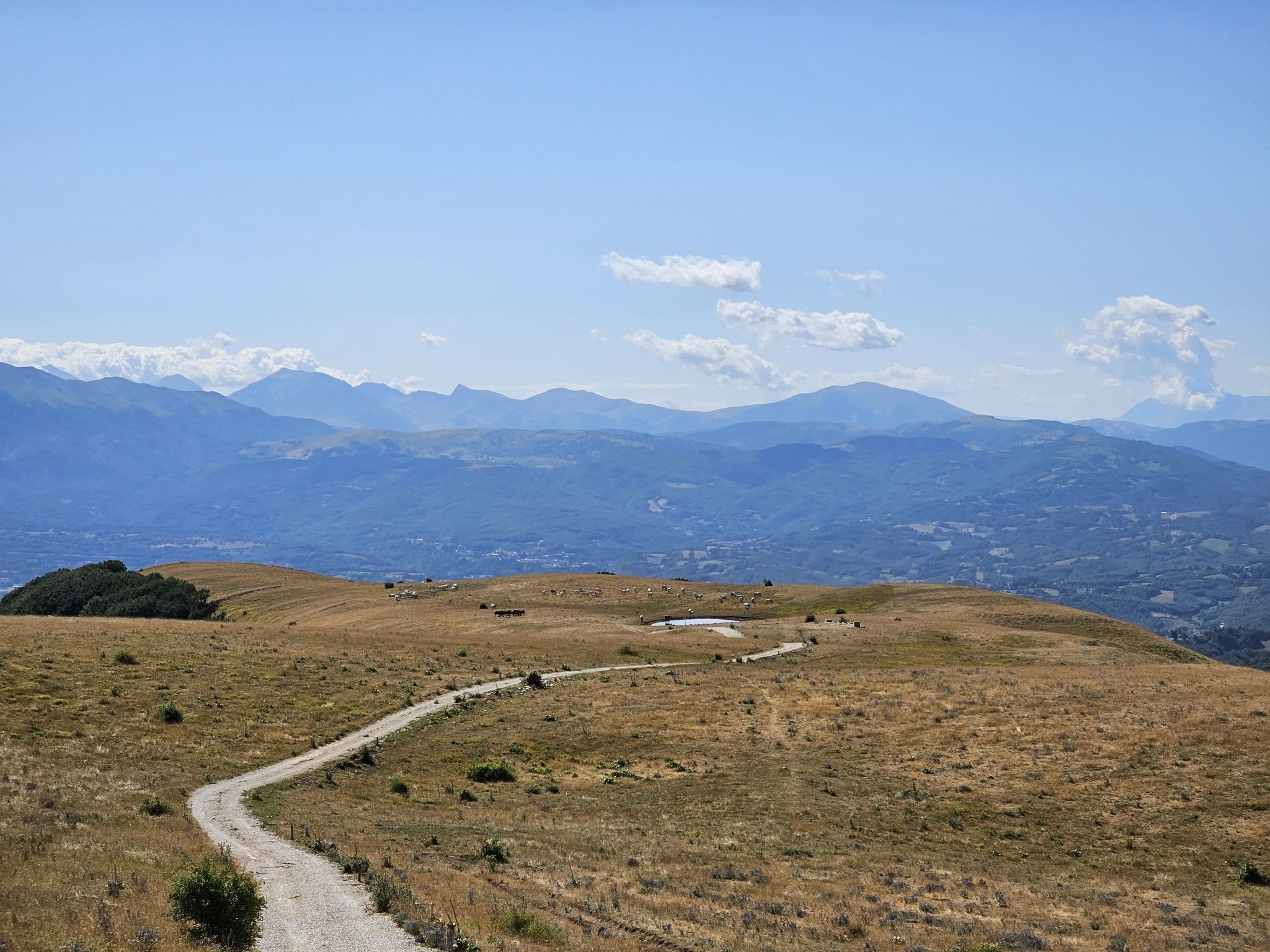
Natural Park Walk – part 3 from Corvaro to Accumoli
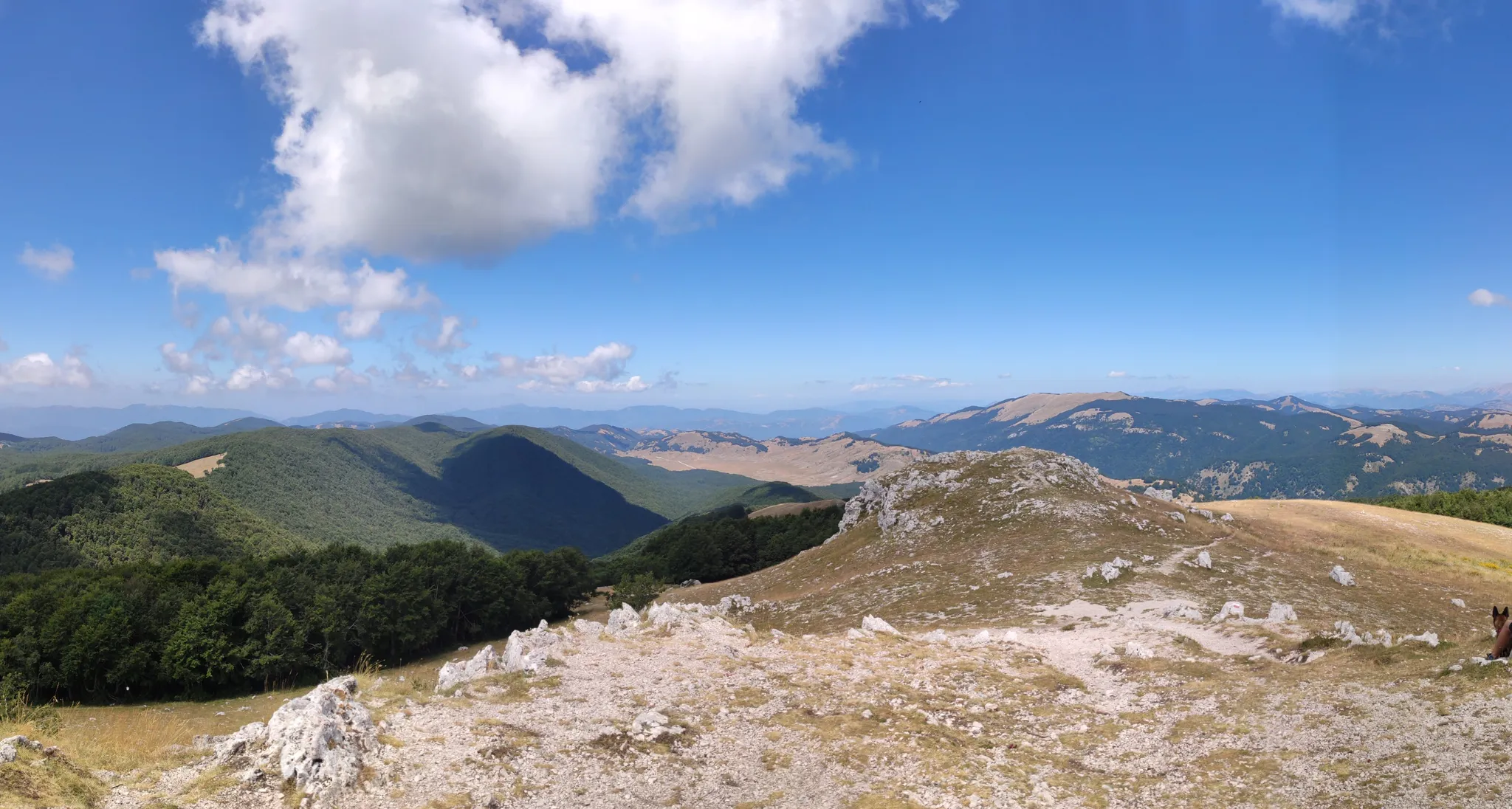
Cammino Naturale dei Parchi – Part 2 Livata to Corvaro
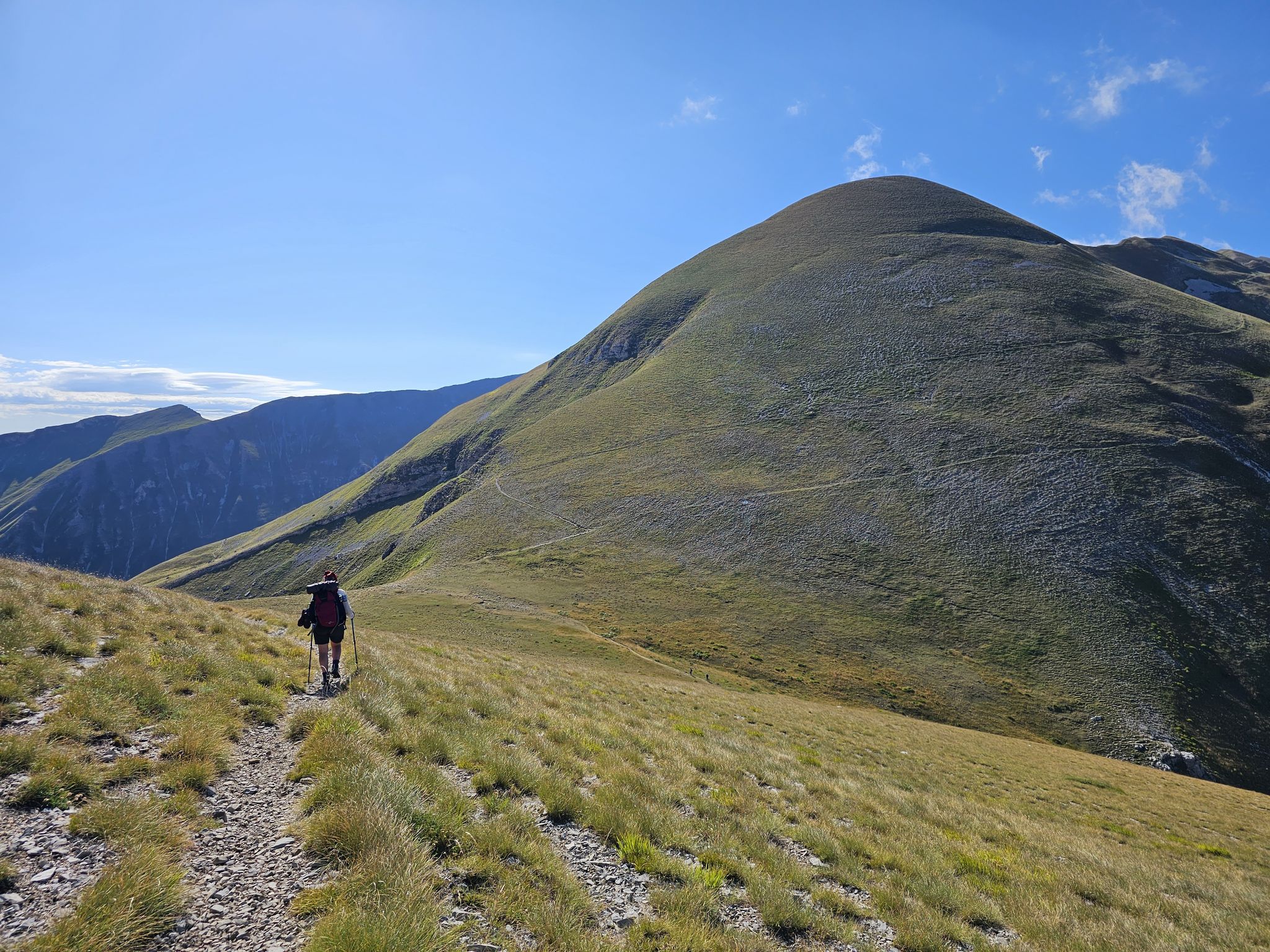
The Sibillini Mountains to Gran Sasso – the Great Apennine Crossing
In the Footsteps of Saint Benedict - The Benedict Way
MTB the border between Lazio and Abruzzo – Cammino dei Briganti
Other adventures in Rieti


Tips from the Community

The Grotta di San Michele is immersed in the woods of the Cicolano Mountains, at about 1,000 meters above sea level. It is a small rock church built inside a natural cave, a place of great charm and spirituality. The cult of San Michele Arcangelo was introduced to Sabina by the Lombards and spread to many high and steep places in Italy, often associated with caves and natural cavities. According to local tradition, it is here that the warrior saint fatally pierced a terrible dragon, a symbol of evil. The cave is mentioned in the records of the pastoral visits of Cardinals Corsini (1779-82) and Odescalchi (1833-36), who describe it as the "rural church of San Michele Arcangelo". The origin of the small church is shrouded in mystery: the facade is in Romanesque style, while inside there are Carolingian elements, testifying to a very ancient history. Inside the cave there is a Carolingian altar with a mosaic; a main altar with a wooden statue of St. Michael the Archangel, depicted while killing the dragon; the Ossuary of the Hermits, a natural niche that preserves skulls and bones, probably of the deceased buried here before the construction of the cemetery of Montorio in the 19th century. The cave is protected by a wall structure with a small single-lancet window above the entrance and a window in the upper part. Access is via a mule track or a dirt path, accessible from Pozzaglia Sabina or Montorio in Valle. Every year, on the first Sunday of May, a Holy Mass is celebrated in the cave, which is well attended by the local community. The place is also part of the Cammino di San Benedetto, a spiritual and naturalistic itinerary that crosses Sabina.
0
0

crossroads for the hermitage of San Michele
0
0
this is the hermitage of san leonardo
0
0

This grotto was dedicated to "San Michele Arcangelo". His portrait can be found as a fresco on the rock wall. The name of the archangel Michael (coming from the Hebrew language) means “Who is like God?” He is often depicted - in paintings or as a statue - with a flaming sword, and occasionally a lance. Michael is - together with Raphael and Gabriel, occasionally Uriel is also included - one of the three or four archangels who (according to human understanding) occupy the highest rank in the heavenly hierarchy of angelic beings. Their common feast day in the saints' calendar is September 29th.
0
0

Excellent fountain for replenishing water bottles.
0
0

Arriving in this cave in the woods after having walked the stone staircase arouses a deep emotion. Legend has it that the Archangel Michael, following a battle, locked up a demon in the bowels of the mountain and that he now watches over that this being does not return to earth. This place today is above all a destination for climbers who find something to enjoy themselves in the nearby limestone cliff.
2
0
Frequently Asked Questions
What types of caves can I explore in the Rieti region?
The Rieti region offers a diverse range of underground experiences. You can explore natural caves with impressive geological formations like the Grotte di Val de' Varri, historical underground structures such as Rieti Sotterranea which reveals ancient Roman engineering, and spiritual cave hermitages like the Hermitage of San Leonardo and the Sacro Speco of Saint Francis.
Are there any caves in Rieti with significant natural features?
Yes, the Grotte di Val de' Varri in Pescorocchiano is a notable natural cave system. It features two main branches with remarkable stalactites, stalagmites, draperies, and columns. A unique 'leopard spot' effect decorates the rock walls, and the Rio Varri river forms a waterfall before disappearing into the cave. It's also a Site of Community Interest (SIC) known for its bat colony.
Which caves offer a historical or archaeological experience?
For a historical journey, Rieti Sotterranea allows you to explore Roman remains and medieval urban developments beneath the modern city, including a raised Roman road and hidden architectural elements. The Grotte di Val de' Varri also has an archaeological zone with evidence of human presence from the Middle Bronze Age. Additionally, the Hermitage of San Leonardo is an 8th-9th century rock hermitage with ancient frescoes.
Are there any family-friendly caves or accessible options in Rieti?
The Grotte di Val de' Varri offers guided tours and a didactic pathway with panels explaining its morphology, archaeology, flora, and fauna, making it suitable for families interested in learning. For historical exploration, Rieti Sotterranea is generally accessible for a unique walk through the city's underground past. While specific accessibility details vary, these options provide engaging experiences for a wider audience.
What is the best time of year to visit caves in the Rieti region?
Generally, spring and autumn offer pleasant weather for exploring the Rieti region, making outdoor activities and cave visits comfortable. During these seasons, temperatures are moderate, which is ideal for both surface travel to the caves and the typically cooler underground environments. Always check specific opening hours and tour availability, as some sites may have seasonal variations.
What kind of spiritual or religious cave sites can I find?
The Rieti area is rich in spiritual cave sites. The Sacro Speco of Saint Francis is a deeply evocative place where Saint Francis of Assisi retired for prayer. The Hermitage of San Leonardo is an ancient rock hermitage with rooms carved for living and prayer. The San Michele Cave is also known for its spiritual atmosphere and a legend involving Archangel Michael.
What outdoor activities can I do near the caves in Rieti?
The Rieti region offers various outdoor activities. You can find numerous hiking trails, including easy options like the 'Village of Roccantica – Hermitage of San Leonardo loop' near the Hermitage of San Leonardo, or the 'Pozze del Diavolo Waterfall – San Michele Cave loop' near San Michele Cave. For more options, explore hiking routes in Rieti or MTB trails in Rieti.
Are there any less-known or 'hidden gem' caves worth visiting?
The San Michele Cave (also known as St. Michael's Cave) is often described as a little-known treasure. It offers a secluded and evocative experience, immersing visitors in the natural beauty of the Sabina region. Its less-developed nature makes it an adventure for those seeking tranquility away from more commercialized attractions.
What should I wear when visiting caves in Rieti?
When visiting caves, it's advisable to wear comfortable clothing and sturdy, closed-toe shoes with good grip, as surfaces can be uneven or damp. Even on warm days, cave interiors maintain a cooler, consistent temperature, so bringing a light jacket or sweater is recommended. For natural caves, a headlamp or flashlight can also be useful.
What makes the Grotte di Val de' Varri environmentally significant?
The Grotte di Val de' Varri is recognized as a Site of Community Interest (SIC) within the Natura 2000 network. This designation highlights its importance for the conservation of priority habitats and species, particularly a colony of rare bats that inhabit the left branch of the cave system. It's a significant site for both geological and ecological preservation.
Where can I find archaeological artifacts from the Rieti caves?
Archaeological artifacts discovered in the Grotte di Val de' Varri, which provide evidence of human presence from the Middle Bronze Age, are preserved and displayed at the Cicolano Archaeological Museum in Corvaro. This museum offers further insight into the historical significance of the region's underground sites.
Are there any caves with unique geological formations in Rieti?
The Grotte di Val de' Varri stands out for its unique geological features. Beyond the typical stalactites and stalagmites, it boasts delicate 'straws,' draperies, columns, and pillars. A rare 'leopard spot' effect, consisting of clay vermiculations, decorates the rock walls, adding to its distinctive natural beauty.
Most popular routes in Rieti
Most popular attractions in Rieti

Get inspired with the komoot mobile app


Didn’t find what you were looking for?
Discover more caves in Rieti region by region:
Explore more
Extend your search for the best caves by checking out these guides of the top ones in Rieti:
