Top 6 Caves in Chieti
Caves in Chieti, located in the Abruzzo region of Italy, offer diverse geological and historical features. The province encompasses parts of the Majella National Park, characterized by mountainous terrain and deep valleys. This landscape has fostered the development of various natural caves, alongside sites with cultural and archaeological significance. The area provides opportunities to explore both natural formations and ancient human-made underground structures.
Best caves in Chieti
- The most popular caves is Bocca di Valle Memorial, a man-made monument…
Last updated: October 14, 2026
Bocca di Valle Memorial
Highlight • Monument
Translated by Google •
Tip by

Grotta del Cavallone
Highlight • Cave
Showing Translation
Tip by

Sign up now to discover places like this
Get recommendations on the best single tracks, peaks, & plenty of other exciting outdoor places.
Grotta dei Pulcini
Highlight • Cave
Translated by Google •
Tip by
Sant'Angelo Cave
Highlight • Cave
Translated by Google •
Tip by

San Michele Arcangelo Cave in Liscia
Highlight • Cave
The Grotta di San Michele Arcangelo (also known as the Eremo di San Michele) is a unique and ancient sanctuary in a …
Showing Translation
Tip by

Cave Above Grotta Cavaliera
Highlight • Cave
Translated by Google •
Tip by

Grotta del Colle
Highlight • Cave
Translated by Google •
Tip by

Start today with a free account
Your next adventure awaits.
Popular around Chieti
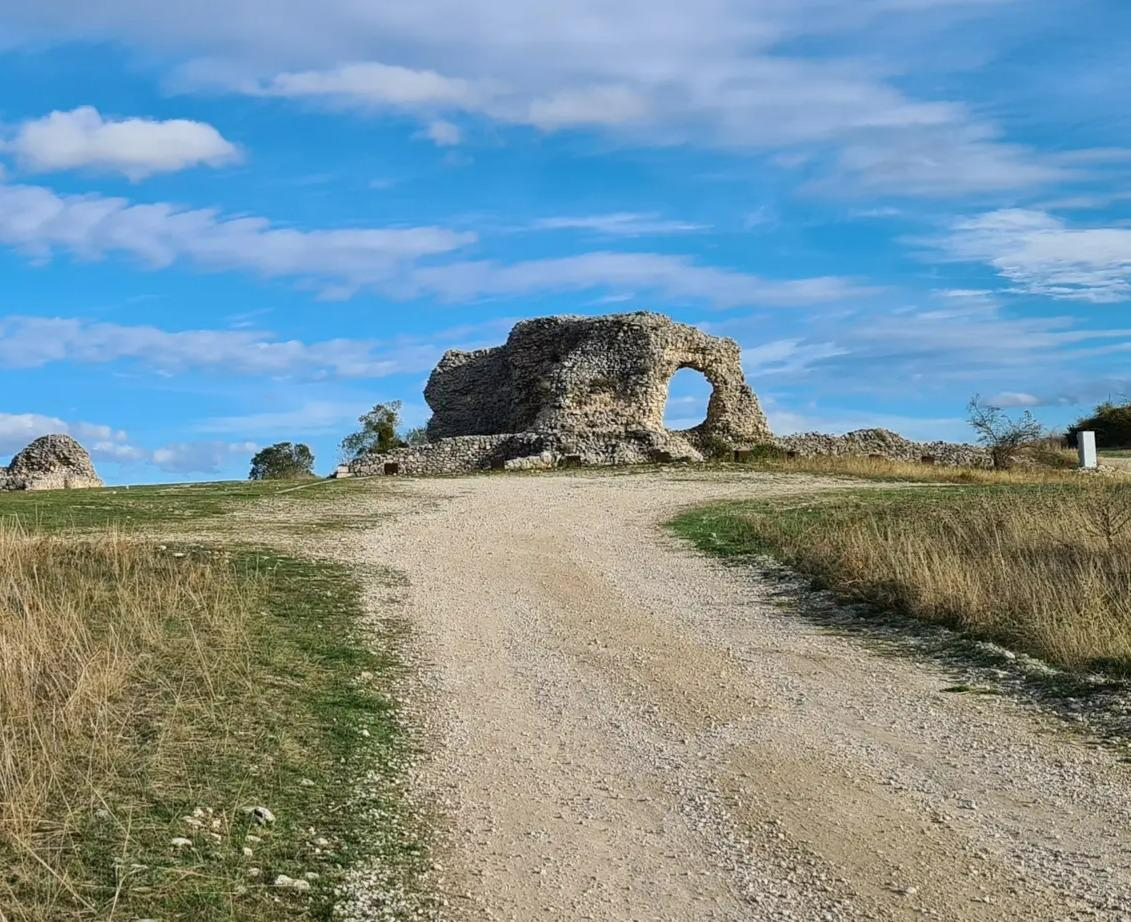
Tratturo Magno – On the roads of transhumance
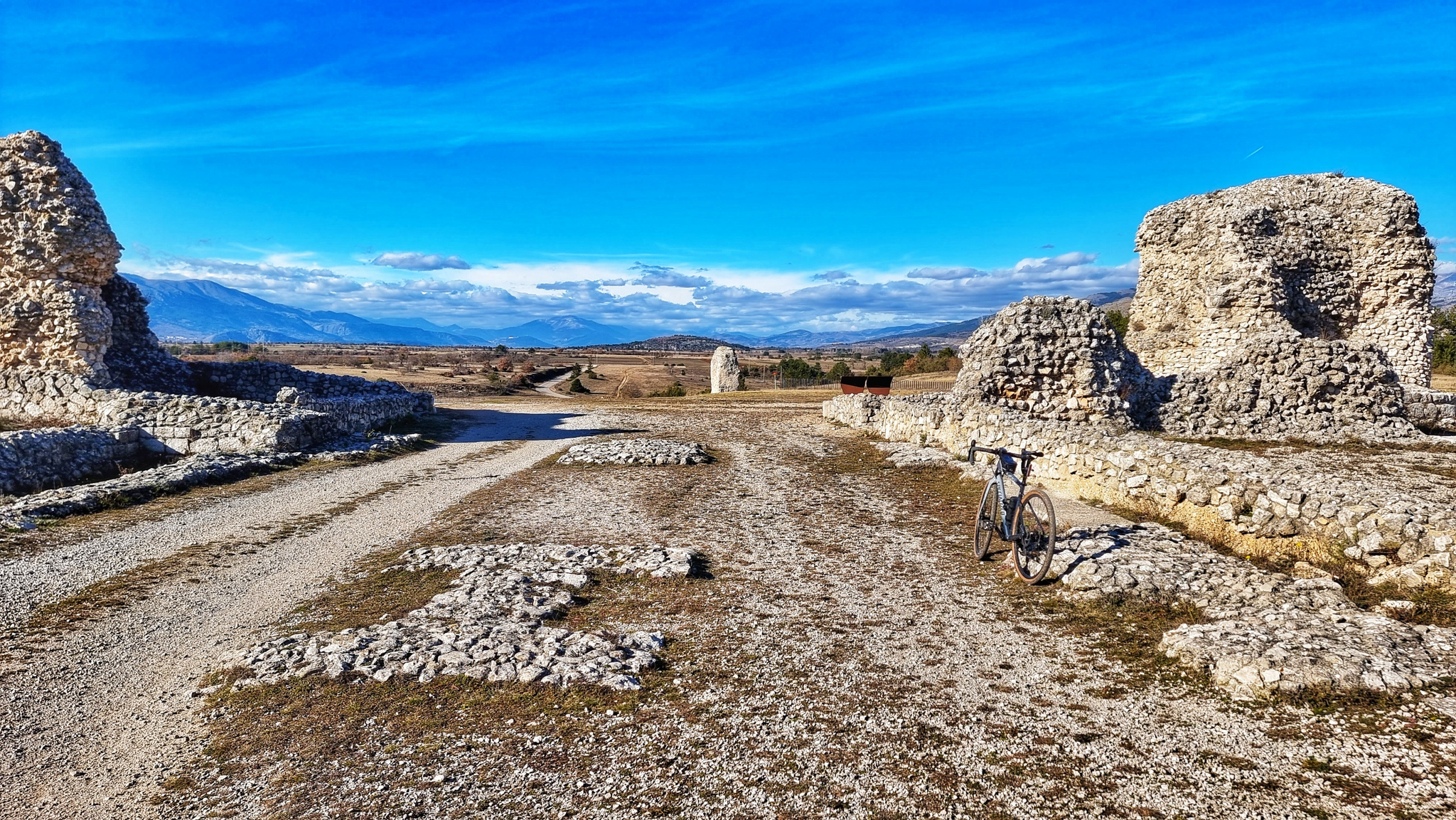
The Tratturo Magno – From the Apennines to the TavoIiere, 300 kilometers
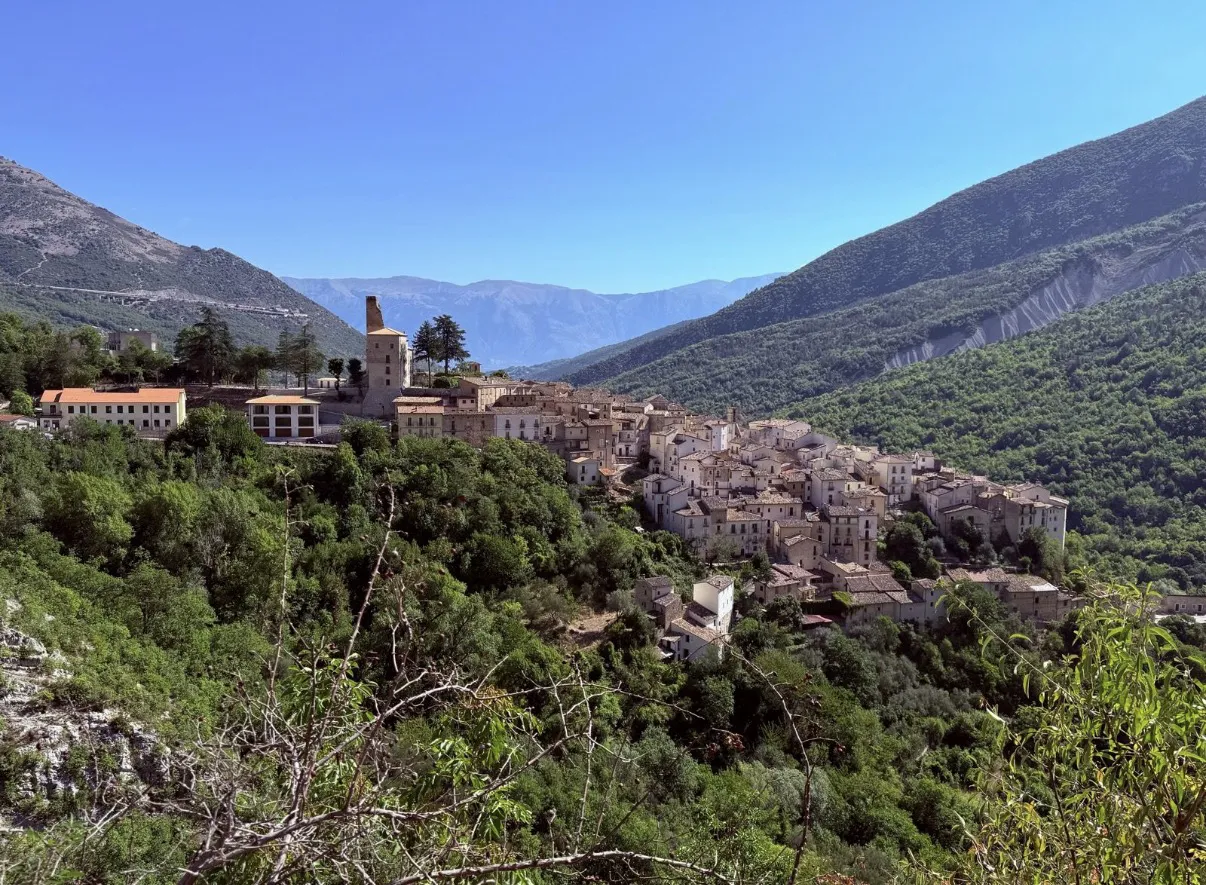
Cycling in Abruzzo – among villages, history and nature
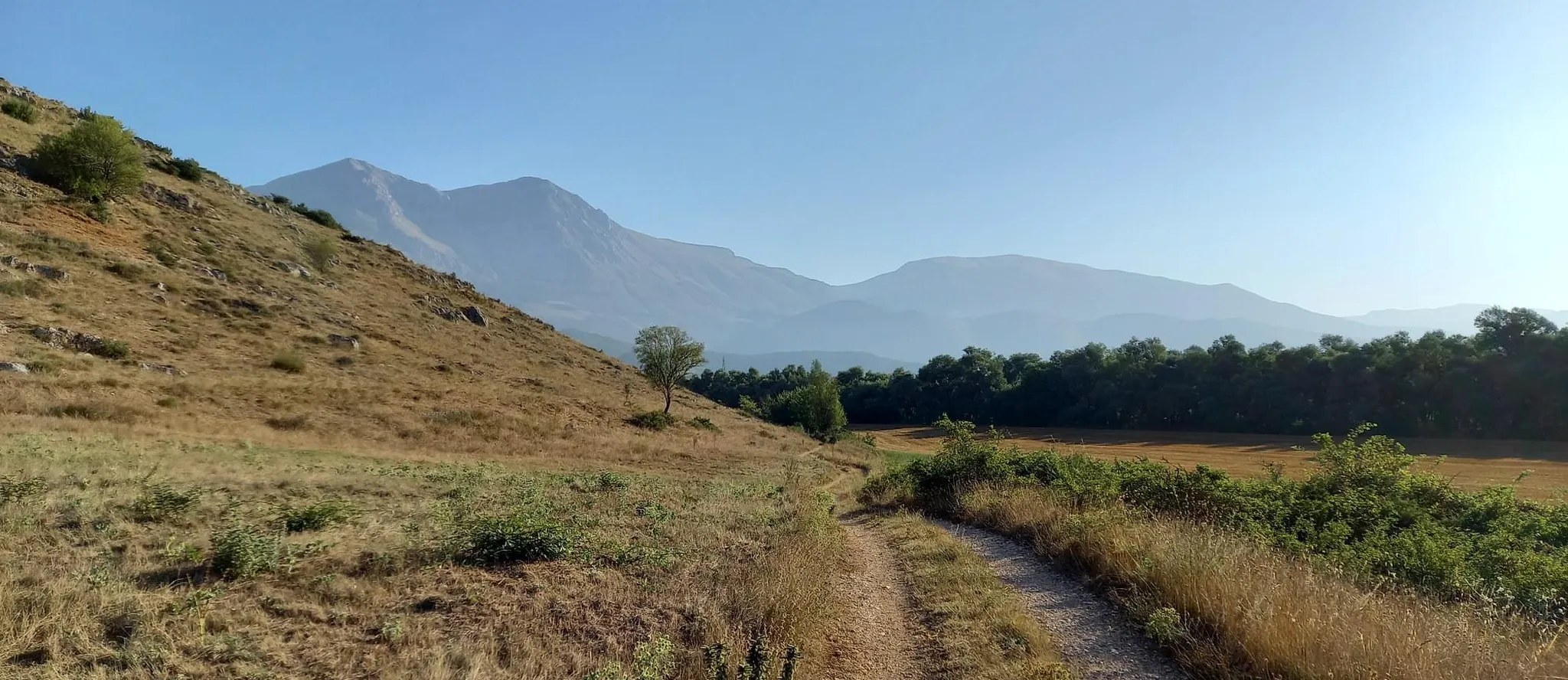
Hike from Rome to the Adriatic Sea – Way of St. Thomas
Interiora - A Journey into the Remote Areas of Italy
Trieste to Santa Maria di Leuca – the Adriatic Cycle Route
The Apennines to the Adriatic – cycling to discover Abruzzo
The great passes of the Giro d'Italia – 10 historic climbs
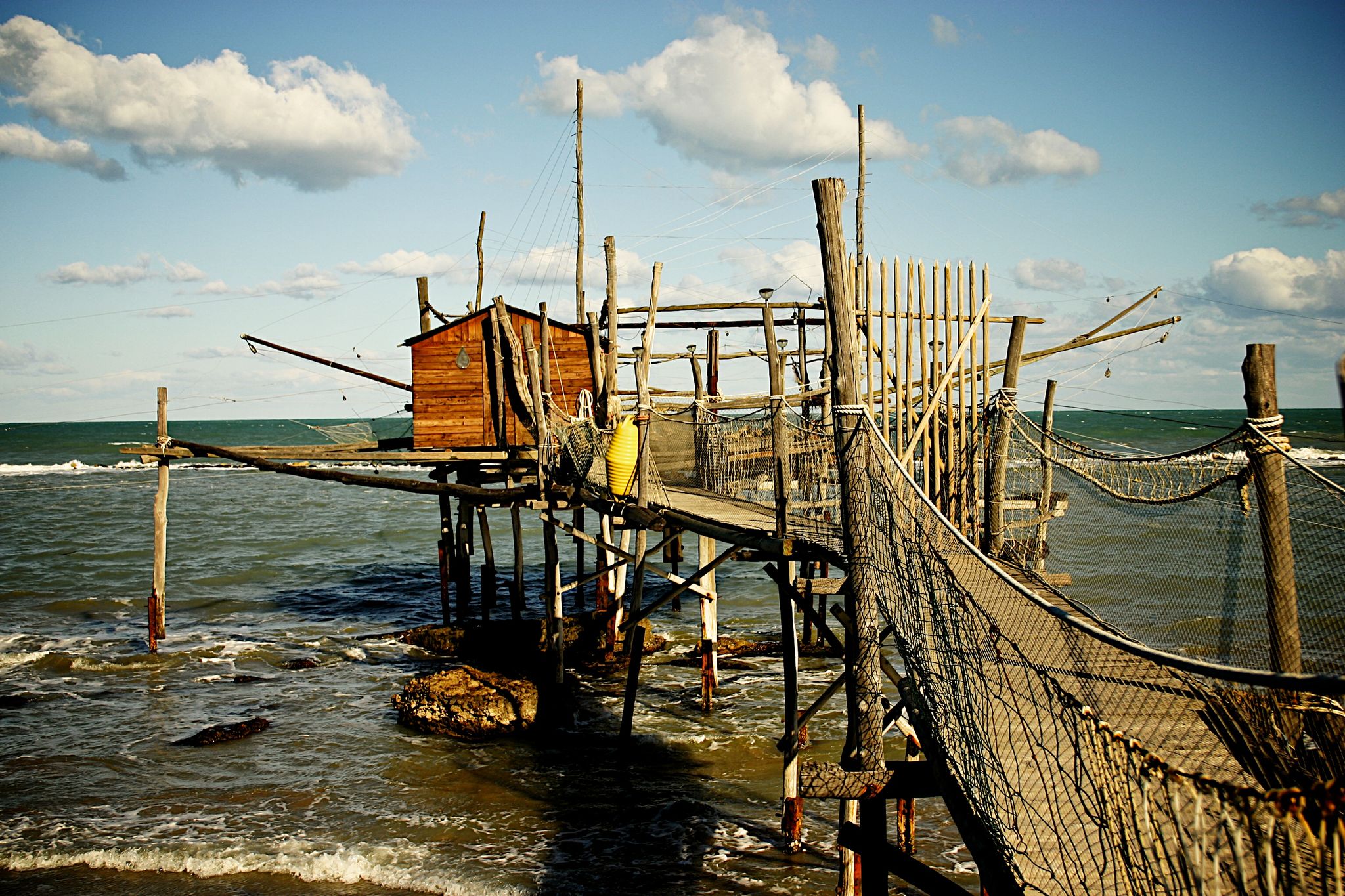
Cycle through Abruzzo’s fishing culture – Italy’s Trabocchi Coast Greenway
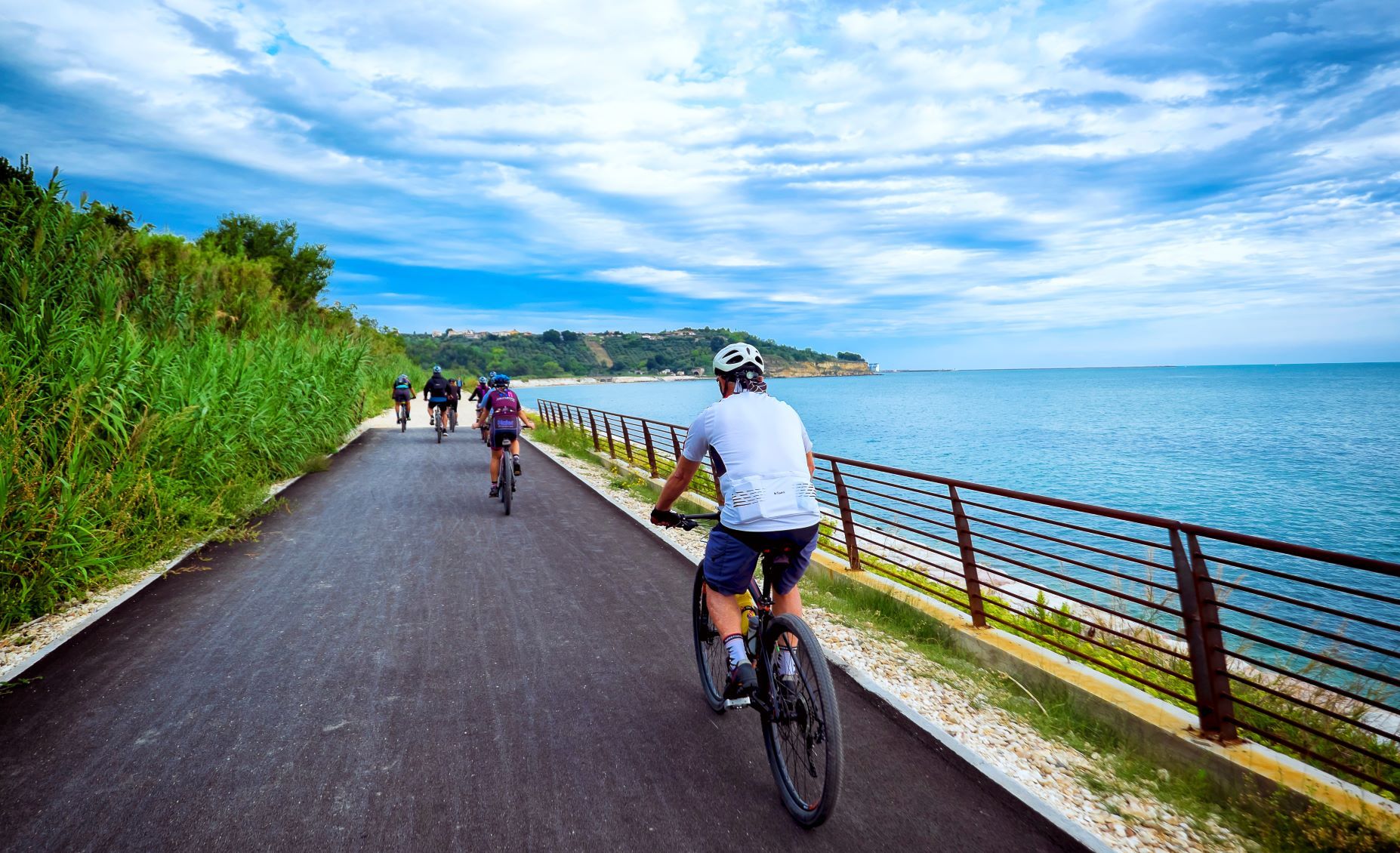
Between the Adriatic Sea and the Apennines — rides in Italy’s Abruzzo
Other adventures in Chieti


Tips from the Community

Spiritual rock sanctuary hidden in a green valley. The Grotta di San Michele Arcangelo (also known as the Eremo di San Michele) is a unique and ancient sanctuary in a rock just outside the village of Liscia. The church is built around a natural karst cave about 10 meters deep. According to local legend, the archangel Michael himself stopped in these woods around Monte Sorbo before travelling on to the famous Monte Sant'Angelo in Puglia. Inside the serene, rocky hollow, a small spring flows along the stone walls. The water collected here in a stone basin has been considered sacred and healing by pilgrims since ancient times. The combination of the white limestone facade, the rugged nature of the Treste valley, and the spiritual silence makes this one of the most fascinating hidden treasures of the Abruzzese hinterland.
2
0
Grotta-Sacrario di Bocca di Valle – Stillness and history at the foot of the Majella ⛰️ Hidden among the forests at the foot of the Majella mountains lies the impressive Sacrario di Bocca di Valle. This special war memorial is carved into the limestone of the mountain and pays tribute to the Abruzzese soldiers who lost their lives during World War I. The artificial cave with its monumental arches exudes a special tranquility. Inside, you will find the tomb of Andrea Bafile, a national war hero, and beautiful majolica panels by the famous artists Basilio and Tommaso Cascella, made up of hundreds of hand-painted ceramic tiles. Besides being a place full of history, it is also a beautiful starting point for walks through the cool beech forest, including the route to the spectacular Cascate di San Giovanni. A hidden gem where nature, art, and remembrance come together.
2
0

Very suggestive caves, with competent and helpful tourist guides; the visit lasts about an hour and covers about 1 km entirely inside the cavities. The temperature is constant around 10°C, with 96% humidity: therefore, adequate clothing is recommended. Located at 1475 meters above sea level, they are reachable both on foot via a path and by a low-cost cable car. Once you get off the cable car, you need to climb about 250 steps to reach the cave entrance. It is important to buy the ticket in advance: visits are exclusively guided and available in specific time slots, which vary depending on the time of year. It is advisable to call before organizing an excursion, as the opening hours of the guided tours are limited.
1
0

Here the path leads along the entrance of the grotto and goes steeply uphill opposite.
0
0


The place is located in the municipality of Rapino and is on the Sentiero della Pace. The lighting is not active therefore, it is advisable to access it during daylight hours.
0
0

Cave not easy to reach, it is surprising that anyone at the time exploited these caves. Passing through it was a nice surprise.
1
0
Frequently Asked Questions
What types of caves can I explore in Chieti province?
Chieti province offers a diverse range of underground experiences. You can find natural speleological sites like the magnificent Grotta del Cavallone with its extensive formations, historical cave-churches such as Sant'Angelo Cave and San Michele Arcangelo Cave in Liscia, and even ancient Roman underground structures like the Via Tecta beneath the city of Chieti.
Are there any caves suitable for families with children?
Yes, several caves are considered family-friendly. Grotta dei Pulcini allows visitors to observe splendid stalactites and stalagmites from the outside, offering a breathtaking panorama that's easily accessible. The Riserva Naturale Regionale Grotta delle Farfalle, while not a deep cave, offers a gentle uphill path to a natural reserve known for attracting thousands of butterflies, which can be a delightful experience for families.
Which caves offer impressive natural formations like stalactites and stalagmites?
The Grotta del Cavallone is renowned for its extensive network of chambers adorned with magnificent stalactites, stalagmites, flowstone, and rimstone pools. Grotta dei Pulcini also features splendid stalactites and stalagmites, visible from its exterior viewpoint.
Can I explore historical or archaeological underground sites in Chieti?
Absolutely. The city of Chieti itself has an 'Underground Chieti' that reveals its Roman past, including an ancient water system and the Via Tecta tunnel. Additionally, Sant'Angelo Cave houses a church first mentioned in 1221, and Bocca di Valle Memorial is a unique artificial cave serving as a military shrine commemorating soldiers from the Great War.
What is the best time of year to visit the caves in Chieti?
Many caves, especially those equipped for tourism like Grotta del Cavallone, maintain a consistent cool temperature of around 10°C inside, making them a refreshing escape during warmer months. For natural reserves like Grotta delle Farfalle, visiting during spring or early summer might offer the best chance to see the butterflies. Always check specific opening times as some sites may have seasonal access.
Are there any caves that require a cable car ride to access?
Yes, the journey to Grotta del Cavallone often involves a cable car ride. This ride itself offers breathtaking panoramic views of the surrounding landscape within the Majella National Park, adding to the overall experience.
What outdoor activities can I do near the caves in Chieti?
The Chieti region, particularly around the Majella National Park where some caves are located, offers numerous outdoor activities. You can find easy hikes like those around the Regional Natural Reserve Cascate del Verde, or more challenging routes for serious hiking and speleology near Grotta del Bove. For cyclists, there are extensive road cycling routes and gravel biking trails, including coastal paths and mountain ascents.
Are there any caves known for wildlife or unique ecosystems?
The Riserva Naturale Regionale Grotta delle Farfalle (Butterfly Cave) is particularly known for its rich and wild vegetation and diverse fauna, including beech martens, badgers, and the rare river crab. It's famous for attracting thousands of butterflies during certain periods, drawn by its unique environmental conditions.
What should I wear when visiting caves in Chieti?
Given that many caves maintain a cool temperature year-round (around 10°C for Grotta del Cavallone), it's advisable to wear layers, including a light jacket or sweater, even in summer. Comfortable, sturdy walking shoes with good grip are also recommended, especially for sites with rough paths or steps.
Are there any caves that are considered more challenging or for experienced explorers?
The Cave Above Grotta Cavaliera is categorized as challenging. Grotta del Bove is also noted as a destination for those interested in speleology and serious hiking, suggesting a more demanding experience than typical tourist caves.
Can I visit a cave that is part of a larger trail system?
Yes, Grotta del Colle is located in the municipality of Rapino and is part of the Sentiero della Pace (Path of Peace) trail. If you plan to visit, be aware that its lighting is not active, so daytime access is recommended.
What is the significance of Grotta del Cavallone being called 'Grotta della Figlia di Iorio'?
Grotta del Cavallone is famously known as 'Grotta della Figlia di Iorio' because it served as the setting for Gabriele D'Annunzio's tragedy of the same name. This literary connection adds a unique cultural layer to its natural beauty.
Most popular routes in Chieti
Most popular attractions in Chieti

Get inspired with the komoot mobile app


Didn’t find what you were looking for?
Discover more caves in Chieti region by region:
Explore more
Extend your search for the best caves by checking out these guides of the top ones in Chieti:
