Top 10 Castles in Taranto
Best castles in Taranto are found in a region characterized by its strategic coastal location on the Mar Piccolo, a narrow sea inlet. The area boasts a deep historical tapestry, with structures reflecting Greek, Byzantine, Norman, and Aragonese influences. Taranto's landscape combines urban historical sites with surrounding natural features, offering a blend of cultural exploration and outdoor activity.
Best castles in Taranto
- The most popular castles is Aragonese Castle, Taranto, a castle that served as a military fortress and…
Last updated: June 27, 2026
Aragonese Castle, Taranto
Highlight • Castle
Translated by Google •
Tip by

Aragonese Castle of Taranto
Highlight • Castle
Translated by Google •
Tip by

Sign up now to discover places like this
Get recommendations on the best single tracks, peaks, & plenty of other exciting outdoor places.
Sign up for free
Massafra Castle
Highlight • Castle
Discover Puglia by bike on viaggiatorelento.com
Translated by Google •
Tip by

Grottaglie
Highlight • Settlement
Translated by Google •
Tip by

Castello di Pulsano
Highlight • Castle
Translated by Google •
Tip by
Carosino Castle
Highlight • Castle
Translated by Google •
Tip by
Castle of Avetrana
Highlight • Castle
Translated by Google •
Tip by

Castello Muscettola
Highlight • Castle
Translated by Google •
Tip by
Episcopal Castle
Highlight • Castle
Translated by Google •
Tip by
Marquis’s Palace of Laterza
Highlight • Castle
Tip by

Sign up for free to discover even more castles in Taranto.
Sign up for free
Already have an account?
Start today with a free account
Your next adventure awaits.
Login or Signup
Popular around Taranto
Discovering Puglia by bike – essential rides
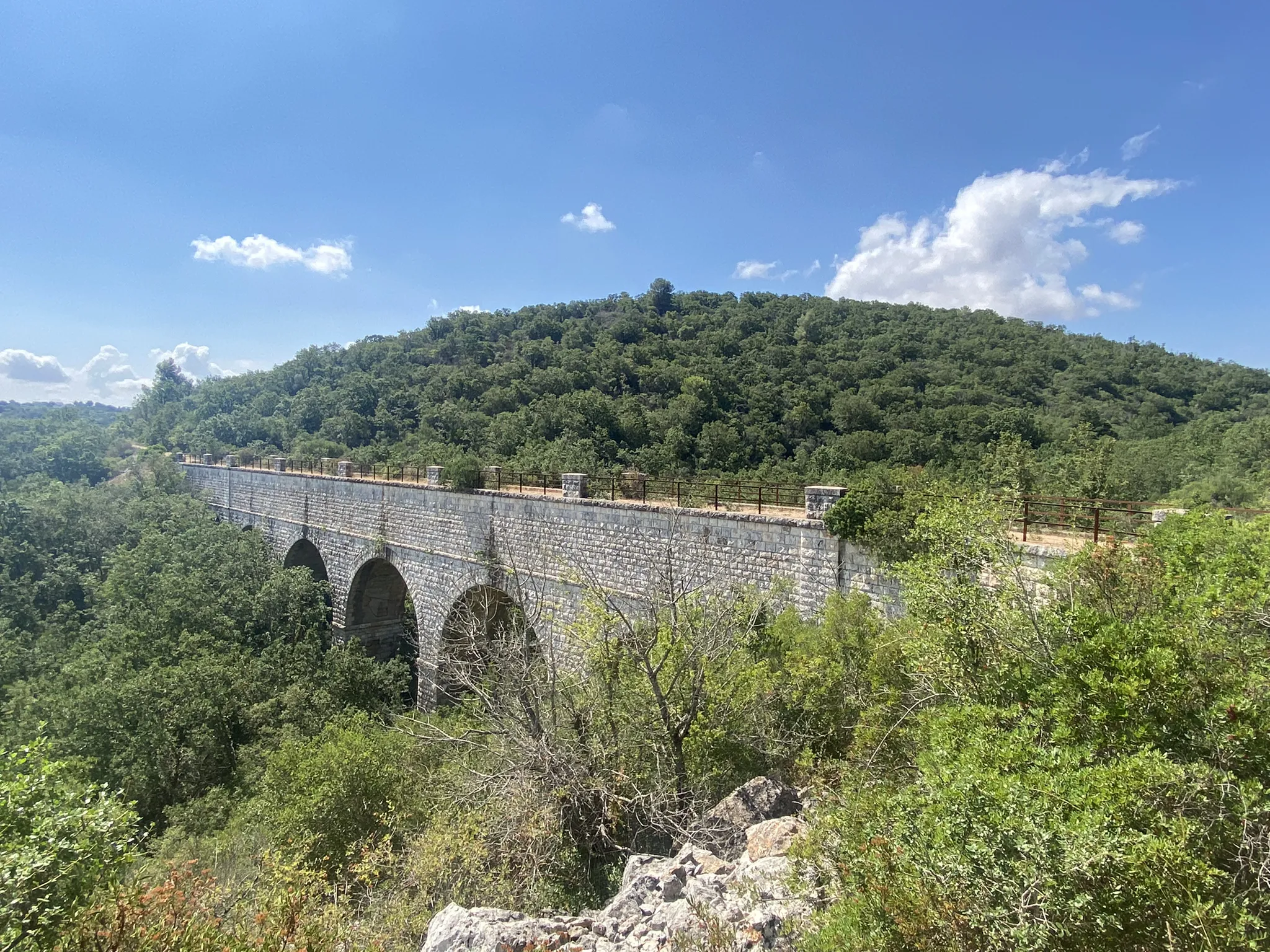
Caposele to Santa Maria di Leuca – Apulian Aqueduct Cycle Route
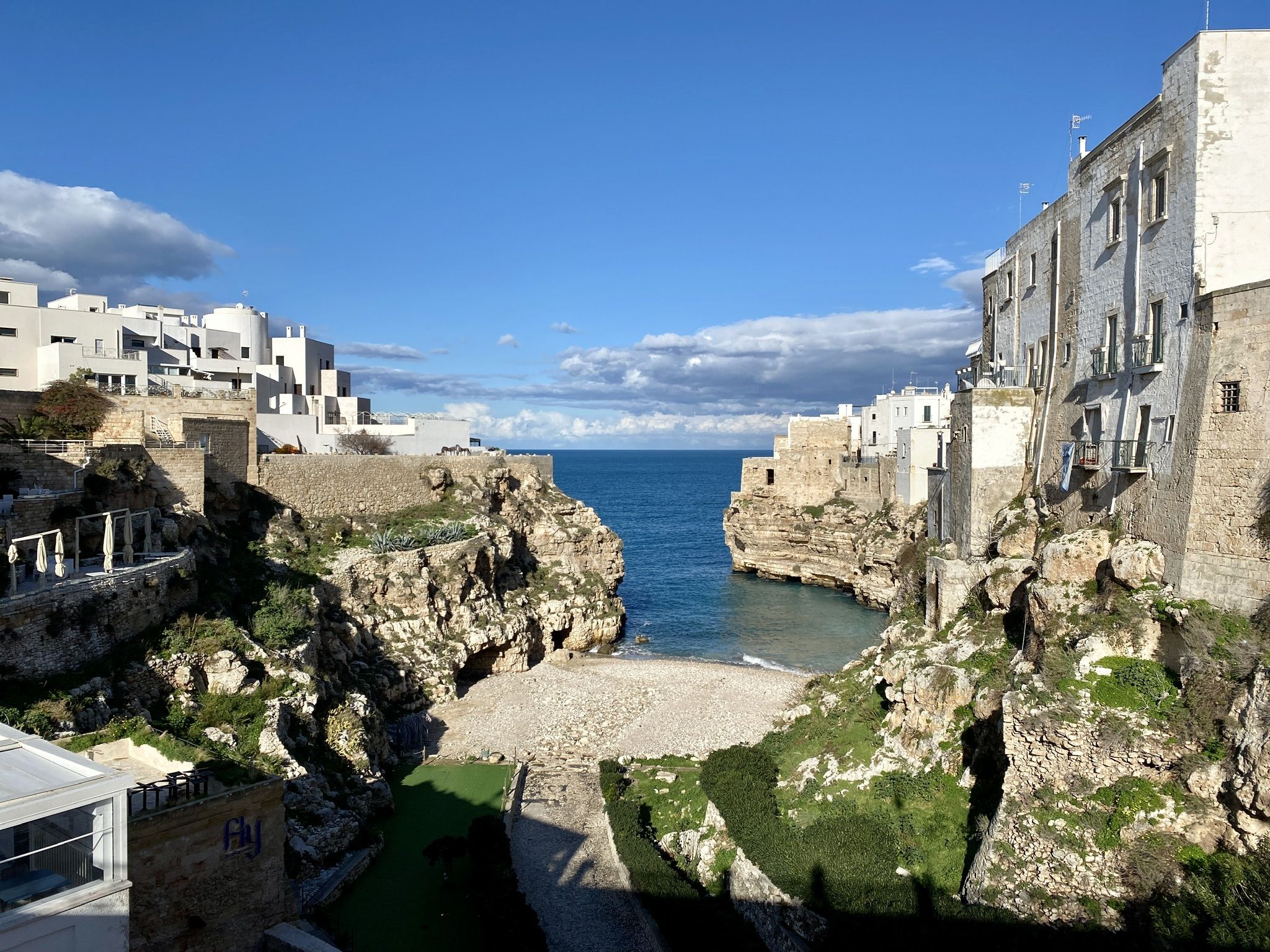
Sea, culture, taste and nature — Italy’s Puglia by bike
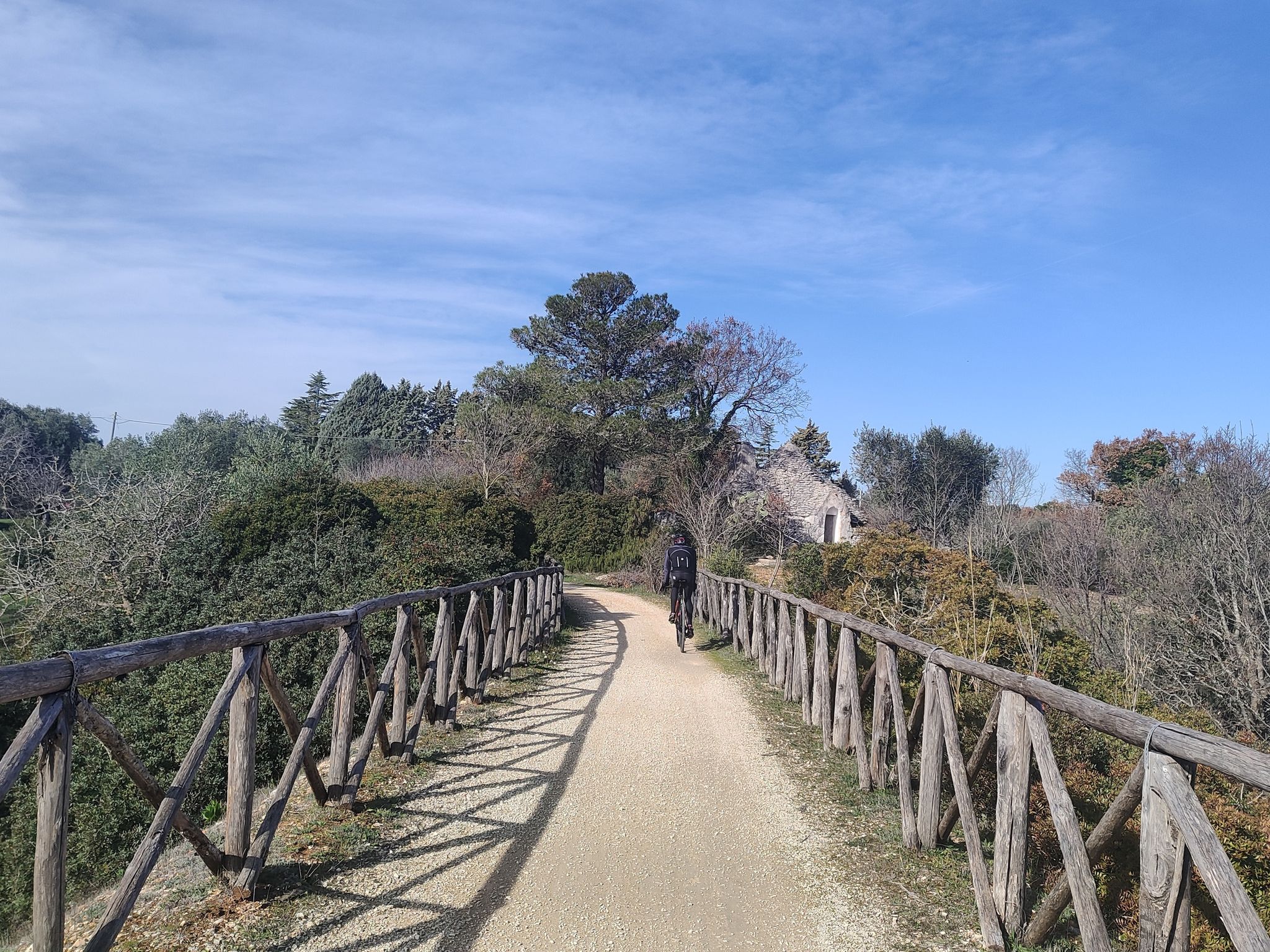
Ciclovia Anello d'oro di Puglia - Viaggio nella Puglia profonda
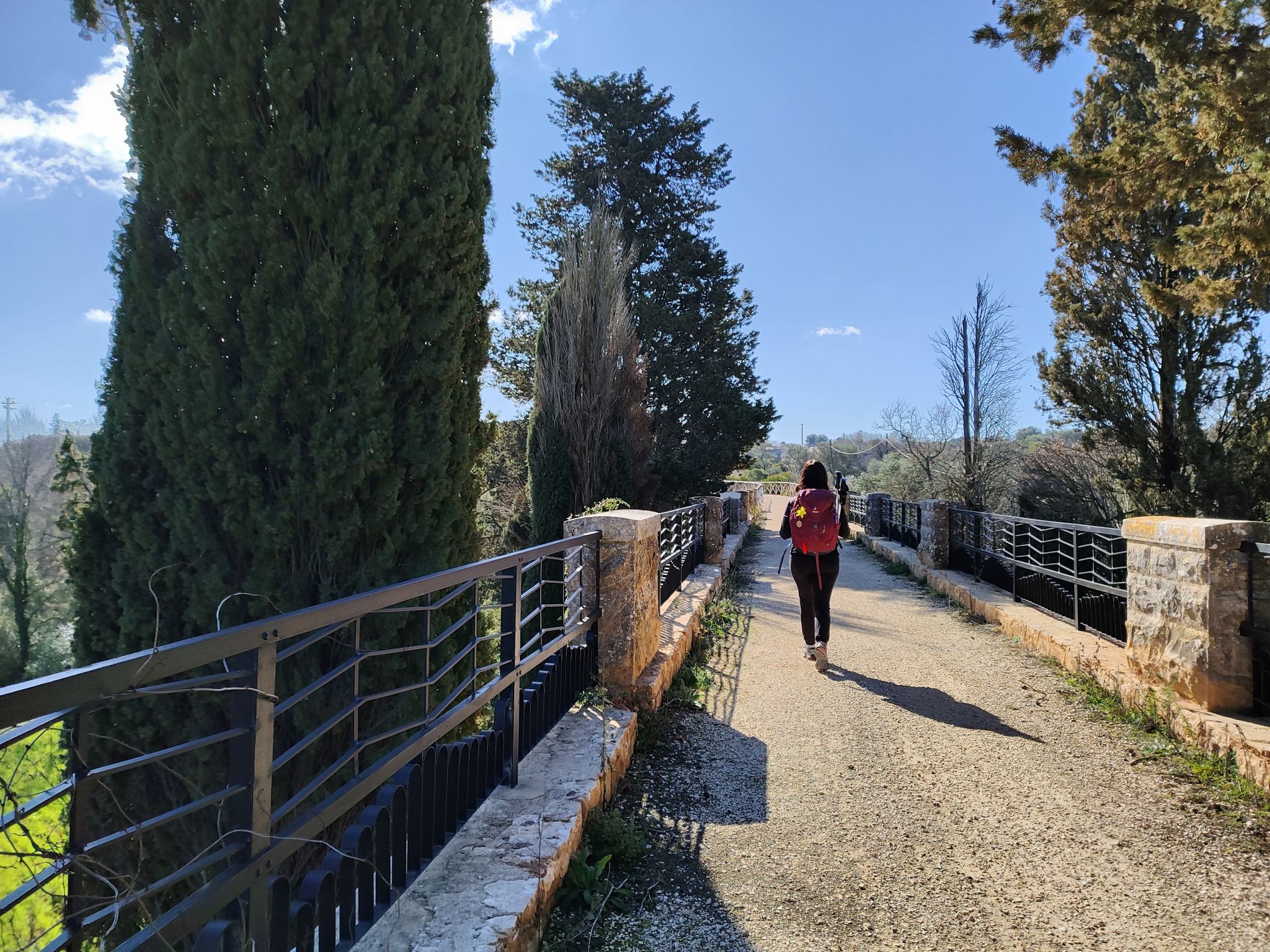
Anello d'oro di Puglia - Trekking nella Puglia profonda
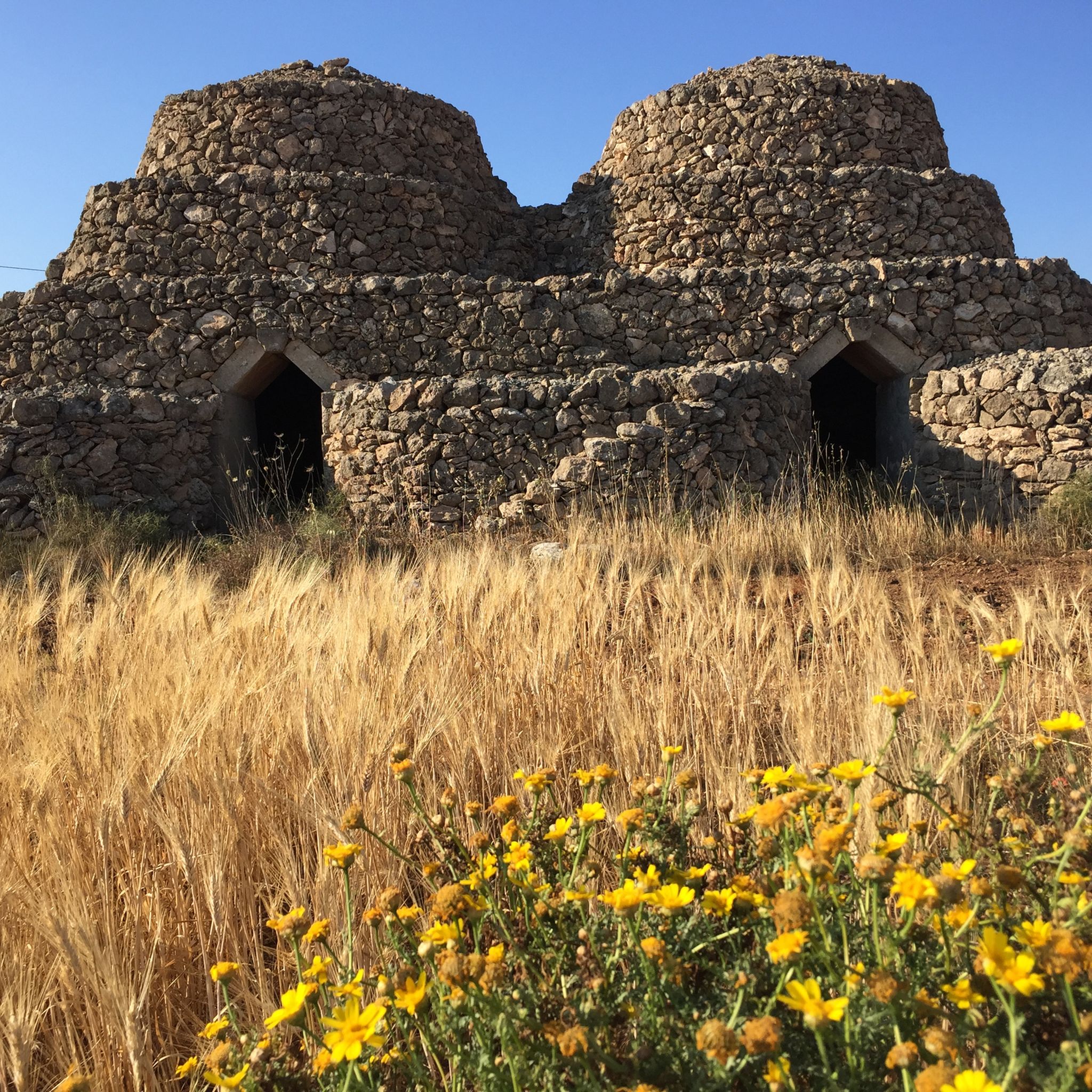
Cycling in Taranto
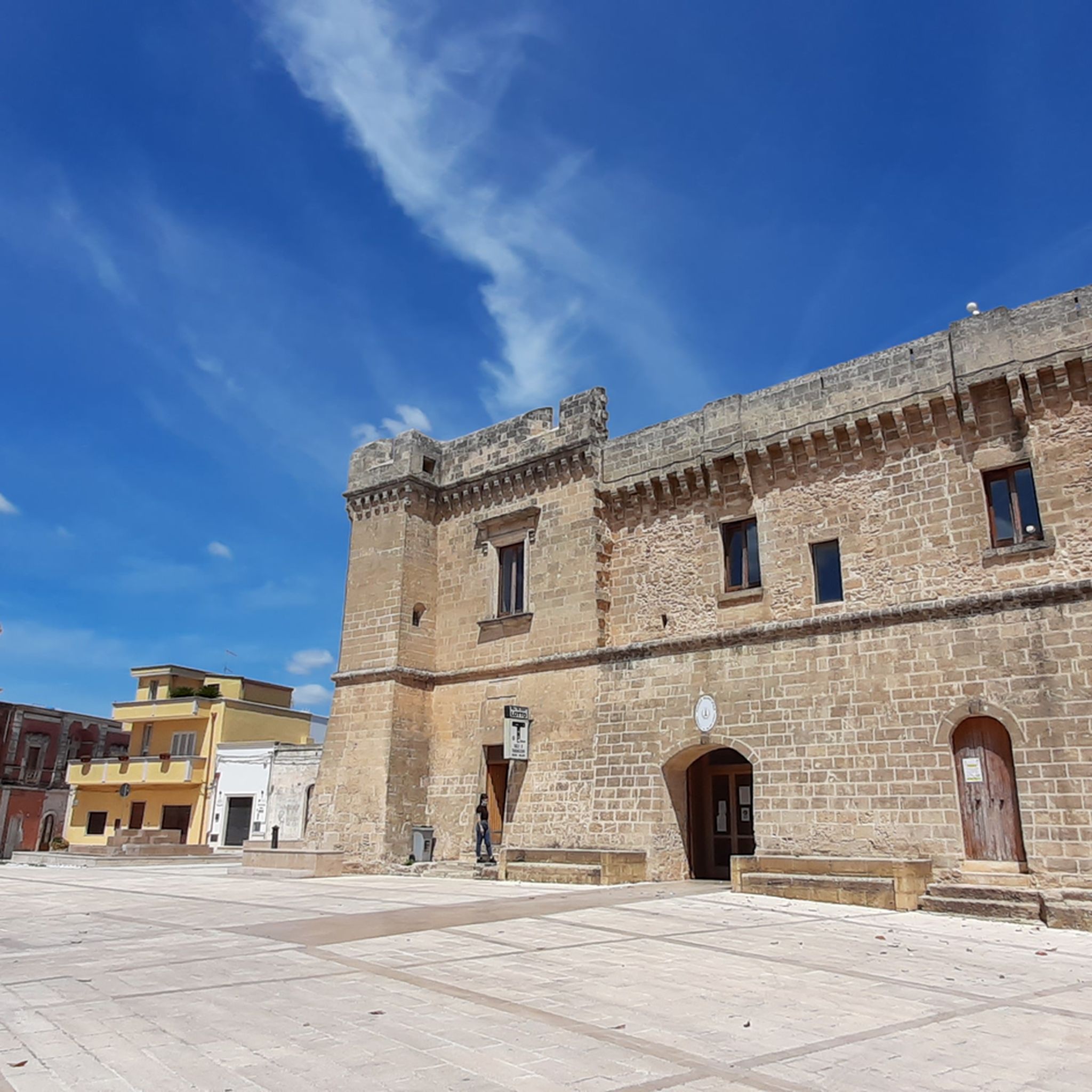
Road Cycling Routes in Taranto
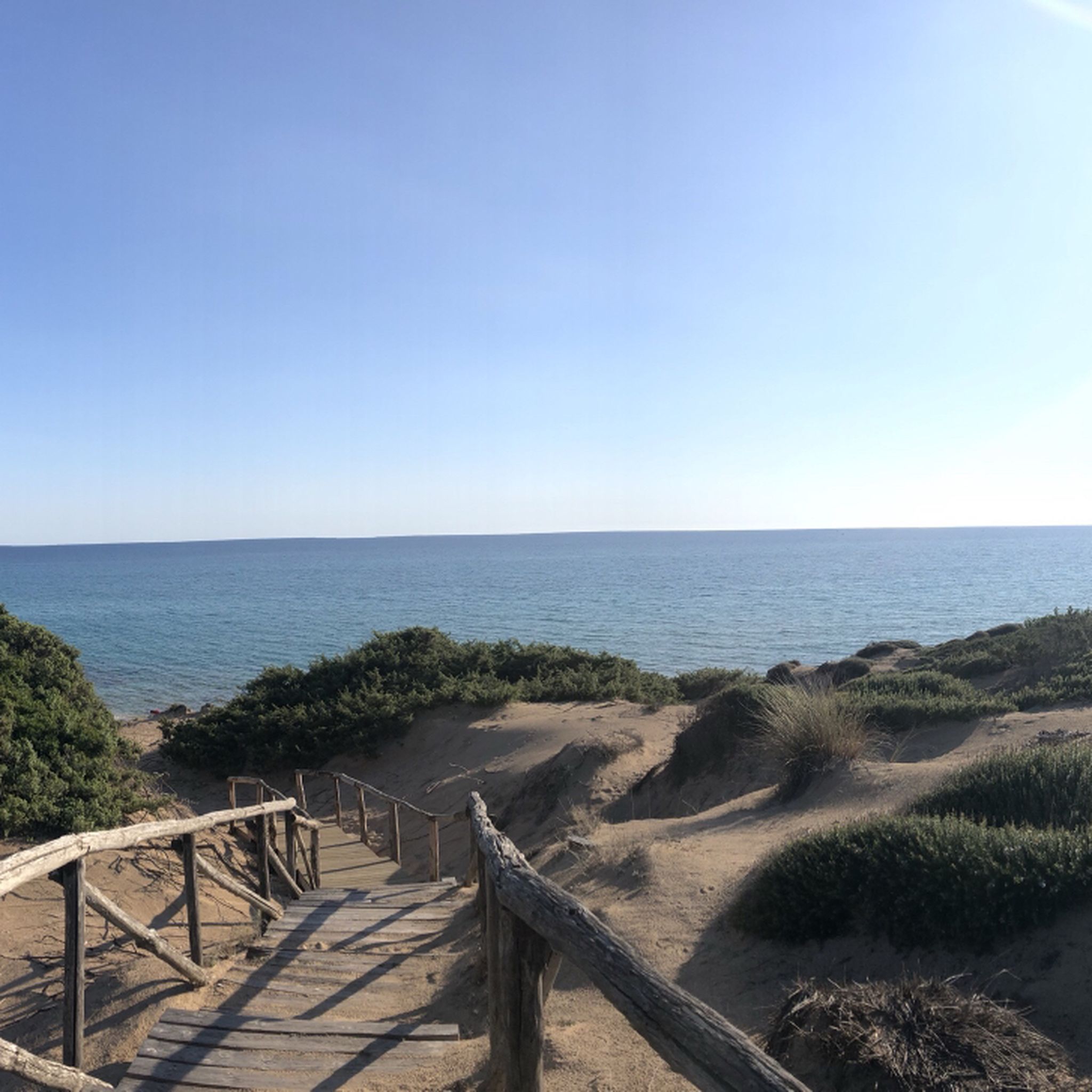
Hiking in Taranto
MTB Trails in Taranto
Running Trails in Taranto
Other adventures in Taranto


Tips from the Community

A suggestive panoramic point from which to admire the Aragonese Castle, the navigable canal and the Swing Bridge
0
0

The origins of the fortress of Taranto date back to Byzantine times. The current appearance of the complex dates back to Ferdinand of Aragon, who had the outdated castle converted into a modern fortress at the end of the 15th century. The fortifications were further reinforced by the Spanish in the 16th century. At the end of the 19th century, the Aragonese Castle passed to the Italian Navy, which still owns the complex today.
14
0

iconic place of taranto, the navigable canal, with the aragonese castle, the swing bridge and the monument to the sailor
1
0

The Castle of Massafra, located in the historic center of Massafra, is a medieval castle overlooking the Pizzo Ravine and San Marco. Its structure and architectural motifs are similar to other castles in Apulia, with four towers arranged in a wishbone and pattern and linked by boundary walls. The oldest towers are circular, while the keep is octagonal in the southeast. The first definite record of the castle dates back to the year 970. With the domination of the Angevins, the castle took on the appearance of a fortress, with crenellated ramparts and towers. It underwent further transformations under the Aragonese, and in the 18th century the Imperial family rebuilt the octagonal tower and the front facing towards the ravine, designed by the architect Mauro Manieri Lecce. The castle was in the possession of many owners before eventually being purchased by the city.
0
0
[I imagine towns as boxes, each containing different things, which no other boxes, not even the most magical ones, can contain.] Fabrizio Caramagna. A big, magic box is the definition that best describes the Marquis’s palace of Laterza. A reference point for the cultural life of the town, the Marquis’s palace is a XVII century building, which has been given a new lease of life in the past few years, with exhibitions, performances, concerts and many other cultural events. It is a box full of historical hints, legends and charm, a kind of a doorway to the historical center. The building was originally conceived as a castle in 1393, when the feud of Laterza was still part of the principality of Taranto. That time was characterized by bitter conflicts among different towns, and Laterza had to face the assaults by Castellaneta and Matera. In the centuries, the castle was destroyed and a palace took its place. Today, some remains of the original building are still visible: part of the moat, part of the walls with their battlements, which protected the northern side of the so called castrum de tertia (the original Latin name of the village) and, towards south, a tunnel which led to the ravine and allowed people to escape from the castle. In 1546 Giovanni Battista I D’Azzia became Marquis of Laterza and let the castle be refurbished as a late Renaissance residential building, as witnessed in the inscription of 1548, still visible in the white-stone, bipartite emblem, above the entrance. The east side of the building has been remodelled several times over the centuries, while the south side still preserves many Renaissance architectural features and a balcony, from where the marquis used to announce his decisions to the population. On the north side, the building features some windows with bars, which lightened the prison of the palace. Inside the courtyard, a precious fresco representing Saint Anne can still be admired. The fresco was commissioned by Anna Capece, wife of Nicolò Perez-Navarrete, last lord of Laterza until 2 August 1806. In 1986, the building was ceded to the municipality of Laterza, which has dealt with its restoration and touristic relaunch eversince. Today, the Tourist Information office, the MuMa (the Museum of Majolica) and a conference hall are indeed located in different rooms of the palace.
0
0

Well-maintained, historic complex. Free admission.
1
0

The historic center tells the story of the area, a story that has remained embedded in the architecture of the Castello de Falconibus, once surrounded by a moat and an outpost for soldiers.
0
0

Frequently Asked Questions
What is the most historically significant castle to visit in Taranto?
The Aragonese Castle, Taranto, also known as Castel Sant'Angelo, is the most historically significant. Its foundations date back to Greek and Byzantine eras, with the current structure largely rebuilt by the Aragonese dynasty in the late 15th century. It showcases centuries of military architecture and has served various functions, including a prison.
Are there any castles in Taranto that offer free tours?
Yes, the Aragonese Castle, Taranto, currently maintained by the Italian Navy, offers free, multilingual guided tours daily. These tours provide a deep dive into its rich history, from its ancient origins to its role as a modern fortress.
What is the best time of year to visit the castles in Taranto?
Taranto experiences a Mediterranean climate. Spring (April-May) and autumn (September-October) generally offer pleasant temperatures, making them ideal for exploring the castles and surrounding areas without the intense heat of summer. Summer (June-August) can be very hot, but is popular for coastal activities.
Are there family-friendly castles in the Taranto region?
Many castles in the Taranto region are suitable for families. The Aragonese Castle, Taranto, offers engaging guided tours that can appeal to older children interested in history. Castello di Pulsano and Carosino Castle are also listed as family-friendly highlights, often situated within charming old towns that are pleasant to explore.
What kind of outdoor activities can I do near the castles in Taranto?
The Taranto region offers various outdoor activities. You can find easy hikes, such as the 'Urban tour of Taranto' or routes in 'Bosco delle Pianelle', which can be explored via the Easy hikes in Taranto guide. For cycling enthusiasts, there are MTB trails and gravel biking routes available, detailed in the MTB Trails in Taranto and Gravel biking in Taranto guides.
Where can I find a castle that also features local culture or museums?
The Episcopal Castle in Grottaglie is an excellent choice. It houses the ceramic museum of Grottaglie, connecting the historic center with the renowned ceramics district. This allows visitors to explore both historical architecture and local artisanal traditions.
How long does a typical tour of the Aragonese Castle in Taranto take?
Guided tours of the Aragonese Castle, Taranto, typically last around 90 minutes. This allows visitors to explore the various historical layers, architectural features, and learn about its diverse past.
Are there any castles in Taranto located near natural ravines or unique landscapes?
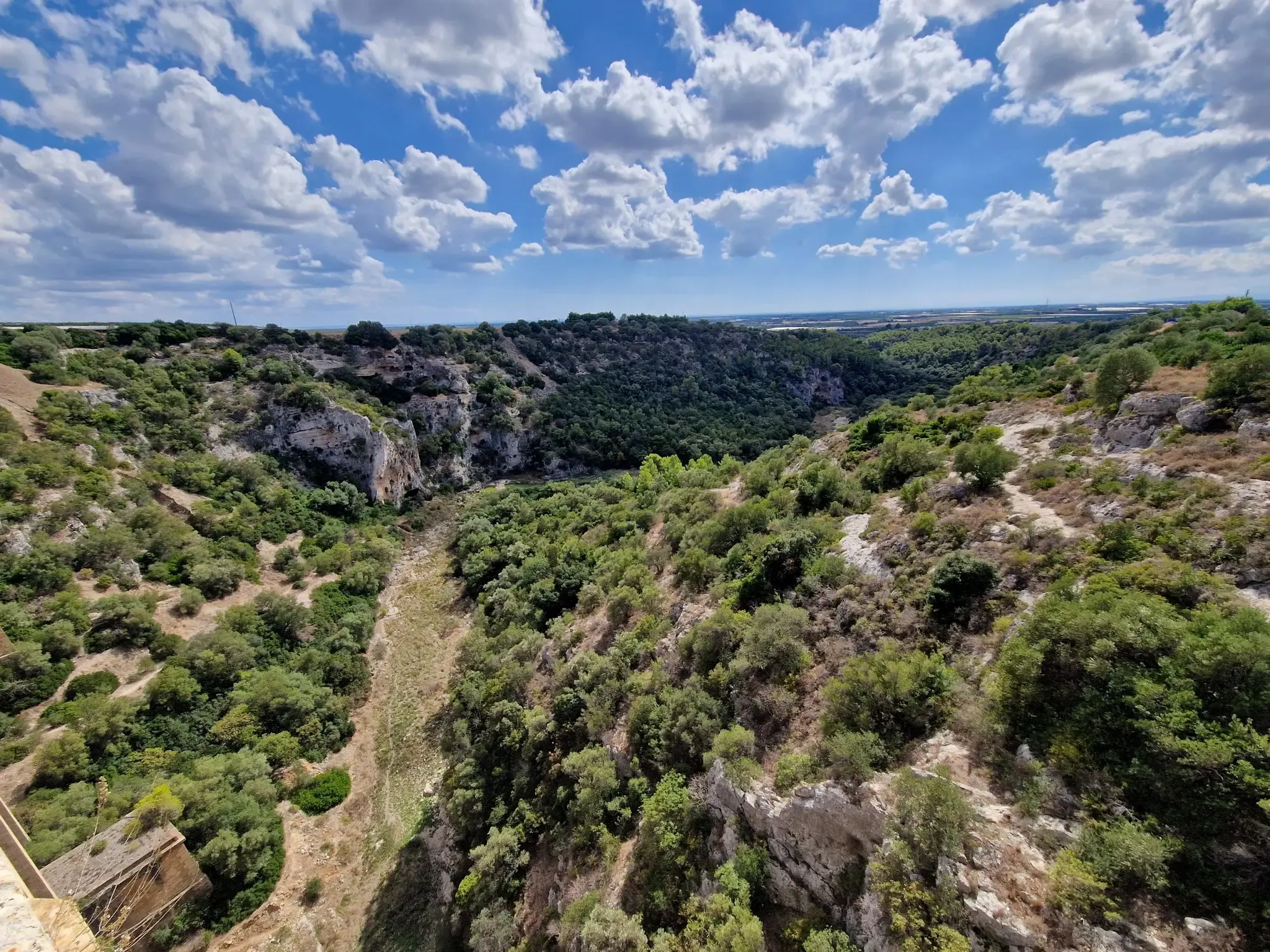
Yes, Massafra Castle is notable for its imposing walls built overlooking the ravine of San Marco. The nearby area of Grottaglie, where the Episcopal Castle is located, is also characterized by deep ravines forming spectacular caves.
Do I need to book tickets in advance for castles in Taranto?
For the Aragonese Castle, Taranto, while tours are free, it is recommended to make a reservation, especially during peak season, as it is managed by the Italian Navy. For other castles, it's advisable to check their specific websites or contact them directly for current booking requirements.
What are some good viewpoints near Taranto's historic sites for photography?
The ramparts of the Aragonese Castle, Taranto, offer excellent views of the Mar Piccolo. Additionally, the Massafra Castle, perched above the San Marco ravine, provides dramatic photographic opportunities of both the castle and the natural landscape.
Are there cafes or restaurants conveniently located near the Aragonese Castle?
The Aragonese Castle is situated in Taranto's city center, making it easy to find numerous cafes, restaurants, and pubs within walking distance. The surrounding area offers a variety of dining options to suit different tastes.
What is unique about the architecture of the Aragonese Castle?
The Aragonese Castle's architecture is unique due to its adaptation to artillery warfare in the 15th century. It features robust cylindrical towers and internal walkways, a significant departure from earlier medieval designs. Its quadrangular plan and large central courtyard are also notable.
Most popular routes in Taranto
Most popular attractions in Taranto

Get inspired with the komoot mobile app


Didn’t find what you were looking for?
Explore Taranto’s best castles region by region:
Explore more
Looking for the best castles somewhere else? Discover other guides in Taranto:
