Top 18 Caves in Matera
Caves in Matera are integral to its unique landscape, characterized by ancient cave dwellings known as the Sassi and rupestrian churches carved into the soft limestone cliffs of the Murgia plateau. This UNESCO World Heritage site showcases millennia of human habitation within a distinctive architectural setting. The city's geography features a complex system of natural and man-made caves. Matera offers a glimpse into historical living conditions and artistic expressions within its rock-hewn structures.
Best caves in Matera
- The most popular…
Last updated: October 14, 2026
Suspension bridge over the Gravina
Highlight • Bridge
Translated by Google •
Tip by

Rock Church of Santa Rita
Highlight • Religious Site
Translated by Google •
Tip by
Sign up now to discover places like this
Get recommendations on the best single tracks, peaks, & plenty of other exciting outdoor places.
Casa Grotta in the Sassi of Matera
Highlight • Cave
Translated by Google •
Tip by

Rock Church of San Nicola at the Murgia dell'Amendola
Highlight • Religious Site
Translated by Google •
Tip by

Casa Grotta di Vico Solitario
Highlight • Cave
Translated by Google •
Tip by

Madonna delle Tre Porte Church
Highlight • Religious Site
Translated by Google •
Tip by
Rock-hewn Church of San Pietro Barisano
Highlight • Religious Site
Showing Translation
Tip by

Caves
Highlight • Cave
Translated by Google •
Tip by
Matera Cave Landscape
Highlight • Cave
Translated by Google •
Tip by

Rock-Cut Church
Highlight • Religious Site
Translated by Google •
Tip by

Sign up for free to discover even more caves in Matera.
Already have an account?
Start today with a free account
Your next adventure awaits.
Popular around Matera
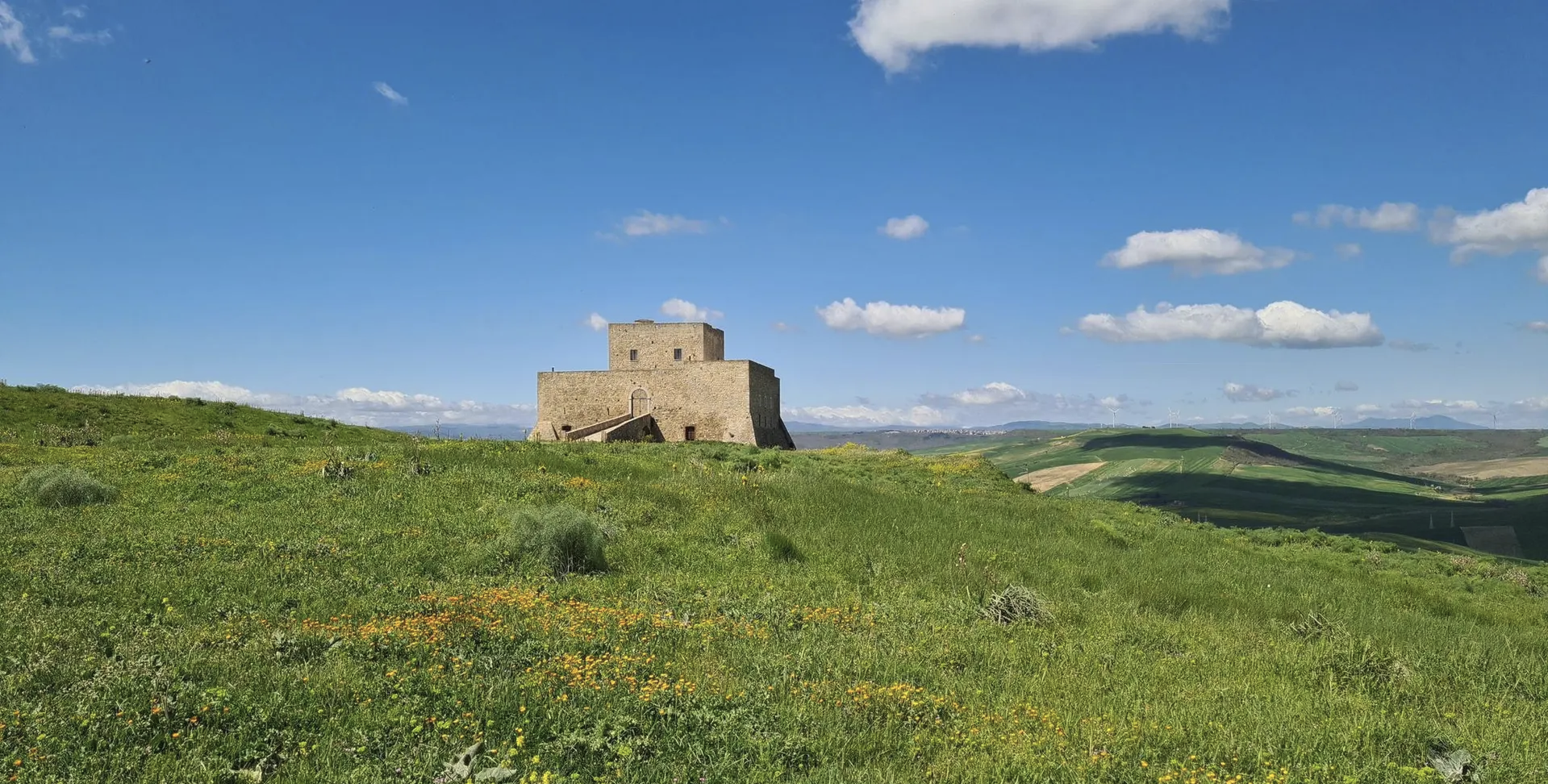
Basilicata by bike – discover itineraries in this unique land
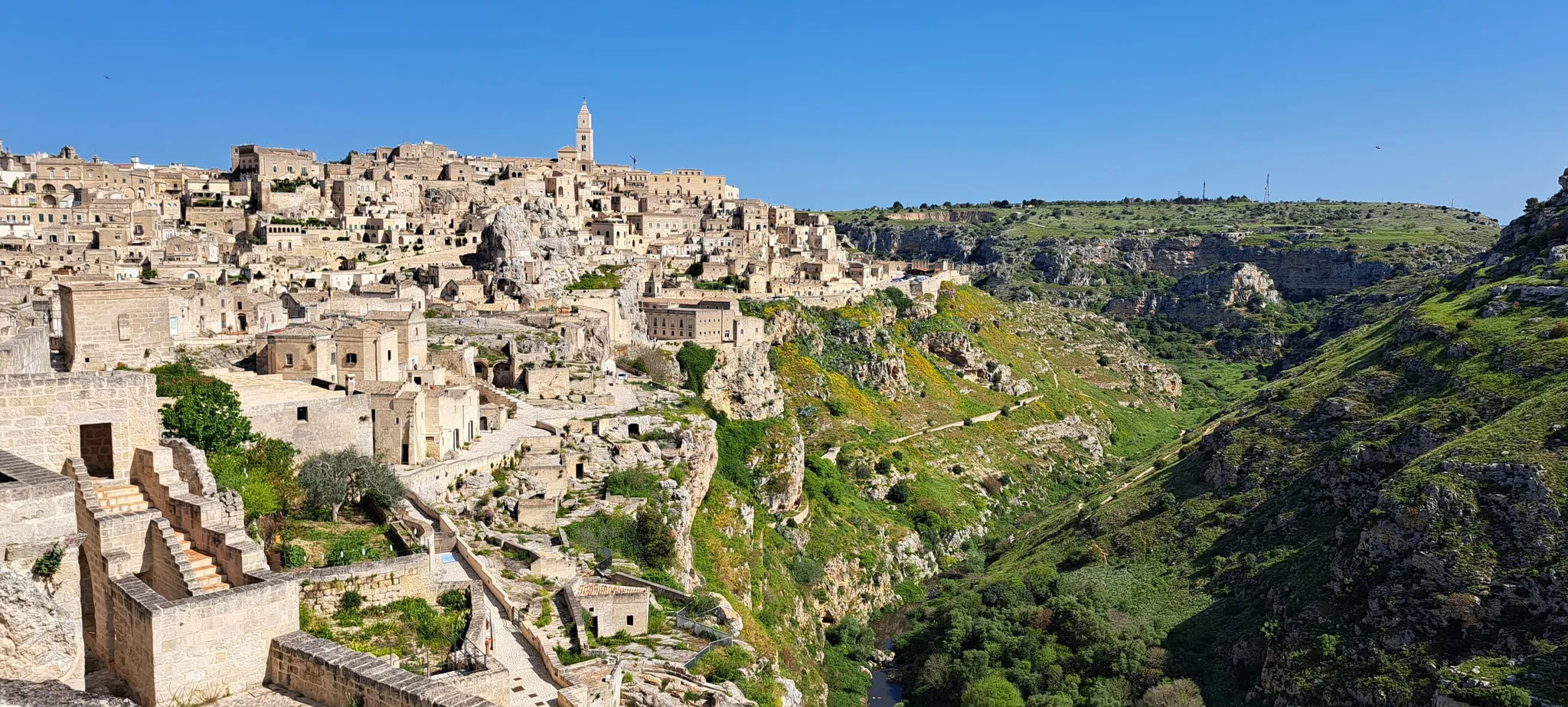
Among olive trees and white stone - Via Peuceta
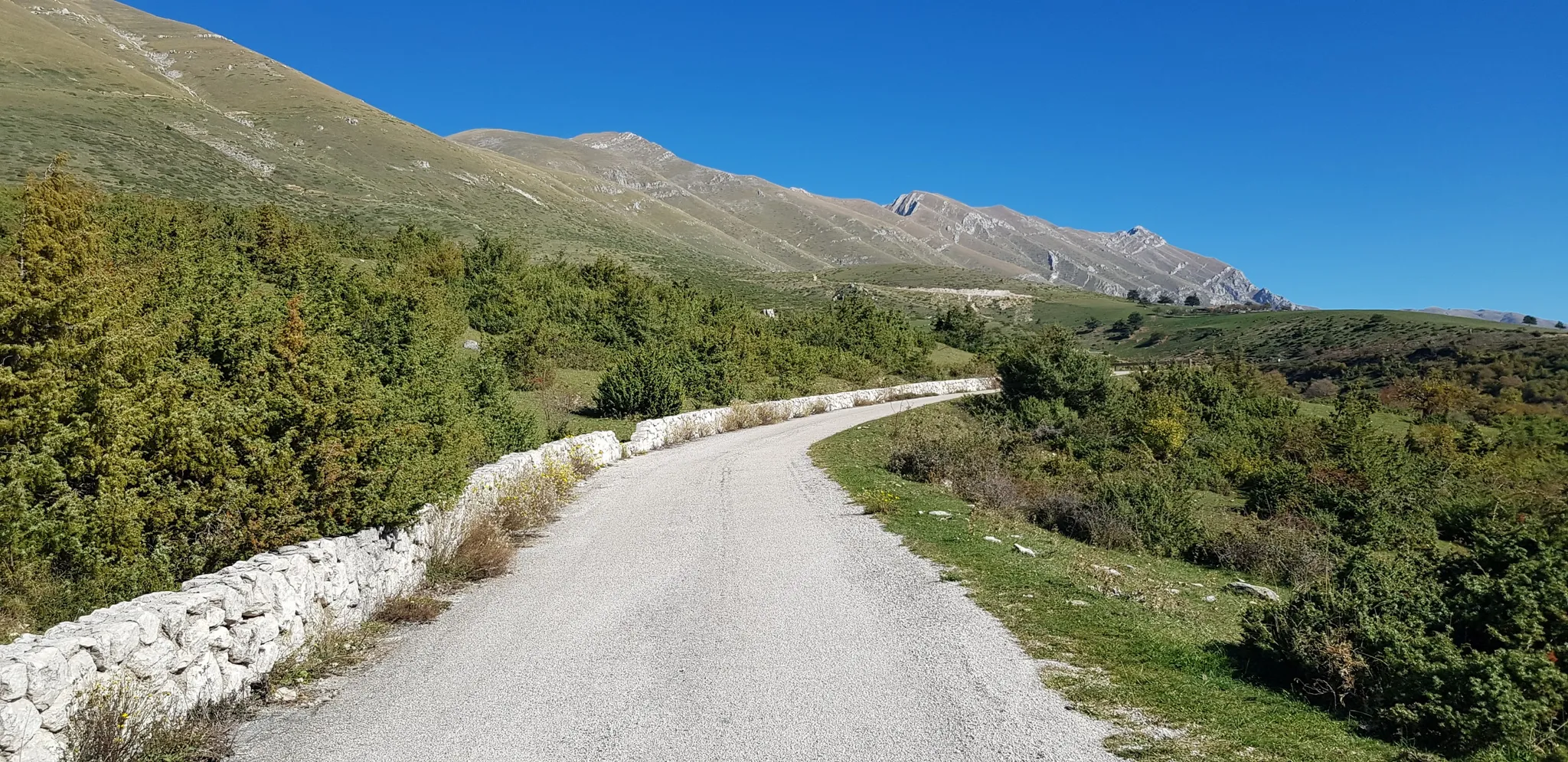
The Apennine Cycleway (Part 2) - From Umbria to Calabria
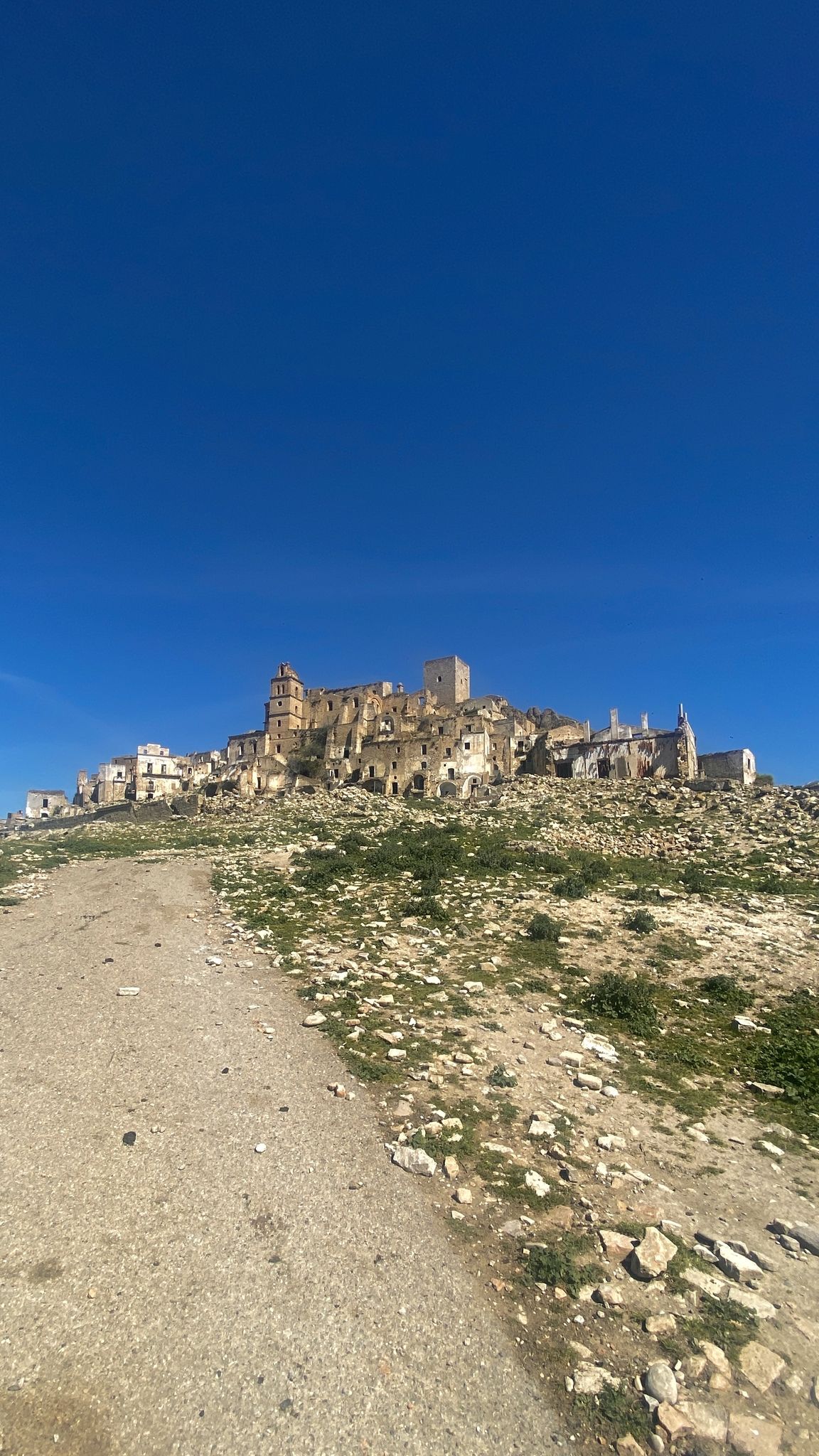
Between nature, history and the sea - Gravel round through Basilicata
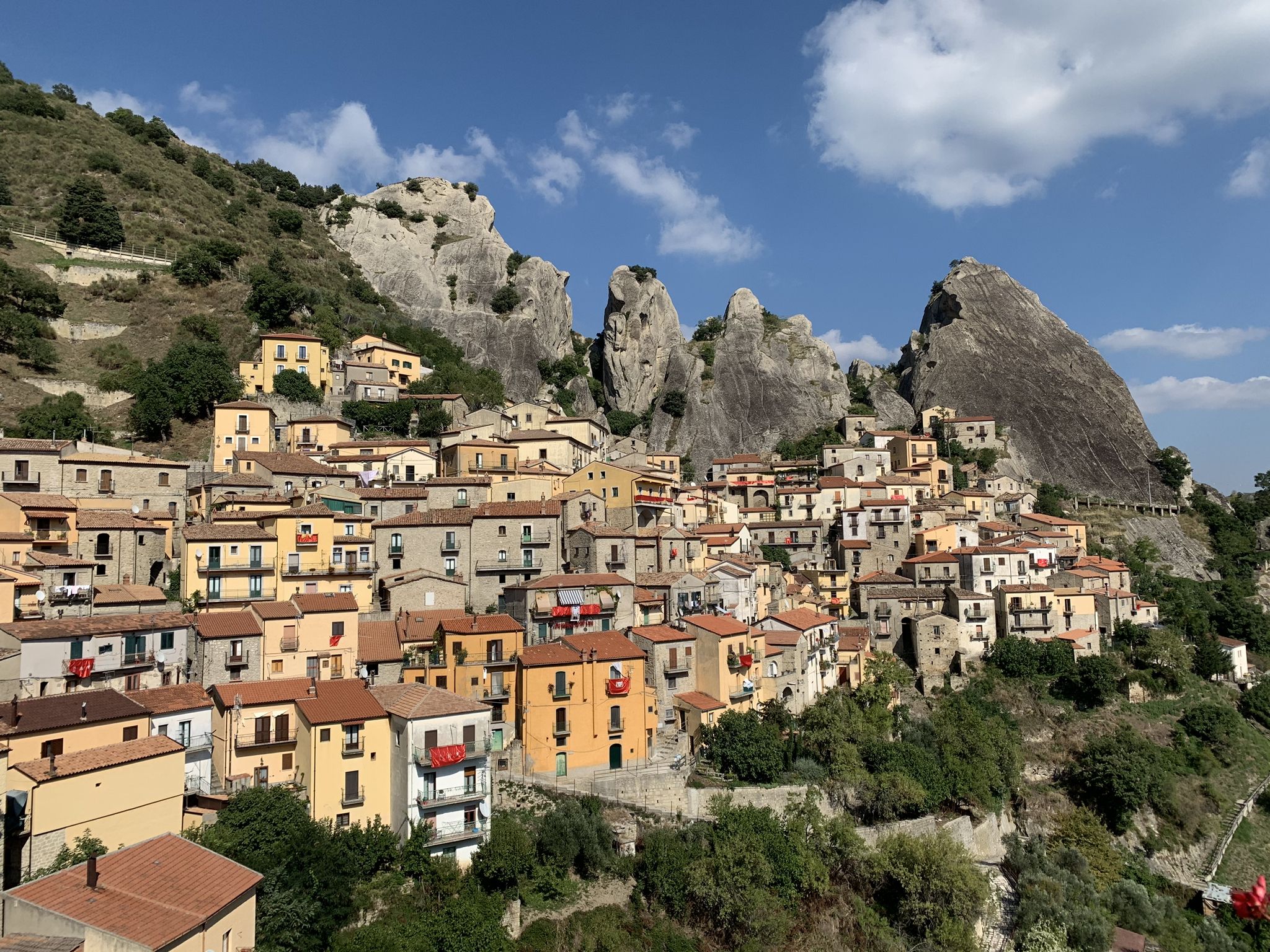
A bike Tour through Italy’s Dolomiti Lucane mountains
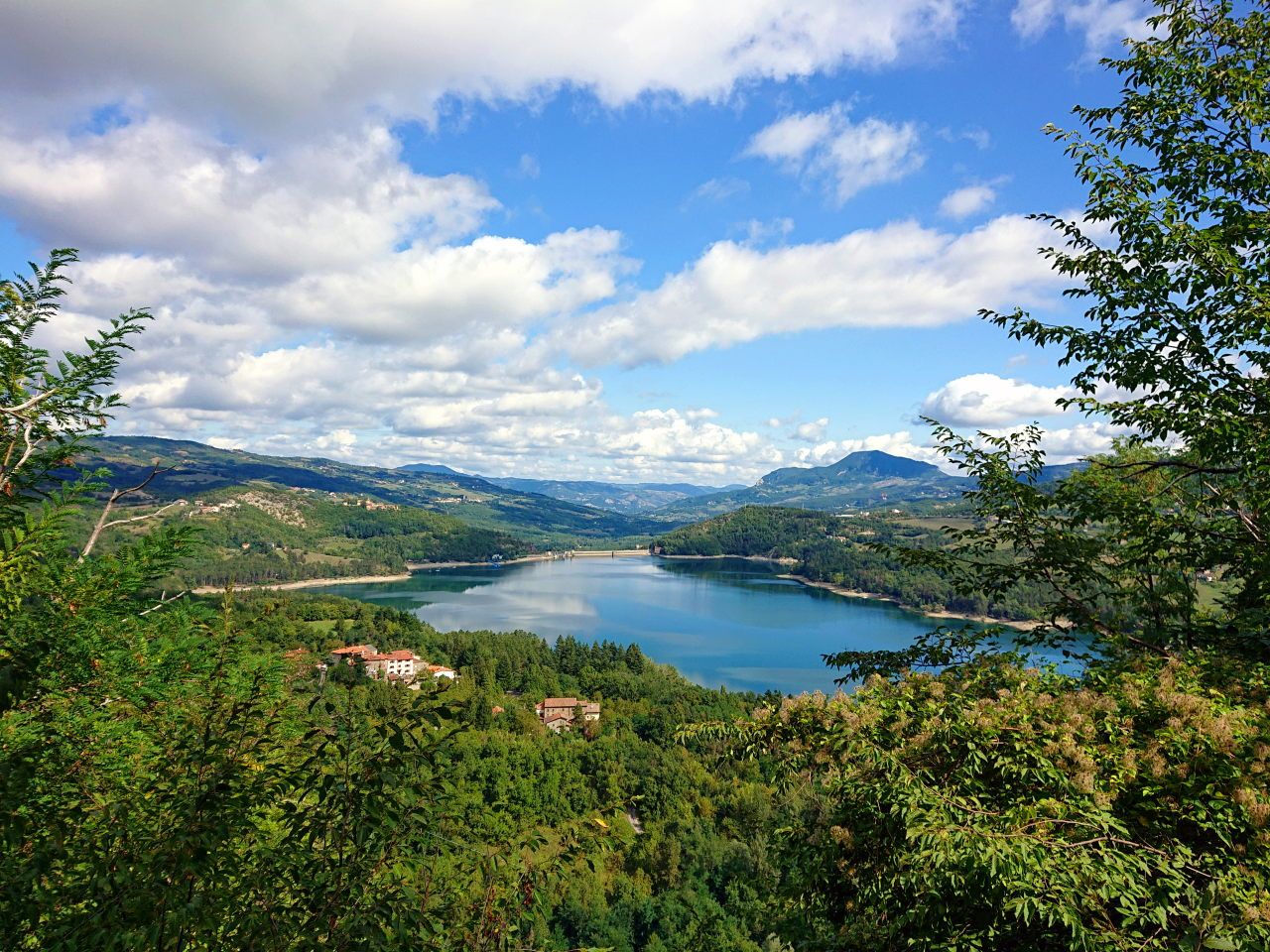
Interiora - A Journey into the Remote Areas of Italy
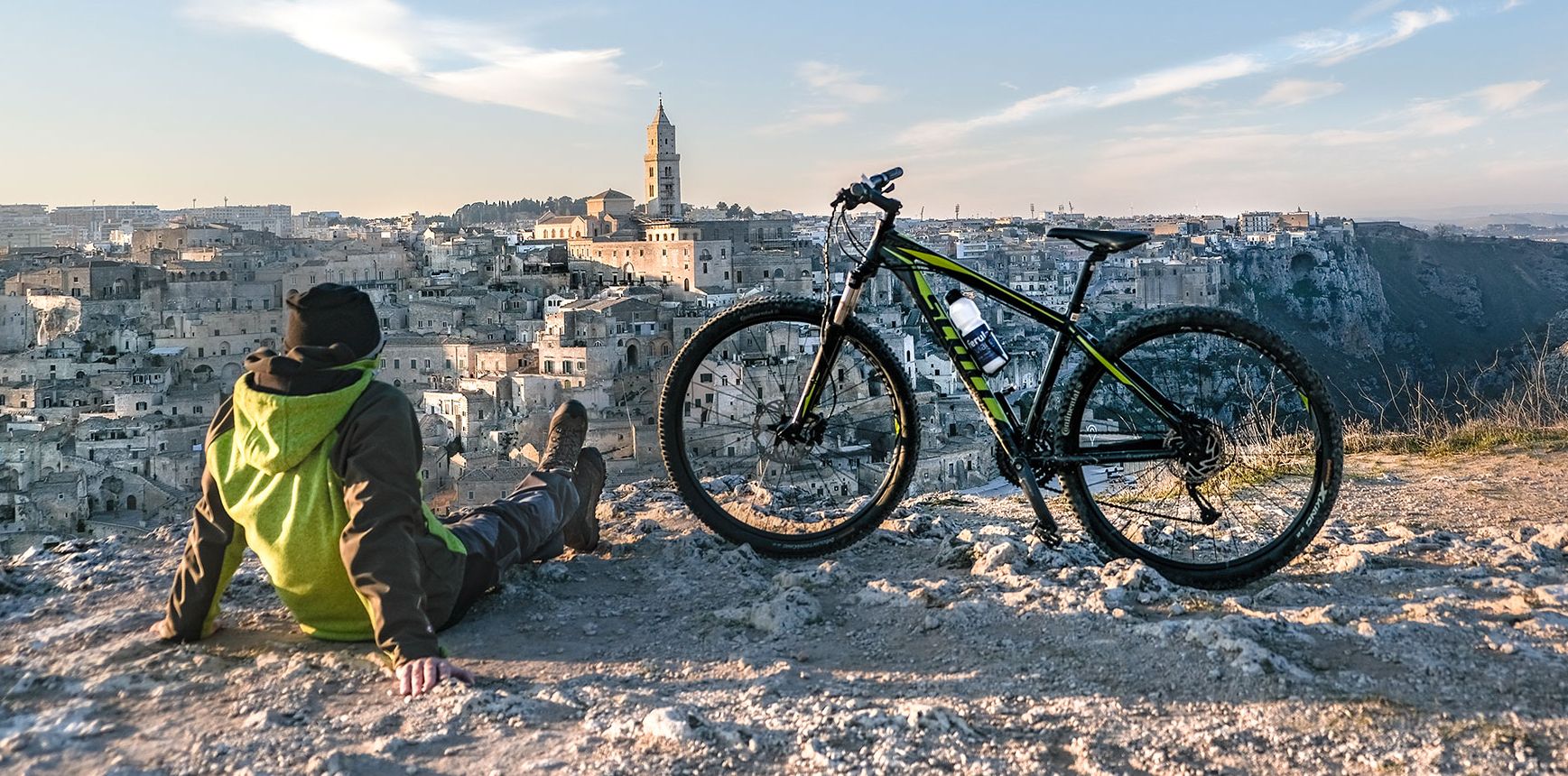
Between unspoilt nature and millenary history — Italy’s Basilicata by bike
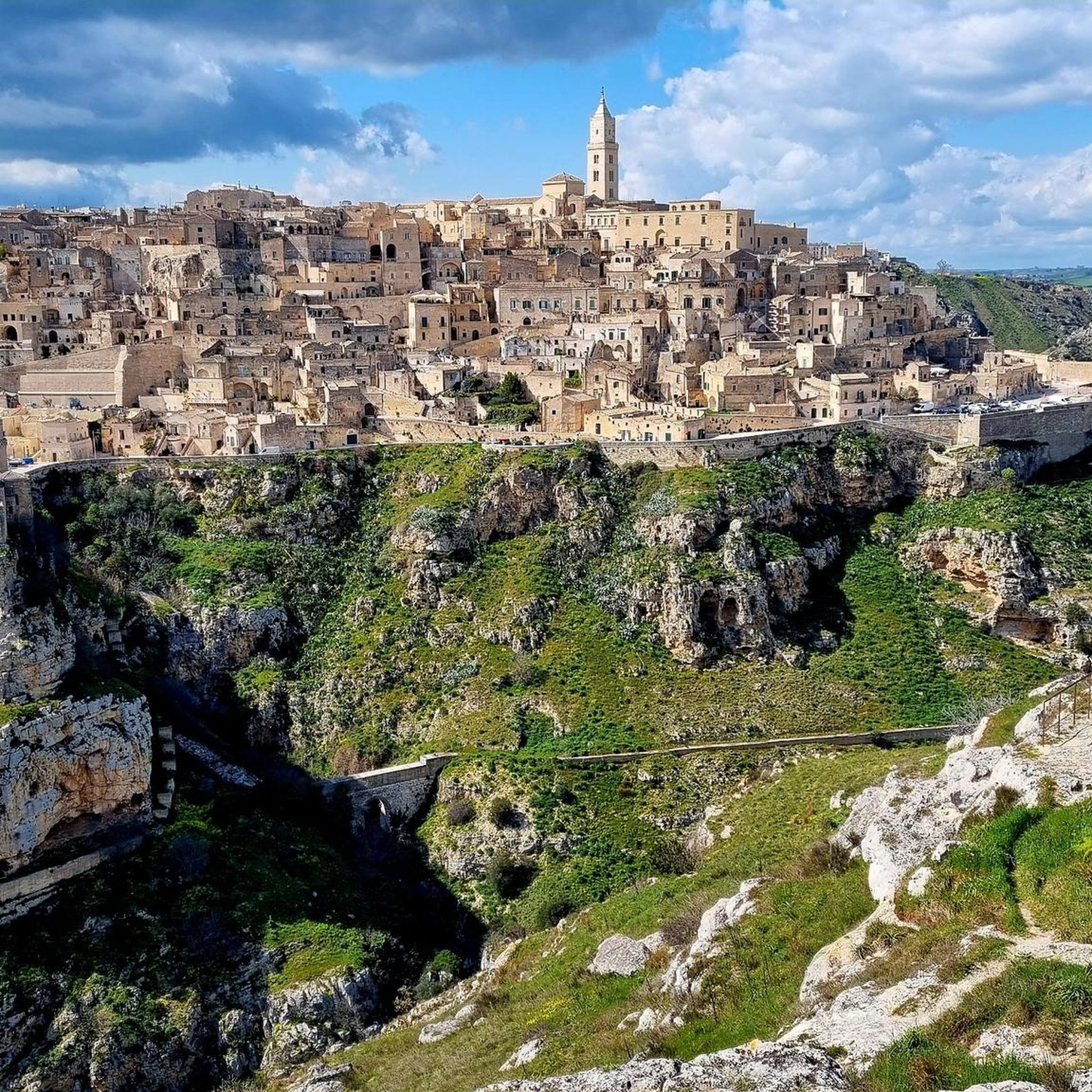
Hiking in Matera
Cycling in Matera
Road Cycling Routes in Matera
Other adventures in Matera


Tips from the Community

The largest rock-hewn church in Matera: dating back to the 12th-13th century in the crypt carved into the rock, expanded and remodeled in the 18th century with the current facade and bell tower, abandoned and looted of sacred works and objects during the 20th century. A must-see is the Sancta Sanctorum in the crypt, with its characteristic niches intended for the display of deceased priests for the practice of “corpse draining”.
0
0
Carved entirely into the rock of the Murgecchia plateau, the rock-hewn Church of the Madonna delle Vergini has medieval origins. The facade, embedded in the stone, is from the 18th century. The simple and intimate interior shows signs of some renovations that have partially altered the original hypogeal structure. It preserves an altar of painted tuff, a depiction of the Virgin, and a 19th-century wooden statue of the Madonna and Child. A short corridor leads to another, small hypogeal room. Interesting is the floor of local terracotta decorated with a row of majolica tiles. As per centuries-old tradition, the Madonna's feast is celebrated here on the last Sunday of May.
0
0

The largest rock church in the city of Matera, whose first rock settlement dates back to the 12th-13th century. Definitely worth seeing!
1
0

a church in an enchanting place
0
0
one of the ancient houses of Matera
1
0

The southern Italian city of Matera is impressive and attractive, but at the same time also mysterious and a bit rough. It looks more like a labyrinth of stone houses, steep staircases and narrow streets. The Sassi di Matera, or Stones of Matera, is full of caves that were once inhabited and were therefore a disgrace to Italy. Times have changed suddenly, and today the Sassi di Matera are the pride not only of the city, but also of the entire Basilicata region, in which Matera is located.
1
0
The southern Italian city of Matera is impressive and attractive, but at the same time also mysterious and a bit rough. It looks more like a labyrinth of stone houses, steep staircases and narrow streets. The Sassi di Matera, or Stones of Matera, is full of caves that were once inhabited and were therefore a disgrace to Italy. Times have changed suddenly, and today the Sassi di Matera are the pride not only of the city, but also of the entire Basilicata region, in which Matera is located.
1
1
Matera is an Italian city in the Basilicata region, the capital of the province of the same name. It lies on the edge of the Murgia plateau. In its vicinity are the most important places of residence of cavemen in the Mediterranean region. Since 1993, the "Sassi di Matera" (Stones of Matera), the oldest part of the city, are part of the UNESCO World Heritage Site. The large drinking water reservoir on the ground floor of the square is very interesting.
4
0
Frequently Asked Questions
What are the Sassi di Matera and why are they significant?
The Sassi di Matera are ancient cave dwellings, a UNESCO World Heritage site, comprising two historic districts: Sasso Caveoso and Sasso Barisano. They are a complex labyrinth of houses, churches, monasteries, and workshops carved directly into the soft limestone cliffs. Their significance lies in representing one of the oldest continuously inhabited cities in the world, showcasing millennia of human habitation and a unique architectural landscape.
Are there specific cave houses or museums that illustrate daily life in the Sassi?
Yes, several preserved cave dwellings have been converted into museums. A prominent example is Casa Grotta di Vico Solitario, which is furnished with authentic period items and tools, offering a tangible connection to Matera's past and the living conditions of its former inhabitants.
What kind of religious cave sites can I visit in Matera?
Matera is home to numerous rupestrian churches, or rock churches, carved into the limestone, many dating from the 8th to the 13th centuries. Notable examples include the Rock Church of Santa Rita, Madonna delle Tre Porte Church, and the Rock Church of San Nicola at the Murgia dell'Amendola. These churches often feature elaborate frescoes and Byzantine-style artwork.
What are some unique viewpoints to experience the Matera cave landscape?
For breathtaking views of Matera and its cave landscape, consider visiting the Suspension bridge over the Gravina. This bridge connects the two sides of the Gravina gorge, offering panoramic vistas. Additionally, the Matera Cave Landscape itself is a natural monument and historical site providing excellent observation points.
Are there family-friendly attractions among the caves in Matera?
Yes, exploring the Sassi can be a family-friendly experience. The Casa Grotta in the Sassi of Matera, along with other preserved cave houses, offers an educational glimpse into historical daily life that can be engaging for families. The general exploration of the Sassi's winding paths and unique architecture is also suitable for families.
What outdoor activities can I do near the caves in Matera?
The area around Matera offers various outdoor activities. You can find numerous hiking trails, including moderate routes like the 'Scenic walk around Matera – loop tour' and the 'Murgia Materana Park Trail 406 Loop'. For more options, explore the Hiking in Matera guide. Cycling and MTB trails are also available, with routes like 'The city of Matera and its sassi — ring tour' for touring bicycles and 'Matera - Parco Nazionale delle Murge' for mountain biking. More details can be found in the Cycling in Matera and MTB Trails in Matera guides.
What is the best time of year to visit the Matera caves?
The best time to visit Matera's caves is typically during the spring (April-May) and autumn (September-October) months. During these periods, the weather is pleasantly mild, making it ideal for exploring the Sassi and the surrounding Murgia plateau on foot. Summers can be very hot, and winters can be chilly and damp, though the unique atmosphere of Matera is present year-round.
Do I need a guide to explore the Matera caves and Sassi?
While you can explore parts of the Sassi independently, a local guide can significantly enhance your experience by providing historical context, insights into daily life, and access to specific sites. For certain rupestrian churches or detailed historical explanations, a guided tour is highly recommended.
What should I wear when exploring the Matera caves and Sassi?
When exploring Matera's Sassi and caves, it's advisable to wear comfortable walking shoes with good grip, as the streets are often steep, uneven, and can be slippery. Layers of clothing are also recommended, as temperatures can vary between the exposed areas and the cooler interiors of the caves and churches.
Are there any unique geological features to observe in the Matera Sassi caves?
The Sassi caves are primarily carved into soft limestone cliffs, which is a significant geological feature in itself. This malleable rock allowed for the extensive excavation of dwellings, churches, and cisterns. The deep Gravina gorge, which the Suspension bridge over the Gravina spans, is another prominent natural geological formation shaping the landscape.
Is there a museum dedicated to contemporary art within a cave setting in Matera?
Yes, the MUSMA (Museum of Contemporary Sculpture Matera) is uniquely located within a historic cave complex in the Sassi. It showcases contemporary sculptures by Italian and international artists, offering a distinctive blend of modern art and ancient history within an evocative cave backdrop.
How long should I plan to spend exploring the Matera Sassi caves?
To fully appreciate the Matera Sassi and its caves, it's recommended to dedicate at least one full day, or ideally two to three days. This allows time to explore both Sasso Caveoso and Sasso Barisano, visit several cave houses and rupestrian churches, and perhaps take a guided tour or explore the Murgia Materana Park.
What is the Palombaro Lungo and can I visit it?
The Palombaro Lungo is a giant subterranean cistern located beneath Piazza Vittorio Veneto. This impressive, artificially excavated reservoir was a vital part of Matera's ancient water collection system. It highlights the ingenuity of Matera's inhabitants in managing water resources and is open for visitors to explore.
Most popular routes in Matera
Most popular attractions in Matera

Get inspired with the komoot mobile app


Didn’t find what you were looking for?
Discover more caves in Matera region by region:
