Top 10 Castles in Caltanissetta
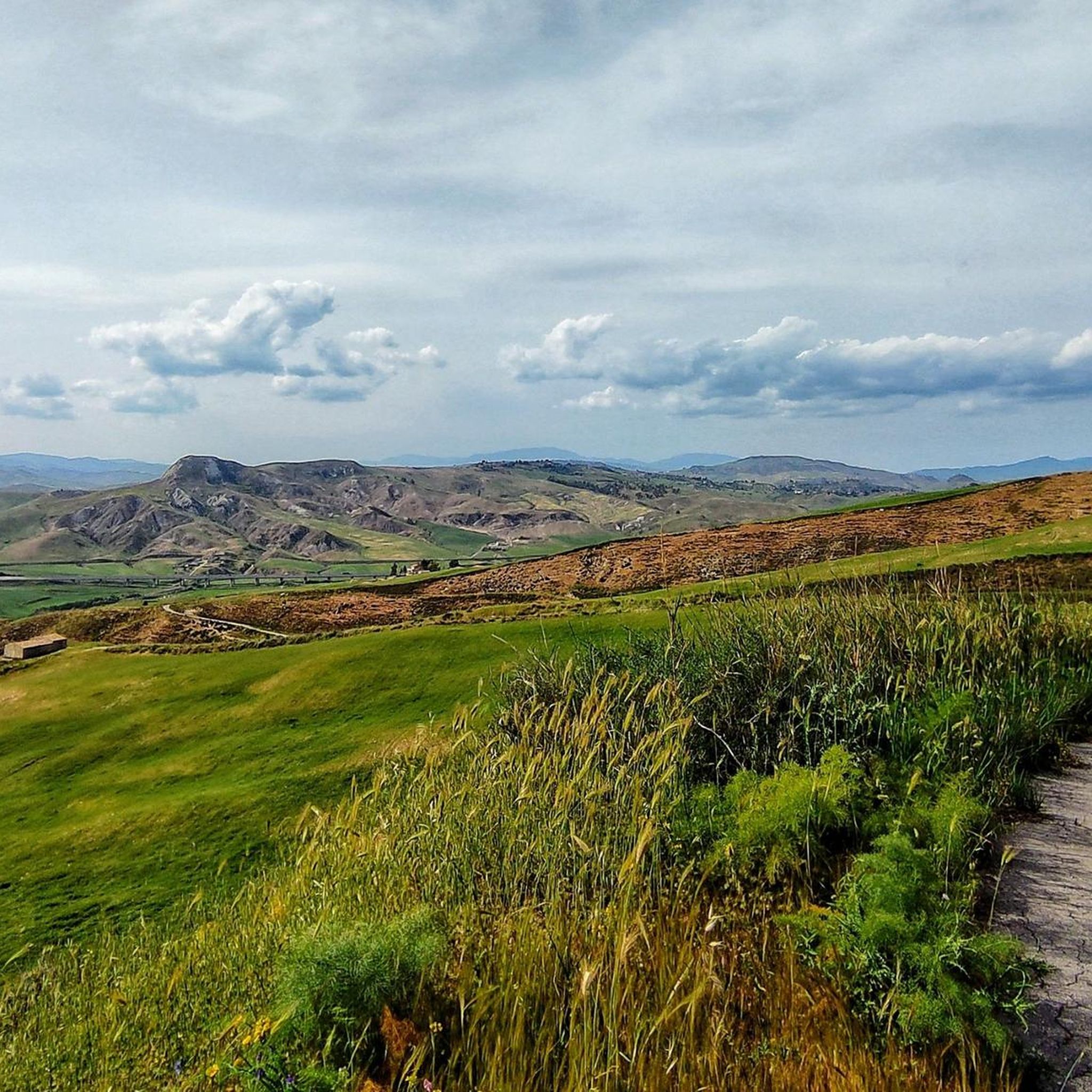
Best castles in Caltanissetta are found in the heart of Sicily, a region characterized by its diverse landscapes, from coastal areas to inland hills. This province offers a rich historical tapestry, with numerous ancient structures reflecting its strategic importance throughout various eras. The terrain often features rocky outcrops and elevated positions, providing natural defensive advantages for its historical fortifications. These sites offer insights into the region's past, showcasing architectural styles and historical events.
Best castles in Caltanissetta
- The most popular…
Last updated: October 14, 2026
Mussomeli and Its Castle
Highlight • Castle
Translated by Google •
Tip by

Castelluccio di Gela
Highlight • Castle
Translated by Google •
Tip by

Sign up now to discover places like this
Get recommendations on the best single tracks, peaks, & plenty of other exciting outdoor places.
Mazzarino Castle
Highlight • Castle
Translated by Google •
Tip by

Lombardy Castle
Highlight • Castle
Translated by Google •
Tip by

Arab-Norman Castle of Butera
Highlight • Castle
Translated by Google •
Tip by

San Francesco di Paola Church, Mazzarino
Highlight • Religious Site
Translated by Google •
Tip by
Resuttano Castle
Highlight • Castle
Translated by Google •
Tip by


Start today with a free account
Your next adventure awaits.
Popular around Caltanissetta
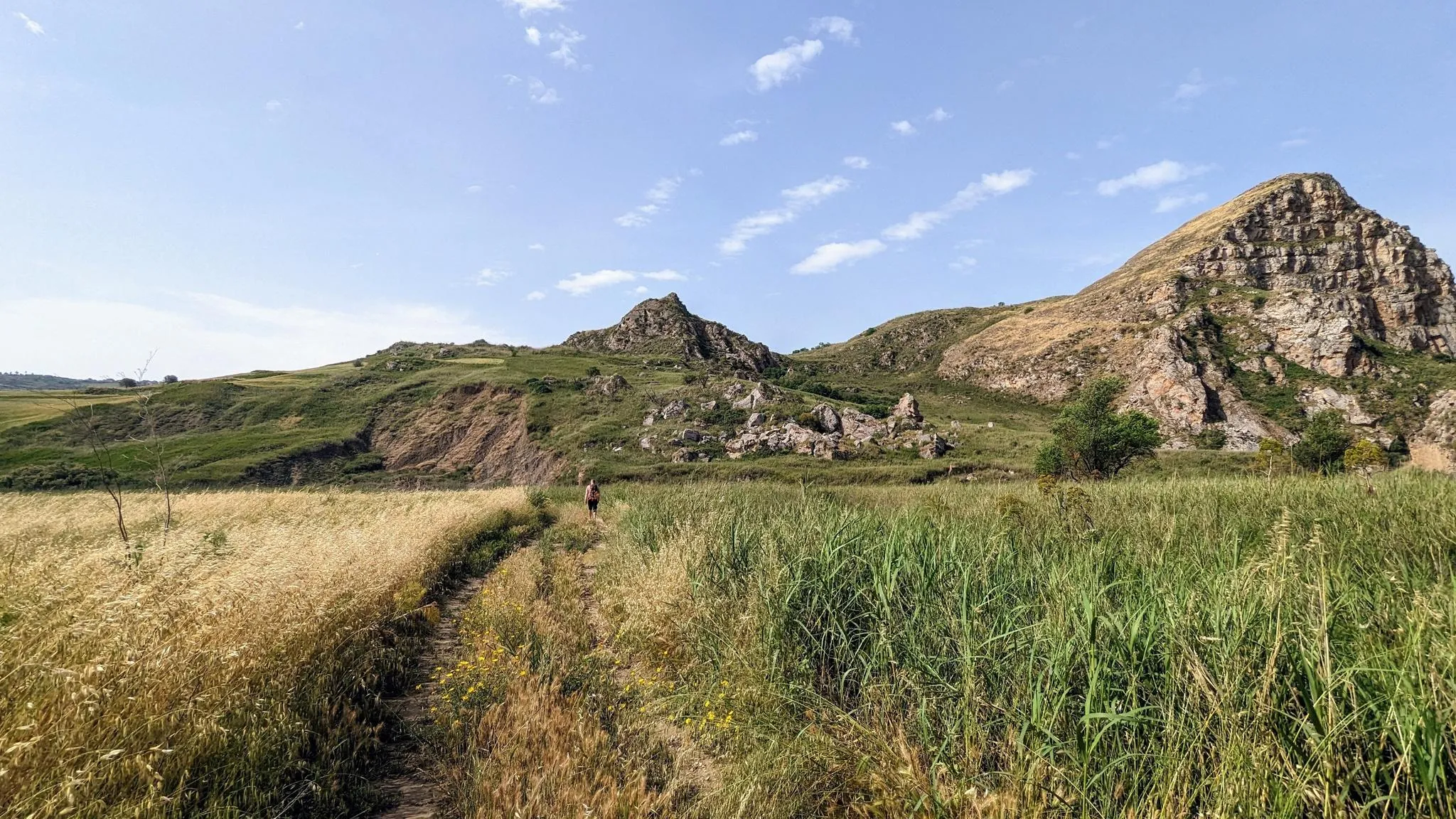
Magna Via Francigena – Sicily between the two seas
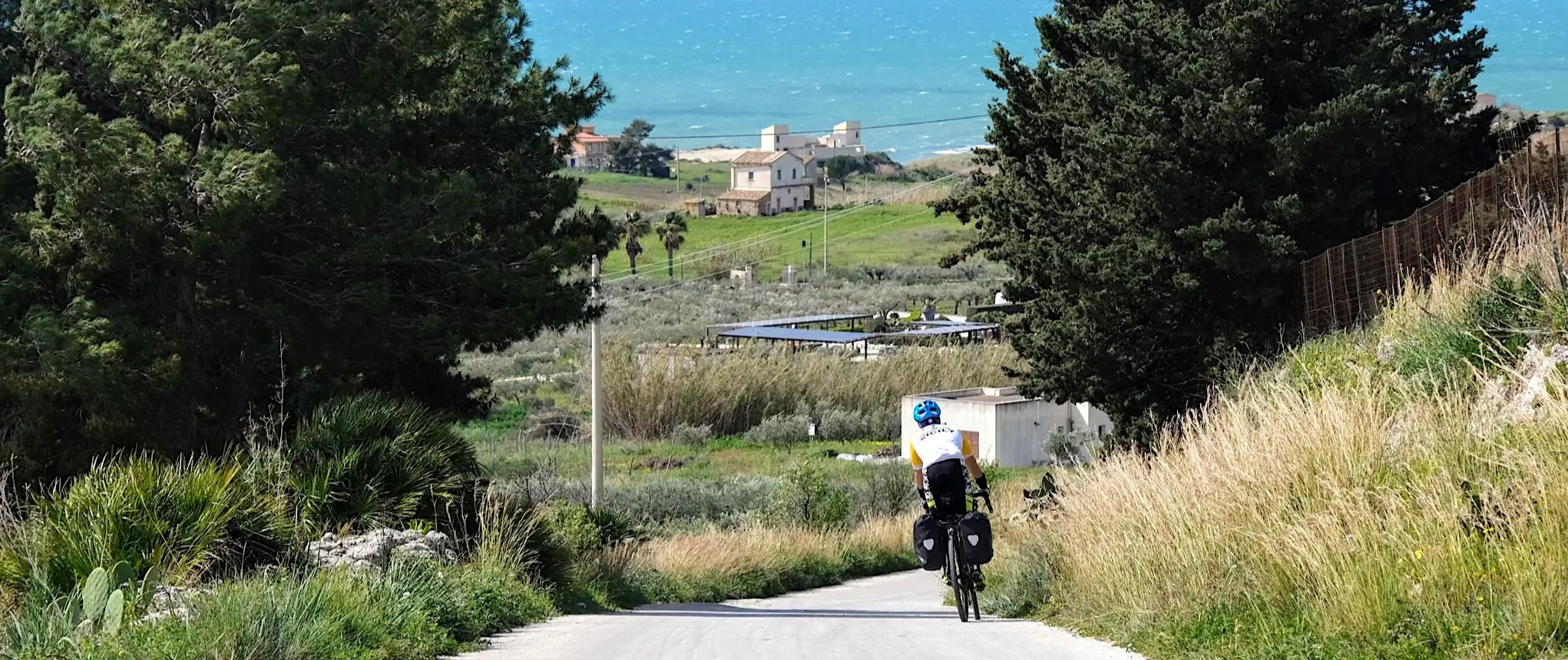
The complete tour of Sicily by road bike
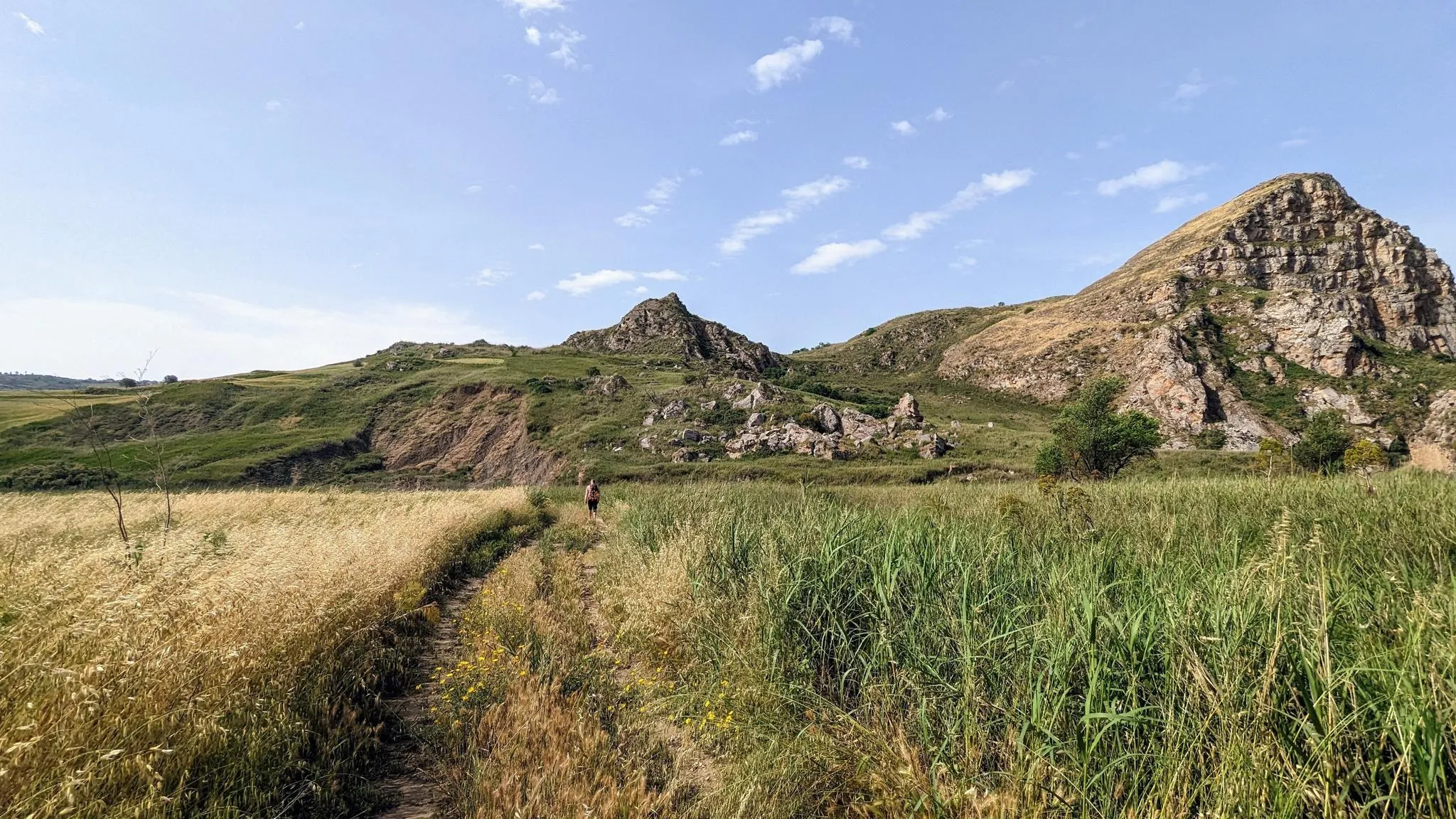
Magna Via Francigena – Palermo to Agrigento
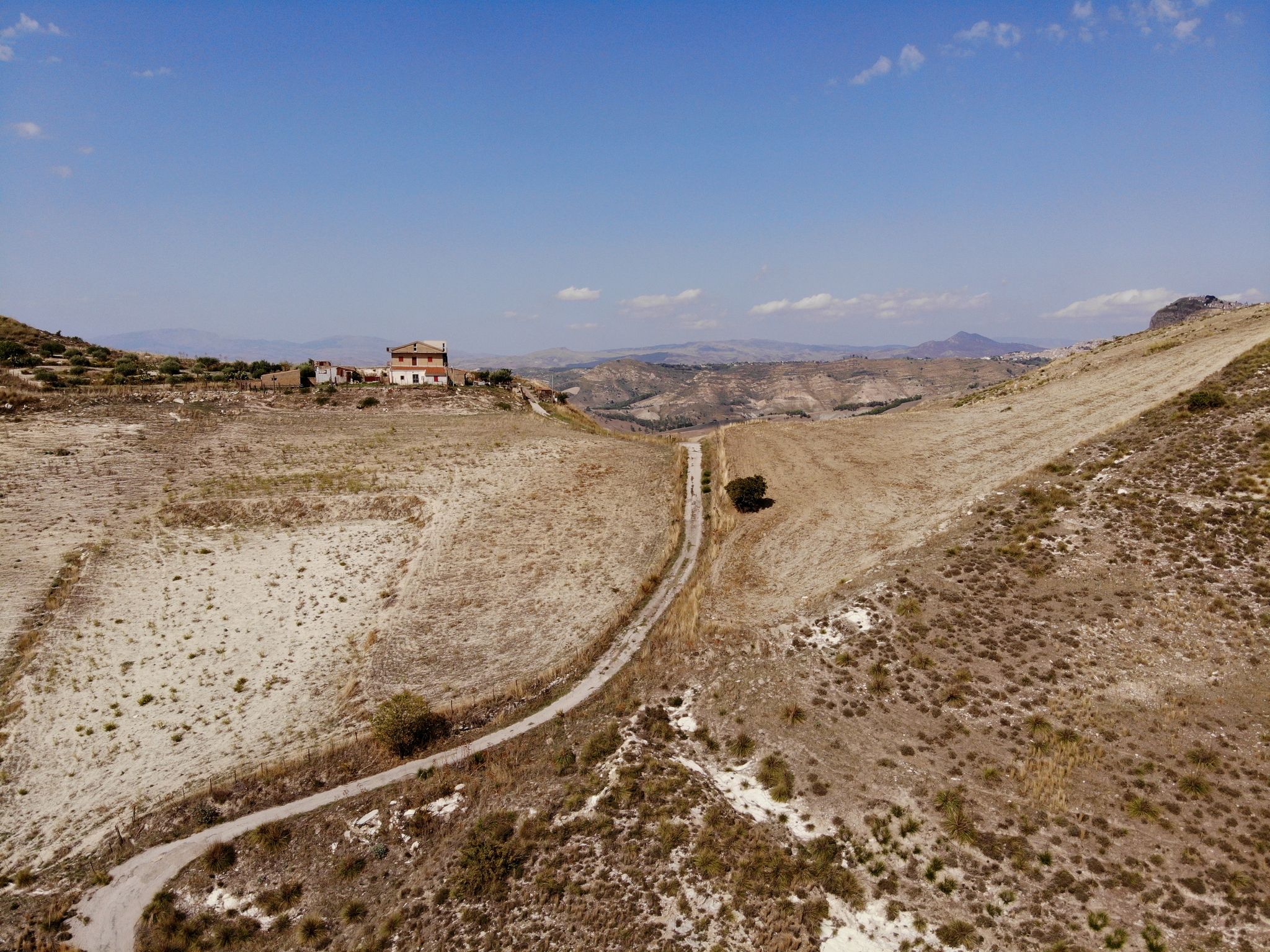
Sicily Divide – an adventure through Sicily
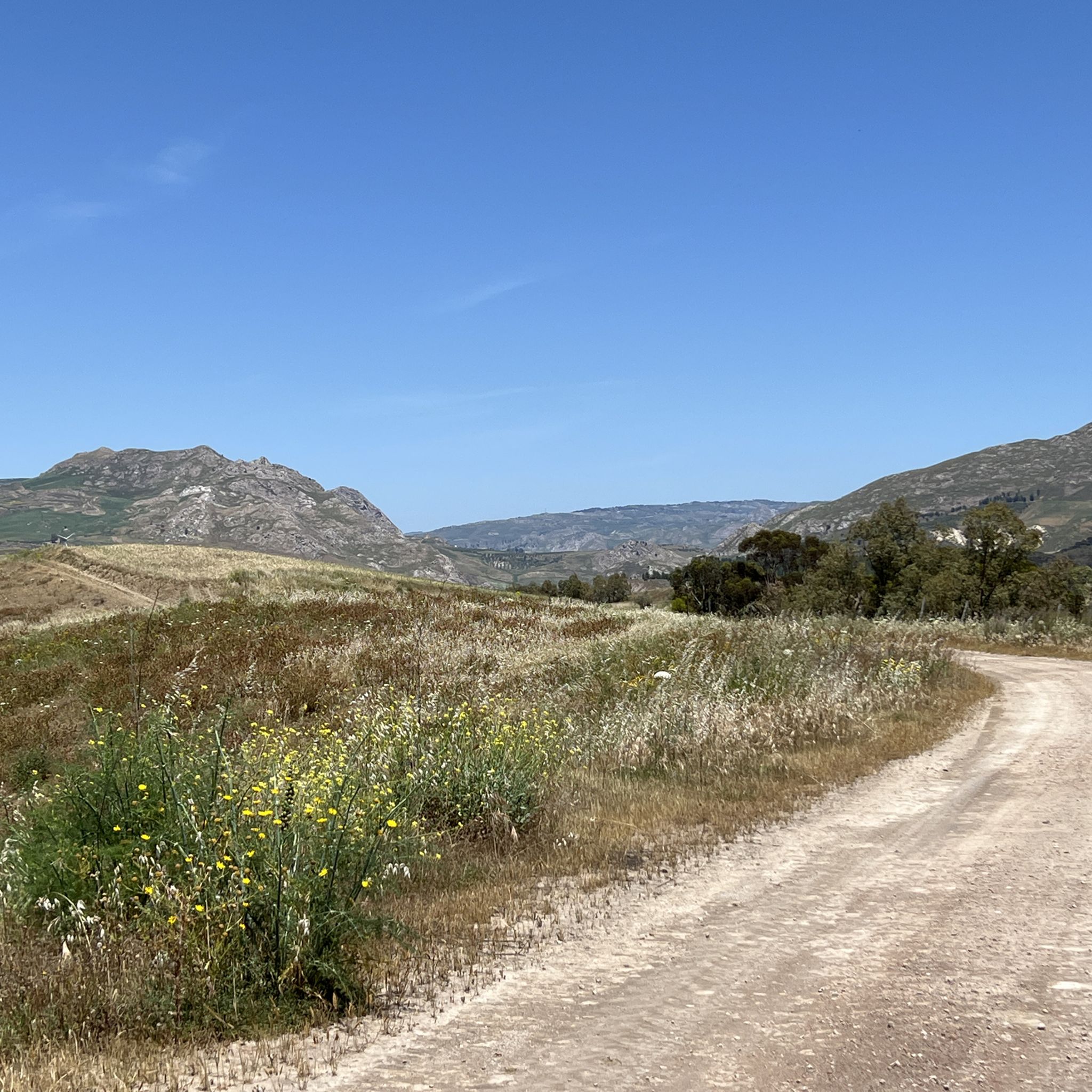
Cycling in Caltanissetta
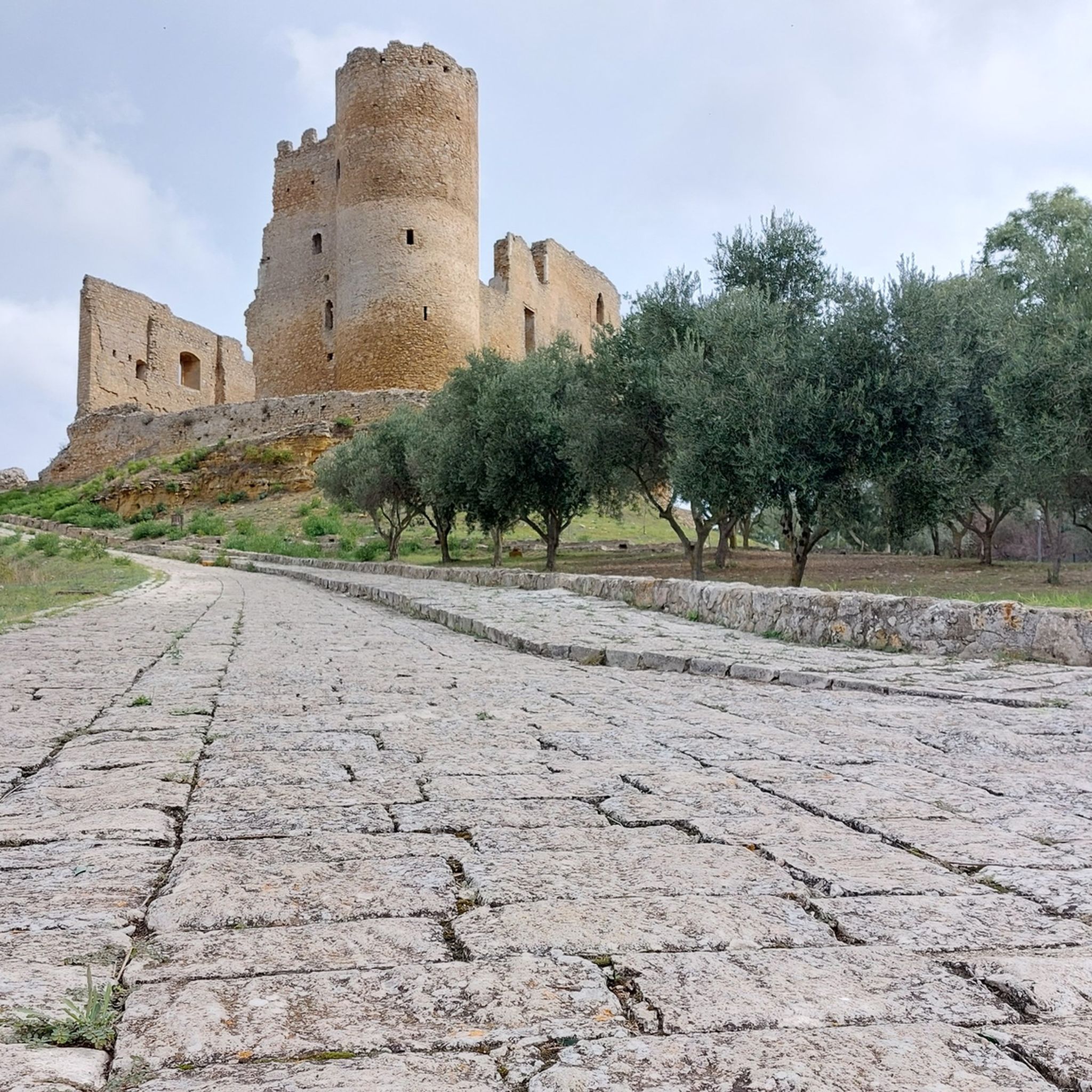
Hiking in Caltanissetta
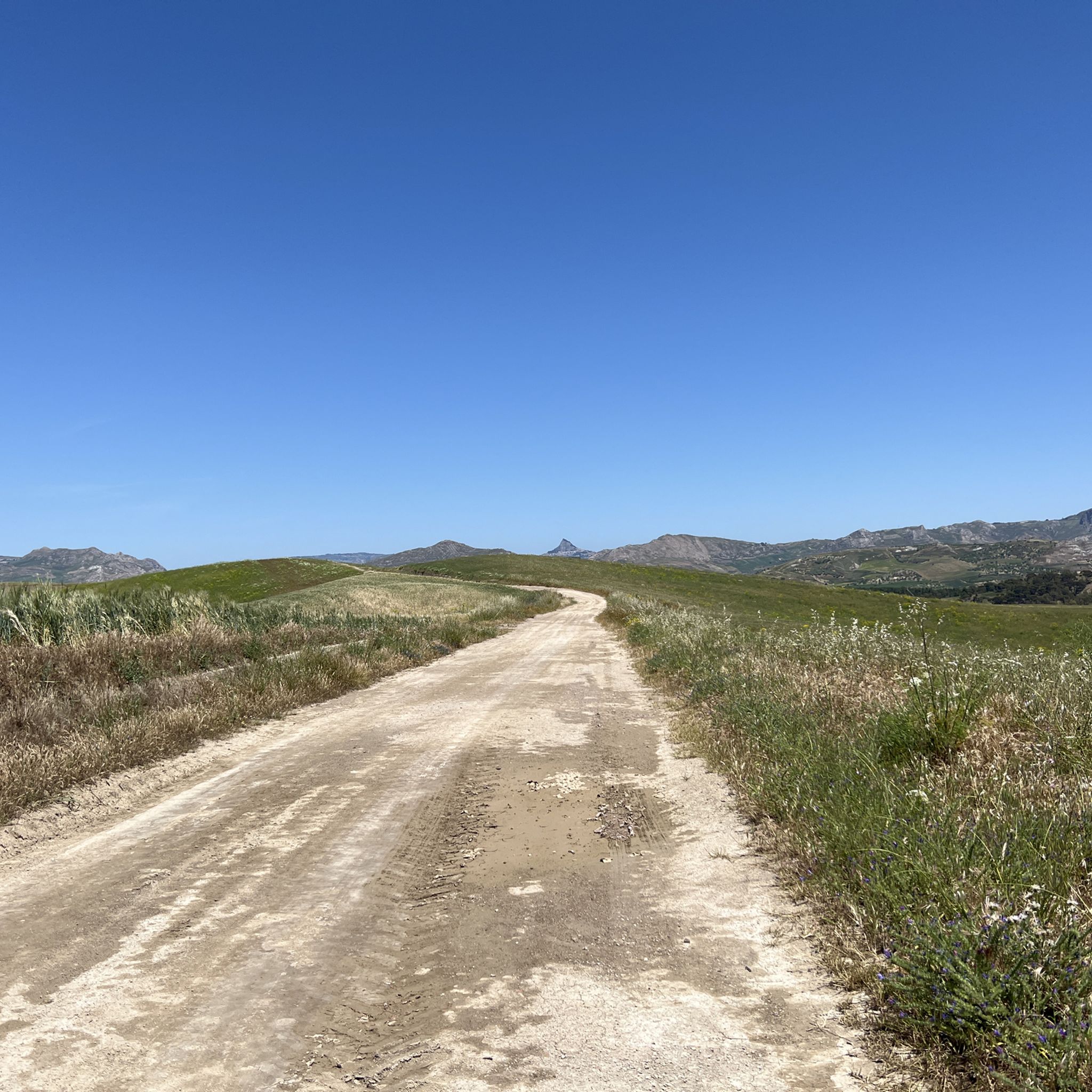
MTB Trails in Caltanissetta
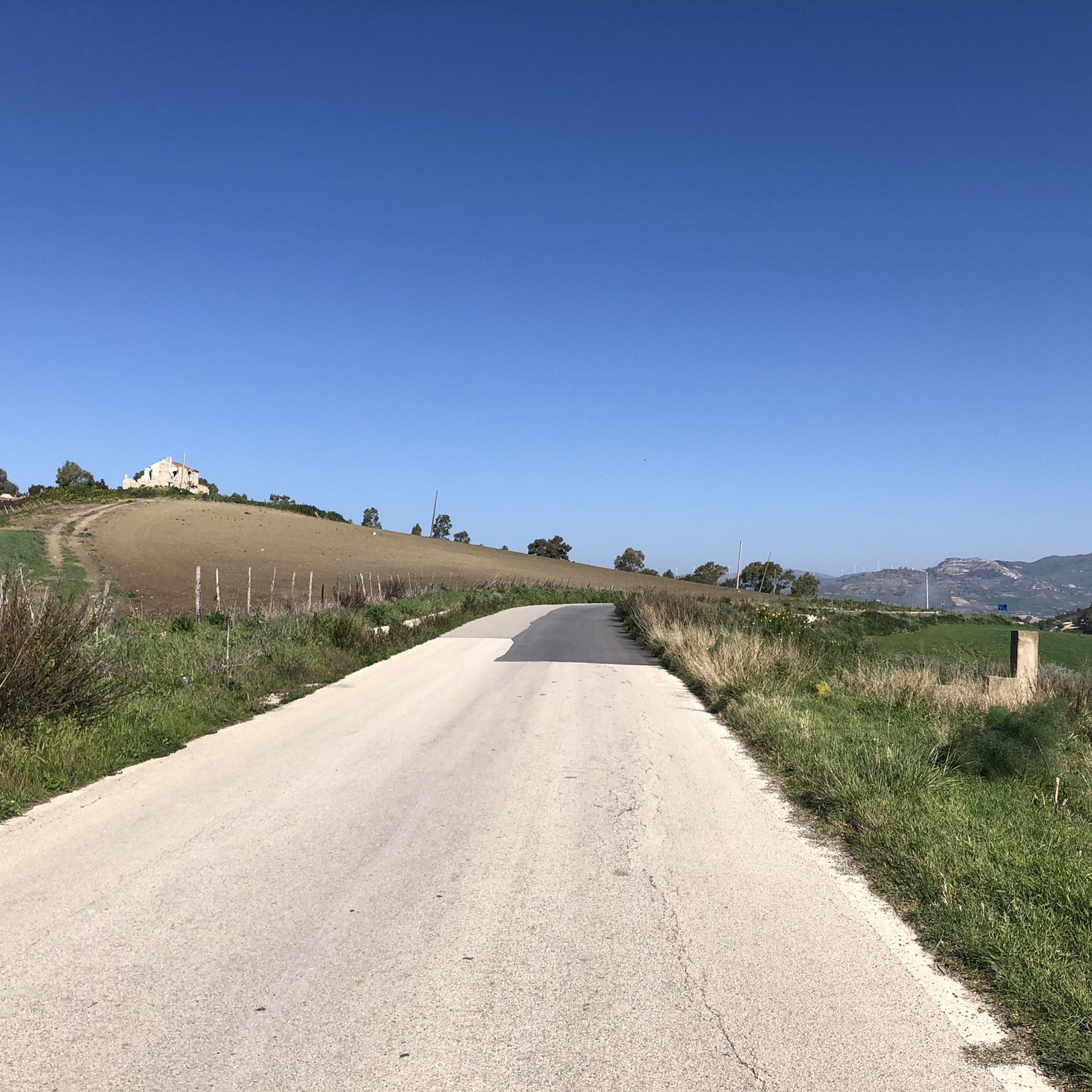
Road Cycling Routes in Caltanissetta
Running Trails in Caltanissetta

Gravel biking in Caltanissetta
Other adventures in Caltanissetta


Tips from the Community

The Resuttano Castle is a historic building dating back to the 14th century, probably on the remains of an old Norman farmhouse. It belonged to the Ventimiglia family until it was expropriated by the Region.
0
0

Romanesque-Norman castle from the 12th century AD It is normally closed, but to the left of the entrance gate, a fence allows access.
1
0

Small hamlet rich in history with a characteristic church and a small Arab-Norman castle. Worth a visit!
0
0

Whether you are a curious visitor or a soul in search of roots, let Castelluccio di Gela envelop you in its emotions. Breathe in the ancient air, listen to the whispers of the wind in its ruins and feel the heartbeat of a city that lives on through the ages.
1
0
In a distant time, in an era of great enterprises and adventures, the Greeks founded the majestic city of Gela. On a mighty and imposing hill, Castelluccio arose, an impenetrable fortress that dominated the city and the surrounding plain. Imagine the power of its defensive walls and the high majesty of the towers that soared towards the sky. The city prospered, its heart pounding with commerce and culture. Gela became a beacon of light and wisdom in the Mediterranean, and Castelluccio was its bulwark, protector of its wonders and its people. But the darkness of the shadow made its way to its gates. The Greco-Punic Wars brought destruction and pain with them. The Carthaginians invaded Gela and Castelluccio was severely hit. Its walls collapsed, the towers fell into disrepair. The majesty and glory that had once characterized the fortress were shattered by the fire and terror of war. But Gela's pride could not be broken. The Romans came to rebuild what had been destroyed. With love and dedication, they restored Castelluccio to its former greatness. It was still there, proud and imposing, ready to defend the city from attack. Centuries passed, and fate played its role. Castelluccio di Gela, once a symbol of power and hope, slowly fell into silence. Wars, abandonment and neglect reduced it to ruins. Its stones, once vibrant with life and battle, were left to their fate. But time cannot erase the beauty of the past. With the wind of change, archaeologists dug to bring to light the traces of the glorious past of Castelluccio di Gela. There, among the ancient stones, the fragments of history recomposed, like a faded memory that comes back to life. Today, as you climb the hills surrounding Gela, you can still hear the echoes of past deeds. The remains of Castelluccio stand out against the sky, a silent testimony of the vicissitudes and emotions he experienced. Looking beyond its collapsed walls, you can imagine the strength and pride of those who ardently defended it. Castelluccio di Gela is a reminder of our humanity, a symbol of our struggles and our hopes. Its ancient stones remind us that we are part of a greater story, that we are shaped by the past and that our present is a bridge to the future.
1
0

the arrival in Enna is conquered with difficulty but, the view of the castle and the panorama from its Belvedere repay any effort
0
0
Description The Swabian Castle of Gela, also known as Castelluccio di Gela, is one of the most characteristic historic buildings in the city's hinterland. It is a work dating back to the Swabian period, built on a chalk hill, a strategic position which also allowed the sighting of any enemies in the distance. The Swabian Castle of Gela is a real archaeological pearl for the city, which boasts the presence of numerous other remains in its territory, even more dated and dating back to the Greek era. History of the Swabian Castle of Gela The area where the Swabian Castle of Gela stands is already mentioned in the 12th century: some documents testify to the transfer of ownership of the fortress between Count Simone di Butera and the Abbot of the Monastery of San Nicolo La Rena of Catania, through a concession for donation in 1143. The Swabian Castle of Gela was built with the aim of defending the city from possible enemy incursions arriving from the Sicilian hinterland, as it was located along the path that connects Gela to the city of Catania, already crossed at that time by a large number of people, mainly merchants but also brigands, with the latter attacking the former to deprive them of all their possessions. Architecture of the Swabian Castle of Gela The architectural style of the Swabian Castle of Gela is very simple, as it does not exceed either in the decorations or in the battlements, resulting sober in its entirety. Some ruins remain of Castelluccio di Gela, which, however, allow us to reconstruct its history and understand its original form. It is certain that the Castello Svevo di Gela had a rectangular plan, while as regards the materials used for its construction, the yellow and white calcarenite predominates, carefully smoothed to create large blocks. The walls are very thick, precisely to further highlight its defensive functions, also confirmed by the presence of two large towers at the ends, the interiors of which can still be visited today and note, in one, the remains of an ancient cistern, and of a small chapel in the other. Although it is possible to note only the lowest level of the Castello Svevo di Gela, scholars agree that it was made up of several floors: this thesis is confirmed by some windows which lead to this very theory. Entering the Castelluccio it is possible to see its features, with some rooms that have managed to resist the passage of centuries, thus being able to observe the rooms that were used as stables and as warehouses. How to get to the Swabian Castle of Gela The Swabian Castle of Gela is about 10 km away from the historic center of Gela, but in any case well connected thanks to the Strada Statale 117bis, the same that together with the Strada Statale 115 and the Provincial Roads 8, 81 and 82 allow anyone to reach Gela from any point in Sicily, both by car and with the Sicilian bus lines. Those traveling by train will find the Gela Railway Station the best solution for reaching these places, while those arriving in Sicily by plane can count on the Comiso Airport, about 40 km away, or the Fontanarossa Airport in Catania, located about 100km away. Source: sicilyintour.com
1
1
The church of S. Francesco da Paola is a very ancient church of the fourteenth century with a Greek cross plan erected on the base of a previous Byzantine cult building. There is a small underground crypt with rooms used for mummification and display of the deceased. In its most ancient phase the church was the private chapel of the castle, later it was incorporated into the Convent of the Carmelite Fathers. Source: siciliafotografica.it
0
0
Frequently Asked Questions
What are some historically significant castles in Caltanissetta?
Caltanissetta is rich in historical castles. Mussomeli and Its Castle, built by Manfredi III between 1364 and 1367, is considered one of Sicily's most fascinating. Pietrarossa Castle, with debated origins (Sicanian, Byzantine, or Arab), played a crucial strategic role in the Middle Ages. Castelluccio di Gela, also known as the Swabian Castle, dates back to 1143 and served to defend Gela from inland incursions.
Which castles offer the best panoramic views in Caltanissetta?
Several castles provide stunning views. Pietrarossa Castle, despite being largely in ruins, offers spectacular panoramic views of the Salso river valley. Mussomeli and Its Castle, perched on a dramatic limestone crag, provides dreamlike panoramic views of the Platani Valley, and on clear days, even Mount Etna. Castelluccio di Gela also offers breathtaking views of the plain, surrounding hills, and the sea.
Are there any castles directly on the coast in Caltanissetta?
Yes, Castello di Falconara in Butera is unique for its direct sea-facing position. Dating back to the 14th century, it offers exclusive access to a private sandy beach and stunning sea views, blending historical charm with modern luxury.
What kind of architecture can I expect to see in Caltanissetta's castles?
You'll find a variety of architectural styles reflecting different eras. Mussomeli Castle showcases Gothic art with merlons, mullioned windows, and cylindrical towers. Castelluccio di Gela features a simple, functional rectangular plan with thick walls and square-based towers, built with yellow and white limestone. Many castles, like Pietrarossa, show remnants of medieval defensive structures.
Are there family-friendly castles to visit in the region?
While specific 'family-friendly' categorizations aren't always explicit, castles like Mussomeli Castle, with its dramatic setting and legends, can be engaging for families. During summer, Mussomeli also hosts medieval reenactments and the 'Antica Fiera del Castello,' which can be fun for all ages. Exploring the ruins and imagining the history at places like Pietrarossa or Castelluccio di Gela can also be an adventurous experience for children.
What outdoor activities can I do near Caltanissetta's castles?
The region offers various outdoor activities. You can find numerous cycling routes, including road cycling, gravel biking, and touring bicycle options. For example, there are challenging road cycling routes like the "Mussomeli Castle Loop from Cal" and gravel biking routes such as "Mussomeli and Its Castle – Ascent towards Serradifalco loop." You can explore more options and detailed routes in the Road Cycling Routes in Caltanissetta, Gravel biking in Caltanissetta, and Cycling in Caltanissetta guides.
How can I reach the castles in Caltanissetta?
Access to the castles varies. Many are best reached by car, especially those in more rural or elevated positions like Mussomeli Castle. For Castelluccio di Gela, it's about 10 km from Gela's historic center, well-connected by Strada Statale 117bis. Gela itself is accessible by car via SS115 and provincial roads, or by train to Gela Railway Station. The nearest airports are Comiso (about 40 km) and Catania Fontanarossa (about 100 km).
What is the best time of year to visit the castles in Caltanissetta?
The best time to visit Caltanissetta's castles is generally during the spring (April-June) and autumn (September-October) months. The weather is milder and more pleasant for exploring ruins and enjoying panoramic views. Summers can be very hot, especially inland, though coastal castles like Castello di Falconara might offer a sea breeze. Winters are generally mild but can be rainy.
Are there any legends associated with Caltanissetta's castles?
Yes, several castles are steeped in local legends. Pietrarossa Castle is linked to the local legend of cannoli's invention and features an underground tunnel rumored to be an escape route. Mussomeli Castle is particularly rich in tales, including stories of three princesses walled alive and the laments of noblemen. Castelluccio di Gela is also said to have a hidden tunnel connecting it to the city of Gela.
Where can I find information on opening hours and tickets for Caltanissetta's castles?
Opening hours and ticket information can vary greatly for each castle, especially for those that are privately owned or largely in ruins. For Pietrarossa Castle, which is largely ruins, access is generally open. For Mussomeli Castle, it's advisable to check their official website or local tourist information for current operating hours and entrance fees. For Castello di Falconara, as it's a luxury residence, visits might be by appointment or part of a stay. For general information on some sites, you might find details on sites like Visititaly.com.
Are there any castles that played a role in more recent history, like WWII?
Yes, Castelluccio di Gela, despite its ancient origins, played a role in WWII. Its strategic position overlooking the coast made it relevant even in modern conflicts, adding another layer to its rich history.
What makes Mussomeli Castle particularly unique among Caltanissetta's castles?
Mussomeli Castle stands out due to its dramatic and almost inaccessible position on a towering limestone crag, making it appear to merge with the natural rock. Its well-preserved Gothic architecture, including the Barons' Hall and the chilling "Prison of Death," offers a vivid journey into medieval life. The castle is also rich in captivating legends and offers breathtaking panoramic views, making it a truly unique experience.
Can I explore the ruins of castles in Caltanissetta?
Yes, many castles in Caltanissetta are partially or largely in ruins, offering a unique opportunity for exploration. Pietrarossa Castle, for instance, allows visitors to wander among its remains and imagine its past grandeur. Castelluccio di Gela, though abandoned, provides open access for visitors to explore its thick walls and remaining towers, offering a tangible connection to history.
Most popular routes in Caltanissetta
Most popular attractions in Caltanissetta

Get inspired with the komoot mobile app


Didn’t find what you were looking for?
Explore Caltanissetta’s best castles region by region:
Explore more
Looking for the best castles somewhere else? Discover other guides in Caltanissetta:
