The 3 Most Amazing Peaks in Beja
Mountain peaks in Beja, Portugal, are characterized by a largely flat geography, yet the district contains several named mountains. The highest point within the Beja district is Pico das Escovas, offering expansive views over the Alentejo landscape. While the district itself features modest elevations, nearby regions like Serra de Monchique and Serra do Caldeirão provide more pronounced peaks and extensive hiking opportunities. These areas offer diverse natural features, from cork oak forests to traditional villages.
Best mountain peaks in Beja
…Last updated: October 14, 2026
Chapel of São Pedro das Cabeças and Battle of Ourique Memorial
Highlight • Religious Site
Tip by

Serra do Mira
Highlight • Summit
Translated by Google •
Tip by

Sign up now to discover places like this
Get recommendations on the best single tracks, peaks, & plenty of other exciting outdoor places.
Alcaria Ruiva Peak
Highlight • Summit
Tip by

Ruins of the Old Windmill at Cruz de Norte
Highlight • Monument
You are standing on the ruins of a long-abandoned windmill.
Translated by Google •
Tip by

View of Mértola from Alcaria Ruiva
Highlight • Summit
Tip by
Start today with a free account
Your next adventure awaits.
Popular around Beja

Triathlon 360 – my journey around the world
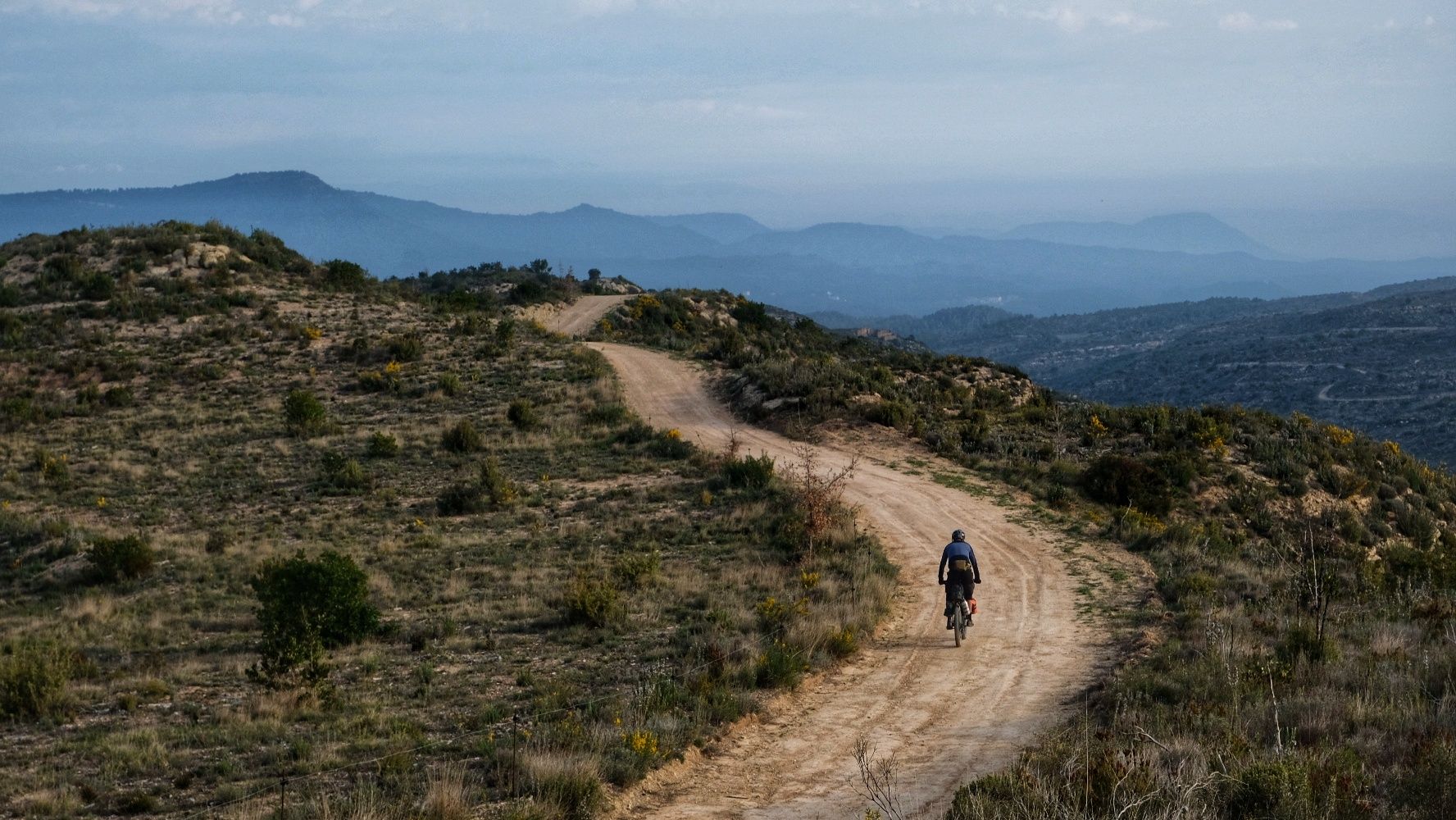
European Divide Trail — 7,600 km across the continent
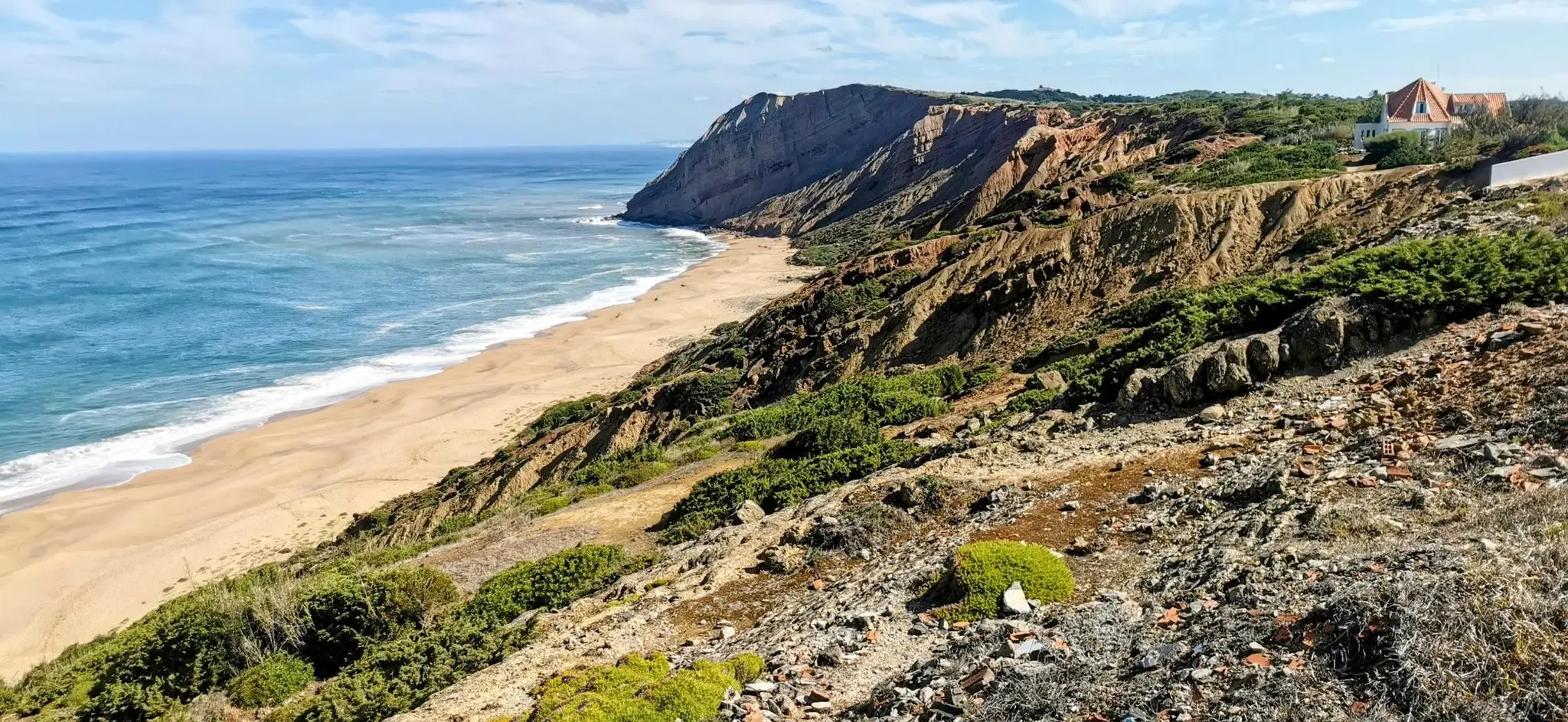
EuroVelo 1 Portugal – Cycle the Atlantic Coast
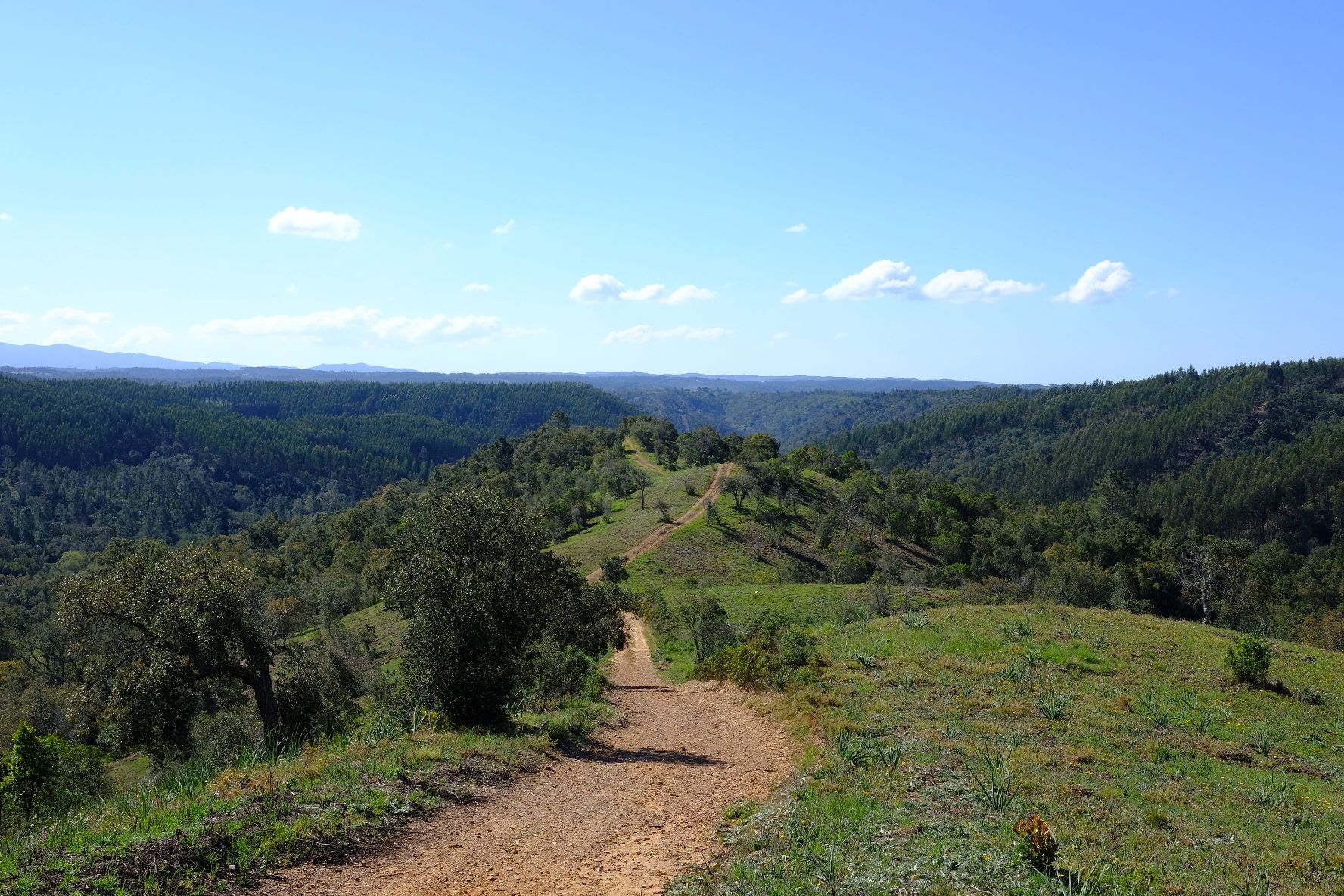
Caminho Histórico – Discover Portugal's beauty and history
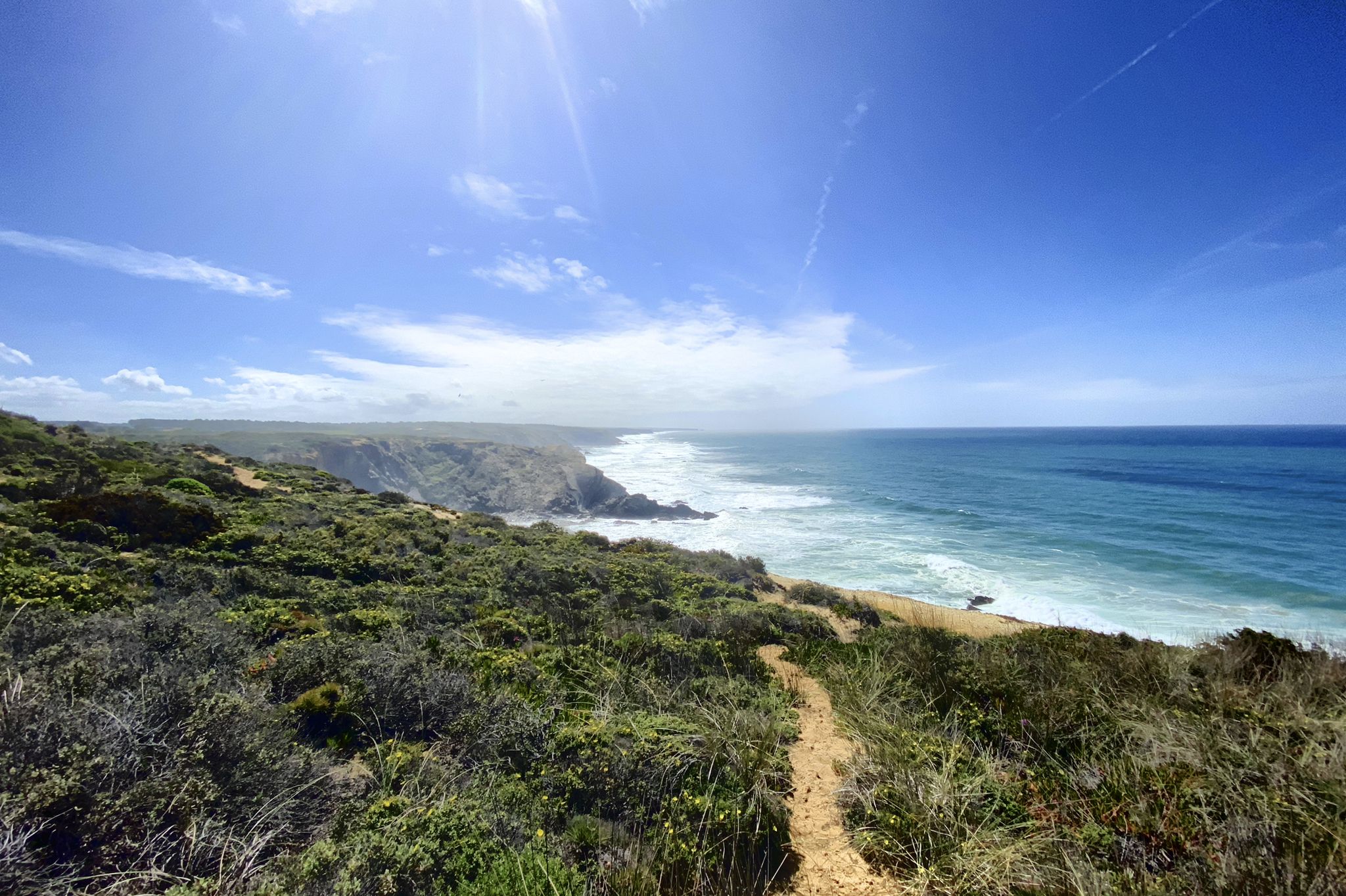
Trilho dos Pescadores – Portugal's Fishermen's Trail
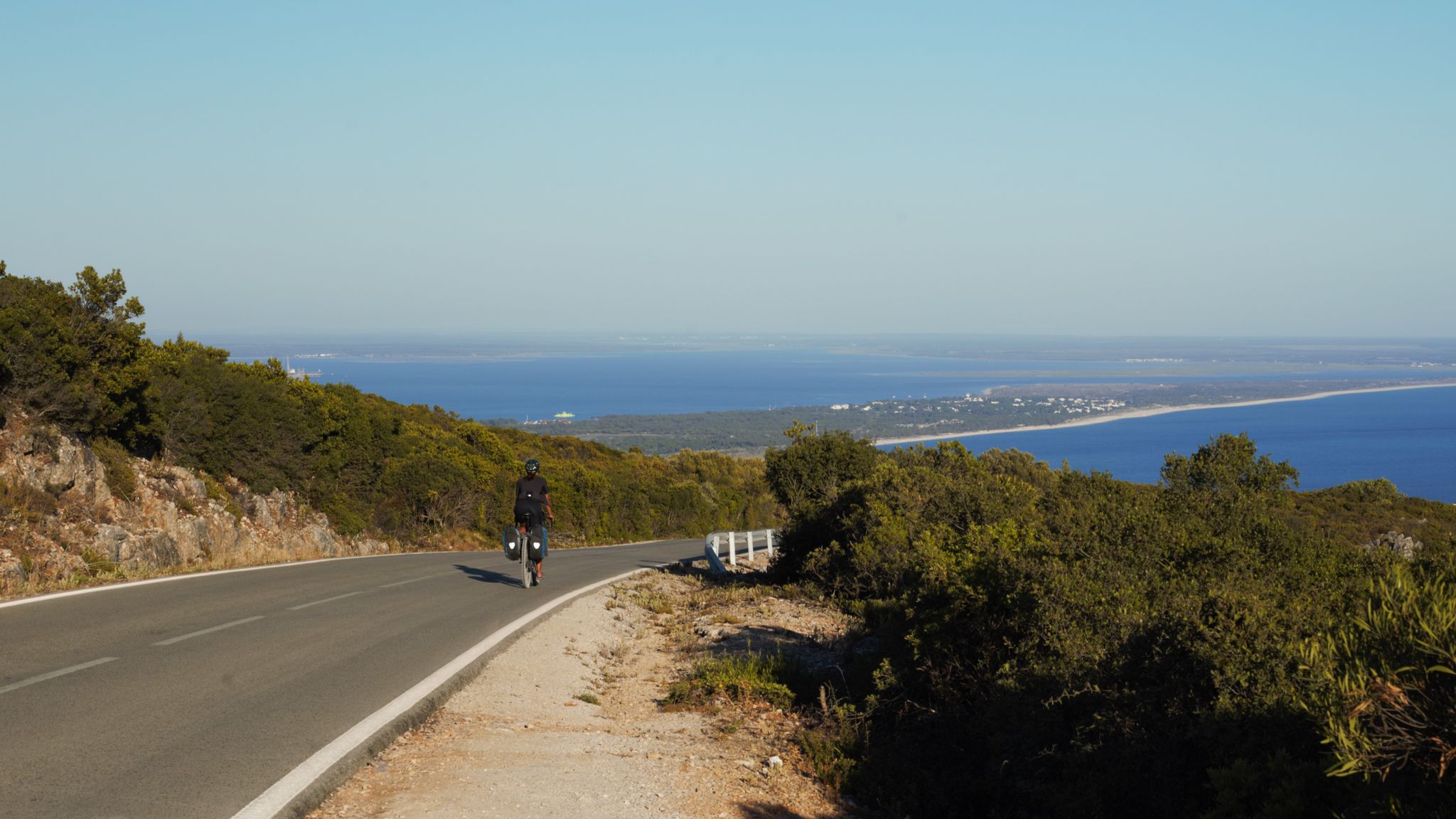
The breaking waves – cycle along the Atlantic coast of Portugal
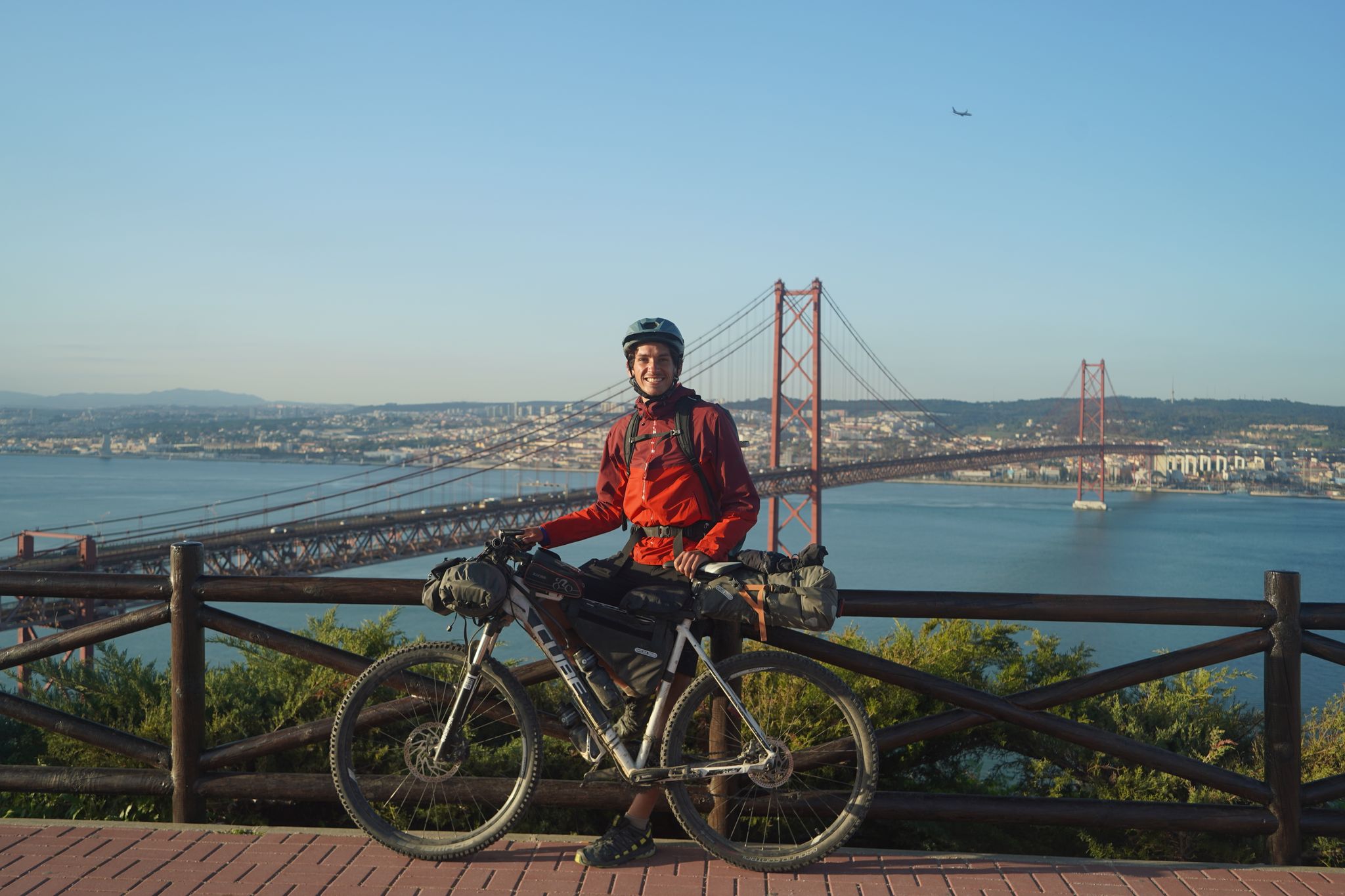
Road to Lisbon – bikepacking the Alps, Pyrenees and Picos de Europa
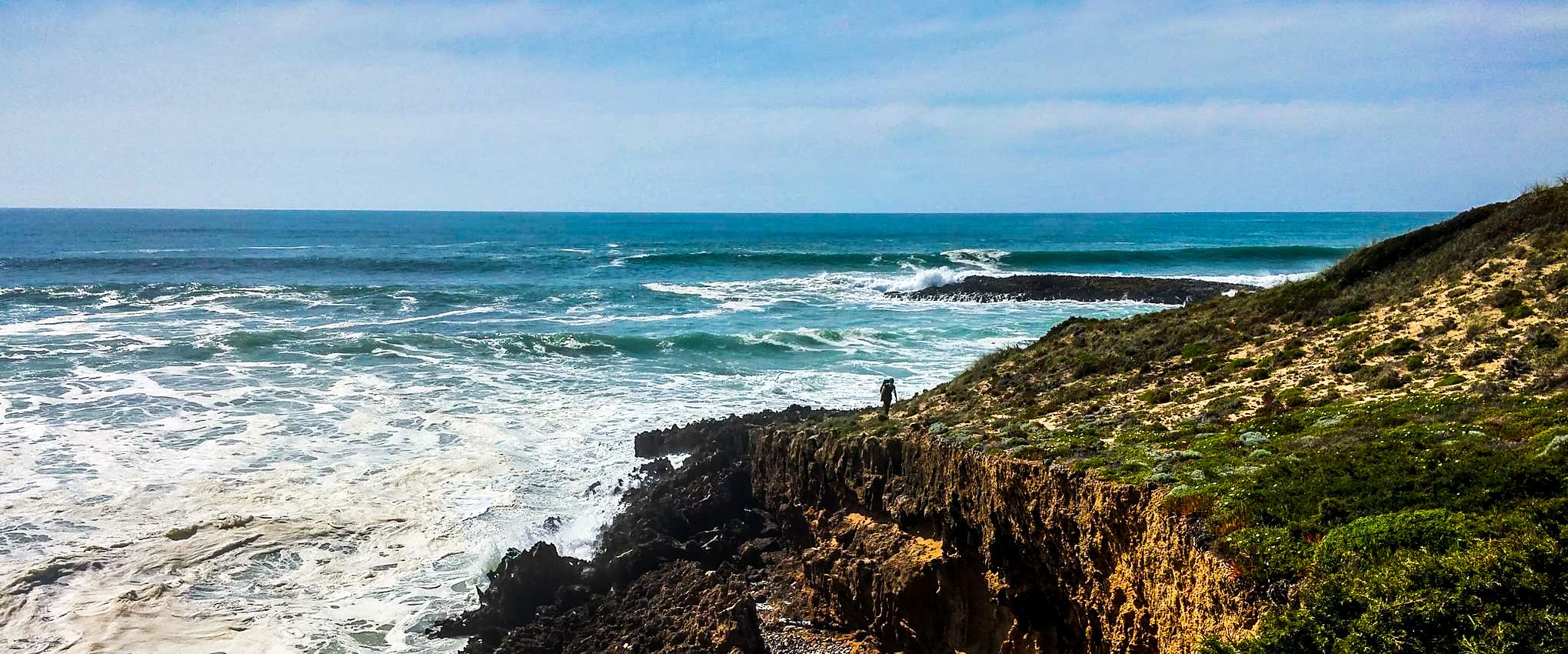
Fishermen's Trail – Discover Portugal's Atlantic Coast
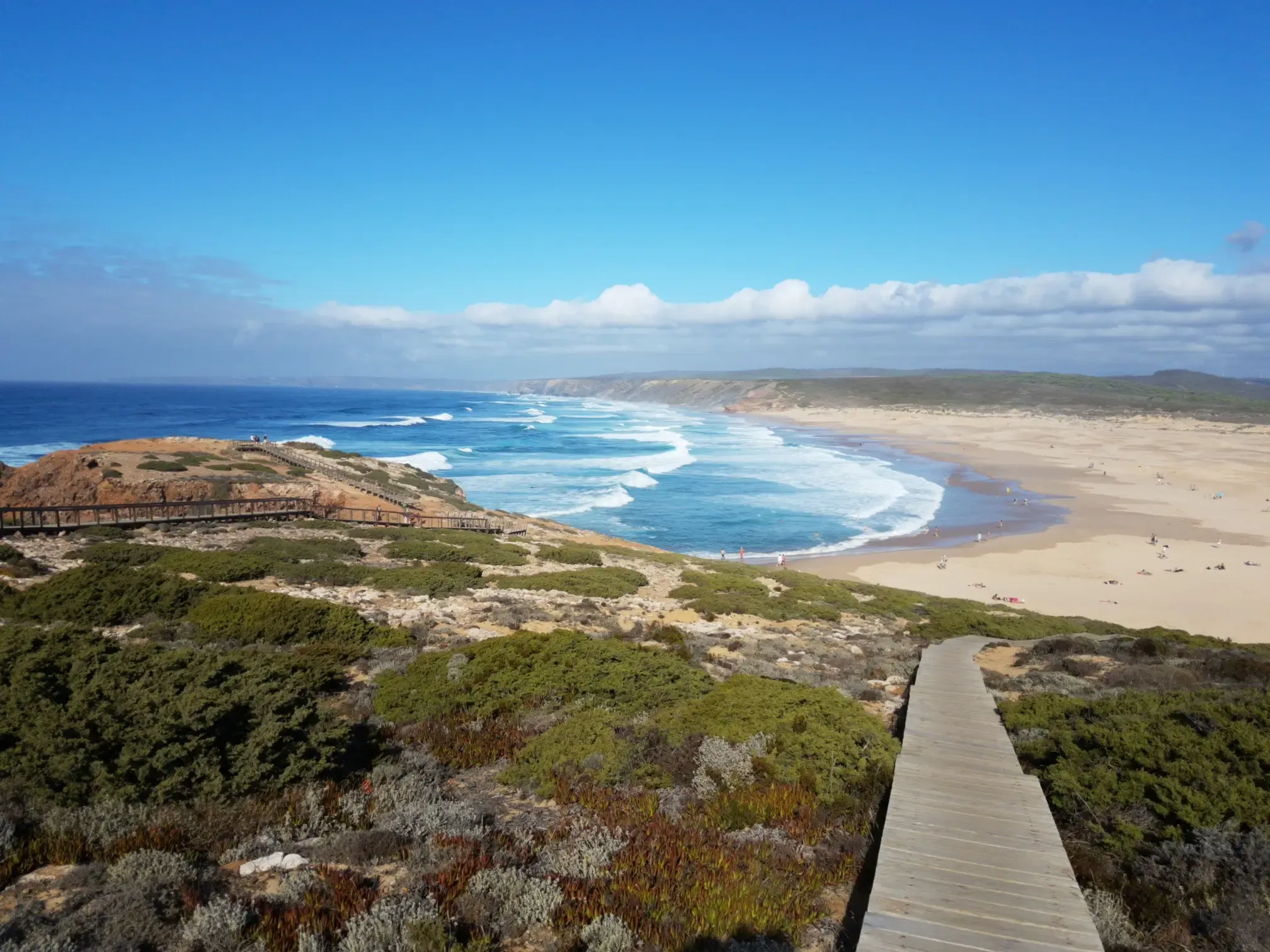
Lisbon to Santo António – The Atlantic Coast of Portugal (south)
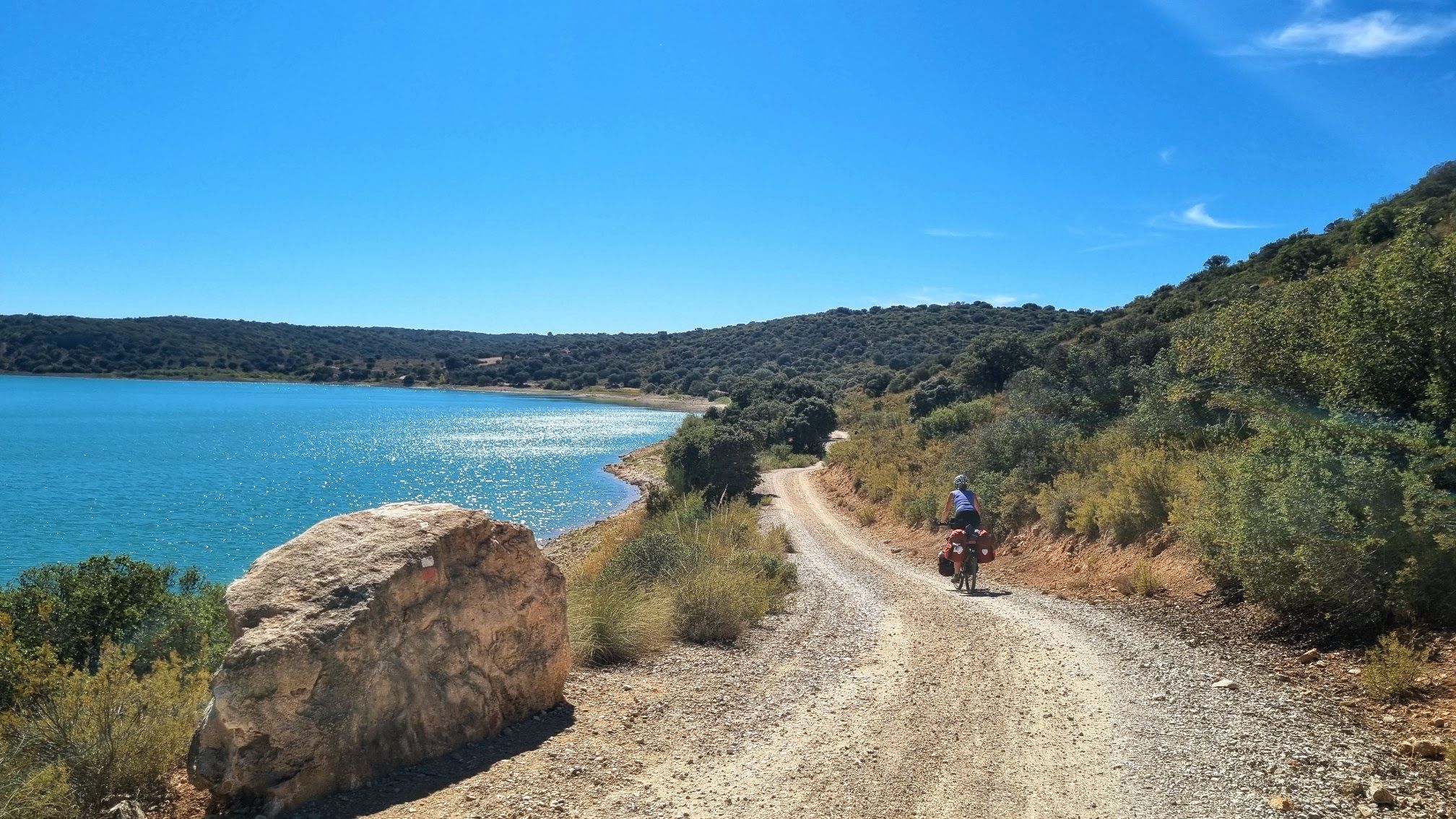
Pedalea junto al gran río — Camino Natural del Guadiana
Other adventures in Beja


Tips from the Community

The Ermida de São Pedro das Cabeças (also known as Capela de São Pedro das Cabeças) is a religious monument in the Mannerist style and popular Alentejo architecture, located in the parish of Geraldos, in the municipality of Castro Verde, Baixo Alentejo. The site is famous for marking the exact spot where, according to strong popular tradition and the legend of the founding myth of Portugal, the historic Battle of Ourique took place on July 25, 1139. In this battle, D. Afonso Henriques defeated the armies of five Moorish kings after having a divine vision of Jesus Christ, being acclaimed King of Portugal.👍🥾
0
0
The Mira Mill, located in Beringel (Beja), is a place of local interest, frequently visited through walks organized by the Parish Council, including commemorative activities such as those for April 25th. The area includes popular trekking trails in the surroundings of the village. 👍🥾
5
0

São Pedro das Cabeças is the legendary site of the Battle of Ourique, where D. Afonso Henriques, the first king of Portugal, defeated five Moorish kings. The victory was so remarkable that it is still immortalized in the center of the Portuguese flag.
2
0

From here you have the best, most beautiful and widest panoramic view. You are standing on the ruins of a long-abandoned windmill.
0
0

The Battle of Ourique is one of the myths of Portugal: 1139. In this place a christian king won a battle against five moorish kings. The myth is represented on the portuguese flag.
3
0


Climbing is always hard when you do it but at the summit you get the reward: nice view and quiet moments in life. You always will remember this spot if you arrive here cycling.
1
0
Frequently Asked Questions
What are some popular mountain peaks or viewpoints to visit in the Beja region?
Visitors often enjoy the historical significance and views from the Chapel of São Pedro das Cabeças and Battle of Ourique Memorial. Another popular spot is Serra do Mira, known for its trekking trails near Beringel. For expansive views, Alcaria Ruiva Peak is notable as the highest point for over 50 km around.
What is the highest point within the Beja district?
The highest point within the Beja district itself is Pico das Escovas, standing at 584 meters (1,916 feet). It offers expansive views over the generally flat Alentejo landscape.
Where can I find more pronounced mountain scenery near Beja?
For more pronounced mountain scenery, you can explore the nearby Serra de Monchique, home to Mount Fóia, the highest peak in the Algarve at 902 meters. The Serra do Caldeirão, bordering Alentejo and Algarve, also offers a distinct landscape of rounded elevations and rugged relief.
Are there any mountain peaks in Beja with historical significance?
Yes, the Chapel of São Pedro das Cabeças and Battle of Ourique Memorial is a significant historical site. It is believed to be the location of the Battle of Ourique in 1139, a pivotal event in Portuguese history.
What kind of natural landscapes can I expect around the mountain peaks in Beja?
The Beja district itself features a largely flat geography with agricultural expanses and cork oak forests. In nearby mountainous regions like Serra de Monchique and Serra do Caldeirão, you'll find lush green hills, more dense cork oak forests, olive groves, and *medronheiro* trees, along with a network of temporary waterways.
What outdoor activities are available near Beja's mountain peaks?
Beyond hiking, you can find opportunities for gravel biking and road cycling. For example, there are several challenging gravel biking routes like the Santa Clara Reservoir Loop or the Castro Verde Cycling Center Loop. Road cycling routes include the Marmelete – Foia Summit loop. You can find more details on these activities in the Gravel biking in Beja and Road Cycling Routes in Beja guides.
Are there hiking trails near the mountain peaks in Beja?
Yes, there are popular trekking trails, especially around the village of Beringel near Serra do Mira. For more extensive hiking, the nearby Serra de Monchique and Serra do Caldeirão offer numerous trails. You can also explore waterfall hikes in the region, with routes like the View of Praia de Odeceixe loop. More hiking options are available in the Waterfall hikes in Beja guide.
What wildlife might I encounter in the mountain areas around Beja?
In the Serra do Caldeirão, which borders the Beja region, you might encounter various wildlife species such as Bonelli's eagle, deer, wild boar, and rabbits. The diverse ecosystems of these ranges support a rich array of flora and fauna.
When is the best time of year to hike the mountain peaks in Beja?
The best time to hike in the Beja region and its surrounding mountain areas is typically during the spring (March to May) and autumn (September to November). During these seasons, temperatures are milder, and the landscape is often greener, making for more comfortable and scenic outdoor activities. Summers can be very hot, and winters can be cooler and wetter.
Can I experience local culture near these mountain peaks?
Absolutely. In the Serra de Monchique, you can visit traditional Portuguese villages like Monchique town, known for its local products such as *medronho* (a local spirit) and thermal springs. The Serra do Caldeirão also offers a glimpse into rural life, with opportunities to observe traditional agricultural practices and sample local products like honey, figs, and almonds.
Are there any prominent mountains in the Beja region known for uninterrupted panoramic views?
Ficalho, with an elevation of 523 meters, is noted for being the most prominent mountain in Beja, suggesting it offers uninterrupted panoramic views. Additionally, the Ruins of the Old Windmill at Cruz de Norte provide one of the best and widest panoramic views in the area.
Most popular routes in Beja
Most popular attractions in Beja

Get inspired with the komoot mobile app


Didn’t find what you were looking for?
Discover Beja’s best peaks and summits by region:
Explore more
See even more amazing summits in Beja with these guides:
