Top 18 Caves in Madrid
Caves in Madrid and its surrounding areas offer a diverse range of geological formations and historical sites. The region features natural caves with impressive speleothems, as well as man-made caverns with significant historical context. These sites provide insights into both natural processes and human history. The landscape around Madrid, including areas like the Bosque de la Herrería and the Tajuña greenway, contributes to the variety of cave experiences available.
Best caves in Madrid
- The most popular caves is View of the Caves Cliff in Tielmes, a cave and historical site that features cavities used as machine gun nests and bunkers during the Civil War. These gypsum and limestone cliffs were excavated by the river over thousands of years.
- Another must-see spot is Hill and Caves of the Southeast Regional Park, a natural monument with caves located within a protected natural area. This park encompasses a rich natural heritage of lagoons, wetlands, and steppe hills, providing valuable ecosystems.
- Visitors also love Spanish Civil War Cave, a historical site built by Republican soldiers. This surprising cave served as a barracks and bomb shelter, with numerous galleries branching off the main passage.
- Madrid is known for natural geological formations, historical war shelters, and unique rock formations. Visitors can explore a variety of cave types, from those with ancient speleothems to those with significant human history.
- The caves in Madrid are appreciated by the komoot community, with 45 upvotes and 15 photos shared by users.
Last updated: October 14, 2026
Bear Cave
Highlight • Natural Monument
Translated by Google •
Tip by

Civil War Caves
Highlight • Cave
Later they were used to plant mushrooms and other similar mushrooms.
At present they are closed to avoid their destruction.
Translated by Google •
Tip by

Sign up now to discover places like this
Get recommendations on the best single tracks, peaks, & plenty of other exciting outdoor places.
Hill and Caves of the Southeast Regional Park
Highlight • Cave
Translated by Google •
Tip by

Gigantones Cave
Highlight • Cave
Translated by Google •
Tip by

The Chinchón Sinkhole
Highlight • Cave
Translated by Google •
Tip by

Tooth Cave
Highlight • Cave
Translated by Google •
Tip by

Cave and Stream in the Forest
Highlight • Cave
Translated by Google •
Tip by

View of El Escorial and the Monastery
Highlight • Viewpoint
However, experts believe it was actually an ancient Celtic altar, possibly used for rituals. Today, it's a popular hiking spot with stunning views of the monastery and its surroundings.
Translated by Google •
Tip by
Spanish Civil War Cave
Highlight • Cave
The large number of galleries that come out to the right and left of the main one is surprising. A marvel that is in perfect condition.
Translated by Google •
Tip by

View of the Caves Cliff in Tielmes
Highlight • Cave
Translated by Google •
Tip by

Sign up for free to discover even more caves in Madrid.
Already have an account?
Start today with a free account
Your next adventure awaits.
Popular around Madrid
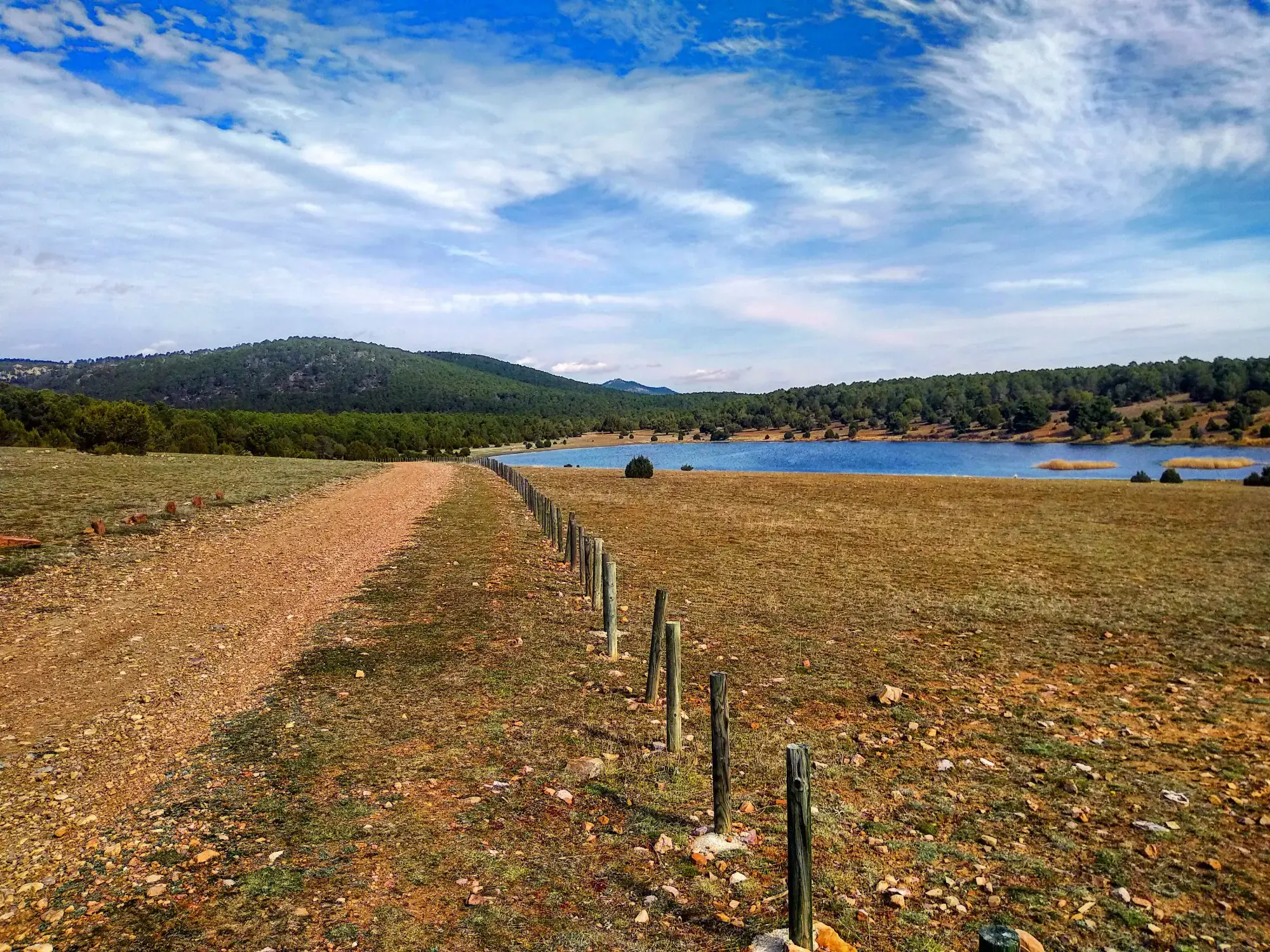
Sendero Español GR 10 — De este a oeste

Mythical Passes and Sections of La Vuelta
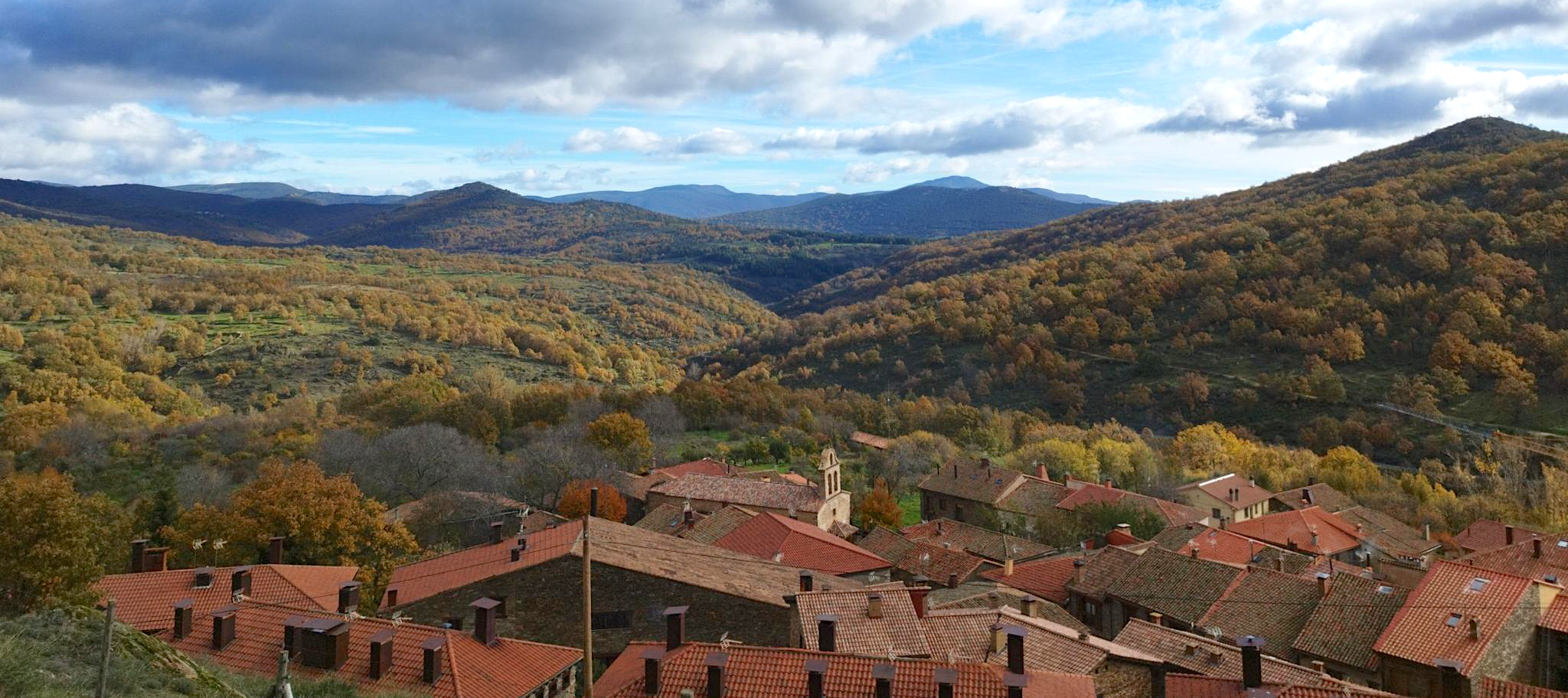
Sierra del Rincón, Biosphere Reserve — On Foot along the GR 303
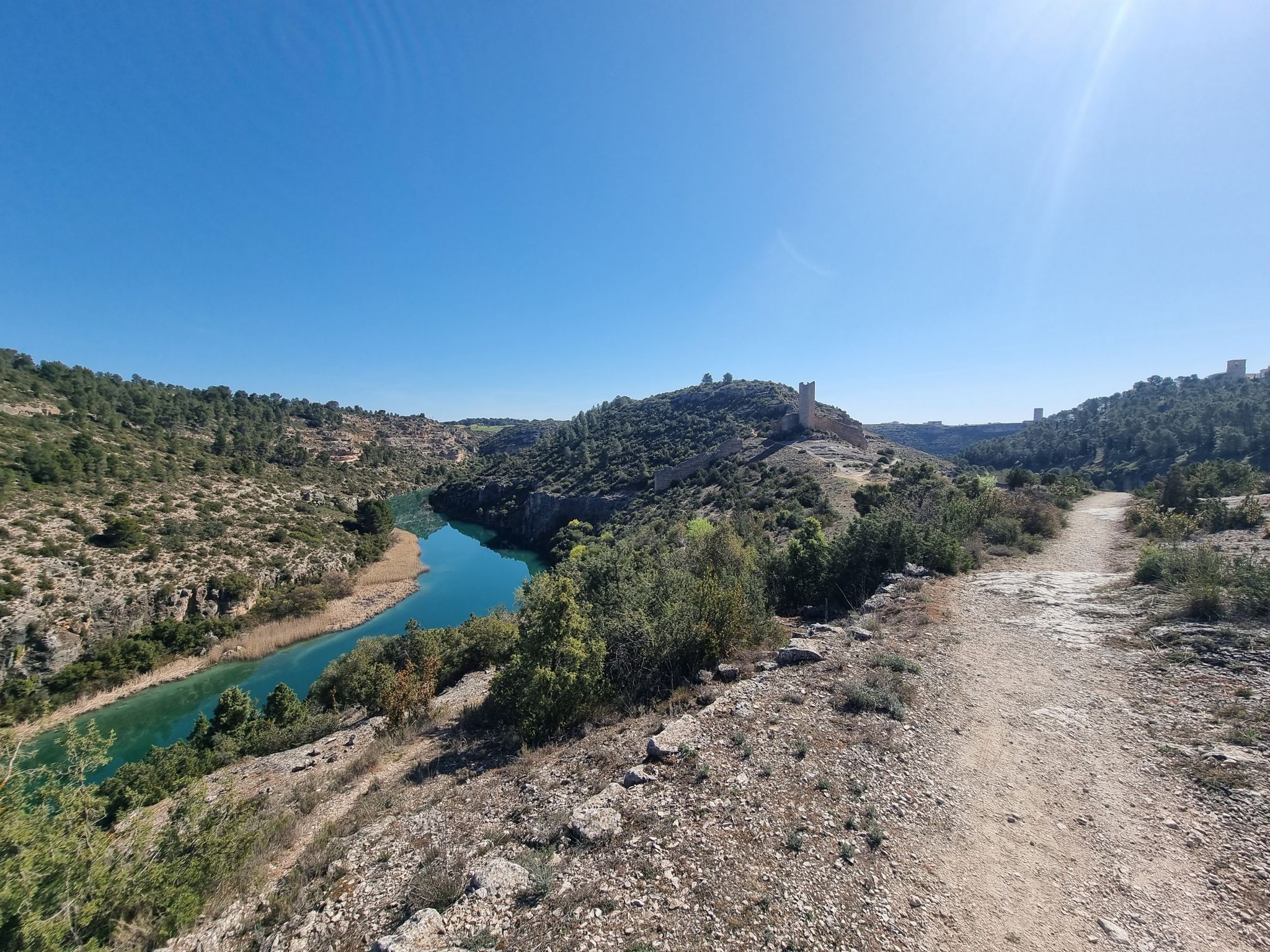
A gravel bike adventure between Madrid and Valencia
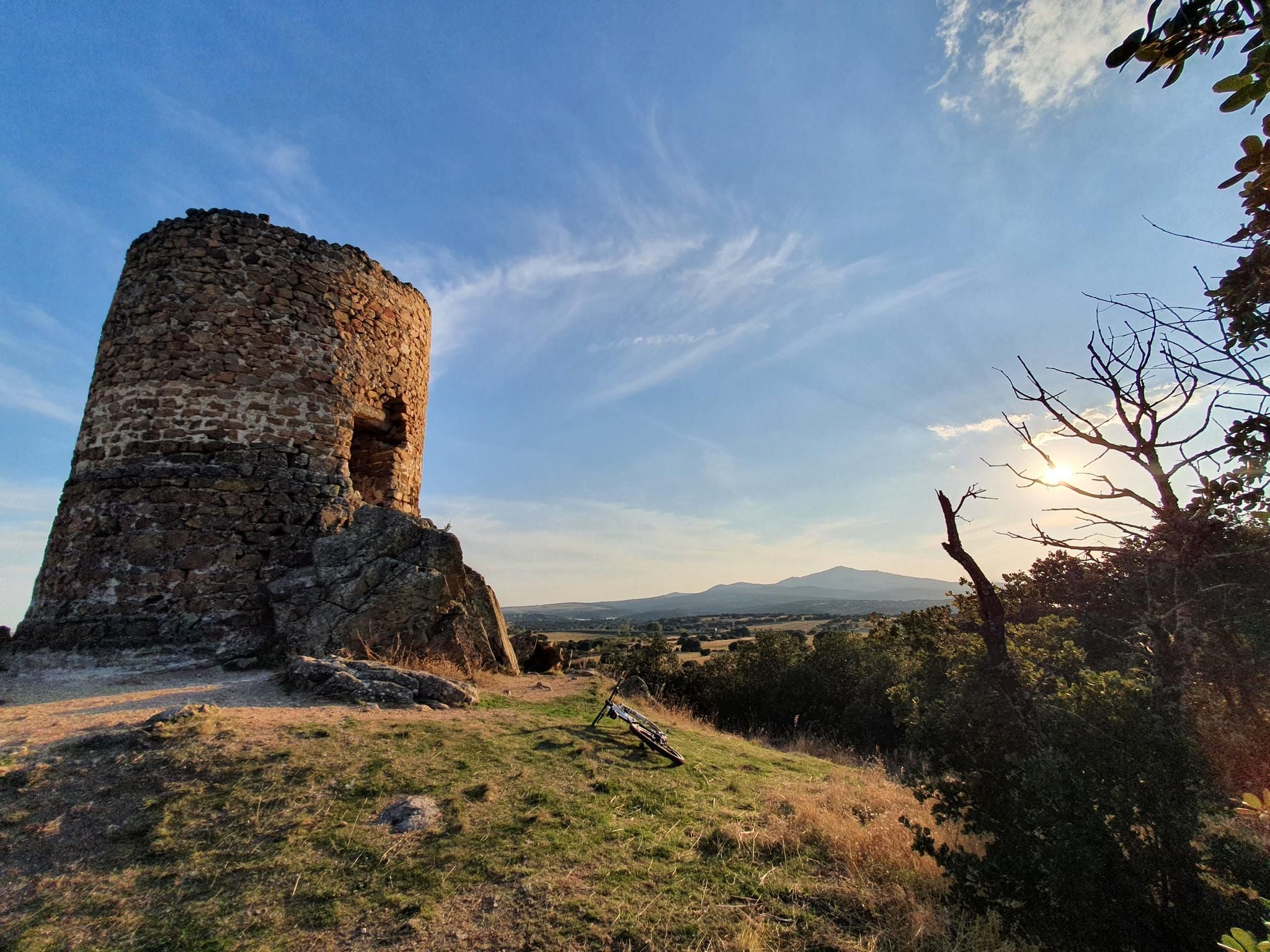
Along the paths of Marca Media — Route of the watchtowers of Madrid
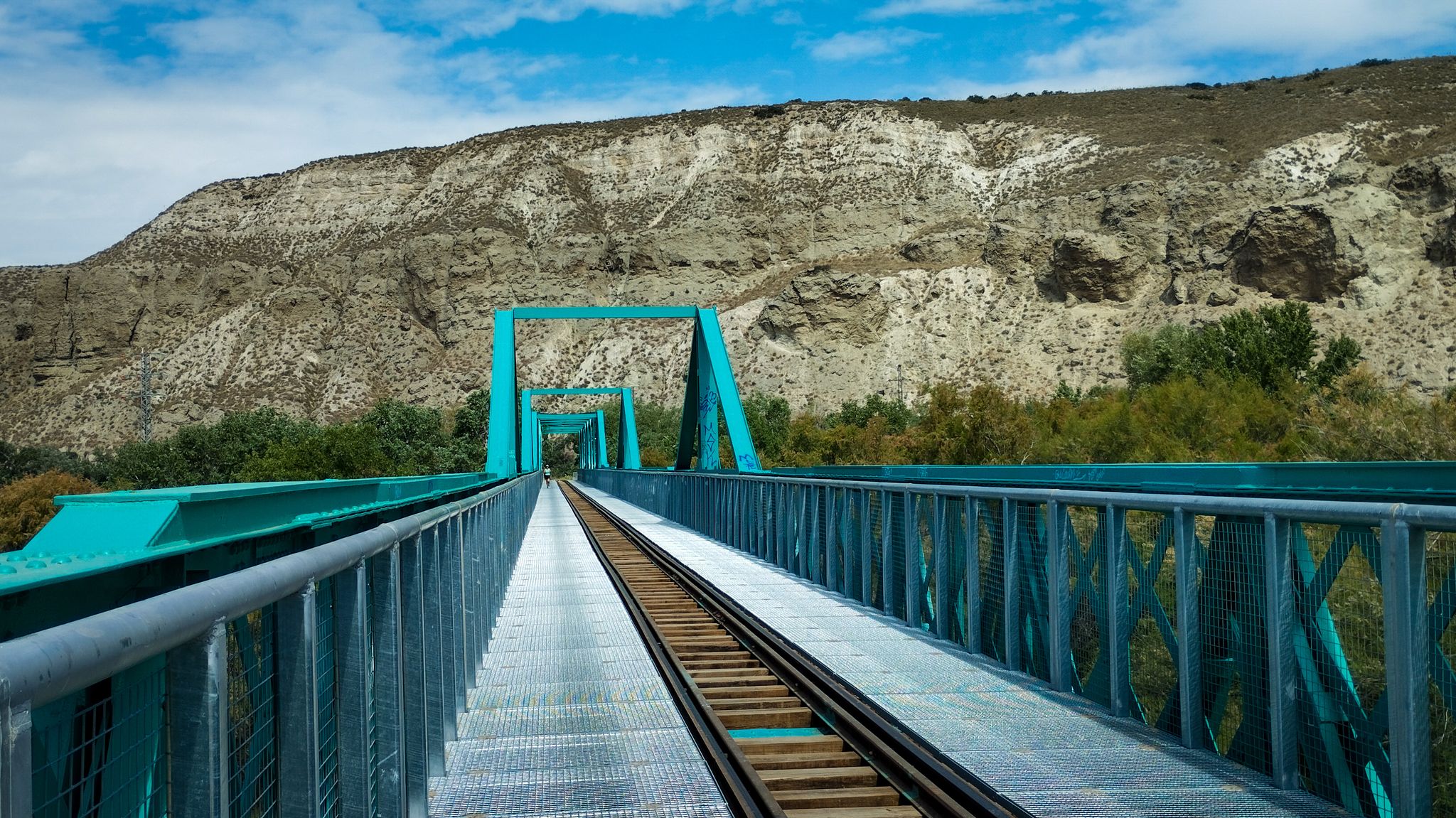
A family ride through Las Vegas de Madrid in Spain – Tajuña Greenway
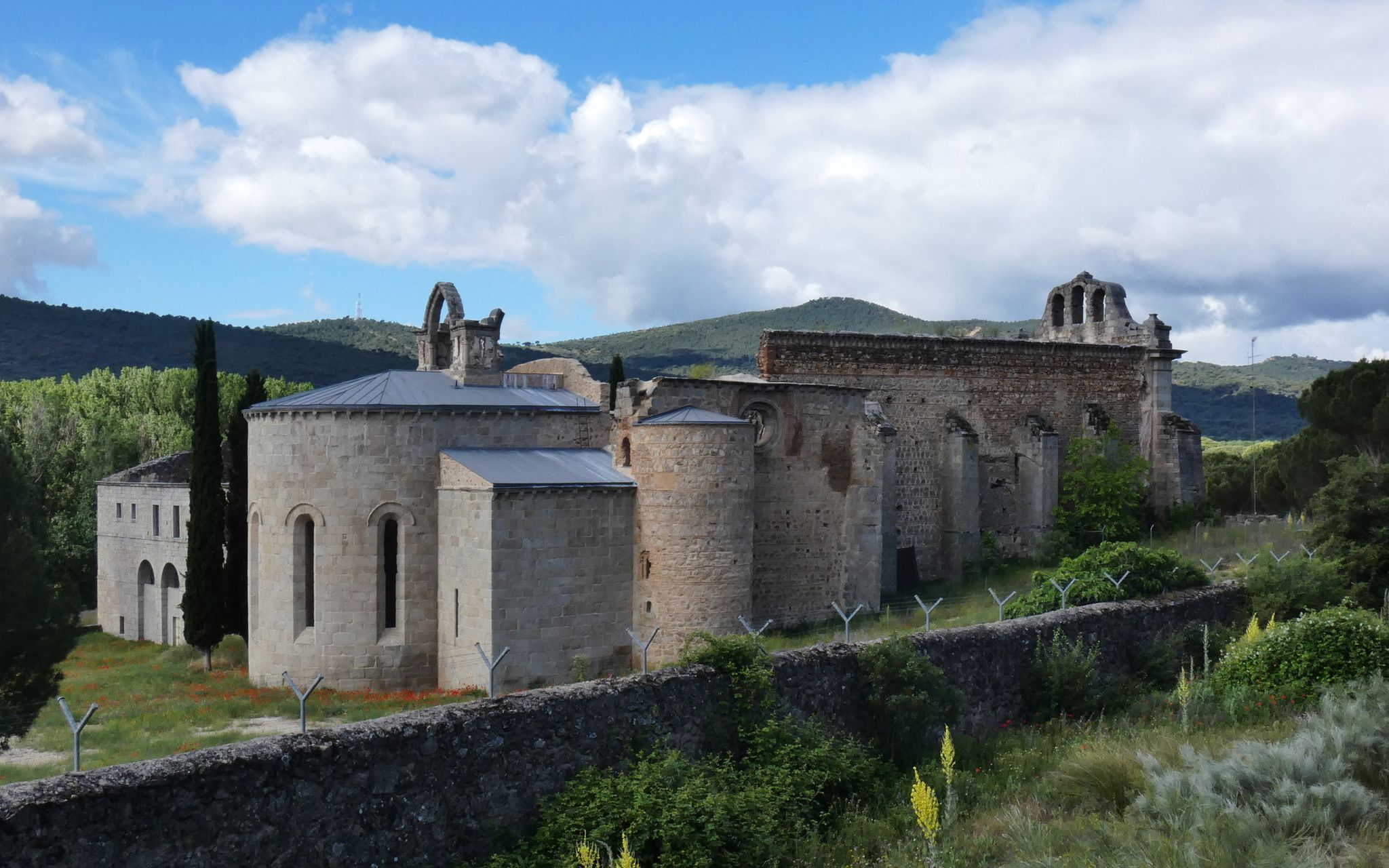
Madrid’s mediaeval castles and hidden gems by gravel bike
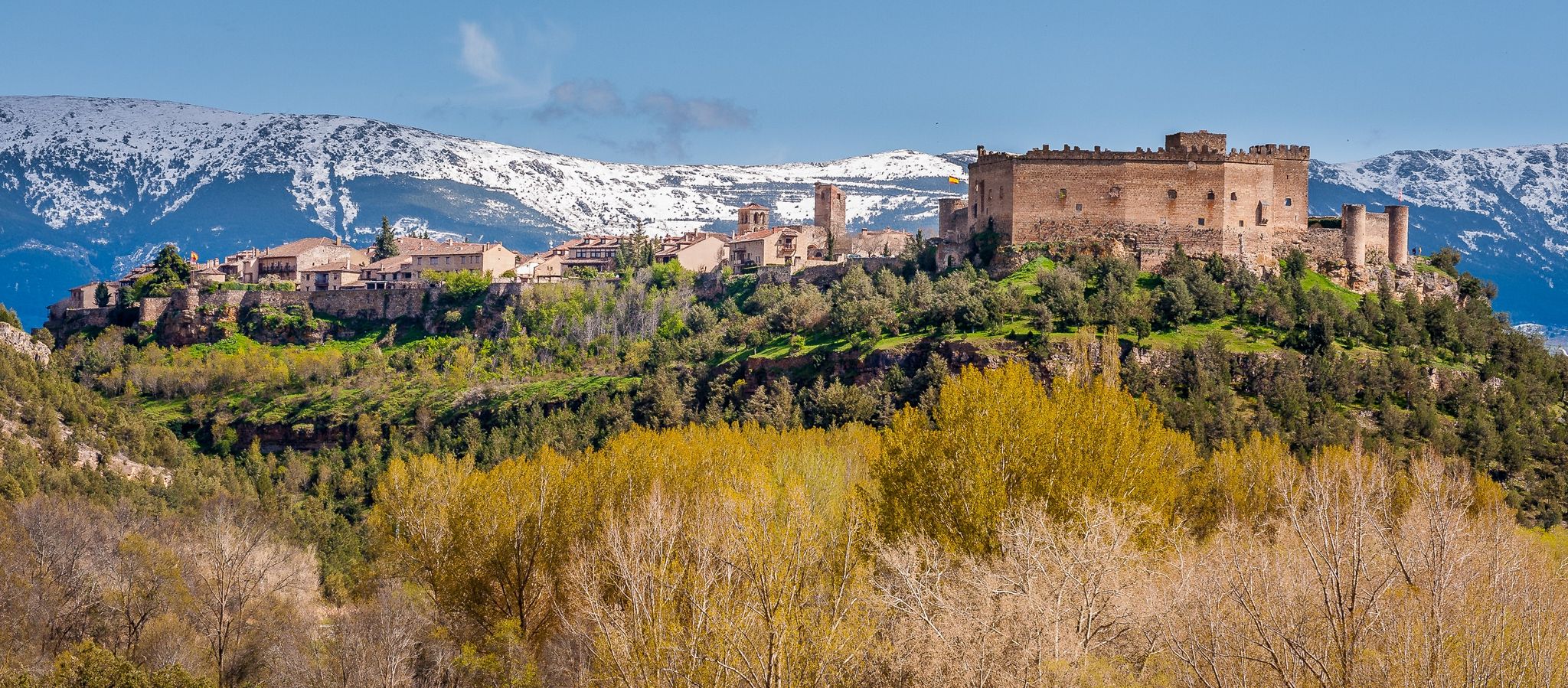
Nature, history and tradition – Segovia Trail (GR 88)
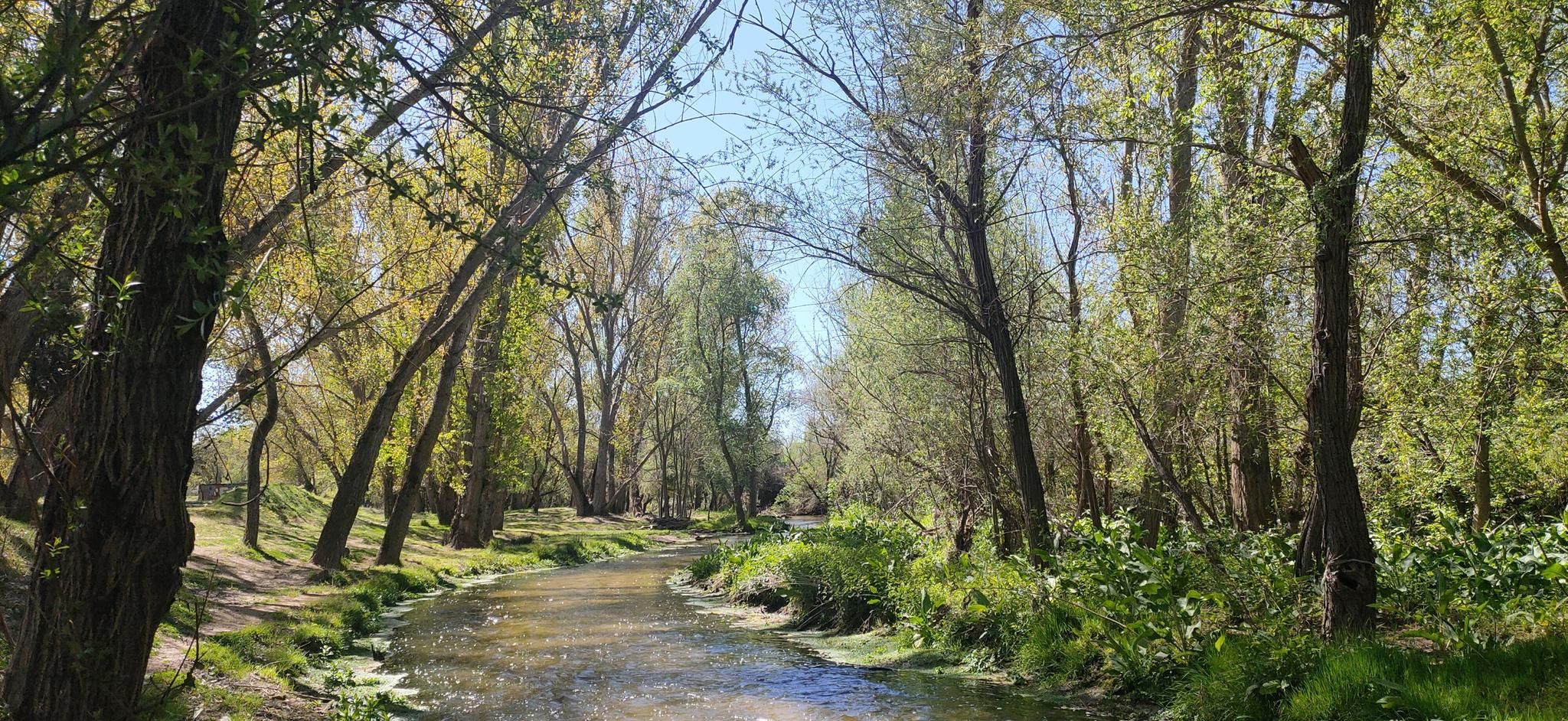
Hidden treasures in the river – hike along Spain’s Guadarrama River
The treasures of Guadarrama – on foot along the GR 10 in Madrid
Other adventures in Madrid


Tips from the Community

The Hervidero Waterfall is a double waterfall on the Guadalix River, nestled in a rocky canyon and surrounded by riverside vegetation. It can be reached via a flat and easy 7 km (round trip) route starting from San Agustín del Guadalix, ideal for family hikes.
5
0
The Chair of Philip II is a famous granite viewpoint in San Lorenzo de El Escorial, near Madrid. Legend has it that King Philip II used it to view the construction of the Monastery of El Escorial. However, experts believe it was actually an ancient Celtic altar, possibly used for rituals. Today, it's a popular hiking spot with stunning views of the monastery and its surroundings.
4
0

The Bear Cave in San Lorenzo de El Escorial is not a real, deep cave in the geological sense, but rather a peculiar rock formation in the Bosque de la Herrería. It is a natural cavity formed by the arrangement of large granite boulders that create a kind of shelter or "cave." It is located in the Bosque de la Herrería, a protected natural area declared a UNESCO World Heritage Site. It is on a very popular hiking trail, relatively close to the Chair of Philip II and the Fuente de los Hermanitos. Its name comes from the fact that its shape and size might evoke the idea of a bear's den, although no real bear ever lived there. Rather, it is a visual attraction, especially for children. Beyond being a "real" cave, it is a point of interest on the hiking trails in the Bosque de la Herrería.
0
0

The climb to visit it is quite hard, I would consider it alpine due to its slope and roughness.
0
0

It is low and you have to pass crouching. It is important to bring light.
2
0

This cave-shelter served as anti-aircraft protection during the Spanish Civil War. It belonged to the Republican side, and its strategic location against the hill made bombing difficult. It was built with pick and shovel after the Battle of Brunete.
0
0

On the Jarama front, taking advantage of the structure and characteristics of the terrain, the excavation of caves was common, from small individual shelters to large caves (like the one we can see on the “Secrets of the Greenway” route. Element 8) and tunnels that allowed entire squads or platoons to be housed, the installation of command posts, health posts, warehouses, etc. These excavations, on the one hand, allowed the troops to be hidden from the sight of the enemy and offered good protection in case of bombing, and on the other, they offered a certain degree of comfort to the soldiers who remained in them. These caves usually have many common elements, such as the existence of small holes to support camping equipment or personal objects or chimneys for the escape of smoke. After the Civil War, this type of caves have had various uses. One of them, and a very important one, was the cultivation of mushrooms, carried out until the mid-eighties of the 20th century.
2
0

Due to the characteristics of the terrain, caves have been built throughout history, which have served very different purposes. In this area we have clear examples.
2
0
Frequently Asked Questions
What types of caves can I explore in the Madrid region?
The Madrid region offers a diverse range of caves, from natural geological formations with impressive speleothems to historical sites. You can find natural cavities formed by granite boulders like the Bear Cave, or historical war shelters such as the Spanish Civil War Cave and the View of the Caves Cliff in Tielmes.
Are there family-friendly caves to visit near Madrid?
Yes, some caves are suitable for families. The Bear Cave in San Lorenzo de El Escorial, a peculiar rock formation resembling a bear's den, is a popular spot on hiking trails and a visual attraction, especially for children. For a more structured experience, the Cueva de los Enebralejos offers guided tours that are generally accessible for families.
Which caves offer historical insights into the region?
Several sites provide a glimpse into Madrid's history. The Spanish Civil War Cave was dug by Republican soldiers and served as barracks and a bomb shelter. Similarly, the View of the Caves Cliff in Tielmes features cavities used as machine gun nests and bunkers during the Civil War. The Gigantones Cave also has historical intrigue, having been used for mushroom cultivation and shelter during the Civil War, alongside a local legend.
Can I go caving or spelunking in the Madrid area?
Yes, for those seeking adventure, the Cueva del Reguerillo offers guided caving (spelunking) experiences. These sessions can last between 1 to 6 hours and are suitable for various skill levels, involving exploration of limestone galleries, navigating narrow passages, and even rappelling.
Are there caves with impressive natural formations like stalactites and stalagmites?
Absolutely. The Cueva de los Enebralejos near Prádena de la Sierra is known as an 'underground museum' due to its splendid array of calcareous concretions, including stalactites, stalagmites, columns, and flowstones. The Cuevas del Águila in Ávila also boast a wide variety of speleothems, highlighted by special lighting, with formations dating back millions of years.
What outdoor activities can I combine with a visit to the caves?
The Madrid region offers many outdoor activities. You can find numerous mountain hikes, road cycling routes, and gravel biking trails near many of the cave sites. For example, the Bear Cave is located within the Bosque de la Herrería, a popular hiking area.
Are there any caves that are easily accessible for visitors?
The Cuevas del Águila in Arenas de San Pedro, Ávila, are accessible for most of their 1,000-meter route, making them a good option for general visitors. While not a natural cave, the Altamira Cave Replica in the garden of the National Archaeological Museum in Madrid offers an accessible way to experience ancient cave paintings.
What is the best time to visit caves in the Madrid region?
Caves generally maintain a consistent temperature year-round, making them a good option regardless of the season. For example, the Cuevas del Águila maintain a consistent temperature of around 17°C. However, if you plan to combine your visit with outdoor activities like hiking, spring and autumn offer more pleasant weather conditions in the surrounding areas.
What should I wear for cave exploration in Madrid?
For general cave visits, comfortable walking shoes with good grip are recommended. As caves can be cool and damp, even in summer, bringing a light jacket or sweater is advisable. For guided caving experiences like those in Cueva del Reguerillo, specific gear might be provided or recommended by the tour operator, including helmets and overalls.
Are there any protected natural areas that include caves?
Yes, the Hill and Caves of the Southeast Regional Park is a natural monument with caves located within a protected natural area. This park is known for its rich natural heritage, including lagoons, wetlands, and steppe hills, providing valuable ecosystems and unique flora and fauna.
What unique geological features can be found in Madrid's caves?
Beyond stalactites and stalagmites, some caves in the region showcase unique geological characteristics. The Bear Cave is a peculiar rock formation of large granite boulders. The View of the Caves Cliff in Tielmes features gypsum and limestone cliffs excavated by the river over thousands of years, creating distinct cavities.
Are there any caves associated with local legends or folklore?
The Gigantones Cave is known for a legend involving 'ojarancos,' giants from Castilian mythology, adding a layer of folklore to its natural appeal. This blend of natural wonder and local tales makes it a unique site to explore.
Most popular routes in Madrid
Most popular attractions in Madrid

Get inspired with the komoot mobile app


Didn’t find what you were looking for?
Discover more caves in Madrid region by region:
Explore more
Extend your search for the best caves by checking out these guides of the top ones in Madrid:
