Top 5 Caves in Segovia
Best caves in Segovia are found within a region characterized by its natural landscapes, including the Central System and the Sierra de Guadarrama. The area offers a range of caves with natural beauty, historical significance, and archaeological insights. These subterranean formations provide a glimpse into geological processes and past human activity. Segovia's caves are notable for their varied features and historical importance.
Best caves in Segovia
- The most popular caves is Monk's Cave, a natural monument that is a natural shelter formed by a large rock resting on others. This site is known for a local legend involving a hermit and a pact with the devil.
- Another must-see spot is Cave of the Seven Altars, a historical and religious site. It features seven altars carved into the rocks, believed to date back to the Visigothic era, and was a sanctuary for a Visigothic hermitage.
- Visitors also love Cueva de los Enebralejos, Prádena, a natural monument with extensive dripstone formations. This cave is also a significant archaeological site, having served as a necropolis during the Chalcolithic period.
- Segovia is known for its dripstone caves, historical sanctuaries, and natural rock shelters. These caves offer a variety of experiences, from geological exploration to insights into ancient history and local folklore.
- The caves in Segovia are appreciated by the komoot community, with 53 upvotes and 23 photos shared by users.
Last updated: October 14, 2026
Monk's Cave
Highlight • Cave
Translated by Google •
Tip by

Cave of the Virgin of the Rock (Cueva de la Virgen de la Peña)
Highlight • Cave
Translated by Google •
Tip by

Sign up now to discover places like this
Get recommendations on the best single tracks, peaks, & plenty of other exciting outdoor places.
Cave of the Seven Altars
Highlight • Cave
There are seven altars carved into the rocks that seem to come from the Visigothic era.
Translated by Google •
Tip by

Cueva de Valhondo
Highlight • Cave
Translated by Google •
Tip by

Cueva de los Enebralejos, Prádena
Highlight • Cave
Translated by Google •
Tip by

Start today with a free account
Your next adventure awaits.
Popular around Segovia
MTB Transhumance — Cañada Real Soriana Occidental
Height Challenges — Ports in Castilla y León
Nature, history and tradition – Segovia Trail (GR 88)
The treasures of Guadarrama – on foot along the GR 10 in Madrid
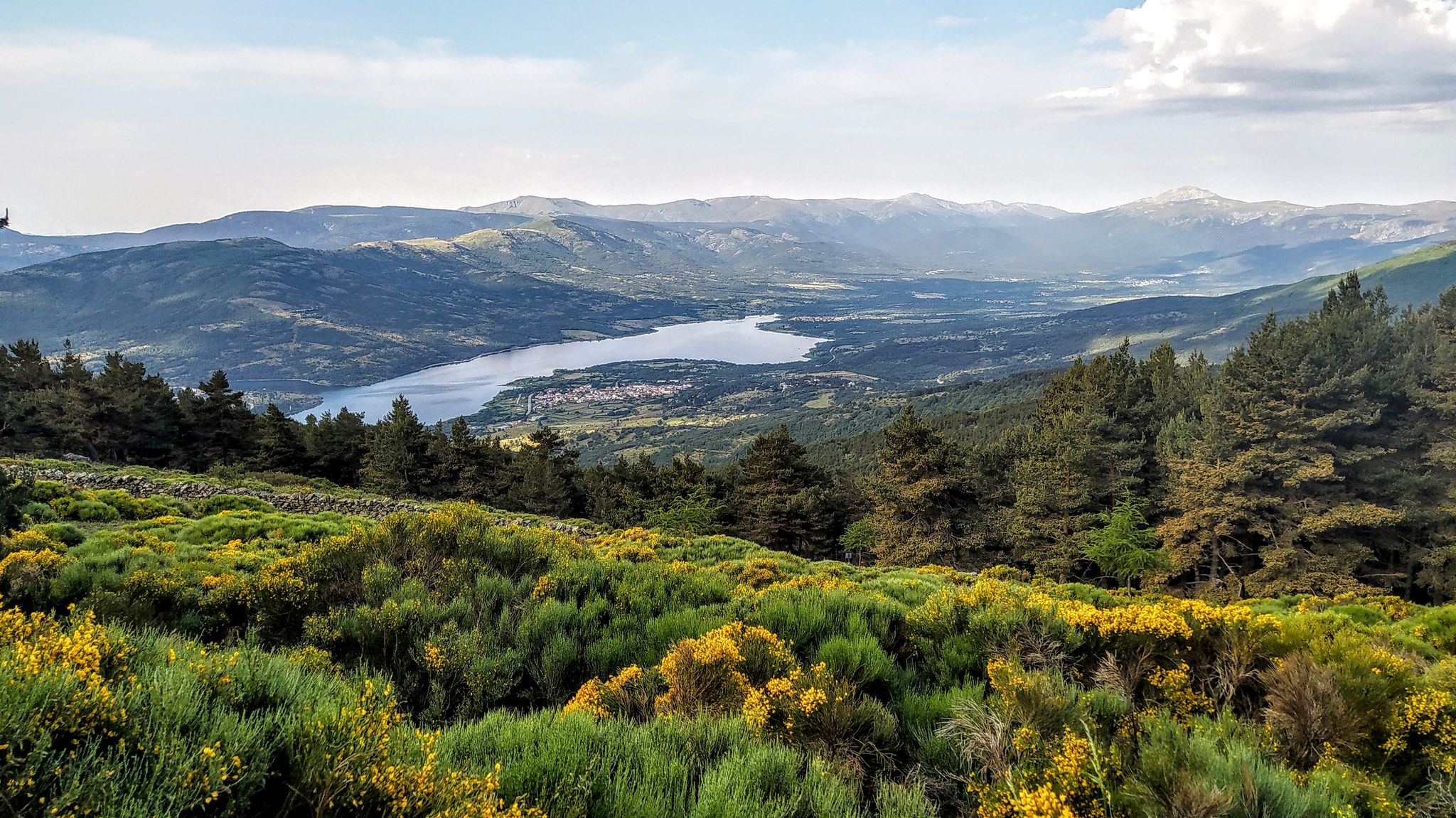
Forests and palaces – Tour of the Sierra de Guadarrama Mountain Range on MTB
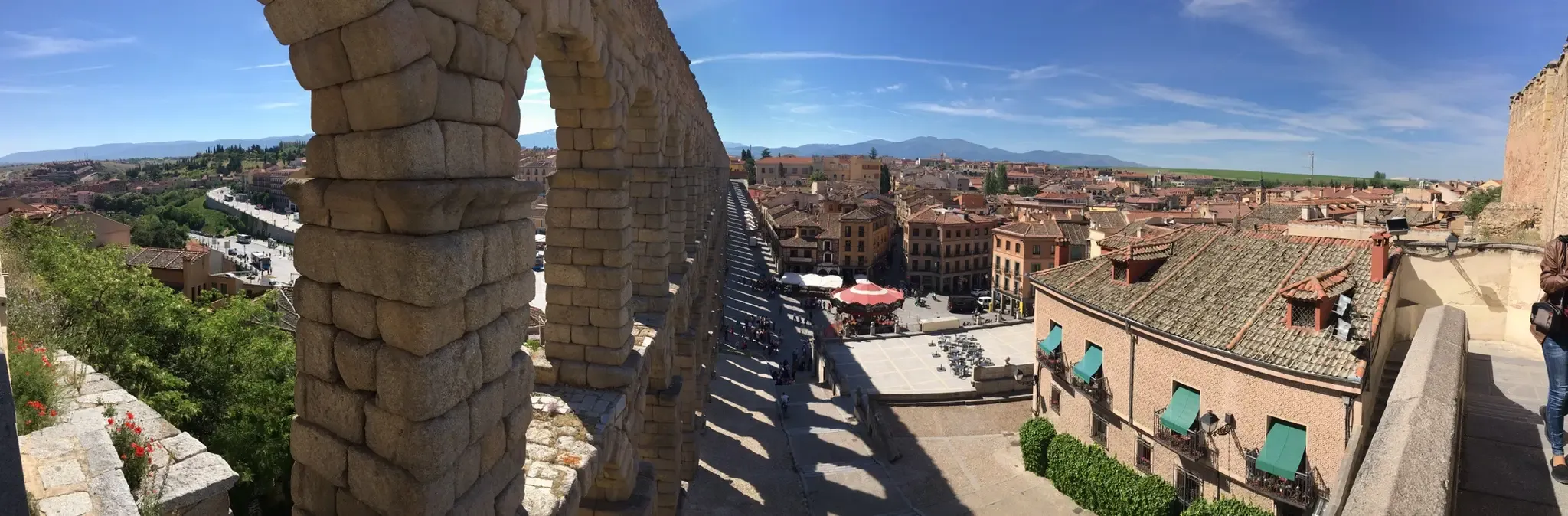
Riding through Spain’s Segovian countryside — Eresma Valley Greenway
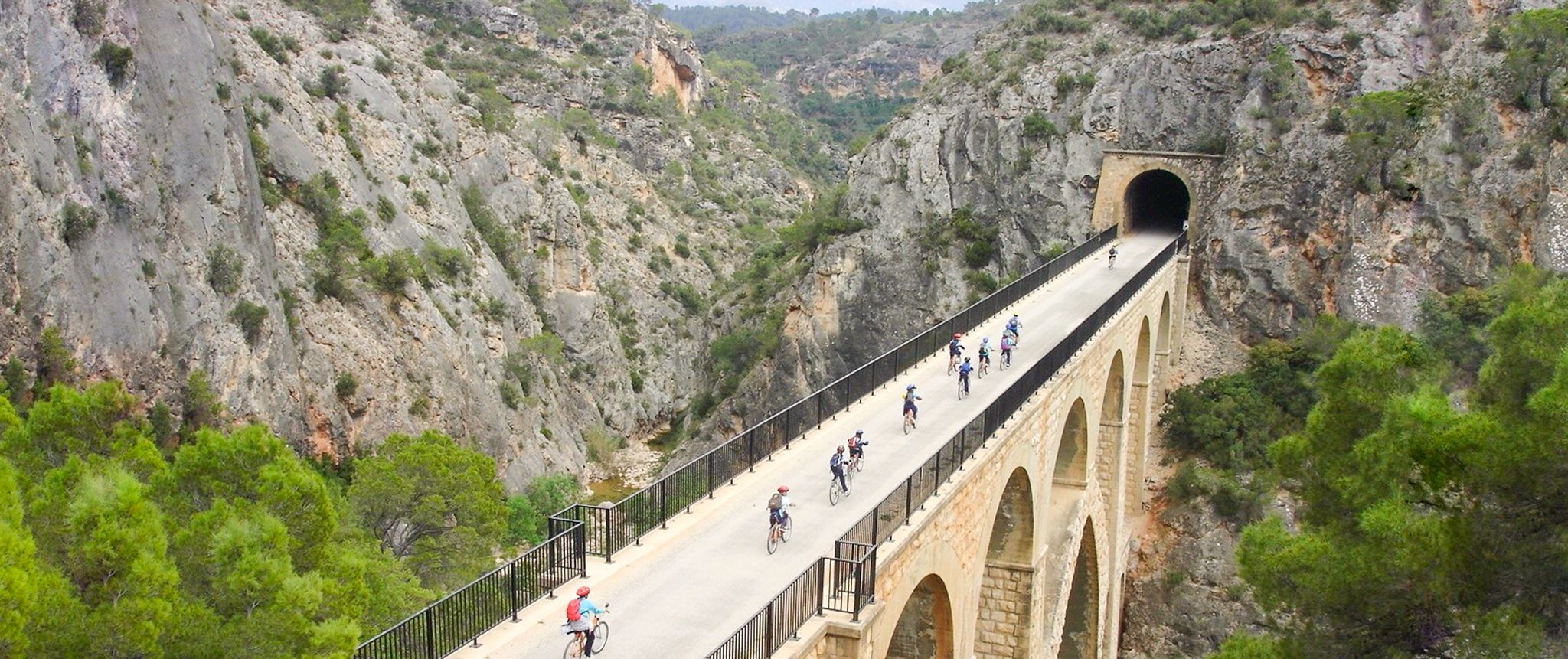
Vías Verdes – traffic-free cycling along railway history in Spain
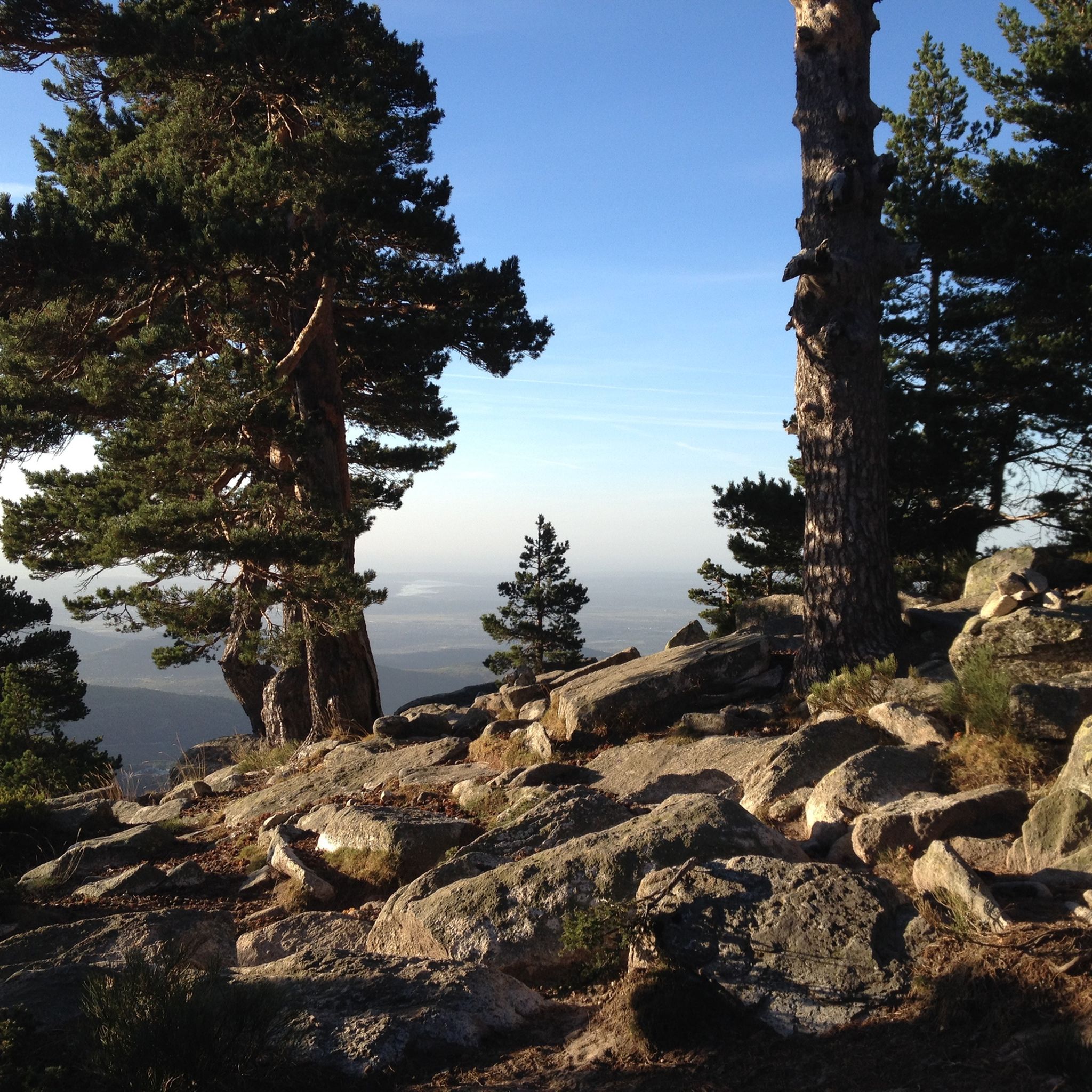
Hiking in Segovia
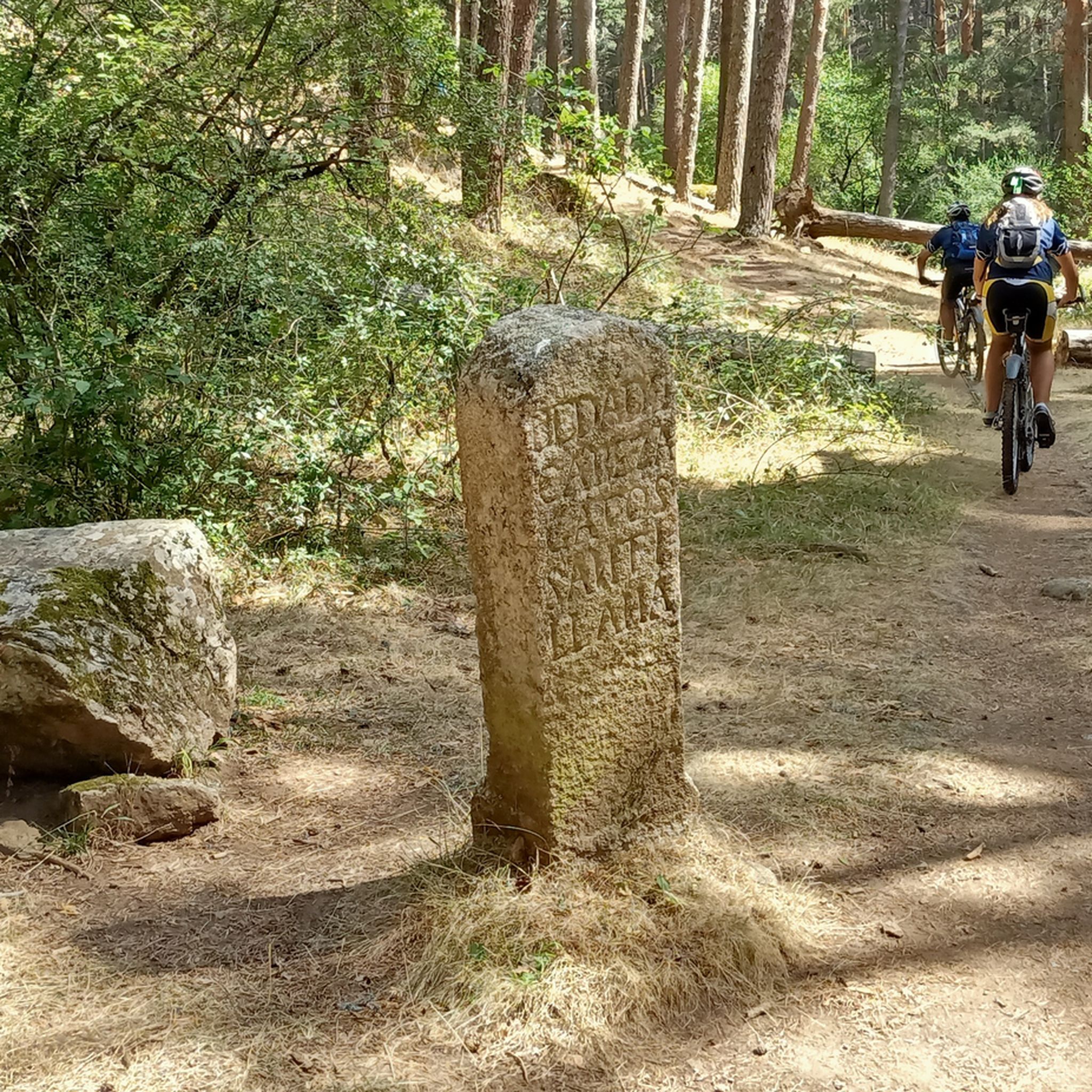
MTB Trails in Segovia
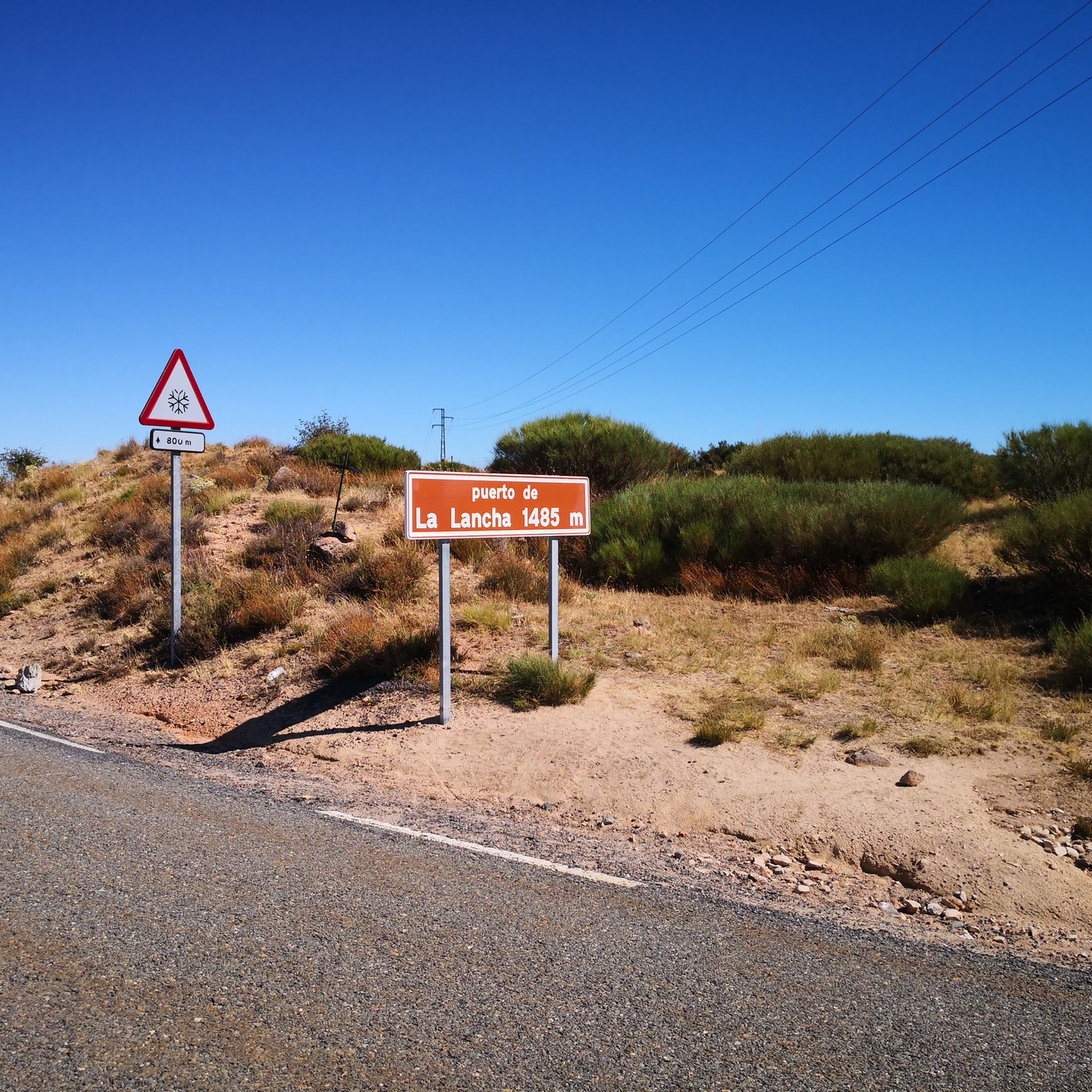
Road Cycling Routes in Segovia
Other adventures in Segovia


Tips from the Community

This cave is one of the sights on the routes around Pedro.
0
0

Here is the fountain of the Guards of the Monk's Cave, it has fresh, drinkable water.
1
0

Curious cave of a hermit.
1
0

It's not worth going down and up the stairs to see the Virgin in the cave. It is poorly maintained and quite dirty inside.
0
0
It was the place where San Frutos lived as a hermit. There are seven altars carved into the rocks that seem to come from the Visigothic era.
0
0

Also known as the Lindajuelo cave, it is one of the most important caves in the province of Segovia. There are several geological structures in a land dominated by savins, a very common tree in the area.
1
0

Curious arrangement of stones that hide many fantastic stories. You can climb up the rocks with a rustic wooden ladder that is not at its best.
1
0

The cave sanctuary of the Cueva de los Siete Altares is considered the first Christian sanctuary in the province of Segovia, inhabited by Visigoth hermits in the 7th century. Inside there are remains of the cave temple that has been used for centuries by the inhabitants of the region as a center of prayer.
0
1
Frequently Asked Questions
What unique geological formations can be found in Segovia's caves?
The caves in Segovia, particularly Cueva de los Enebralejos, Prádena, are known for their spectacular dripstone formations. These include stalactites, stalagmites, columns, flowstones, and draperies, displaying a variety of colors from white, grey, and black to orange, blue, and yellow. La Vaquera Cave also holds significant geological interest within its natural setting.
Which caves in Segovia offer insights into ancient history or archaeology?
Several caves in Segovia are significant archaeological sites. Cueva de los Enebralejos, Prádena served as a necropolis during the Chalcolithic period (around 2500 BC) and contains prehistoric paintings, engravings, human remains, pottery, and tools. La Vaquera Cave is crucial for understanding the invention of agriculture in the Iberian Peninsula, with human remains from the early Neolithic to the Iron Age. The Cave of the Seven Altars is a historical and religious site with altars carved into the rocks, believed to be Visigothic.
Are there family-friendly caves to visit in Segovia?
Yes, Cueva de Valhondo is considered family-friendly and is well-signposted and easy to visit. Cueva de los Enebralejos, Prádena offers guided tours and workshops on prehistoric life, which can be educational for families, though it might not be recommended for children under 5 due to the interpretive nature of the tour.
What is the accessibility like for caves in Segovia?
Cueva de los Enebralejos, Prádena is easily accessible, located about 40 minutes from Segovia. The walk through the cave is considered easy and safe, though some paths are narrow. Guided tours are available, and booking in advance is recommended. Unfortunately, access to the Cave of the Seven Altars is currently not possible.
What is the best time to visit Segovia's caves?
The internal temperature of Cueva de los Enebralejos, Prádena remains a constant 14-16°C, making it a comfortable visit year-round regardless of external weather. For other caves, it's advisable to check specific opening hours and accessibility, as some may have seasonal variations.
Can I take a guided tour of the caves in Segovia?
Yes, guided tours are available for Cueva de los Enebralejos, Prádena. These tours typically last about 45 minutes and provide insights into the cave's geological formations and archaeological significance. It is recommended to book your tour in advance.
What folklore or legends are associated with Segovia's caves?
The Monk's Cave is primarily known for a local legend. It tells the story of a greedy countryman who made a pact with the devil, repented, and became a hermit in the cave after the Virgin Mary intervened. La Vaquera Cave also holds mystical importance in regional folklore.
What outdoor activities can I do near the caves in Segovia?
The region around Segovia's caves offers various outdoor activities. You can find numerous MTB trails, including routes like 'Valle de Valsaín y Cueva del Monje' or 'Cerro Puerco Trenches, Monk's Cave, and King's Chair Loop' near Monk's Cave. For more options, explore the MTB Trails in Segovia guide, Gravel biking in Segovia guide, or Cycling in Segovia guide.
What is the Cueva de la Virgen de la Peña?
The Cave of the Virgin of the Rock (Cueva de la Virgen de la Peña) is a cave in Segovia with historical and religious significance. It is known for housing a representation of the Virgin Mary. However, visitors have noted that the site is not well-maintained and can be dirty inside.
What makes La Vaquera Cave significant?
La Vaquera Cave, also known as Cueva de la Fuentedura, is highly significant for its archaeological importance. Research conducted here led to the discovery of the oldest wheat in the Iberian Peninsula, providing key insights into the invention of agriculture. It also contains human remains spanning from the early Neolithic period to the Iron Age and early Middle Ages, and holds mystical importance in regional folklore. You can find more information on Wikipedia.
What should I wear for caving in Segovia?
Given the constant cool temperatures (14-16°C) inside caves like Cueva de los Enebralejos, Prádena, it's advisable to wear layers, including a light jacket or sweater, even if it's warm outside. Comfortable, closed-toe shoes with good grip are essential for navigating potentially damp or uneven surfaces.
Most popular routes in Segovia
Most popular attractions in Segovia

Get inspired with the komoot mobile app


Explore more
Extend your search for the best caves by checking out these guides of the top ones in Segovia:
