Top 10 Caves in Teruel
Caves in Teruel, a province in Aragon, Spain, offer a diverse underground world. The region features a captivating natural landscape with significant geological formations and historical sites. Many of these sites are recognized for their prehistoric rock art, providing insight into ancient human activity. Teruel's cave systems are part of a rich cultural and natural heritage, attracting visitors interested in both geology and archaeology.
Best caves in Teruel
- The most popular caves include Prado del Navazo Bulls Rock Shelter, a historical site known for its Levantine Rock Art. This site features naturalistic representations of large bovids painted in a unique yellowish-white color and is a UNESCO World Heritage Site.
- Another must-see spot is Shelter of the Archer of the Enclosed Ravines, a historical site located in the Pinares de Rodeno. Visitors can expect to see 13 Levantine-style figures depicting a hunting scene, including a prominent archer figure, dating back to the Neolithic period.
- Visitors also love Deer rock shelter and various figures, a historical site with protected cave paintings. This site is special for its clearly distinguishable deer figure and other ancient representations on the rock.
- Teruel is known for its rock shelters with prehistoric art, natural caves, and speleological sites. The region offers a variety of underground experiences, from accessible historical sites to more challenging cave systems.
- The caves in Teruel are appreciated by the komoot community, with 12 highlights documented and 14 photos shared by users. These sites have received 28 upvotes, indicating their appeal to outdoor enthusiasts.
Last updated: October 14, 2026
Shelter of the Archer of the Enclosed Ravines
Highlight • Historical Site
Translated by Google •
Tip by

Prado del Navazo Bulls Rock Shelter
Highlight • Historical Site
Naturalistic representations of large bovids are painted in a yellowish-white color, unique in Levantine rock art, which typically uses reddish tones.
Translated by Google •
Tip by
Sign up now to discover places like this
Get recommendations on the best single tracks, peaks, & plenty of other exciting outdoor places.
Bishop's Little Kitchen Rock Shelter
Highlight • Historical Site
Translated by Google •
Tip by

Cova de la Dona
Highlight • Cave
Translated by Google •
Tip by

Deer rock shelter and various figures
Highlight • Historical Site
Translated by Google •
Tip by
Covarratiñas Caves
Highlight • Cave
Translated by Google •
Tip by

Views of the caves
Highlight • Cave
Translated by Google •
Tip by
Lázaro Shelter
Highlight • Historical Site
Translated by Google •
Tip by
Abrigos del Arrastradero Rock Paintings
Highlight (Segment) • Historical Site
The paintings likely date back to the Neolithic period (c. 5000-2500 BC). They were scientifically documented by the Teruel archaeologist Martín Almagro Basch, who published an initial study in 1953. They were discovered just over 500 meters from La Cocinilla del Obispo, another rock overhang containing cave paintings.
The rock overhangs containing rock paintings are located near the so-called Arrastradero Trail, which begins from the parking lot and allows visitors to visit the Doña Clotilde Cave, the Half-Horse Shelter, the Bishop's Kitchen, the Deer Shelter, the Shelter of the Various Figures, the Shelter of the Two Horses, and the Archer's Shelter on a 2.5-km circular route.
Translated by Google •
Tip by

Grutas de Cristal
Highlight • Cave
Anyone who has entered the Crystal Caves in the town of Molinos knows that you are automatically teleported to another world.
Declared a Natural Monument of Aragon, it is made up of a karstic system, in turn made up of a network of underground rooms and galleries that are very peculiar in their shapes and that are connected to the outside world through the Crystal Caves and the Baticambras Caves. .
The guided tours of the caves are quite an experience to enjoy with family or friends!
turismomaestrazgo.com/grutas-de-cristal
Translated by Google •
Tip by

Sign up for free to discover even more caves in Teruel.
Already have an account?
Start today with a free account
Your next adventure awaits.
Popular around Teruel
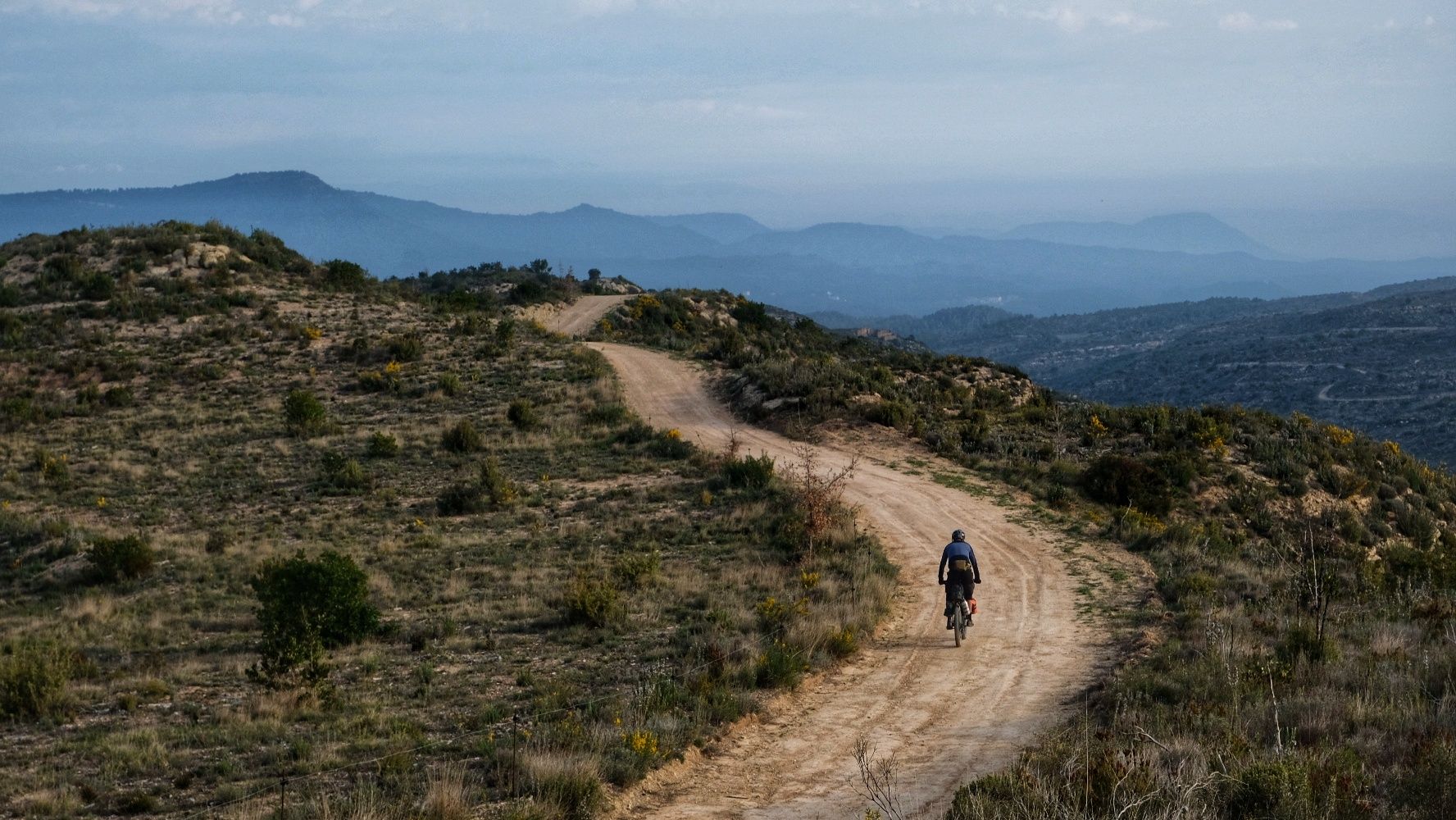
European Divide Trail — 7,600 km across the continent
Sendero Español GR 10 — De este a oeste
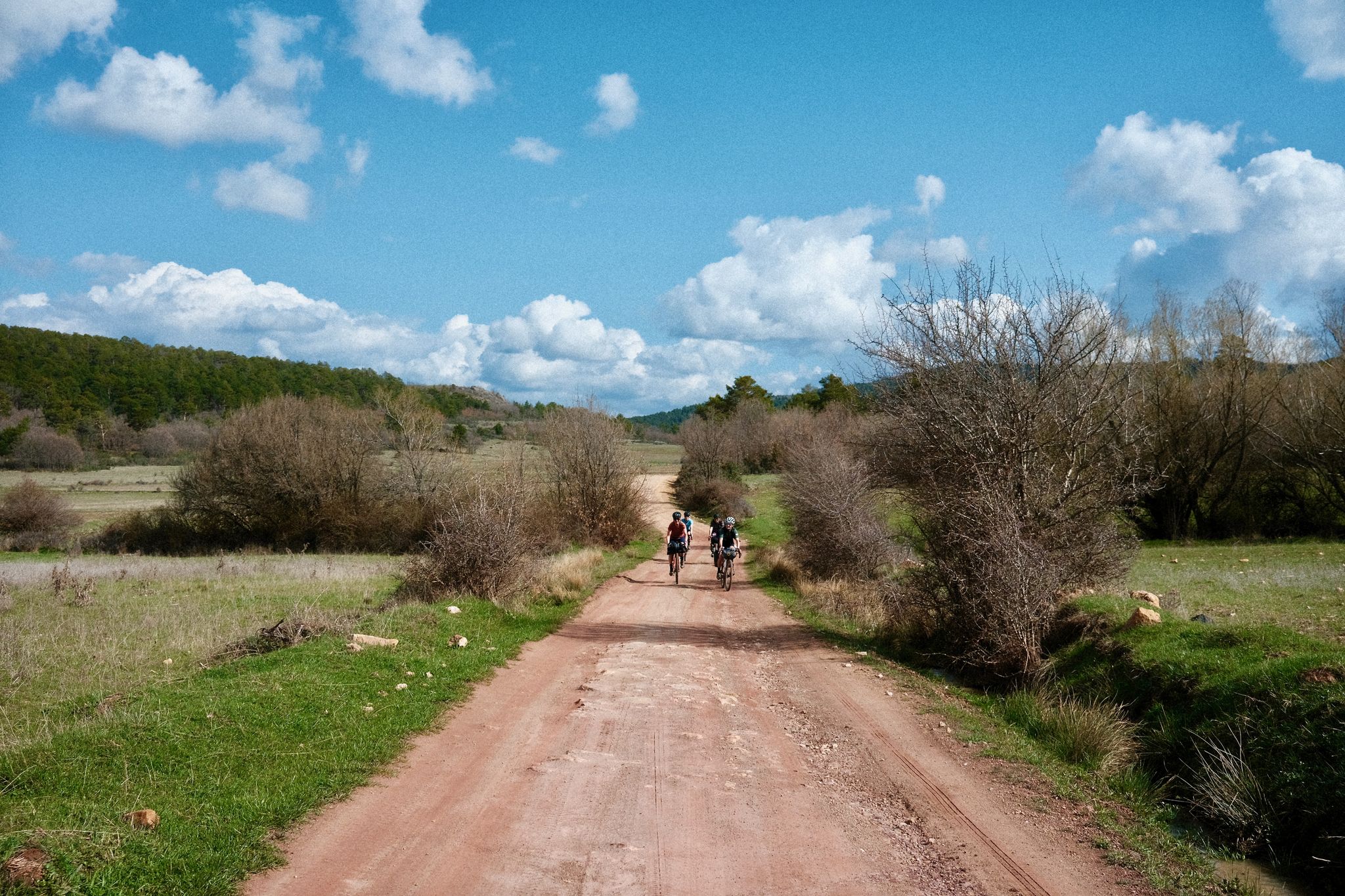
Women's Montañas Vacías 2022 — bikepack in rural Spain
MontañasVacías official — bikepacking across the Spanish Lapland
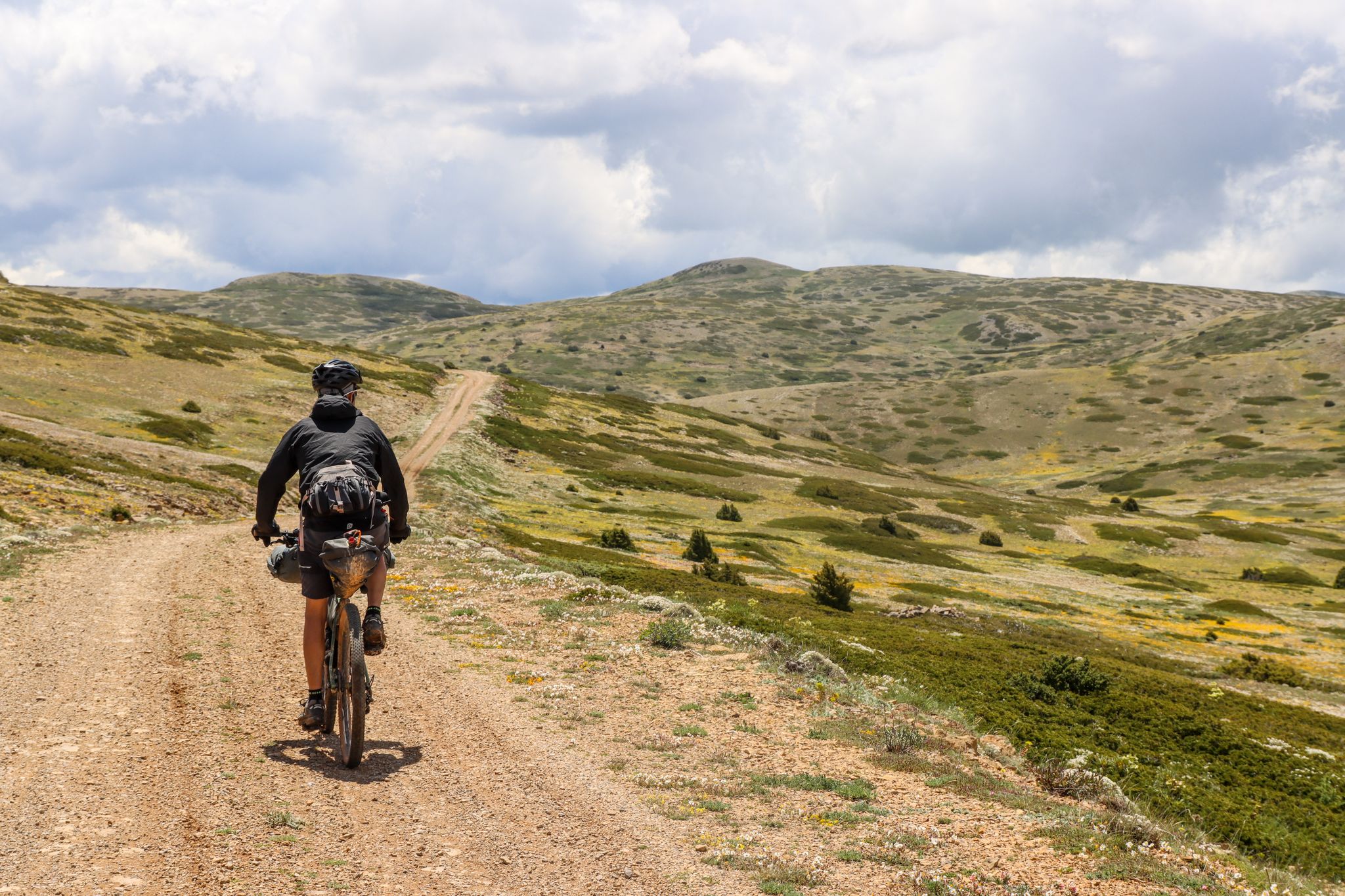
Montañas Vacías — bikepacking the wild and remote 'Empty Mountains'
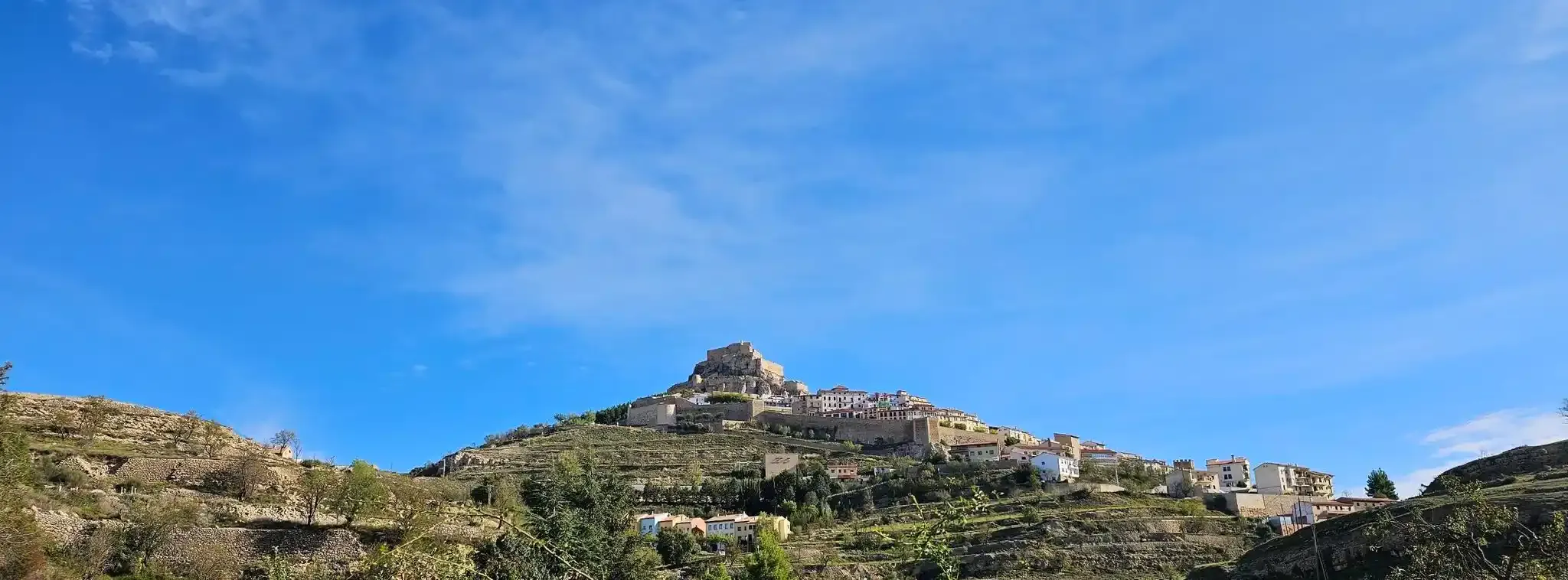
Between castles and walls - Ring of Morella
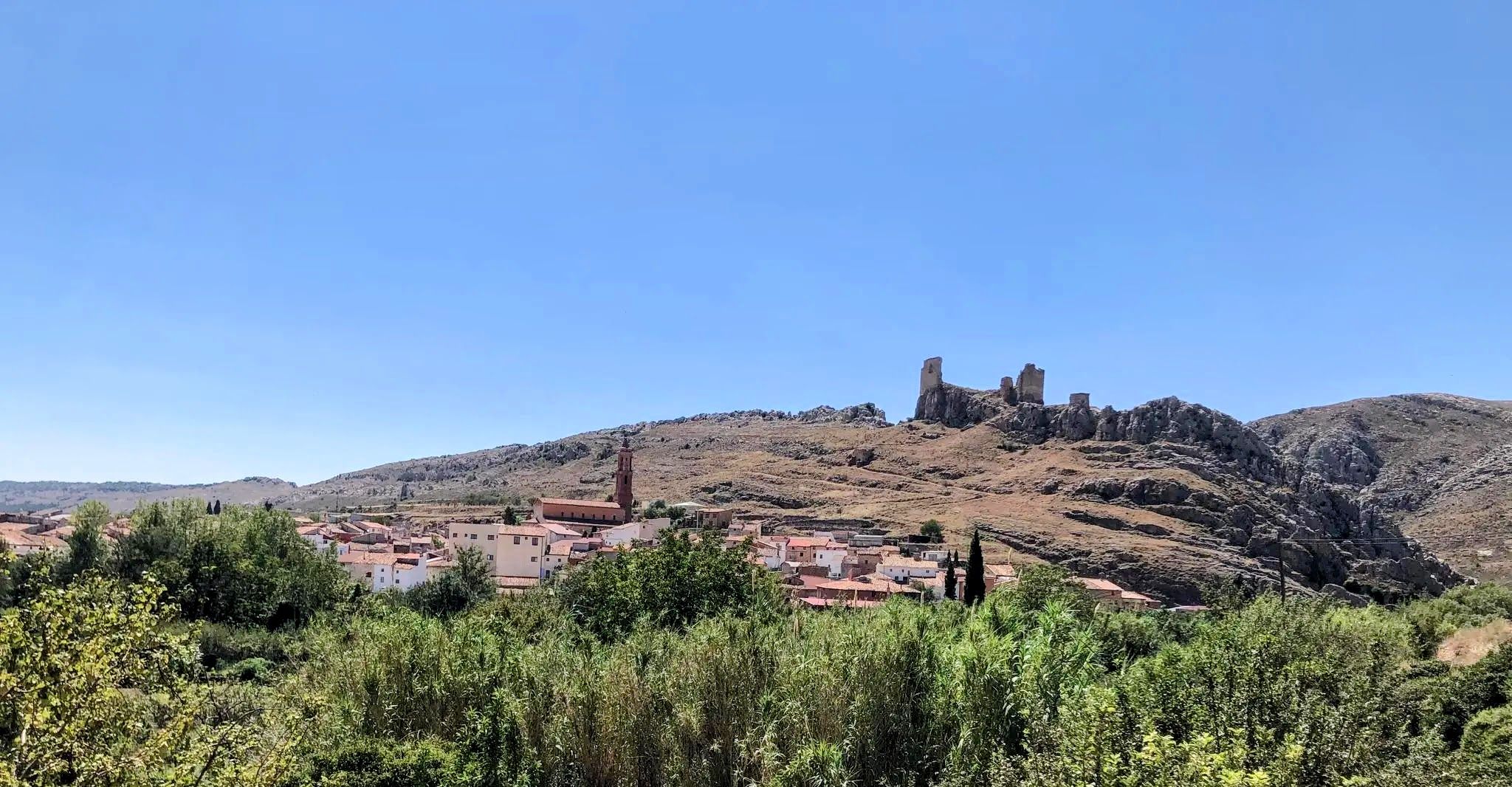
In the footsteps of El Cid - Ring of Montalbán
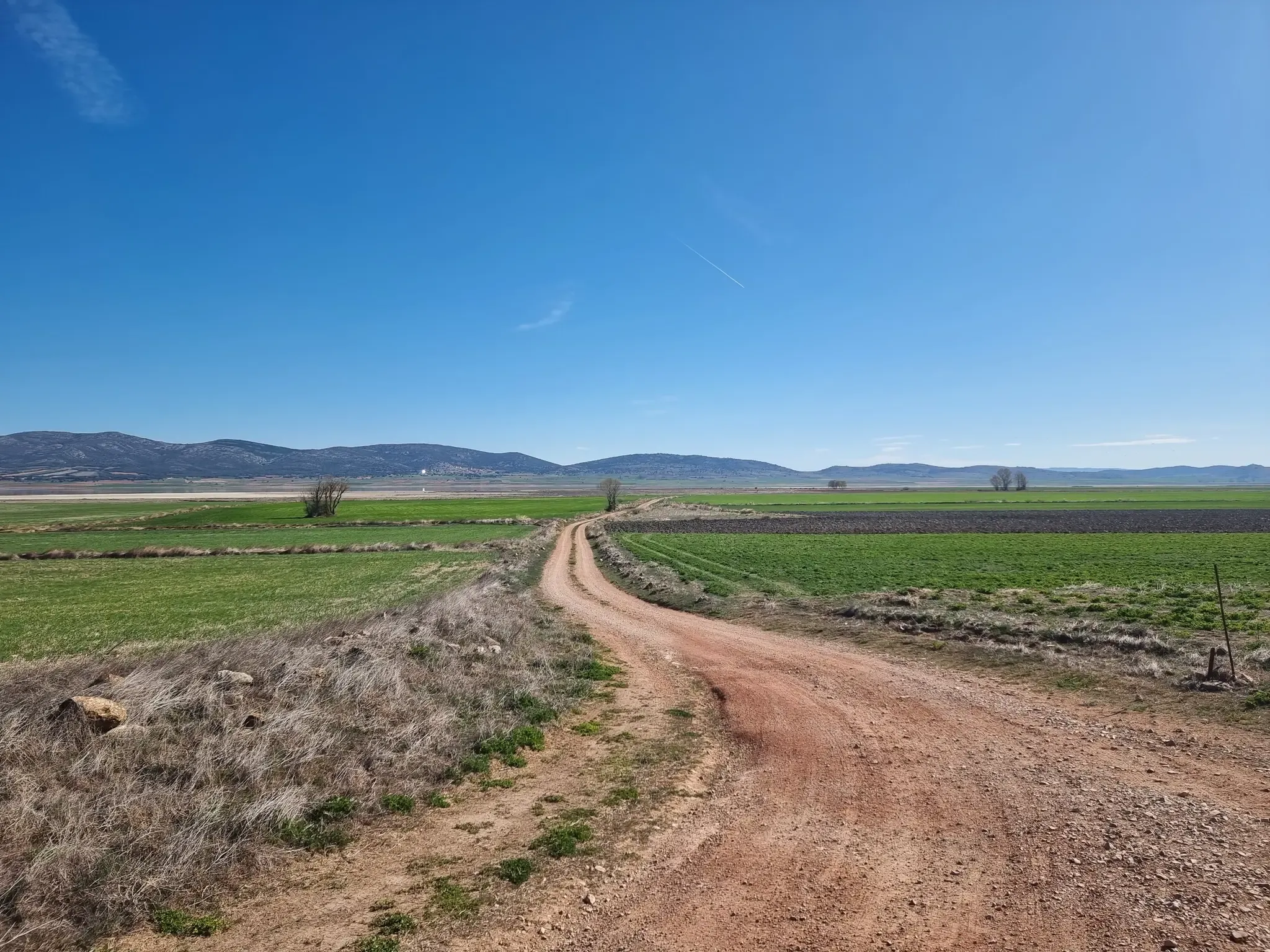
The paradise of the cranes - Gallocanta Ring
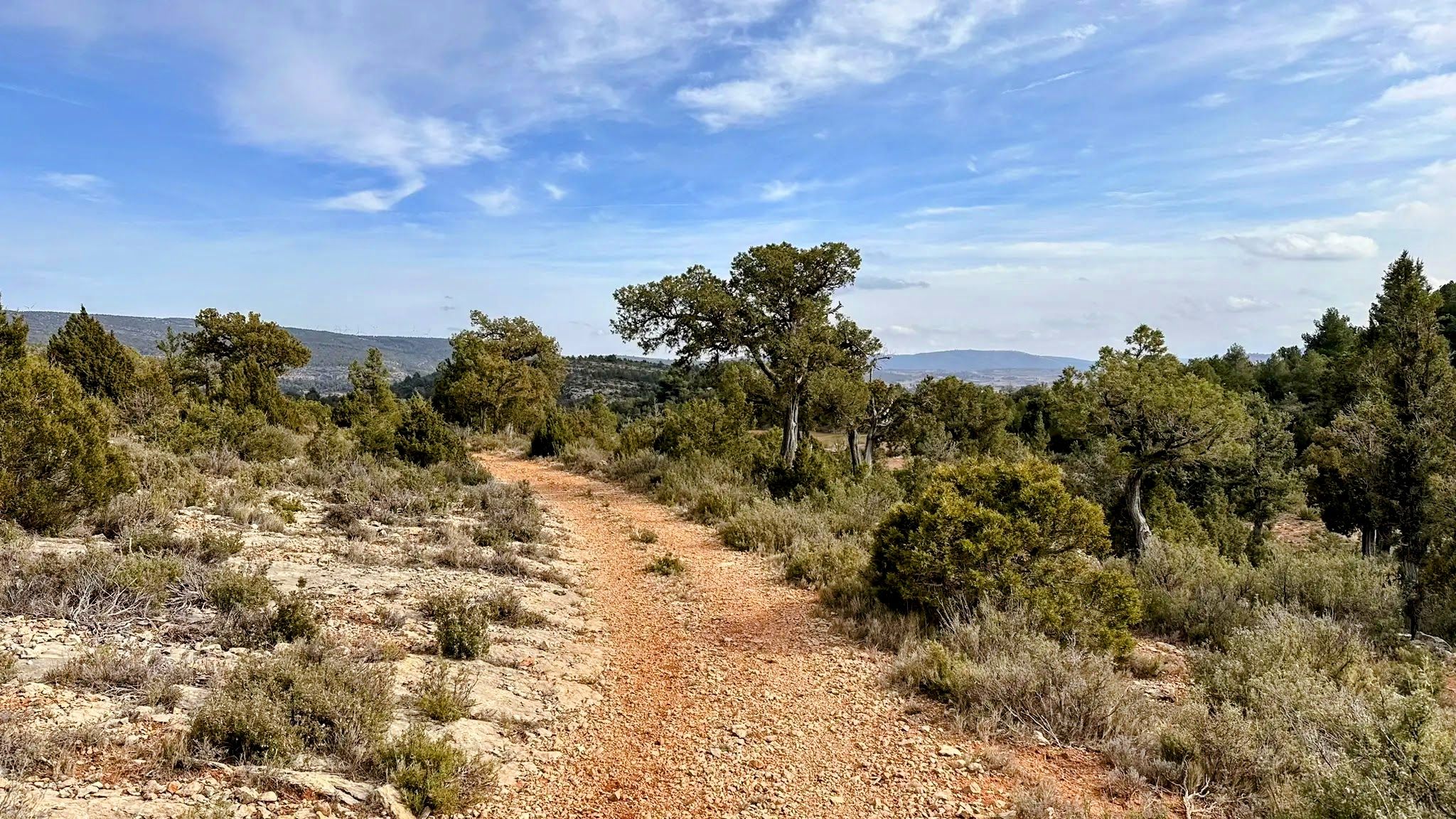
Between junipers and ravines - The Livestock Routes of the Serranía del Turia (GR 37)
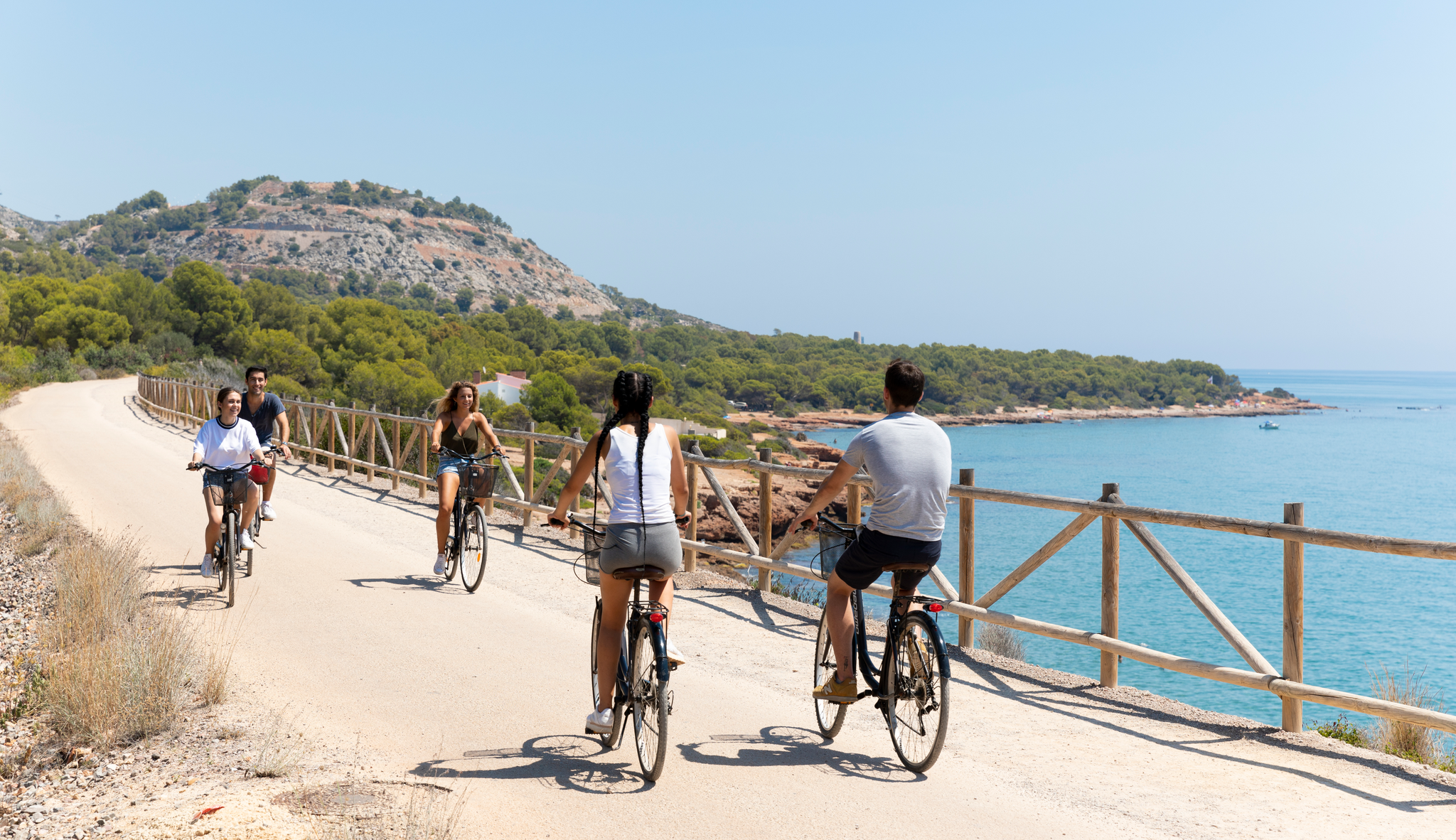
Costa del Azahar and the interior of Castellón by its greenways
Other adventures in Teruel


Tips from the Community

Ideal place to walk and get some fresh air, spectacular landscapes, and if you feel like it, you can swim in the river.
1
0

The Bull Shelter of Prado del Navazo, also known as Toricos del Navazo, is one of the most prominent sites of Levantine Rock Art in the Sierra de Albarracín (Teruel), and is part of the complex declared a Site of Cultural Interest and World Heritage Site by UNESCO. Naturalistic representations of large bovids are painted in a yellowish-white color, unique in Levantine rock art, which typically uses reddish tones.
4
0

Rock paintings The paintings likely date back to the Neolithic period (c. 5000-2500 BC). They were scientifically documented by the Teruel archaeologist Martín Almagro Basch, who published an initial study in 1953. They were discovered just over 500 meters from La Cocinilla del Obispo, another rock overhang containing cave paintings. The rock overhangs containing rock paintings are located near the so-called Arrastradero Trail, which begins from the parking lot and allows visitors to visit the Doña Clotilde Cave, the Half-Horse Shelter, the Bishop's Kitchen, the Deer Shelter, the Shelter of the Various Figures, the Shelter of the Two Horses, and the Archer's Shelter on a 2.5-km circular route.
0
0

Mountain goats can also be seen quite frequently
1
0

With protected cave paintings.
2
0
With protected cave paintings and access platform.
3
0

At this point we can stop to visit the Crystal Caves. Anyone who has entered the Crystal Caves in the town of Molinos knows that you are automatically teleported to another world. Declared a Natural Monument of Aragon, it is made up of a karstic system, in turn made up of a network of underground rooms and galleries that are very peculiar in their shapes and that are connected to the outside world through the Crystal Caves and the Baticambras Caves. . The guided tours of the caves are quite an experience to enjoy with family or friends! https://www.turismomaestrazgo.com/grutas-de-cristal/
1
0

The Cova de la Dona can be found on the left (in the direction of the N-S march) before arriving at Pla de la MIna. It is one more of the many hollows on the route. It is signposted and the photo is almost mandatory.
1
0
Frequently Asked Questions
What are the most popular caves to visit in Teruel?
Among the most popular are the Grutas de Cristal de Molinos, known for their stunning geological formations and historical significance. The region also features several significant rock shelters with prehistoric art, such as the Prado del Navazo Bulls Rock Shelter and the Shelter of the Archer of the Enclosed Ravines, both recognized for their unique Levantine Rock Art.
Are there family-friendly caves in Teruel?
Yes, the Grutas de Cristal de Molinos offer guided tours suitable for all ages, showcasing impressive formations in an accessible environment. Additionally, the rock art sites like Prado del Navazo Bulls Rock Shelter and Bishop's Little Kitchen Rock Shelter are generally family-friendly for cultural exploration.
What kind of geological formations can I expect to see in Teruel's caves?
The Grutas de Cristal de Molinos are famous for their diverse array of stalactites, stalagmites, columns, and eccentric stalactites that grow horizontally. The 'Sala Marina' within these caves features unique coral-like calcite crystallizations. More challenging caves like Cueva de la Obriga contain underground rivers and siphons.
What is the historical significance of caves in Teruel?
Teruel's caves hold significant archaeological value. The Grutas de Cristal de Molinos, for example, revealed the 'Man from Molinos,' Aragon's most ancient hominid burial (25,000 years old). The region is also rich in prehistoric rock art sites, such as the Deer rock shelter and various figures, which are UNESCO World Heritage Sites showcasing ancient human activity.
Are there challenging caving experiences for experienced speleologists in Teruel?
Yes, the Cueva de la Obriga in El Vallecillo is ideal for experienced speleologists. It is the longest explored cave in Teruel, featuring a labyrinthine network, an underground river, and numerous siphons that require specialized gear and physical exertion, including speleodiving.
What outdoor activities can I do near the caves in Teruel?
The areas around Teruel's caves offer various outdoor activities. For instance, near the Cueva de la Obriga, you can explore natural attractions like the Ojos del Cabriel and the Molino de San Pedro waterfall. You can find many waterfall hikes in Teruel, as well as running trails and gravel biking routes throughout the province.
What is the best time of year to visit caves in Teruel?
Many caves, like the Grutas de Cristal de Molinos, are accessible year-round. However, for active caves with underground rivers, such as Cueva de la Obriga, it's crucial to be aware of weather conditions, as heavy rains can lead to flooding. Generally, spring and autumn offer pleasant temperatures for exploring the surrounding areas.
What should I wear for caving in Teruel?
For guided, accessible caves like the Grutas de Cristal, comfortable walking shoes and light layers are usually sufficient as cave temperatures are constant. For challenging caves like Cueva de la Obriga, specialized gear including wetsuits, helmets, and headlamps is essential due to cold water and muddy sections.
Are there any rock art sites in Teruel that are not traditional caves?
Yes, Teruel is home to significant rock art sites, particularly in the Sierra de Albarracín Cultural Park. These include rock shelters like the Prado del Navazo Bulls Rock Shelter and the Shelter of the Archer of the Enclosed Ravines, which feature prehistoric paintings rather than deep cave exploration.
How long does it typically take to explore the caves in Teruel?
The duration varies significantly. A guided tour of the Grutas de Cristal de Molinos might take around an hour. Exploring rock art shelters can range from a quick visit to a few hours if combined with nearby hiking. Challenging speleological expeditions into caves like Cueva de la Obriga can last several hours or even a full day, depending on the route and conditions.
Can I find any 'hidden gem' caves or lesser-known spots in Teruel?
While the major sites are well-documented, Teruel has many smaller, less-explored cavities. The Cova de la Dona is one of many hollows found along routes, offering a more secluded experience. The Covarratiñas Caves also provide a natural monument experience off the main tourist paths.
Are there any cultural events held within the caves of Teruel?
Yes, the Grutas de Cristal de Molinos are known to host the 'Music and Word Festival,' featuring classical music concerts and poetry readings within their unique underground setting, offering a truly memorable cultural experience.
Most popular routes in Teruel
Most popular attractions in Teruel

Get inspired with the komoot mobile app


Didn’t find what you were looking for?
Discover more caves in Teruel region by region:
Explore more
Extend your search for the best caves by checking out these guides of the top ones in Teruel:
