Top 20 Lakes in Huelva
Best lakes in Huelva are primarily found in its significant reservoirs and ecologically important marshlands, offering unique natural beauty and recreational opportunities. The province of Huelva is characterized by its extensive wetlands, including UNESCO World Heritage Sites, and numerous man-made reservoirs crucial for water management. This region provides diverse landscapes, from coastal marshes to inland water bodies, shaped by both natural processes and historical mining activities. It is a destination for those interested in birdwatching, historical sites, and exploring varied aquatic environments.
Best lakes in Huelva
- The most popular lakes is El Portil Lagoon, a lake that is one of the most representative Huelva coastal wetlands. It preserves a high population of waterfowl and is a fundamental wetland for migratory birds.
- Another must-see spot is Charco Del Acebrón, a lake surrounded by a forest of sidewalks. Visitors can explore a 2 km trail from the La Rocina Visitor Center, leading to the Palacio de Acebron.
- Visitors also love Odiel Marshes, a natural monument and Unesco biosphere reserve. These wetlands are one of the most important tidal areas in Andalusia, hosting more than 6,000 flamingos.
- Huelva is known for its marshlands, reservoirs, and lagoons. The region offers a variety of water bodies to explore, from natural wetlands to man-made lakes.
- The lakes in Huelva are appreciated by the komoot community, with 37 upvotes and 9 photos shared across 19 highlights.
Last updated: June 27, 2026
Odiel Marshes
Highlight • Natural Monument
Translated by Google •
Tip by

El Portil Lagoon
Highlight • Lake
It is a practically circular route around the Laguna del Portil. It begins at the viewpoint located next to the coastal road HV-4112 from where it penetrates into the pine forest that surrounds the lagoon.
Translated by Google •
Tip by

Sign up now to discover places like this
Get recommendations on the best single tracks, peaks, & plenty of other exciting outdoor places.
Sign up for free
Charco Del Acebrón
Highlight • Lake
Translated by Google •
Tip by
Odiel Marshes
Highlight • Natural
Notable species include the Eurasian spoonbill, the flamingo, various ducks, grey and purple herons, and birds of prey such as the osprey. The area also has an interpretation center, birdwatching points, trails, and rest areas.
Translated by Google •
Tip by
Charco de la Boca
Highlight • Lake
Translated by Google •
Tip by

Flamingos
Highlight • Lake
Translated by Google •
Tip by

Teuler Mines Viewpoint
Highlight • Viewpoint
These mines were worked by Germans and very close are the ruins of the houses that were built to house the engineers who worked here.
Translated by Google •
Tip by

Birdwatching in Doñana National Park
Highlight • Natural Monument
Translated by Google •
Tip by

Valdelamusa Water-Filled Quarry
Highlight • Structure
Translated by Google •
Tip by
Laguna de Cañaveral de León
Highlight • Lake
Translated by Google •
Tip by

Sign up for free to discover even more lakes in Huelva.
Sign up for free
Already have an account?
Start today with a free account
Your next adventure awaits.
Login or Signup
Popular around Huelva

Triathlon 360 – my journey around the world
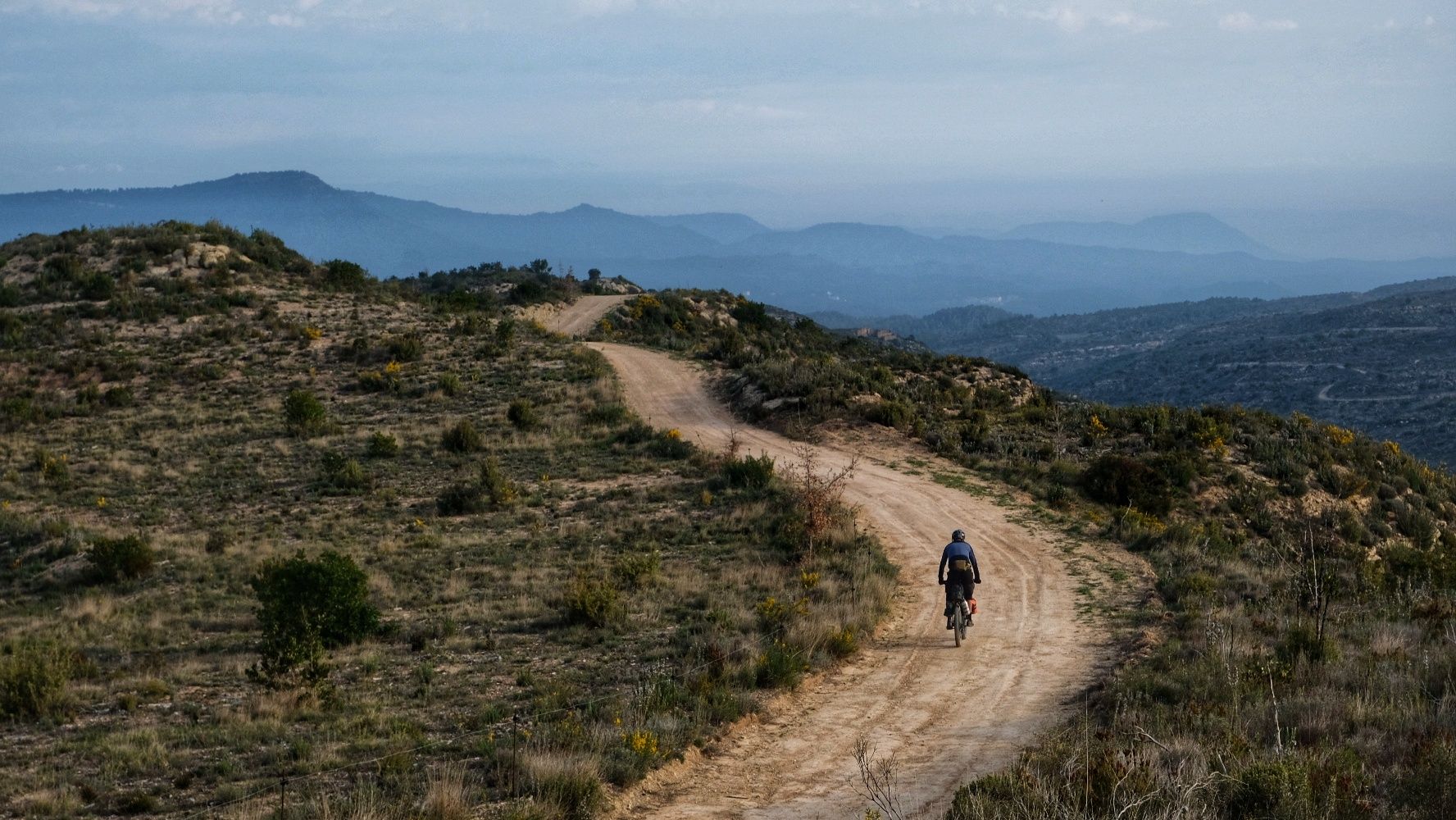
European Divide Trail — 7,600 km across the continent
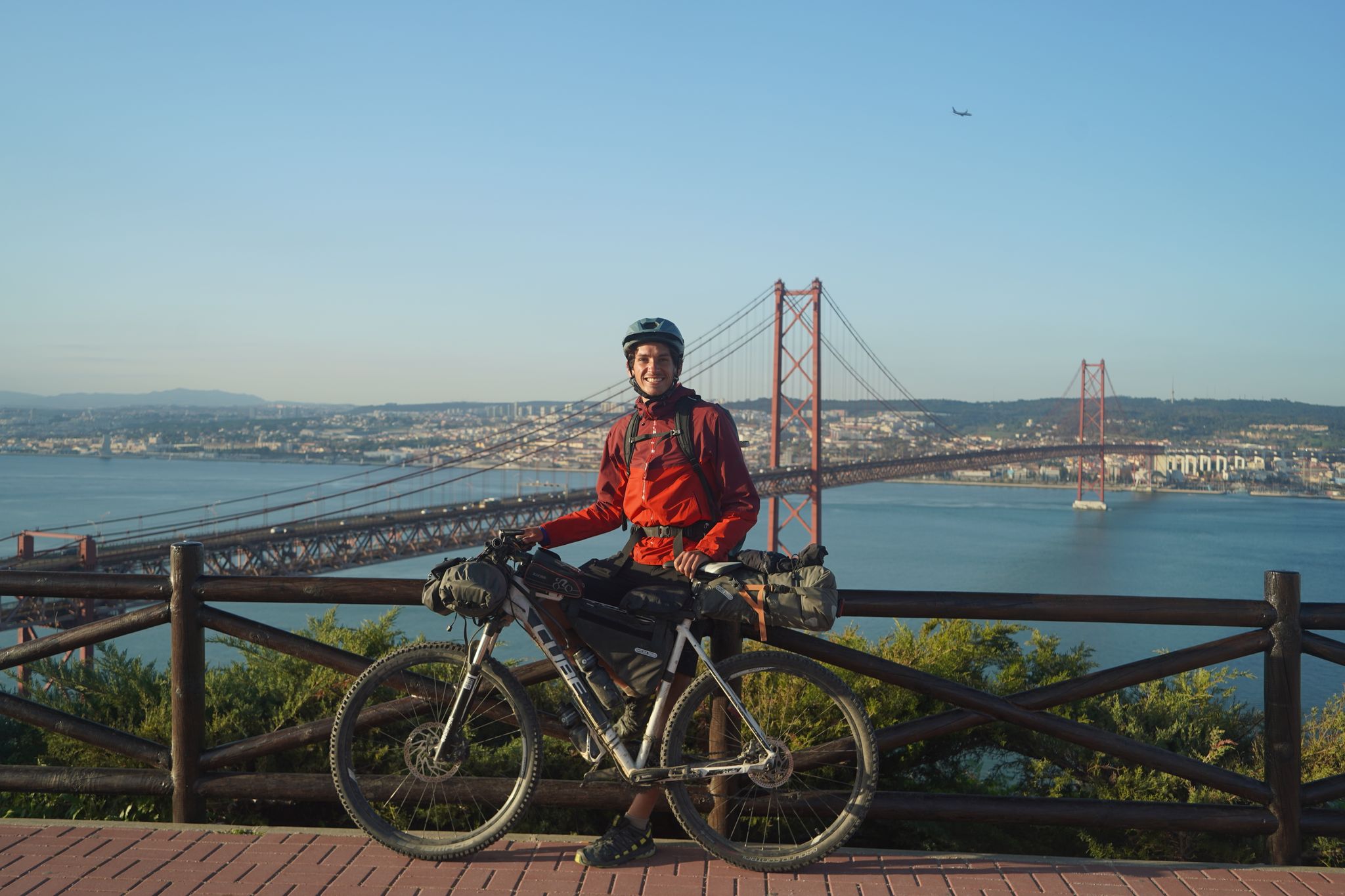
Road to Lisbon – bikepacking the Alps, Pyrenees and Picos de Europa
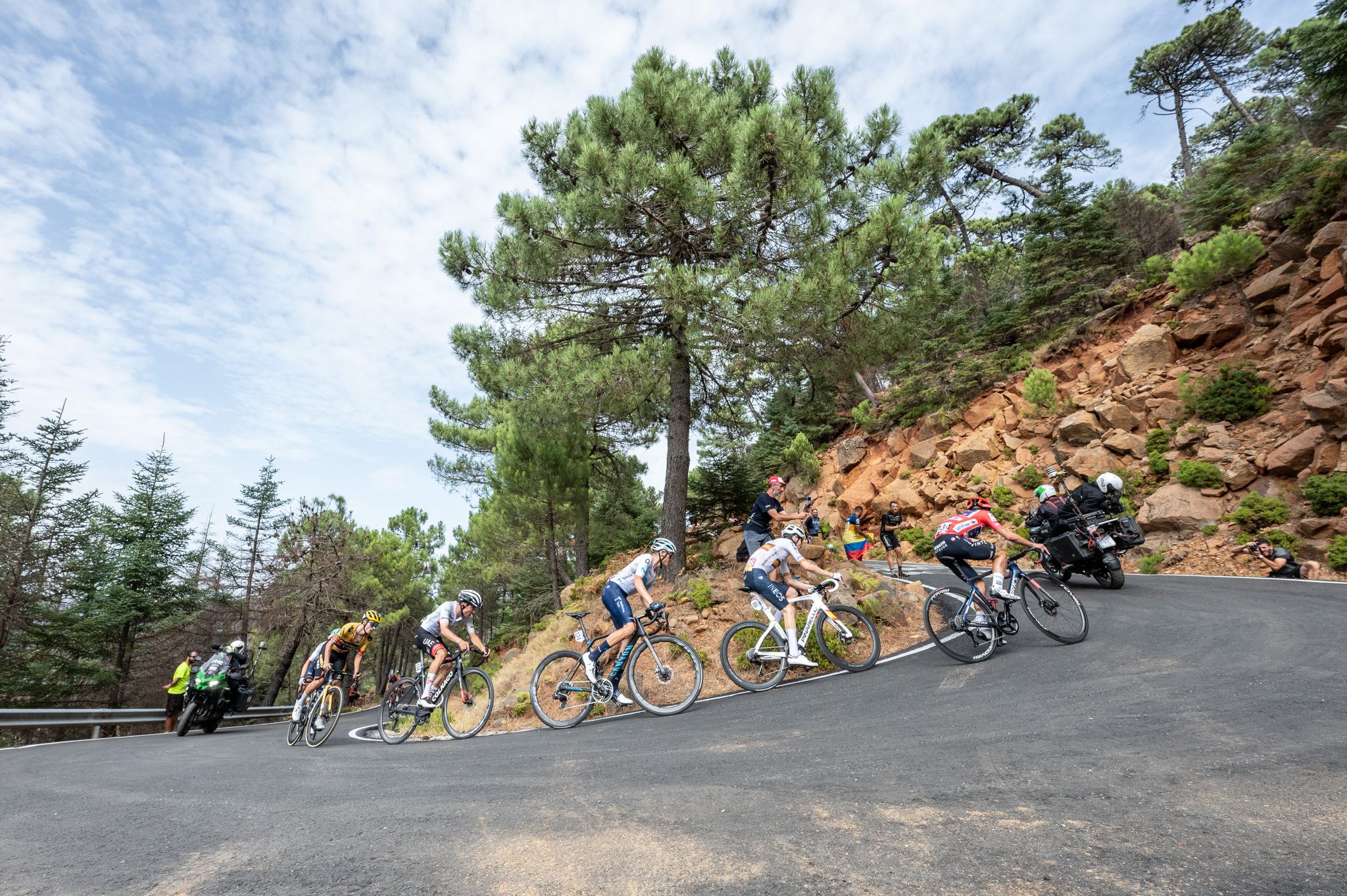
La Vuelta 26 — All Official Stages

A winter getaway along the greenways of Andalusia in Spain
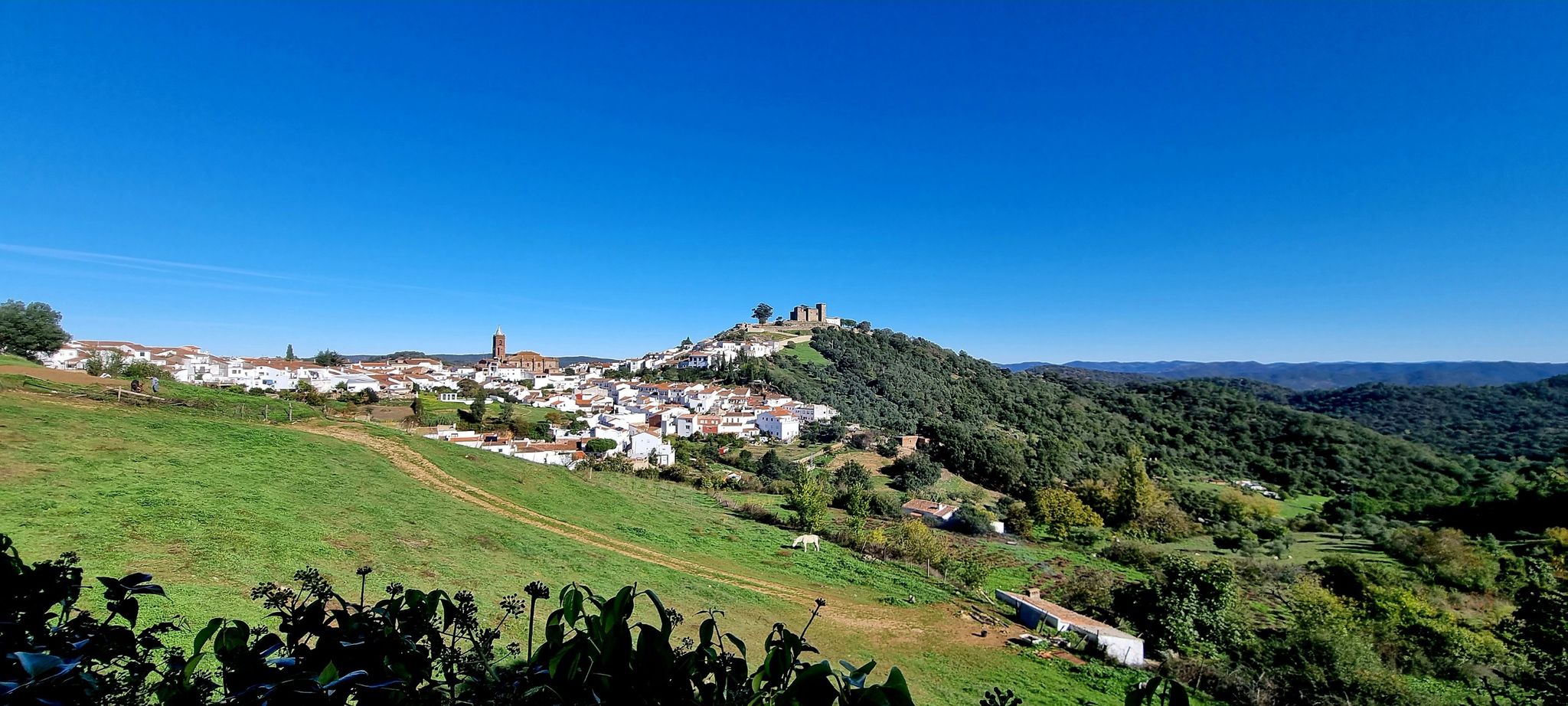
European Divide Trail across the Iberian Peninsula – south
The beauty of the Andalusian mountains – Transandalus southern section
Cycling among the mysterious faults – Sierra Morena (GR 48)
Dehesas and castles of Sierra Morena – Huelva and Seville on foot (GR 48)
Wild and free Andalusia – Transandalus through the interior
Other adventures in Huelva


Tips from the Community

It is an open-pit mine that reached approximately 200 meters in diameter and 180 meters in depth. After mining operations ceased, the quarry filled with water, forming a kind of artificial lagoon that is now one of the most unique landscapes in the area. The mine is called Confesionarios (Confessionals) because of the gossan geological formations that resemble confessionals in churches.
1
0
The flooded Valdelamusa quarry, also known as the Corta de los Confesionarios, is one of the most striking elements of the mining heritage of this district of Cortegana, in the province of Huelva.
1
0
This natural area covers approximately 7,185 hectares and is known for its rich biodiversity and its importance as a breeding area and refuge for numerous bird species. Notable species include the Eurasian spoonbill, the flamingo, various ducks, grey and purple herons, and birds of prey such as the osprey. The area also has an interpretation center, birdwatching points, trails, and rest areas.
4
0

This enclave is now one of the privileged places for bird watching, and during sunset you can observe flocks of blackbirds, egrets and other species concentrated in large numbers in the nearby trees
6
0

Flamingos are characterized by their long neck, hooked beak and pink plumage. The family has six species
5
0
In 1984, an artificial island was constructed in the swamp area, partly to improve bird life. More than 6,000 flamingos now reside in the Odiel marshes, making it the second largest colony in Spain.
1
0

This beautiful lagoon with turquoise waters is, curiously, a dump from an old mining operation. In the steep cliffs that surround it, you can see the different colors of the rock strata. It is a good place to stop and contemplate the landscape.
3
0
The Cañaveral de León lagoon is a pool that collects groundwater from the Fuente Redonda spring and serves to irrigate the crops in the area. For a few years it has also been conditioned to be the municipal swimming pool of this town. In summer a treatment plant is started up to offer a pleasant bath on the hottest days.
2
0
Frequently Asked Questions
What are the most popular lake-like areas to visit in Huelva?
Huelva is known for its significant reservoirs and ecologically important marshlands rather than natural lakes. Among the most popular are El Portil Lagoon, a coastal wetland vital for migratory birds, and the Odiel Marshes, a UNESCO biosphere reserve famous for its flamingos. Visitors also enjoy Charco Del Acebrón, which features a pleasant boardwalk trail through a forest.
What makes Huelva's water bodies unique?
Huelva's water bodies are unique due to their ecological significance, particularly the vast wetlands like Doñana National Park and Marismas del Odiel, which are crucial for migratory birdlife and endangered species. The region also features numerous man-made reservoirs essential for water management, and the strikingly red Río Tinto, shaped by centuries of mining, offering an otherworldly landscape.
What is the best time to visit Huelva's lakes and wetlands?
The best time to visit Huelva's lakes and wetlands, especially for birdwatching, is during the migratory seasons in spring (March to May) and autumn (September to November). During these periods, the wetlands are teeming with diverse bird species. The weather is also generally milder and more pleasant for outdoor activities.
Are there family-friendly lakes or wetlands to visit in Huelva?
Yes, several areas are great for families. El Portil Lagoon offers an easy, circular route through a pine forest. Charco Del Acebrón has a 2 km boardwalk trail, perfect for a leisurely family stroll. The Charco de la Boca, located within Doñana Natural Park, also offers an entertaining walk along the Paseo Marismeño path suitable for all ages.
Can I go birdwatching around Huelva's water bodies?
Huelva is a premier destination for birdwatching. The Odiel Marshes are home to the largest colony of spoonbills in Europe and host over 6,000 flamingos. Doñana National Park, a UNESCO World Heritage Site, is a crucial stopover for migratory birds, offering exceptional opportunities to observe flamingos, spoonbills, herons, and even endangered species like the Spanish imperial eagle. The Birdwatching in Doñana National Park highlight is specifically dedicated to this activity.
What kind of natural landscapes can I expect around Huelva's water bodies?
You can expect a diverse range of natural landscapes. Huelva features extensive marshlands and wetlands, pine forests, and coastal dunes. The area around El Portil Lagoon is characterized by pine forests, while the Odiel Marshes offer vast tidal areas. The Río Tinto presents a unique, almost alien landscape with its striking red waters and mining-impacted terrain. Many reservoirs are integrated into natural settings, offering scenic views.
Are there opportunities for water sports or fishing in Huelva's reservoirs?
Yes, Huelva's larger reservoirs, such as Embalse del Chanza, Embalse de Andévalo, and Embalse de Piedras, often provide opportunities for fishing and some water sports. While not explicitly detailed for every reservoir, these man-made lakes are crucial for the region and are increasingly recognized for their recreational potential. Always check local regulations for specific activities and permits.
Are there specific hiking trails recommended near Huelva's water bodies?
Yes, there are many trails to explore. For easy walks, consider the circular route around El Portil Lagoon or the boardwalk at Charco Del Acebrón. You can find more options, including the 'Doñana Natural Park - circular via the Charco de la Boca Trail' and 'Laguna del Jaral and El Asperillo Cliff Trail', in the Easy hikes in Huelva guide.
What about mountain biking or running trails near Huelva's water bodies?
Huelva offers various trails for mountain biking and running. For mountain biking, you can explore routes like the 'Vía Verde de los Molinos del Agua Trail' or the 'Aracena Reservoir Loop'. Runners can enjoy trails such as the 'Paseo de la Ría Trail' or the 'Natural Site Marismas del Odiel – circular running from Punta Umbría'. Find more details in the MTB Trails in Huelva and Running Trails in Huelva guides.
Are there any historical or cultural sites related to water bodies in Huelva?
Absolutely. The Valdelamusa Water-Filled Quarry and the Teuler Mines Viewpoint offer insights into the region's rich mining history, which has profoundly shaped the landscape, particularly around the Río Tinto. Additionally, while not a natural lake, the Muelle de las Carabelas (Wharf of the Caravels) in Palos de la Frontera features an artificial lake displaying replicas of Columbus's ships, offering a unique historical and educational experience related to the Age of Discovery.
Where can I see flamingos in Huelva?
The best place to see flamingos in Huelva is the Odiel Marshes, which host over 6,000 flamingos, making it the second-largest colony in Spain. You can also spot them in Doñana National Park, another vital wetland for these magnificent birds. The Flamingos highlight specifically points to a good viewing area.
Are there accessible trails or viewpoints around Huelva's lakes?
Yes, some areas offer good accessibility. The trail at Charco Del Acebrón is a boardwalk through a forest, making it relatively easy to navigate. Visitor centers in Doñana National Park and Marismas del Odiel often provide accessible trails and viewpoints for observing the natural environment and wildlife.
Most popular routes in Huelva
Most popular attractions in Huelva

Get inspired with the komoot mobile app


Didn’t find what you were looking for?
Find the best lakes in Huelva per region:
Explore more
Still not found your perfect lake in Huelva? Check out the guides of these regions to see even more beautiful places.
