Top 20 Caves in Tarragona
Caves in Tarragona province offer a network of underground formations shaped by water acting on limestone. This region in Catalonia is known for its diverse natural landscapes and historical significance. The caves present geological features and historical intrigue. Visitors can explore these subterranean environments.
Best caves in Tarragona
- The most popular caves is Els Avencs de la Febró, a natural crevice and canyon. This site features a narrow canyon, 250 meters long and up to 30 meters deep, formed within the Mussara mountain range.
- Another must-see spot is Cave of the Cranes, a cave with a waterfall and lake. This location features a cave resembling a Romanesque apse, a waterfall up to 50 meters high, and a small lake.
- Visitors also love Pere's Cave, a historical cave. This large balma has an entrance 15 meters wide and 5 meters high, known for its historical significance.
- Tarragona is known for sea caves, natural crevices, and historical caves. The region offers a variety of subterranean environments to see and explore.
- The caves in Tarragona are appreciated by the komoot community, with 95 upvotes and 46 photos shared by users.
Last updated: October 14, 2026
Cave of the Cranes
Highlight • Cave
Translated by Google •
Tip by

Els Avencs de la Febró
Highlight • Cave
Access via a short climbing passage, headlamp required
Translated by Google •
Tip by

Sign up now to discover places like this
Get recommendations on the best single tracks, peaks, & plenty of other exciting outdoor places.
Llop Marí Cove and Cave
Highlight • Cave
In summer, the cove and its cave are so attractive and popular that it is necessary to reserve access.
Translated by Google •
Tip by

Ermita de Santa Magdalena d'Ulldemolins
Highlight • Religious Site
Building with a single nave with three chapels on each side and a presbytery separated by a triumphal arch. The vault starts from a frieze, semicircular with lunettes. A gallery runs over the side chapels. Below the presbytery is a crypt that opens onto a gallery dug into the rock at the end of which is a room.
Nearby there is a recreation area with a fountain, tables and a place to make a fire.
Translated by Google •
Tip by

Lluminosa Cave
Highlight • Cave
Known since ancient times as Lluminosa to differentiate it from the relatively nearby cave which, being a closed gallery, is known as Llòbrega.
Cited by Faura in his Collection (1909) and by Ferraté in Speleologia de les comarques Tarragona (1918), although neither gives more information than the name.
We are not aware of any specific cataloging work, although it is well known by hikers.
When the Mestral winds blow, which is quite common, the force of the wind increases dramatically as it passes through the Cave.
Translated by Google •
Tip by
Clot del Cirer
Highlight • Natural Monument
It is an oasis of greenery in the middle of the arid Serra Major, as there is usually water all year round. Contrary to many people's beliefs, in the middle of nowhere, there is a walnut tree, not a cherry tree. The cherry tree that gave the place its name died years ago and a walnut tree was planted in its place.
In the past, shepherds used to bring their flocks to drink, and the drinking troughs they prepared for their flocks are still preserved.
Translated by Google •
Tip by
Glass Cave
Highlight • Cave
Translated by Google •
Tip by

Pere's Cave
Highlight • Cave
Translated by Google •
Tip by

Nadell Cave
Highlight • Cave
22 meter long cave in L'Hospitalet de l'Infant.
Cave with an opening of 14 x 19 meters. Inside, the ascending gallery measures 11 x 8 meters, almost at the end and on the right there is a short gallery ending in a small room of 3 x 1.50 x 3.45 meters.
Translated by Google •
Tip by

Cabrafeixet Rock Shelter
Highlight • Cave
Translated by Google •
Tip by
Sign up for free to discover even more caves in Tarragona.
Already have an account?
Start today with a free account
Your next adventure awaits.
Popular around Tarragona

Triathlon 360 – my journey around the world
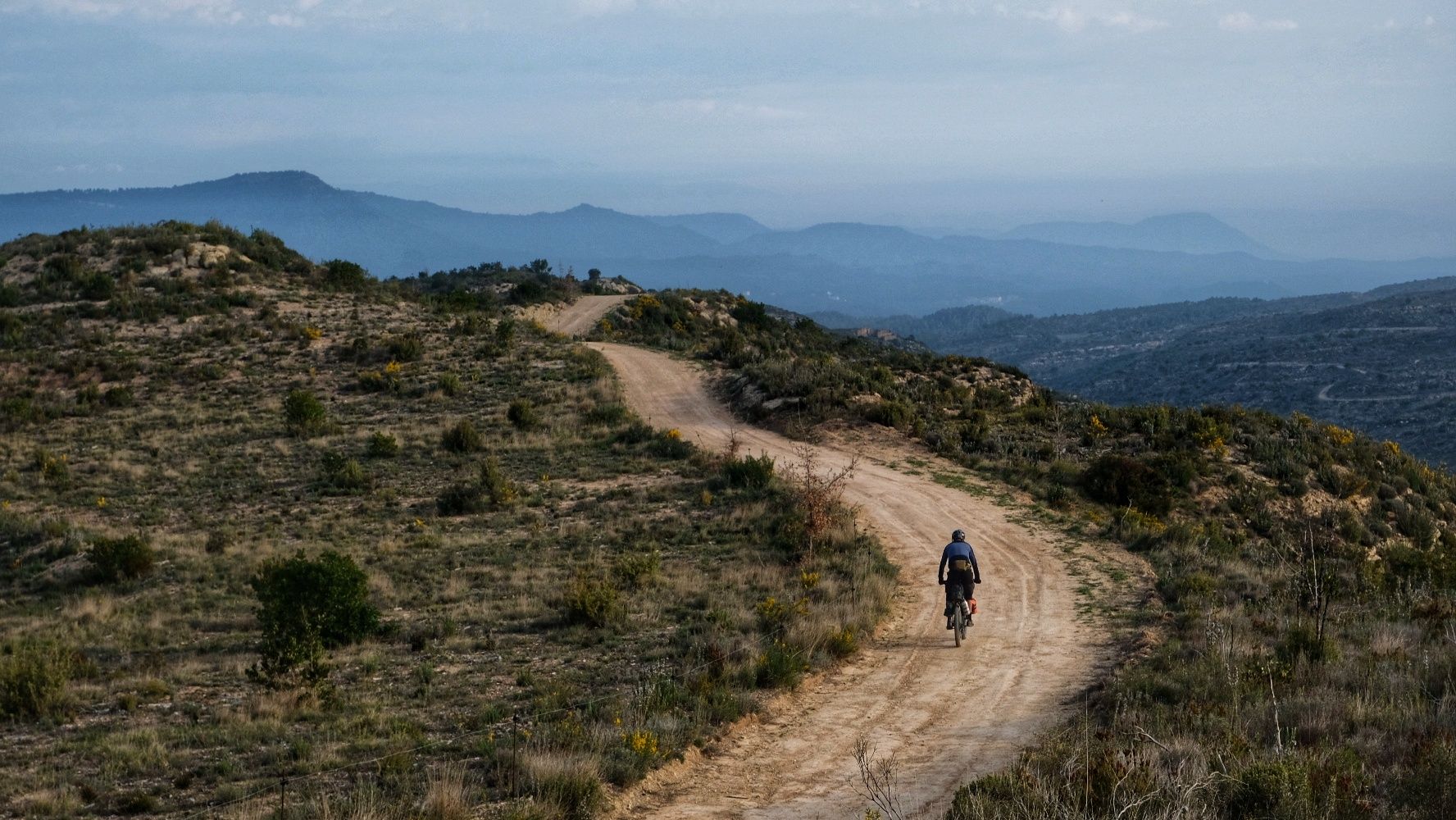
European Divide Trail — 7,600 km across the continent
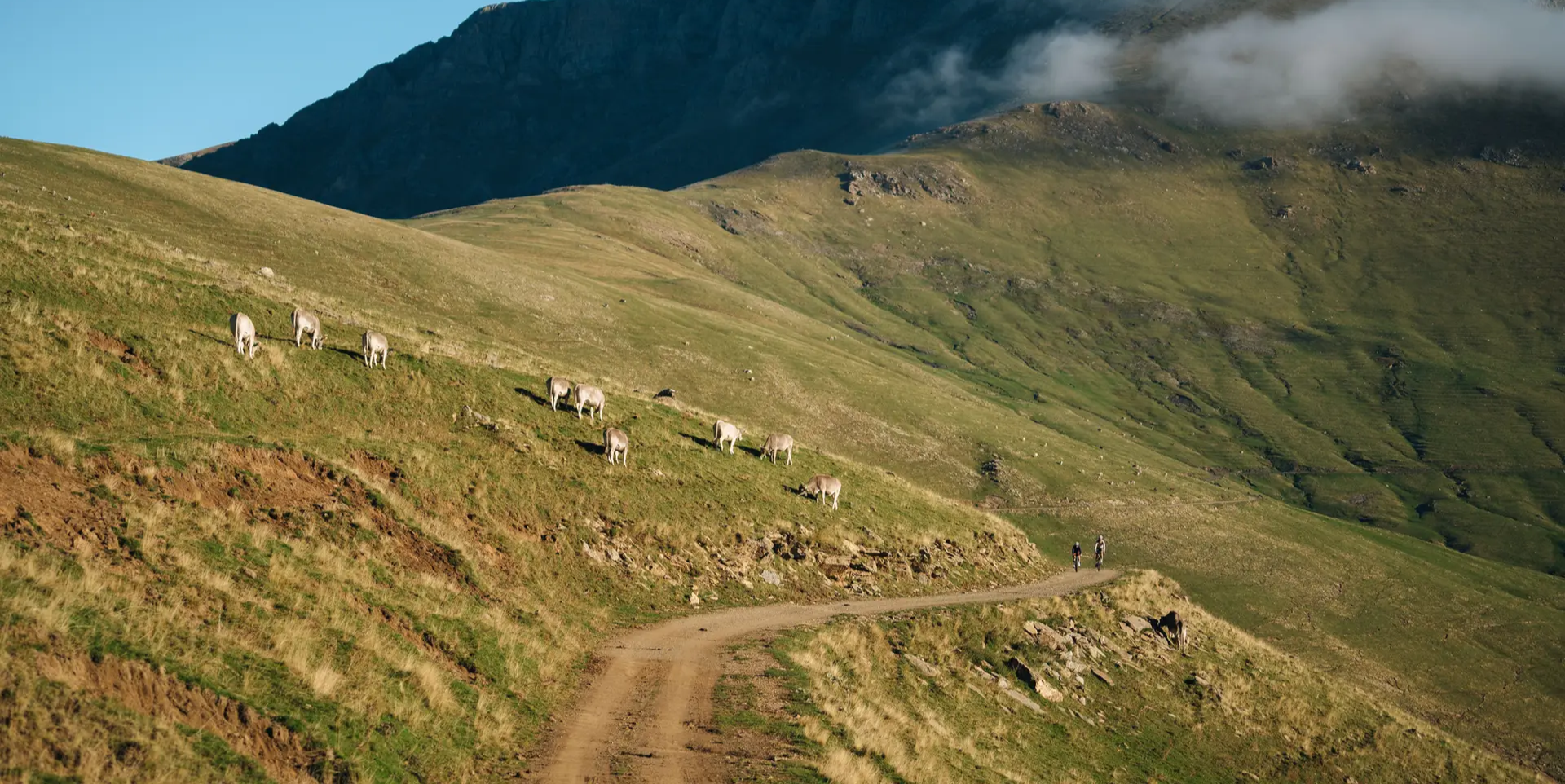
Grand Tour of Catalonia Gravel – your bikepacking adventure
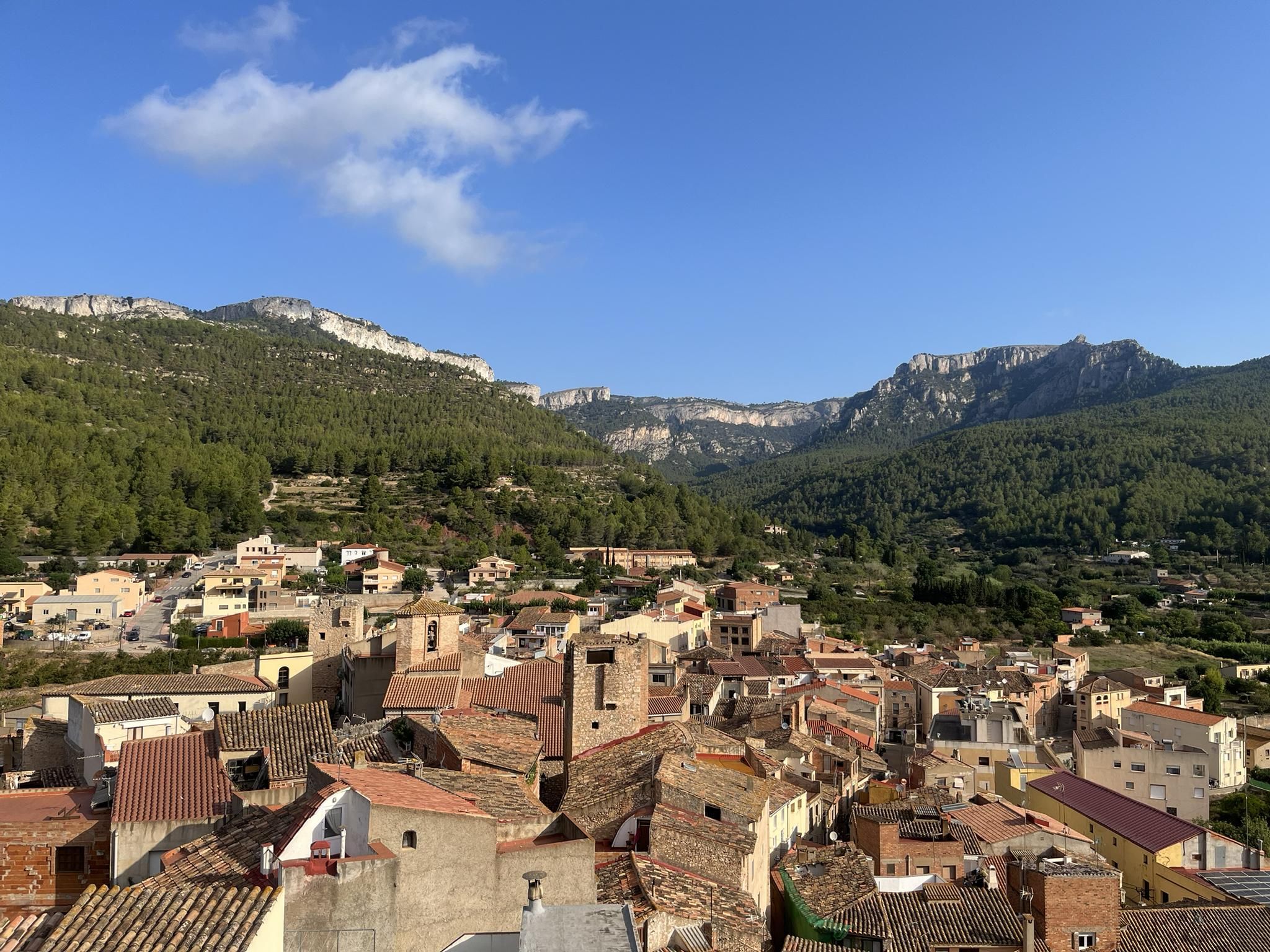
From Cambrils to the Ebro Delta - Camí del Vent (GR 192)
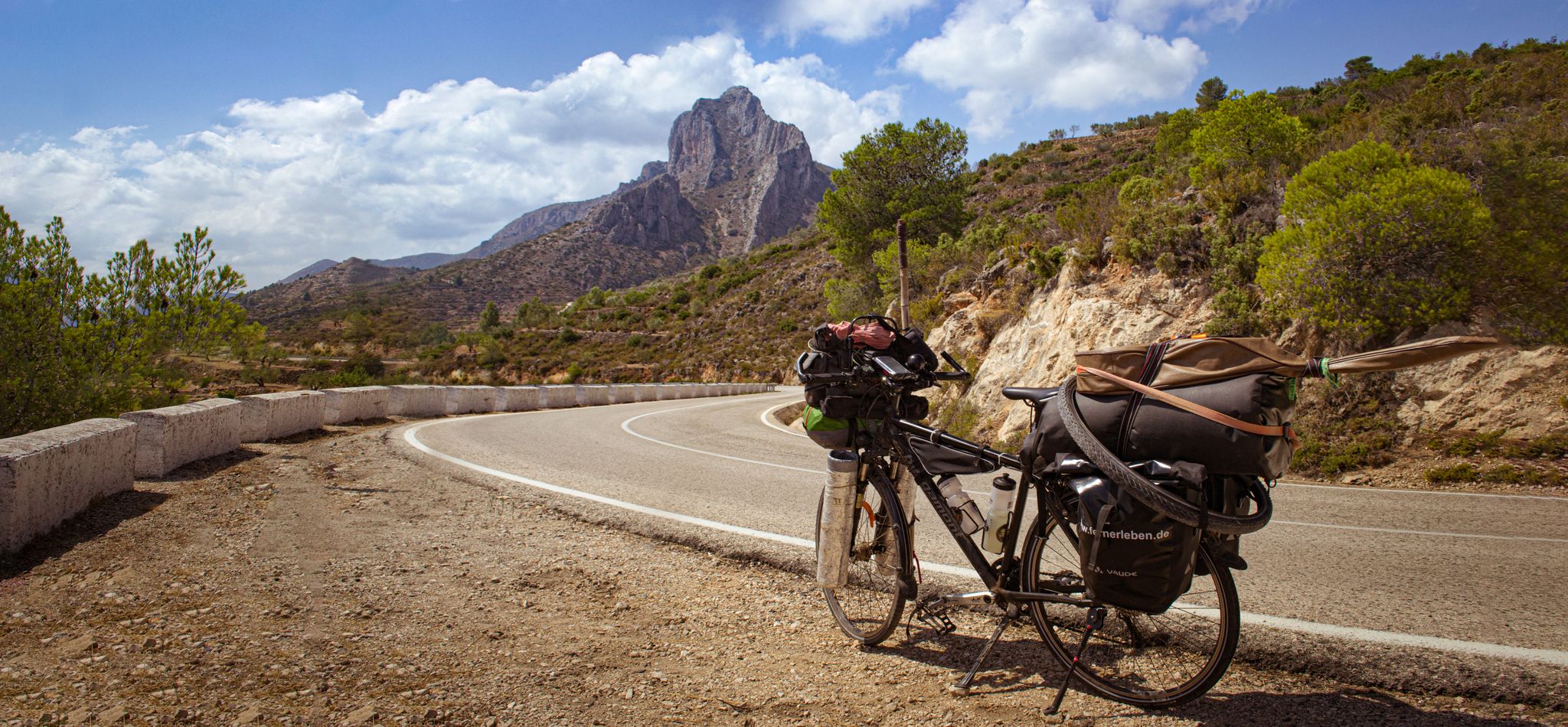
On the road to the sun — bikepacking to southeast Spain
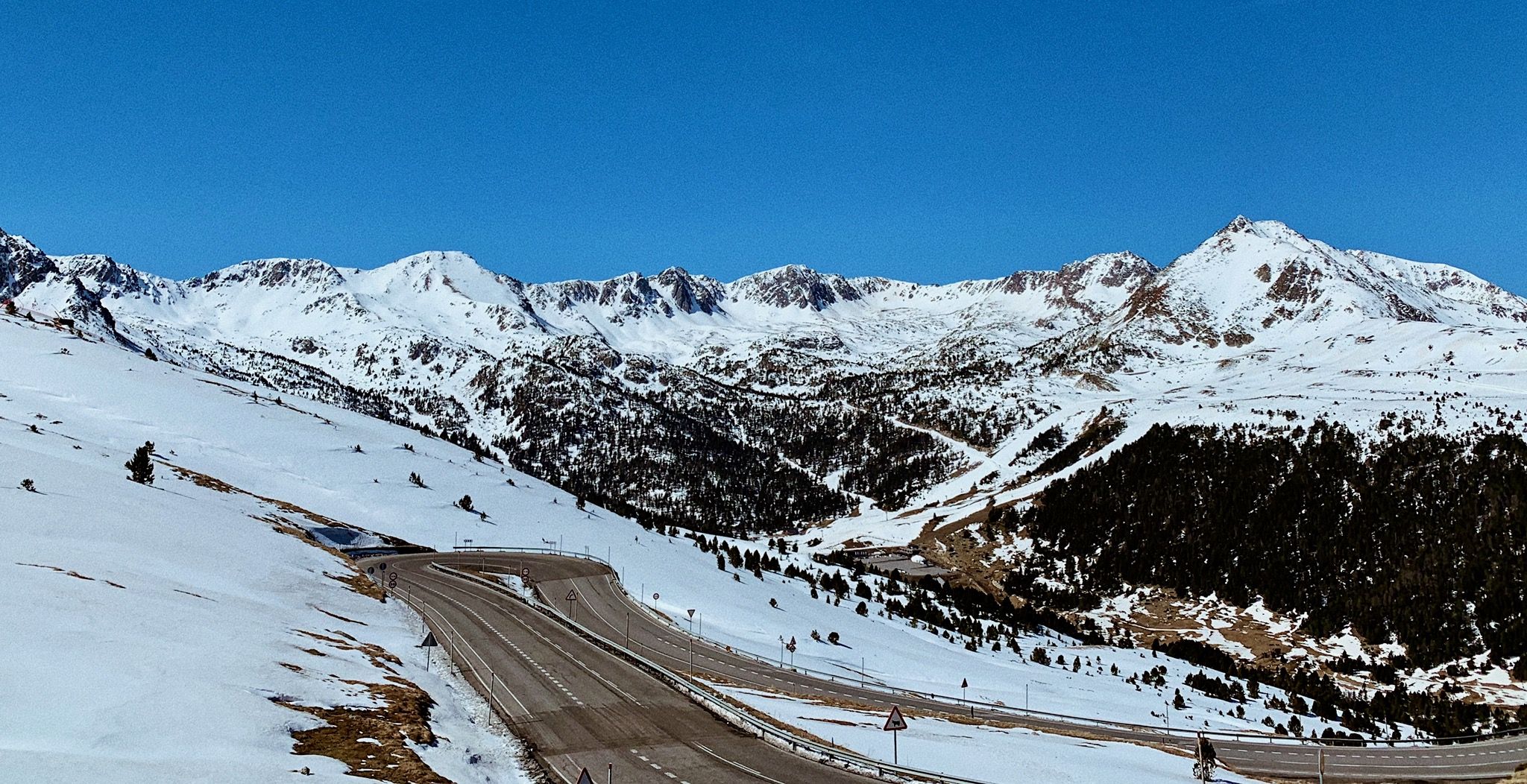
Valencia to Toulouse — Riding over the Pyrenees

La Vuelta 26 — All Official Stages
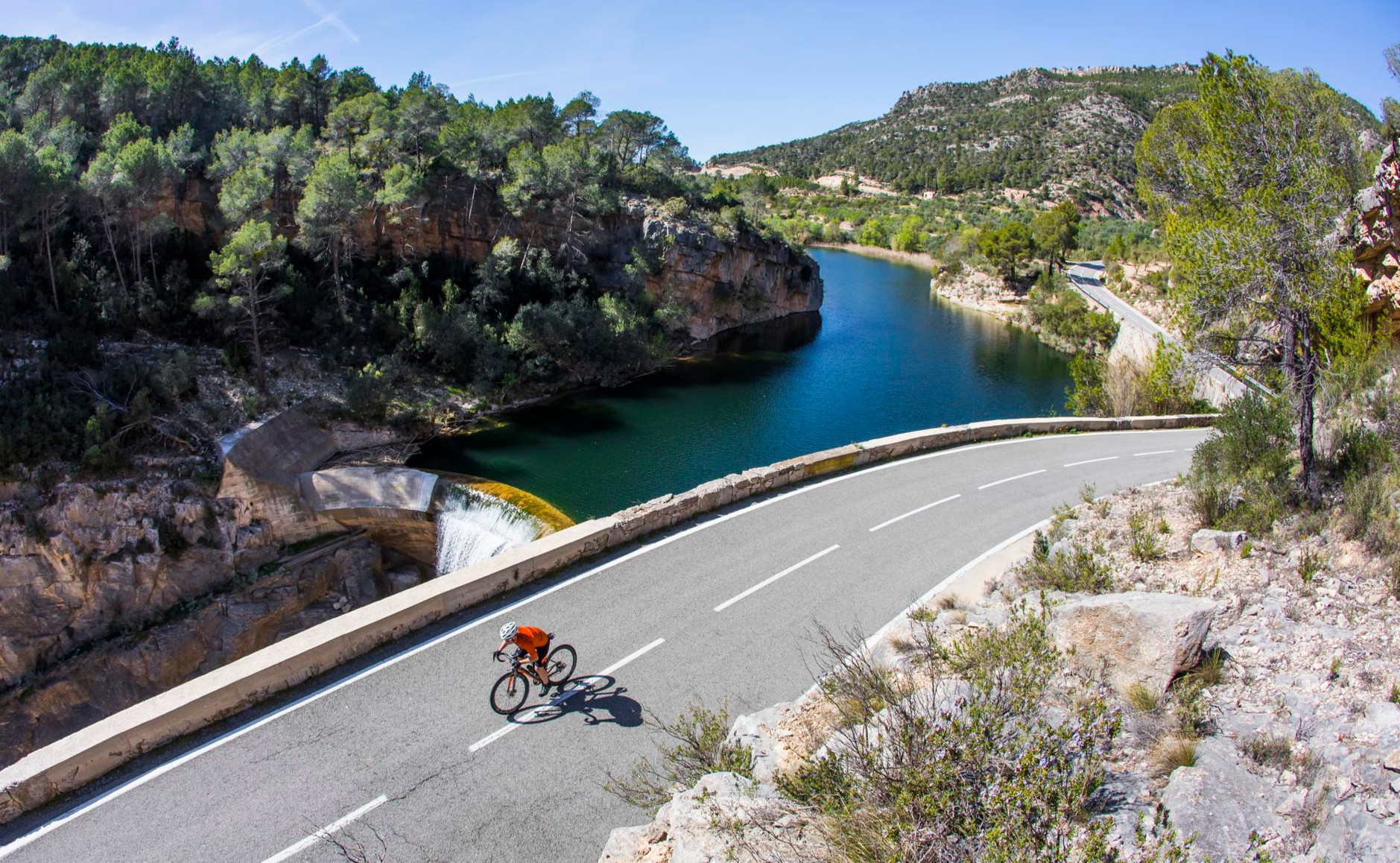
Costa Daurada - Mountains, orchards and monuments by bike
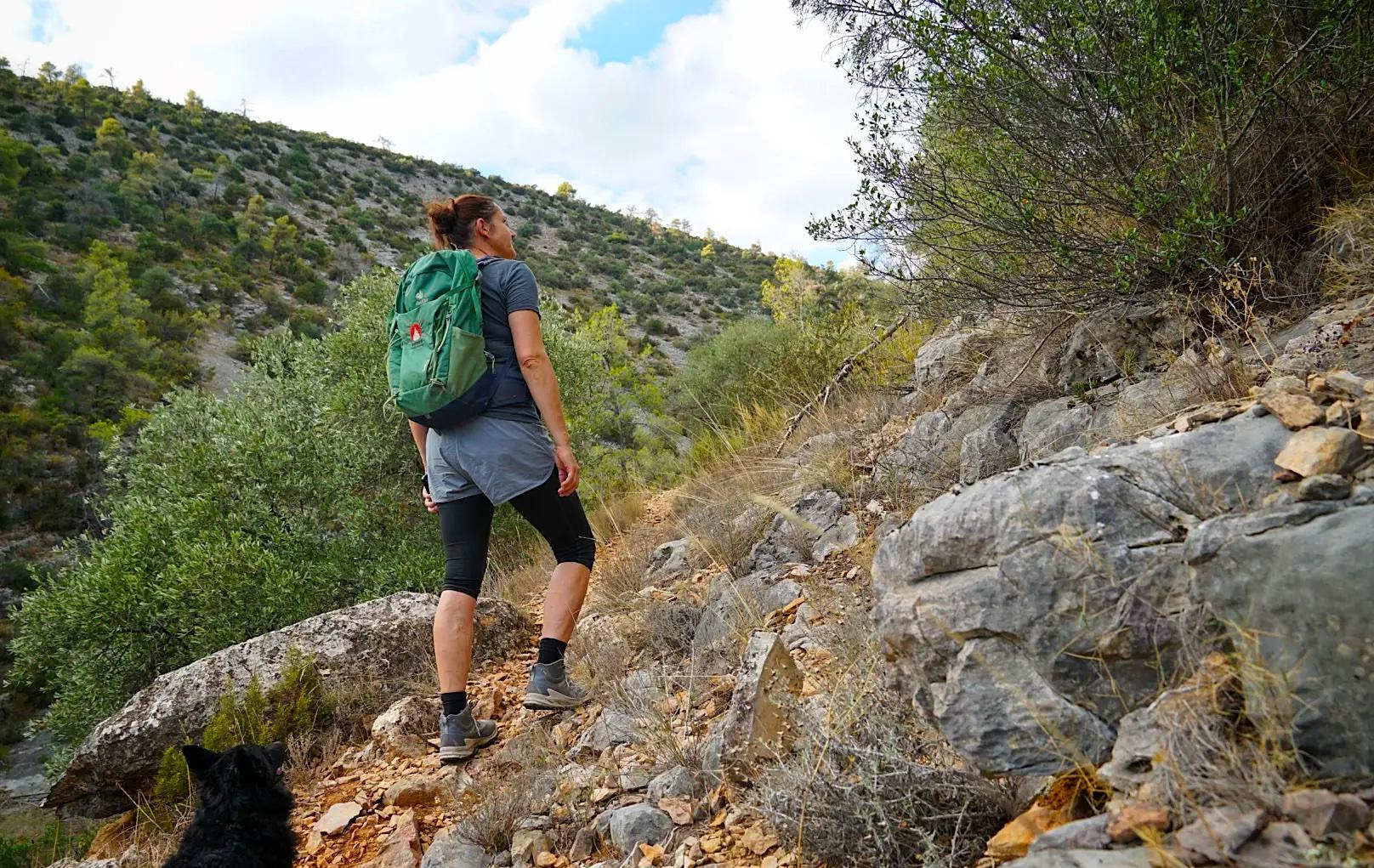
Catalonia's wild south — between sea and mountains
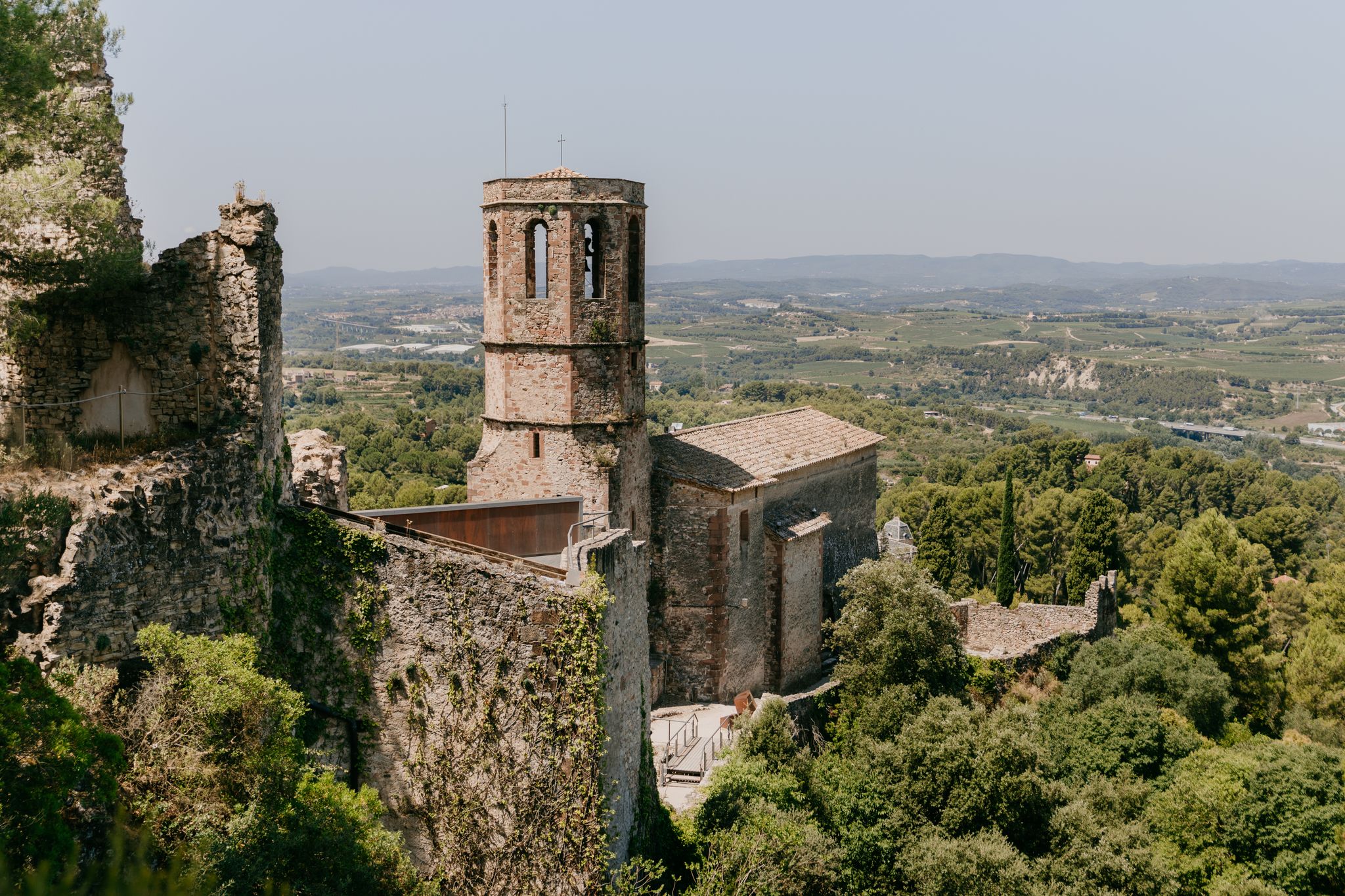
Catalonia by bike — Itineraries between culture and nature
Other adventures in Tarragona


Tips from the Community

The cave can only be reached from the lower footpath. You have to hike back the same way.
0
0

The view of the sea and the coast is fantastic
0
0

To enter Avencs, you will find a pile of stones where you have to go down. Easier access to enter 🌿
0
0

Nice corner that invites you to silence and meditation
0
0

Spectacular balma that pierces the ridge and was once arranged as a key access point to the valley. The dry stone zigzags the ridge to comfortably access from one side of the ridge to the other. Known since ancient times as Lluminosa to differentiate it from the relatively nearby cave which, being a closed gallery, is known as Llòbrega. Cited by Faura in his Collection (1909) and by Ferraté in Speleologia de les comarques Tarragona (1918), although neither gives more information than the name. We are not aware of any specific cataloging work, although it is well known by hikers. When the Mestral winds blow, which is quite common, the force of the wind increases dramatically as it passes through the Cave.
2
0

Natural crevice called Avencs de la Febro, you need good shoes with heels and, if possible, a headlamp or flashlight. They are cracks 30 meters deep, 300 meters long and 8 meters wide that are just a step away from La Mussara. However, they are hidden by vegetation. Because yes, there are many stories of friends and acquaintances who have had to turn around because they have not been able to find their entrance. That's the fun! Hahaha Els Avencs de La Febró have offered shelter to all types of people. For example, they served as a hiding place for the smuggler Josep Ferrer i Grau and General Prim. Yes, I am talking about Juan Prim i Prats, who, apart from being originally from Reus, would come to occupy the position of President of the Government of Spain in 1869.
2
0

The hermitage of Santa Magdalena d'Ulldemolins is also known as the Montsant cathedral for its Renaissance style. Although it was built in the 16th century, it was not until the 18th century when it was opened to worship and was equipped with an altarpiece that was destroyed in 1936.
0
0

Avencs de la Febró is a popular hiking destination. It's a beautiful narrow canyon that the trail goes through. Definitely worth a visit, but watch your step if you're running. Maybe, slow down and take a photo or two.
2
0
Frequently Asked Questions
What kind of natural features can I expect to see in Tarragona's caves?
Tarragona's caves showcase a variety of impressive natural features. You can find extensive subterranean galleries, underground rivers, and spectacular rock formations like stalactites, stalagmites, columns, and flowstones. For example, the Benifallet Caves, particularly Cueva Meravelles, are renowned for their abundant and varied speleothems. Els Avencs de la Febró is a natural crevice forming a beautiful narrow canyon, while the Cave of the Cranes features a waterfall and a small lake.
Are there historical caves to explore in Tarragona?
Yes, Tarragona's caves often blend natural wonder with historical intrigue. Pere's Cave is a large balma known for its historical significance, including connections to the Carline War. The Urban Cave of Tarragona includes a Roman gallery within its subterranean passages. Additionally, the Font Major Cave in L'Espluga de Francolí has a museum providing insights into its history and geological formation.
Which caves in Tarragona are suitable for families?
Many caves in Tarragona offer accessible and educational experiences for families. The Font Major Cave in L'Espluga de Francolí is a popular choice with its museum and guided tours. The Benifallet Caves, including Cueva del Dos and Cueva Meravelles, also provide guided tours through their spectacular formations, making them suitable for family visits.
What are the accessibility considerations for exploring caves in Tarragona?
Accessibility varies greatly depending on the specific cave. Some, like the Benifallet Caves, offer guided tours on established routes. Others, such as Els Avencs de la Febró, involve short climbing passages and require good footwear and potentially a headlamp. The Urban Cave of Tarragona offers guided tours, but parts may be partially submerged. It's best to check specific requirements for each cave you plan to visit.
When is the best time to visit the caves in Tarragona?
The best time to visit caves in Tarragona generally depends on your preference for external weather conditions, as internal cave temperatures are often stable year-round. For caves with waterfalls, like the Cave of the Cranes, the rainy season will offer the most impressive water flow. For sea caves like Llop Marí Cove and Cave, warmer months are ideal for swimming and kayak tours.
Can I find sea caves in Tarragona?
Yes, Tarragona is home to sea caves. The Llop Marí Cove and Cave, accessible from Salou by boat or kayak, is a notable example. It's known for its picturesque cavity, marine wildlife, and a small internal beach, offering a unique coastal exploration experience.
Are there any unique or 'urban' cave experiences in Tarragona?
Yes, Tarragona city itself harbors a unique 'Urban Cave.' This labyrinth beneath the city features underground lakes, various galleries, and a partially submerged section. Guided tours are available, allowing visitors to explore these distinctive subterranean passages, which include both natural formations and a Roman gallery.
What kind of hiking opportunities are available near Tarragona's caves?
Many caves in Tarragona are situated within areas rich in hiking trails. For instance, Els Avencs de la Febró is a popular hiking destination itself. You can find various routes, from easy to difficult, near many cave locations. For more options, explore hiking trails in Tarragona, waterfall hikes, or easy hikes in the region.
What should I wear or bring when visiting caves in Tarragona?
For most cave explorations, comfortable walking shoes with good grip are recommended. For more challenging caves like Els Avencs de la Febró, good footwear and a headlamp are essential. If visiting sea caves like Llop Marí Cove and Cave, a swimsuit might be useful. Always consider that cave interiors can be cooler than outside temperatures, so a light jacket might be advisable.
Are permits required for exploring caves in Tarragona?
For commercially operated caves like Font Major or Benifallet Caves, entry is typically managed through tickets for guided tours, not permits. For more adventurous or undeveloped caves, specific permits might be required, especially for speleological exploration. It's always best to inquire with local authorities or tour operators for the specific cave you intend to visit.
Are there caves known for specific natural phenomena, like wind?
Yes, the Lluminosa Cave is particularly known for a dramatic increase in wind force when the Mestral winds blow through it. This spectacular 'luminous cave' pierces a ridge and was historically arranged as a key access point to the valley, with dry stone zigzags allowing comfortable passage.
What do visitors typically enjoy about the caves in Tarragona?
Visitors frequently appreciate the unique geological formations, the sense of adventure, and the historical insights offered by Tarragona's caves. The community has shared 46 photos and given 95 upvotes, highlighting the beauty and uniqueness of sites like the Cave of the Cranes and Els Avencs de la Febró. The blend of natural beauty and historical context makes for a compelling experience.
Can I visit caves that were used as refuges in Tarragona?
Yes, some caves in Tarragona have historical significance as refuges. Pere's Cave, for instance, is a large balma that was once covered by a wall for protection and is known for its role in the Carline War. The natural crevice of Els Avencs de la Febró also historically provided shelter for various individuals.
Most popular routes in Tarragona
Most popular attractions in Tarragona

Get inspired with the komoot mobile app


Didn’t find what you were looking for?
Discover more caves in Tarragona region by region:
Explore more
Extend your search for the best caves by checking out these guides of the top ones in Tarragona:
