The 10 Most Amazing Peaks in Kukës
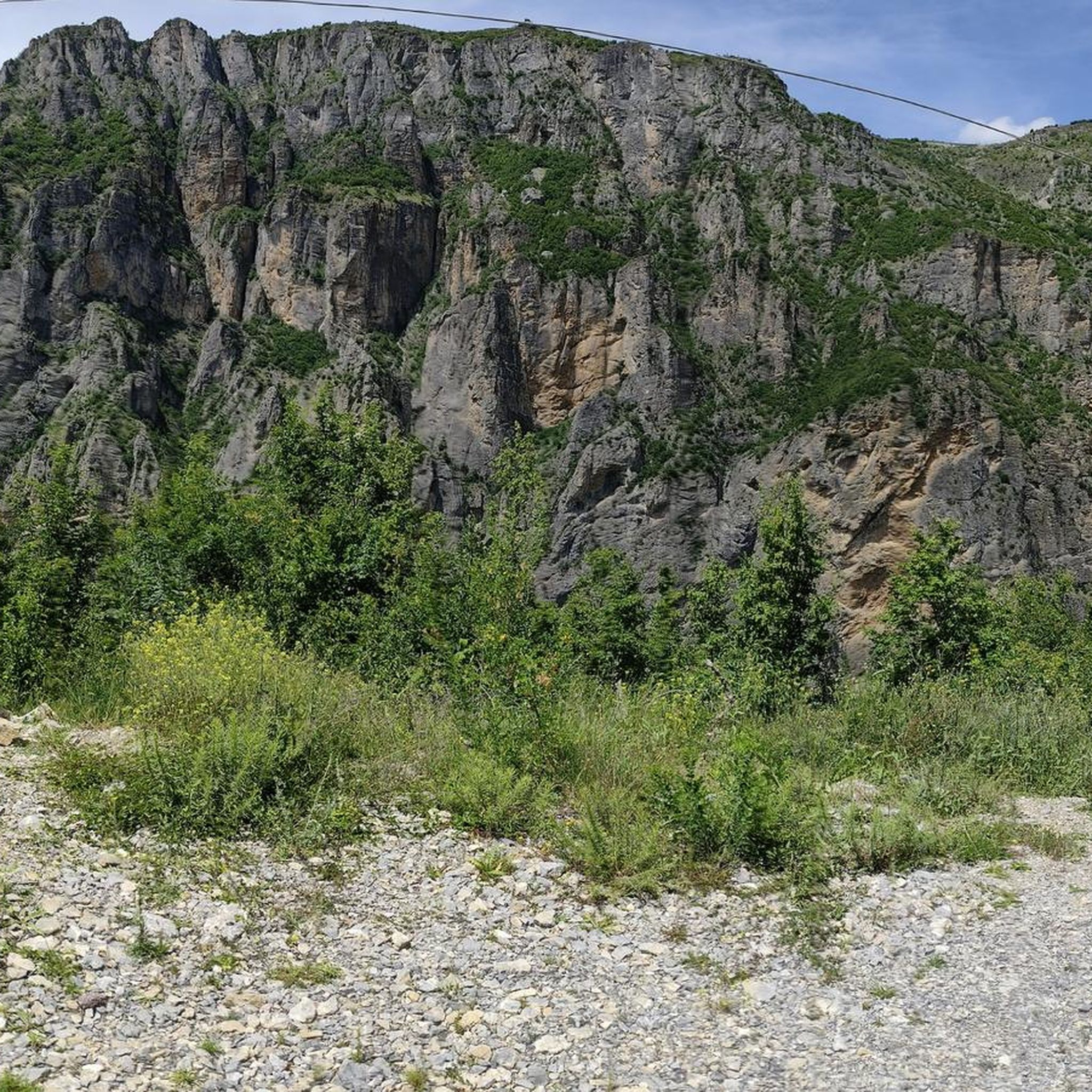
Mountain peaks in Kukës County, Albania, are characterized by the Albanian Alps in the northwest and mountains such as Gjallica, Koritnik, Pashtrik, Korab, and Sharr in other directions. The region features karst topography, lush forests, narrow valleys, canyons, and ravines. This diverse landscape offers a range of natural features for outdoor exploration.
Best mountain peaks in Kukës
- The most popular mountain peaks is View of the Valbona Valley and the Accursed Mountains, a viewpoint that offers extensive views into the Valbona valley. This location provides a wide perspective of the surrounding natural monuments.
- Another must-see spot is Ridge trail with panoramic views of Montenegro, Kosovo, and Albania, a viewpoint offering views of Mt Gjeravica and other mountains. Visitors can experience a section of the Peaks of the Balkan Route.
- Visitors also love Tromedja / Trekufiri Tripoint (Kosovo–Albania–Montenegro), a summit where you can see all three countries of the Peaks of the Balkans. A hut on the ridge provides a resting spot.
- Kukës is known for its summits, viewpoints, and natural monuments. The region offers a variety of mountain peaks to see and explore, including challenging climbs and scenic trails.
- The mountain peaks in Kukës are appreciated by the komoot community, with over 120 upvotes and 10 photos shared.
Last updated: October 14, 2026
Valbona Valley National Park
Highlight • Natural Monument
Tip by

Zla Kolata (2,534 m)
Highlight • Summit
Translated by Google •
Tip by

Sign up now to discover places like this
Get recommendations on the best single tracks, peaks, & plenty of other exciting outdoor places.
Maja e Jezercës Summit
Highlight • Summit
(Source: Wikipedia)
Translated by Google •
Tip by

Tromedja / Trekufiri Tripoint (Kosovo–Albania–Montenegro)
Highlight • Summit
Translated by Google •
Tip by

Ascent to Maja e Rosit (2522 m)
Highlight • Climb
Translated by Google •
Tip by

Ridge trail with panoramic views of Montenegro, Kosovo, and Albania
Highlight (Segment) • Viewpoint
Translated by Google •
Tip by

View of the Valbona Valley and the Accursed Mountains
Highlight • Viewpoint
Translated by Google •
Tip by

Albania Border Marker at 1950 m
Highlight (Segment) • Monument
Translated by Google •
Tip by

CPJ Summit (2,156 m)
Highlight • Summit
Translated by Google •
Tip by

Start today with a free account
Your next adventure awaits.
Other adventures in Kukës

Tips from the Community

A highlight in the area. From here you can see the Plav lake.
0
0

Here you will find many great opportunities for hiking 🥾
0
0

Jezerca (Albanian: Maja e Jezercës; Serbian: Језерски Врх Jezerski Vrh), at 2,694 m above sea level, is considered the highest mountain entirely located in Albania and the highest peak in the Northern Albanian Alps. Not an easy climb. The trail is fairly well marked (red and white), including cairns. It winds its way through the valley to the foot of Jezerca (also over small snowfields), and then climbs mostly in and alongside a gully (with a snowfield). It winds skillfully over several steps in the limestone, also over small scree fields. Hands and feet are often needed for climbing, and poles are also helpful. The ascent is approximately 600 m.
1
0

The highest peak in Montenegro. When you're there, you can really enjoy the view and the nature. In my case, there weren't many people on the way and it was quiet. I don't find the route strenuous. Only the last hour requires a bit of climbing and walking on steep rocks. In wet weather, there are places that could be slippery and dangerous.
7
0

The summit marks exactly the border between Albania and Montenegro
0
0
Beautiful summit with panoramic views
0
0

You can park your car here (4x4) for a shorter walk.
0
0

It's not necessarily a gravel track, but it's worth reaching the summit because the three-country corner awaits there 🚴🐯
3
0
Frequently Asked Questions
What are some of the most prominent mountain peaks in Kukës County?
Kukës County is home to several impressive peaks. Maja e Jezercës, at 2,694 m, is the highest peak in the county and the second highest in Albania, a significant destination for mountaineers. Gjallica Mountain (2,489 m) is a landmark visible from Kukës city, known for its stunning views and challenging slopes. Other notable peaks include Zla Kolata (2,534 m), which offers magnificent views and is accessible from the Albanian side, and Maja e Rosit (2,522 m) with its scenic routes.
Are there challenging mountain climbs in the Kukës region?
Yes, the Kukës region offers several challenging climbs. Peaks like Maja e Jezercës and Gjallica Mountain present rewarding challenges for experienced alpinists. The ascent to Zla Kolata (2,534 m), while not overly strenuous for most of the route, involves some climbing and navigating steep, rocky terrain in its final hour. Similarly, the Ascent to Maja e Rosit (2522 m) is categorized as challenging.
What kind of views can I expect from the peaks in Kukës?
The peaks in Kukës County offer breathtaking panoramic views. From viewpoints like View of the Valbona Valley and the Accursed Mountains, you can see far into the Valbona valley. The Ridge trail with panoramic views of Montenegro, Kosovo, and Albania provides amazing vistas of Mt Gjeravica and other mountains. A unique experience is offered at Tromedja / Trekufiri Tripoint, where you can see all three countries: Kosovo, Albania, and Montenegro.
When is the best time to hike the mountain peaks in Kukës?
The best time to hike the mountain peaks in Kukës is generally during the warmer months, from late spring to early autumn, when the weather is more stable and trails are clear of snow. This allows for optimal conditions to enjoy the diverse landscapes and challenging climbs. Winter hiking is possible but requires specialized gear and experience due to snow and potentially slippery conditions.
Are there family-friendly or easier hiking options among the peaks in Kukës?
While many peaks in Kukës offer challenging climbs, the region also features diverse landscapes that can accommodate various skill levels. For easier options, consider exploring areas within Valbona Valley National Park, which offers trails of varying difficulty. Always check specific route details and difficulty ratings on komoot to find trails suitable for your family or skill level.
What other outdoor activities can I do near the mountain peaks in Kukës?
Beyond peak bagging, the Kukës region offers a variety of outdoor activities. You can explore numerous hiking trails, including challenging mountaineering routes like the "Попадија/Maja e Popadijes – Valušnica loop" or the "Grunas Waterfall – Bridge Over the Blue Eye River loop." For cycling enthusiasts, there are difficult touring bicycle routes such as the "Road to Valbonë – Between the mountains loop." Mountain biking is also popular, with trails like the "Trail to Blue Eye – Thethi Church loop." You can find more details on these activities in the Mountain Hikes in Kukës, Cycling in Kukës, and MTB Trails in Kukës guides.
What natural features can I see in the Kukës mountain region?
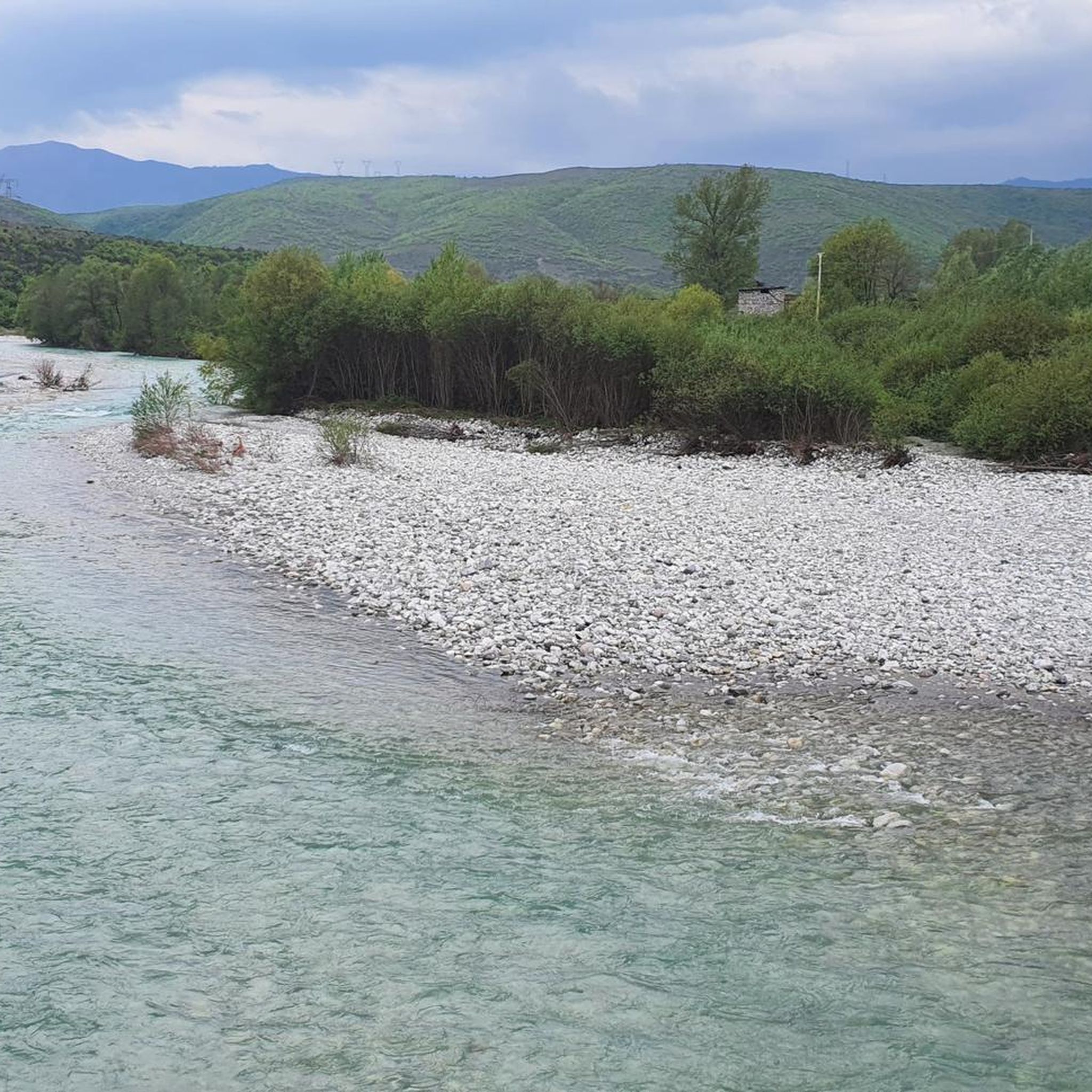
The Kukës mountain region is rich in natural features. You'll encounter the dramatic Albanian Alps, karst topography, and lush forests of pine and beech. The landscape is characterized by narrow valleys, canyons, and ravines. The Valbona River originates south of Maja e Jezercës, and you can explore areas like Valbona Valley National Park, which is a significant natural monument.
What do visitors enjoy most about the mountain peaks in Kukës?
Visitors to the mountain peaks in Kukës particularly enjoy the stunning views and the immersive natural experience. Many find the arduous climbs worthwhile for the panoramic vistas, especially from spots like the View of the Valbona Valley and the Accursed Mountains. The tranquility and the feeling of being alone in nature, even on popular routes like Zla Kolata, are highly appreciated.
Are there any unique border-crossing experiences among the peaks?
Yes, the region offers a unique tri-national experience at Tromedja / Trekufiri Tripoint (Kosovo–Albania–Montenegro). This summit allows you to see all three countries from one spot, and there's a hut on the ridge for hikers to rest. Another interesting point is the Albania Border Marker at 1950 m, which also offers great views.
What should I know about local assistance for climbing in Kukës?
For challenging climbs, especially on mountains like Gjallica, local expert assistance is highly recommended. The terrain can be demanding, and local guides possess invaluable knowledge of the routes, conditions, and safety protocols, ensuring a more secure and enjoyable experience.
Are there amenities like shops or restaurants near the mountain trails?
Yes, particularly in areas like Valbona Valley National Park, you can find amenities. Visitors have noted that in Valbona, there are several possibilities to strengthen yourself, including two small shops and multiple restaurants. These can be convenient for resupplying or enjoying a meal after a hike.
Most popular attractions in Kukës

Get inspired with the komoot mobile app


