Top 13 Lakes in Tasmania
Best lakes in Tasmania are found within a region known for its pristine wilderness and diverse natural landscapes. Tasmania features numerous remarkable lakes, offering unique features and experiences for visitors. The island's geography includes glacial lakes, deep freshwater bodies, and high-altitude expanses, many of which are part of the Tasmanian Wilderness World Heritage Area. These lakes are integral to the island's natural beauty and provide varied opportunities for exploration.
Best lakes in Tasmania
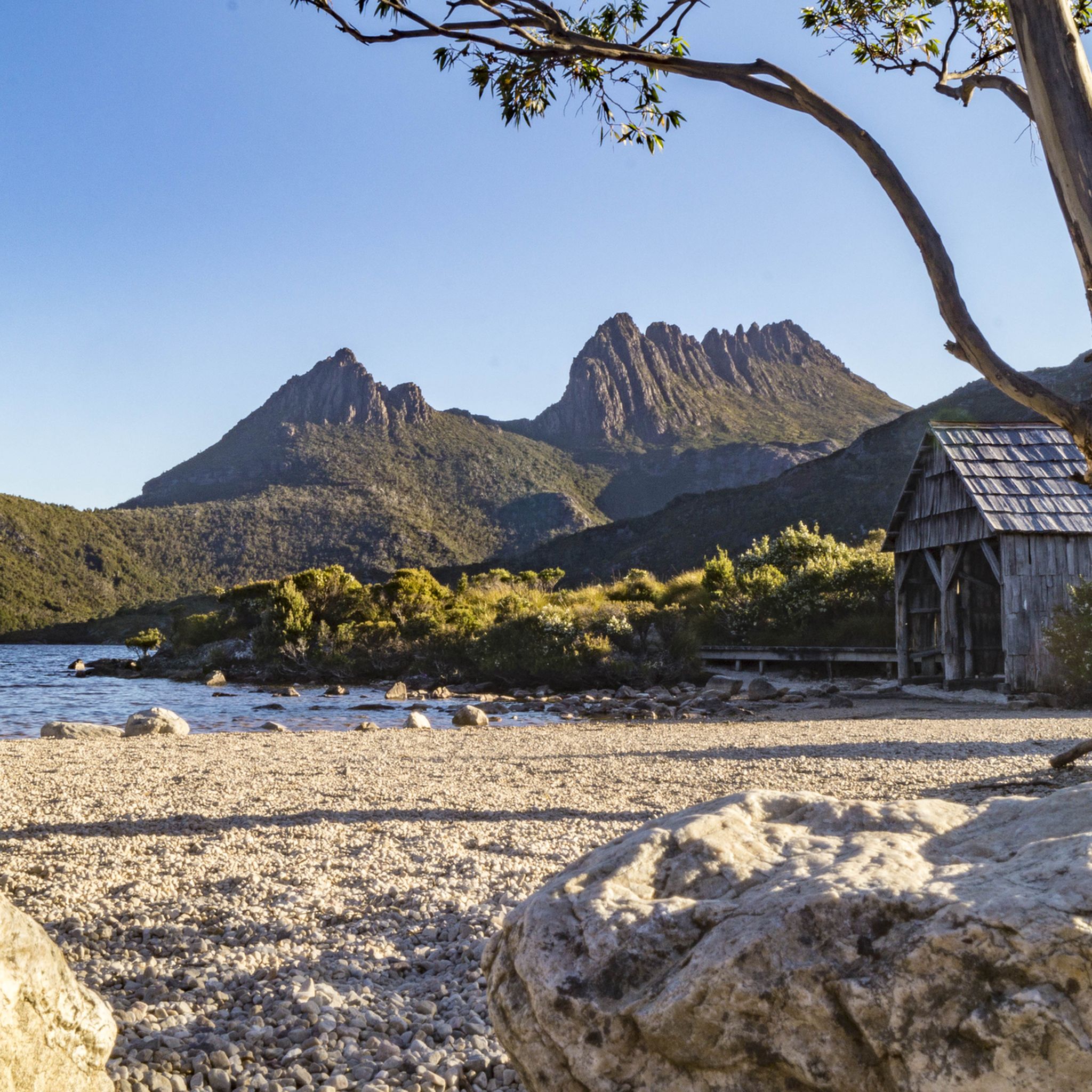
- The most popular lakes is Dove Lake, a lake that is a glacial lake nestled beneath Cradle Mountain. The 6 km circuit track encircles the lake, offering views of buttongrass plains, alpine heath, and temperate rainforest.
- Another must-see spot is Lake St Clair, Australia's deepest freshwater lake at 190 meters, believed to have been carved out by glaciers. It is the headwaters of the Derwent River and offers spectacular scenery within the Cradle Mountain-Lake St Clair National Park.
- Visitors also love Great Lake, the highest lake in Australia, located in the Central Highlands. This lake is Tasmania's third-largest freshwater lake and is renowned for its excellent trout fishing.
- Tasmania is known for glacial lakes, deep freshwater lakes, and high-altitude lakes. The region offers a variety of lakes to see and explore, from serene alpine settings to expansive fishing destinations.
- The lakes in Tasmania are appreciated by the komoot community, with more than 100 upvotes and over 40 photos across 20 highlights.
Last updated: October 14, 2026
Dove Lake
Highlight • Lake
Tip by

Crater Lake
Highlight • Lake
Tip by

Sign up now to discover places like this
Get recommendations on the best single tracks, peaks, & plenty of other exciting outdoor places.
Lake Lilla
Highlight • Lake
Tip by
Bird Hide at Narawntapu National Park
Highlight • Structure
Tip by

First Basin Swimming Pool
Highlight • Rest Area
Tip by
Wombat Pool lookout
Highlight • Viewpoint
Tip by
Fortescue Bay
Highlight • Beach
Tip by

Honeymoon Bay
Highlight • Beach
Translated by Google •
Tip by

Springlawn Kangaroo Meadows
Highlight • Natural
Tip by

Bench with a view of four lakes
Highlight • Lake
Showing Translation
Tip by

Sign up for free to discover even more lakes in Tasmania.
Already have an account?
Start today with a free account
Your next adventure awaits.

Other adventures in Tasmania

Tips from the Community

The bird hide sits quietly at the edge of Springlawn Lagoon, reached through paperbark swamp and banksia scrub. Settle in for a few minutes and scan the water for ducks, herons, swans, cormorants, coots, bitterns and grebes, depending on the season. The walk from the visitor centre is flat and easy, but keep an eye out for copperhead snakes basking near the track in warmer weather.
0
0

First Basin Swimming Pool is a public outdoor pool set within Cataract Gorge, nestled along the calm waters of First Basin. Fed by river water and surrounded by lawns and rocky cliffs, it's a unique place to swim in a natural, picturesque setting. Popular in warmer months, the pool sits close to walking paths, picnic areas, and the Gorge Scenic Chairlift, making it an easy and refreshing stop within the reserve.
0
0
Crater Lake is a small, picturesque glacial lake nestled beneath Cradle Mountain, surrounded by steep slopes and alpine vegetation. A well-formed walking track leads to the lake from several nearby routes, offering elevated views over the water and surrounding peaks. Its sheltered setting and reflective surface make it a lovely spot to pause and take in the scenery for anyone exploring this beautiful area.
0
0
Lake Lilla is a small, serene alpine lake surrounded by forest and open heathland. The lake reflects the nearby peaks on calm days, creating a peaceful, photogenic spot along the Dove Lake circuit. It’s a quiet place to pause and enjoy the natural beauty away from the busier main lookouts.
0
0
This lookout sits right at the edge of Wombat Pool, with a sturdy bench where you can rest and enjoy the view, where you’ll see the peaceful reflections of the surrounding alpine forest and nearby peaks in the calm water. It’s a quiet, scenic spot perfect for soaking in the park's tranquil atmosphere.
0
0


Fortescue Bay is a popular attraction of Tasman National Park, with trails surrounding its shoreline. Hikers can enjoy views over the water from woodland tracks, beaches, and dramatic cliffs.
0
0

If you can't get up Cradle Mountain than a walk around Dove Lake is a good option
1
0
Frequently Asked Questions
What are some of the most popular lakes for visitors in Tasmania?
Tasmania boasts several highly popular lakes. Among them, Dove Lake is a glacial lake nestled beneath Cradle Mountain, famous for its scenic 6 km circuit track. Lake St Clair, Australia's deepest freshwater lake, is another must-see, offering spectacular scenery and marking the end of the renowned Overland Track. Great Lake, the highest lake in Australia, is a prime destination for anglers, especially for trout fishing.
Are there family-friendly activities or lakes in Tasmania?
Yes, Tasmania offers several family-friendly lake experiences. Fortescue Bay and Honeymoon Bay are both listed as family-friendly, offering beach access and scenic views. Additionally, the Tamar Island Wetlands provides an accessible boardwalk experience, perfect for families to observe wildlife.
What kind of natural features can I expect to see around Tasmania's lakes?
Tasmania's lakes are surrounded by diverse natural features. You'll find glacial landscapes, high dolerite cliffs, buttongrass plains, alpine heath, and temperate rainforests. Many lakes offer stunning reflections of nearby peaks, such as at Lake Lilla. Unique geological formations like the vivid aqua blue Little Blue Lake, a former mine hole, also dot the landscape.
What is the best time of year to visit Tasmania's lakes?
The best time to visit Tasmania's lakes generally depends on your preferred activities. Summer (December to February) offers warmer temperatures ideal for hiking and water activities. Spring (September to November) and Autumn (March to May) provide pleasant weather for walking with fewer crowds and beautiful seasonal colours. Winter (June to August) can be cold and snowy, especially in higher altitudes, but offers a unique, serene beauty for those prepared for the conditions.
Are there good hiking trails near Tasmania's lakes?
Absolutely. Many lakes in Tasmania are focal points for excellent hiking. The 6 km circuit track around Dove Lake is very popular, offering diverse scenery and views of Cradle Mountain. Lake St Clair is the southern end of the multi-day Overland Track and offers a range of walks from leisurely strolls to overnight bushwalks. For more hiking options, you can explore various running and hiking trails in Tasmania.
What unique wildlife can be spotted around Tasmanian lakes?
The areas around Tasmania's lakes are rich in native wildlife. Near Lake St Clair, for example, you might spot Bennetts wallabies, pademelons, wombats, echidnas, quolls, and platypuses. The diverse ecosystems, from alpine heath to temperate rainforests, provide habitats for a variety of bird species and other marsupials.
Can I go fishing in Tasmania's lakes?
Yes, fishing is a popular activity in many Tasmanian lakes. Great Lake, located in the Central Highlands, is particularly renowned for its excellent trout fishing, especially for brown trout. Fly-fishing enthusiasts from around the world are drawn to its waters.
Are there any lakes in Tasmania with historical significance?
Yes, some lakes have historical significance, particularly related to Tasmania's mining and hydro-electric past. Little Blue Lake, for instance, is a unique result of pioneering mining days, originally a mine hole. Great Lake's current expansive size was also significantly influenced by the construction of Miena Dam #2 in 1922, expanding its natural form for hydro-electric purposes.
What are some notable viewpoints for seeing multiple lakes or expansive lake scenery?
For panoramic views of the lake country, consider visiting Crater Peak Lookout, which offers excellent vistas of lakes and mountains. Another great spot is the Bench With View of Four Lakes, providing a perfect break point with expansive scenery before climbing Marion's Lookout.
Are there opportunities for road cycling near Tasmania's lakes?
While specific routes directly around the lakes may vary, Tasmania offers numerous road cycling opportunities. You can find various road cycling routes across Tasmania, ranging from moderate to challenging, that may take you through scenic areas near some of the region's beautiful waterways.
What is the significance of Lake Pedder and Lake Gordon?
Lake Pedder and Lake Gordon are significant as they form the biggest water-storage catchment in Australia. Lake Pedder is a large man-made impoundment that is part of the Upper Gordon River Hydro-Electric Scheme, highlighting Tasmania's history of harnessing its natural resources for power generation.
Are there any hidden gem lakes in Tasmania that require more effort to reach?
Yes, for those seeking a more remote experience, Lake Geeves is located deep within the World Heritage Area of southwest Tasmania, at the foot of Federation Peak. Lake Rhona, described as a 'tiny circular sea' fringed by quartzite sand and walled by the Denison Ranges, is another remarkable sight accessible by an overnight hike, offering a truly secluded natural encounter.
Most popular routes in Tasmania
Most popular attractions in Tasmania

Get inspired with the komoot mobile app


Didn’t find what you were looking for?
Find the best lakes in Tasmania per region:
Explore more
Still not found your perfect lake in Tasmania? Check out the guides of these regions to see even more beautiful places.
